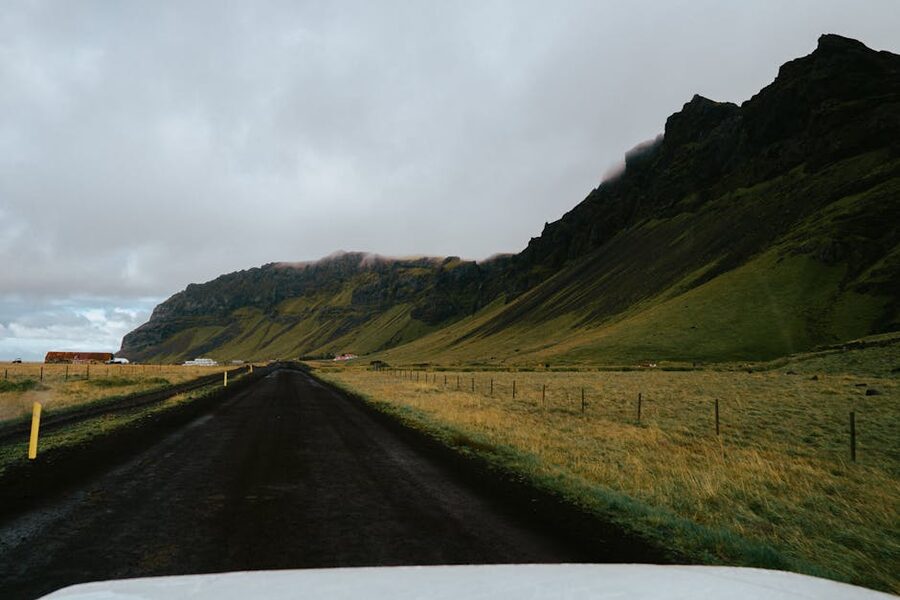
Most people who arrive in Iceland do it the package way. A 7-day bus around the Ring Road with twelve strangers, or a GPS-locked rental car that follows the same south-coast route as everyone else. That’s fine. It works. Plenty of people have a great week doing exactly that.
But the other way, the custom way, is what I’d book if it were my own holiday. And after a decade of watching visitors arrive here, I can tell you most people want this and don’t know it’s on the table.
A custom Iceland tour is, at its simplest, a trip designed for you, not for a bus that needs 40 seats sold. You pick the dates, the regions, the pace, the interests. An operator works with you on the route, books the hotels, arranges the car or the guide, and hands you an itinerary you can actually modify at 7 a.m. when the forecast changes. That last part is the one people underestimate. Iceland’s weather rewrites plans almost every week of the year. A custom trip has slack built in. A package tour does not.
I’m going to walk you through what a custom Iceland trip actually involves, which operators are worth calling, what it costs, how to brief a designer, and when you’re better off booking a scheduled tour instead. Because sometimes you are.
In This Article
- When custom actually beats scheduled
- Who actually designs custom Iceland trips
- Nordic Visitor
- Arctic Adventures (Private Travel Desk)
- Hidden Iceland
- Iceland Unlimited
- Iceland ProCruises & Reykjavik Excursions
- Troll Expeditions, Mountaineers of Iceland, Midgard Adventure
- Your Friend in Reykjavik
- How to brief a tour designer
- Private guide-driver vs self-drive with itinerary vs hybrid
- Self-drive with a built itinerary
- Private driver-guide
- Hybrid
- A long weekend, three or four days
- A Ring Road week: seven to nine days
- The deep-dive fortnight: ten to fourteen days
- Custom for photography
- Custom for families with children
- Custom for food and culture
- Custom for winter and northern lights
- What it actually costs, in ISK and EUR
- Weather, flexibility, and the real reason to go custom
- Booking timelines, how far ahead to start
- Where I’d not bother with custom
- A few practical notes before you book
When custom actually beats scheduled
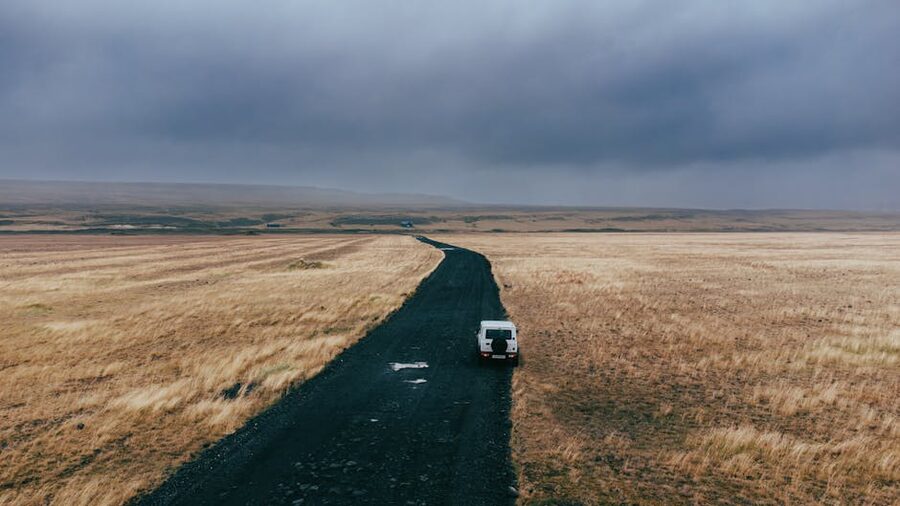
There’s a kind of trip Iceland does uniquely well, and a kind it does badly. Knowing which one you’re on is the whole game.
Custom wins when:
- You want a region that isn’t the Golden Circle and the south coast. The Westfjords, the north beyond Akureyri, the east fjords, the highland interior, all of these are thinly served by scheduled tours. Most package operators will wave you at the classic hits and call it done. If you’re curious about Látrabjarg’s bird cliffs or a fly-in to the highland base at Kerlingarfjöll, you need a designer.
- You have a specific interest. Photography, birding, geology, food, horses, wellness, geothermal bathing, folklore, knitting, Iceland has someone who specialises in each, and a custom trip builds around them. On a scheduled tour they get five minutes at a photo stop.
- You’re travelling with someone whose pace is different from the rest of the bus. Kids under ten, parents in their seventies, a honeymoon where you’d rather not queue behind forty strangers for the same Seljalandsfoss shot. A private trip bends around you.
- You want to sleep somewhere the bus tours don’t stop. Hof Villa in the east, the turf-roofed lodges on Snæfellsnes, the small farm-stays in the Skagafjörður valley, the Highland Base Lodge at Kerlingarfjöll. Most aren’t on package inventories. A good operator books them directly.
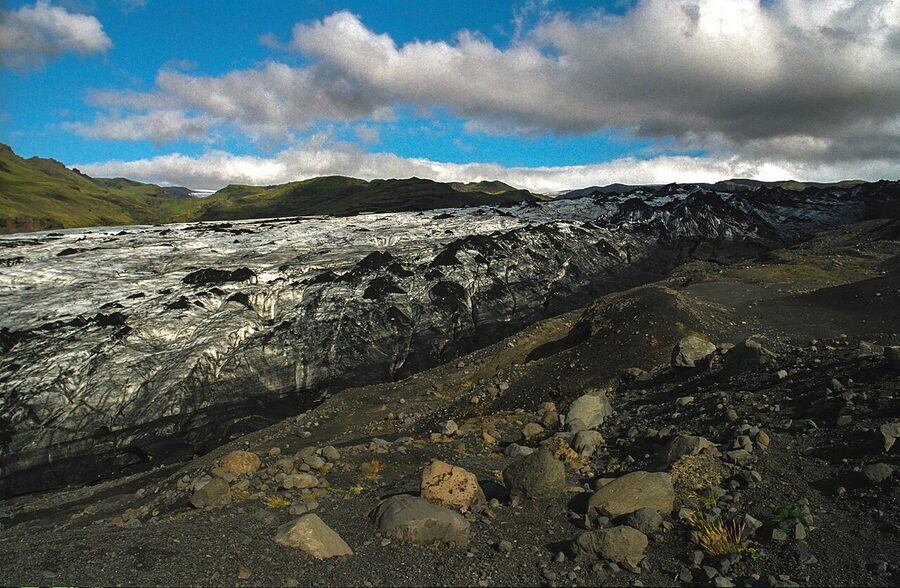
- Weather. The obvious one. If Route 1 closes between Vík and Höfn on a Tuesday and your scheduled tour is committed to getting to Jökulsárlón that afternoon, you sit on a coach for three hours or skip the stop. If you’re on a custom trip, your designer swaps the day, extra night in Vík, new angle on the glacier tongue from Sólheimajökull tomorrow, and you keep the good parts.
Scheduled tours win when:
- You’re solo on a tight budget. A Reykjavik Excursions day trip to the Golden Circle runs around 10,990 ISK. A custom driver-guide for the same day, with just you in the vehicle, is somewhere north of 150,000 ISK. The maths only works if there are four of you splitting it.
- You want one specific bucket-list experience, an ice cave, a volcano helicopter, a Blue Lagoon float, and not a full week of planning. Book the individual tour and build around it.
- You don’t mind the Ring Road bus experience and you’d rather someone else pick the hotels. There’s nothing wrong with this, and small-group scheduled tours from the likes of Iceland Unlimited, Adventures.is, or Nordic Visitor are genuinely good at what they do.
If you recognised yourself in the first list, keep reading. If you recognised yourself in the second, have a look at the tour guides hub for scheduled options and save yourself the money.
Who actually designs custom Iceland trips
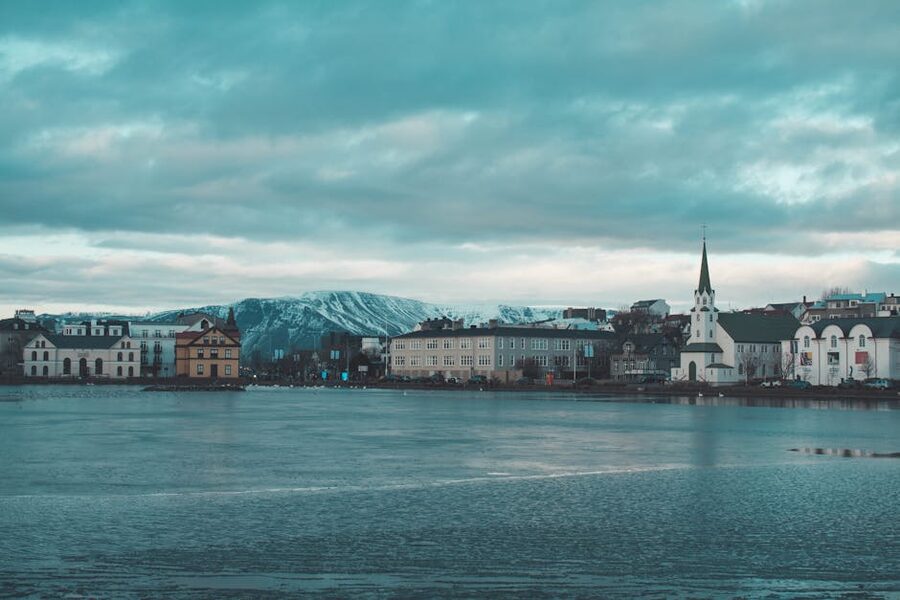
There are maybe fifteen operators I’d trust to design a custom Iceland trip for a friend, and most of them you won’t find on the first page of Google because the first page is dominated by affiliate aggregators. Here’s the list, with what each one is actually good at.
Nordic Visitor
The volume shop. Based in Reykjavik, probably the most-booked custom operator in the country for English-speaking visitors. Strong on self-drive itineraries, you get a route, a rental car, every hotel booked, a printed road atlas, and a 24/7 emergency line. Their privately guided tours are good but sit at the top of the price range (8,000–22,000 USD per person for a 7–10 day private trip in 2026). If you want a well-organised self-drive around the Ring Road with optional activities tacked on, they’re the first number to call. Their custom trips page lists current itineraries.
Arctic Adventures (Private Travel Desk)
Iceland’s biggest adventure operator runs a custom arm called the Private Travel Desk that designs trips from a half-day add-on to a fortnight. They did over 400 private itineraries in 2024, which is a lot of rehearsals. Best if your trip involves something active, glacier hikes, ice caves, snowmobiling, snorkelling Silfra, super jeep into the highlands. They have their own guides on staff, which matters because availability is the bottleneck for ice cave guides in December. Minimum budgets around 1,500 EUR per person, typical trips 2,500–4,500 EUR.
Hidden Iceland
Smaller, more design-forward. Their sweet spot is the couple or family who wants the premium version, Hof Villa on the east coast, a private ice cave, dinner somewhere with ten covers and no visible menu. They’re part of the Serandipians by Traveller Made network, which tells you about the price bracket (typically above 4,000 EUR per person per week). Worth an email if the budget is there and you want someone who obsesses over hotel inventory.
Iceland Unlimited
Based in Reykjavik, the one I’d send someone to if they needed accessibility built in from the start, they’re Iceland’s recognised specialists for wheelchair-accessible and limited-mobility travel. Also strong on senior trips at a relaxed pace, family self-drives, and honeymoon packages. Less loud than Nordic Visitor but I’ve had better reports on the one-to-one planning.
Iceland ProCruises & Reykjavik Excursions
Both well-established day tour operators that also quietly run private-trip desks. Reykjavik Excursions is the Route 1 coach you’ve seen, BSÍ terminal, but they’ll custom a private driver-guide day for under 180,000 ISK if you ask. Useful if you already know you want the classic hits and just don’t want to drive.
Troll Expeditions, Mountaineers of Iceland, Midgard Adventure
These are the adventure specialists I’d pair with a custom itinerary rather than book a full trip through. Midgard, out of Hvolsvöllur, runs the best super jeep guides in the south and handles the Fjallabak highland routes. Mountaineers of Iceland are who Hollywood books when they need someone to drive a film crew up Langjökull. Trolls are the ice cave and glacier people. Good operators will build these names into your itinerary where they belong.
Your Friend in Reykjavik
The one-guide-with-a-car outfit I’d recommend if you want a day or two of someone local showing you the city and not much else. The tours are small and warm, less a package and more like a friend with a van who knows where the actual hot dog is better than Bæjarins Beztu.
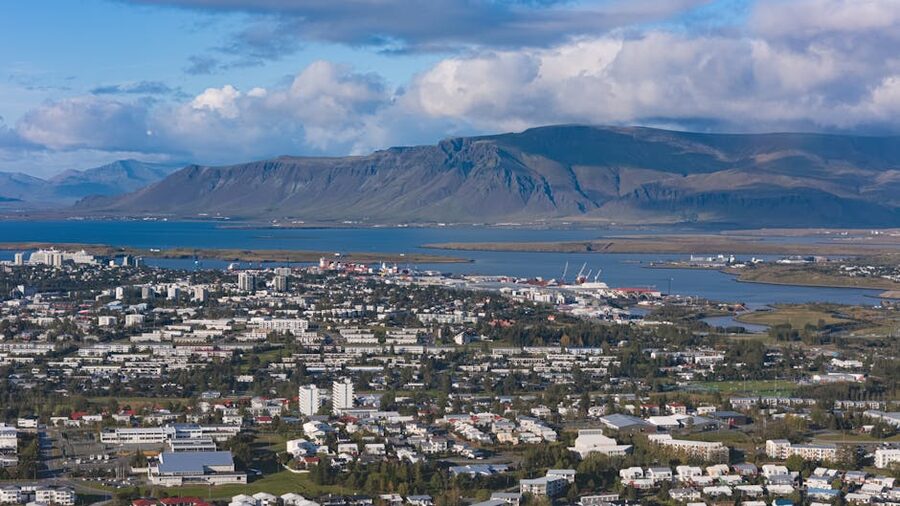
The pattern across the good ones: they all have a travel consultant assigned to your trip, you email them directly, itinerary revisions are free until you book, and the first reply includes at least one suggestion you hadn’t thought of. If an operator sends you a fixed PDF and asks you to pay a deposit before you’ve spoken to a human, that’s not a custom trip, that’s a package with your name on it.
How to brief a tour designer
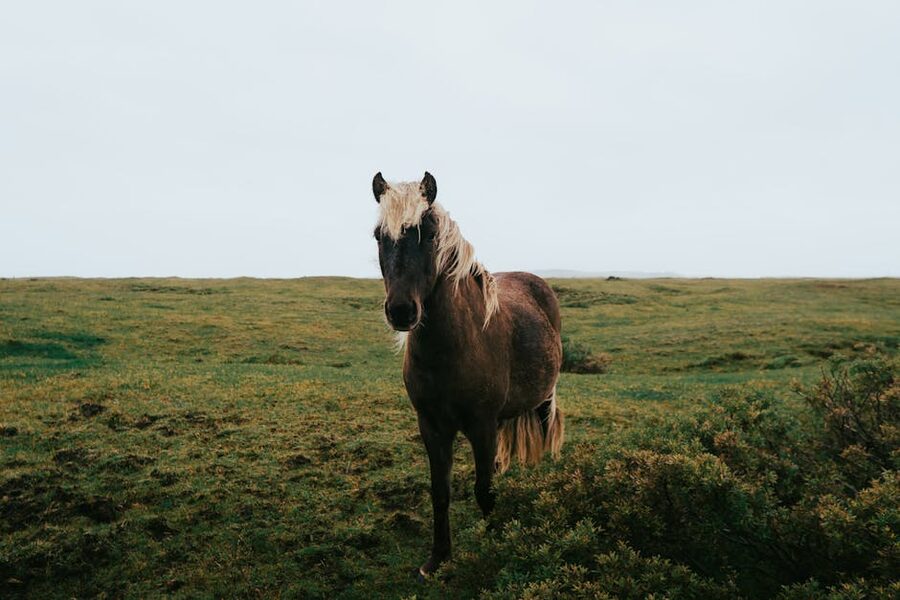
The single biggest factor in a custom trip being good is the brief. Operators who’ve been doing this a while can tell within three emails whether you’re going to be a delight or a disaster, and it’s almost entirely based on how you describe what you want.
Here’s what to send in the first email. Not as a form, as a short paragraph or two. Treat it like a friend asking you to plan their trip, and you’ve been given a blank page.
- Dates and flexibility. Exact if you have them (“18–27 August”), a window if you don’t (“first fortnight of September, could flex by a few days either side”). And whether your flights are booked yet, they’ll advise on timing if not.
- Who’s coming. Ages, any mobility or dietary needs, whether anyone gets carsick on winding roads (Iceland has many), whether the children are the kind who will actually hike or the kind who won’t leave a hot tub.
- Budget. In a range, per person, excluding flights. Ballpark, “4,000–5,000 EUR per person for a week”, not a hard ceiling. A real range gets you a real itinerary. If you give them a number that’s too low, a good operator will tell you and suggest shortening the trip rather than squeezing the hotels.
- Interests that matter. Three is enough. Photography, food, and geology is a trip. Photography, food, wellness, birding, history, horses, aurora, shopping, nightlife, family bonding, corporate retreat is not a trip, that’s a wish list nobody can deliver. Pick the three that actually get you here.
- Pace. Be specific. “We like to be in the car by 9, out by 5, finished with dinner by 8” is a trip. “A relaxed pace” means nothing. Whether you want to drive every day, or prefer two nights in the same hotel and day trips from it, completely changes the shape of the itinerary.
- What you’ve already decided. “We want one night at the Retreat at Blue Lagoon,” or “we’re booked on the 9 a.m. ice cave on the 14th.” This stops the operator re-suggesting things and lets them build around fixed points.
- What you don’t want. The single most useful line in the brief. “Skip the Blue Lagoon, we’d rather a local pool.” “No tourist-shop Reykjavik walking tour.” “We don’t need a helicopter.” Saves two email rounds.
Send it as one email. Expect a reply within 48 hours with a draft route and hotel suggestions. From there it’s three or four rounds of revision before booking. A good operator will push back on you if your pace is wrong, listen to them. They’ve watched a thousand people try to fit the Ring Road into four days.
Private guide-driver vs self-drive with itinerary vs hybrid
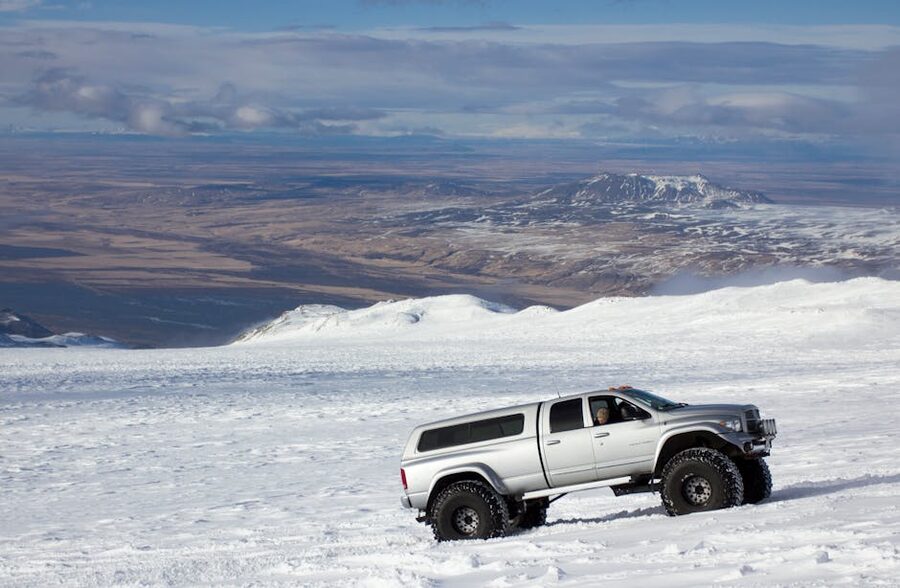
Once you’ve picked your operator, the next question is how you’re actually moving around Iceland. Three options.
Self-drive with a built itinerary
Your operator books the car (usually a mid-sized 4×4 in summer, a studded-tyre 4×4 in winter), the hotels, and the activities, then hands you a route with daily notes, an emergency number, and the reservations. You drive. This is what most people end up on, and it’s the cheapest option above “book everything myself”. Price range in 2026 is about 1,100–3,500 USD per person for a 7-day summer trip depending on hotel category.
It works when you’re comfortable driving in variable weather, the conditions are mostly summer (May–September), and you don’t mind being the one who has to pull into a layby and call the operator when Route 1 closes. For two adults splitting the cost it’s unbeatable value.
Private driver-guide
A professional guide in a private vehicle, often a Mercedes V-Class, a Tesla, or a Super Jeep depending on the route, travels with you for the full trip. They drive, they narrate, they adjust the route on the fly, they know which café in Borgarnes does the best lamb soup at 2 p.m. on a Tuesday. This is luxury territory and it’s priced accordingly: 8,000–15,000 USD per person for a week in summer, more in winter, more again for highland routes.
Worth it when the party is four or more people (the per-person cost comes down substantially), or when one person in the group absolutely cannot drive in Icelandic conditions, or when you want a photographer-guide who can set up the shot at the right time of day. The really good guides, the ones with a decade in and photography certifications, are book-six-months-ahead territory for the December-to-March ice cave season.
Hybrid
The one I actually recommend most often. You self-drive the main route, the Ring Road, the south coast, Snæfellsnes, and add one or two days with a specialist guide for the things you can’t do alone. A day in a super jeep into the highlands. A glacier hike. An ice cave in winter. An aurora chase. A private whale-watching boat out of Húsavík.
This gives you the freedom of the self-drive and the expertise where it matters. For a 7-day Ring Road trip, budget an extra 80,000–200,000 ISK per guided day on top of the self-drive baseline. For most couples and small groups this is the best-value way to do Iceland custom.
A long weekend, three or four days
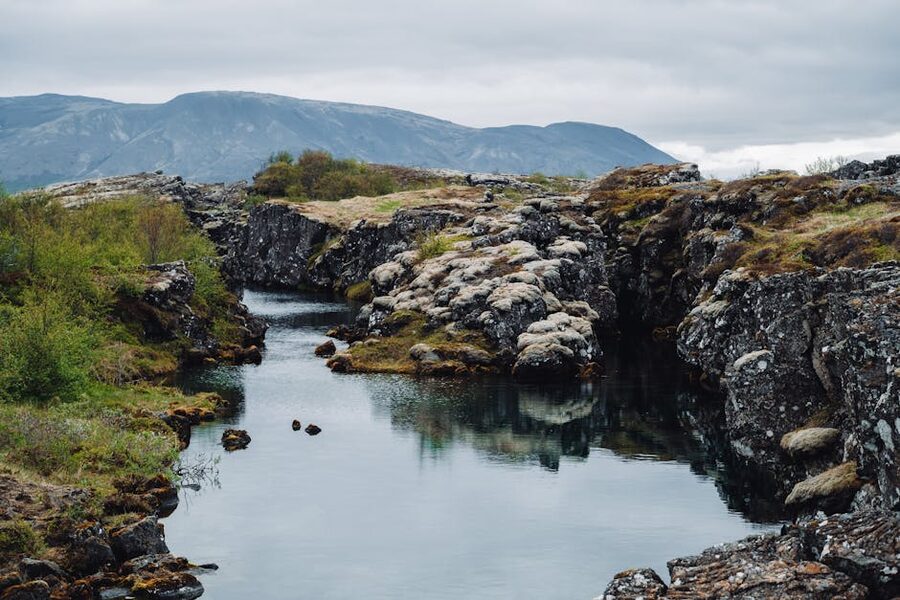
Short trips are where custom actually earns its keep. A scheduled three-day bus tour gives you the Golden Circle, the south coast, and a Blue Lagoon bookend. That’s it. A custom three-day pulls the same ingredients apart and adds one thing the bus can’t, a lunch at Friðheimar’s tomato greenhouse, a morning at the Sky Lagoon before the tour buses, a detour to Raufarhólshellir lava tube, an aurora chase out towards Þingvellir with a guide who knows the dark spots.
A good long-weekend custom shape, summer:
- Day 1. Land at Keflavík, drive to Reykjavik (45 min), lunch at the Grandi harbour, a walk up Laugavegur, dinner on the 24th floor of Tower. Hotel downtown.
- Day 2. Golden Circle done properly, Þingvellir, Geysir, Gullfoss, lunch at Friðheimar (tomato soup with the vines overhead, book ahead), a detour to the Kerið crater. Back for Sky Lagoon at sunset. Hotel in Reykjavik or a countryside lodge out towards Selfoss.
- Day 3. South coast, Seljalandsfoss, Skógafoss, the plane wreck at Sólheimasandur, Reynisfjara black beach, lunch in Vík. Overnight at Hotel Rangá for the aurora if you’re there October–March.
- Day 4 (if you have it). Either push further east to Jökulsárlón and back (a long day, 4 hours each way from Rangá), or slow down, horses at Skálakot, a relaxed morning, back to Keflavík.
Three days from around 800 EUR per person self-drive, three days with a private guide from around 3,500 EUR per person, double occupancy.
A Ring Road week: seven to nine days
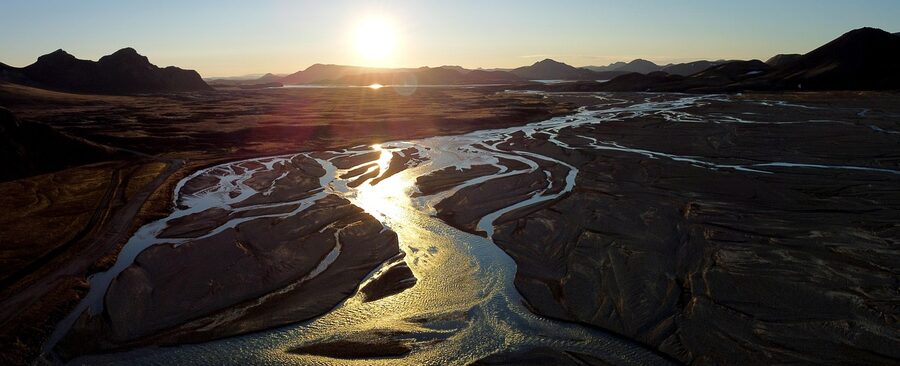
This is the sweet spot. Most visitors who book custom book a week. It’s enough time to see the full circuit without force-marching, and it works both summer and winter (shorter daylight in winter means you see less per day, so the same route tends to stretch to 8–10 days between November and March).
The shape of a custom summer Ring Road week, east-to-west direction, which I prefer because the south coast is your finale:
- Day 1. Keflavík to Akureyri, either fly domestic (45 min, from 25,000 ISK return) or drive the north loop via Borgarnes and Blönduós (8 hours). Fly. Every time. Akureyri overnight, dinner at Strikið.
- Day 2. The Diamond Circle, Goðafoss, Lake Mývatn, Dimmuborgir, Námaskarð, the Mývatn Nature Baths. Overnight Mývatn.
- Day 3. Whale watching out of Húsavík in the morning, the Ásbyrgi canyon, Dettifoss in the afternoon. Back to Egilsstaðir overnight.
- Day 4. East fjords drive, Seyðisfjörður, Stöðvarfjörður, lunch at the Randulff Sea House in Eskifjörður, overnight in Höfn (lobster for dinner, the langoustines in Höfn are the best in Iceland and nobody else serves them).
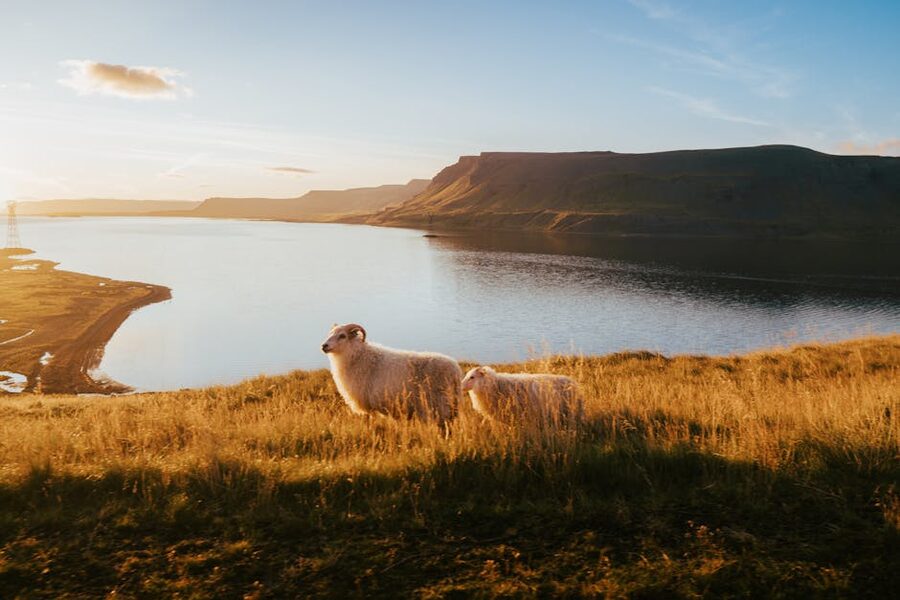
- Day 5. Jökulsárlón glacier lagoon, Diamond Beach, Fjallsárlón (quieter, smaller, also better), an optional zodiac boat tour among the icebergs. Drive west to Vík.
- Day 6. South coast slow, Reynisfjara, Dyrhólaey, Skógafoss, Seljalandsfoss, lunch in Hvolsvöllur at the Lava Centre. Overnight at Hotel Rangá or Frost & Fire near Hveragerði.
- Day 7. Golden Circle. Back to Reykjavik for a final night. Sky Lagoon, Grillmarkaðurinn for dinner.
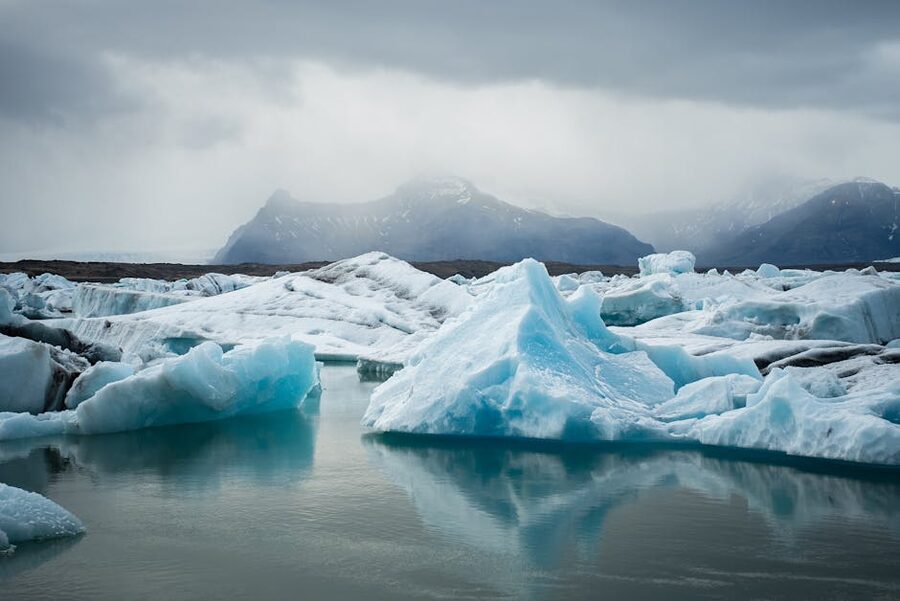
Budget for a Ring Road week in 2026: 2,000–3,500 USD per person self-drive (comfort hotels), 3,500–5,500 USD per person self-drive (boutique), 9,000–16,000 USD per person private driver-guide.
The deep-dive fortnight: ten to fourteen days
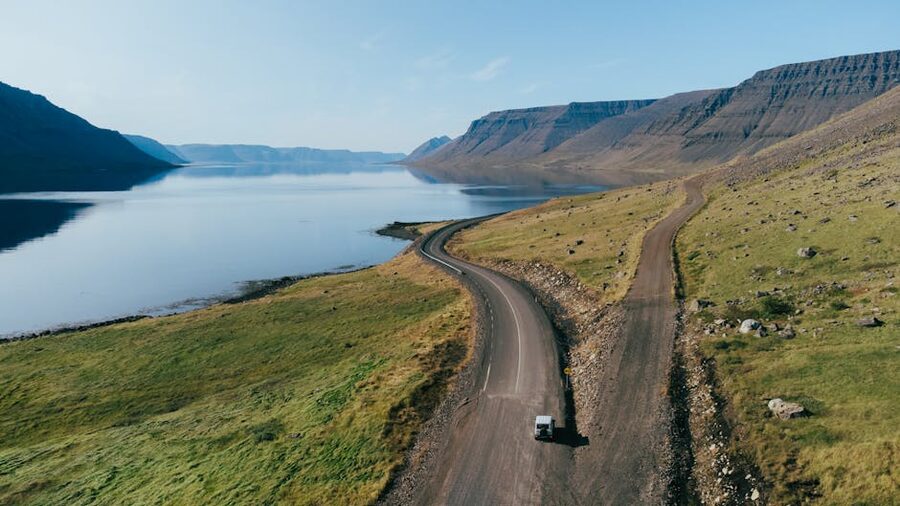
Fourteen days is where Iceland actually opens up. You get the Ring Road in week one, and week two for somewhere most visitors never see, the Westfjords, or Snæfellsnes in detail, or a proper highland week with base camps in Landmannalaugar and Kerlingarfjöll. For a deeper look at the specific regions you could build around, the destinations section walks through each one.
My favourite fortnight shape, summer, self-drive, adds the Westfjords and Snæfellsnes to the Ring Road:
- Days 1–7 as the Ring Road week above, but in a clockwise direction this time starting from Reykjavik through Borgarnes and north.
- Day 8. Ferry from Stykkishólmur to Brjánslækur in the Westfjords (car ferry, 3 hours, book months ahead in summer). Drive to Patreksfjörður.
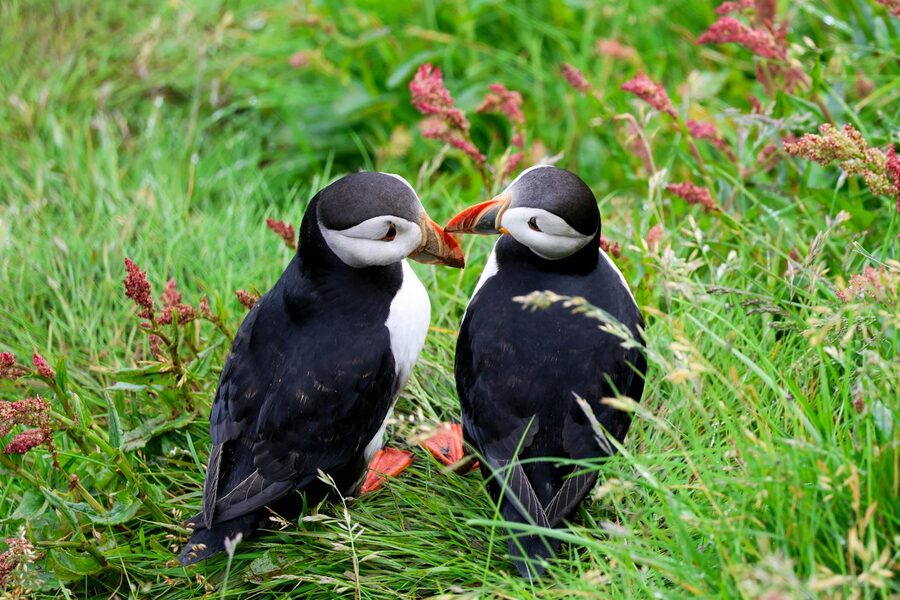
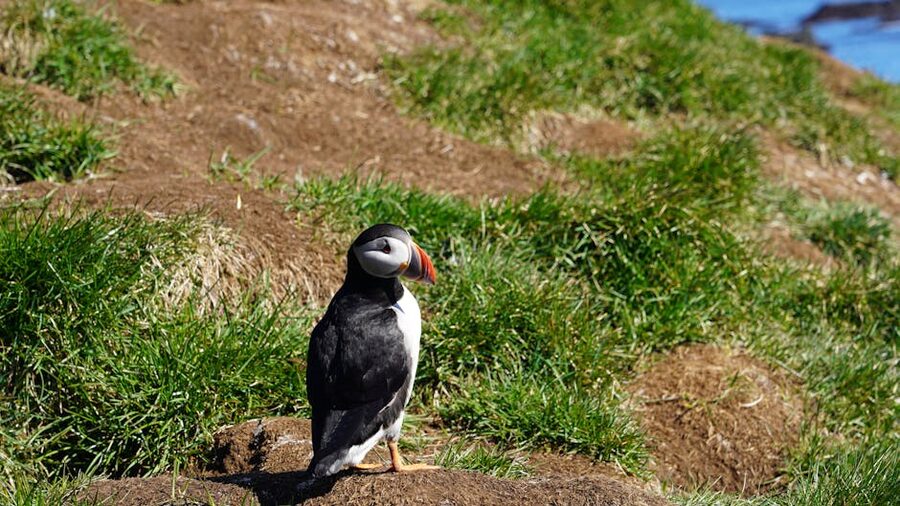
- Day 9. Látrabjarg bird cliffs (puffins June–mid August), Rauðisandur beach, back to Patreksfjörður.
- Day 10. Dynjandi waterfall, drive to Ísafjörður. The afternoon road over the pass is the best short drive in the country.
- Day 11. Ísafjörður day, hike, kayak in the fjord, eat at Tjöruhúsið (fish buffet, small restaurant, book ahead).
- Day 12. Drive south via Hólmavík and the Strandir coast. Overnight in Reykjavik or Stykkishólmur.
- Day 13. Snæfellsnes peninsula full loop, Kirkjufell, Búðir black church, Djúpalónssandur, Vatnshellir lava cave, Snæfellsjökull glacier viewpoints.
- Day 14. Back to Reykjavik, a leisurely final day, Sky Lagoon, flight home next morning.
A fortnight with this kind of route runs 3,500–6,500 USD per person self-drive. Add 50–80% for a private driver-guide throughout, or the hybrid approach, self-drive the Ring Road, pick up a guide for the Westfjords where the F-roads are fewer but the farm stays are harder to navigate to.
Custom for photography
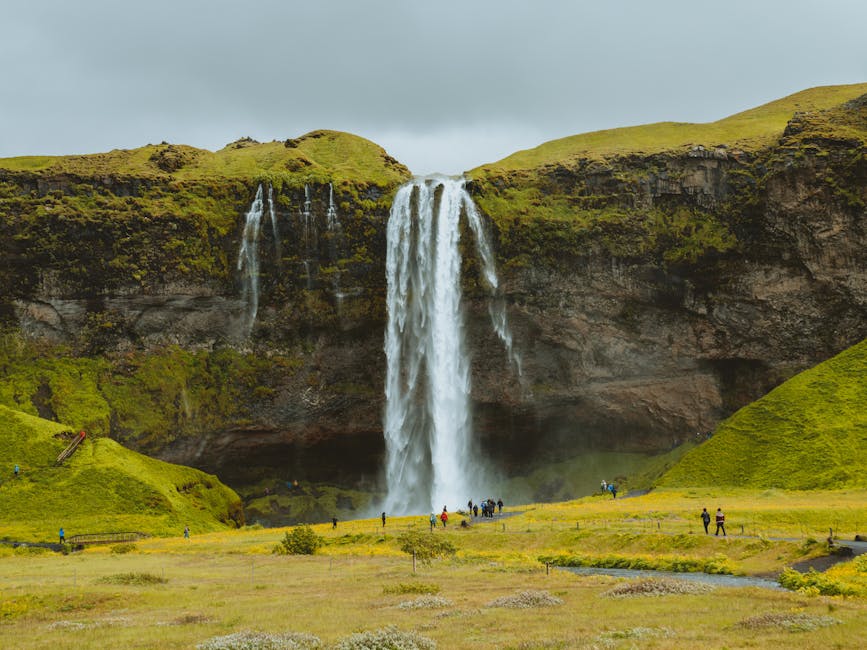
Iceland is probably the most photographed country of its size on earth, which means the photography question for a custom trip isn’t “what do you shoot”, it’s “how do you avoid shooting what everyone else has shot?” A good photography-led custom trip does three things package tours can’t.
First, it puts you at locations at the right hour. Golden hour in Iceland is long, sometimes three hours either side of sunrise and sunset in shoulder season, and a private itinerary lets you ignore midday completely and stack shooting around the edges of the day. Scheduled tours move on a coach schedule, not a light schedule.
Second, it gets you to locations that need permission, local knowledge, or a 4×4 to reach. Private ice caves with Arctic Adventures’ guides in winter, helicopter landings on Eyjafjallajökull, Super Jeep access to volcanic craters in the highlands, farm-stay angles on Kirkjufell you can only get if the farmer likes you.
Third, it pairs you with a guide-photographer who can tell you when the light is actually going to be worth waiting for. Icelandic Roamers are built around this exact pitch, photographer-guides with ten-plus years shooting Iceland. Hidden Iceland and Arctic Adventures both have photographer-guides on staff. For aurora specifically, a guide who lives here and reads the vedur.is forecast four times a day is worth every króna.
A dedicated photo custom trip, 7 days, runs 6,000–12,000 EUR per person and includes private vehicle, photographer-guide, and priority access to time-sensitive locations. Or go hybrid, self-drive the route and book a photographer-guide for two specific days.
Custom for families with children
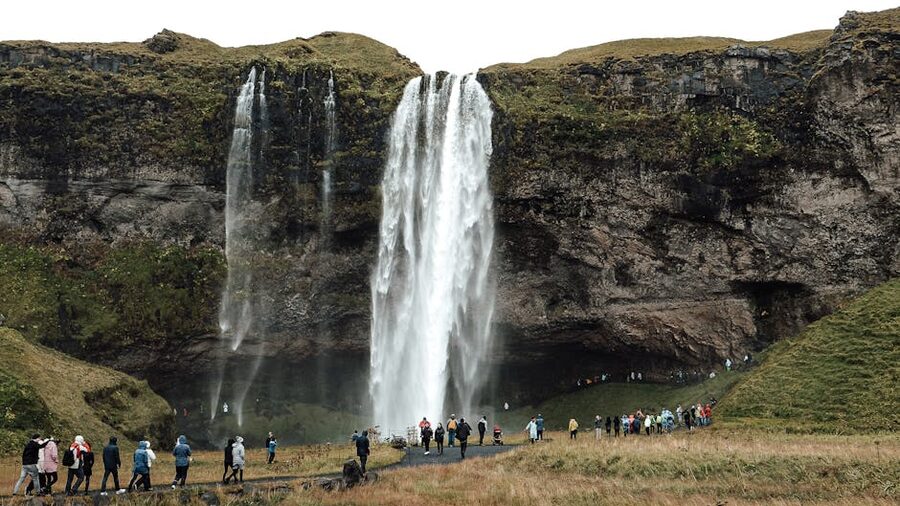
Family custom trips are underrated. Iceland is a genuinely kid-friendly country, safe, small, well-serviced, full of things that children find naturally interesting (volcanoes, glaciers, puffins, Icelandic horses, geothermal pools with slides). What kills family holidays here is doing them on an adult’s schedule.
The rules I’d brief an operator with, if you’re coming with kids between 5 and 12:
- Drive no more than 3 hours a day. Break every hour if you can. Iceland’s petrol stations all have soft-serve ice cream, hot dogs, and N1 bathrooms, use them as waypoints, not emergencies.
- One hot pool per day, not optional. The local laugar (public pools) have better slides than the tourist lagoons and cost 1,340 ISK vs 10,000 ISK at Sky Lagoon. Laugardalslaug in Reykjavik, Akureyri Sundlaug in the north, Fontana on the Golden Circle.
- One animal experience every two days. An Icelandic horse riding session at Skálakot or Lýtingsstaðir (kids from 6+), puffin watching out of Reykjavik harbour (April–August), a farm visit with sheep feeding, whale watching out of Húsavík.
- Don’t do the ice cave until they’re 10+. Most operators won’t take them anyway. Glacier hikes same, 8+ is typical minimum.
- Snack strategy: bring rye crackers, skyr, and fruit from the supermarket. Restaurant prices double with a family of four fast, and children generally prefer picnicking at a waterfall to sitting in a hotel dining room.
- Build in down days. Every three travel days, one day in one place, Reykjavik, Akureyri, Hotel Rangá, where nobody has to be in a car.
Iceland Unlimited’s family self-drive is the one I’d start with. Nordic Visitor’s family Ring Road also very solid. Budget 3,000–4,500 USD per person for a seven-day summer family trip, comfort hotels.
Custom for food and culture
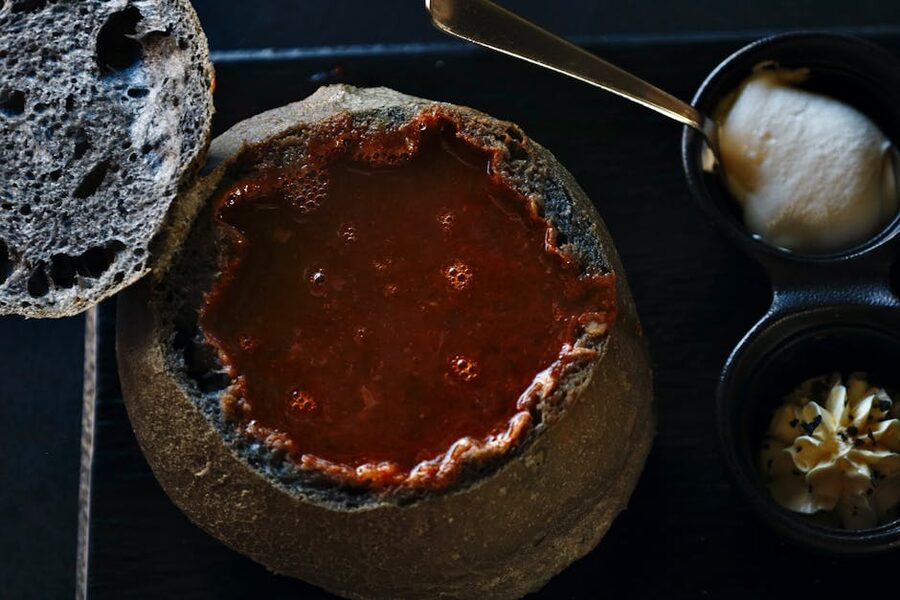
Food as the organising principle of an Iceland trip is a recent thing and a good one. The country’s restaurant scene has been transformed in the last fifteen years, Dill in Reykjavik has a Michelin star, ÓX and Matur og Drykkur are doing proper Nordic-Icelandic food, and even outside Reykjavik there are serious kitchens: Tjöruhúsið in Ísafjörður, Pakkhús in Höfn, Salka in Húsavík, the tomato greenhouse restaurant at Friðheimar.
What a good food-led custom trip adds:
- Table reservations you could not easily get yourself. Dill takes bookings 90 days out and sells fast. A Reykjavik-based operator can often call and pull a table.
- A day in the country with a food angle, the hangikjöt smokehouse at Bjarteyjarsandur, the cod-fish-and-chips trailer at Reykjavik’s harbour that stops trading at 3 p.m., the langoustine boat out of Höfn.
- A cooking class at Salt Eldhús in Reykjavik, or a laufabrauð workshop in December.
- Dinner with a farmer on a working farm (several on Snæfellsnes, one in the north at Mossfell), not every operator has these, but Hidden Iceland and Iceland Unlimited have run them.
- A foragers’ walk on Snæfellsnes, picking mushrooms in autumn.
Skip the food tours that walk you from one tourist-trap bar to another in Reykjavik. If a tour description reads like “taste 5 traditional dishes in 2 hours,” it’s not a food trip, it’s a pub crawl with hákarl as a gag. A real food custom trip has long, quiet meals in places that aren’t built for tourists.
Custom for winter and northern lights
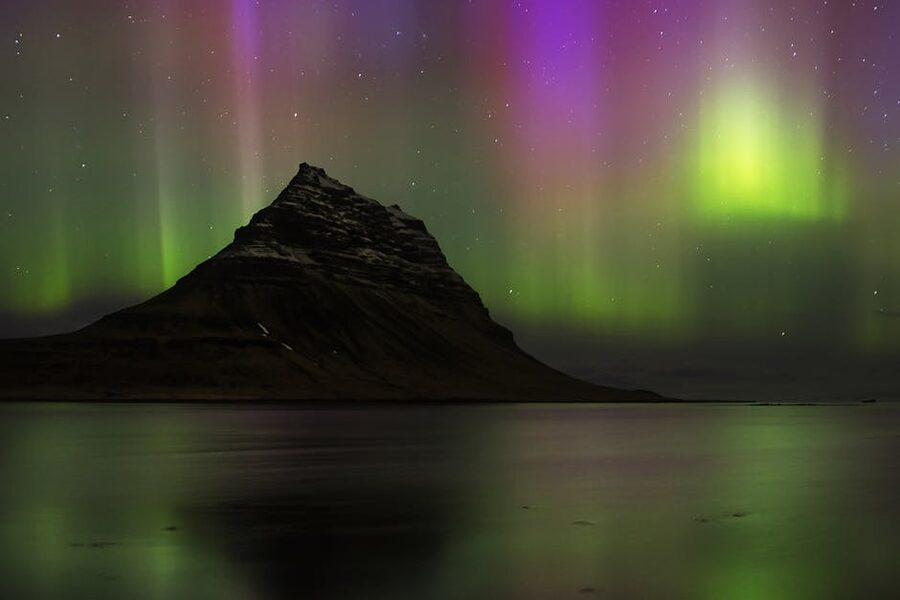
Winter is where custom earns its keep twice over. The daylight is short (four hours around the December solstice, eight hours in March), the weather is worse, and the attractions people come for, the aurora, the ice caves, the snow-covered waterfalls, are all variable on the day. A custom trip builds in slack for all three.
A few things to insist on for a winter custom:
- Minimum two aurora-chance nights outside Reykjavik. The light pollution in the capital wipes out anything under KP 4. You want to be in the countryside, Hotel Rangá, Hotel Búðir, the Skyrhotel at Laki, or a remote farm stay, with a dark-sky balcony and a hot tub. Three nights is better.
- Ice cave booking locked in advance. Natural ice caves run roughly November to March and the good ones (Crystal Cave, Sapphire Cave, the Blue Diamond) book out four to six weeks ahead in peak winter. Your operator should fix this first.
- Flexibility clause. A good winter custom operator will reroute the whole day if Route 1 closes, and won’t panic if you skip Jökulsárlón because the pass is drifting shut. Ask explicitly what their change policy is. The answer you want is “we’ll move things and there’s no penalty as long as the hotel is flexible”, which is why they book specific kinds of hotels.
- Transport that handles Icelandic winter. Studded-tyre 4×4 for self-drive; a Super Jeep or Sprinter for guided. Never a front-wheel-drive economy car between November and April. Operators who book these for winter self-drives are either cutting corners or new to the job.
- A vedur.is briefing built into the day. Your guide (or operator) should check vedur.is for wind, road conditions and aurora forecast every morning. Good ones do it at 7 a.m. and again at noon.
Budget 3,500–5,500 USD per person for a 7-day winter self-drive including the ice cave and an aurora hunt, or 7,500–15,000 USD per person for a private driver-guide throughout. For specifics on winter timing around the holidays, see my 13 things to know about Christmas in Iceland article, the same operators run a specific Christmas-Iceland custom, which books six to nine months ahead.
What it actually costs, in ISK and EUR
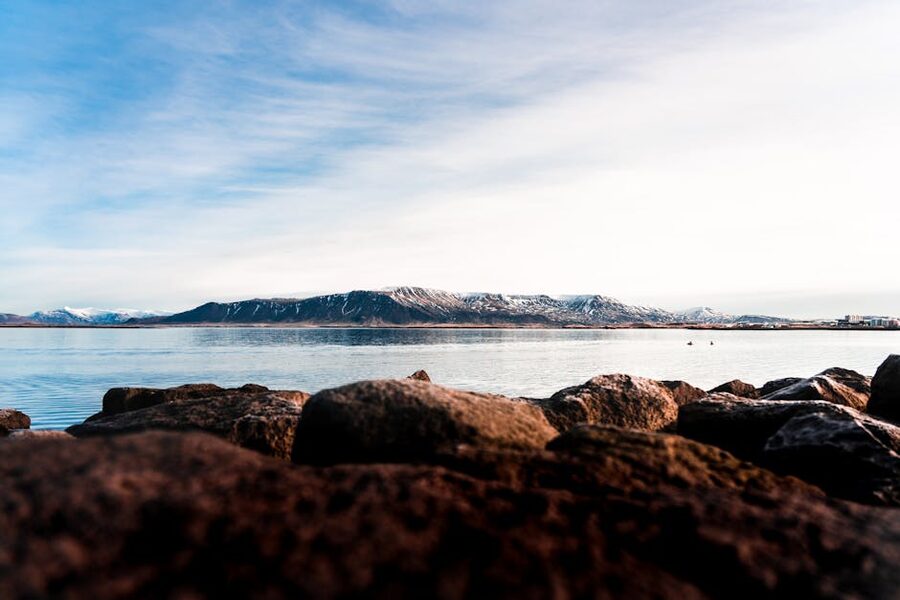
Custom Iceland pricing is all over the place because every trip is different. Below is the range I’d give a friend asking what their seven days would cost in 2026. These numbers are per person, double occupancy, excluding international flights.
Entry self-drive (budget-comfort hotels, 7 days, summer): 1,500–2,500 EUR (210,000–350,000 ISK). You get a car, the hotels, the itinerary, emergency line. No activities included, you book them separately or add to the package.
Comfort self-drive (4-star hotels, 7 days, summer): 2,500–4,000 EUR (350,000–560,000 ISK). Hotels in the 30,000–40,000 ISK per night range, Hotel Rangá, Fosshotel chain, Icelandair Hotels. Two or three activities usually bundled.
Premium self-drive (boutique and 5-star, 7 days, summer): 4,000–6,500 EUR (560,000–910,000 ISK). Blue Lagoon Retreat, Hotel Búðir, Highland Base Lodge, Hof Villa. Activities included; private transfers from airport; dedicated planner.
Private guide-driver (7 days, summer, comfort hotels): 8,000–12,000 EUR (1.12m–1.68m ISK). Everything above plus a dedicated guide and vehicle for the full trip. Worth it for parties of 4+ where the cost splits.
Private guide-driver, luxury (7 days, summer, boutique hotels): 14,000–22,000 EUR (1.96m–3.08m ISK). Top-end. Helicopter included, private chef options, glacier dining, the works.
Winter is broadly 10–15% cheaper on hotels and 10% more expensive on guided activities (ice caves, snowmobiles). Shoulder seasons (May, September) are 15–20% cheaper across the board and are the best time to come for most people, weather aside.
A hybrid trip, self-drive with two or three guided days, is the sweet spot for most couples. Budget 2,500–4,000 EUR each for a 7-day summer trip with a glacier hike, an ice cave (winter), and an aurora chase bolted on.
Weather, flexibility, and the real reason to go custom
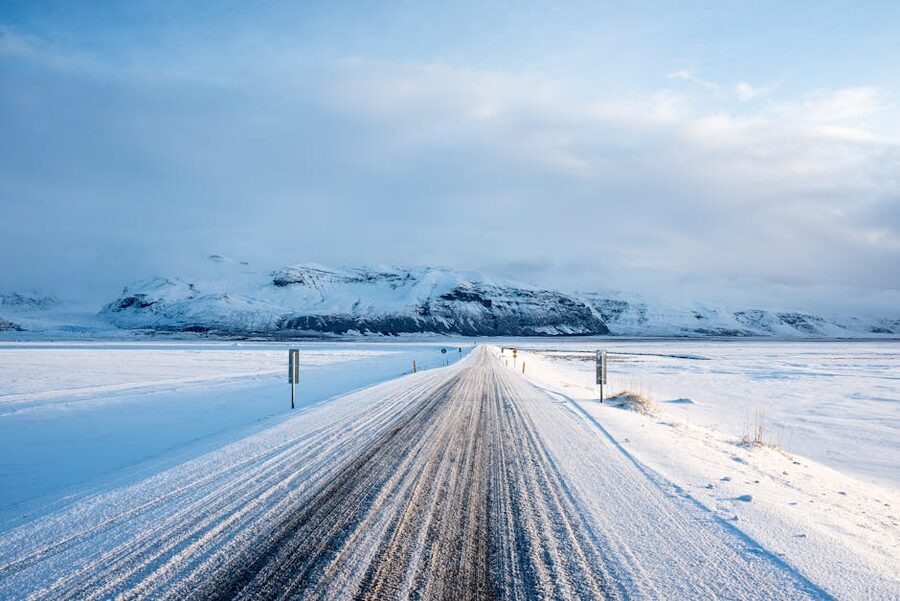
Þetta reddast, it’ll work out, is the Icelandic phrase that should be printed on every custom itinerary.
The weather is the reason most people end up glad they went custom. Iceland has five or six weather systems crossing it in any given week. A storm can close Route 1 between Vík and Höfn for 12–24 hours. Snow can dust the highlands in August. Wind gusts over 30 m/s on the south coast are routine in winter. Flights from the US and Europe get delayed into Keflavík regularly, and then rerouted through Kulusuk when Keflavík itself closes for fog.
On a scheduled package you absorb all of this. You sit on the bus. You get the shortened version of Jökulsárlón because the road opened late. You fly home on the day you fly home.
On a custom trip, the designer has a plan B for every leg. If Route 1 closes, you do a day at Hveragerði and the Reykjanes volcano trail instead, and run Jökulsárlón the next afternoon when the wind drops. If your ice cave is cancelled because the guide wakes up to a flash flood warning, you move to the Langjökull ice tunnel. If the aurora forecast collapses for Wednesday, you swap your Vík night for a Friday night and shift the route. The itinerary bends. You still get the trip you came for.
This is the real reason I’d pay for custom. Not the boutique hotels. Not even the dedicated guide. The fact that when Iceland does what Iceland does, change the weather, close a road, calve a new glacier tongue, erupt mildly in Reykjanes for the fourth time in a year, there’s someone whose job is to change your plans to match it. On a package, that’s your problem. On a custom trip, it’s theirs.
Booking timelines, how far ahead to start
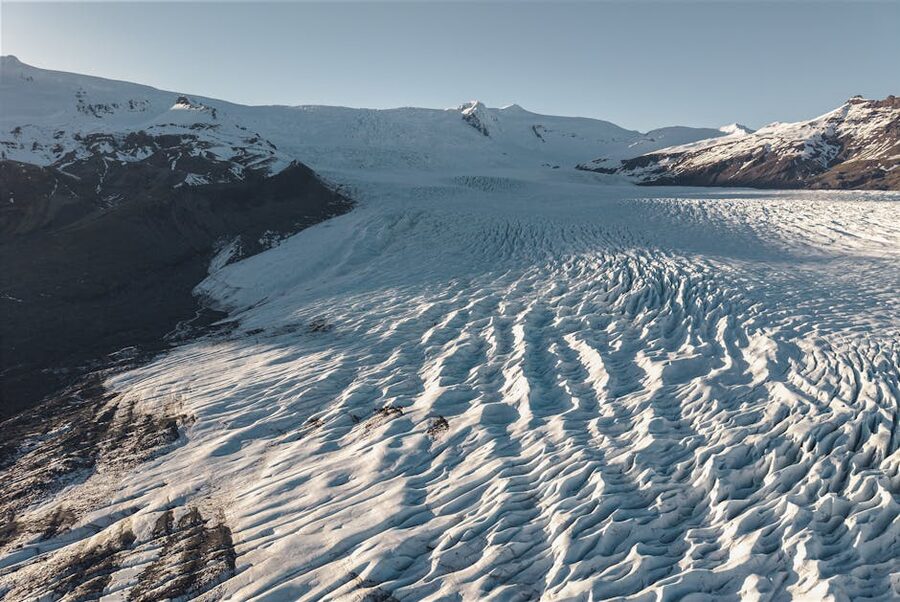
Rough calendar for when to start the conversation, based on what books out first:
- 12 months out: Peak winter trips (Christmas, New Year, February half-term). Specialist guides (photographers, birders, ice cave guides in December). Any trip involving Hof Villa, Highland Base Lodge, or the Retreat at Blue Lagoon’s suites.
- 9 months out: July–August Ring Road trips, especially for groups of four or more. Any fortnight itinerary that includes the Westfjords ferry.
- 6 months out: Standard summer self-drive. Shoulder season (May, September, October) private trips.
- 3 months out: Most winter self-drives. Last-minute summer is possible but the hotel inventory thins.
- 4–6 weeks out: What operators call “proximate” bookings. Possible, especially in shoulder season, but you’ll take what’s available. Expect to compromise on specific hotels.
One specific thing: if your trip includes an ice cave in peak winter, start six months ahead. The good guides run four groups a day across the season, and December–January sells out first. Arctic Adventures, Troll Expeditions, and Local Guide are the three names I’d ask your operator to use.
Where I’d not bother with custom
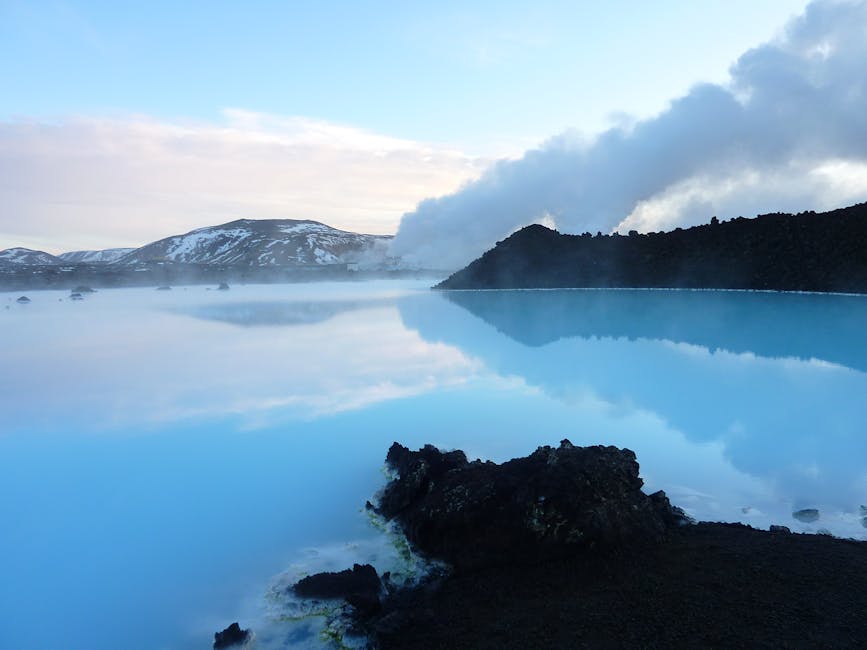
Worth saying plainly. Custom is not always the right call. A few situations where I’d tell a friend to book scheduled instead:
- You’re in Iceland for two days on a stopover. Book a Blue Lagoon transfer, a Reykjavik city walk, and one Golden Circle day tour. Don’t bother with a designer.
- You’re solo and on a backpacker budget. Stay at Kex Hostel, take the flybus, book Reykjavik Excursions day trips individually. Iceland on 80,000 ISK total for three days is entirely possible and a custom operator can’t help.
- You specifically want the scheduled small-group experience, the social side of a 16-person Ring Road bus. That’s a genuine reason. Book Adventures.is or Iceland Unlimited’s guided small groups.
- You’ve been here before and already know what you want. At that point you’re better off booking hotels and cars direct and treating Iceland like a country you live in for two weeks.
If you’re in the camp where custom genuinely helps, more than a long weekend, at least two adults splitting costs, a specific interest or two, and a preference for flexibility over the cheapest possible price, then it’s one of the best decisions you can make about an Iceland trip. The difference between a good Iceland week and a great one isn’t usually the big landmarks. It’s the small things a designer fits into the gaps.
A few practical notes before you book
Some housekeeping that tends to get missed until the last minute.
Travel insurance covering Iceland weather cancellations is not automatic. Check your policy. Many standard European policies exclude “adverse weather” as a named peril, which is precisely the one that cancels Iceland trips. Icelandic operators will flex your itinerary but won’t refund you if you cancel because of forecast snow.
Driving licences from outside the EEA are valid for 90 days. Most operators are fine with US, UK, Canadian, Australian driving licences; an International Driving Permit is rarely required but occasionally asked for at small rental counters.
Tip culture is light. Not expected. Guides and drivers are salaried and the wages are reasonable. A 10–15% tip for a multi-day private guide at the end of the trip is normal if you’re very happy with them.
Cash is barely used. You can spend a fortnight here without withdrawing kroner. Carry a contactless card, maybe an Apple Pay backup, done.
Phone signal is surprisingly good. Even in the highlands. Most European and UK SIMs roam free; US visitors usually buy a Nova pre-paid SIM for about 2,500 ISK.
Don’t trust Google Maps driving times in winter. Add 30% to every drive November–April. Your operator will know the real numbers.
Book activities through your operator, not independently, if they’re on your itinerary. If the operator has a relationship with the glacier guide, they get priority seats and you get rescheduled first when the weather moves. Booking direct undercuts this and saves you nothing.
A good custom operator is worth what they charge because they make the plan bend when Iceland bends. Call one of the names above, send them a real brief, say what the budget actually is, and the trip that comes back will be better than anything you could have built yourself. The country does the rest.