
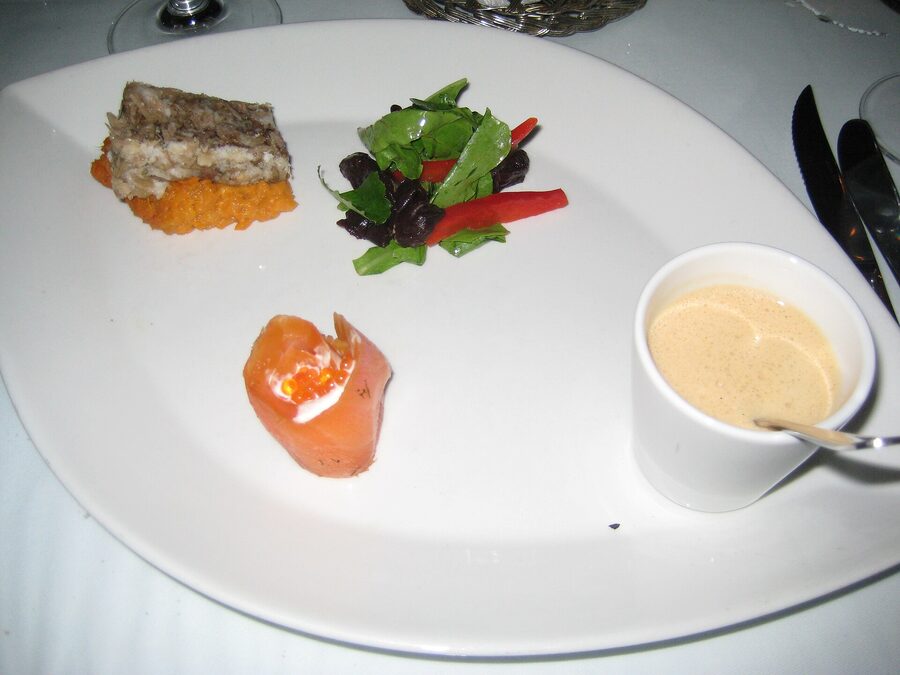
Ask an Icelander about Icelandic food and you’ll get one of two answers. The first is a list of things nobody actually eats outside of one weekend a year, fermented shark, sheep’s head jelly, ram’s testicles in sour whey. The second is what we eat most Tuesdays: a bowl of kjötsúpa, a skyr with berries, a fish stew pulled together from the cod the neighbour’s brother-in-law landed that morning. This article is mostly about the second version.
I live in Reykjavik. I do my shopping at Bónus on the way home from work, I get a hot dog at Bæjarins Beztu when I’m downtown with nothing else to eat, and every Christmas I sit down to hangikjöt with the same béchamel sauce my grandmother used to make. What follows is what I’d actually tell a friend who was coming to visit, what to order, where to eat it, and what’s worth skipping.
A quick note on prices. Iceland is expensive and I’m not going to pretend it isn’t. A sit-down main at a mid-range restaurant is typically 3,500–7,000 ISK. A beer is 1,400–1,800. A hot dog at Bæjarins runs about 650. A basket of groceries that would cost €30 in Berlin costs 6,000–7,000 ISK here, and that’s at Bónus. If you want to eat in Iceland without coming home poorer, you cook at least half your meals at the apartment. I’ll get to the supermarkets at the end.
In This Article
- The food Icelanders actually eat
- Lamb, the national taste
- Fish, and what the ocean actually brings in
- The pylsa, our favourite sandwich
- Bread, butter, and the geothermal oven
- Skyr, and the dairy that isn’t yogurt
- Þorramatur and the winter food most Icelanders don’t really eat
- Christmas on the plate
- Sweets, coffee, and cake culture
- Brennivín and what to drink
- Where to eat in Reykjavik
- The cheap eats
- Bakeries and daytime cafés
- Mid-range traditional Icelandic
- Splurge
- Outside 101
- Supermarkets, and the real cost of groceries
- What to skip
- The one-paragraph version
The food Icelanders actually eat
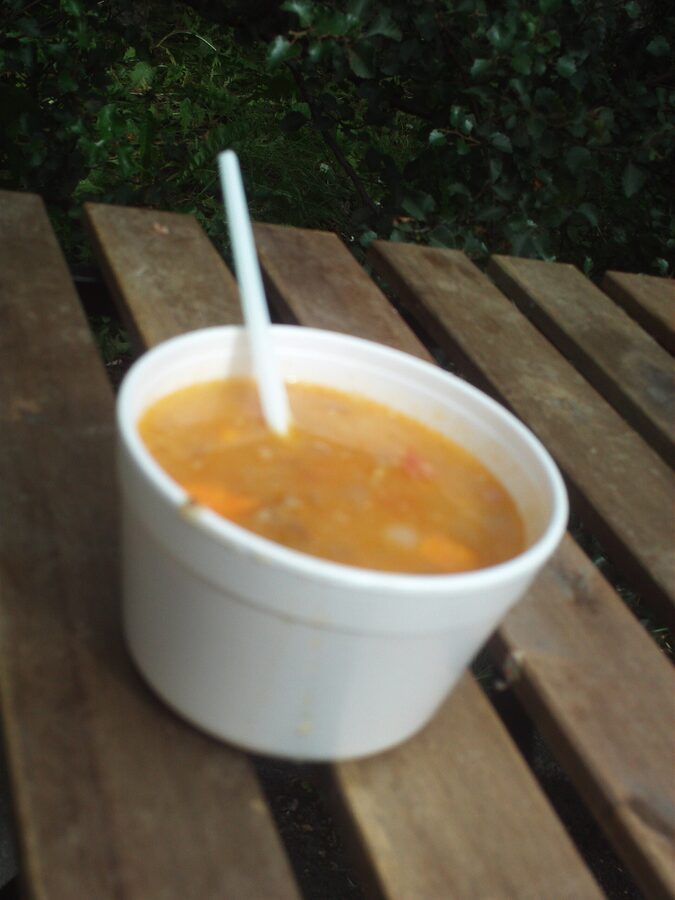
Forget the fermented shark for a minute. The real centre of everyday Icelandic eating is kjötsúpa, lamb soup. It’s a broth of lamb on the bone simmered slowly with potato, carrot, turnip, and sometimes rutabaga or leek. The lamb is almost always grass-fed, because Icelandic sheep spend the summer wandering open country eating wild thyme and crowberry and arctic moss. It tastes different to the lamb you get anywhere else. The soup comes with a hunk of bread and butter, and it’s the thing you want at 8pm on a Tuesday in February when it’s been sleeting since lunchtime.
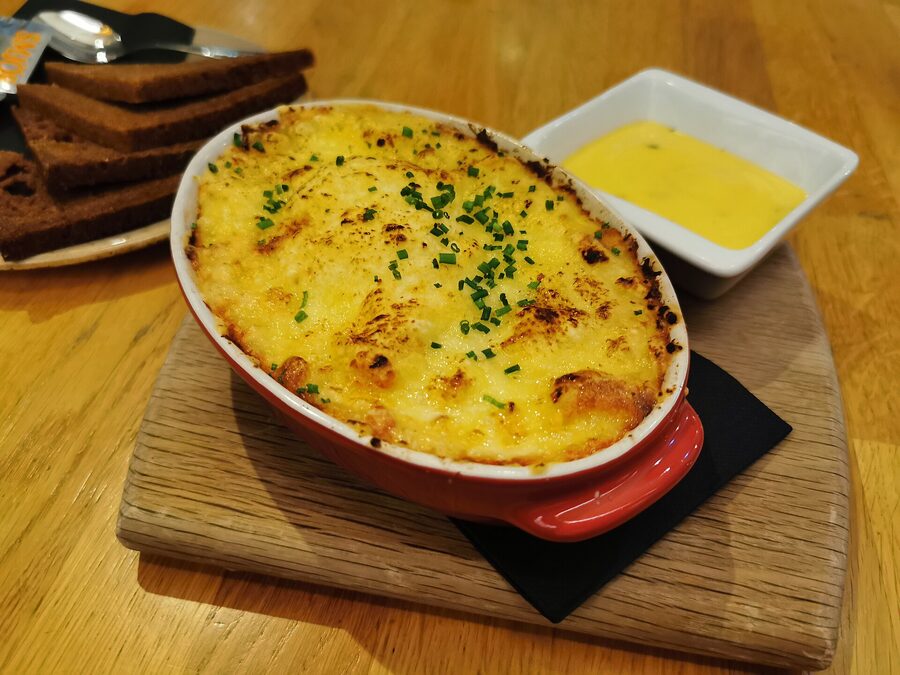
After kjötsúpa, the dish I’d put next in the queue is plokkfiskur, fish stew. It’s a workaday thing: yesterday’s boiled cod or haddock flaked into mashed potato, loosened with milk and a roux, seasoned with onion and white pepper, and baked until the top browns. Sometimes cheese on top. You eat it with rúgbrauð, dark rye bread, and salted butter. Every Icelander has opinions about whose grandmother made the best version. Mine used more butter than the recipe calls for, and so do I.
Outside of those two, the week-in week-out Icelandic plate looks like this: pan-fried cod or haddock with potatoes and butter. Lamb stew. A slice of smoked salmon on rye for lunch. A boiled egg on rúgbrauð. Skyr for breakfast. Nobody’s reinventing the wheel here, the food is simple, cold-climate, calorie-dense, and heavy on protein. We have long winters and not much sun, and the food reflects that. Most of it wouldn’t look out of place on a Danish or Faroese table, because a lot of it came from there, Iceland was under Danish rule from the fourteenth century until 1944, and Danish influence is all over our bakeries, our remoulade, and our Christmas beers.
What isn’t on the Icelandic everyday table is beef, or pork, or chicken as a default. Those exist, they’re in the shops, they’re on menus, but they’re more expensive and less interesting than the lamb and the fish, so they’re usually not what an Icelander cooks when they’re cooking for themselves. If you’ve been told to try Icelandic beef, don’t bother. Try the lamb.
Lamb, the national taste
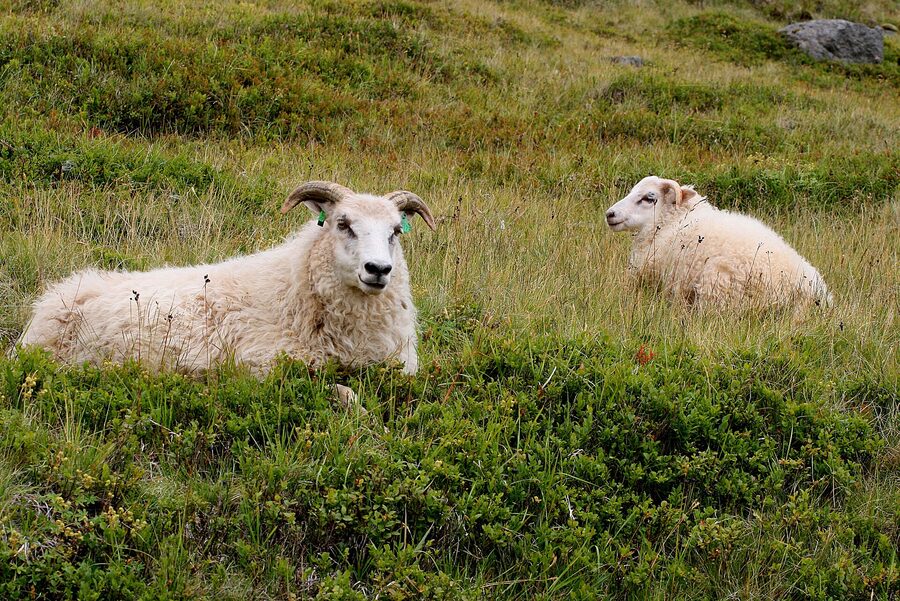
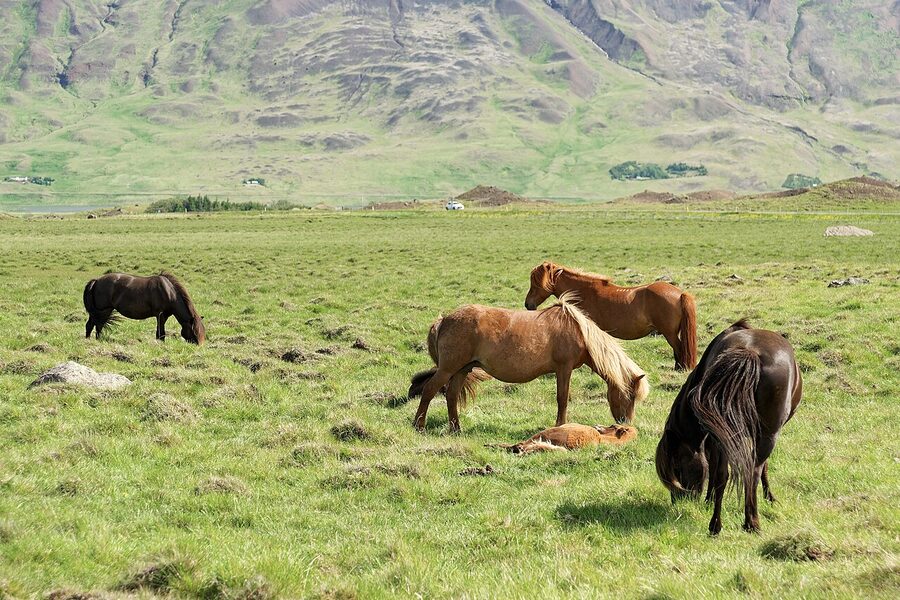
Icelandic lamb is the single thing I’d tell a visitor they must try, full stop. The reason it tastes the way it does is that the sheep are left alone for most of the summer. In May or June the farmers drive them up into the highlands, the sheep wander around eating wild herbs for four months, and then in September there’s a national event called réttir, the round-up, where entire families drive out to help sort the sheep back to their owners. The meat from those sheep is leaner, gamier, and more herbal than anything you’ll buy in a British or American supermarket.
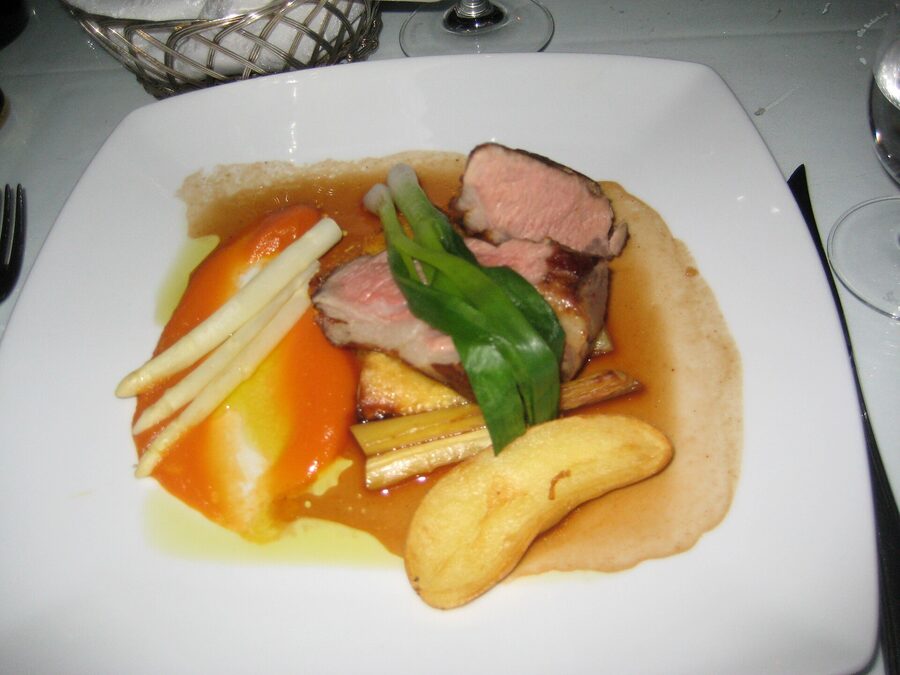
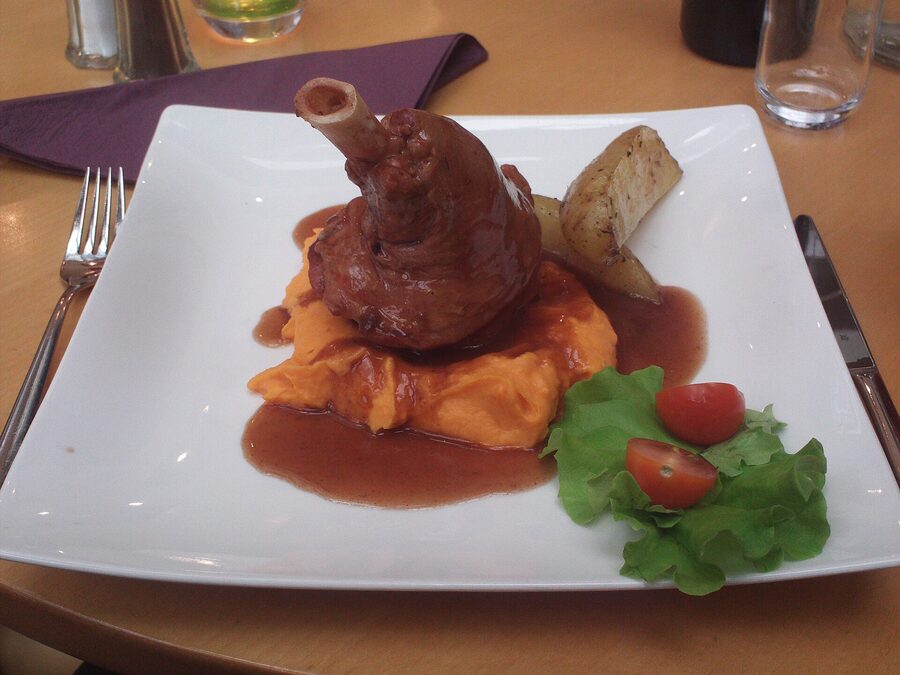
The classic preparations are roast leg or shoulder, often on Sundays, with potatoes, peas, red cabbage, and brown gravy. Lamb shank slow-cooked for six hours. Lamb chops pan-fried and finished in the oven. Lamb hot-dog sausages, which I’ll come back to. And the two big ones for visitors: hangikjöt (smoked lamb, mostly eaten at Christmas) and kjötsúpa, the soup I already talked about.
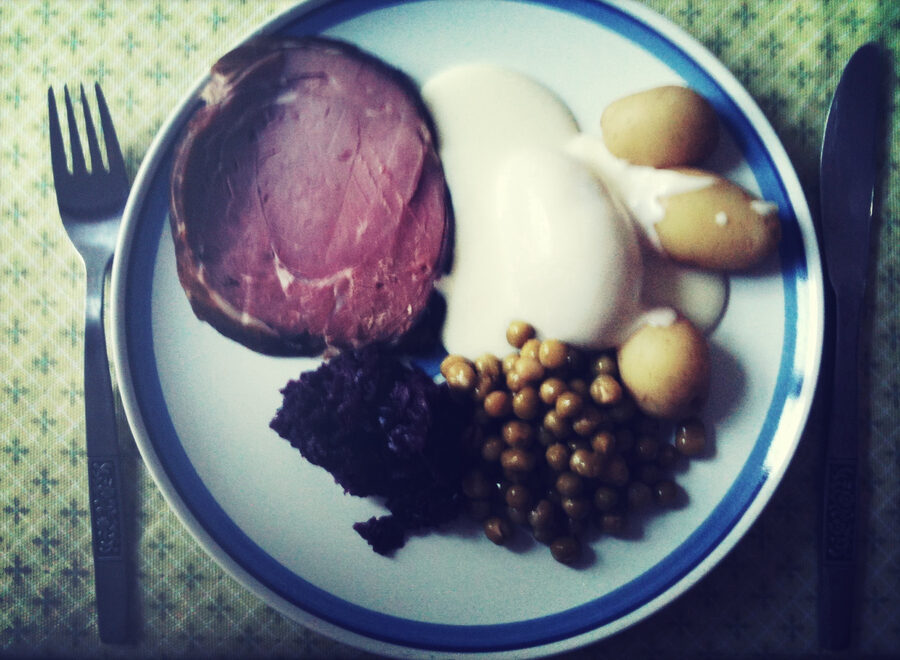
Hangikjöt is smoked lamb shoulder or leg, brined first, then slowly smoked. Traditionally it’s smoked over dried sheep dung, which sounds mad but gives it the specific taste that Icelanders identify with Christmas. These days most commercial hangikjöt uses birch instead. It’s served sliced thin, hot or cold, with potatoes in a sweet béchamel sauce, peas, and red cabbage. If you’re in Iceland in December, eat this. If you’re here other times of year and you see it on a menu as an open-faced sandwich, at Jómfrúin on Lækjargata, for example, order that. Cross-reference: if you want more on how Christmas actually works here, I covered it in detail in 13 things to know about Christmas in Iceland, including the 23rd-of-December laufabrauð-making marathon.
One thing worth flagging, Icelandic lamb is increasingly exported, and you’ll now see it in nice restaurants across Scandinavia and the UK. It’s very good abroad. But if you’ve got the chance to eat it here, the cheapest leg of lamb at Bónus is better than most of the export stuff.
Fish, and what the ocean actually brings in
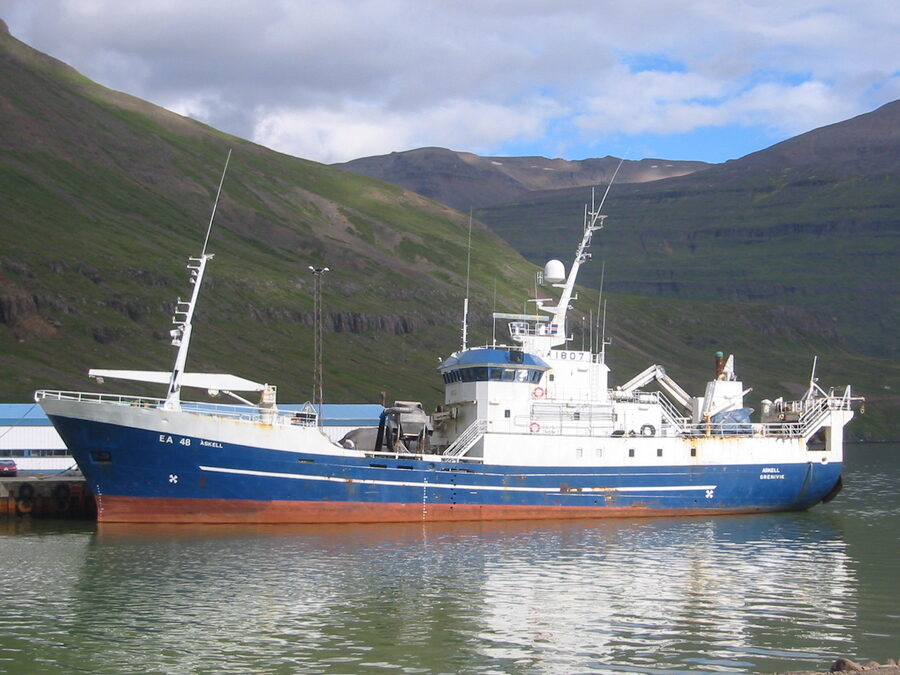
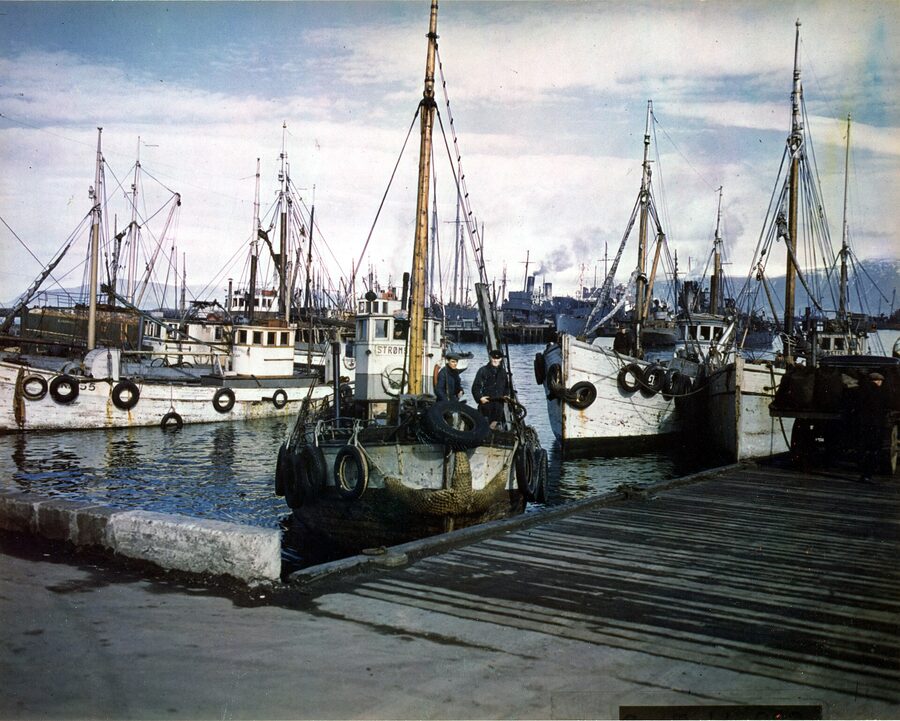
Roughly forty percent of Iceland’s exports come off fishing boats. We went to war with Britain three times over cod in the twentieth century, the cod wars of 1958, 1972, and 1975–76, which we won, mostly because cutting a trawler’s nets is cheaper than maintaining a navy. Fish is not a tourism cliché for us. It’s the industry that built modern Iceland.
What you’ll actually see on a menu:
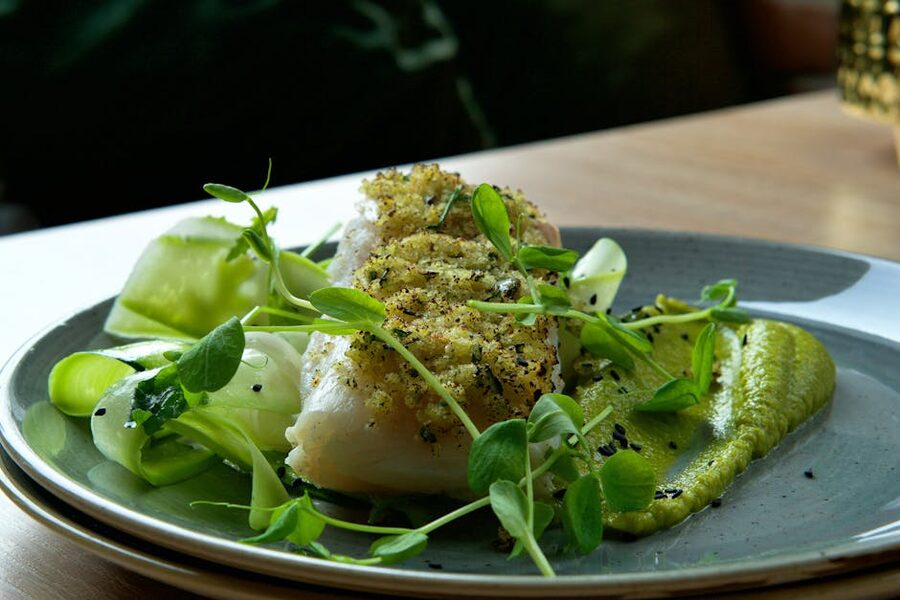
Cod (þorskur) is the anchor. Mild, flaky, thick-filleted. It shows up pan-fried with butter, poached with potato, baked with a crust of breadcrumbs and herbs, or, if you’re at a good place, lightly seared with a skin-on piece of belly and served with brown butter and almonds. Cod is what most plokkfiskur is made from.
Haddock (ýsa) is the other white fish. Slightly sweeter than cod, often served interchangeably. If the menu just says “fish of the day,” it’s usually one of these two, whichever came in off the boat that morning.
Arctic char (silungur) is the cult favourite. It’s a freshwater-and-sea fish, related to salmon but smaller and pinker-fleshed, with a cleaner taste. If you see it on a menu, order it. It doesn’t travel well, so you almost only get good char in Iceland itself.
Salmon (lax) is everywhere, a lot of it farmed in the east fjords now. Smoked salmon on rye is a standard cafeteria lunch. Gravlax, raw cured salmon with dill and sugar, shows up at most nicer restaurants as a starter.
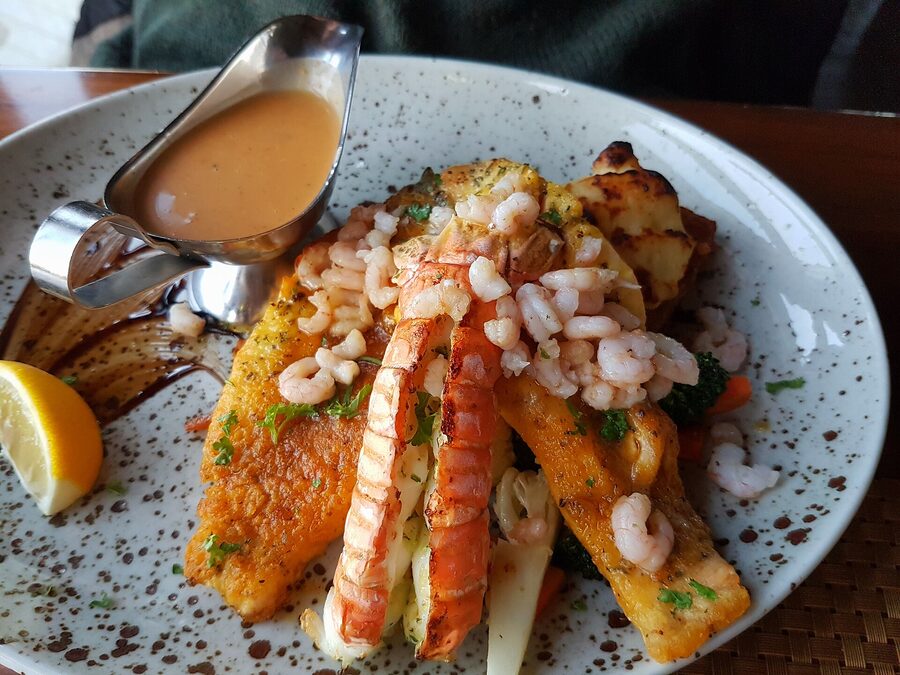
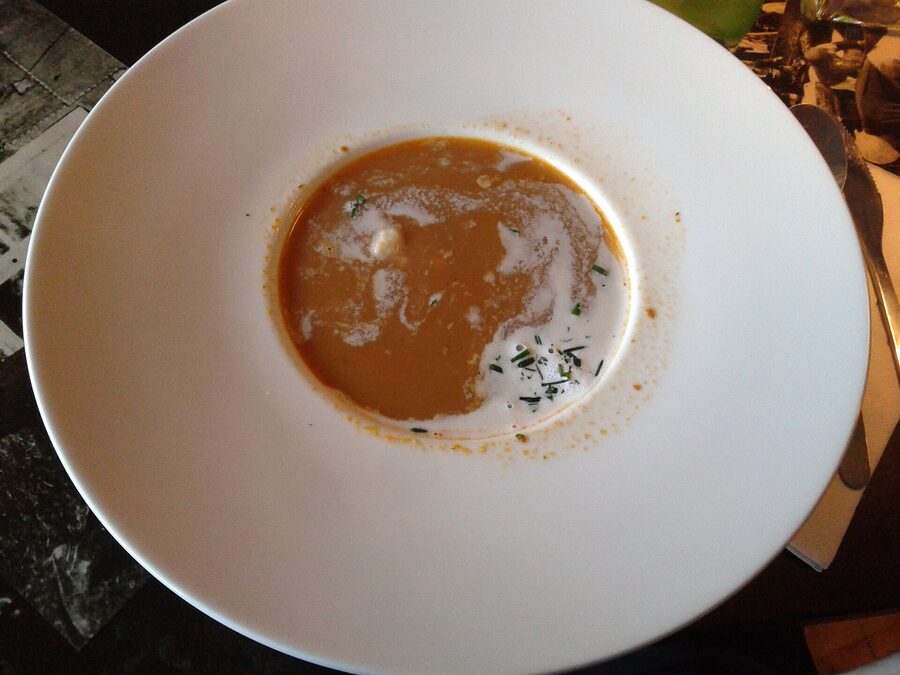
Langoustine (humar), Icelandic langoustine is what most tourists know as “Icelandic lobster.” It’s not technically lobster; it’s a smaller, sweeter cousin, fished in the south around Höfn. The thing you want to order is humarsúpa, langoustine soup, which is a thick, creamy, slightly tomato-scented bisque with whole langoustine tails in it. The most famous place to get it is Sægreifinn (the Sea Baron) in the old harbour. It’s an unpretentious wooden shack, you sit on upturned fish crates, and the soup is genuinely excellent. About 2,400 ISK at time of writing.
Plaice (skarkoli), redfish (karfi), and wolffish (steinbítur) round out the lineup. Wolffish is the weird one, it’s ugly, it has a face like a disappointed grandfather, and it tastes a bit like lobster. If you see it, it’s worth trying. The texture is firmer than cod.
One thing I’ll say about fish in Iceland: it is almost never served raw. Sashimi exists at sushi places, sure, but that’s not Icelandic. The traditional Icelandic preparations are poached, pan-fried, and in a soup. Salted cod, what the Spanish and Portuguese would call bacalao, has been exported from Iceland for four centuries and is more a thing we sell than a thing we eat at home.
The pylsa, our favourite sandwich
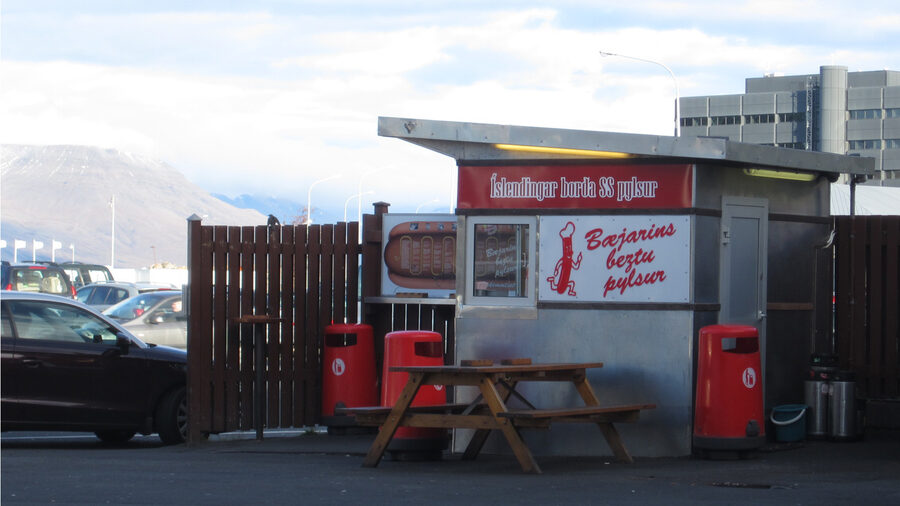
Every country has a workhorse cheap meal. Istanbul has the simit. Tokyo has the conbini onigiri. Reykjavik has the pylsa, the Icelandic hot dog.
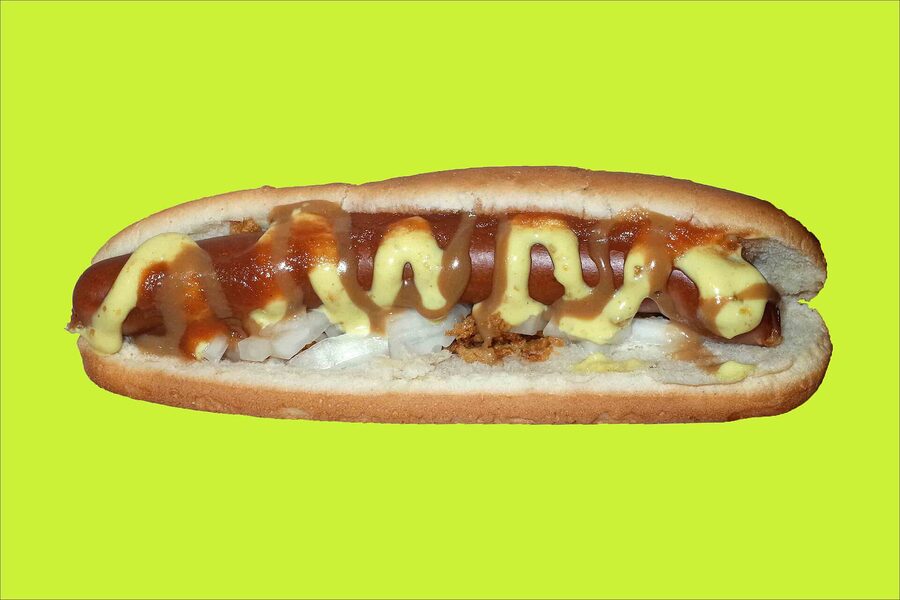
It’s different from the American version in two ways. First, the sausage itself is mostly lamb, with some pork and beef mixed in, which gives it a richer, slightly gamey bite. Second, the toppings are a specific combination that has not changed in seventy years: raw onion, crispy fried onion, ketchup, sweet brown mustard (we call it pylsusinnep), and remoulade, which is a mayonnaise-and-pickle sauce you won’t find in most other countries. You order it “ein með öllu“, one with everything, and you get all five toppings. Saying anything else marks you as a tourist.
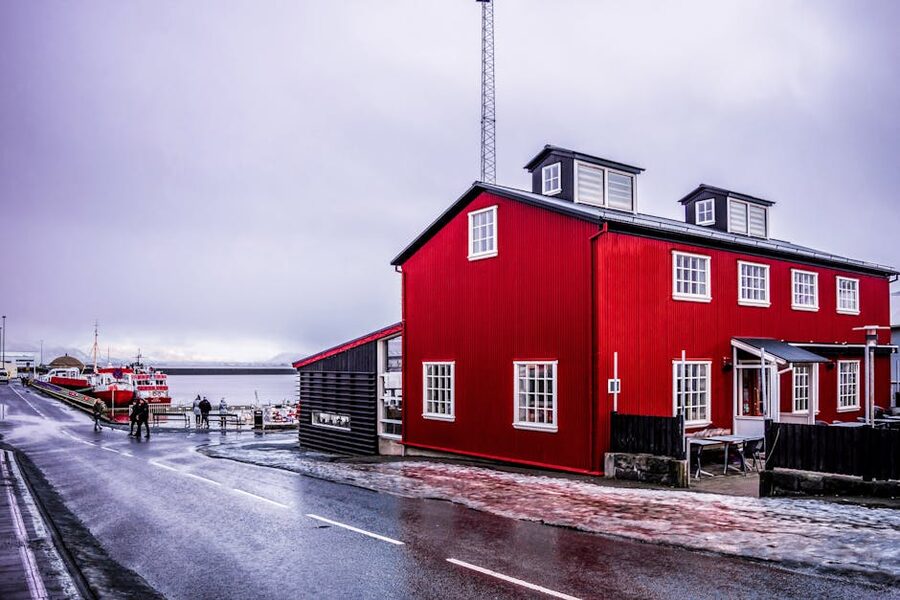
The famous stand is Bæjarins Beztu Pylsur on Tryggvagata by the old harbour. It’s been there since 1937, it’s a small red hut, and there’s usually a queue but the queue moves fast. Bill Clinton ate one in 2004 and they still have the photo. I will say something the stand itself doesn’t advertise: it is good, but it is not dramatically better than a good pylsa at a petrol station. Every N1 station in the country does the same hot dog for roughly the same price, and the one at the N1 on Ártúnshöfði at 2am after a night out is, to my palate, indistinguishable from the Bæjarins version at lunchtime. The ritual is the point, you have the famous one once, then you eat the normal ones at petrol stations for the rest of your trip.
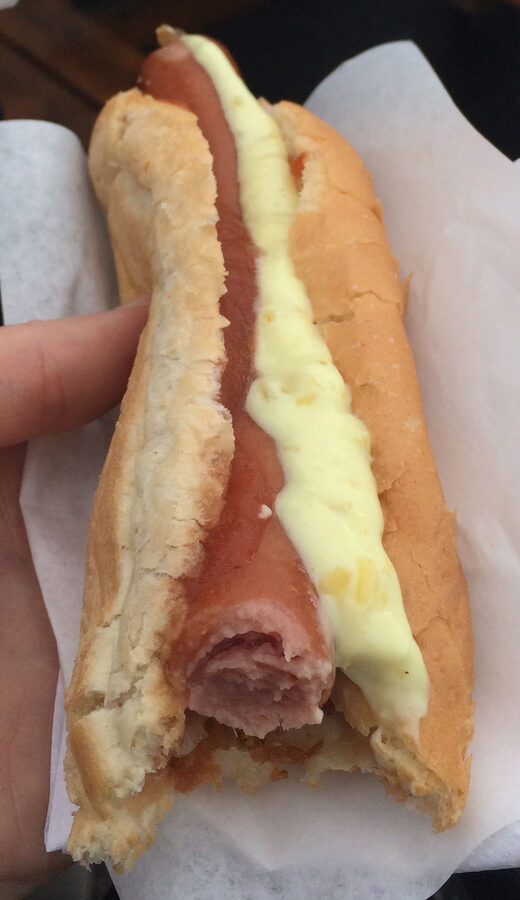
Prices: about 650 ISK with everything. A can of Appelsín or Kók to drink, another 400. This is probably the cheapest real meal you can eat in Iceland, and it’s one of the three or four foods I’d be genuinely sad to never eat again.
Bread, butter, and the geothermal oven
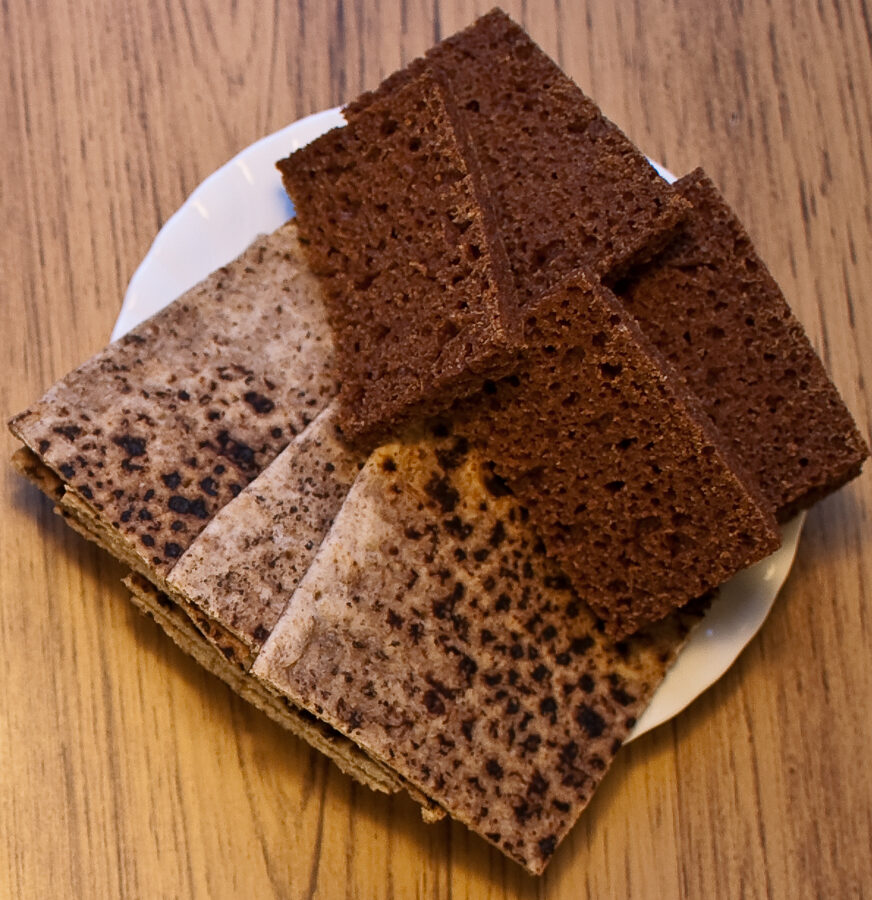
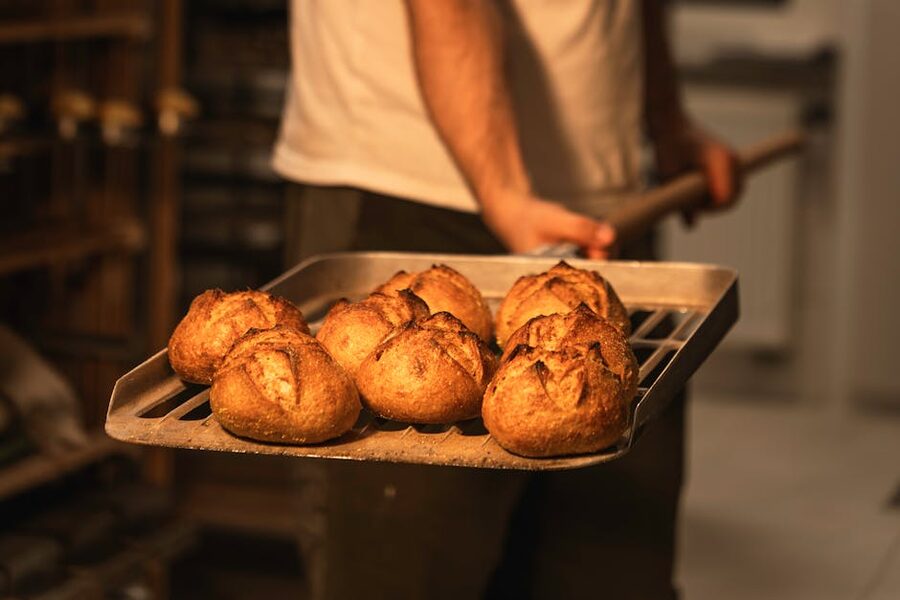
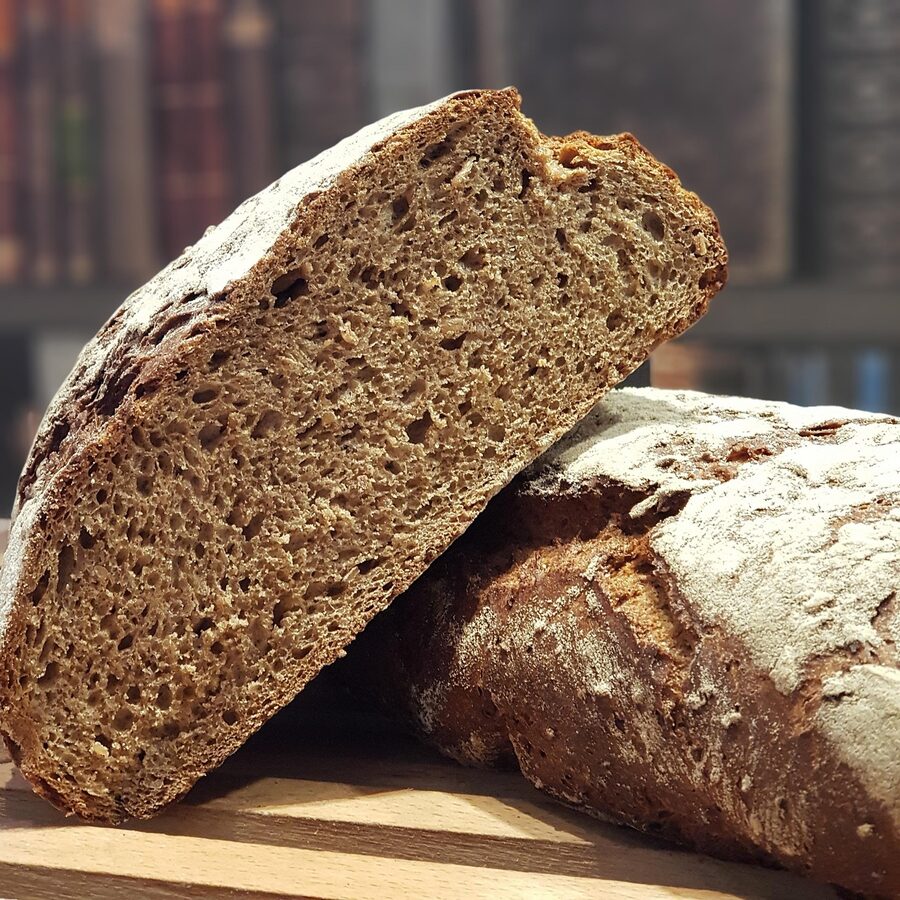
Icelandic bread is worth a section on its own. The most important thing is rúgbrauð, dark rye bread, very sweet, slightly sticky, with a taste that sits somewhere between molasses and malt. The traditional method for making it is genuinely strange: you seal the dough in a metal pot, bury the pot in the hot sand near a geothermal spring, and leave it for a full day while the earth’s heat slow-cooks it. The result is called hverabrauð, hot-spring bread. At Laugarvatn, about 90 minutes east of Reykjavik, there’s a family operation called Fontana that still bakes this way and digs a fresh pot out of the beach every day at 11:30. You can watch. You can eat it still warm.
Most of the rúgbrauð you’ll find in a supermarket isn’t made that way, it’s oven-baked in a steel pan. But the flavour is still there. You eat it with butter, with smoked salmon, with pickled herring, with plokkfiskur, with hangikjöt. If you only try one Icelandic bread, make it this one.
Flatbrauð is the other traditional bread, a thin, dark, slightly charred rye-and-wheat flatbread that’s about the diameter of a coaster. It’s cooked directly on a hot plate over an open fire, historically over the geothermal steam vents in the highlands. It pairs with smoked lamb or harðfiskur and butter. It’s not going to change your life, but on the right sandwich it’s perfect.
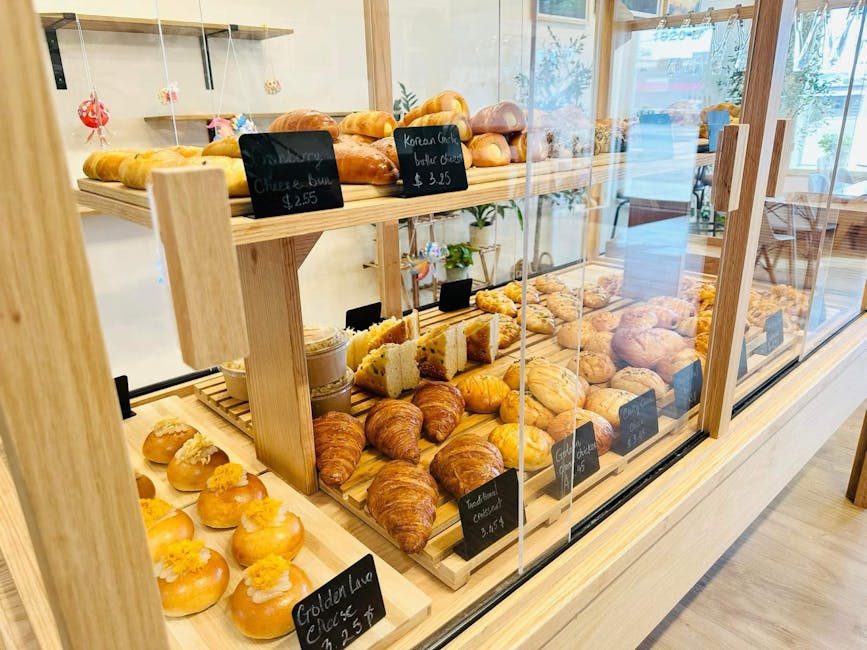
Reykjavik bakery culture is in a very good moment right now. The two places I’d send anyone: Brauð & Co on Frakkastígur, which does the best sourdough in the country and an enormous cinnamon roll called snúður; and Sandholt on Laugavegur, which has been running since 1920 and does everything from kleinur to croissants to proper sit-down breakfast. A snúður at either place is about 750 ISK. It’ll keep you full for six hours.
One last thing. Harðfiskur is not technically bread, but it’s the thing Icelanders eat on bread. It’s wind-dried cod, haddock, or wolffish, no salt, no smoke, just hung up in the Atlantic wind for weeks until it becomes a pale, fibrous, jerky-like slab. You tear off a piece, slather it with salted butter, and eat it. It tastes strongly of fish, slightly of iodine, and surprisingly of umami. Most tourists either love it or can’t get past the smell; there is no middle ground. I keep a packet in my car for long drives. It’s the chips of Iceland.
Skyr, and the dairy that isn’t yogurt
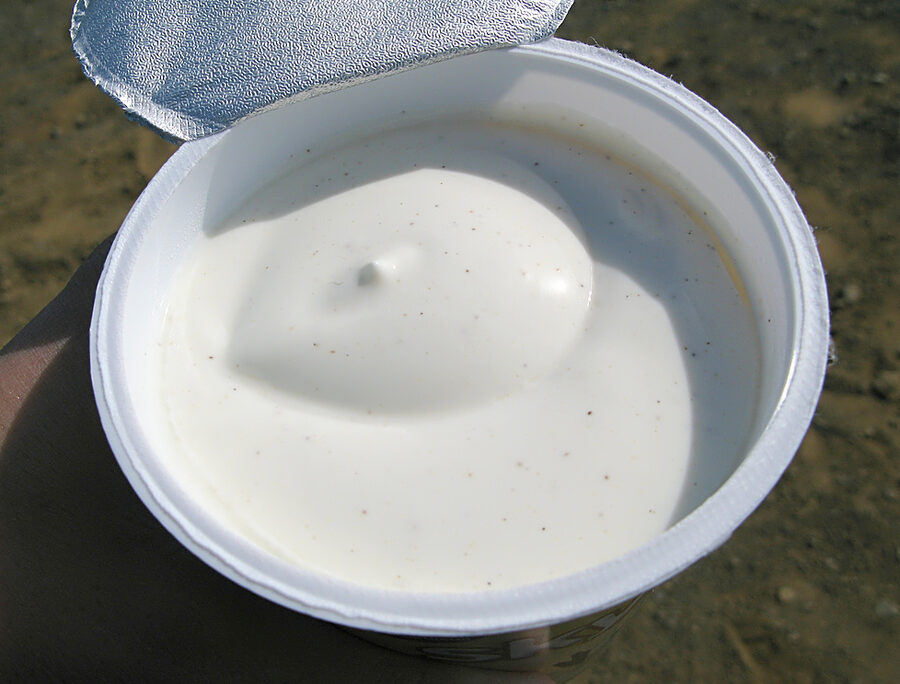
Skyr looks like yogurt, tastes a bit like yogurt, gets served like yogurt. It is not yogurt. Technically it’s a fresh cheese, the milk is warmed, bacterial cultures and rennet are added, then the curds are strained through cloth to produce something far thicker than Greek yogurt and considerably higher in protein. Real skyr is about 11% protein by weight and almost no fat. It’s been made in Iceland for roughly a thousand years.
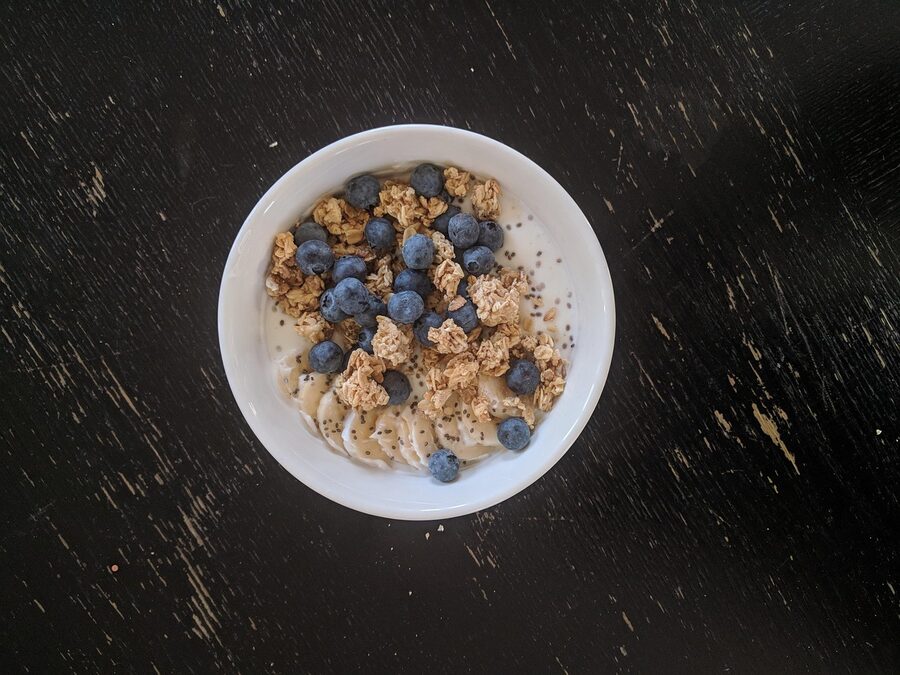
You eat it for breakfast, usually with a splash of cream or milk to loosen it, some berries, and a drizzle of honey or rhubarb jam. The supermarket versions come in flavours: plain, vanilla, berry, caramel, even Oreo. The plain one is the one I’d buy. It’s tart in the way mascarpone is tart if you left it out on the counter overnight. If you’re used to American or UK yogurts, which are sweet, the plain skyr will taste sharp at first. Give it three days and you’ll be hooked.
The brand you’ll see most at Bónus is Skyr.is, made by MS Iceland Dairies. Other good ones are Þykkmjólk (which is technically not skyr but close) and the farm-made versions at Erpsstaðir in the west, if you happen to be driving past. In the US and UK you can now buy Icelandic Provisions skyr, which is the real thing, made here and exported. It’s not quite the same as the version you get in a Reykjavik café, the Icelandic-market skyr is thicker, but it’s close.
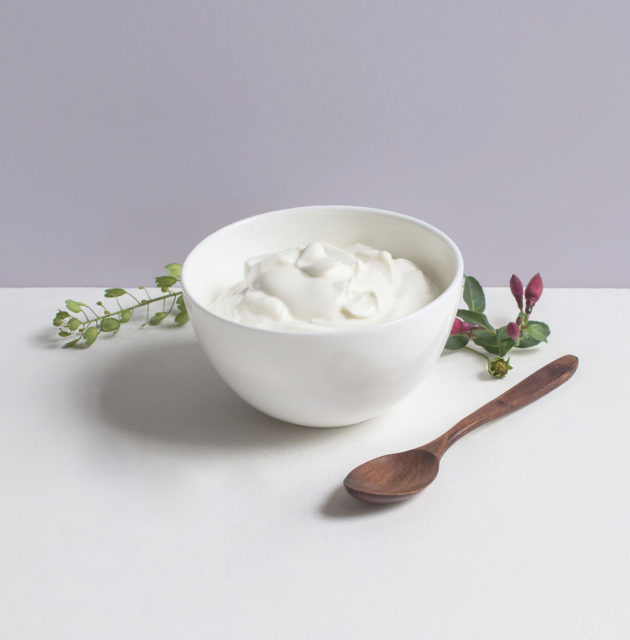
The other dairy worth mentioning: AB-mjólk is a probiotic buttermilk that looks like a drinkable yogurt and tastes like one if you strained it through a sock, it’s very sour. Icelandic grandmothers swear it cures hangovers. I wouldn’t know anything about that. Also: Icelandic butter is excellent, largely because the cream it’s made from comes from cows that spent the summer on similar grass to the sheep. Buy the unsalted Smjör at Bónus and put it on everything.
Þorramatur and the winter food most Icelanders don’t really eat
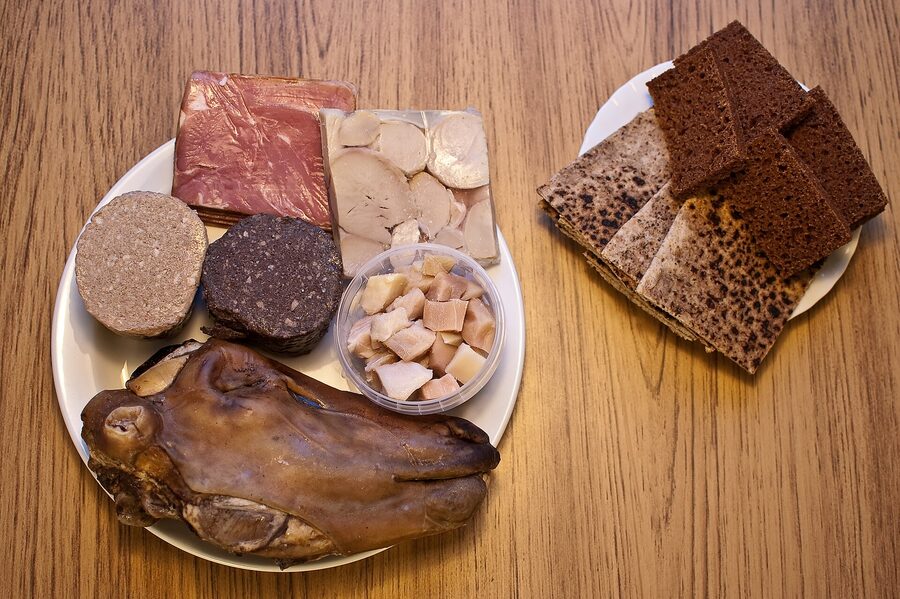
This is the stuff the tourist articles get most excited about. Fermented shark. Ram’s testicles. Sheep’s head. Pickled blood pudding. If you’ve read about any of it, you’ve probably read about it through þorramatur, the mid-winter food festival that runs from mid-January to mid-February, during the old Icelandic month of Þorri.
Historically, þorramatur is what you ate when the last of the harvest was gone, the boats couldn’t get out, and all that was left were the things you’d preserved in autumn. Everything is either smoked, pickled in whey, fermented, or dried. It kept people alive for centuries. And once a year, during Þorrablót, the mid-winter festival, families gather, set out a platter of the old preserved foods, drink Brennivín, and eat the stuff their ancestors ate.
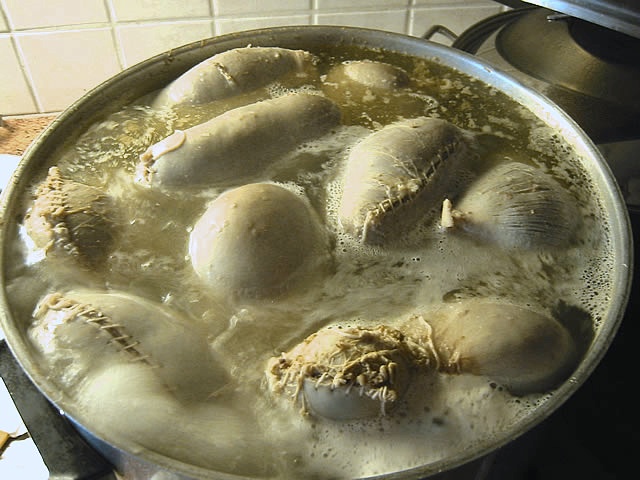
The truth about þorramatur is that most Icelanders don’t really eat it. My grandmother did. My mother eats a little, the smoked lamb, the liver sausage, sometimes a bit of hákarl if she’s being polite at someone else’s Þorrablót. My generation eats one slice of each thing as a tradition, drinks the Brennivín, and then goes to a bar. The cultural attachment is real, but the daily-eating relationship is not.
The platter usually includes:
- Hákarl, fermented Greenland shark. Greenland shark meat is toxic when fresh because of high urea, so it’s buried in the ground for six to twelve weeks to leach out the ammonia, then hung in a drying shed for another three months. The smell is strong, think cleaning-cupboard, and the taste is ammonia-forward with a cheesy fermented aftertaste. You eat it in cubes the size of a dice, with a shot of Brennivín to chase it. One cube is plenty. If you want the full story of where it sits in the winter calendar, I wrote about Þorláksmessa in the Christmas in Iceland article.
- Svið, singed sheep’s head. Half a head, cleaned, blowtorched to burn off the wool, then boiled. You eat the cheek, the tongue, the eye if you’re brave. Texture like a very soft brisket.
- Blóðmör and lifrarpylsa, blood pudding and liver sausage. These are the most approachable. Black pudding on one side, liver-and-oat sausage on the other.
- Súrsaðir hrútspungar, pickled ram’s testicles. About what you’d expect. The texture is the hardest part, not the taste.
- Harðfiskur, hangikjöt, rúgbrauð, the approachable anchors of the platter.
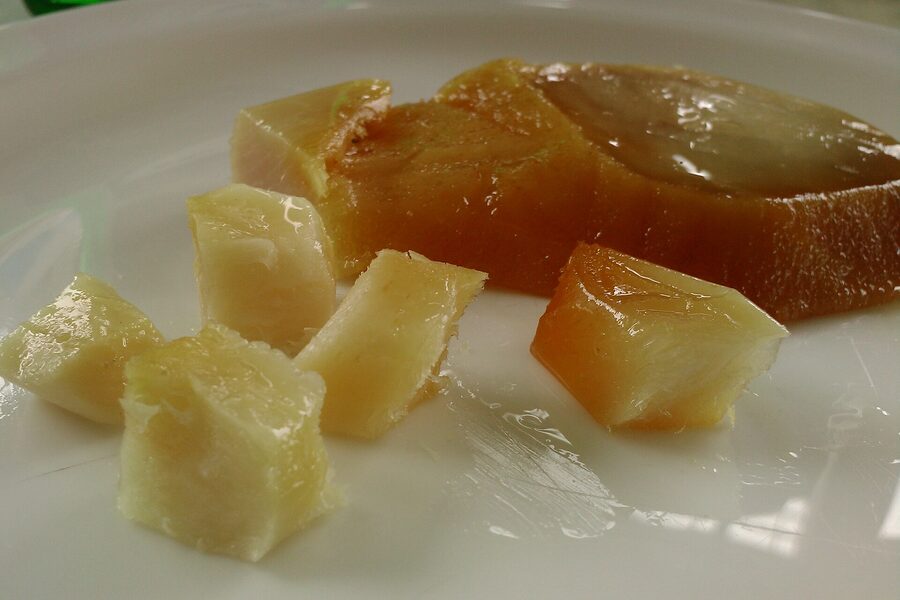
If you’re here in January or February, go to a Þorrablót. If you’re here at any other time and you see hákarl on a menu, you can try it, most tourist-facing restaurants serve a small tasting portion. My advice: try it once for the experience, don’t order a full plate. The taste of hákarl is not actually the point. The point is the cultural memory of surviving an Icelandic winter on what the land had already given you.
Christmas on the plate
Christmas dinner is the one meal that matters more than any other in Iceland. The food is specific, the timing is specific, and nobody deviates much. The centrepiece is hangikjöt, the smoked lamb I already talked about, with a sweet béchamel sauce, peas, red cabbage, and caramelised potatoes glazed in butter and sugar (brúnaðar kartöflur). Or, for the traditionalist households, rjúpa, which is ptarmigan, a small arctic game bird, hunted in October, frozen until Christmas, served with a game sauce and redcurrant jelly.
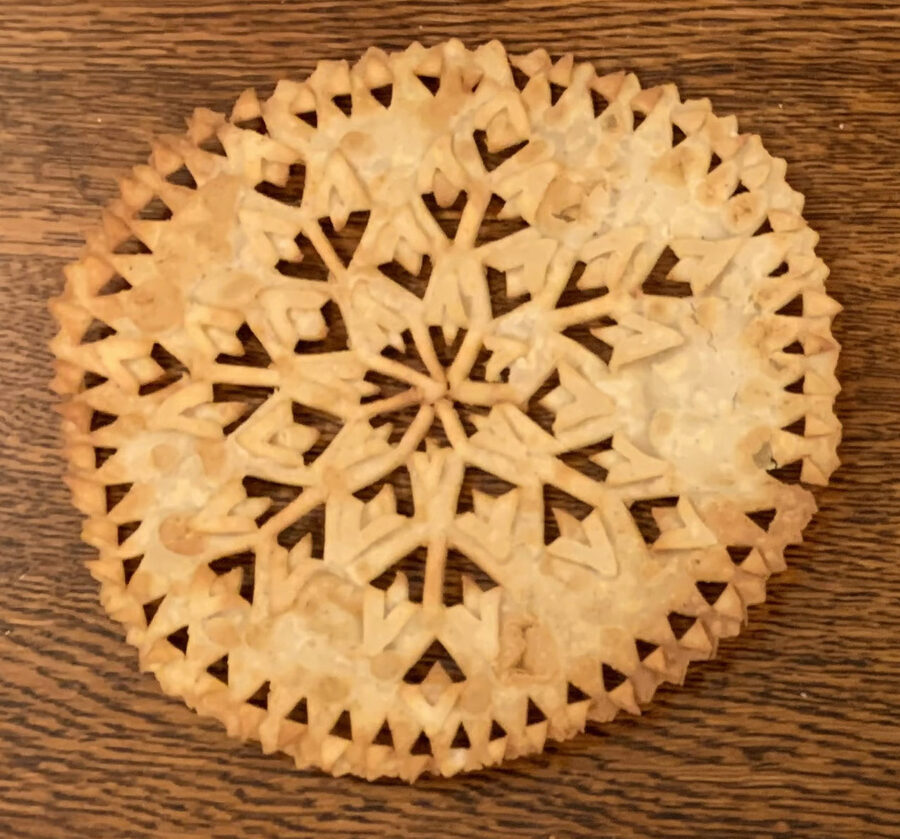
Laufabrauð, leaf bread, is the part that makes the 23rd of December a kitchen day. It’s a paper-thin disc of rye-and-wheat dough, about the size of a side plate, decorated with intricate cut-out patterns and then fried until crisp. Every family has its own pattern. Some use a little wheel tool, some freehand it with a knife. It’s eaten alongside the hangikjöt, and the making of it, usually a whole afternoon with several generations in one kitchen, is as much the point as the eating of it. If you’re here on the 23rd and you know a family, ask if you can join. If you don’t know a family, you can buy it at Bónus.
Hamborgarhryggur, glazed smoked pork loin, has muscled in over the last few decades as a rival centrepiece. It’s smoked, glazed with pineapple or brown-sugar-and-mustard, and easier to cook for a crowd than ptarmigan. My household does half pork, half lamb. Most households have drifted this way.
The Christmas drink is Malt og Appelsín, a 50/50 mix of non-alcoholic malt beer and orange soda, which tastes, to a visitor, like someone dared you to drink it. Every Icelander adores it. It’s also sold pre-mixed as “Jólaöl” (Christmas ale) and the cans appear in shops on December 1st.
For the full calendar, the 24th at six, the 23rd kitchen day, the Yule Lads, the twelve days, the bonfires on the 6th of January, I already wrote a full piece on Christmas in Iceland. The food section there goes into more detail on rjúpa, the Danish-style ris à l’amande rice pudding with the hidden almond, and the specific bakery sequences of jólakökur (Christmas biscuits).
Sweets, coffee, and cake culture
Icelandic baking leans Danish. We were under Danish rule for five centuries and the bakeries never really got over it. What that means in practice:
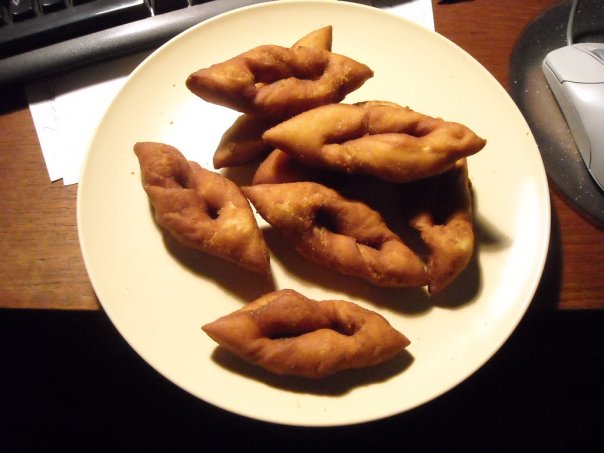
Kleinur are twisted doughnuts, cut from a rectangle of dough, pulled into a knot, and fried to a deep brown. They’re denser than a glazed doughnut, more like a buttermilk cake, and they’re everywhere, every petrol station, every bakery, every grandmother’s cookie tin. The traditional kleina is unfrosted and lightly sugared. Some modern bakeries do a lightly-fried version with frosting. The original is better.
Ástarpungar, “love balls”, are fried balls of dough with raisins in them. The name is absurd, the texture is dense, and they are inexplicably delicious. Think a denser doughnut hole. Every bakery in Reykjavik sells them; a bag of four is about 600 ISK.
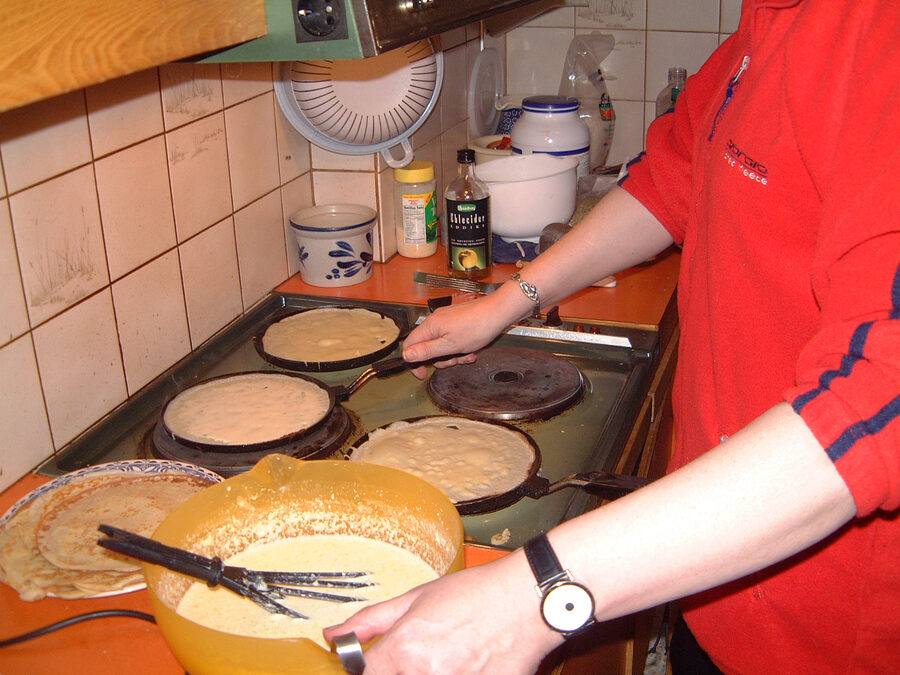
Pönnukökur are Icelandic pancakes, thinner than a crêpe, cooked on a specific iron pan, rolled around jam or whipped cream, and eaten at mid-morning with coffee. Every Icelandic household has a dedicated pönnukökupanna that’s older than most of the children and is never, ever washed with soap. The rhubarb jam inside is the key, rhubarb grows wild in Iceland from May to September, and most families make their own jam from it. Supermarket rhubarb jam is fine. Homemade is better.
Skúffukaka is “tray cake”, a chocolate sheet cake with a soft crumb, topped with a thin layer of coconut-flecked glaze. It’s the birthday cake every Icelandic child grew up with. It’s the cake at every church coffee, every funeral wake, every work retirement. You can buy it at Bónus for about 900 ISK. It is not sophisticated. It is impossible to beat.
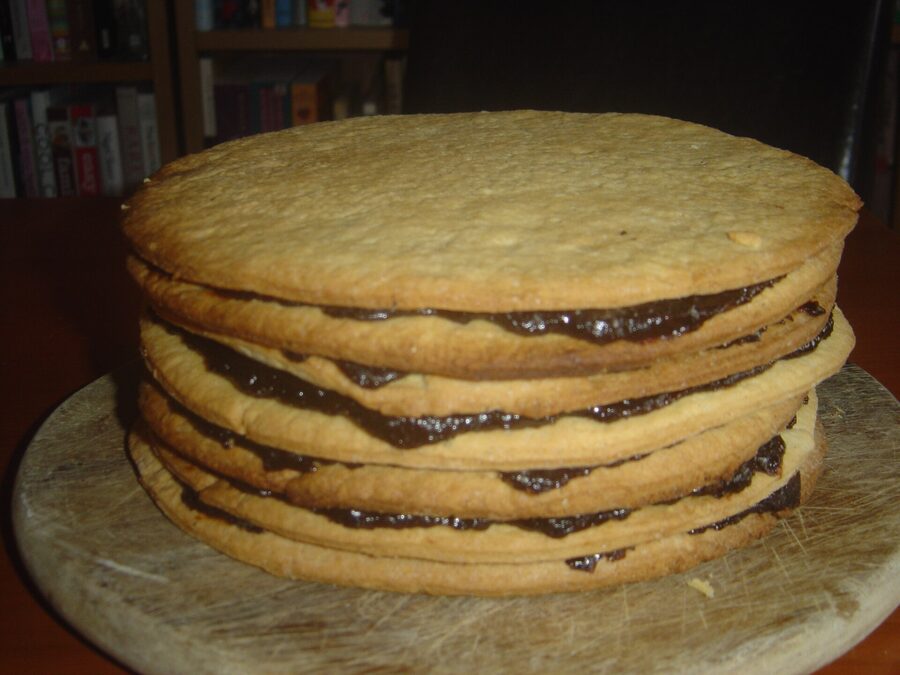
Vínarterta, “Vienna cake”, is the grown-up one. It’s seven thin biscuit-like layers stacked with cardamom-scented prune jam between each, then wrapped and left to rest for at least three days before slicing. The jam seeps into the biscuit, the layers soften, and you get this striped, spiced, almost-toffee-ish thing. You eat it cold, in thin slices, with coffee. It’s most associated with Icelandic-Canadian Christmas, my aunt in Winnipeg makes the definitive version, but it’s equally at home here.
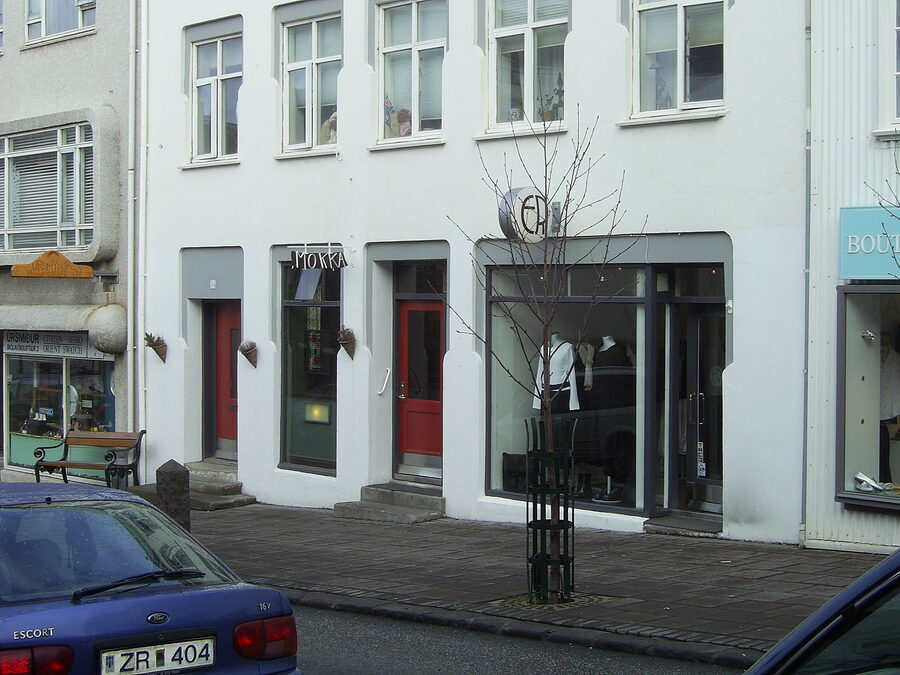
On coffee: we drink enormous amounts of it. Per head we’re one of the biggest coffee-drinking nations in the world. The roasters to know are Reykjavik Roasters (the one on Kárastígur is the better branch, small and wooden and always full), Te & Kaffi, and Kaffibrennslan. For a proper old-Reykjavik coffee experience go to Mokka Kaffi on Skólavörðustígur, it’s the oldest café in Iceland, they’ve been doing espresso since 1958, and the waffles are the same recipe they’ve used since the sixties.
Brennivín and what to drink
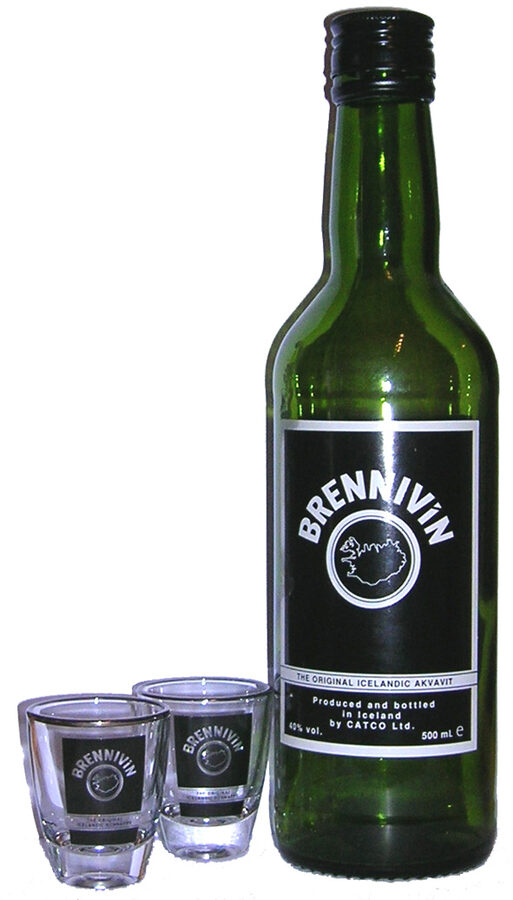
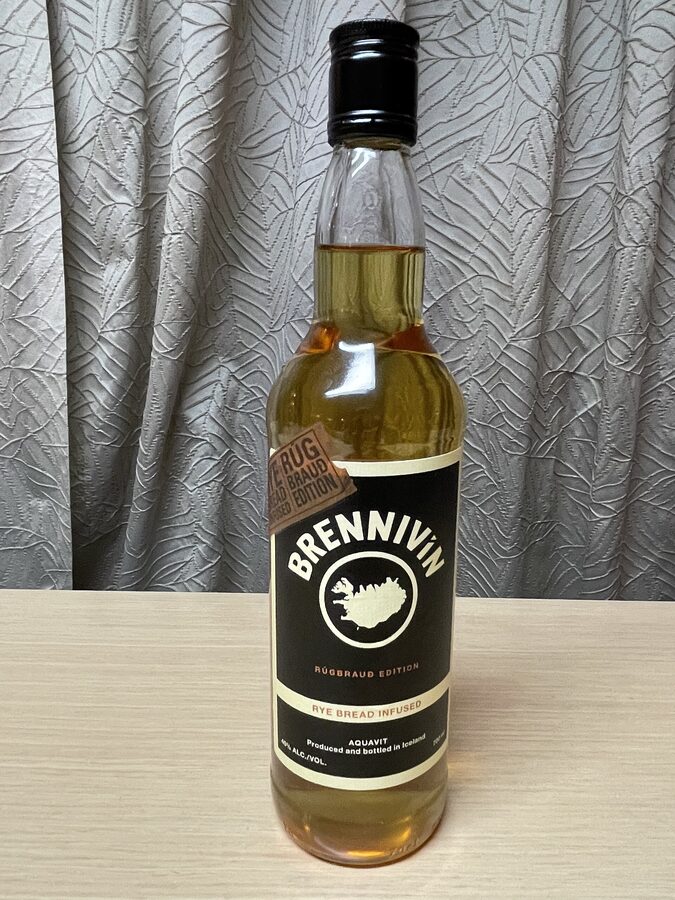
Brennivín, “burning wine”, is the national schnapps. It’s a 40% potato-based spirit flavoured with caraway, bottled in a dark green bottle with a mostly-black label. The nickname is Svarti Dauði, Black Death, which is not a comment on the taste but a leftover from 1930s Icelandic public-health policy: when the government allowed hard liquor sales again after prohibition they made the label deliberately grim to discourage drinking it. It didn’t work. Icelanders drink it anyway.
Served cold, in a small shot glass, as a chaser to hákarl. Also fine on its own at the end of a long winter dinner. The taste is strongly of caraway and rye, think Jägermeister’s cleaner, drier cousin. One shot at a Reykjavik bar is about 1,800 ISK. A 500ml bottle at Vínbúðin (the state liquor monopoly, which is the only legal place to buy it) is about 4,500.
On beer: Iceland was effectively dry for seventy-five years, beer was illegal from 1915 to 1989, which is a sentence I still can’t believe typing. The craft brewing scene is therefore recent, which means it’s been absolutely racing to catch up. The breweries to know are Einstök (from Akureyri, the white ale is excellent), Borg Brugghús (their IPA Úlfur is the closest thing we have to a national beer), and Ölvisholt. In bars, a half-litre of local craft is about 1,600–1,900 ISK.
Places to drink: Kaldi Bar on Laugavegur is a proper pub owned by a brewery, which means the beer is fresh and cheap by Icelandic standards. Mikkeller & Friends in the 101 district has thirty rotating taps and a serious Danish-craft-beer pedigree. Kex Hostel‘s ground-floor bar is the only place in town that’s equally comfortable for a solo beer at 4pm or a Friday night. Session Craft Bar on Bankastræti has the widest Icelandic-made selection. Apotek, in the old pharmacy on Austurstræti, does cocktails at a nice hotel-bar level for about 2,500 ISK.
If cocktails are your thing, ask for a Reyka, the local vodka, distilled using geothermal energy, neat, or in a martini. It’s 40% and surprisingly smooth. I wouldn’t pay a premium for it; it tastes like a clean vodka, not a transformative one.
Where to eat in Reykjavik
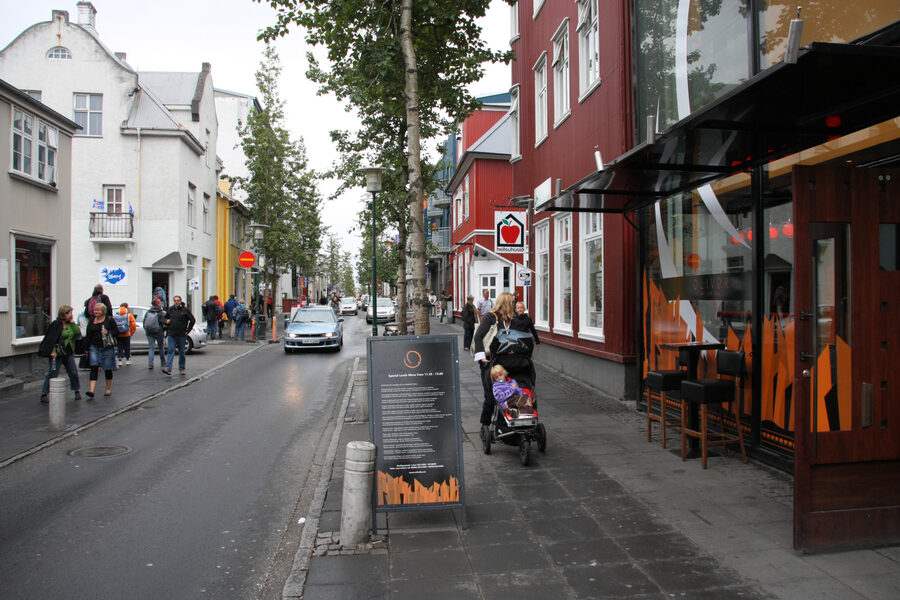
Reykjavik is small. Downtown, what Icelanders call 101, fits in about twenty minutes of walking end to end. That means most of the restaurants worth eating at are within fifteen minutes of each other. I’ll group them by what you’re in the mood for, and price, and I’ll tell you what to skip. Everything below is a place I or someone I trust actually goes to.
The cheap eats
Bæjarins Beztu Pylsur (Tryggvagata 1), the hot dog. Already covered. About 650 ISK.
Sægreifinn / Sea Baron (Geirsgata 8, old harbour), the langoustine soup. 2,400 ISK. Also has grilled fish skewers (sverðfisk, swordfish, at about 3,400 ISK). Unpretentious, wooden benches, the owner is a retired fisherman. saegreifinn.is.
Kaffi Loki (Lokastígur 28, opposite Hallgrímskirkja), traditional Icelandic dishes at café prices. The fish stew with rye bread is 2,890 ISK. Good spot for plokkfiskur without breaking the budget.
Grái Kötturinn (Hverfisgata 16a), the best American-style breakfast in town. Two eggs, bacon, potatoes, pancakes, coffee. About 3,500 ISK. Tiny room, often a queue.
Bakeries and daytime cafés
Sandholt (Laugavegur 36), a 1920 bakery that does everything: croissants, danishes, kleinur, sourdough, and proper sit-down breakfasts. Take the cardamom bun, take one of the open-faced sandwiches, take a coffee. You’ll pay about 2,500 ISK for a hefty breakfast.
Brauð & Co (Frakkastígur 16), the best sourdough and cinnamon roll in Iceland. No sitting, just a counter. Go before 11am on a Saturday or everything’s sold out.
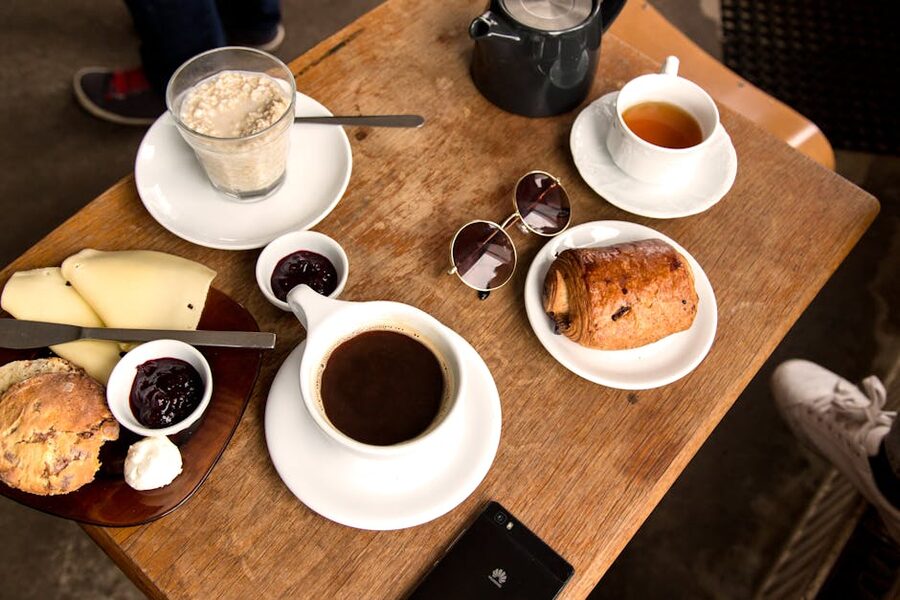
Mokka Kaffi (Skólavörðustígur 3A), oldest café in town, since 1958. The waffle with whipped cream and rhubarb jam is 1,650 ISK. Go in the afternoon. The seats are wooden and worn; the art on the walls rotates every month.
Reykjavik Roasters (Kárastígur 1, with a second branch at Brautarholt 2), best specialty coffee in town. A flat white is 650 ISK. The Kárastígur branch is tiny and always buzzing.
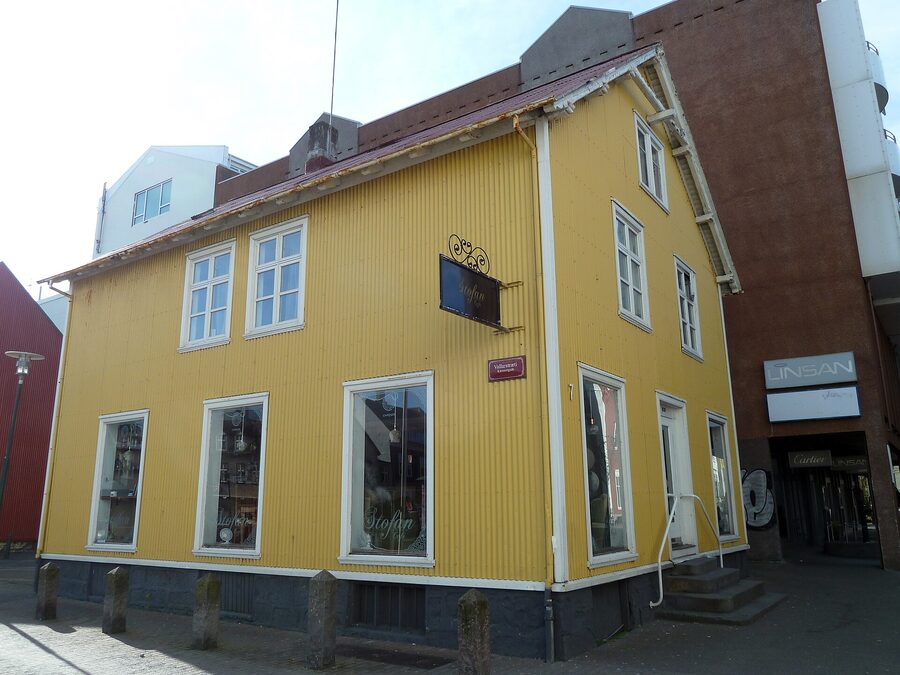
Stofan Café (Vesturgata 3), second-floor café in an old house. Nowhere to rush through. Cinnamon buns and long coffees.
Kaffibrennslan (Pósthússtræti 9), a proper espresso bar across the square from the big cathedral. Good for a morning flat white on the way to something else.
Mid-range traditional Icelandic
Matur og Drykkur (Grandagarður 2, by the Saga Museum), old Icelandic cookery re-imagined. The menu rotates seasonally but you’ll usually find cured lamb, pan-fried cod, rhubarb-and-skyr dessert. Mains about 4,500–6,500 ISK. maturogdrykkur.is. Book ahead.
Þrír Frakkar (Baldursgata 14), a tiny fishing-themed place in a residential street. This is where locals go for skate, whale-free traditional stuff, and properly done plokkfiskur. They also do the kæst skata (fermented skate) lunch on December 23rd, which is worth knowing about if you’re here for that specific Icelandic holiday. Mains 4,500–7,500 ISK.
Íslenski Barinn / The Icelandic Bar (Ingólfsstræti 1a), does a proper Icelandic sampler for people who want to try hákarl, lamb, arctic char, and harðfiskur in one sitting without committing a whole evening. About 6,500 ISK for the sampler.
Fjallkonan (Hafnarstræti 1), a modern Icelandic kitchen with decent prices for what you get. Ask for the lamb or the arctic char.
Grillmarkaðurinn / Grillmarket (Lækjargata 2A), upscale-casual, big on grilled local produce, slight tourist-menu feel but genuinely solid food. The lamb is very good. Mains 5,500–9,500 ISK.
Splurge
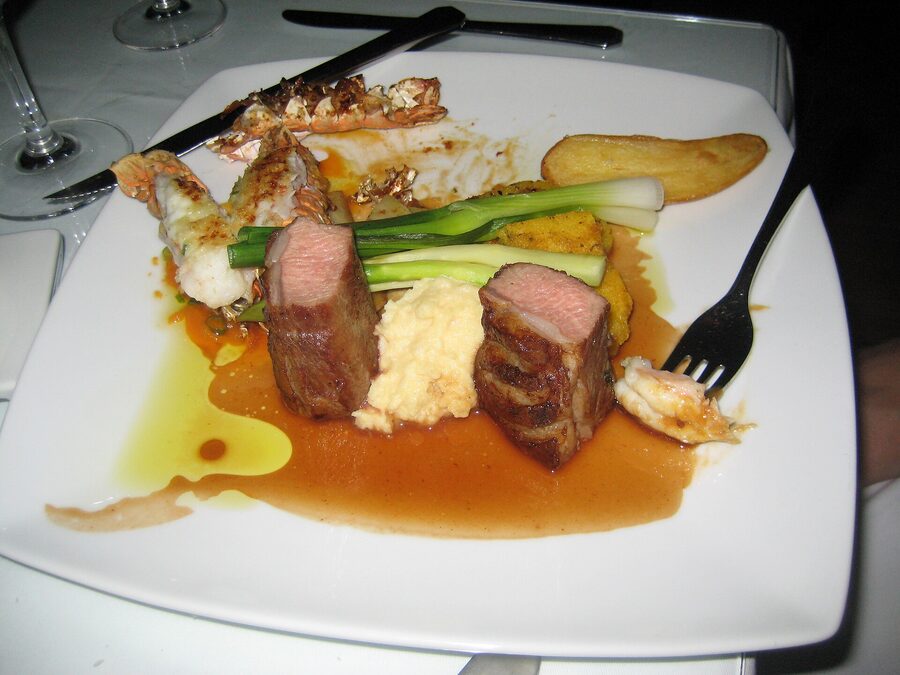
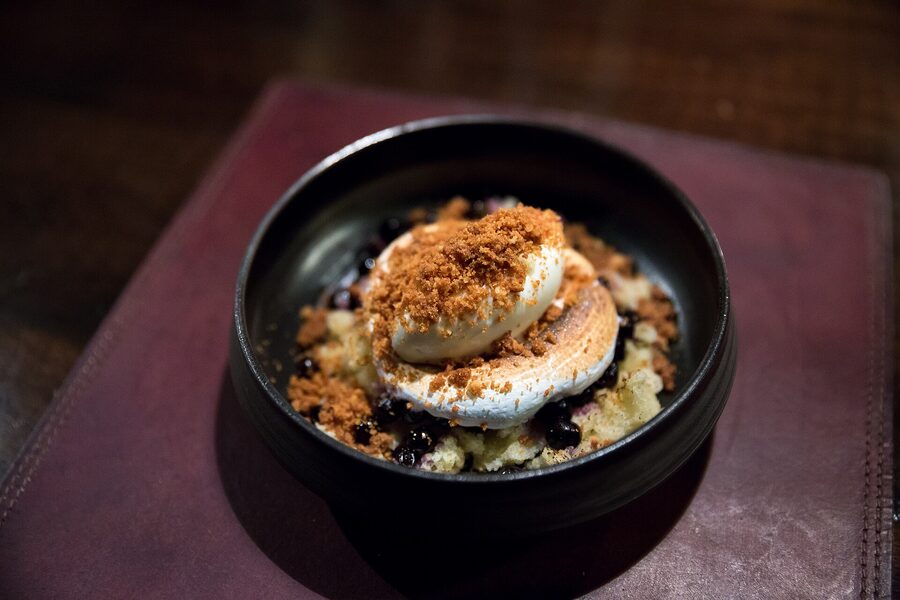
Dill (Laugavegur 59), Iceland’s most famous restaurant and, at the time of writing, the only one in the country holding a Michelin star. The tasting menu is around 18,500 ISK for 7 courses and a further 11,000 for the drinks pairing. You need to book weeks ahead. The food is a serious expression of what modern Icelandic cooking can be, fermented rhubarb, arctic char with cream-and-dill, skyr textures, bread-and-butter dishes that reorder what you think bread can be. dillrestaurant.is.
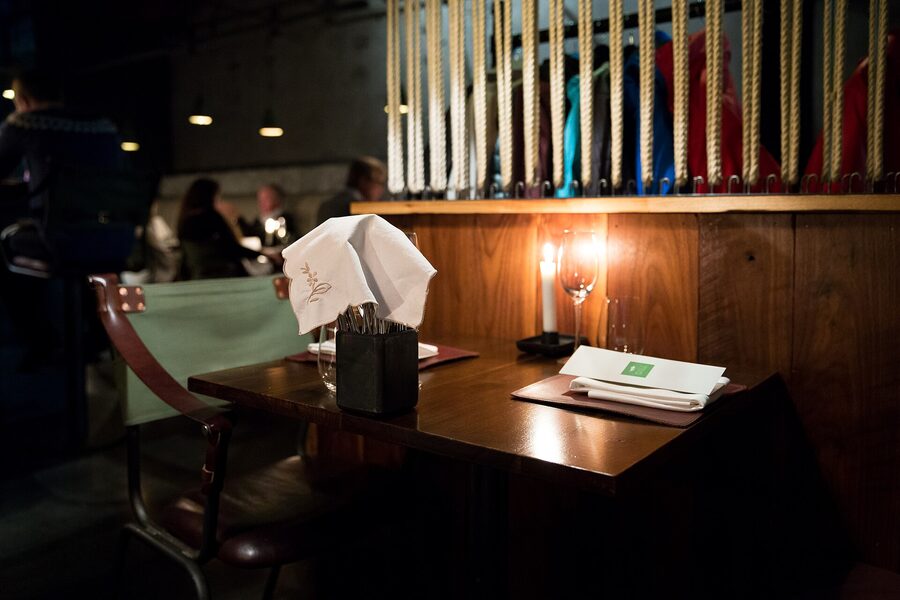
ÓX (Laugavegur 28, upstairs), an intimate 12-seat counter that ran briefly as a speakeasy-style tasting menu. It’s fancy, it’s expensive (over 30,000 ISK), and it’s one of the best eating experiences in the country if you can get a seat. Reservations release months ahead. ox.restaurant.
Moss Restaurant, technically in Grindavík, inside the Blue Lagoon hotel. Michelin-starred, Icelandic-contemporary. If you’re doing the Blue Lagoon anyway, it’s worth the upgrade; if you’re not, it’s a long way for dinner.
Kol (Skólavörðustígur 40), grilled meats and fish over charcoal, more classic French than Icelandic but done at a very high level. Mains 8,500–12,000 ISK.
Apotek Kitchen + Bar (Austurstræti 16), nice bar plus decent bistro. A good place for the end of a night when you want cocktails plus a small plate.
Outside 101
Perlan, the domed museum above the city has a rotating restaurant at the top. Overpriced but the view across the whole of Reykjavik and out to Esja is worth one meal if you’ve got a clear day. Or just go up for a coffee.
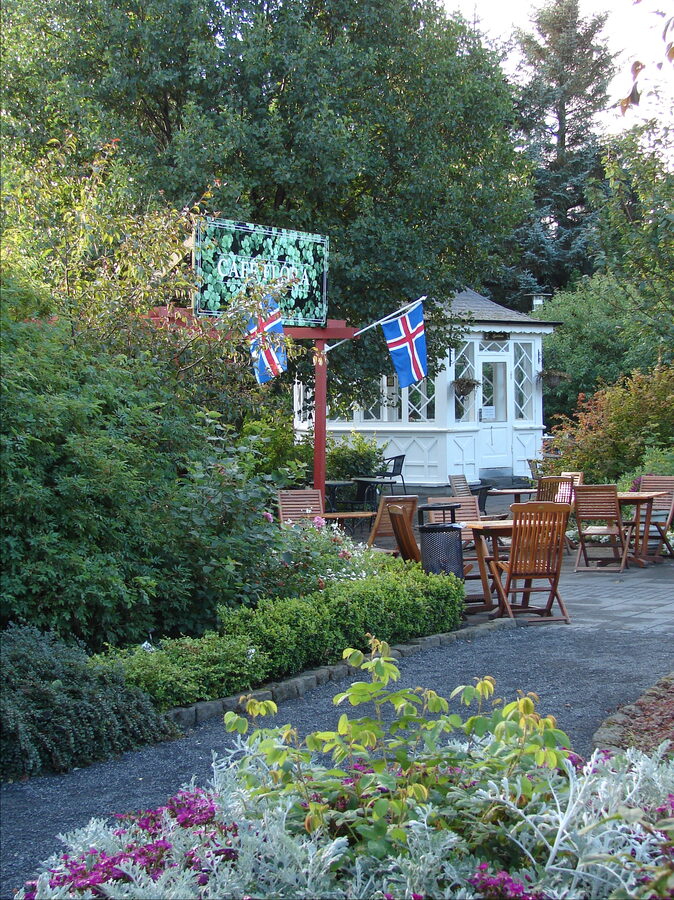
Café Flóra, in the Botanical Garden in Laugardalur. Only open in summer. The soup and salad of the day is 2,500 ISK, and you eat it surrounded by lupins and birches. Very pleasant on a July afternoon.
Fjöruhúsið Café, not in Reykjavik, but near Hellnar on the Snæfellsnes peninsula. Fish soup and a view of the cliffs. Worth a detour if you’re driving the peninsula.
Supermarkets, and the real cost of groceries
If you take one piece of practical advice from this article, let it be this: eat out twice a day in Iceland and you’ll leave broke; eat out once and cook the other meals at your apartment and you’ll leave with enough money to come back again.
The three supermarket chains, in order of price:
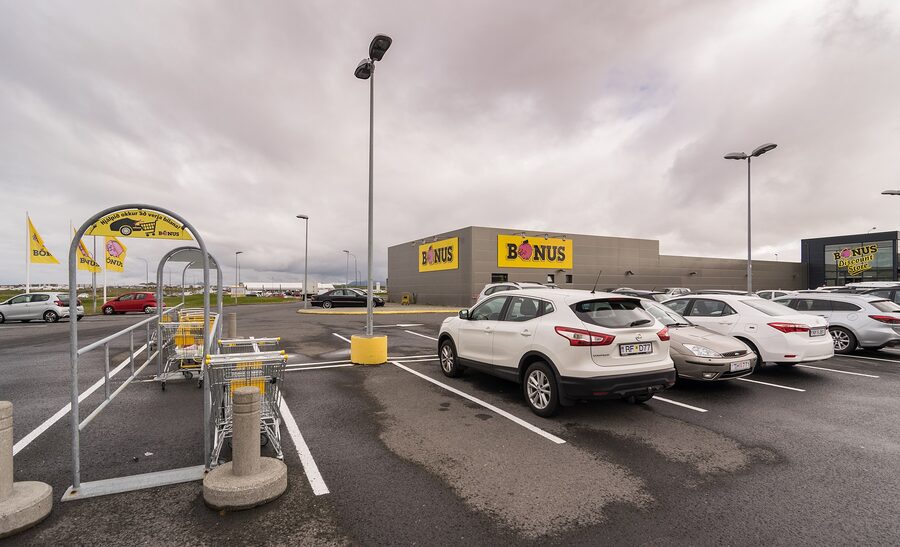
Bónus, the cheapest. The pink pig logo is on every strip mall in the country. There are about 30 branches, including four in central Reykjavik (the one on Laugavegur and the one on Hallveigarstígur are both walkable from the old town). The selection is smaller than Krónan, the vibe is warehouse-basic, and the produce is fine. Most households do the bulk of their weekly shop here. Open roughly 11:00–18:30 weekdays, shorter on Sunday.
Krónan, the mid-tier. Slightly nicer, slightly more expensive. Better selection of prepared meals and bakery. The one at Skeifan is the biggest.
Hagkaup, the upmarket one. Some branches are open 24 hours, which is genuinely useful. Prices are 20–40% higher than Bónus. Only go here if Bónus is shut.
Other chains: Nettó (budget, similar to Bónus), Samkaup (small neighbourhood shops), 10/11 (convenience, open late, about 40% more expensive than Bónus and you only go there because it’s 11pm).
Typical Bónus prices at time of writing, so you know what you’re working with:
- 1 cup of skyr, 280 ISK
- 1 litre of skyr, 1,050 ISK
- 1 loaf of rúgbrauð, 790 ISK
- 200g of smoked salmon, 1,790 ISK
- 500g of minced lamb, 2,400 ISK
- 1 whole lamb leg, around 7,500 ISK
- Pack of 10 cod fillets (frozen), 3,500 ISK
- Pack of harðfiskur, 1,800 ISK (it’s light; that’s a lot of dried fish)
- 500g butter, 850 ISK
- A dozen eggs, 1,100 ISK
- A bag of crisp local tomatoes, 600 ISK
- A can of Malt og Appelsín, 220 ISK
Self-catering strategy: breakfast is skyr plus bakery bread plus coffee (about 2,000 ISK for two people if you buy supermarket). Lunch is a sandwich made with smoked salmon on rye plus fruit (1,500 ISK). Dinner is a piece of cod pan-fried with potato and butter, or a piece of lamb roasted with root vegetables (3,500–5,000 ISK for two). That’s a 7,000–8,500 ISK day for two versus roughly 18,000–25,000 if you eat out all three meals.
One odd thing: alcohol is only sold at Vínbúðin, the state-run liquor shops. Grocery stores sell beer up to 2.25% only. Vínbúðin has short, specific hours, typically 11:00–18:00 on weekdays, shut Sunday. If you want wine or spirits, plan the stop. The Vínbúðin at Austurstræti 10A is the easiest one downtown.
What to skip
I’ll be direct about a few things, because the tourist-facing versions of them often show up on menus for the wrong reasons.
Puffin. I know you’ve seen it on menus. I’d skip it. Puffin populations in Iceland have been declining sharply, the Westman Islands colony, which was once the biggest in the world, has lost a lot of breeding pairs over the last two decades, and eating puffin at a Reykjavik restaurant mostly means eating birds that were hunted in regions where the local population is still big enough to sustain it, but the whole thing sits uncomfortably at best. The taste is fishy and gamey, somewhere between liver and duck, and it’s not actually a traditional everyday Icelandic dish, it’s a Westman Islands and Grímsey thing that got a tourist menu glow-up. You’re not missing anything important by passing.
Whale meat. Also legal here, also on some menus, also worth skipping. Iceland is one of three countries in the world that still whales commercially, and the domestic market for whale meat is tiny, most of what you’ll see on a restaurant menu exists because tourists order it. The meat itself is dark, mineral, vaguely beef-like. If you don’t order it, the restaurants have less reason to keep it on the menu.
“Viking experience” buffets. There are a few restaurants in Reykjavik that sell an all-you-can-eat platter of fermented shark, ram’s testicles, boiled sheep’s head, and whale meat as a single tourist-facing combo. I’d skip. If you genuinely want to try Þorramatur, come in January or February and go to a real Þorrablót at somewhere like the Nordic House, it’s a tenth of the price and ten times the atmosphere. If you’re here other times of year, Íslenski Barinn’s sampler is the better compromise.
Bland hotel buffet breakfasts. Most Reykjavik hotels do a morning buffet for 3,500–4,500 ISK. It’s almost always less interesting than what you’d eat if you walked two blocks to Sandholt or Brauð & Co. Unless it’s included in your room rate, skip.
The one-paragraph version
If you only have three meals in Iceland, here’s what I’d eat: a pylsa with everything at Bæjarins Beztu for lunch on your first day. A bowl of langoustine soup at Sægreifinn for lunch on your second. Lamb, any lamb, at any decent restaurant, for one dinner, and a plokkfiskur or pan-fried cod for another. Skyr with blueberries and rúgbrauð with butter for breakfasts at your apartment. One snúður from Brauð & Co before you fly home.
That’s the food. If you want the wider picture, how the seasons work, why Iceland feels the way it does at different times of year, which tour suits which month, the destinations and tour guides sections have more. And if you land in December, the Christmas piece covers what the country actually does for the three weeks of year when everything goes quiet. The food section there is the one to read before the 23rd.
Come hungry. Þetta reddast, it’ll work out.


.jpg)


.jpg)
.jpg)


.jpg)

.jpg)
.jpg)
