Vikings, but make it educational. The Saga Museum in Reykjavik turns Iceland’s saga world into a walk-through you can enjoy at your own pace, with an audio guide and scenes built around famous names from the sagas. You’ll move through stories that connect Viking legend, Iceland’s early settlers, and big turning points like the Black Death.
I especially like two parts: you get to dress like a Viking and try hands-on with weapons and armor, and the museum explains the sagas with clear, guided audio rather than leaving you to guess what you’re looking at. It’s also family-friendly without feeling watered down.
One thing to keep in mind: this is mainly a museum of static exhibits, using life-size mannequins and dioramas. If you’re hoping for lots of modern tech or hands-on science-style learning, you may want to temper expectations.
In This Review
- Key things to know before you go
- Saga Museum in Reykjavik: what the experience feels like
- Ticket value: $32 for audio, dioramas, and dress-up
- Inside the museum: how the audio guide actually helps
- Stop inside: the Saga Museum walk-through in 1–2 hours
- What you’ll learn: famous names and big events
- Life-size dioramas: the “faces you can’t ignore” effect
- Dress like a Viking: the family-friendly pay-off
- Where the museum location helps your day plan
- Who should book this ticket (and who might not love it)
- Practical tips to make the most of your visit
- Should you book the Saga Museum entrance ticket?
- FAQ
- How long does the Saga Museum visit take?
- What languages are available for the audio guide?
- Do I need to buy anything to get the audio guide?
- Can children visit for free?
- Is Viking dress-up included?
- Is there parking included?
- What are the museum’s opening hours?
- What’s the cancellation policy?
Key things to know before you go
- Audio guide in multiple languages (Icelandic, English, French, German, Russian, Spanish, Swedish)
- Life-size saga scenes built around historic figures and legendary storytelling
- Viking dress-up plus weapon and armor try-ons, a real crowd-pleaser for kids
- Small, manageable visit size (maximum 50 travelers)
- Free parking and taxes included in your ticket price
Saga Museum in Reykjavik: what the experience feels like
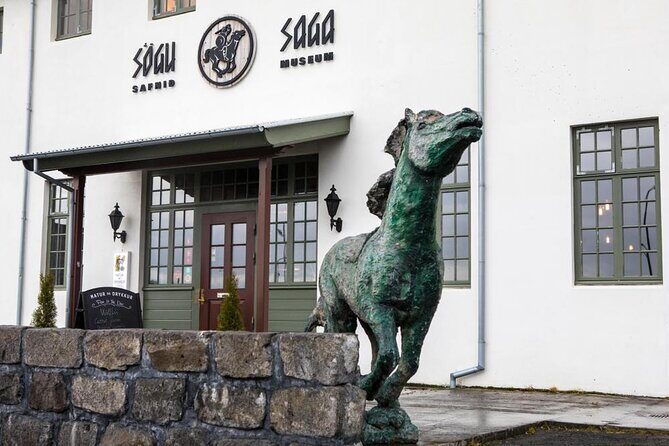
The Saga Museum sits in the old harbor area of Reykjavik, in a part of town where you can still sense how the city grew around trade and seafaring. That’s a good fit for this museum’s focus. It’s not just Viking costumes. It’s Viking-era storytelling tied to Iceland’s early history and the sagas that shaped how people remembered it.
Plan on a visit that’s easy to slot into a day. The ticket is set up as an admission entry, and the museum’s opening hours are daily from 10:00 to 17:00. In practical terms, that means you’re not stuck chasing a narrow time window.
Most of what you’ll see is designed to help you “read” the exhibits fast. The figures and scenes are arranged so you can follow the narrative without needing a lot of prior background. If you like museums where you get context as you walk, this one works well. If you hate museums where you’re left alone with interpretive panels, the audio guide helps a lot.
You can also read our reviews of more tours and experiences in Reykjavik



Ticket value: $32 for audio, dioramas, and dress-up
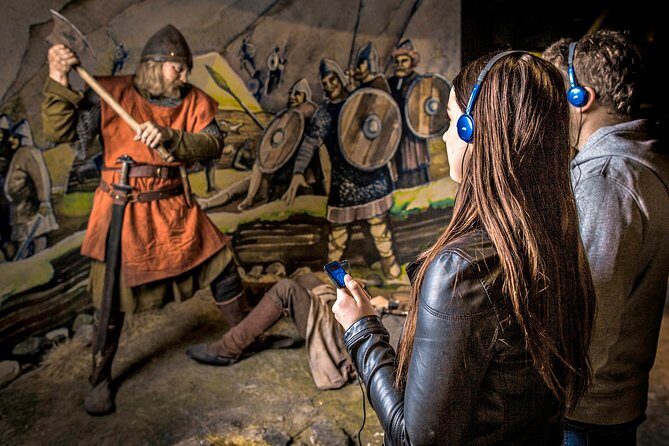
At $32 per person, this isn’t a bargain museum, but it also isn’t priced like a full-day attraction. For that money, you’re paying for three things that matter: entry to the museum, an audio guide experience, and the included chance to dress up and interact with Viking gear.
Let’s break down why that combination is good value:
- The audio guide turns “static exhibits” into a story you can follow. Instead of wandering, you’re guided step-by-step through each scene.
- The life-size dioramas aren’t just decorations. The museum uses them to bring names and events into focus, from settlers to writers and mythic figures.
- The dress-up and try-ons add a hands-on moment that many history museums skip. Even if you’re an adult, it’s the kind of playful interaction that makes the visit stick.
You’ll also get free parking, which is a real convenience in Reykjavik. It’s the kind of small perk that can save time and stress, especially if you’re combining the museum with other sights nearby.
Inside the museum: how the audio guide actually helps
The museum offers audio guidance through devices in several languages: Icelandic, English, French, German, Russian, Spanish, and Swedish. That matters more than it sounds. Icelandic sagas can be tricky if you’re reading summaries. Hearing what’s happening scene-by-scene makes it far easier to connect names, timelines, and cause-and-effect.
You also have a backup option: the audio guide can be bought as a booklet at the front desk. That’s useful if you’d rather read at your own pace or if you want a second copy for a travel partner.
In my view, this is one of the best ways to do museum audio. It’s not just background narration. It’s built for the exhibits. You move, you listen, you look again. That cycle makes even the more text-heavy moments feel manageable.
If you’re traveling with kids, the audio guide keeps the visit from turning into a slow, adult-only history lecture. Kids can follow along with the story even when they’re mostly focused on the big figures.
Stop inside: the Saga Museum walk-through in 1–2 hours
The museum visit is the main stop, and the flow is simple: you enter, pick up your audio choice, and work your way through the exhibits on your time. The suggested visit time runs about 1 to 2 hours.
In practice, many people seem to find a “comfortably complete” loop closer to around 45 minutes if they move briskly and don’t linger too long in the same scenes. If you take time for photos, the Viking dress-up area, or you prefer to pause and re-listen, stretching to a full hour or two is easy.
The museum holds around 20 exhibits (you may see references to about 18 or so static displays depending on how you count areas). Either way, it’s sized so you don’t feel trapped. You get enough variety to feel like you learned something, and you’re not stuck for half a day.
What you’ll learn: famous names and big events
The museum focuses on the legends from the Icelandic sagas, with historical figures and story-shaping characters. You’ll see names like Snorri Sturluson, Ingolfur Arnarson, Leif the Lucky, and Leif Eiriksson. The idea is that these people aren’t just names in a book. They show up as part of Iceland’s cultural memory, tied to settlement and storytelling.
It also covers major turning points, including the Black Death—presented as the most devastating pandemic in human history, estimated to have killed between 75 and 200 million people. That kind of event is heavy, but in a museum setting it’s often handled better than it would be in a long lecture.
Here’s why that content is worth your time: Iceland’s reputation for toughness and fearsome legends makes more sense when you connect the stories to real disruptions and population shocks. The museum’s job is to connect the saga-world to the real-world pressures that shaped how people lived and what they remembered.
You can also read our reviews of more museum experiences in Reykjavik




Life-size dioramas: the “faces you can’t ignore” effect
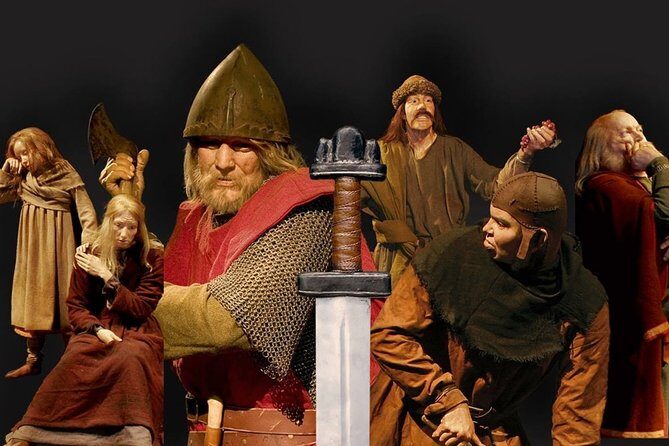
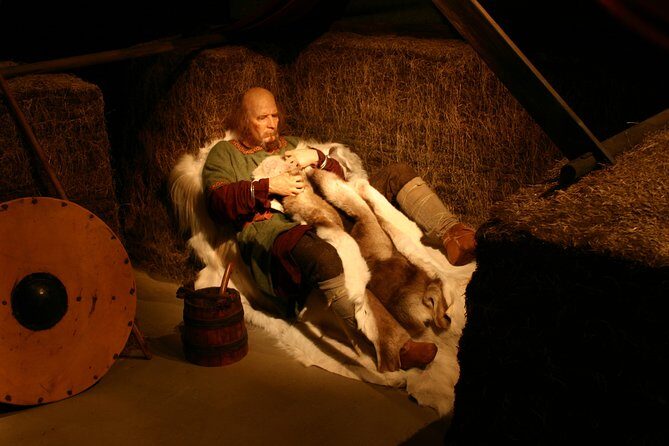
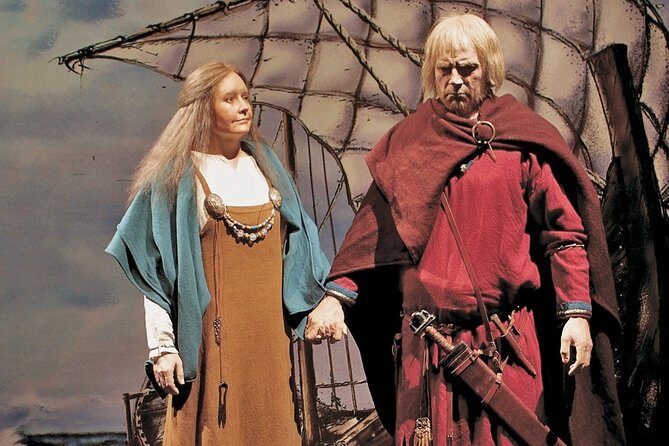
A strong theme across experiences here is how realistic the figures feel. Reviews point out that the mannequins and scene figures have striking, life-like detail—people often expect them to be more than still objects because the eye details are so sharp.
That realism is not just for show. When a scene looks convincing, your brain stays engaged. You spend less time interpreting and more time understanding what the scene is trying to say.
There’s also humor built into the experience. One thing you can count on is that the museum doesn’t treat you like you’re visiting a silent hall of homework. It guides you through serious topics with moments that keep the mood from getting stiff.
Dress like a Viking: the family-friendly pay-off
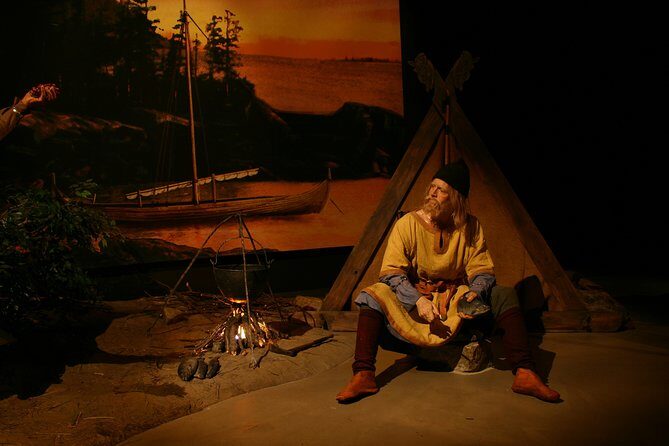
The Viking dress-up part is one of the easiest reasons to choose this museum ticket over a quick exterior stop. The museum lets you dress up as Vikings and it also offers the chance to try Viking weapons and armor.
That’s the kind of activity that works on two levels:
- For kids, it’s pure fun with a history frame.
- For adults, it makes the artifacts feel tangible, not just described.
This is also where you’ll likely see the energy shift. Early in the visit, people are listening and reading. Later, they’re more playful—putting on gear, posing, and taking photos. If your schedule has room for it, build time so this doesn’t feel rushed.
If you’re visiting as a couple, this is still worthwhile. People assume Viking gear is just for children, but the reaction tends to be bigger than that. It’s a short stretch of the day where you’re not just observing—you’re participating.
Where the museum location helps your day plan
Because the Saga Museum is in the old harbor area, it pairs naturally with a Reykjavik walking loop. After you learn the background, you’ll notice the city’s “story” more. Even if you’re not planning a long stay in this exact neighborhood, it’s a convenient anchor.
It’s also near public transportation. So if you’re not renting a car, you’re not boxed in. If you do have a car, the museum’s free parking helps you avoid the classic Reykjavik problem of spending your day hunting spaces.
Who should book this ticket (and who might not love it)
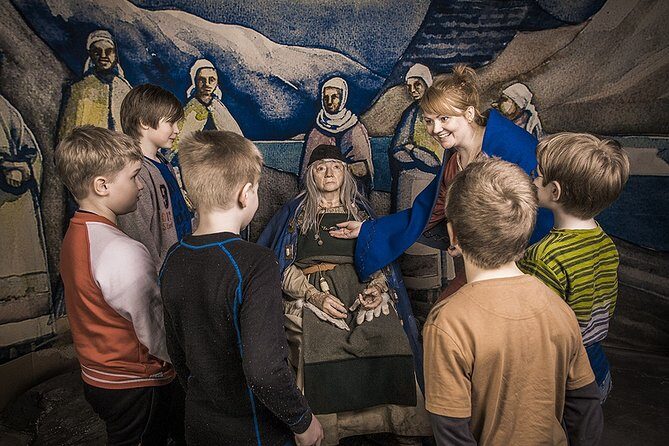
This museum fits best if you want a focused history stop without turning your day into a textbook marathon.
You’ll likely enjoy it if you:
- like Icelandic sagas and want names you can remember
- enjoy museums with audio guidance built into the exhibit flow
- travel with kids and want something interactive but still meaningful
- want an easy 1 to 2 hour activity that stays interesting
You might want to adjust expectations if you:
- want a museum packed with modern interactive tech
- prefer only traditional artifacts and manuscripts over scenes and mannequins
- hate audio guides and don’t like spending time listening
Practical tips to make the most of your visit
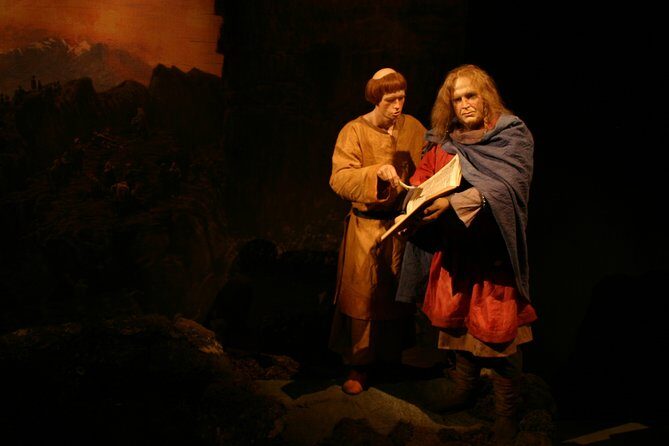
A few small choices will make the museum feel smoother:
- Use the audio guide from the start. Don’t treat it like optional background. It’s designed to connect what you see with what it means.
- If you’re traveling with multiple people, decide early who will use the audio device versus who might switch to the booklet option. That avoids a scramble once you’re inside.
- Give yourself time for the dress-up area. People who rush through often end up spending less time understanding the exhibits later because they’re saving energy for the interactive part.
- Visit during a quieter time if you can. One review noted it was not too busy in the middle of an October Monday, which suggests weekday timing can help if you like a calmer museum pace.
Should you book the Saga Museum entrance ticket?
I think this is a strong booking if your goal is a short, high-impact Iceland history experience. For $32, you get entry plus an audio guide experience across several languages, and you also get the chance to dress like a Viking and handle Viking gear.
If you want a museum that helps you connect saga characters—like Snorri Sturluson and Leif the Lucky—to bigger ideas like settlement and how societies survive shock events, this ticket gives you that context without making you suffer through long text.
If you prefer ultra-modern hands-on science style exhibits, you might find it more old-school than you want. But if you’re open to dioramas, lifelike figures, and audio-led storytelling, this is the kind of stop that’s easy to justify on a day with limited time.
FAQ
How long does the Saga Museum visit take?
The experience is listed as about 1 to 2 hours, and many visitors manage a shorter loop if they move at a steady pace.
What languages are available for the audio guide?
The audio guide is offered in Icelandic, English, French, German, Russian, Spanish, and Swedish.
Do I need to buy anything to get the audio guide?
You can use the provided audio devices at the museum. The audio guide can also be bought in booklet form at the front desk.
Can children visit for free?
Yes. Children under 6 years get free admission.
Is Viking dress-up included?
Yes. You have the opportunity to dress up as Vikings and try Viking weapons and armor.
Is there parking included?
Yes. Free parking is included with the ticket.
What are the museum’s opening hours?
The museum is open daily from 10:00 AM to 5:00 PM.
What’s the cancellation policy?
You can cancel for a full refund up to 24 hours before the experience’s start time.