Cold water, clear as air.
Silfra snorkeling from Reykjavík is one of those Iceland experiences that feels almost unreal: you’re in a glacially fed fissure in Thingvellir National Park, with water so clear you can see rock far below. I love that the tour keeps things personal with a small group (max six), and I also love the included underwater photo set, usually 40 to 100 images, posted a few days later at no extra cost. One thing to consider: it’s genuinely cold, and the face and hands often feel it first even with good gear.
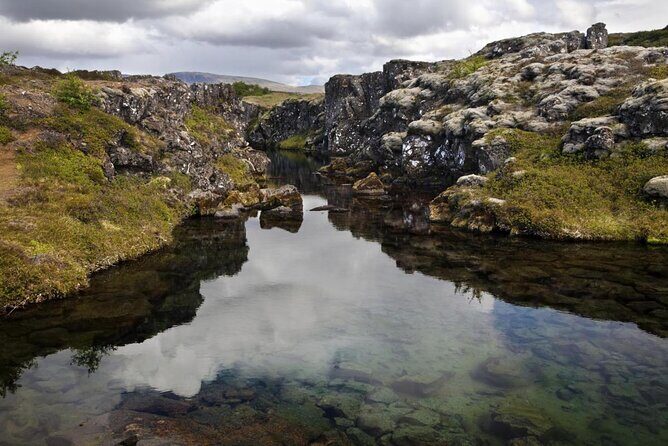
The route matters too. On the drive, you get views through Thingvellir’s dramatic terrain before you gear up and slide into Silfra, where the “what am I even seeing” factor is the point. Guides such as Gretar and Dori show up repeatedly in feedback for clear instructions and patient pacing, which is exactly what you want before you’re floating in 100+ meter visibility water. The main drawback is time: suiting up takes a bit, and in winter you can wait in gear before the entry, so patience helps.
In This Review
- Key highlights worth knowing before you go
- Silfra snorkeling in 5 hours: the real reason it’s famous
- Reykjavik-to-Thingvellir drive: why the journey is part of the tour
- Gear up with wetsuit or drysuit: warmth choices that actually matter
- What to wear underneath
- Dry suit reality check
- A smart prep tip
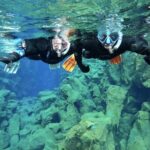
- The snorkeling portion at Silfra: what you’ll actually see in the water
- What makes Silfra different from typical snorkeling
- “Can I drink the water?”
- Photos under the surface: how the underwater camera set-up works
- Hot chocolate reset and the walk back out
- Price and value: what your $189 actually buys
- Logistics that affect comfort (and how to avoid the common mistakes)
- Eat breakfast first
- Be early for pickup
- Don’t wear glasses
- Bring the right base layers
- Expect face and hands to be the cold spots
- Who this Silfra tour fits best
- Should you book this Silfra snorkeling tour?
- FAQ
- How long is the Silfra snorkeling tour from Reykjavik?
- What is the group size for this tour?
- Are underwater photos included, and when do I get them?
- Do I have to choose between a wetsuit and a drysuit?
- Is this tour suitable if I can swim but I’m nervous about the water?
- What are the age and size requirements?
- Can I wear glasses during the tour?
- What should I bring with me?
- Where does the snorkeling take place, and how clear is the water?
Key highlights worth knowing before you go
- Underwater photos included: usually 40–100 pictures, free to download a few days later
- Max six people: more time with your snorkel guide, not just a big cattle-herd vibe
- Wetsuit or drysuit in the same group: you can stay together even if people choose different warmth options
- Hot chocolate after: warm drink to reset once you’re out of the water
- Silfra’s “seeing forever” visibility: reported average visibility over 100m / 300ft
- Tectonic plates in the water: you’re snorkeling between plates that pull the Earth apart
Silfra snorkeling in 5 hours: the real reason it’s famous
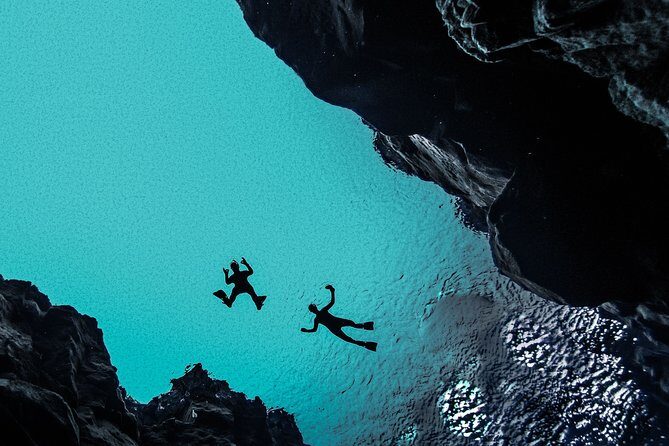
Silfra’s reputation comes from the setting, not from fish chasing you like a theme-park aquarium. This is about water clarity and geology. You’re floating in glacier water that’s been filtering through lava fields for decades, giving you visibility that’s reported over 100 meters (300 feet). In plain terms: when you look down, the world below looks closer than it should.
The tour format supports that “wow” moment. You get a briefing, then you gear up with what’s designed for real cold-water snorkeling, not costume-level warmth. You also spend only about 30 to 40 minutes in the water, which keeps the experience intense but not exhausting.
What I like most is that it’s built for people who want the experience without needing to be an expert swimmer or diver. You do need comfort in water, and you must know how to swim, but the pace is about floating and calm breathing, not sprinting. That matters, because most discomfort usually comes from rushing your body into cold, not from the water itself.
You can also read our reviews of more snorkeling tours in Reykjavik
Reykjavik-to-Thingvellir drive: why the journey is part of the tour
The tour starts with pickup from Reykjavík, then a drive of about 45 minutes toward Thingvellir National Park. You’re not just commuting. You’re being set up for the place you’re about to enter: a region shaped by tectonic forces and lava history.
Thingvellir is where two tectonic plates meet, separated by roughly 4 miles (about 6–7 km). That plate gap is the key idea behind Silfra. Once you understand that you’re snorkeling between plates, the experience clicks into place. It stops being just cold water and becomes a geology lesson you can see with your own eyes.
In feedback, guides and drivers are often praised for giving context during the drive and keeping the group organized early. If you’re prone to stress about timing, take the advice seriously: Iceland runs a little late by nature, so building in extra buffer helps.
Gear up with wetsuit or drysuit: warmth choices that actually matter
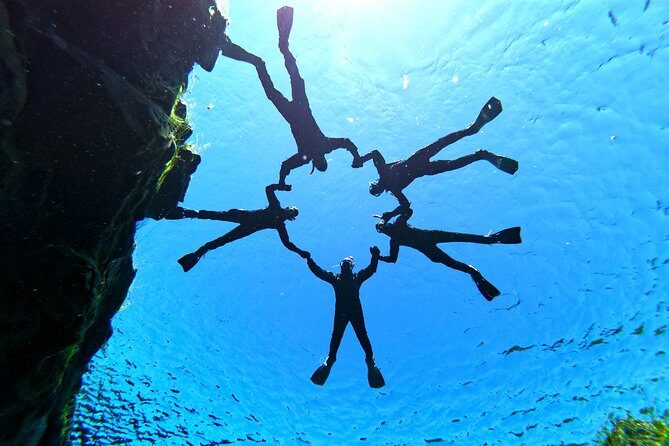
Silfra is cold. Glacier-cold. Even with equipment, your body will learn quickly where it loses heat. That’s why choosing between a wetsuit and a drysuit is not a small detail.
Here’s what you should know:
- You’ll wear swimsuit underneath (the tour provides the main insulation).
- You’ll have to suit up on-site, and that takes real time.
- You’re encouraged to dress for the weather with layers that work under your suit.
What I like is the flexibility: the tour uses either wetsuits or drysuits, and people can choose different options while still being in the same group in the water. That helps if you’re traveling with someone who wants more warmth but also wants you nearby.
What to wear underneath
The tour guidance is consistent: long thermal underwear as a base layer helps, and thick socks are a big deal for keeping feet warm. If you can, bring thick wool socks rather than thin ones. Reviews back this up with repeated mentions of face and hand cold, not so much cold feet once socks are thick enough.
Dry suit reality check
Drysuits can feel tight at first, especially around the neck and wrists. That doesn’t mean they’re wrong; it means you should give yourself a few minutes to adjust. Some people also notice a bit of restricted movement. If your goal is relaxed floating, it’s fine. If you’re the kind of person who hates any constriction, you should still go with a drysuit in winter, but keep your expectations realistic.
You can also read our reviews of more photography tours in Reykjavik




A smart prep tip
Bring thick wool socks and a change of clothes. Even with good suits, you might end up with damp hair or wet hands, and the drysuit has only a very small chance of leaking. Still, you’ll feel better having warm clothes ready.
The snorkeling portion at Silfra: what you’ll actually see in the water
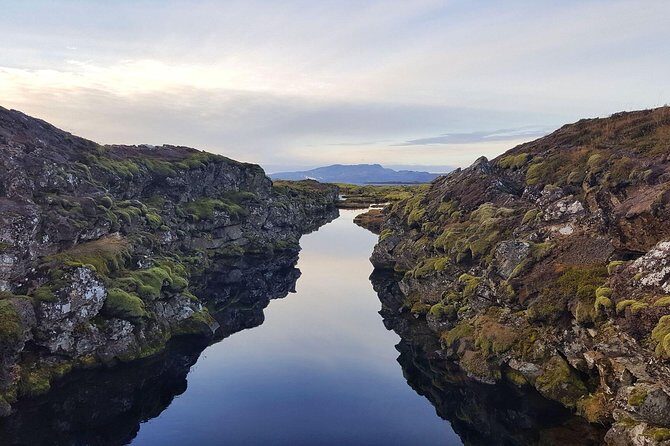
You’ll spend about 30–40 minutes in the water. After you enter, you’re guided through safety basics, then you float and move slowly with the mild current.
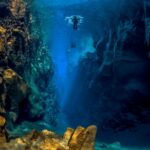
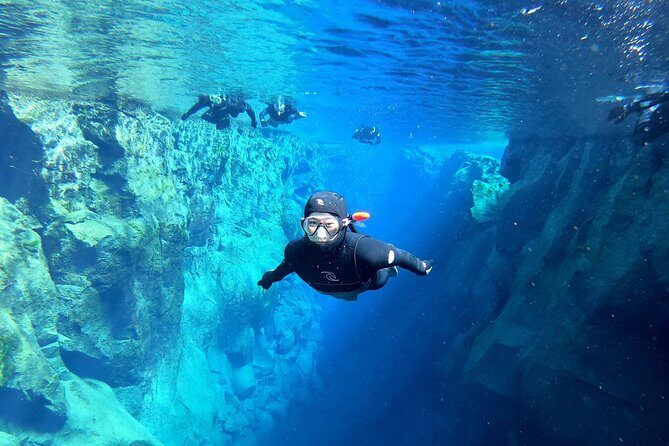
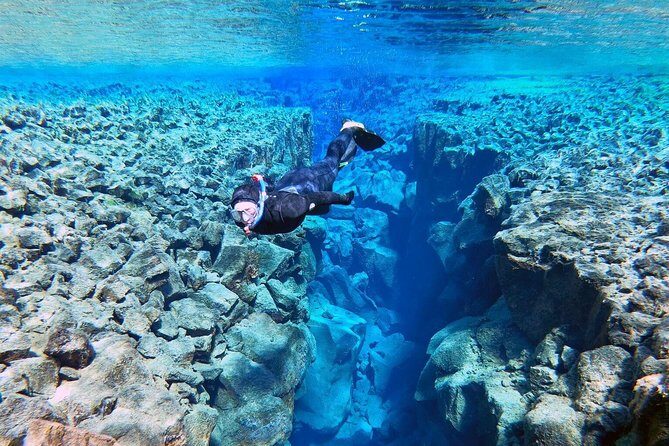
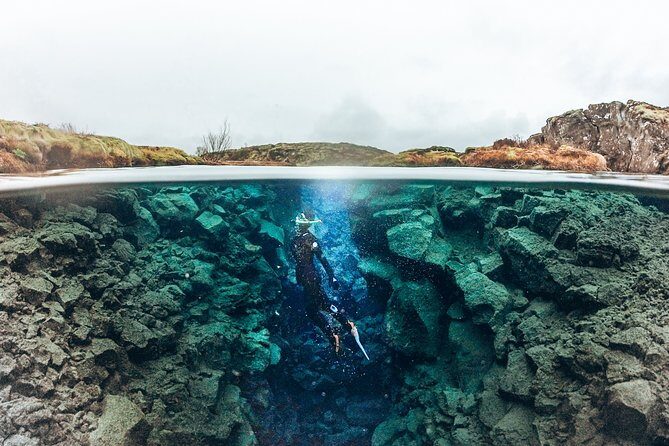
The “best part” for most people is the visibility and the feeling of depth. Silfra is often described like flying because the water is so clear that the world below looks flat and close at once. Visibility is reported around 100m / 300ft on average, so you can see rock formations through the water and down into the fissure environment.
What makes Silfra different from typical snorkeling
This is not primarily about coral gardens or lots of colorful fish. The underwater highlight is the environment itself:
- lava-field rock formations
- freshwater algae that you can see on rocks and the bottom
- the geological drama of being in a fissure system
On rare occasions, small fish can show up, but don’t build your expectations around a sea-life show. Build them around a geological art installation you’re floating through.
“Can I drink the water?”
This is one of the mind-bending Silfra facts often mentioned: the water is very pure, and you can sip it while snorkeling. Your tour guide will still keep everything safe and controlled, but it’s part of why people talk about Silfra water like it’s better than bottled stuff.
Photos under the surface: how the underwater camera set-up works
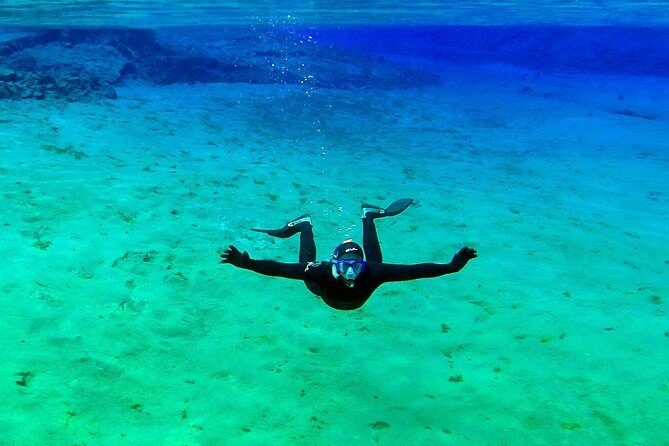
One reason people keep recommending this tour is the included photo package. During your snorkeling session, the guide takes photos underwater. The typical range is 40–100 images, depending on group size and skill level.
You don’t have to scramble to capture everything yourself. That said, if you already have a GoPro, bring it. The tour provides photo coverage, but having your own camera can help you grab the angles you care about most.
The photos are available for download a few days later, and the price includes them. That timing is useful because it means you’ll see results while your Iceland memories are still fresh, not months later when your trip is a blur.
Hot chocolate reset and the walk back out
Once the in-water time is done, you exit and then walk about 5 minutes. That short walk is where you’ll notice how cold parts of your body can get, especially face and hands.
Then you warm up with hot chocolate. It’s included, and it’s a welcome part of the pacing: you get an intense cold experience, then a quick body reset before you head back toward Reykjavík.
Price and value: what your $189 actually buys
At $189 per person, this isn’t “cheap Iceland.” But it also isn’t just renting a snorkel and hoping for good luck.
You’re paying for:
- round-trip pickup and drop-off from Reykjavík
- snorkeling equipment (included)
- a professional guide/instructor (listed as PADI Divemaster/Instructor or equivalent)
- hot chocolate
- underwater photos included
- a structured experience focused on safety and pacing in extreme clarity cold water
When I weigh value, I look at the hidden costs. If you try to DIY this, you quickly pay for transport, guide help, and equipment. Even then, you still don’t get the underwater photo effort built into the tour. Here, you’re buying a complete, managed experience.
The small group size matters too. With max six, your guide can help with fit, breathing cues, and calm pacing. That extra attention is not just “nice.” It can be the difference between feeling okay and feeling panicky.
Logistics that affect comfort (and how to avoid the common mistakes)
A few practical points can make your tour feel smoother.
Eat breakfast first
Don’t skip breakfast. This tour expects you to be ready to gear up and get into the water without fueling up first.
Be early for pickup
Multiple guides and drivers get praised for promptness and smooth coordination. Still, plan to be waiting early. Iceland timing can feel flexible, and arriving on time in your own head beats arriving late in theirs.
Don’t wear glasses
The guidance is clear: don’t wear glasses. Bring contact lenses or your own prescription mask if you need one.
Bring the right base layers
Wear long thermal underwear and consider thick wool socks under the suit. Also avoid jeans or items that don’t match the weather. This is cold-water gear territory, not regular sightseeing clothes territory.
Expect face and hands to be the cold spots
Even with drysuits and wetsuits, reports consistently point to faces and hands as the first areas to chill. If that makes you nervous, focus on slow breathing and relaxed movement once you’re in.
Who this Silfra tour fits best
You’ll probably love this tour if:
- you want a once-in-a-lifetime Iceland “how is this real” environment
- you’re comfortable knowing the underwater star is geology, clarity, and atmosphere
- you’re okay with a short-but-cold water session for a big visual payoff
- you want included photos so you don’t have to be the photographer while cold
You might rethink it if:
- you strongly dislike tight gear or restricted movement (especially drysuits)
- you hate waiting in gear during cold seasons
- you don’t swim comfortably or you’re not able to communicate in English with the guide
If you’re traveling solo, the feedback suggests it’s still easy to join and relax with the group. And if you’re with friends, the wetsuit/drysuit same-group setup is a nice touch because you don’t get separated just because you prefer different warmth.
Should you book this Silfra snorkeling tour?
Book it if you want Silfra for what it is: extreme clarity, tectonic-plate geology, and guided calm floating in glacier water, with photos and hot chocolate included. The small group size and photo package are the big “yes” factors, especially if you’re worried about documenting the experience without fuss.
Consider booking with a drysuit mindset in colder months. Reviews consistently point to the same pattern: you can manage the cold, but your face and hands will feel it more than the rest of you. Bring thick wool socks, wear proper base layers, and give yourself mental patience for gearing up.
If your idea of snorkeling requires lots of marine life action, you may find this less exciting than you hoped. Silfra is about the setting. And that setting is the reason people keep saying it’s unforgettable.
FAQ
How long is the Silfra snorkeling tour from Reykjavik?
It runs about 5 hours in total, including pickup, gearing up, snorkeling time, and return.
What is the group size for this tour?
The tour has a maximum of six travelers.
Are underwater photos included, and when do I get them?
Yes. Your underwater photos are included, and they are typically available for download a few days after the tour for free.
Do I have to choose between a wetsuit and a drysuit?
You can choose the option when booking. The tour supports both wetsuit and drysuit options, and people with different suit types can still be in the same group in the water.
Is this tour suitable if I can swim but I’m nervous about the water?
You must know how to swim and be comfortable in the water. If you’re nervous, the tour is designed around a safety overview and guided pacing, and guides are known for patient assistance.
What are the age and size requirements?
Minimum age is 12. Participants must meet height and weight limits listed by the operator (minimum 150 cm / maximum 200 cm, and minimum 50 kg / maximum 120 kg). A medical form is also required.
Can I wear glasses during the tour?
No. The guidance says not to wear glasses. Bring contact lenses or your own prescription mask if you need one.
What should I bring with me?
Bring a swimsuit and a towel. It’s also recommended to bring thick (preferably wool) socks, a change of clothes, and to dress in warm base layers appropriate for the weather.
Where does the snorkeling take place, and how clear is the water?
Snorkeling happens at Silfra in Thingvellir National Park. Visibility is reported as over 100m / 300ft on average, which is why Silfra is famous.