Two days, and Iceland hits hard. I loved the Ice Cave visit and the chance to get close to waterfalls on foot, including Seljalandsfoss and Skógafoss. The possible drawback is that this is a tight schedule, so you’ll need to enjoy places in bursts rather than slow strolls.
You’ll start with pickup in Reykjavik, then spend the night at a 3-star hotel on the South Coast (typically between Vik and Hofn). If the sky cooperates, the guide checks the northern lights forecast after dinner and you can try for auroras right from your hotel area.
In This Review
- Key highlights worth planning around
- Why this South Coast winter plan feels worth it
- Day One: Seljalandsfoss to Reynisfjara, with waterfall stairs and black sand drama
- Seljalandsfoss: the waterfall you can walk behind
- Gljúfrabúi: tucked-away waterfall energy
- Skógafoss: the classic wide waterfall with the climb
- Reynisfjara: black sand, basalt columns, and ocean power
- Day 1 pacing note
- Overnight between Vik and Hofn: sleep smart for a big Day Two
- Northern lights plan from your hotel
- Dinner runs late—bring backup snacks
- Day Two: Ice Cave entry plus lava fields and the Diamond Beach ice show
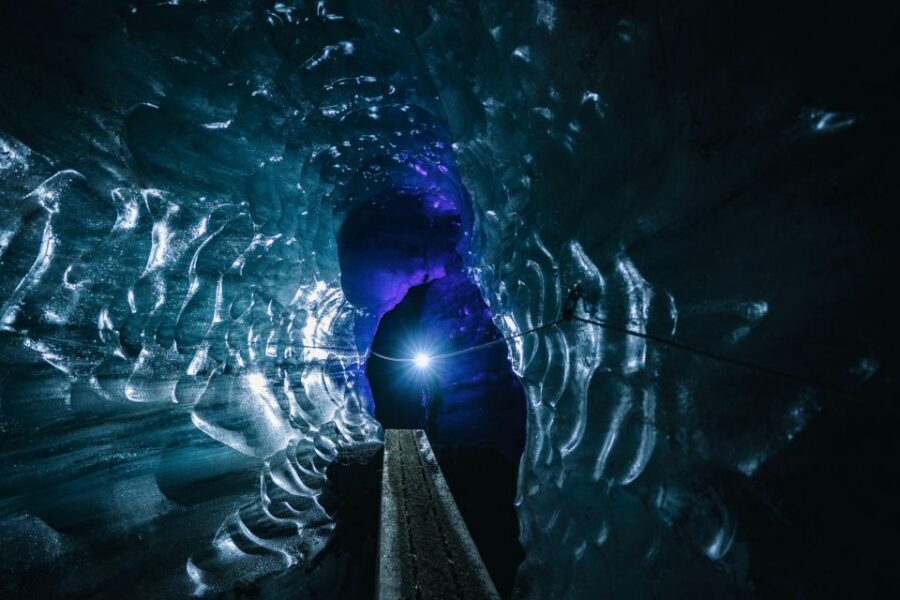
- The Ice Cave: guided entry you’ll feel in your bones
- Eldhraun lava fields and the Bridge of the Volcanoes (weather permitting)
- Jokulsárlón area and Diamond Beach
- Optional quick stop in Vik on the way back
- Small group size, pickup choices, and why pace matters
- Pickup in Reykjavik: hotel or bus stop meeting
- Guides: a team approach, with real differences in style
- Price and value: what $660 buys you in Iceland winter
- What to pack for icy stairs, cave cold, and black sand wind
- Bring
- Not allowed
- Snack strategy
- Who this 2-day South Coast winter tour suits best
- Should you book this tour?
- FAQ
- What’s included in the tour price?
- Where does the pickup happen?
- How big is the group?
- What’s the minimum age, and who should not join?
- What should I bring, and what’s not allowed?
- Is northern lights viewing included?
- How late does dinner run?
Key highlights worth planning around
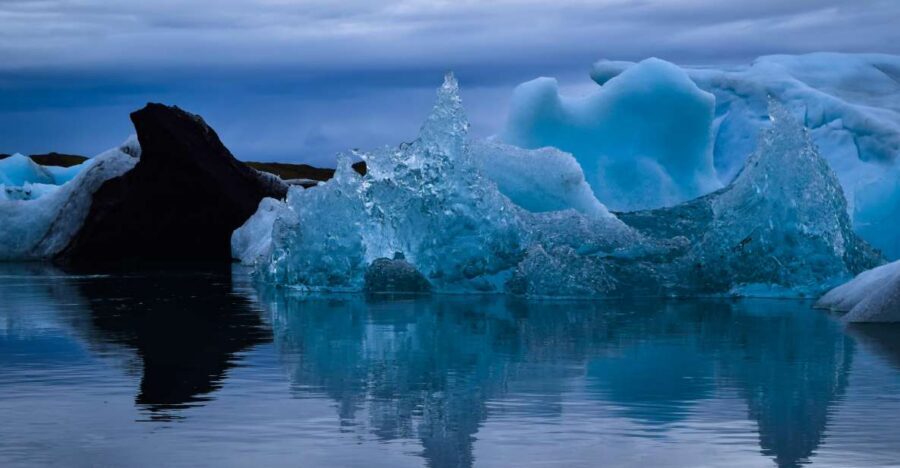
- Ice Cave entry: Not just views from the road, you go inside on a guided cave visit.
- Waterfalls you can walk to and around: Expect steep stairs and slippery footing at places like Seljalandsfoss.
- Reynisfjara Black Sand Beach: The famous basalt black sand coast is part of Day 1.
- Diamond Beach ice sparkle: Jokulsárlón’s ice chunks drift to the nearby beach and can glitter in winter light.
- Northern lights chance from the hotel: You’re not hunting across the countryside all night with no plan.
Why this South Coast winter plan feels worth it
If you only have two days in winter, Iceland can feel like a blur of roads, weather, and “maybe we’ll make it.” This tour is built for the reality of South Iceland: long drives, short daylight, and constant weather checks. What makes it appealing is that it concentrates the best-known, winter-ready sights into a route that’s structured enough to still feel fun—even when the forecast is moody.
You also get a real break built in. You won’t be trying to do everything in one day and crash in Reykjavik at midnight. Instead, you sleep along the South Coast, where you’re set up for the next day’s big moments and (if conditions allow) a northern lights attempt.
The main thing to know is pace. This trip is packed on purpose, which means you should be comfortable moving from stop to stop, dressing for cold quickly, and accepting that some viewpoints get more time than others.
You can also read our reviews of more tours and experiences in Southern Region Iceland.
Day One: Seljalandsfoss to Reynisfjara, with waterfall stairs and black sand drama
Day 1 starts with pickup in Reykjavik—either from your hotel or a designated tour bus stop if you’re downtown. You’ll ride south as the scenery turns dramatic fast, and the guide points out what you’re seeing along the way.
Seljalandsfoss: the waterfall you can walk behind
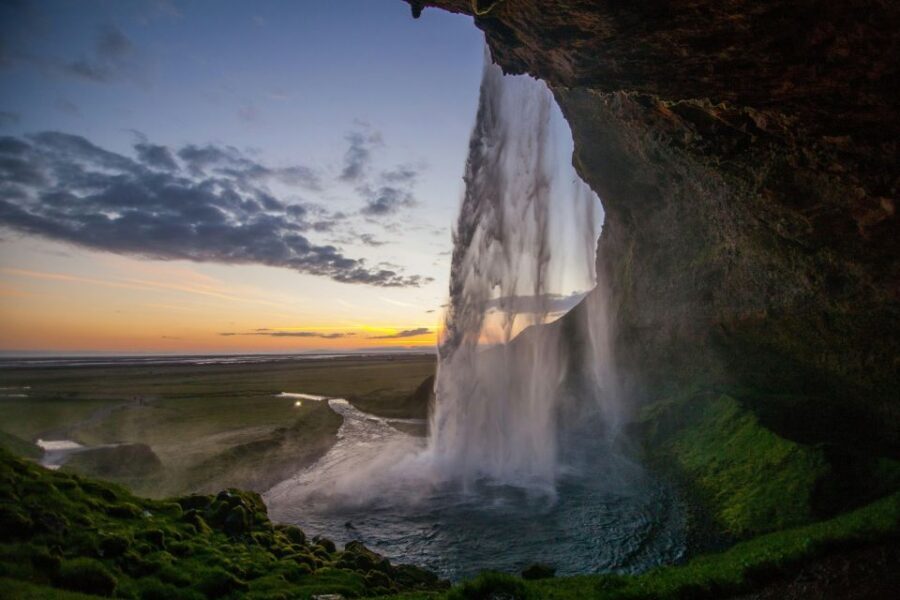
Your first big stop is Seljalandsfoss, one of the most famous waterfalls on the South Coast. The standout here is simple: you can walk behind the waterfall. In winter, that means mist, slick surfaces, and a strong sense of being in the middle of the action—not just taking a photo from a safe-but-distant angle.
Practical tip: wear shoes with grip and be ready for spray. Even if it’s not raining, you’ll likely get wet feet if you linger too long without moving carefully.
Gljúfrabúi: tucked-away waterfall energy
Next comes Gljúfrabúi, where you’re looking for a more “hidden canyon” feel. It’s still accessible on foot, but the experience is more about the setting—the waterfall’s position and the narrow approach—than giant open views.
If you like waterfalls but don’t want every stop to feel identical, this is a nice contrast.
Skógafoss: the classic wide waterfall with the climb
Then you hit Skógafoss, another top-name waterfall. This one is famous for its size, but what you’ll remember is the ability to walk around and up in the area. In winter light, the mist makes a glow that’s hard to recreate anywhere else.
If you’re the type who wants to go to the top viewpoint, plan on taking it slow. The stairs can be icy, and your timing matters because the tour moves.
Reynisfjara: black sand, basalt columns, and ocean power
Finally on Day 1, you’ll reach Reynisfjara, the famous black sand beach. This is the coast where the scenery looks unreal—dark sand, jagged rock formations, and waves that show you why you need to respect the ocean.
What to expect in practice: you’ll likely have time for photos and a short walk in the area, but you shouldn’t expect to wander endlessly. In winter, wind and sea conditions can make standing around uncomfortable fast.
Day 1 pacing note
One detail worth building into your expectations: you’ll see several major stops in one day. That’s great for value, but it also means your best strategy is to decide what you want most at each place—views, photos, a waterfall climb—then commit.
Overnight between Vik and Hofn: sleep smart for a big Day Two
After Day 1, you stay overnight at a 3-star hotel on the South Coast, typically somewhere between the towns of Vik and Hofn (depending on availability). Breakfast is included for Day 2.
This hotel choice matters more than it sounds. In winter, distance isn’t just inconvenience—it’s energy. Sleeping out on the South Coast means you start Day 2 closer to the action instead of burning hours returning to Reykjavik.
Northern lights plan from your hotel
Depending on conditions and timing, you may be able to view the northern lights from the hotel area. After dinner, the guide talks through the forecast so you know when and where to look. You’re not promised auroras (no one can), but you’re given a structured attempt that doesn’t rely on luck alone.
A helpful mindset: treat the lights as a bonus. If you go in expecting them, you’ll be less likely to enjoy the rest of the night if clouds roll in.
Dinner runs late—bring backup snacks
One thing I’d call out clearly: dinner is late on this kind of schedule, sometimes around 8 or 9 pm. If you get hungry quickly, bring snacks. It’s an easy way to protect your mood when the day runs long.
Day Two: Ice Cave entry plus lava fields and the Diamond Beach ice show
Day 2 is where the trip really earns its name. You’ll keep driving the South Coast, then fit in stops around the Ice Cave tour and a set of additional sights that can shift based on time and weather.
The Ice Cave: guided entry you’ll feel in your bones
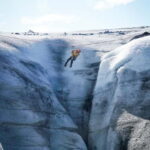
You start with the Ice Cave experience (included). In winter, ice caves are one of those attractions that can feel almost too dramatic to be real—yet the best part is that you’re inside, not just staring at something from a distance.
Practical expectations:
- Dress for cold that feels deeper than “regular winter.”
- Expect gear and pacing rules from the guide.
- Wear footwear that won’t betray you on uneven surfaces.
If you’re choosing this tour specifically for adrenaline, this is the moment that delivers.
Eldhraun lava fields and the Bridge of the Volcanoes (weather permitting)
After the ice cave, the route continues to Eldhraun lava fields and the Bridge of the Volcanoes. These stops may change based on time permitting and the weather, which is normal for winter travel.
This is also a place where you’ll appreciate a guide’s judgment. Lava fields and coastal areas are beautiful, but they can be hard to navigate safely when conditions are slick or visibility is poor.
Jokulsárlón area and Diamond Beach
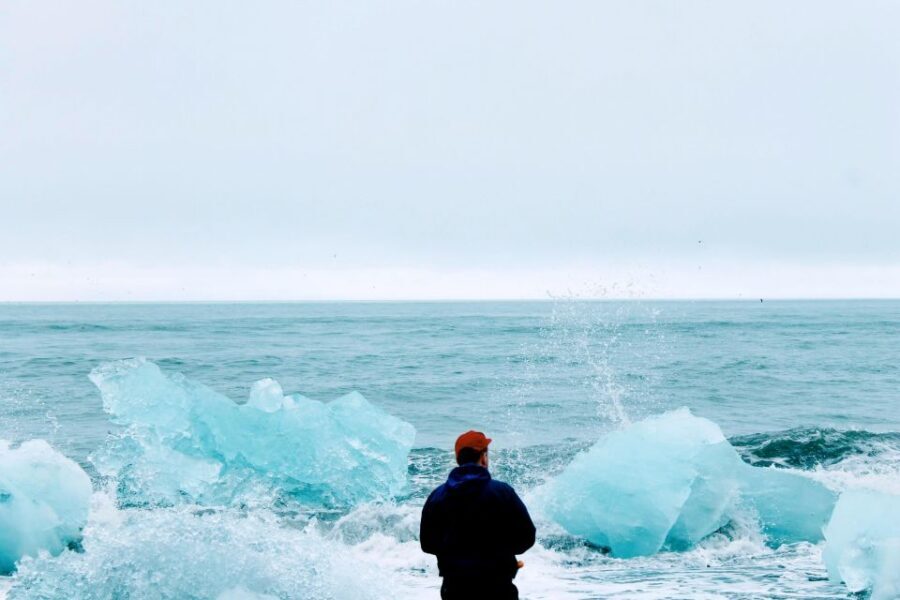
Next up is Diamond Beach, only a short drive from Jokulsárlón. The reason it’s called Diamond Beach is the ice: chunks of ice scatter across the black sand, and when the sunlight hits them they sparkle.
This part of the trip often feels like a switch flips. Day 1 is waterfalls and ocean cliffs. Day 2 brings that quiet, icy “otherworld” feeling—cold, cinematic, and very winter-Iceland.
Optional quick stop in Vik on the way back
On the return to Reykjavik, you may stop in Vik if time permits. It’s a chance to stretch your legs and see the South Coast’s main village vibe without turning it into a whole extra excursion.
Small group size, pickup choices, and why pace matters
This is a small group tour limited to 17 participants. That size is a big deal in Iceland winter. You move faster than a huge bus crowd, but you still get guided context at stops.
Pickup in Reykjavik: hotel or bus stop meeting
Pickup is included in Reykjavik. If you’re staying downtown, you’ll meet at the designated tour bus stops. If you’re outside downtown, the van can come to your hotel.
That reduces the “what time do I need to wake up and where do I stand?” stress. Iceland already has enough surprises.
Guides: a team approach, with real differences in style
The operator, David The Guide Iceland, is described as a multi-guide team rather than a single-person operation. In past outings, guides included names like John and Sebastián—and their styles have been experienced differently.
That matters for you because winter tours live or die by communication. If a guide is moving too fast, you lose the chance to enjoy the waterfalls and the cave. If a guide is attentive, safety and timing improve fast. I’d encourage you to come with a flexible attitude, but also pay attention during the day—if the pace feels chaotic, you’ll feel it.
Price and value: what $660 buys you in Iceland winter
At $660 per person for two days, the value comes from the bundle, not just one sight.
Here’s what you’re paying for, specifically:
- Transport and pickup from Reykjavik and back.
- A small group experience.
- One night in a 3-star hotel on the South Coast (with breakfast included).
- An included Ice Cave tour.
Meals and snacks aren’t included, and dinner can be later than you’re used to, so think of your food budget as separate.
For $660, you’re not just buying “tickets.” You’re buying time management—especially crucial when winter daylight is short and the road can be unpredictable. In Iceland, paying for someone else’s routing and timing can be a smarter use of vacation days than trying to drive yourself and guessing where to stop.
What to pack for icy stairs, cave cold, and black sand wind
The tour asks for practical items, and you’ll be happier if you listen.
Bring
- Hiking shoes with grip
- Jacket
- Gloves
That’s not overkill. Waterfalls mean spray, stairs mean slipping, and ice means you lose warmth quickly.
You should also bring an overnight bag and leave larger items in Reykjavik—hotels can hold luggage.
Not allowed
- Sandals or flip flops
Snack strategy
Because dinner is late, snacks are more than comfort. They help you stay calm when the day runs behind or when a stop takes longer than expected.
Who this 2-day South Coast winter tour suits best
This is a good match if you:
- Want a concentrated South Coast visit without planning drives yourself.
- Are comfortable with winter walking, cold weather gear, and stairs.
- Care about the big “Iceland winter hits”: Ice Cave, waterfalls, black sand beach, and Diamond Beach.
It’s not for everyone. It’s listed as not suitable for children under 8, pregnant women, or people with mobility impairments. That makes sense given icy surfaces, uneven ground, and cave walking.
If you’re traveling with kids, the minimum age is 8, which is still young for winter conditions. If your group includes older teens who can handle stairs and cold, it’s more realistic.
Should you book this tour?
Book it if you want the best South Coast highlights in two days and you’re okay with a schedule that prioritizes “hit the big moments” over “linger forever.” The Ice Cave and Diamond Beach combination is the kind of pairing that’s hard to reproduce with independent planning, especially in winter.
Skip or rethink if you:
- Hate rushing and need long, slow stops.
- Have mobility limits or aren’t comfortable with uneven icy surfaces.
- Rely on early dinners and snack-free travel.
If you do book, pack for real winter, bring snacks, and treat northern lights as a bonus rather than a guarantee. That mindset will make the whole trip feel smoother—because on the South Coast, weather sets the tempo.
FAQ
What’s included in the tour price?
You get small group travel, one night in a 3-star hotel on the South Coast, breakfast at the hotel on Day 2, and an Ice Cave tour. Food, drink, and snacks are not included.
Where does the pickup happen?
Pickup is included in Reykjavik only. If you’re downtown, you’ll meet at the designated tour bus stops. If you’re outside downtown, the pickup can be arranged to come to your hotel.
How big is the group?
The group is limited to 17 participants.
What’s the minimum age, and who should not join?
The minimum age is 8 years. The tour is not suitable for children under 8, pregnant women, or people with mobility impairments.
What should I bring, and what’s not allowed?
Bring hiking shoes, a jacket, and gloves. Sandals or flip flops are not allowed.
Is northern lights viewing included?
You may be able to view northern lights from your hotel area, weather permitting. After dinner, the guide will share the northern lights forecast.
How late does dinner run?
Dinner is late due to the schedule and can be around 8 or 9 pm. It’s a good idea to bring snacks.
If you want, tell me your travel month (and your hotel area in Reykjavik), and I’ll help you plan what to prioritize during the short daylight hours.