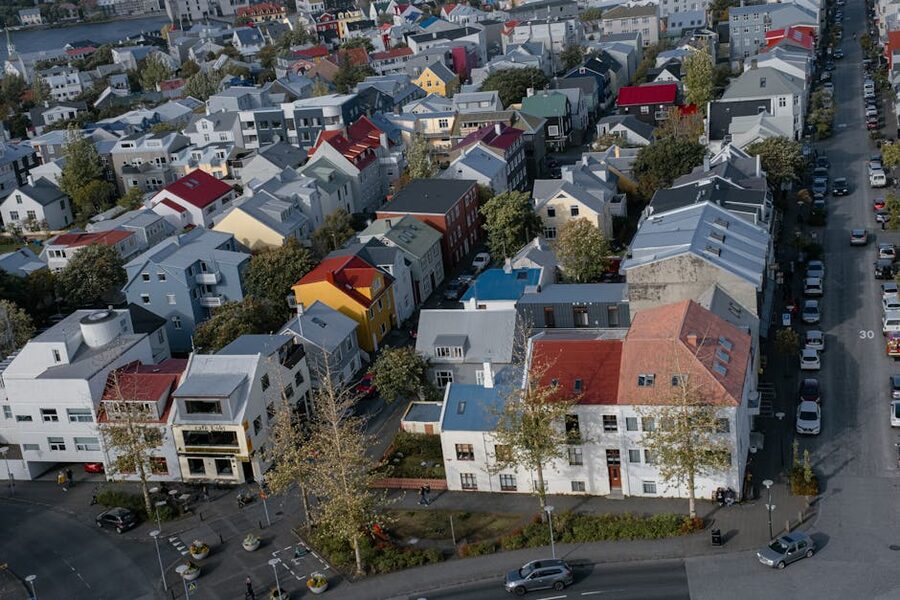
You can do Reykjavik in 48 hours. You can do it in five days. You can sit on top of the Hallgrímskirkja tower with an ice cream and decide it’s enough on the third afternoon, or you can spend a week and still leave with a list of restaurants you didn’t make it to. The thing about a Reykjavik city break is that the city is small enough to feel exhausted by Sunday evening, but the country around it is big enough to swallow a fortnight if you let it. Most people get the balance wrong on their first trip. They either book three nights and rent a car they don’t need, or they book a single hotel and try to bus the Ring Road from it.
I’ve watched friends do both. After about a hundred trips home and roughly two thousand cups of coffee on Laugavegur, here’s what I’d actually book. We’ll cover two-day, three-day, and five-day shapes, where to sleep at every budget, what to eat which night, and which day trips are worth giving up a morning for. All in ISK, no USD conversions. Specific hotels, named pools, real prices.
In This Article
- Why Reykjavik works as a short break
- Getting in from Keflavík
- How long should you stay
- Two days: Reykjavik and one outing
- Three days: the version I’d book myself
- Five days: the comfortable version
- Where to stay, by area and budget
- Budget: under 25,000 ISK a night
- Mid-range: 25,000 to 50,000 ISK
- Upmarket: 50,000 to 90,000 ISK
- Luxury: 90,000 ISK and up
- A note on Airbnb
- Day 1: the city itself
- Morning: Hallgrímskirkja and the rainbow street
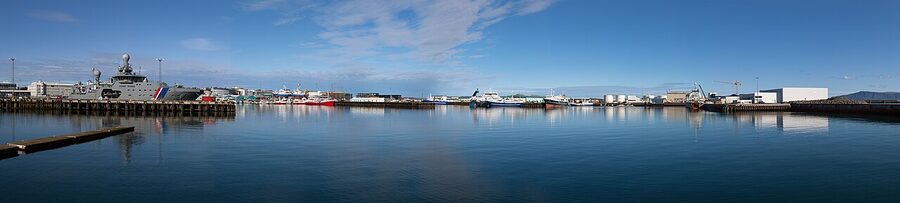
- Late morning: Sun Voyager and the harbour
- Afternoon: Tjörnin, City Hall, and a museum if you have steam
- Evening: dinner and a quiet drink
- Day 2: the Golden Circle (or Sky Lagoon, depending)
- Day 3: South Coast or Snæfellsnes
- South Coast: the easier choice
- Snæfellsnes: the more interesting choice in summer
- Day 4 or 5: more city and the pools
- Swim at a pool
- Perlan and the National Museum
- Whales of Iceland and a whale-watching trip
- Grótta lighthouse walk
- Eating: which restaurant which night
- Pool culture: do this once
- Seasonal notes: when to go and what changes
- Winter (November to mid-March): aurora, dark, magical
- Summer (June to August): midnight sun and crowds
- Shoulder (April-May, September-October): the underrated window
- Budget by tier: what you’ll actually spend
- Backpacker tier: 18,000-25,000 ISK per day
- Mid-range tier: 35,000-55,000 ISK per day
- Splurge tier: 90,000 ISK and up per day
- Day trips that pair with a city break
- The Blue Lagoon question: yes or no
- Practical tips locals actually use
- What I’d actually do with three nights
- Coming back, or extending
Why Reykjavik works as a short break
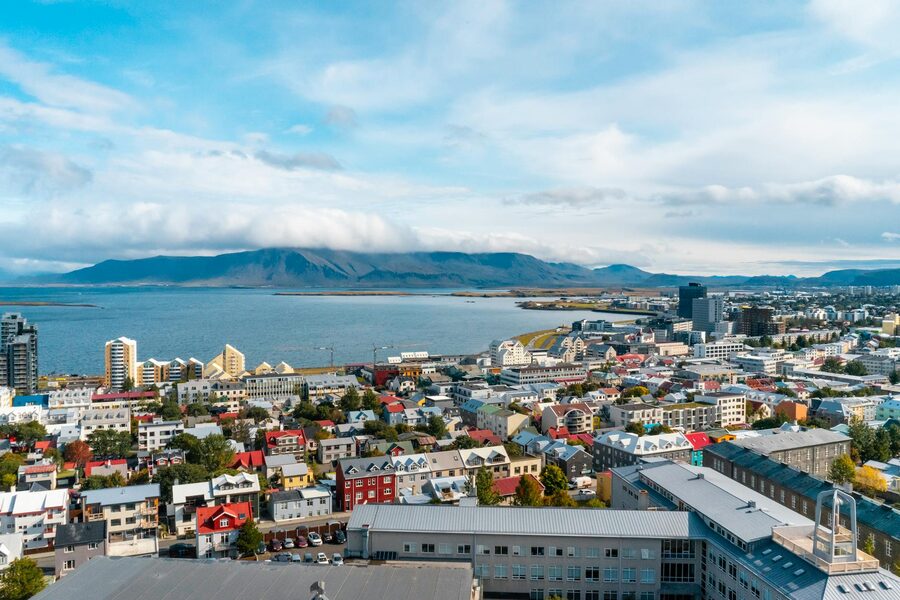
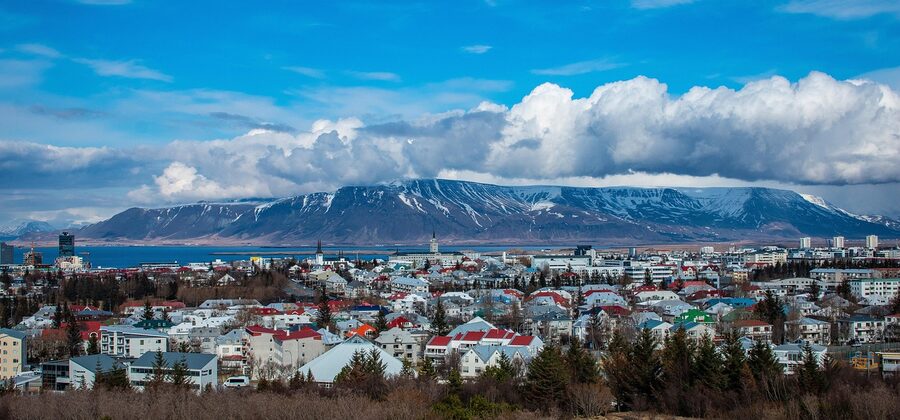
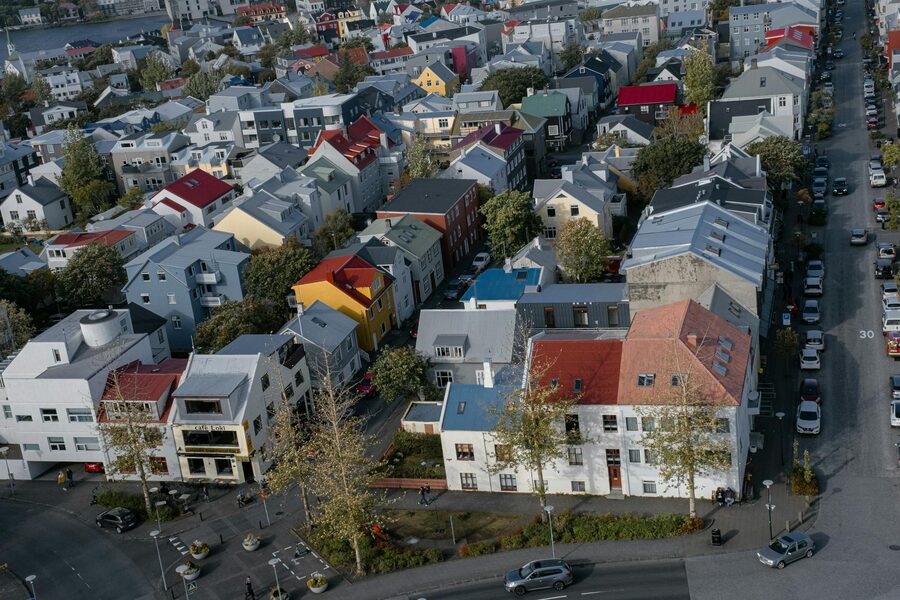
Reykjavik is the capital of Iceland and also the only Icelandic city most visitors will ever set foot in. Around 140,000 people live here, 235,000 if you count the suburbs (Kópavogur, Hafnarfjörður, Garðabær, Mosfellsbær), and that’s two-thirds of the entire country. Everything that happens in Iceland happens here first. The flights, the day tours, the hotels, the geothermal pools, the museums, the music venues, the good restaurants. You can use it as a base for the whole island and still walk home for dinner.
Three things make it work as a city-break destination, and one thing makes it tricky.
It’s compact. Downtown is a square about 1.5 km on each side, postcode 101, and you’ll cross it on foot in fifteen minutes. The arrivals path is straightforward: Keflavík airport, Flybus to BSÍ terminal, walk or short hop to your hotel. About 45 minutes door to bed.
It’s a launchpad. The Golden Circle, the South Coast as far as Vík, Snæfellsnes peninsula, the Blue Lagoon, the volcanic Reykjanes peninsula. All do-able as day trips from a Reykjavik hotel without changing accommodation. You sleep in the same bed every night and someone else drives.
It’s plug-and-play. Everyone speaks English. Card payment works everywhere, including the buses (use the Klappið app). The water from the tap is cold and free and better than what you’d buy in the bottle. Crime is so low you can leave a coat on a chair while you pop to the bathroom and it’ll still be there.
The tricky bit. It’s expensive. A pint of beer is around 1,500 ISK in a downtown bar. A main course at a casual restaurant starts around 3,500 ISK, and a proper sit-down dinner with two glasses of wine each is 25,000-35,000 ISK before you’ve even thought about a tip (we don’t tip much, but we do tip). Hotels in summer regularly run 50,000 ISK a night for a mid-range double. None of this is going to be a budget weekend in Krakow. Plan for it and you’ll be fine. Don’t, and you’ll be opening the bill in the kind of panic that’s also a national pastime here.
Getting in from Keflavík
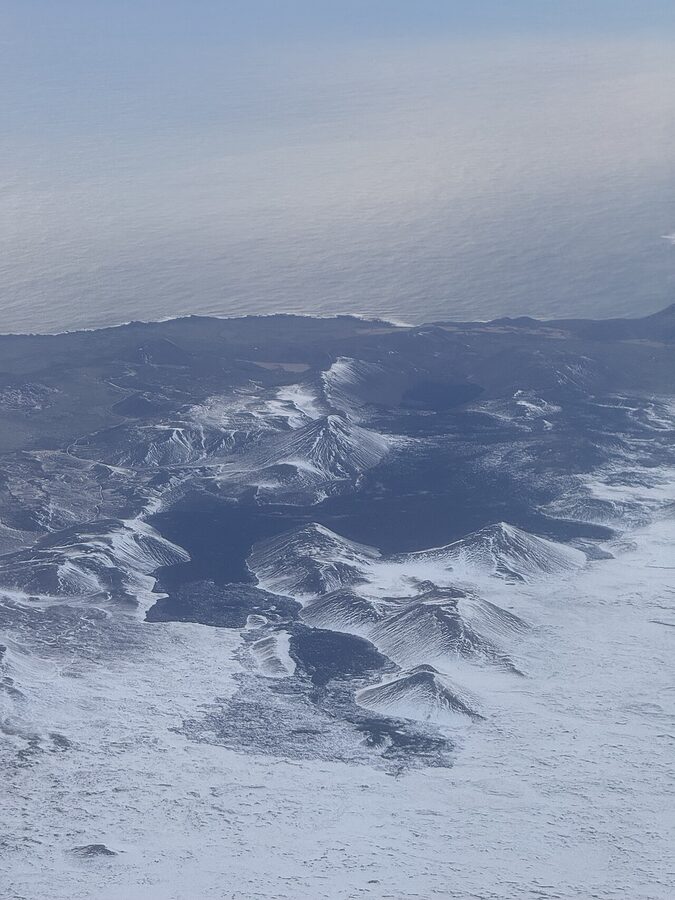
Your flight lands at Keflavík International Airport (KEF), 50 km southwest of the city. It’s not Reykjavik Airport: that little one in the middle of town is for domestic flights to Akureyri and Greenland, not for you. KEF is out on the Reykjanes peninsula, surrounded by lava fields, and the first 45 minutes you spend in Iceland is going to be moss-covered rock. Welcome.
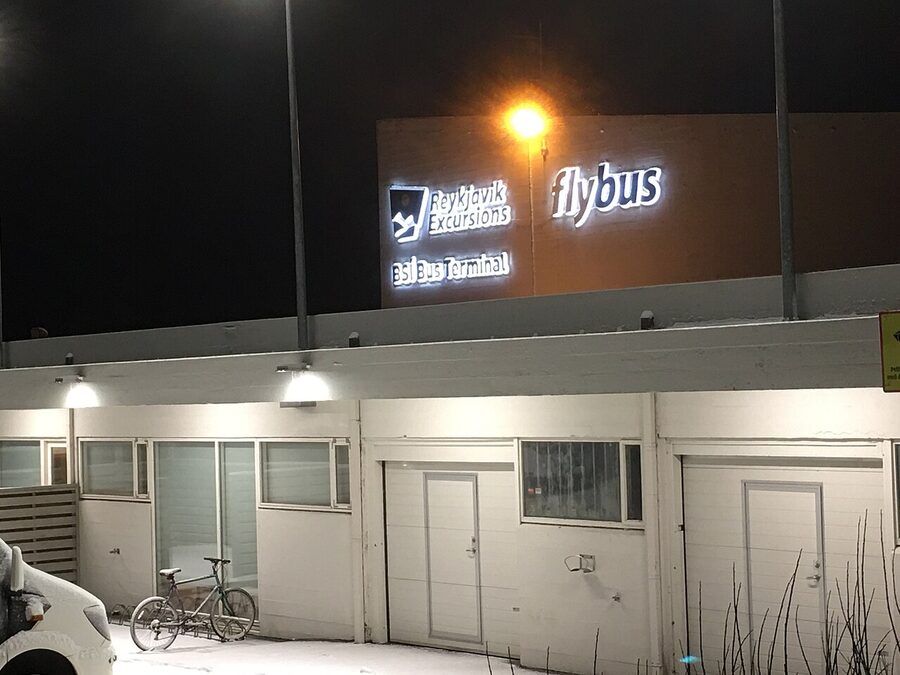
For a city break, the only sensible way in is the Flybus. Reykjavik Excursions runs it, it meets every flight (including the 3 a.m. arrivals from the US), and it drops you at BSÍ terminal in Vatnsmýrin, a short walk from the centre. Around 4,500 ISK one-way, 8,500 ISK return, slightly cheaper if you book online ahead. Pay an extra 2,000 ISK or so for Flybus+ and they’ll do hotel drop-off. If your hotel is in 101, skip the upgrade and walk. BSÍ to Laugavegur is a fifteen-minute stroll downhill and the air outside is the best part of arriving.
Airport Direct does the same job for the same price with marginally newer buses. A taxi is 18,000-22,000 ISK one-way, which is silly money unless you’re four travellers splitting it. Don’t rent a car at the airport unless you’re leaving the city, and even then, only pick the car up the day you set off. Reykjavik does not need a car. Downtown parking is 340 ISK an hour on weekdays, the streets are mostly one-way, and your hotel almost certainly does not have a free spot for you.
One small tip. The Flybus driver does not check tickets at the door, but staff at BSÍ scan the boarding pass when you arrive. Don’t be that traveller who tries to walk on without showing the booking. We see you. Just have it open on your phone.
How long should you stay
I’d say three nights is the sweet spot for a first trip. Two if you’re really pushed. Five if you want to fold in two day trips and not feel rushed. Anything longer and you’re moving into “use Reykjavik as a base for the south coast” territory, which is great, but it’s a different shape of trip. Below I’ve sketched out the three options so you can see what fits your week.
Two days: Reykjavik and one outing
Land Friday morning, leave Sunday late afternoon. You get the city itself plus one half-decent day trip and that’s about it. Forty-eight hours sounds tight and it is, but it’s enough to leave with a real sense of the place. You won’t see the South Coast, you won’t snorkel Silfra, and you’ll miss at least one good restaurant. Accept that going in.
Day 1: Flybus from KEF, drop bags at the hotel, head out for a walk. Hallgrímskirkja first because the line gets long after eleven. Walk down Skólavörðustígur (the rainbow street), turn into Brauð & Co for a cinnamon bun, hit Sun Voyager on the waterfront, then loop back via Harpa. Lunch at the Old Harbour: lobster soup at Sægreifinn or fish stew at Höfnin. Afternoon at Sky Lagoon if the weather is decent, or Whales of Iceland and the Saga Museum if it isn’t. Dinner somewhere on Hverfisgata, then a quiet drink at Slippbarinn or Kaldi Bar. Bed.
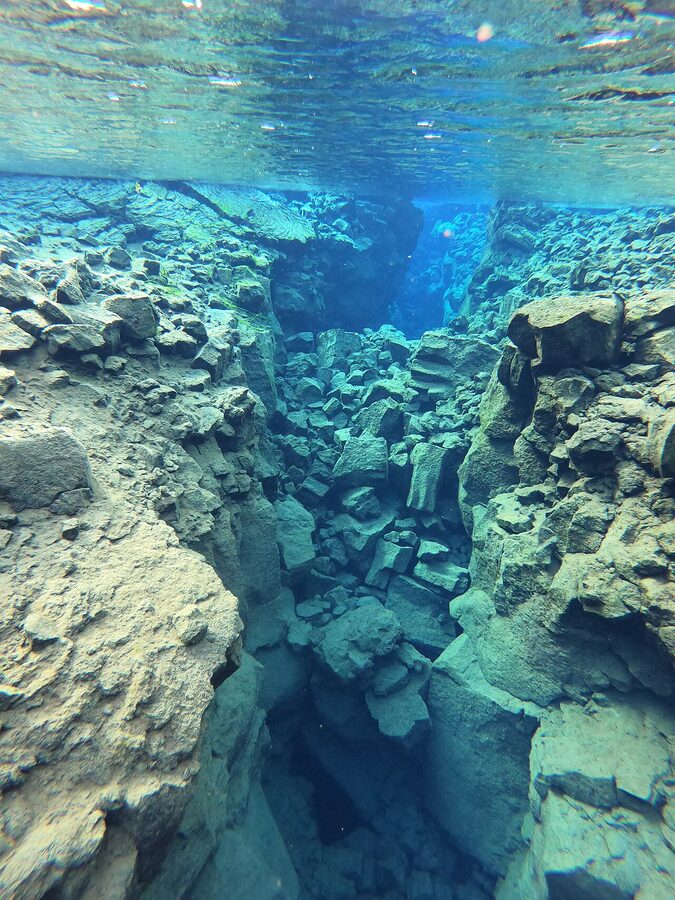
Day 2: Pre-booked Golden Circle tour leaving 8:30 from BSÍ. Þingvellir, Geysir, Gullfoss, back at the hotel by 6. Quick shower, dinner downtown (Matur og Drykkur, Kopar, or Bæjarins Beztu Pylsur if you’re saving for the next thing). Last drink at the Reykjavik Roasters café-turned-bar, or up to Loftið for a cocktail.
Day 3 (departure morning): If your flight is afternoon-or-later, swim at Sundhöllin (the downtown pool) for an hour, get coffee somewhere, then Flybus from BSÍ back to KEF. You’re done.
Three days: the version I’d book myself
Three full days plus arrival and departure half-days. You get the city, the Golden Circle, and one more outing. This is what most readers will want, and it’s the format that lets you actually swim at a pool, eat at two good restaurants, and still feel like you’ve seen Iceland.
Day 1: City sights as above. Don’t try to fit Sky Lagoon in on arrival day; the jet lag will kill you. Save the geothermal experience for the second evening. Use today for Hallgrímskirkja, Sun Voyager, Harpa, Old Harbour, and a slow wander through 101.
Day 2: Golden Circle (Þingvellir, Geysir, Gullfoss). Eight to nine hours, back by 6 p.m. Sky Lagoon in the early evening if you can pre-book a 7 or 8 p.m. slot, then dinner late.
Day 3: South Coast tour (Seljalandsfoss, Skógafoss, Reynisfjara black-sand beach, Sólheimajökull glacier tongue if your tour includes it). Ten to eleven hours, back by 7 or 8 p.m. Quiet dinner near the hotel.
Day 4 (departure): Late breakfast, walk Tjörnin in a loop, Flybus back to KEF.
Five days: the comfortable version
Two extra nights buys you a lot of breathing room. You add either Snæfellsnes peninsula (a long but stunning day trip), the Blue Lagoon with airport-collect option, an aurora hunt in winter, a whale-watching half-day, or a slow morning at Perlan and the National Museum. You also get to swim at three different pools, properly read the menu at one restaurant rather than ordering the closest thing to fish, and have a chance of catching the northern lights between September and April.
Day 1: Arrival, slow city stroll, dinner.
Day 2: Golden Circle.
Day 3: City day. Pool in the morning, museums in the afternoon, dinner somewhere proper. Maybe an aurora-hunt minibus tour if it’s winter and the forecast is clear.
Day 4: South Coast or Snæfellsnes (the latter only in summer when the days are long).
Day 5: Reykjavik again at a slow pace. Whales of Iceland, Bæjarins Beztu, walk to Grótta lighthouse, dinner. Maybe Sky Lagoon on the way back.
Day 6 (departure): Blue Lagoon stop on the route to KEF if your flight is afternoon or later.
Where to stay, by area and budget
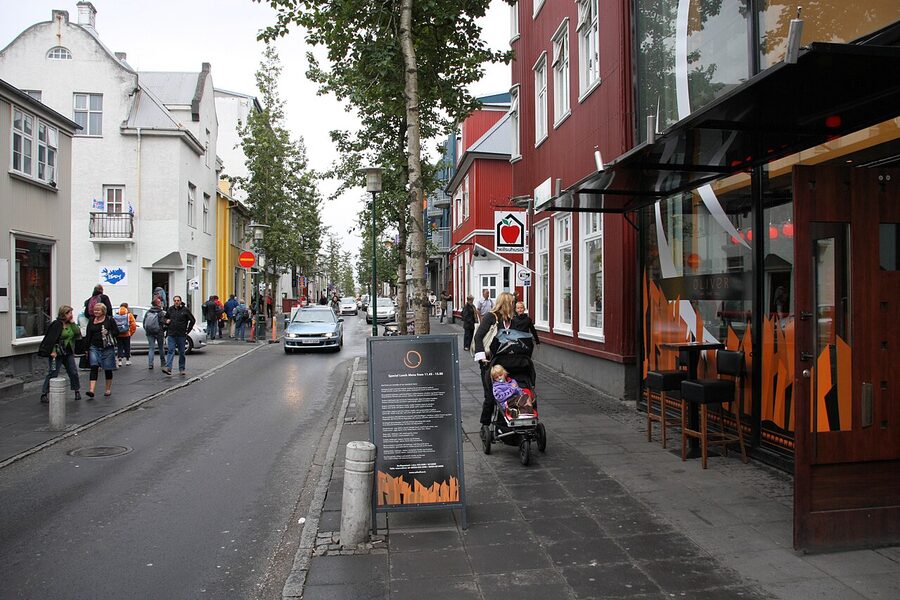
Reykjavik is small enough that the “best neighbourhood” question is overrated. If your hotel is anywhere in postcode 101 (downtown) or 107 (Vesturbær just to the west), you’re walking distance to most things. The choice comes down to budget and how much you care about specific touches like spa, view, or location precision. Below are the hotels I’d actually send a friend to. Every Booking.com link goes to the verified hotel page (no codes attached, prices change daily).
Budget: under 25,000 ISK a night
KEX Hostel, Skúlagata 28. The classic backpacker spot in Reykjavik for the last decade and a bit. An old biscuit factory turned hostel-pub-restaurant on the seafront, ten minutes east of the centre. Mixed dorms from around 8,000 ISK in shoulder season, private doubles 22,000-28,000. The downstairs gastropub is good enough that locals drink there, which is the highest compliment a hostel restaurant can get. Book ahead for summer. Check prices on Booking.com.
Loft HI Eco Hostel, Bankastræti 7. Right on the main drag at the bottom of Laugavegur. Doubles around 22,000 ISK, dorms from 9,000. The selling point is the rooftop terrace, which catches the afternoon sun in summer and offers one of the better free city views in 101. Check prices on Booking.com.
ODDSSON Downtown, Brautarholt 26-28. Newer design hostel with private rooms, a sauna, and a rooftop hot tub. Ten minutes east of the centre. Doubles from 24,000 ISK. A solid pick if you want hostel pricing without sharing a room. Check prices on Booking.com.
Mid-range: 25,000 to 50,000 ISK
Center Hotels Plaza, Aðalstræti 4. Bang on Ingólfstorg square, which is as central as anywhere in the city. The building is a rabbit warren inside (old structure, odd corridors), but you can throw a stone from the lobby and hit the parliament, the harbour, and three good restaurants. Doubles 38,000-48,000 ISK in summer. Check prices on Booking.com.
Center Hotels Arnarhvoll, Ingólfsstræti 1a. The same group’s other location, this one on the seafront a couple of blocks from Harpa. Sea-view rooms look across the bay to Esja. The 8th-floor SKÝ Bar is a real selling point, both as breakfast room and as a sunset drink spot. 35,000-50,000 ISK. Check prices on Booking.com.
Reykjavik Marina, Mýrargata 2. Attached to the Old Harbour, ten minutes from Laugavegur on foot. Quirky, with nautical bits everywhere and an actual arthouse cinema (Bíó Paradís) in the lobby. The location is great if you’re booked on whale-watching trips since the boats leave from across the road. 40,000-55,000 ISK. Check prices on Booking.com.
Fosshotel Reykjavík, Þórunnartún 1, just east of Hlemmur. The biggest hotel in Iceland at 320 rooms, which means it doesn’t quite feel boutique, but the breakfast buffet is one of the better ones and the Flybus stops outside the front door. 35,000-45,000 ISK in peak. Check prices on Booking.com.
Sand Hotel by Keahotels, Laugavegur 34. New build right on the main shopping street, between Hlemmur and the rainbow street. Modern Scandi rooms, decent restaurant downstairs (Pikkó). 40,000-55,000 ISK depending on the room and season. Check prices on Booking.com.
Apotek Hotel, Austurstræti 16. In the old apothecary building, central as anything. The downstairs restaurant is one of the better mid-range tasting menus in town, which makes it a nice base if you want one nice dinner that doesn’t involve a taxi. 45,000-60,000 ISK. Check prices on Booking.com.
Upmarket: 50,000 to 90,000 ISK
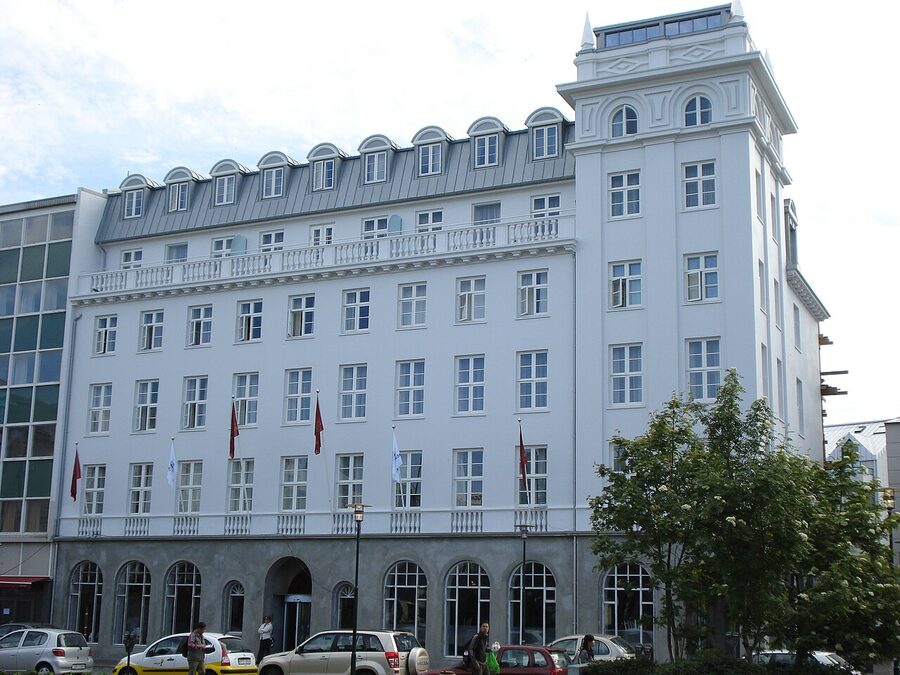
Hotel Borg, Pósthússtræti 11. The original grand hotel of Reykjavik, art deco, 1930. Sits on Austurvöllur square right opposite Alþingishúsið, the parliament. The rooms are not the largest in the city, but the bones of the building and the bar downstairs are the reason you book here. 60,000-80,000 ISK. Check prices on Booking.com.
Hotel Holt, Bergstaðastræti 37. Up a quiet residential hill three minutes from Skólavörðustígur. The walls are hung with Iceland’s largest privately owned art collection (Jóhannes Kjarval, Ásmundur Sveinsson, the proper old masters of Icelandic painting). A grande dame that’s slightly worn, in a way that’s part of the charm. 55,000-75,000 ISK. Check prices on Booking.com.
Kvosin Downtown Hotel, Kirkjutorg 4, behind Dómkirkjan (the old cathedral). All suites, all with a small kitchen. The 1900 building was renovated about a decade ago, taste intact. Top-floor rooms look across Austurvöllur and you can hear the parliament bell from the bed. 70,000-90,000 ISK depending on suite. Check prices on Booking.com.
Konsulat Hotel, Hafnarstræti 17-19. Curio Collection by Hilton, a five-minute walk from Harpa. Modern build wrapped around three older buildings; the design is sharper than most of the chain offerings in town. 60,000-85,000 ISK. Check prices on Booking.com.
Luxury: 90,000 ISK and up
101 Hotel, Hverfisgata 10. Member of Design Hotels, opened 2003 by gallerist Ingibjörg Pálmadóttir. Black and white throughout, contemporary Icelandic art on every wall, and a small basement spa. 90,000-130,000 ISK. The lobby bar attracts a scene on weekend nights, which is either a feature or a bug depending on your mood. Check prices on Booking.com.
ION City Hotel, Laugavegur 28. The little sister of the more famous ION Adventure at Þingvellir, but plonked in the middle of the main street. Dark, glamorous, design-forward. 110,000-150,000 ISK. Not a quiet hotel; you’re directly above the bar quarter. That’s the point. Check prices on Booking.com.
The Reykjavik EDITION, Austurbakki 2, on the harbour next to Harpa. Marriott’s luxury label, opened 2021, still the newest five-star in town. Icelandic design, the biggest spa in the city, and a rooftop bar where Harpa’s glass throws coloured light into your gin. 140,000-250,000 ISK. Worth it if someone else is paying the bill. Check prices on Booking.com.
A note on Airbnb
Reykjavik has cracked down hard on short-term rentals over the last few years. The city now requires registration, caps short-term lets at 90 days a year for primary residences, and bars secondary properties from being let for tourism without a hotel licence. Most listings you’ll see on Airbnb in 101 are technically operating in a grey zone. They’re often fine, but the legal hassle (and the political cost on the locals being priced out of their own neighbourhood) means I’d lean towards a small hotel or guesthouse over an Airbnb if the budgets are similar. Reykjavik 4 You and Black Pearl Apartments are two licenced operators with proper apartment-hotel setups in 101 if you want the kitchen and the space.
Day 1: the city itself
Whatever your trip length, day one is going to be Reykjavik on foot. Resist the temptation to book a tour for arrival day. The first afternoon is for orienting, eating something, and resetting after the flight. Here is the loop I’d walk if you handed me your hotel key tomorrow.
Morning: Hallgrímskirkja and the rainbow street
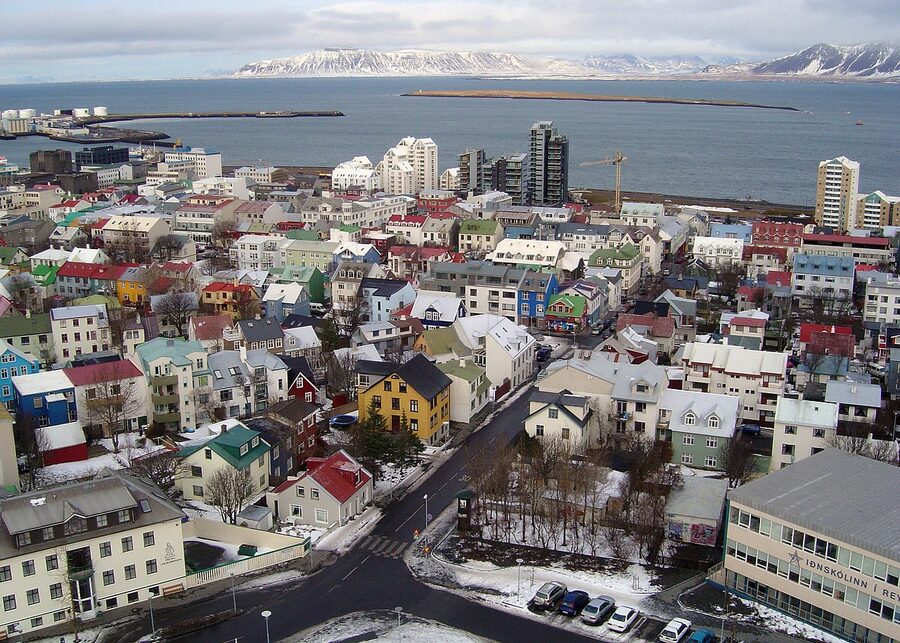
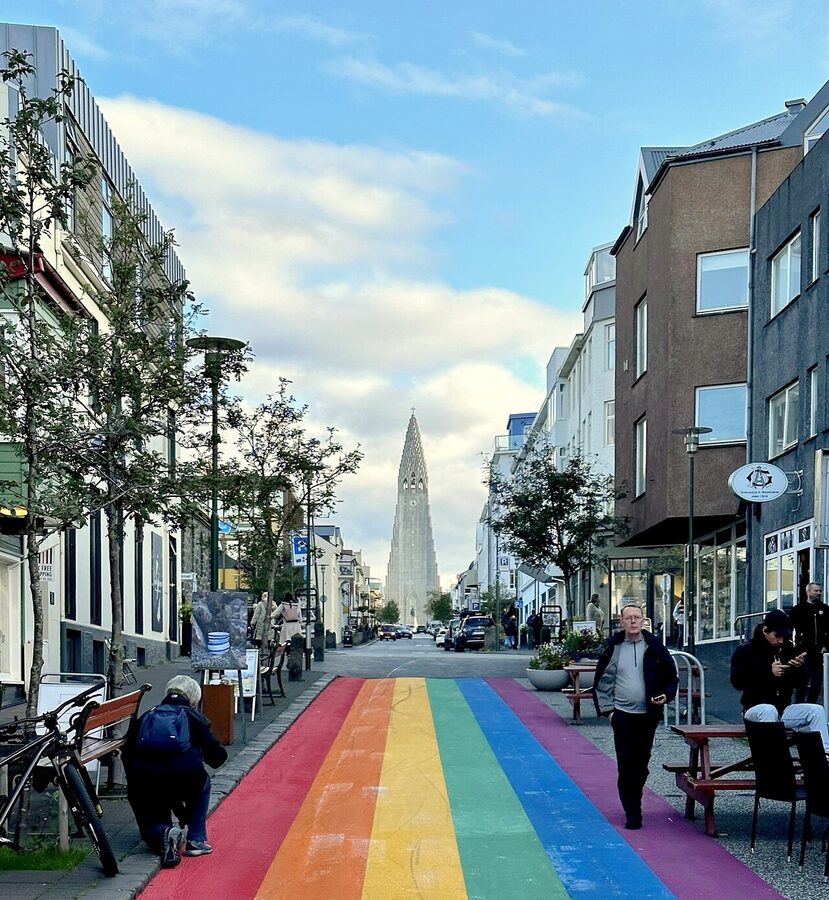
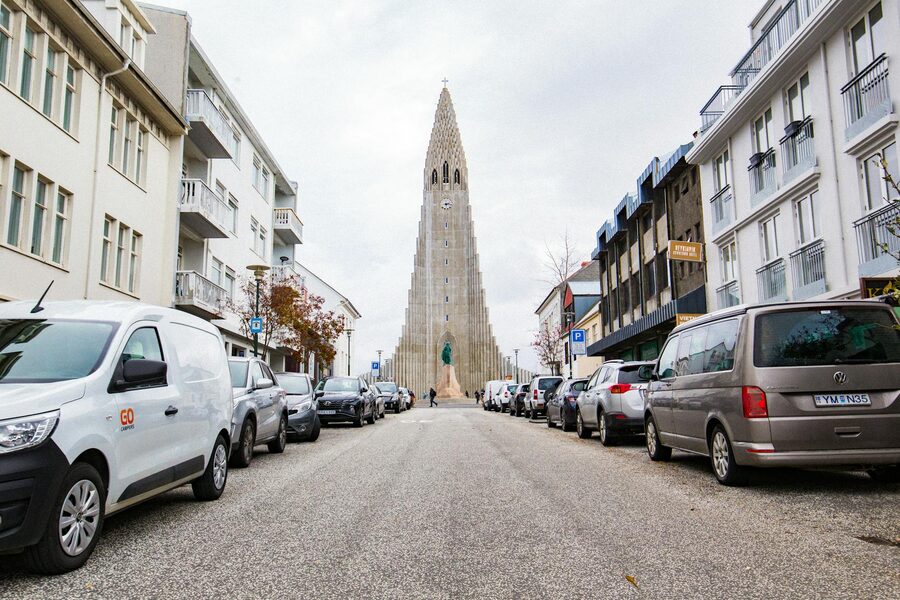
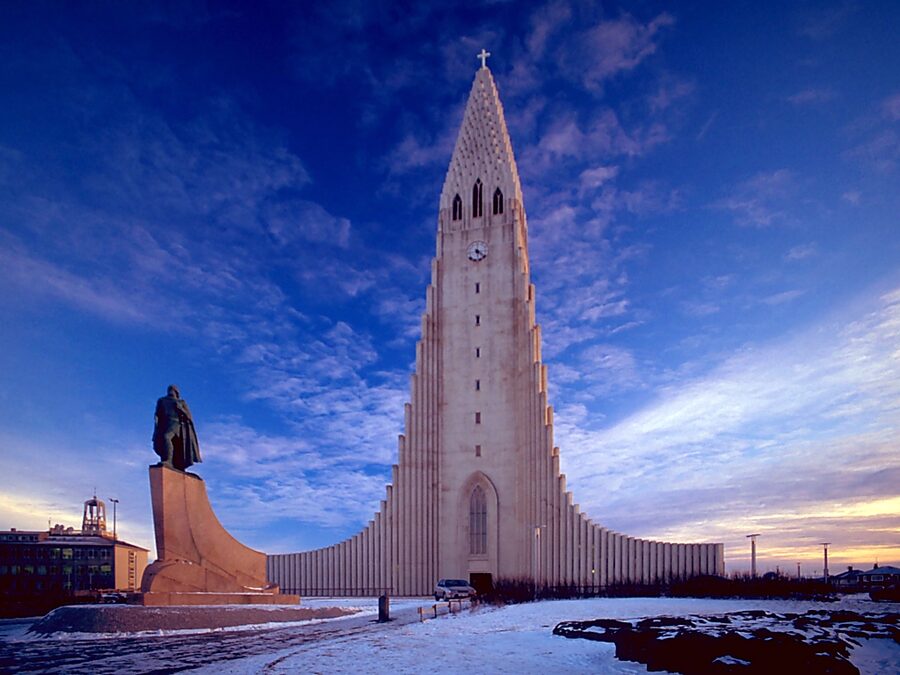
Start with Hallgrímskirkja. The concrete Lutheran church at the top of Skólavörðustígur is the most-photographed thing in Iceland, designed by state architect Guðjón Samúelsson to mimic the basalt columns at Svartifoss. The church took 41 years to build (1945-1986) and the tower elevator costs 1,400 ISK for adults, 200 ISK for kids. Go up. On a clear day you can see Snæfellsjökull glacier 120 km away, and even when it’s grey you’ll get a feel for the layout of the city. Free to enter the church proper.
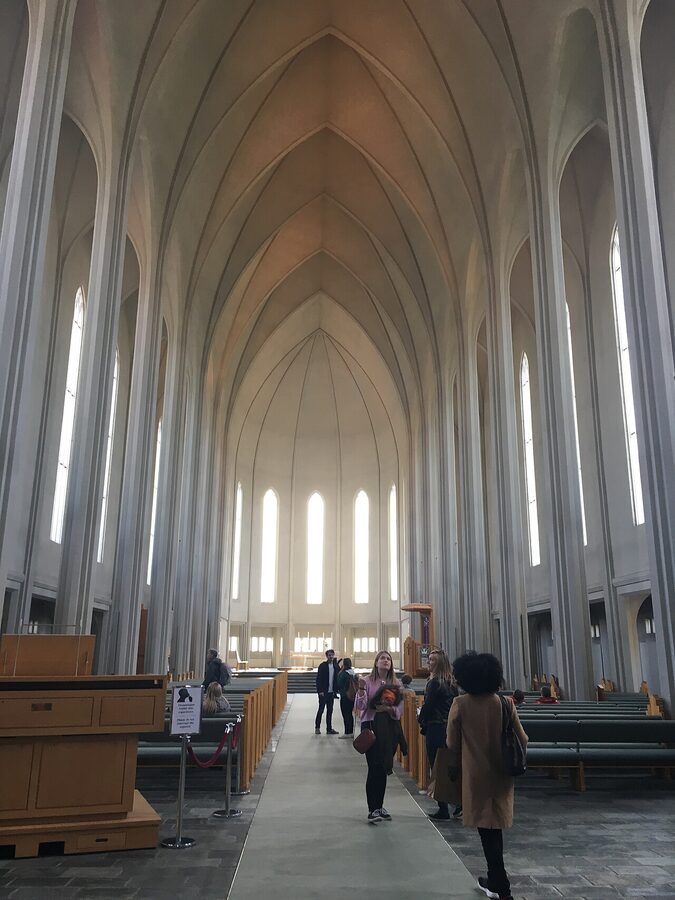
Inside, the place is austere on purpose. White concrete, almost no decoration, and a 5,275-pipe organ built by Johannes Klais of Bonn, installed in 1992. Free organ recitals run most Saturdays at noon in summer. Sit near the front if you want the sub-bass to do something to your sternum.
Walk down Skólavörðustígur, the rainbow street. Painted for Pride in 2015 and made permanent in 2019. The shops along the slope are mostly Icelandic design and wool, and you’ll hear three or four languages on the pavement at any time. Stop at Brauð & Co on Frakkastígur for a cinnamon bun. They’re better than they have any right to be and the queue moves quickly.

Late morning: Sun Voyager and the harbour
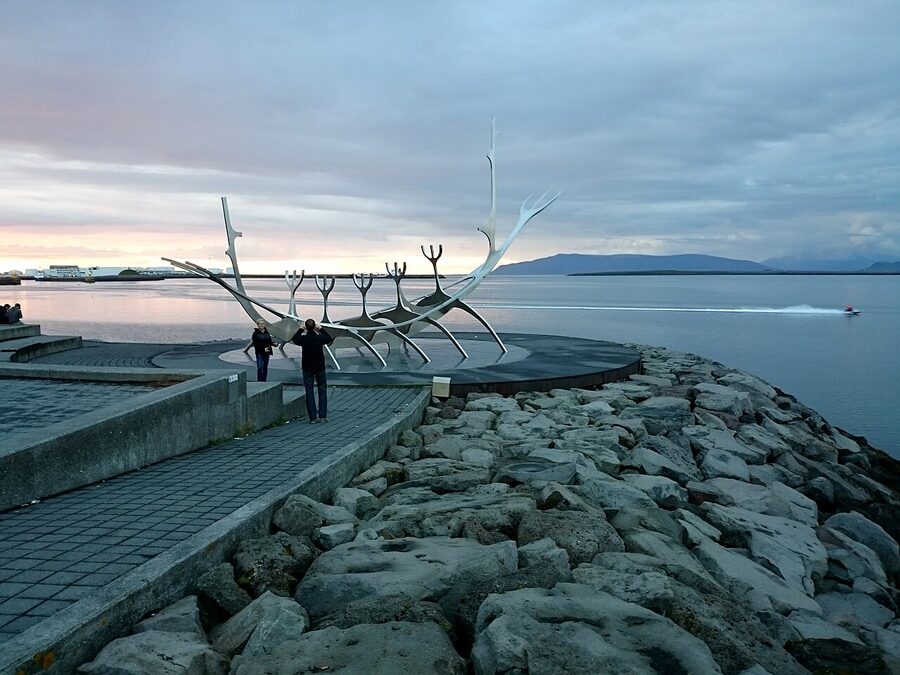
From Skólavörðustígur, walk north to the seafront on Sæbraut. Ten minutes flat. Sólfar, the Sun Voyager sculpture by Jón Gunnar Árnason, sits at the water’s edge. Most guidebooks call it a Viking ship. It isn’t. The artist called it “an ode to the sun”, a dreamboat pointed at the unexplored. Go at dusk if you can. In summer that means about 10:30 p.m.; in winter, 3:30 in the afternoon. The light off Faxaflói bay does the work the camera can’t.
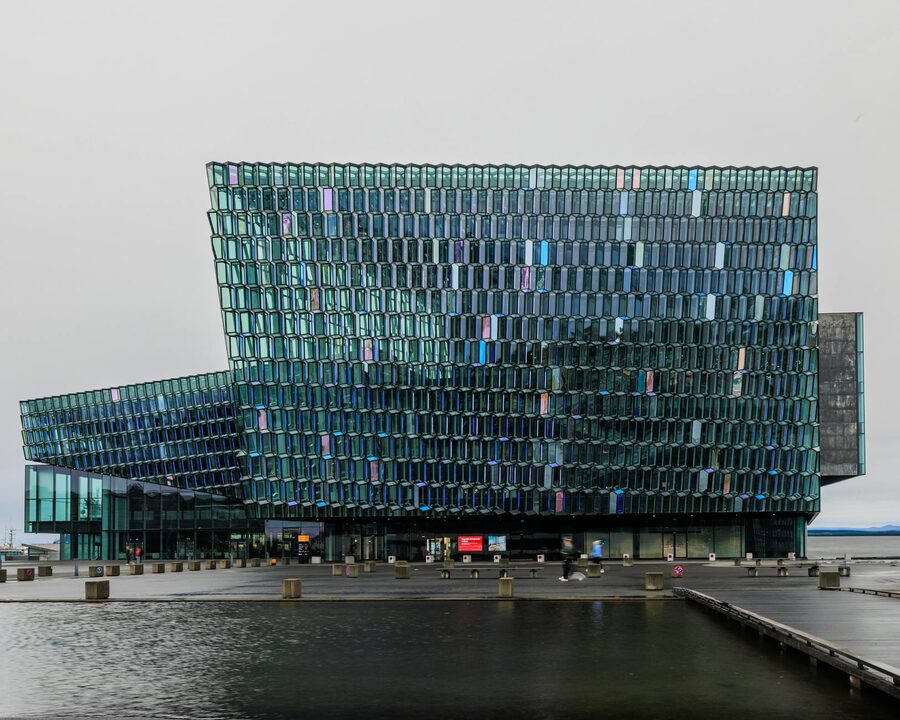
Continue west along Sæbraut for ten minutes and you reach Harpa. The glass-and-steel concert hall opened in 2011 after the financial crash almost killed it mid-build. The facade is 714 geometric glass panels designed by Ólafur Elíasson and Henning Larsen, and they catch every weather: grey when grey, amber at sunset, green during a strong aurora. Free to walk in any time. Take the lift up to the fourth floor and look down through the staircase. The Iceland Symphony plays in Eldborg most winter weekends; tickets from 6,000 ISK.
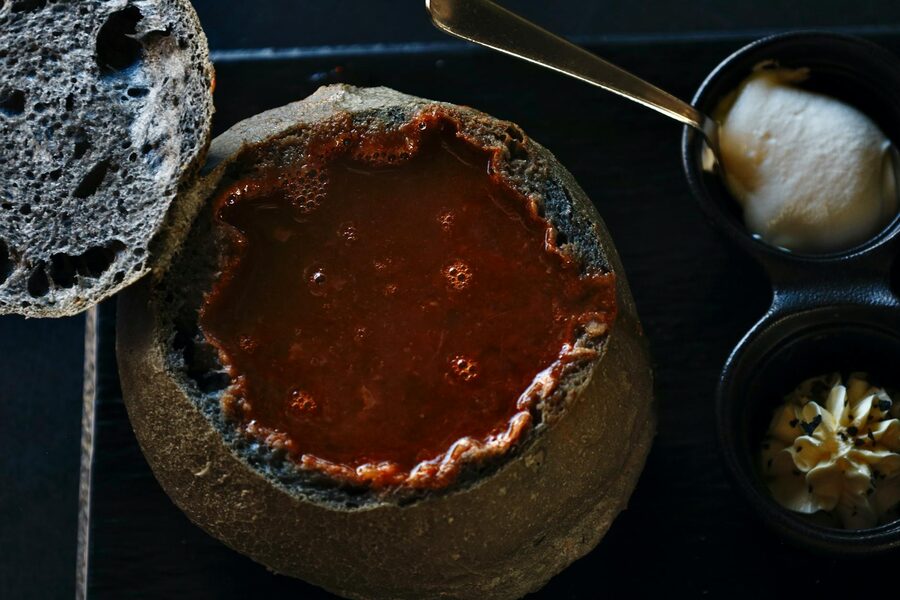
Lunch should be at the Old Harbour, five minutes’ walk west of Harpa. Sægreifinn (Sea Baron) does the famous lobster soup, around 2,500 ISK in a paper cup or 3,500 ISK in a bowl with bread. Höfnin two doors down does plokkfiskur (mashed fish, butter, potato), the kind of food Icelanders actually eat at home in February. Fish & Co at the head of the harbour is the more sit-down option if you want something with a glass of wine. Reservations recommended in summer.
Afternoon: Tjörnin, City Hall, and a museum if you have steam
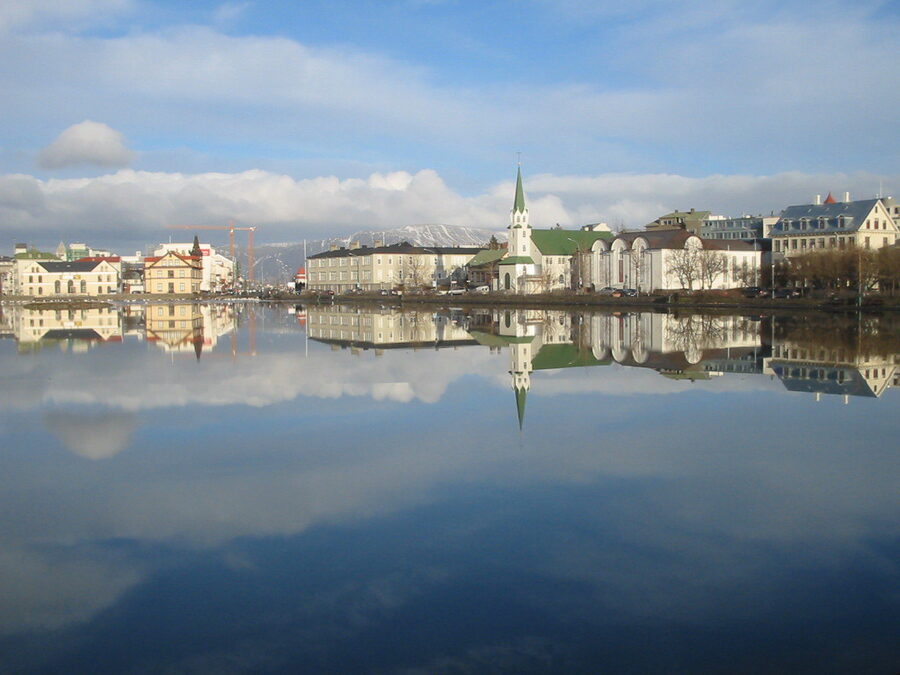
After lunch, walk south past Ingólfstorg to Tjörnin. The pond. Locals will always call it the pond. A loop is twenty minutes flat, with the city hall (Ráðhúsið) sitting on stilts at the northern end. Pop inside; there’s a free 1:1500 scale relief map of Iceland that’s worth fifteen minutes for the geography alone, and it’s the warmest building you’ll find in February. On the south shore, Norræna húsið (the Nordic House), designed by Alvar Aalto in 1968, has a small bookshop and a café that looks out over the wetland.
If you’re not flagging, the National Museum (Þjóðminjasafn Íslands) is a fifteen-minute walk west, on Suðurgata 41. 2,500 ISK and worth two hours. The Valþjófsstaður door (a 13th-century carved church door showing the saga of the lion-knight) is the single most important Icelandic artefact and it’s tucked into the medieval section. If you don’t have the energy, leave it for another day; it’s better fresh.
Evening: dinner and a quiet drink
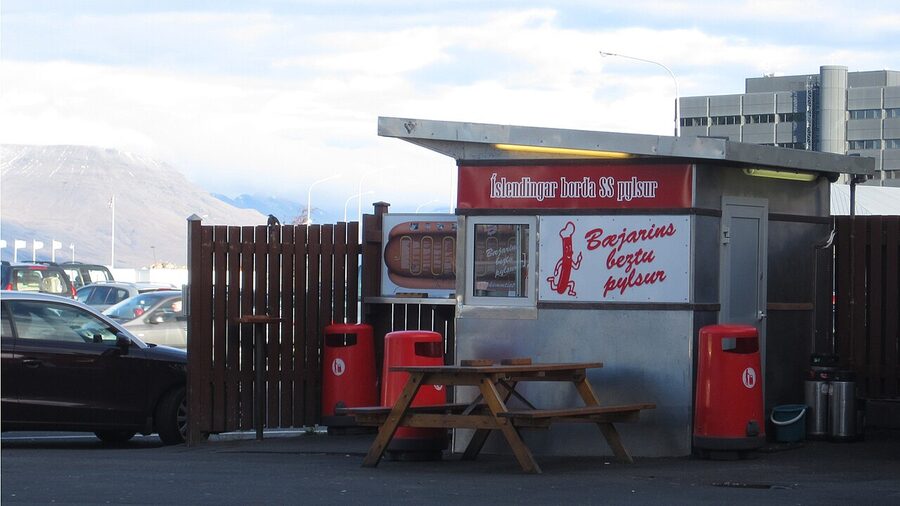
Dinner depends on budget and mood. Matur og Drykkur on Grandagarður (in the Saga Museum building) does proper Icelandic food, modernised. Cod cheeks, slow-cooked lamb, skyr with crowberry. About 12,000-15,000 ISK a head with a starter and a glass of wine. Kopar on the Old Harbour pier is the romantic option, big windows over the water, around 18,000 ISK a head. Sæta Svínið on Hafnarstræti is the casual pub-food option (good burgers, vegetarian options, Icelandic craft beers on tap) at 6,000-9,000 ISK a head. Bæjarins Beztu Pylsur is the famous hot-dog stand if you want a 600-ISK supper with a story.
For a drink: Slippbarinn at the Reykjavik Marina has cocktails and a view of the boats. Kaldi Bar on Laugavegur is the unfussy local for Icelandic craft beer. Loftið above Bankastræti has a slightly older, slightly fancier crowd and a list of cocktails that go beyond the obvious. Kaffibarinn next door is the music-industry hangout and is exactly as cool as it sounds, which is to say it depends on the night.
Day 2: the Golden Circle (or Sky Lagoon, depending)
Day two is a day trip. The default for first-time visitors is the Golden Circle: Þingvellir National Park, the Geysir geothermal field, and Gullfoss waterfall, in a 230 km loop east of Reykjavik. Every operator runs it. Every guide knows it. The roads are paved and open year-round. Reykjavik Excursions and Gray Line do the classic full-coach version for around 11,990-13,000 ISK; small-group operators like Bus Travel Iceland and Iceland Horizon run 16-seater minibus versions for 18,000-25,000 ISK with a more attentive guide and slightly nicer stops.
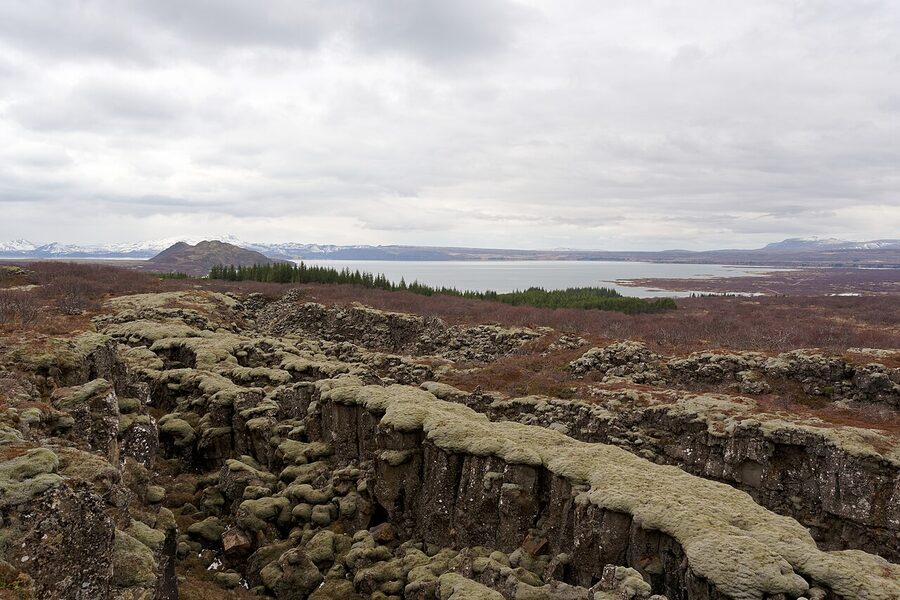
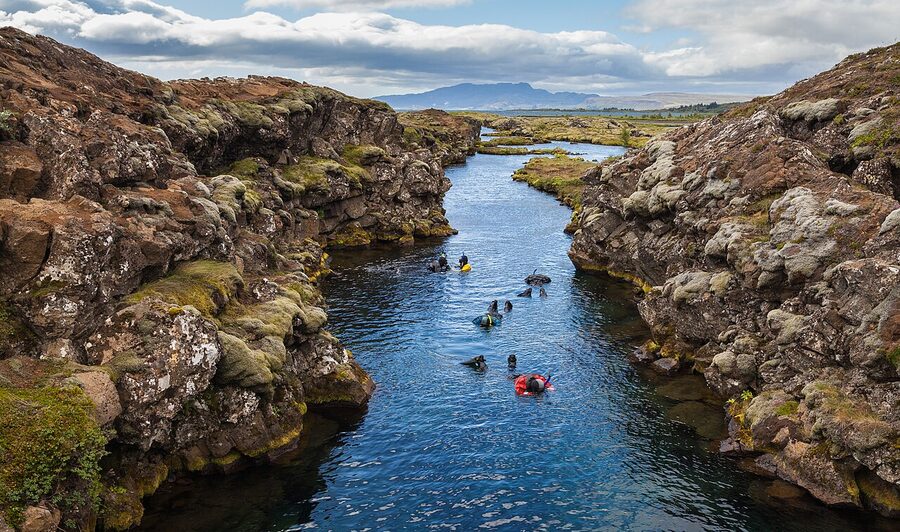
You leave around 8:30 from BSÍ (with hotel pickup 30 minutes earlier). Þingvellir first, an hour and a half east. UNESCO site. You walk through Almannagjá, the rift valley between the plates, and stand at the Lögberg (Law Rock) where the lawspeaker recited the Icelandic laws from memory each summer for the parliament. About 45 minutes to an hour on foot. There’s a 1,000 ISK parking fee paid via the Parka app at the visitor centre.
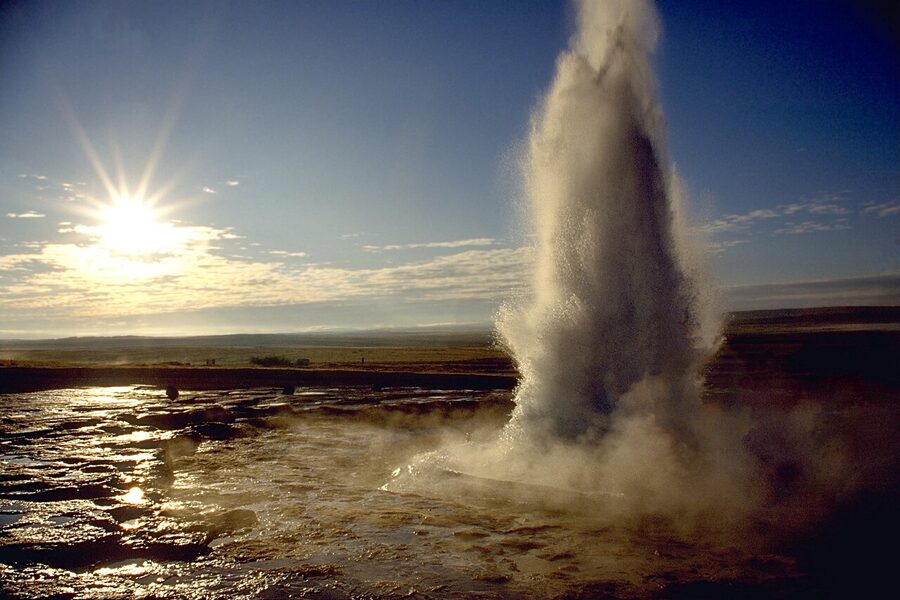
From Þingvellir it’s an hour east to Geysir. The original Geysir (the one that gave English the word “geyser”) has been mostly dormant since the 2016 earthquake. Don’t sit and wait. Walk 100 metres up the path to Strokkur, which goes off every 6-10 minutes, sends water 20-30 metres into the air, and is the photo everyone wants. Watch the pool, not the sky: about two seconds before an eruption the water goes still and a dome rises in the middle of the bowl. That’s your cue.
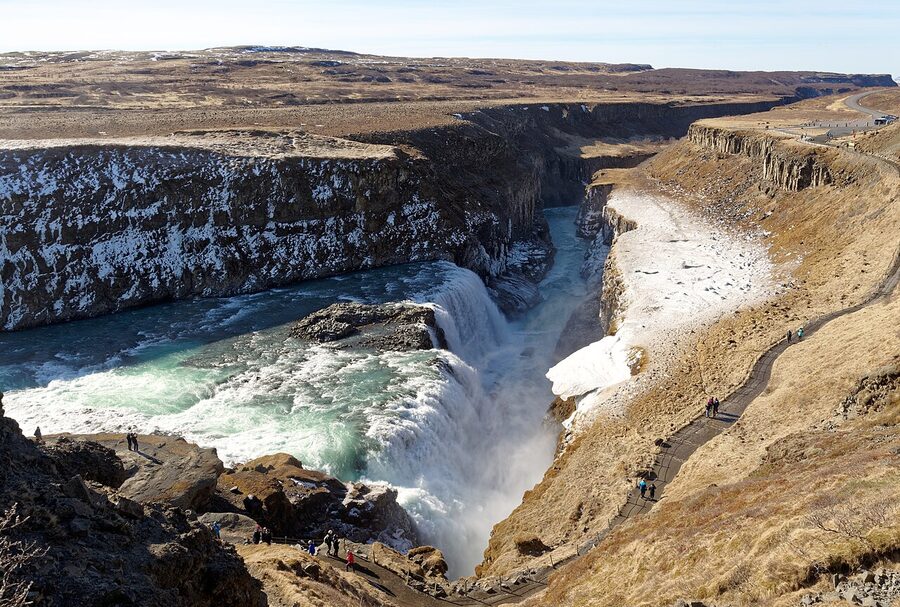
Last stop is Gullfoss, ten minutes east. The Hvítá river drops 32 metres in two stages (11 then 21) into a perpendicular canyon. Two viewpoints: an upper one with a car park and the cafe, and a lower platform reached by a steep staircase. Most tours give you 30-40 minutes. Bring waterproofs; the spray at the lower viewpoint is constant. In winter the lower path closes when it ices over.
Some operators add Kerið crater (600 ISK at the gate, ten-minute stop) or the Secret Lagoon at Flúðir (3,800 ISK, an hour soak). Both are worth it if you can find them on the itinerary. You’re back at the hotel by 6 or 7 p.m. depending on traffic.
If for some reason you want to swap the Golden Circle for a relax-day instead, consider Sky Lagoon at Kópavogur. It’s a 15-minute taxi or bus ride from downtown; the Skjól seven-step ritual (warm soak, cold plunge, sauna, mist, salt scrub, steam, rinse) costs around 12,990 ISK and takes about two hours. Pre-book a sunset slot.
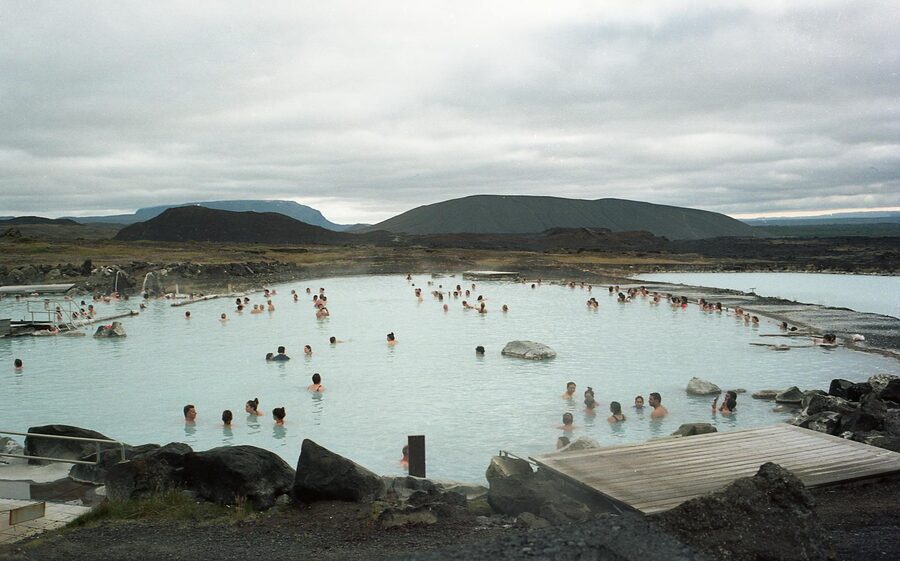
For a quieter evening after the long day, dinner at Grandi Mathöll (a former fish factory turned food hall on Grandagarður) is the easy call. Ten or twelve stalls, beer on tap, no reservation needed. About 5,000-7,000 ISK a head with a drink.
Day 3: South Coast or Snæfellsnes
If you have three full days, day three is your second outing. The two main options are the South Coast (waterfalls, black-sand beach, glacier) or the Snæfellsnes peninsula (lava cliffs, fjords, the iconic Kirkjufell mountain). Both run as full-day coach tours from BSÍ.
South Coast: the easier choice
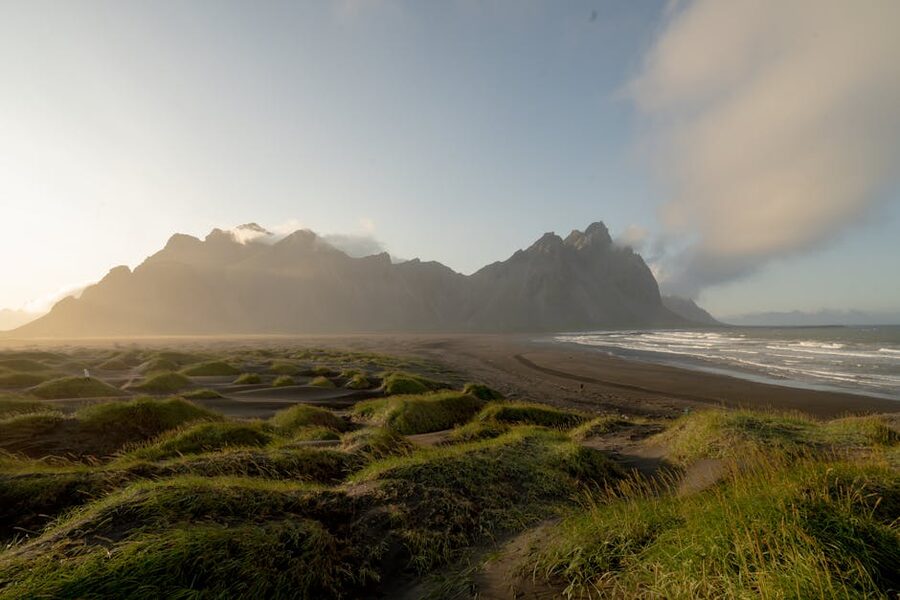
Most tours run the same route. Seljalandsfoss waterfall first (60 metres tall, you can walk behind it; bring waterproofs), then Skógafoss (broader, no walk-behind), Reynisfjara black-sand beach with its basalt columns and Reynisdrangar sea stacks, and either Sólheimajökull glacier tongue or the village of Vík. About ten to eleven hours total, around 14,000-22,000 ISK depending on operator and group size.
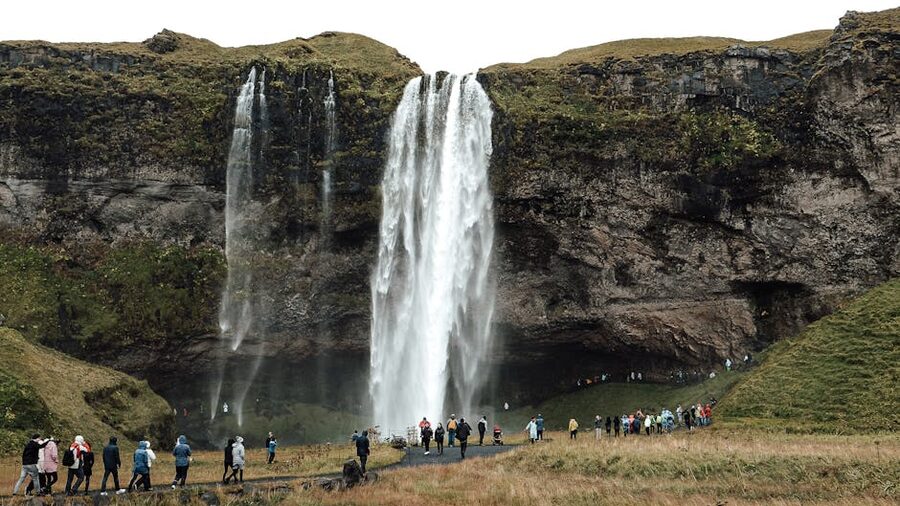
A few operator notes. Reykjavik Excursions and Gray Line do the standard full-coach version. Iceland Horizon, Bus Travel Iceland, and Discover Iceland run small-group versions on minibuses; they cost more but stop at extras like the Sólheimajökull viewpoint and have actual conversation with the guide. If you want to add a glacier hike, Troll Expeditions and Arctic Adventures run a half-day hike on Sólheimajökull (around 14,500 ISK on top of the day tour, or you can book the hike-only version with transfer for around 19,500 ISK).
Reynisfjara has a serious safety reputation. The waves on this beach are sneaker waves, meaning they come up the sand much further than expected without warning. There have been multiple deaths over the last decade. Stay well back from the waterline at all times. The signs are not for decoration.
Snæfellsnes: the more interesting choice in summer
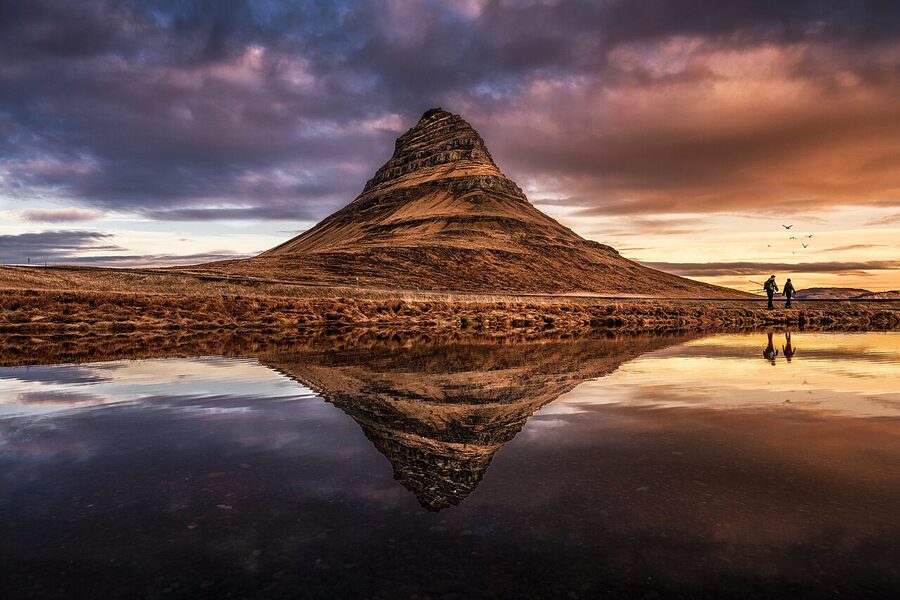
Snæfellsnes is a 90 km long peninsula northwest of Reykjavik, sometimes called “Iceland in miniature” because it has glaciers, lava fields, fishing villages, bird cliffs, and waterfalls all within a half-day drive. Coach tours from Reykjavik run 11-13 hours, around 18,000-26,000 ISK. The route hits Búðakirkja (the black church), Arnarstapi cliffs, Lóndrangar lava pillars, Djúpalónssandur black-pebble beach, Kirkjufell mountain (yes, the one from Game of Thrones), and Kirkjufellsfoss waterfall.
I prefer Snæfellsnes to the South Coast for second-time visitors and for summer travellers. The crowds are thinner and the variety per kilometre is higher. In winter the South Coast is the safer call because the road conditions on the peninsula get genuinely rough.
Day 4 or 5: more city and the pools
If you have a fourth or fifth day, this is where Reykjavik gets good rather than just busy. The first three days you’re chasing landmarks; from here you start to see how the city actually works.
Swim at a pool
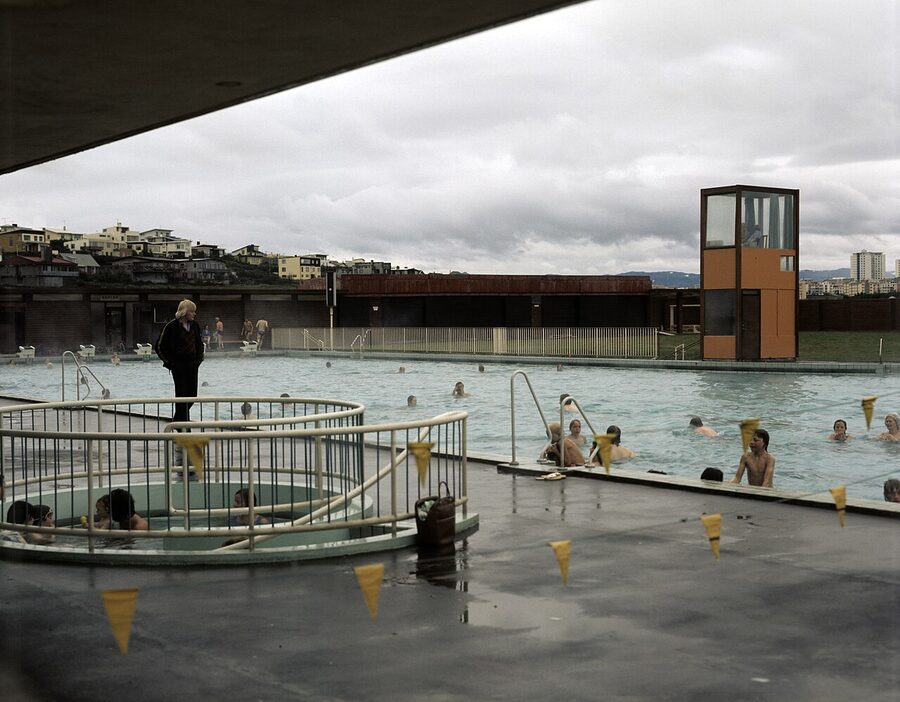
I push this hardest. If you leave Reykjavik without doing a public pool, you’ve missed the thing. Every Icelander does this at least weekly, more in winter, and it’s the country’s actual social life. The Blue Lagoon is a tourist spa; the laugar (public pools) are where we go.
The rules: shower fully naked before getting in. Soap. Everywhere. There are signs in five languages and attendants who check. Don’t skip it. Then go outside. Every pool has a 25 m or 50 m swimming basin and a series of heitir pottar (hot pots) at different temperatures, usually 38, 40, and 42°C. Some have a cold plunge, a steam room, a sauna. You move between them. You talk to whoever’s in the pot. That’s the whole thing.
Three pools to know.
Laugardalslaug, Sundlaugavegur 30. The big one. 50 m outdoor pool, a waterslide, a children’s pool, multiple hot pots, a steam room. 1,340 ISK for adults, free for kids. Bus 14 from the centre, or 30 minutes on foot. Open 6:30 a.m. to 10 p.m. weekdays.
Vesturbæjarlaug, Hofsvallagata. The neighbourhood one. Smaller, quieter, full of west-side locals on a Saturday morning. Same price. Better if you want fewer tourists and the actual local vibe.
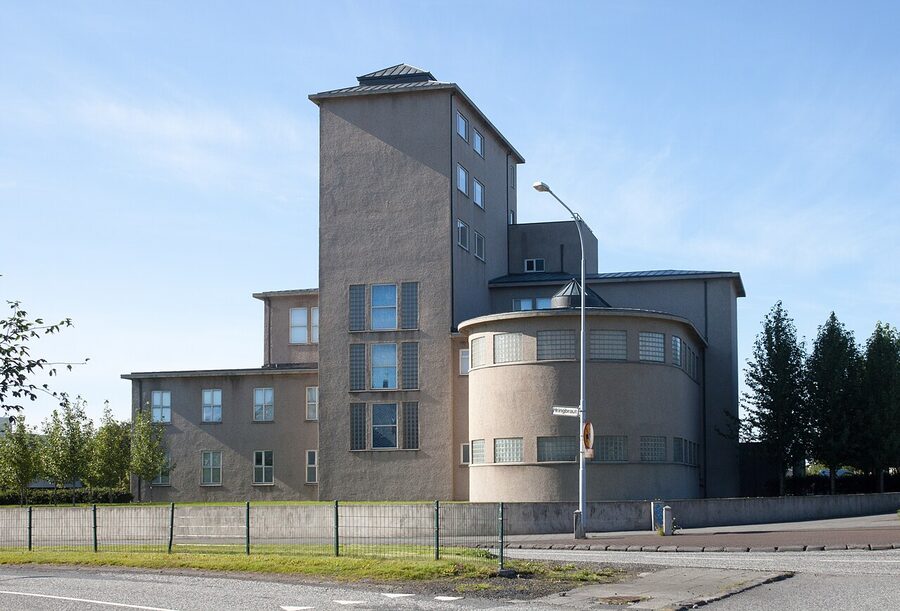
Sundhöllin, Barónsstígur 45a. The downtown one. Five minutes from Hallgrímskirkja, opened 1937, designed by Guðjón Samúelsson (same architect as the church). Indoor pool plus a 2017 extension with rooftop hot pots. The most architecturally interesting pool in the country.
Bring a swimsuit, towel, flip-flops. Lockers take coins or a card. If you forget a towel, hire one for 600 ISK. The water is geothermal and smells faintly of sulphur the first few visits. You stop noticing on day three.
Perlan and the National Museum
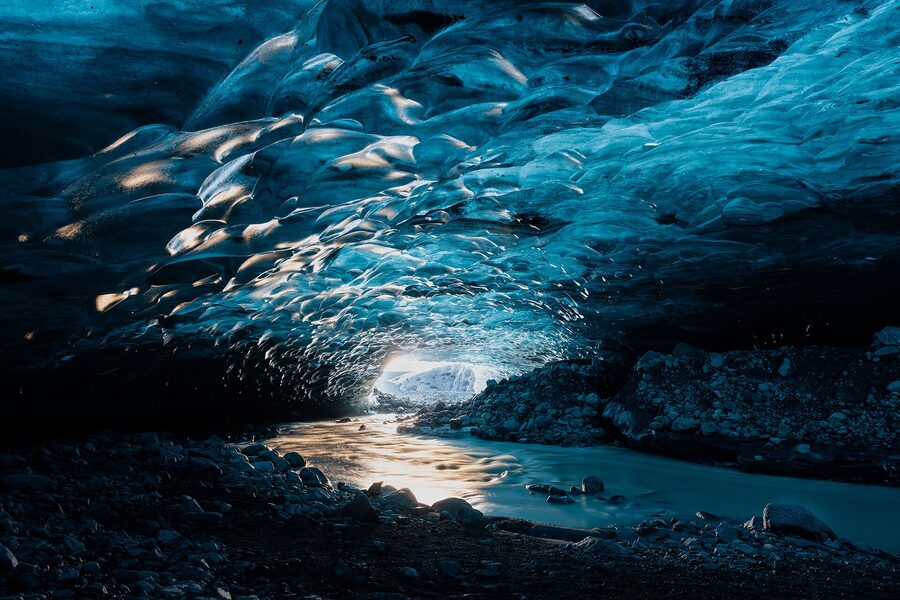
The glass dome on Öskjuhlíð hill, southeast of the city, sits on six old hot-water tanks. Inside is the Wonders of Iceland exhibit (the best single intro to Icelandic geology you can get without a ranger), a planetarium with a 23-minute Northern Lights film, and a real walk-through ice cave carved into a glacier replica. Adults 5,490 ISK, kids 3,190 ISK. The 360-degree observation deck outside the dome is free; walk past the paid entry, take the lift up, go outside. The view is the same and you save the entry fee if all you want is the panorama.
The National Museum (covered above on day one if you skipped it) is the other rainy-day backup. So is the Reykjavik Art Museum, which is split across three buildings: Hafnarhús near the harbour (contemporary art, Erró’s collage work), Kjarvalsstaðir at Klambratún park (Jóhannes Kjarval, the great Icelandic painter), and Ásmundarsafn (Ásmundur Sveinsson sculpture in his old studio). One ticket, 2,200 ISK, valid for all three on the same day.
Whales of Iceland and a whale-watching trip
Whales of Iceland on Fiskislóð has 23 life-size whale models in a warehouse, which is exactly as impressive as it sounds. 4,500 ISK. Better than a museum, more direct than an aquarium, and as a primer for actually going out on a boat it’s hard to beat.
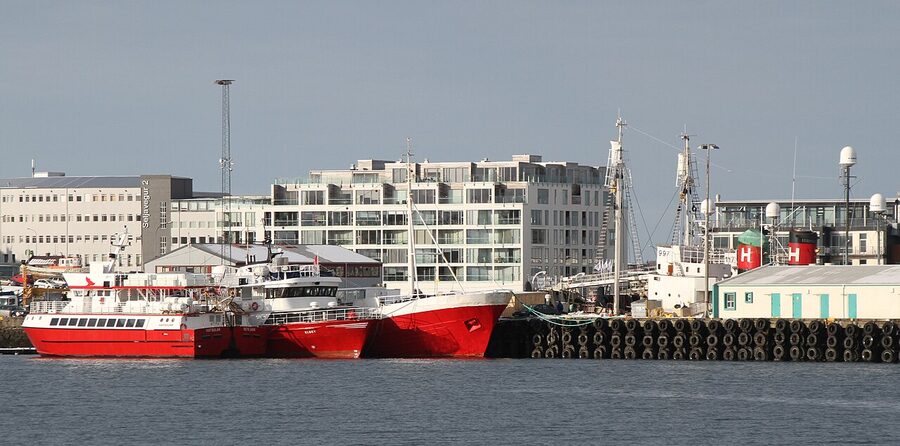
If you want the real thing, Elding (the big yellow operation) and Special Tours both run from the Old Harbour. April-October is peak season, three-hour trips around 13,500 ISK. Sightings are not guaranteed; if you see nothing, both operators give you a free re-trip valid for two years. Bring layers. The boat is colder than the city.
Grótta lighthouse walk
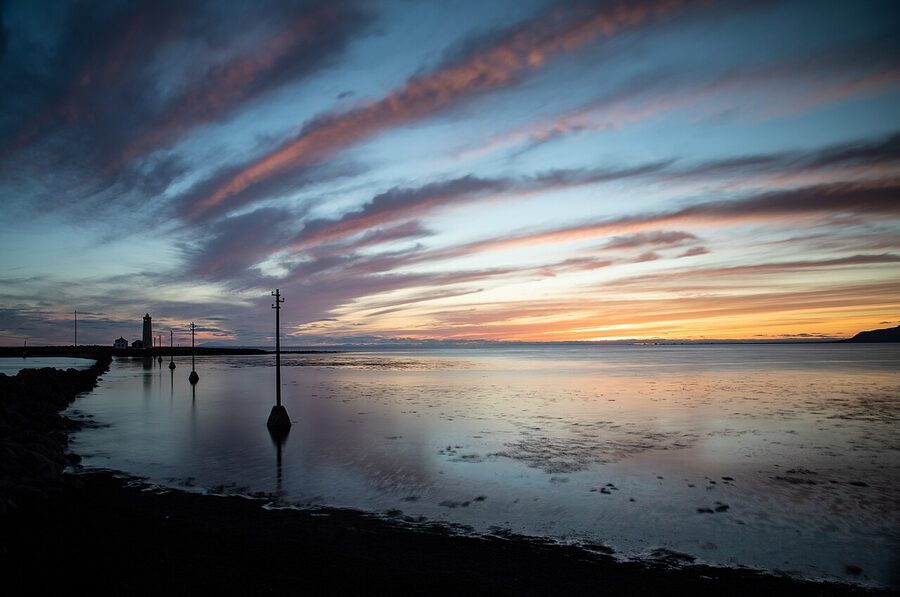
Walk 25 minutes northwest from Vesturbæjarlaug to Grótta. A tiny island with a lighthouse at the western tip of the peninsula, connected by a causeway at low tide. You can’t go onto the island during the bird-nesting closure (1 May to 15 July), but you can sit on the rocks and look out at Snæfellsjökull glacier across the bay (when clear) and Esja across the water. In winter Grótta is the best aurora-hunting spot inside Reykjavik proper. Ten minutes from downtown by bike, scooter, or bus 11.
Eating: which restaurant which night
Reykjavik punches above its weight on food. Two Michelin-starred places (Dill, Óx), several others on the verge, and a working layer of mid-range restaurants that would be considered very good in most European cities. Prices are high, portions are not enormous, and you’ll need a reservation almost everywhere on a Friday or Saturday. Below is how I’d structure four dinners across a five-day trip.
Night 1 (arrival, easy): Sæta Svínið on Hafnarstræti for pub food. Lamb shoulder for two, Icelandic beer, Happy Hour 15:00-18:00. Around 9,000-12,000 ISK a head. Or, even easier: Reykjavik Kitchen on Hverfisgata for unfussy Icelandic food at lower prices, around 6,000-8,000 ISK a head.
Night 2 (after Golden Circle): Grandi Mathöll food hall. You’re tired, you don’t want to wait an hour for a table. Pick from ten stalls, eat with strangers, drink an Einstök beer, walk back. 5,000-7,000 ISK a head.
Night 3 (the proper dinner): Matur og Drykkur on Grandagarður (12,000-15,000 ISK), Kopar at the Old Harbour (15,000-18,000 ISK), or Kol on Skólavörðustígur for steak (14,000-18,000 ISK). Reservation essential. Two glasses of wine each.
Night 4 (saving up): Bæjarins Beztu hot dog, then a beer at Skúli Craft Bar or Mikkeller & Friends Reykjavik, then Valdís ice cream on Grandagarður. Total under 4,000 ISK and one of the more genuinely Icelandic evenings you can have.
Lunches are easier. Sandholt Bakery on Laugavegur for a soup-and-sandwich (around 3,500 ISK). Reykjavik Roasters for a flat white and a kanilsnúður. Gló on Laugavegur for vegan/vegetarian. Hlemmur Mathöll (the food hall by the bus square) for street food from any of nine stalls.
One thing to skip: the puffin starter at the harbour-side tourist restaurants. It’s frozen, imported, and expensive. The locally caught puffin in season has been sustainably hunted for 1,200 years; the tourist plate version is from a freezer in Akureyri at best. Skip.
For a deep dive into what to actually eat in Iceland, see the longer Icelandic food guide.
Pool culture: do this once
I mentioned the pools above but they deserve their own paragraph because tourists overwhelmingly miss this and it’s the single most Icelandic thing you can do. The Blue Lagoon is a luxury spa, beautifully run, brilliant for an arrival-day or departure-day soak. Sky Lagoon is its smarter, smaller, sharper younger sibling. Both are tourist experiences and both cost 12,000-15,000 ISK before extras. The neighbourhood pools cost 1,340 ISK and are where Icelanders actually live.
The talking is the point. Hot pots are a horizontal parliament: locals discuss politics, weather, family, football, and gossip across small groups of four to eight people in 40°C water. Step in, sit down, say “góðan daginn” if you want, but it’s also fine to nod and listen. Nobody minds tourists. Nobody minds a child. Nobody minds you not speaking Icelandic. Just shower properly first. That’s the only thing we collectively care about.
Go in the morning if you can. Most pools open at 6:30 a.m. and the early shift is the proper local crowd: pre-work swimmers, retirees, students. The afternoon and evening get busier and a touch more tourist-heavy.
Seasonal notes: when to go and what changes
Three windows make sense for a Reykjavik city break, and each comes with its own trade-off.
Winter (November to mid-March): aurora, dark, magical
The classic short-break season. Days are short (the December sun rises around 11:30 and sets at 3:30) and the weather is properly cold (-2 to 4°C in the city, often colder with wind chill). The trade-off is the northern lights season, the Christmas markets in Ingólfstorg, and a particular blue-grey twilight that lasts most of the day.
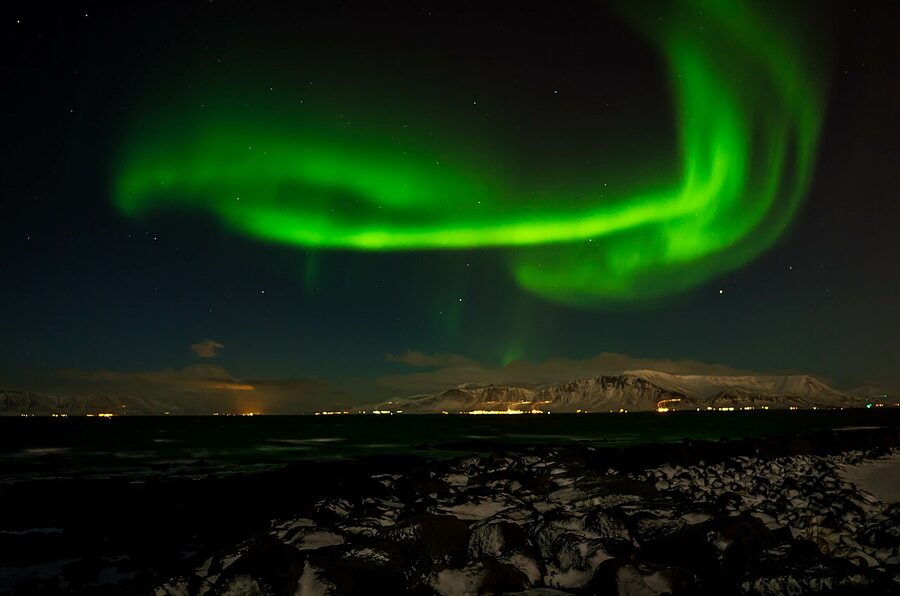
The aurora forecast at en.vedur.is is the local tool. Check the cloud-cover map and the KP index. KP 3 with clear skies beats KP 6 with overcast. Aurora-hunt minibus tours run nightly in winter, around 11,000-14,000 ISK; you get a free re-try if you see nothing. They’re worth it for the chase rather than a guarantee.
If you’re travelling in late November or December, look for the Christmas Market on Ingólfstorg square (weekends only, mid-November to 23 December). Heated tent, Icelandic crafts, mulled wine, and the 13 Yule Lads occasionally wandering through. For more on Icelandic Christmas, see the Christmas in Iceland guide, including the jólahlaðborð (Christmas buffet) tradition that takes over restaurants from late November.
Watch out for storm closures. Route 1 between the city and the south coast can shut for a day or two in a proper winter storm. If your South Coast tour gets cancelled, the operator refunds it; Þingvellir and the Golden Circle road tend to stay open longer.
Summer (June to August): midnight sun and crowds
Long days, mild temperatures (10-15°C, occasionally 20°C in a heatwave), and 24 hours of usable light from late May to late July. The city is at its busiest, hotels are at peak prices, and you’ll need to book Sky Lagoon and Blue Lagoon at least a few days ahead. Snæfellsnes day trips become viable as a proper full day rather than a winter dawn-to-dark slog.
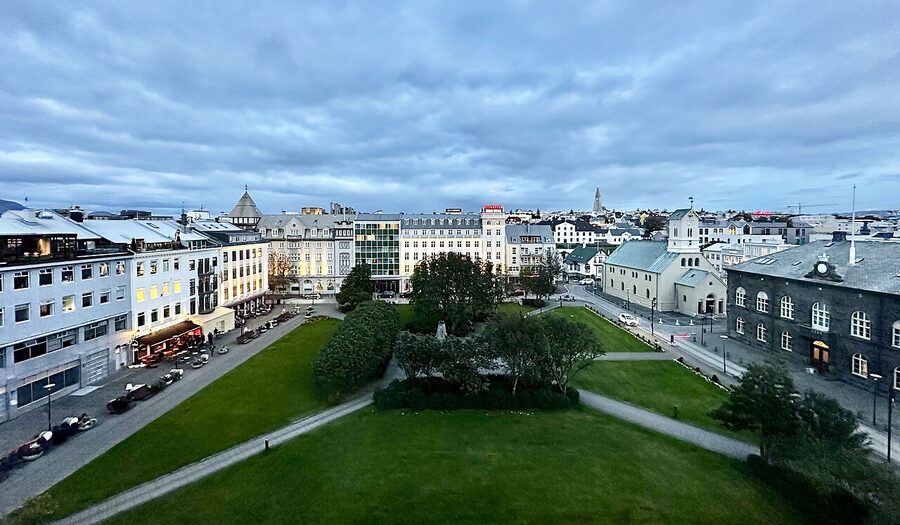
The summer trick is to flip your day. Locals sleep through the bright afternoons and walk Tjörnin or Grótta at midnight when the city is empty and the light is gold. Try it once. The first time you see the harbour at 1 a.m. with the sky still bright will rearrange your sense of how a day works.
Reykjavik Pride (mid-August), Culture Night (Menningarnótt, late August), and the Reykjavik Marathon (also late August) are the three biggest summer events. If you’re booking around them, pick the weekend deliberately or specifically avoid it; hotels sell out and the city goes loud.
Shoulder (April-May, September-October): the underrated window
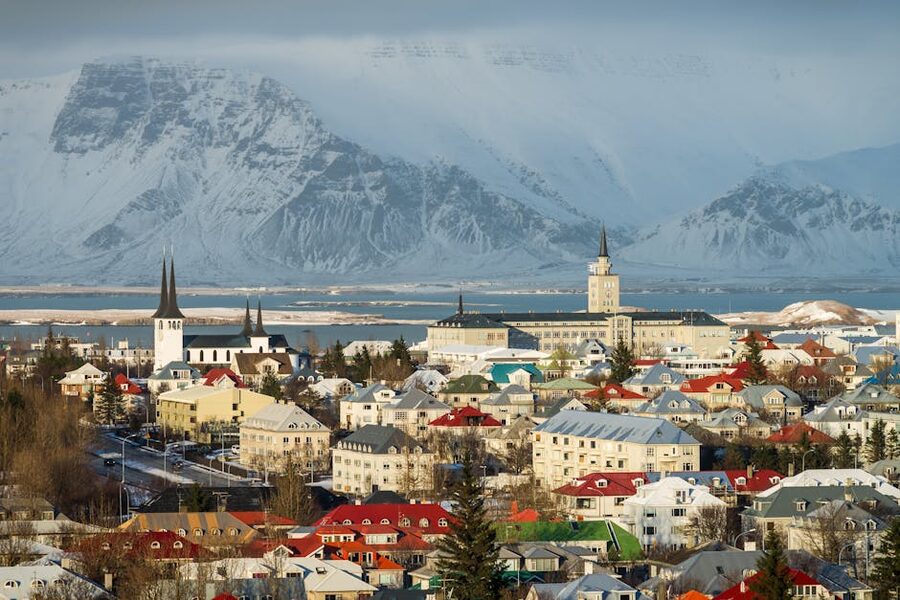
Cooler than summer, brighter than winter, and significantly cheaper hotels. April and May give you long-ish days without the peak crowd; September and October give you the first aurora chances of the season with reasonable temperatures. I’d push first-time visitors towards late September if they have the choice. Daylight is still 11-12 hours, the colours start turning in the highlands, the salmon are in the rivers, and you can usually see northern lights by month-end.
The trade-off is weather variability. A shoulder-season week can be eight days of grey drizzle or seven days of crisp blue skies and you have no way to predict in advance. Pack layers and accept it.
Budget by tier: what you’ll actually spend
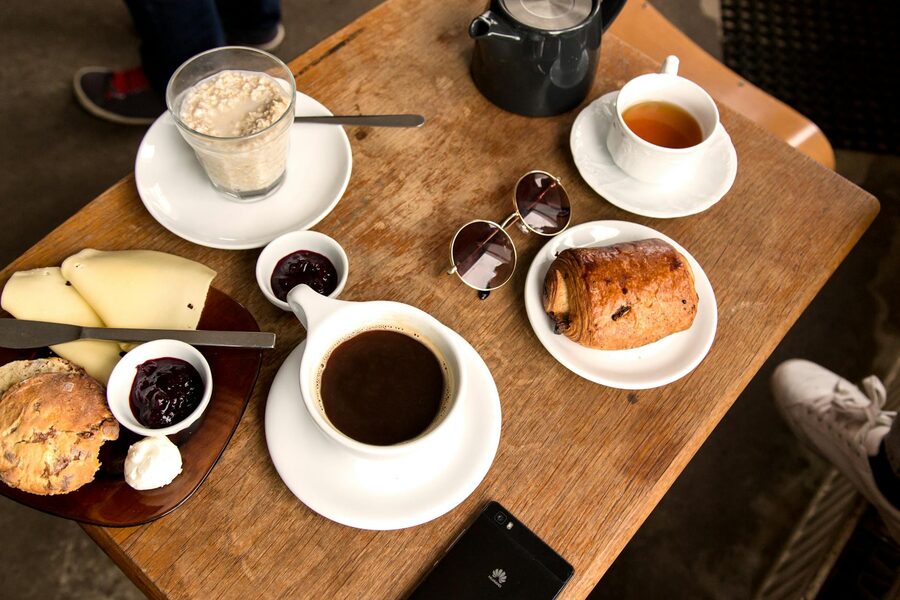
Reykjavik is expensive. There’s no clever way to dress that up. Below is what you’d spend per day, per person, in three rough tiers, in ISK. These exclude flights and the Flybus, and assume you’re sharing a hotel room with one other person.
Backpacker tier: 18,000-25,000 ISK per day
- Hostel dorm bed: 8,000-10,000 ISK
- Breakfast supermarket bread + skyr + coffee: 1,500 ISK
- Lunch from Sandholt or a 10/11 deli: 2,000 ISK
- Dinner from a food hall or Bæjarins Beztu: 2,500-4,000 ISK
- Pool entry: 1,340 ISK
- One bus ride: 630 ISK via the Klappið app
- One museum or one beer: 2,000-2,500 ISK
You can do this. It’s not luxurious, but neither is the Iceland summer queue at Hallgrímskirkja. Day trips will blow this budget on the day you book one (12,000-22,000 ISK for a Golden Circle); skip the tour and rent a small car for two days instead at around 9,000 ISK a day if you want flexibility.
Mid-range tier: 35,000-55,000 ISK per day
- Mid-range hotel double (your share): 20,000-25,000 ISK
- Hotel breakfast: included
- Lunch out (soup, sandwich, coffee): 3,500-4,500 ISK
- Dinner at a casual sit-down restaurant with one drink: 7,000-10,000 ISK
- Pool entry: 1,340 ISK
- Day tour: 12,000-18,000 ISK on tour days, 0 on others
- One museum + one drink in the evening: 4,000-5,500 ISK
This is where most travellers land and where the city is at its best value. You’re not pinching but you’re not paying tourist tax for everything either. Sky Lagoon adds about 13,000 ISK on a soak day.
Splurge tier: 90,000 ISK and up per day
- Five-star hotel double (your share): 45,000-90,000 ISK
- Hotel breakfast: included or 5,500 ISK extra
- Lunch at Kopar or Kolabrautin: 6,000-9,000 ISK
- Dinner at Dill, Óx, or a Matur og Drykkur tasting menu: 18,000-30,000 ISK
- Private guide for a Golden Circle (4 people splitting): 40,000 ISK each
- Sky Lagoon premium pass + private spa add-on: 18,000 ISK
- Cocktails at Loftið or the Reykjavik EDITION roof bar: 4,500 ISK each
If you’re at this end, book Dill and Óx the moment you have firm dates. They sell out three months ahead in summer and are genuinely worth the hassle.
Day trips that pair with a city break
Coach tours from BSÍ are the easy way to see beyond Reykjavik without renting a car. Below are the five day trips that pair best with a 3-5 day city break, ranked by how essential I think they are.
Golden Circle. The default and for good reason. Þingvellir, Geysir, Gullfoss in 8-9 hours. 11,990-22,000 ISK. Run year-round. If you do one trip, do this.
South Coast. Seljalandsfoss, Skógafoss, Reynisfjara, and either Sólheimajökull or Vík. 10-11 hours. 14,000-22,000 ISK. Run year-round but better in summer when the daylight matches the drive time.
Snæfellsnes. The peninsula day trip. 11-13 hours. 18,000-26,000 ISK. Better in summer. Skip in deep winter unless you’re on a small-group tour with a guide who’ll watch the road.
Whale watching. Half day from the Old Harbour, three hours on the boat. 13,500 ISK. Best April-September. Won’t kill a day; you can pair it with a museum afternoon.
Aurora hunt. Winter only, evening departure. 11,000-14,000 ISK. Free re-try if no sighting. Sky-clear KP 3+ nights only.
For the longer, deeper rundown of every coach option from BSÍ, see the Iceland day tours guide. For private guide-driver options if you want a custom day, see customised Iceland tours. For the specific glacier and geysir details, the glaciers and geysers article is the deeper read.
The Blue Lagoon question: yes or no
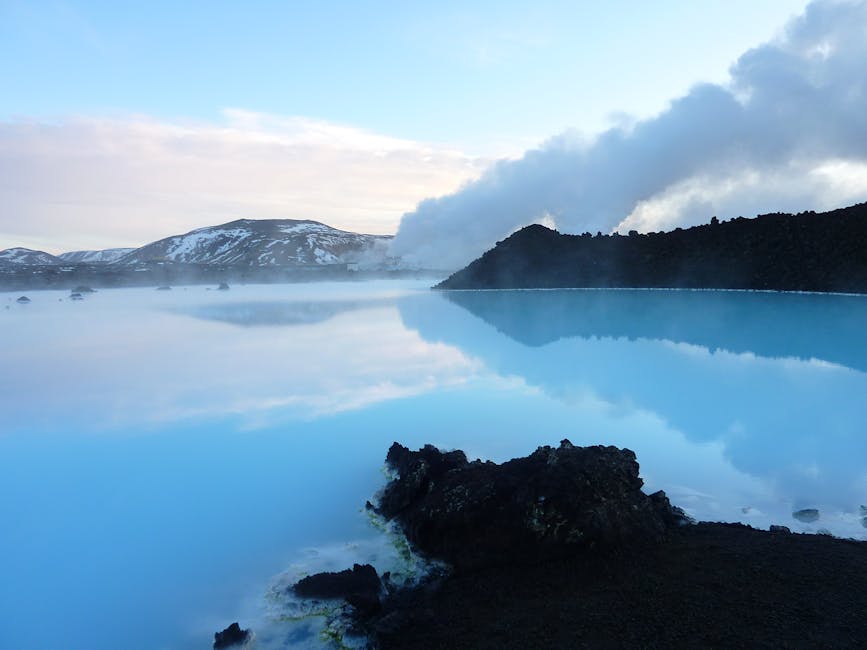
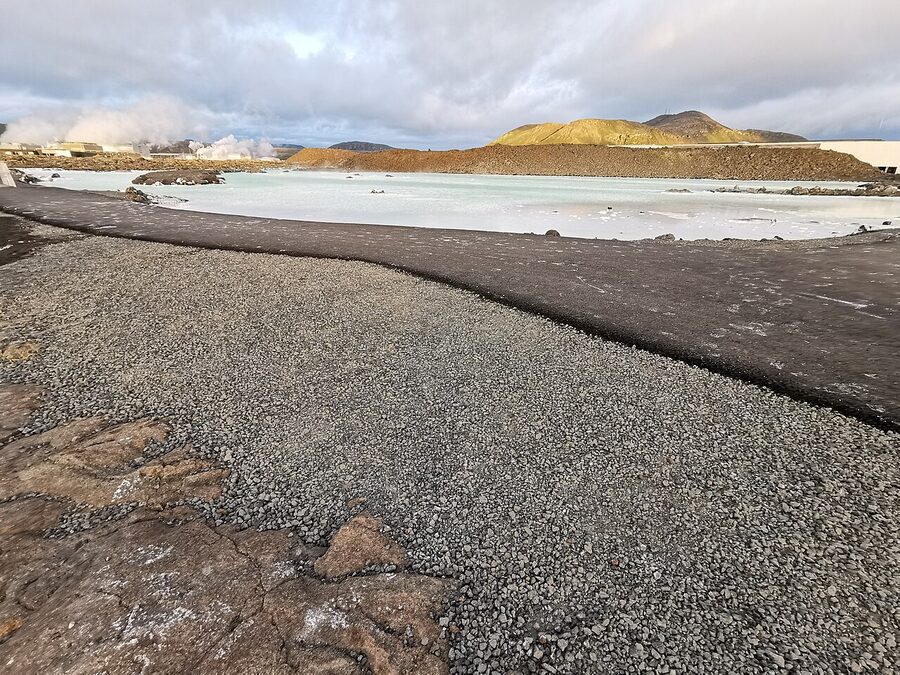
I get asked this every week. The Blue Lagoon at Grindavík is 20 minutes from KEF and 50 minutes from Reykjavik, and a basic admission is 11,990 ISK. It’s a milky-blue, mineral-rich, 38°C lagoon that sits in a black lava field and looks exactly like the postcard. It’s also overrun with tourists, every Instagram photo of Iceland was taken there, and locals view it as the spa equivalent of going to the obvious tourist street in Paris.
My take. Do it once if it’s your first trip and you’re flying through KEF anyway. Use the Comfort or Premium ticket (the silica mask is included), pre-book a slot well in advance, and time it as your airport-collect on the way back rather than a day from Reykjavik. You get the bucket list shot, the warm milky water, and a built-in transition from city to flight. The Lava restaurant on site does a respectable two-course set lunch around 12,500 ISK if you have time.
If you’ve been before, or if you have only three nights, skip it and do Sky Lagoon at Kópavogur instead. It’s cheaper, less crowded, more scenic in the sense of having an actual ocean view rather than a lava field, and a 15-minute taxi from downtown rather than a half-day expedition.
Practical tips locals actually use
A handful of small things that will make the city break feel less like a holiday and more like a stay.
Card, not cash. Almost nowhere in Iceland takes cash any more. Bring a contactless card with no foreign transaction fees and you’ll never miss the ATM. The Klappið app for the buses takes Apple Pay and Google Pay; download it before you arrive.
Tap water. Free, cold, and excellent. The first ten years it tasted slightly sulphurous (the hot tap, not the cold) and it confused tourists. Don’t buy bottled water. Even the upmarket restaurants serve a glass jug and don’t blink.
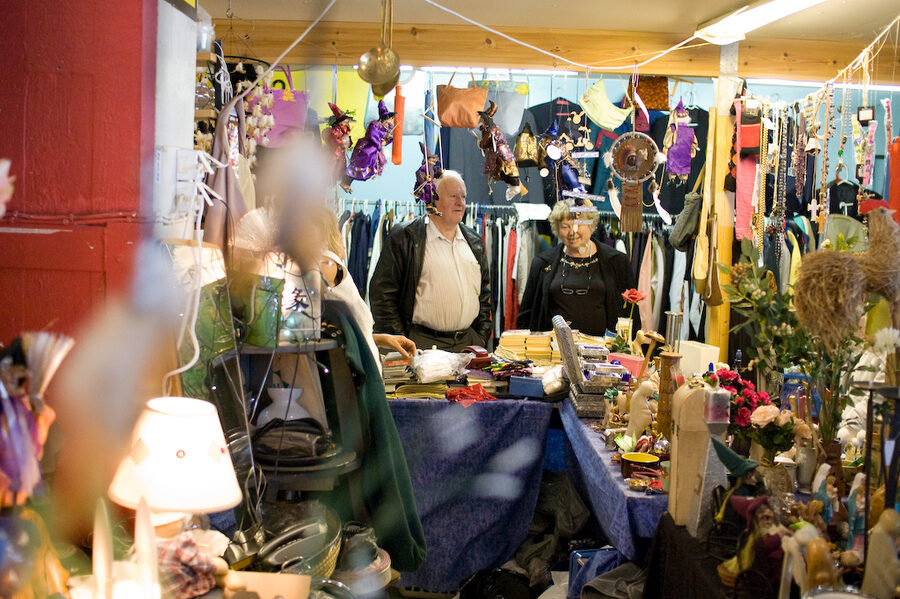
Sundays. Many shops on Laugavegur close on Sundays or open from noon. Restaurants and cafés stay open. Most museums open Sundays except in deep winter. The Kolaportið flea market in Tollhúsið on Tryggvagata only runs Saturday and Sunday 11-5; if you want the dried fish, the second-hand wool sweaters, and the records, those are your two windows.
Strætó (the bus). A single ride is 630 ISK via the Klappið app, slightly more from the driver. Buses run every 15-30 minutes depending on route. Route 1 is the main spine through the city; route 14 connects downtown to Laugardalslaug; route 18 to Kringlan shopping centre. There’s no on-bus payment in cash. The real-time map on straeto.is works.
Taxis. Only Hreyfill (588 5522) and BSR (561 0000) are the major operators. Roughly 1,500 ISK to start the meter, 200-250 ISK per km, more at night. Uber and Lyft do not operate in Iceland. Hopp scooters work in summer for short city hops; about 150 ISK to start the ride and 35 ISK a minute.
Liquor. Beer over 2.25% ABV, wine, and spirits are only sold at the state-run Vínbúðin shops, not in supermarkets. Closed Sundays. The Vínbúðin on Skútuvogur is open latest (Mon-Fri 11-19, Sat 11-18). Buy at duty-free in KEF on arrival if you want a bottle of wine for the hotel; it’s significantly cheaper.
Sunday brunch. A real Reykjavik thing. Sandholt, Apotek, Coocoo’s Nest in Grandi, and Snaps Bistro all do proper Sunday brunches from 11 to 3. Around 5,500 ISK a head. Book ahead on a sunny Sunday in summer.
Bæjarins Beztu queue. If the line at the famous hot dog stand is long, walk to the second window around the back. Same dogs, same price, no queue. You’ll figure out why this isn’t more obvious after about thirty seconds in front of the building.
What I’d actually do with three nights
If a friend showed up tomorrow and gave me their booking and asked me to redesign it, here’s what I’d say. Three nights, mid-budget, October.
Friday afternoon. Land KEF 4 p.m., Flybus to BSÍ, walk to a mid-range hotel in 101 (Center Hotels Plaza or Sand Hotel). Drop bags. Walk to Hallgrímskirkja, climb the tower, walk down Skólavörðustígur, stop at Brauð & Co for a kanilsnúður. Continue to Sun Voyager and Harpa. Light early dinner at Sæta Svínið on Hafnarstræti. Beer at Skúli. Bed by ten because the day was already long with the flight.
Saturday. Pre-booked Golden Circle small-group tour with Bus Travel Iceland or Iceland Horizon, leaving 8:30 from BSÍ. Eight hours, back at the hotel by 5. Quick rest, then taxi to Sky Lagoon for a 7 p.m. slot, two hours in the water, taxi back. Late dinner at Matur og Drykkur (booked weeks ago).
Sunday. Slow morning. Swim at Sundhöllin from 8 to 9.30, breakfast at Sandholt on Laugavegur, walk Tjörnin in a loop. Whales of Iceland for an hour. Lunch at Höfnin for the lobster soup. Walk to Grandi, ice cream at Valdís, browse the Marshall House galleries upstairs. Late afternoon back at the hotel for a rest. Final dinner at Kopar on the harbour (booked).
Monday morning. Brauð & Co for breakfast, Flybus from BSÍ at 9, KEF for a midday flight.
That’s the trip. You see Reykjavik properly, you get one good day trip, you experience the pool culture, you eat well twice, and you have one quiet morning to yourself. Three nights, no rental car, walked everywhere except the day trip and Sky Lagoon. Around 200,000-250,000 ISK per person all in (excluding flights), which is nobody’s idea of a budget weekend but is roughly what a comparable mid-range break in Copenhagen or Oslo costs in 2026.
Coming back, or extending
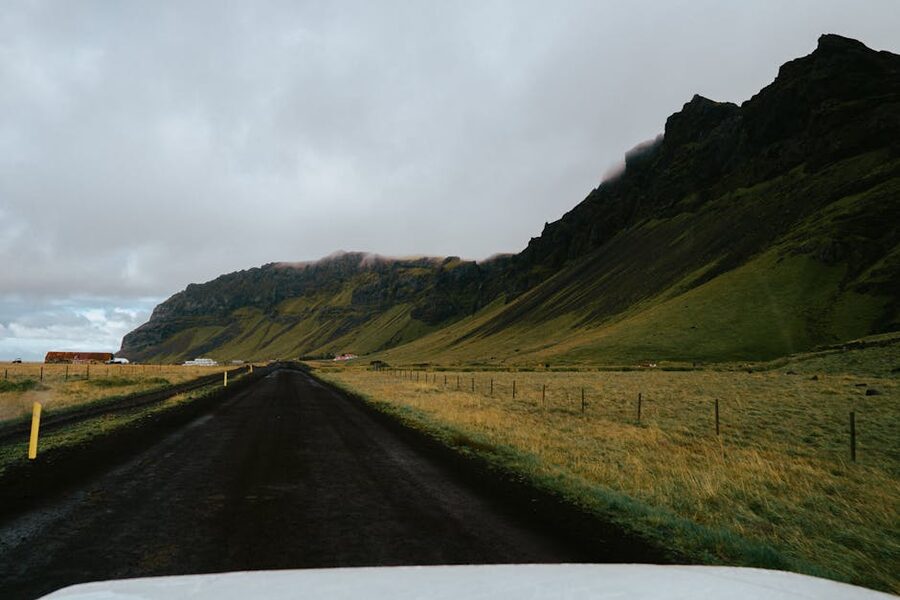
If three nights felt short, you have options. The natural extensions are a Ring Road self-drive (5-7 nights, hire a car from town and head clockwise or counter-clockwise from Reykjavik), a north Iceland fly-in to Akureyri (45-minute domestic flight from RKV airport, then base in the north for whale-watching and Mývatn), or a horse-and-spa weekend on Snæfellsnes. Any of these works as a follow-on trip and most operators will package the Reykjavik nights with the rest.
For the deeper background on the country itself, the history of Iceland piece runs through the Viking settlement to the present. The capital city guide goes wider on the neighbourhoods, the museums, and the things to do that didn’t make this short-break shape. And if you want a fully bespoke trip rather than a city break, the customised tours guide walks through how to brief a designer.
The other thing worth saying: come back. Iceland in February is a different country from Iceland in July, and Iceland in late September might be a different country again. The first city break is the introduction. If you spend three nights here and don’t immediately start looking at flights for next year, you didn’t go to the pool. Go to the pool. We’ll see you again.
For more reading on what to do in the city, check the rest of the tour guides hub. For practical aurora forecasting, the official Veðurstofa Íslands aurora page is the only forecast worth checking. For event listings, Visit Reykjavik is the city’s official site and is updated daily.