You can land at Keflavík at 6 a.m., be in a hot pot at the Blue Lagoon by 9, on top of a glacier by 1, and watching steam roll off Strokkur at 4. People do it. I’d not recommend it as a holiday strategy, but it tells you something about this country: you can pack a startling amount into a single day if you base yourself in Reykjavik and let someone else drive.
And that’s really what a day tour is. A bus, a guide, a pickup at your hotel between 7:30 and 8:30 in the morning, and a long, scenic loop somewhere, Golden Circle, South Coast, Snæfellsnes, the Westman Islands ferry, a boat out of the old harbour. You’re back in Reykjavik before dinner, or shortly after. You don’t drive. You don’t navigate. You don’t worry when the weather closes Route 1 outside Vík at 2 p.m. and three cars in front of you turn around. The driver does that for you.
I’m going to walk you through what’s actually on offer, who runs the better versions, what they cost in ISK, and how to choose between them. We’ll cover the classic full-day loops, the shorter half-day options, the volcano and ferry trips that only run in summer, and the awkward truth about a few operators you should be careful with. If you read to the end you’ll know which day tour to pick on day two, what to bring, and when self-driving makes more sense than a bus seat.
In This Article
- How a day tour from Reykjavik actually works
- The Golden Circle classic
- South Coast: the day that pays you back
- Snæfellsnes: the mini Iceland day
- Whales, puffins, and the boats from the old harbour
- The Westman Islands ferry day
- Inside the Volcano: a half-day in the magma chamber
- Glaciers, snowmobiles, and the Into the Glacier ice tunnel
- Northern lights hunts in winter
- Blue Lagoon, Sky Lagoon, and the lazy half-day
- The super jeeps, ATVs, and other “extras”
- Self-drive vs bus tour: when each makes sense
- What to bring on a day tour
- Pricing in ISK, season by season
- Seasons: what runs when
- Operators worth using and ones to be careful with
- How to pick: a short cheat sheet
How a day tour from Reykjavik actually works
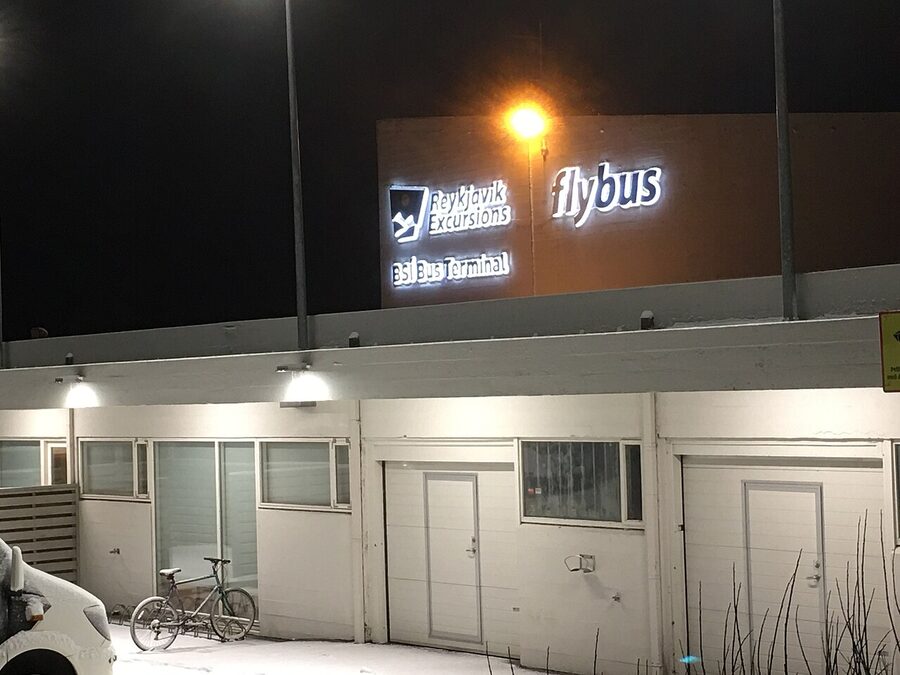
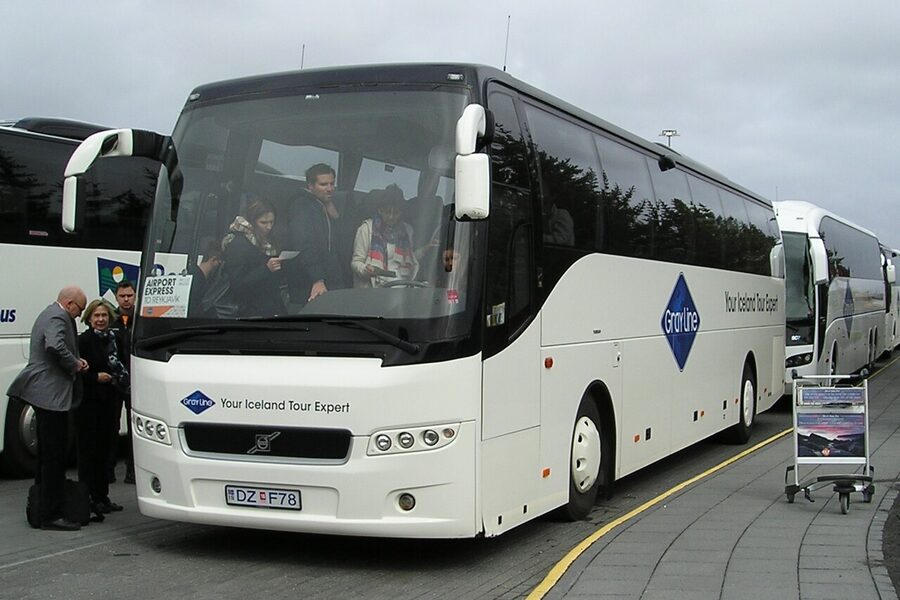
Three things to know before you book. First, almost every operator picks you up at your hotel, but it’s not a private taxi. You wait at a designated bus stop or by the kerb outside the lobby, and a smaller shuttle bus takes you to BSÍ Bus Terminal on Vatnsmýrarvegur, where you transfer onto the actual day-tour coach. Pickups start 30 minutes before the listed departure time. Be ready early. The shuttle does not wait.
Second, the day really is a day. A Golden Circle tour is 8 to 9 hours. A South Coast tour is 10 to 11. Snæfellsnes is 11 to 13 depending on traffic and weather. By the time the bus drops you back at your hotel it’s often 7 or 8 in the evening, and you’ve been on the move since 8 in the morning. Plan a quiet dinner. Don’t book anything else for that night.
Third, the price gap between operators is smaller than you’d think for the same route, but the experience varies a lot. A Golden Circle classic with Reykjavik Excursions runs around 11,990 ISK at the time of writing. The same loop with Gray Line is in roughly the same band. A small-group version on a 16-seater minibus from Bus Travel Iceland or Iceland Horizon costs more, usually 15,000 to 22,000 ISK, but you’ll have actual conversation with the guide, the bus stops at a couple of extra spots, and you don’t queue 20-deep at the lunch place.
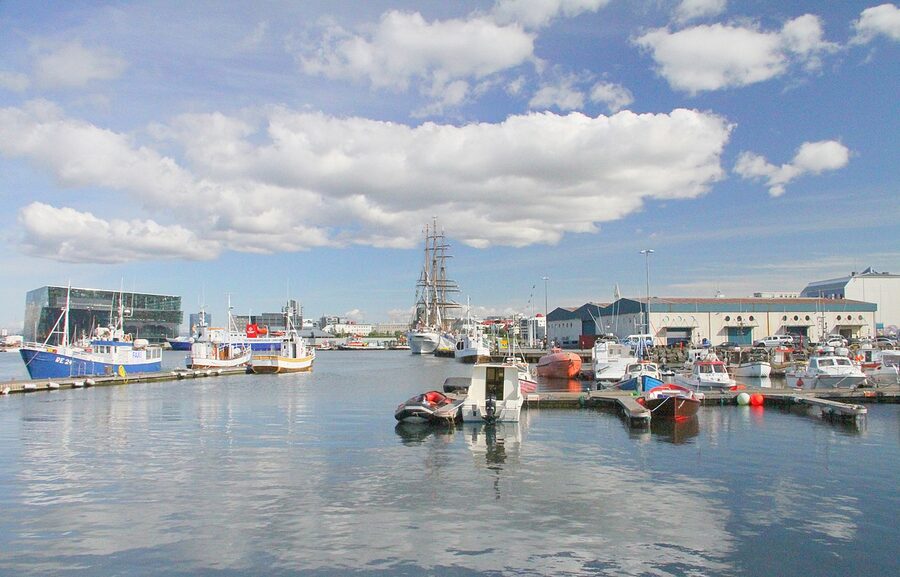
For boat tours and city activities, whale watching, puffin trips, food walks, pickup is from the Old Harbour rather than BSÍ. You walk there. It’s about 12 minutes from Hallgrímskirkja, 8 minutes from Harpa. Operators are stacked along Ægisgarður and Geirsgata: Elding in the big yellow shed, Special Tours in the white building, Whale Safari near the breakwater. None of them are hard to find.
The Golden Circle classic
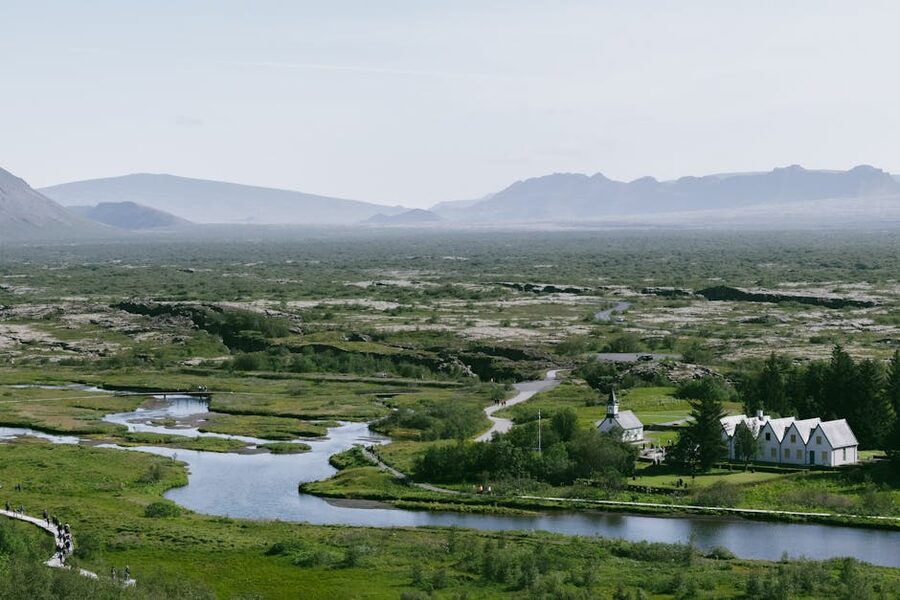
If you’re in Reykjavik for two or three days, the Golden Circle is the one you do. It’s the obvious tour and there’s a reason. Three of Iceland’s signature sights, Þingvellir National Park, the Geysir geothermal field, Gullfoss waterfall, sit in a tidy 230-kilometre loop east of the capital, and you can see all three in a single day with about four hours of driving and four hours of stopping. Every operator runs it. Every guide knows it. The roads are paved and open year-round.
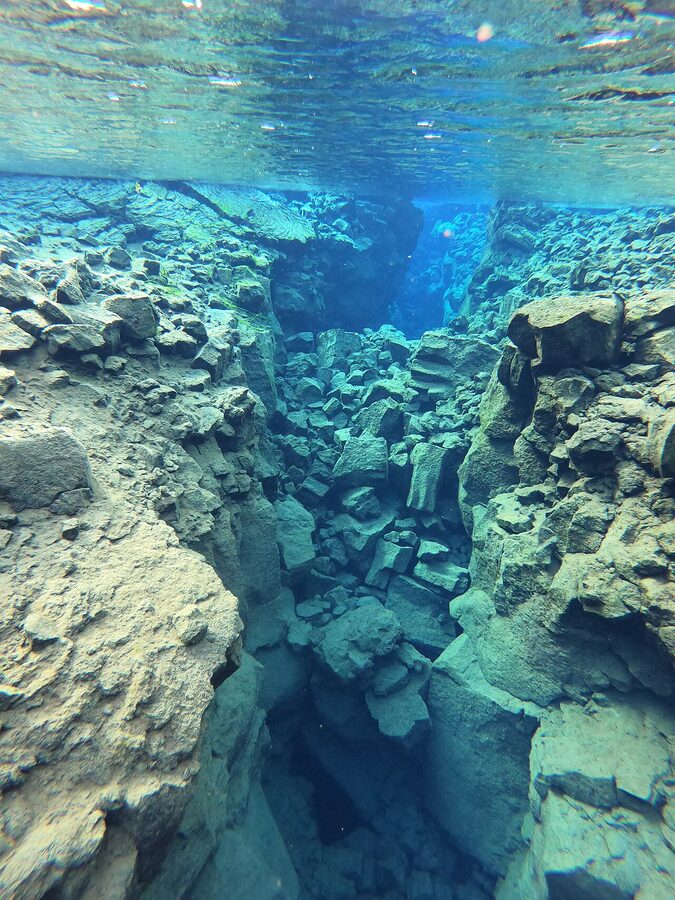
I have a soft spot for Þingvellir. Not just because the Alþingi met there from 930 AD onwards, though that does it for me, but because of the geology. You’re walking the gap between the North American and Eurasian tectonic plates. The Almannagjá fissure is the wall of one plate. Fifty metres to the east, you’re standing on the other. They’re moving apart at about two centimetres a year, which is what gives Iceland the earthquakes and the volcanism and most of the reason you came here.
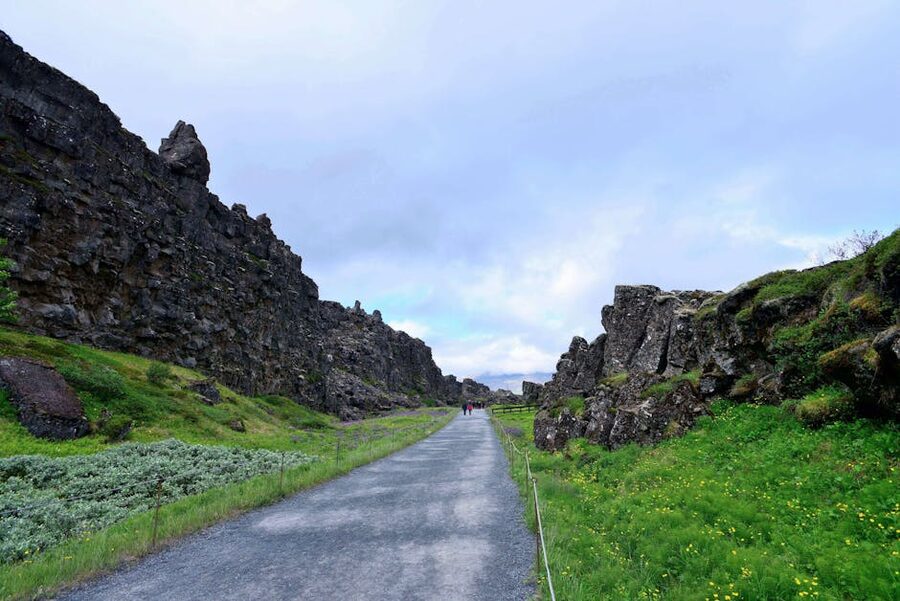
Most coach tours give you 45 minutes to an hour at Þingvellir. That’s enough to walk down through Almannagjá, see the Lögberg (Law Rock) where the lawspeaker recited the laws from memory for a week each summer, and look out over Þingvallavatn, the lake the parliament met beside. If you’re with a small-group operator you’ll get a longer stop and probably a walk to the Drekkingarhylur drowning pool, which is exactly as cheerful as it sounds.
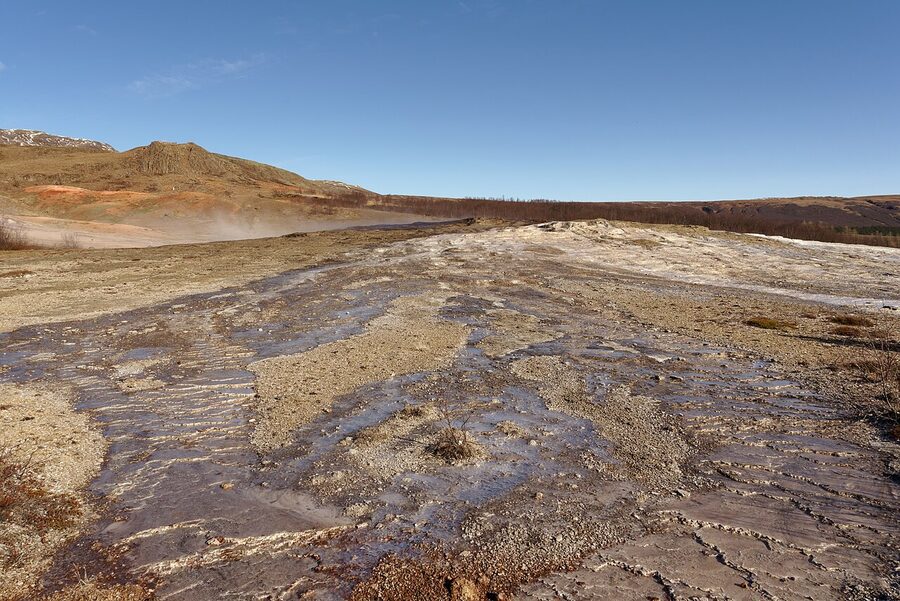
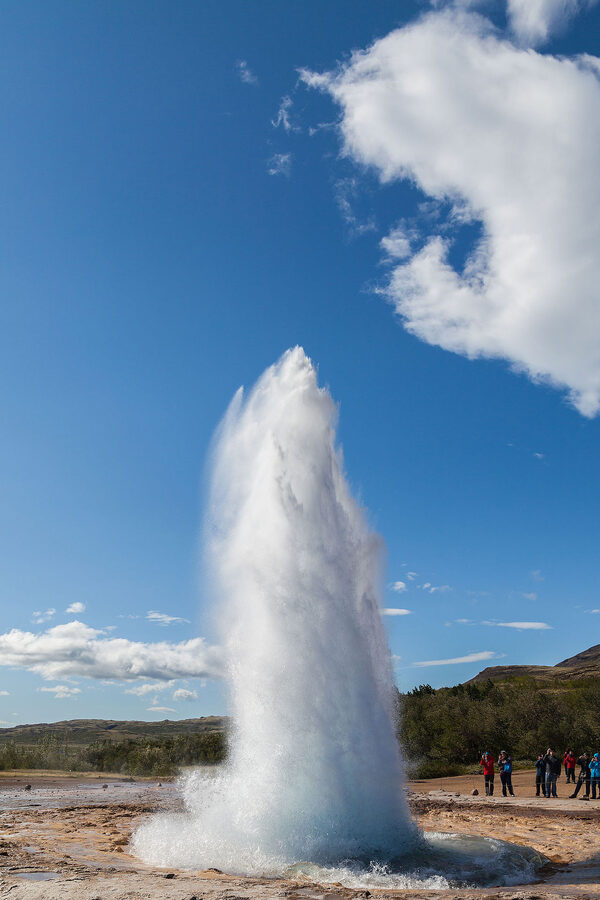
Geysir is the next stop, about 50 minutes east. The original Geysir, the one that gave the English language the word “geyser”, has been mostly dormant since the 2016 earthquake stopped its rhythm. Don’t sit there waiting for it. Walk to Strokkur instead, 100 metres up the path. Strokkur erupts every 6 to 10 minutes, sends a column of water 20 to 30 metres into the air, and is the photo everyone wants from this trip.
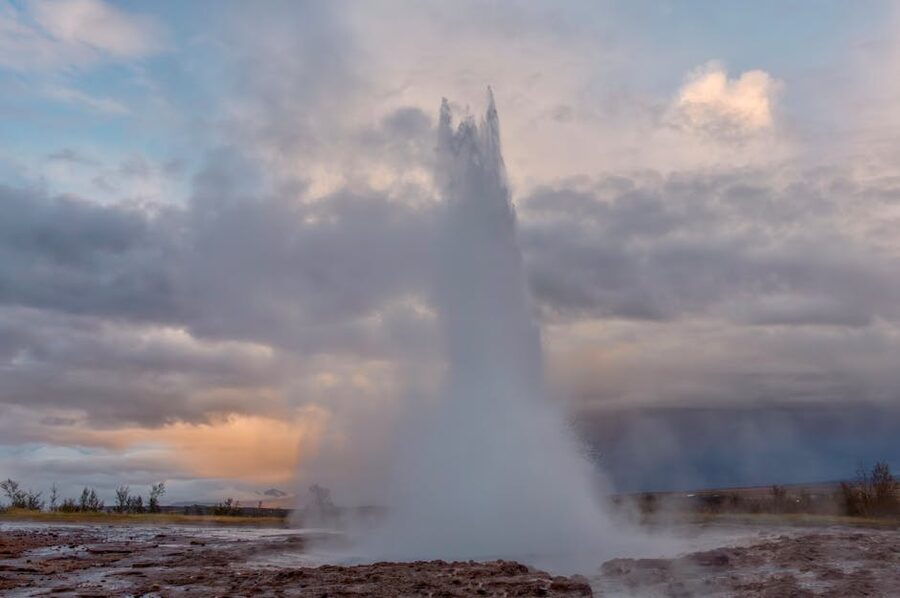
The trick is to watch the pool, not the sky. About two seconds before an eruption the surface goes completely still, then a dome, roughly the size of a coffee table, rises in the middle. That’s your cue. Press record, count to two, and you’ll catch the column. The crowd around you will jump every time because they forgot it was about to go off.
The cafeteria across the road at Geysir is the standard tour-bus lunch stop. The lamb soup is good, the coffee is fine, and the queue is long when three coaches arrive at once. If you’re on a small-group tour you’ll usually stop somewhere quieter, Friðheimar tomato farm is a popular alternative, and worth the upgrade if you can find it on the itinerary.
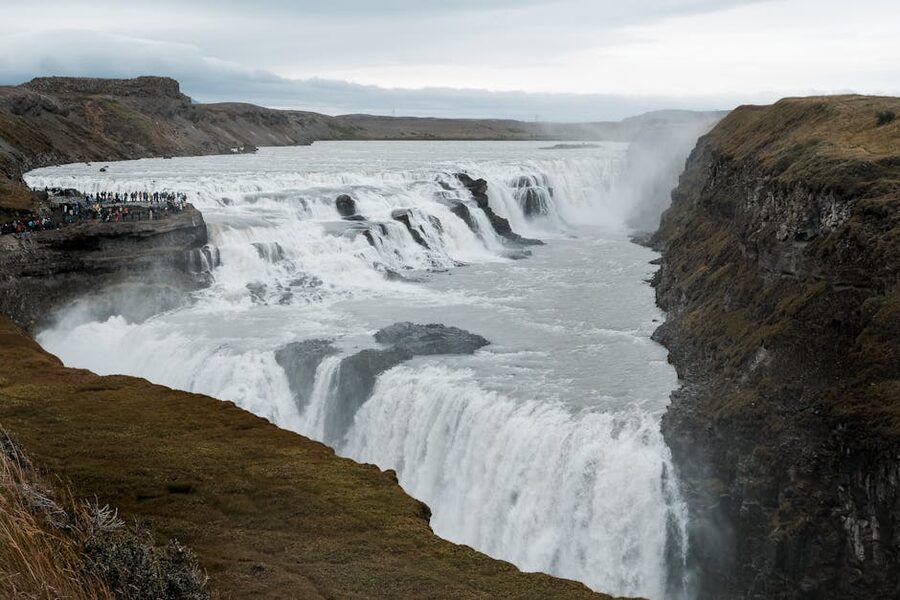
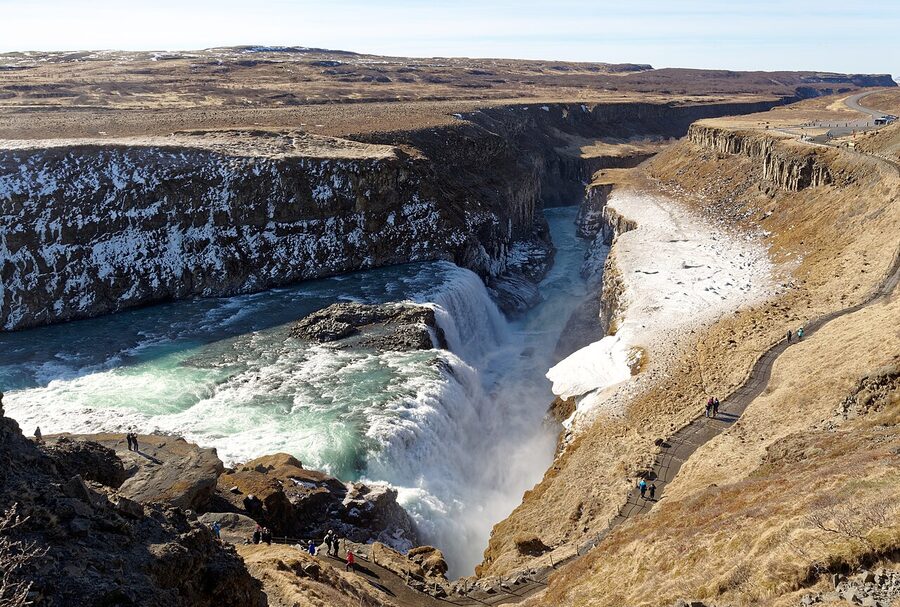
Gullfoss is the third stop, 10 minutes further on. The Hvítá river drops 32 metres in two stages, first 11, then 21, into a perpendicular canyon. There are two viewpoints: an upper one with a big car park and the cafe, and a lower platform reached by a steep staircase. Most tours give you 30 to 40 minutes. I’d split it: 10 minutes upper, 15 minutes lower, and 5 minutes wandering around the visitor centre, which has a small exhibit about Sigríður Tómasdóttir, the farmer’s daughter who walked to Reykjavik in the 1900s to stop the falls being turned into a hydroelectric scheme.
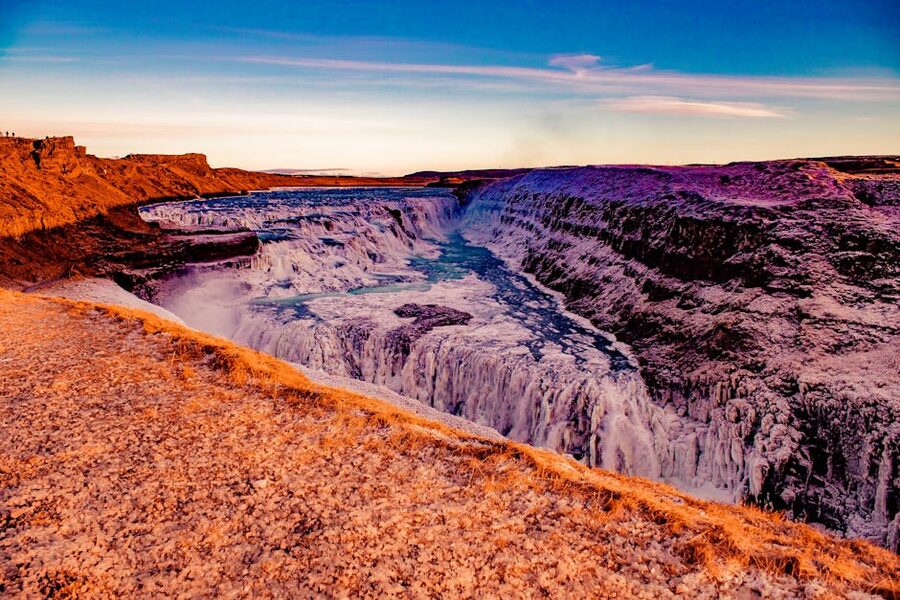
Bring a waterproof. The spray at the lower viewpoint is constant and wets whatever side of you is facing the falls. In winter the lower path closes if it ices over, check the signs at the top and don’t push it.
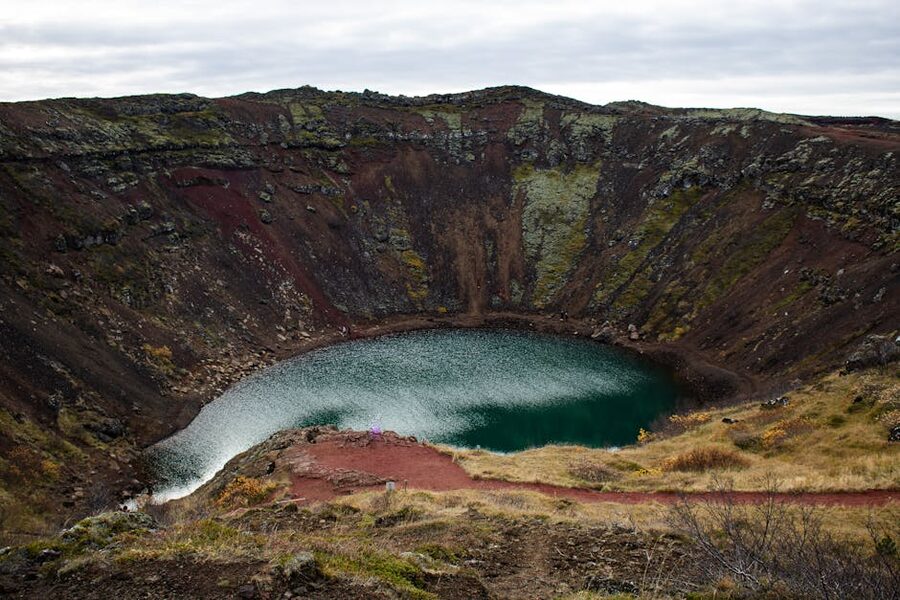
Some operators tack on a fourth stop, the Kerið crater lake near Selfoss, or a soak at the Secret Lagoon (Gamla Laugin) at Flúðir. Kerið costs 600 ISK extra at the gate; the Secret Lagoon costs around 3,800 ISK and adds an hour to the trip. Neither is essential, but if you’re choosing between two otherwise identical Golden Circle tours, the one that includes a hot-pot stop is the better deal.
For booking, the budget option is Reykjavik Excursions or Gray Line, large coaches, predictable, fine. Step up to Bus Travel Iceland or Iceland Horizon for a 16-seater minibus and a more personal day. You can also book the same coach tours via Viator, GetYourGuide, or Guide to Iceland, and the platform usually has the same price as the operator’s own site.
South Coast: the day that pays you back
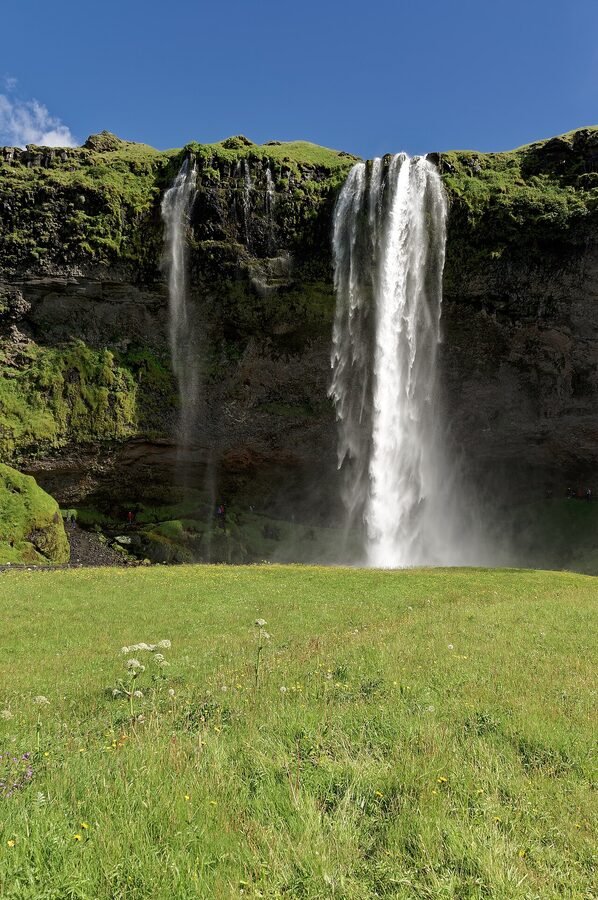
If you only have time for one day tour, this is the one I’d pick. The South Coast loop runs east from Reykjavik along Route 1, past Seljalandsfoss and Skógafoss waterfalls, out to the black sand beach at Reynisfjara and the village of Vík í Mýrdal, then back. Most coach versions are 10 to 11 hours. You drive about 360 kilometres total. You see more landscape variety than anywhere else within day-trip range.
The first stop, about 90 minutes from Reykjavik, is Seljalandsfoss. It’s a 60-metre waterfall that you can walk behind via a footpath, one of the few in the world where this is genuinely possible. The catch is that you will get soaked. The spray is constant and the path is slippery. Bring a proper rain jacket, not a hoodie, and ideally waterproof trousers. In winter the path is often closed because of ice, and you view the falls from the front only.
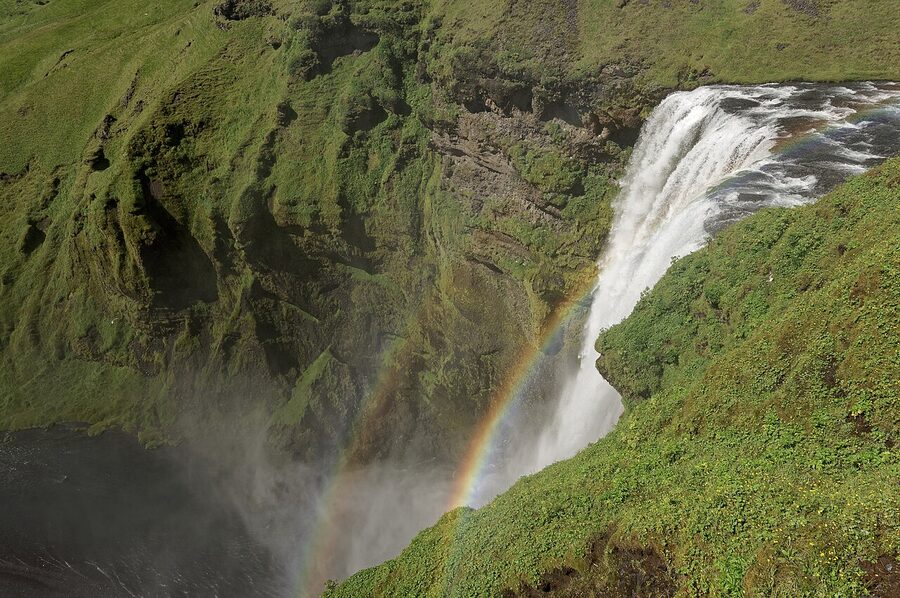
Skógafoss, 30 minutes further east, is the more powerful of the two. It’s 60 metres tall and 25 metres wide, with a permanent rainbow on sunny afternoons because of the spray angle. There’s a wooden staircase up the right side to a viewing platform on top, 530 steps, and the queue gets backed up in summer. If your tour gives you only 30 minutes here, skip the climb and walk straight to the base instead. The view from underneath is the better one anyway.
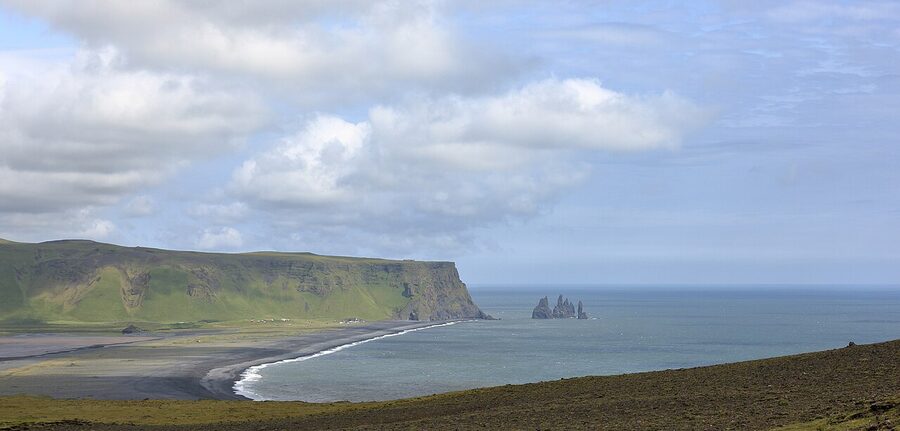
Reynisfjara is the famous black sand beach. Hexagonal basalt columns at one end, sea stacks called Reynisdrangar offshore, and waves that come in much further up the beach than they look like they should. People have died here. Every year. The sneaker waves are unpredictable and the undertow is brutal. If your guide says stay 30 metres back from the waterline, stay 30 metres back. There’s a traffic-light system at the entrance, green, amber, red, that tells you the day’s wave risk. Don’t ignore it.
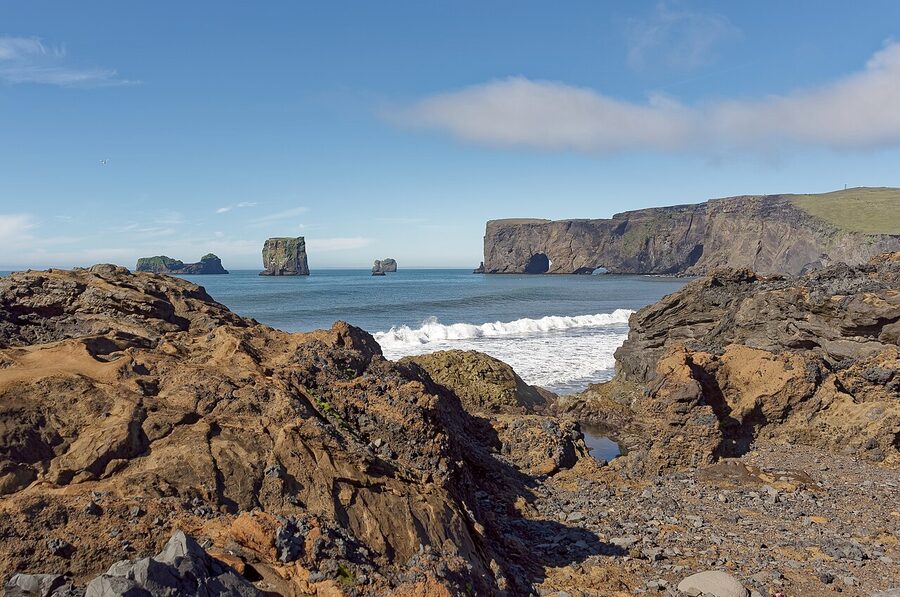
Some longer tours add Dyrhólaey, the rock arch peninsula 10 minutes west of Vík, with views back along the south coast and a small lighthouse on top. The road to the upper viewpoint is closed during the puffin nesting season from mid-May to late June. The lower car park stays open and gives you the arch from the side.

Vík itself is the lunch stop on most coach tours. Population about 750. The white church on the hill is Víkurkirkja and is supposedly the only structure in the village that would survive a Katla eruption, which is the kind of thing locals say cheerfully, and which is half true. The two best lunch options are Soup Company (the lamb soup is genuinely good for around 2,500 ISK) and the Black Beach Restaurant out at the basalt columns themselves.
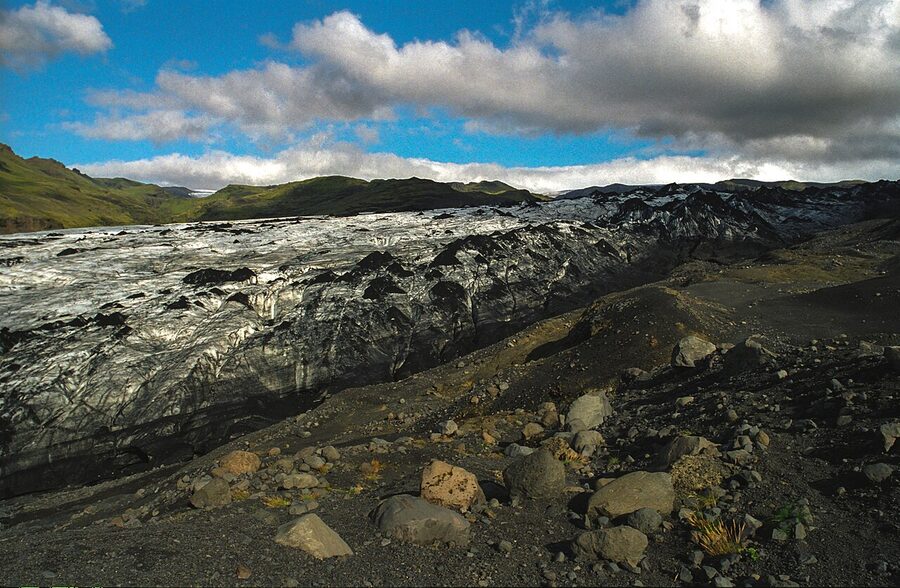
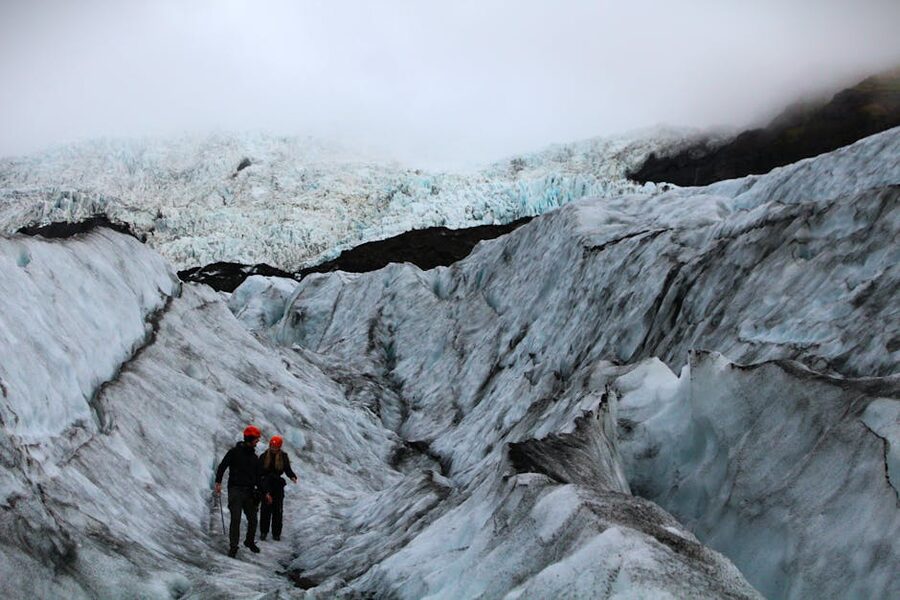
If you want a glacier hike on the same day, the South Coast tours that include Sólheimajökull are the ones to look at. Sólheimajökull is the most accessible glacier in the country, 10-minute walk from the car park, gentle gradient, suitable for anyone in reasonable shape, and it’s a working hike with crampons and ice axes that ends at a moulin or a crevasse depending on the season. Add about 90 minutes and 10,000 to 14,000 ISK to a standard South Coast tour to include it. Worth it.
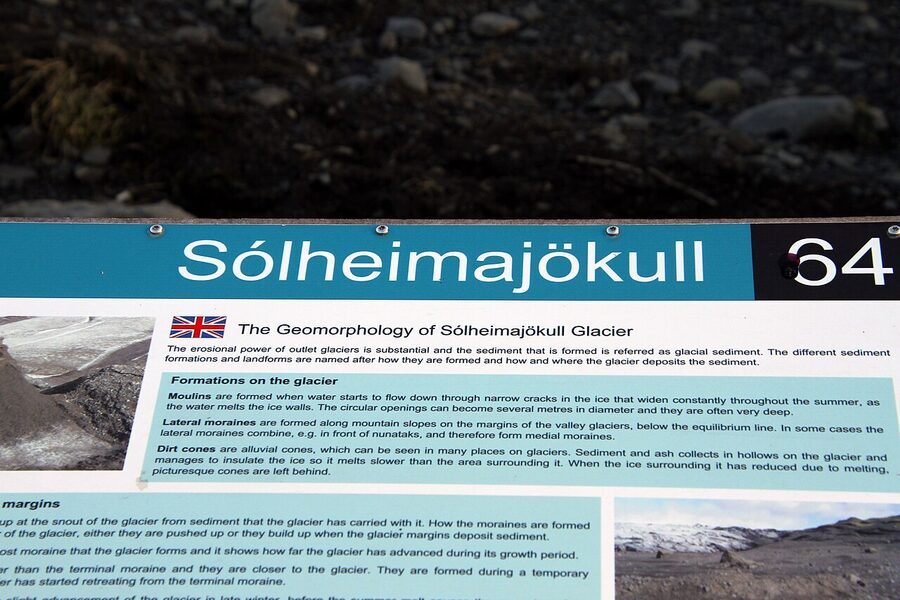
For booking, the south-coast specialist is Reykjavik Excursions for the standard tour. For the South Coast plus glacier hike combo, look at the day-trip operators who run their own glacier guiding, Midgard Adventure (small-group, very good), Iceland Horizon, or the bigger operators like Bus Travel. Our glacier tour guide goes deeper into the glacier-hike options if you want to make that the centrepiece of the trip.
Snæfellsnes: the mini Iceland day
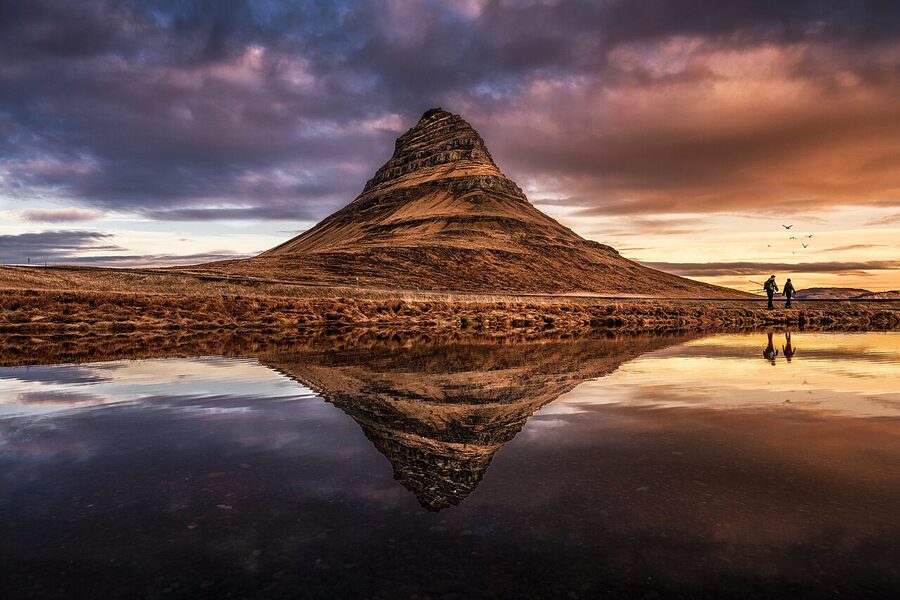
Snæfellsnes is the long peninsula that sticks out into the Atlantic about two hours north of Reykjavik. Locals call it “lítil Ísland”, little Iceland, because it has, in roughly 90 kilometres of coastline, a glacier-topped volcano, basalt sea cliffs, a black church on a lava field, two black beaches with shipwreck remains, lava tubes, fishing villages, and the most-photographed mountain in the country. You can do the loop as a day tour from Reykjavik. It’s a long day. It’s worth it.
The route runs north on Route 1, then west along Route 54 around the peninsula, and back the same way. Coach tours are 11 to 12 hours. Small-group minibuses run closer to 13 because they stop at more spots. If you have only one day to spare and you’ve already done the Golden Circle, this is the better trip. If you’re choosing between this and the South Coast on a first visit, pick South Coast. Snæfellsnes is the trip you do on the second visit, or the second day.
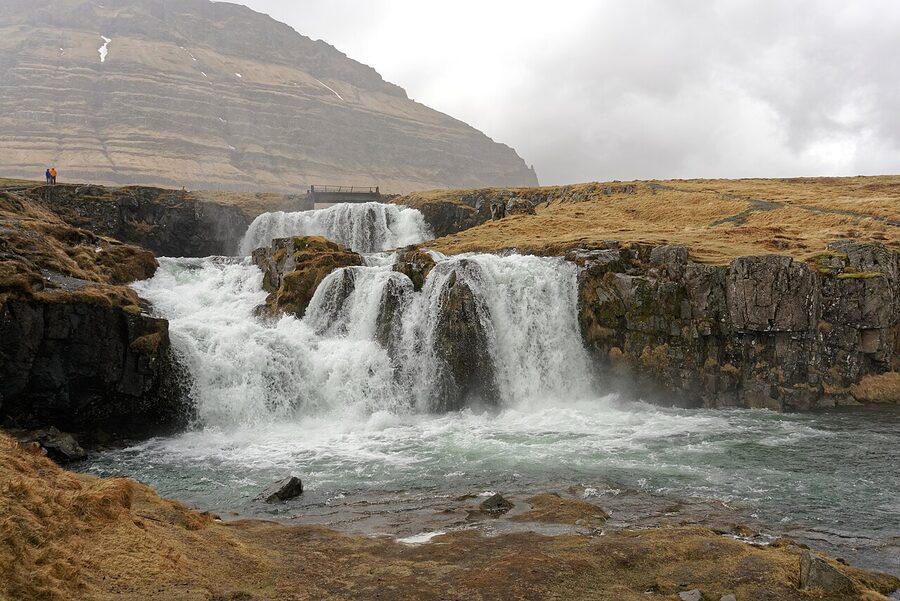
Kirkjufell is the famous one. A 463-metre cone-shaped peak that Game of Thrones called Arrowhead Mountain in seasons 6 and 7. The classic photograph is taken from across the road at Kirkjufellsfoss, framing the mountain through the small waterfall. In summer this car park is full from 9 a.m. to 6 p.m. and you’ll be sharing the shot with thirty other people. In winter, the falls partially freeze and the parking is half-empty and the photo is better.
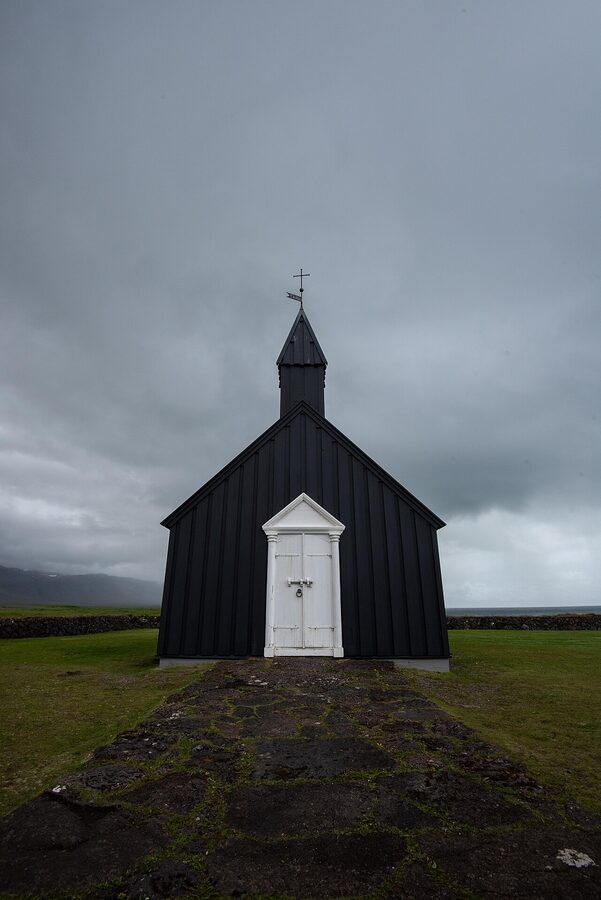
Búðakirkja is the small black wooden church that sits alone on a lava field on the south side of the peninsula. It’s been rebuilt twice, the current one is from 1987, and the cemetery around it is still in use. The church is locked except for services, but you can walk the perimeter and the path through the lava behind it. Most coach tours stop here for 20 minutes. Take the time.
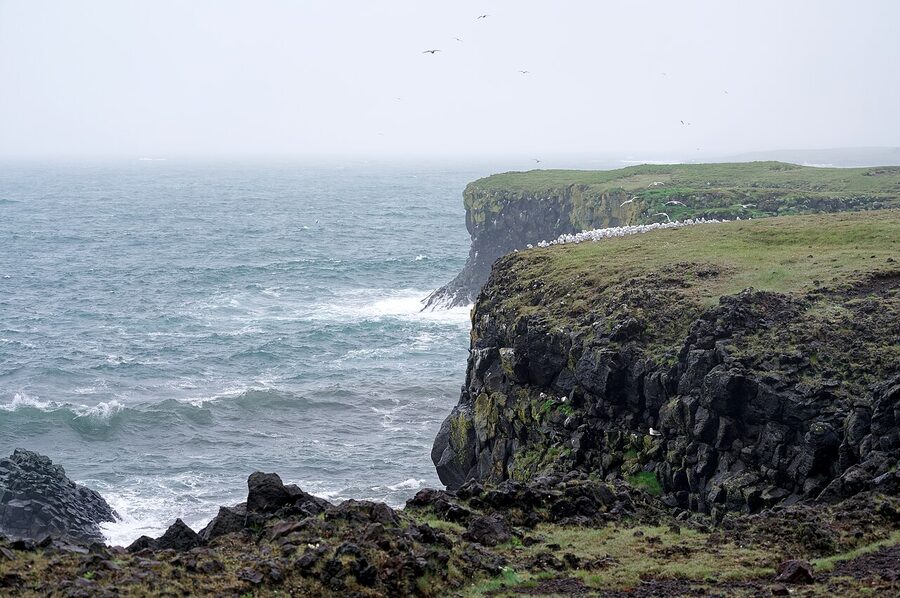
Arnarstapi is the small fishing harbour with the spectacular sea cliffs and the Bárður Snæfellsás stone statue. There’s a 2.5-kilometre coastal path from Arnarstapi to Hellnar that runs along the cliff top and through arches and blowholes. It’s one of the better short walks in Iceland. Most coach tours don’t have time. If you can find a Snæfellsnes tour that includes the Arnarstapi-to-Hellnar walk in its itinerary, that’s the one to book.
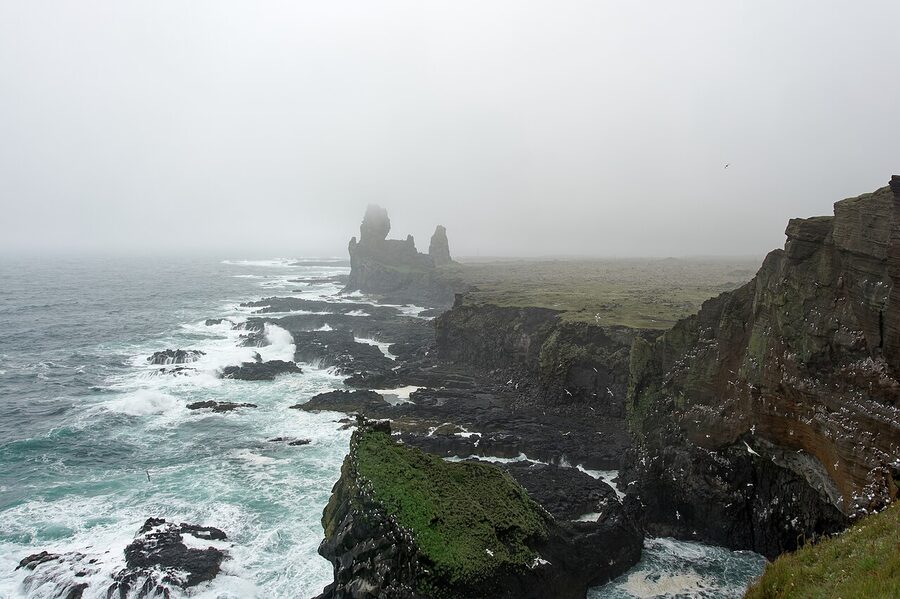
Lóndrangar is the next stop heading west, two basalt sea stacks rising out of a lava field. The taller one is 75 metres. Local folklore says they’re an elf church and an elf library; you can spot them from the road and there’s a short marked path to a viewing platform. Five-minute stop on most tours.
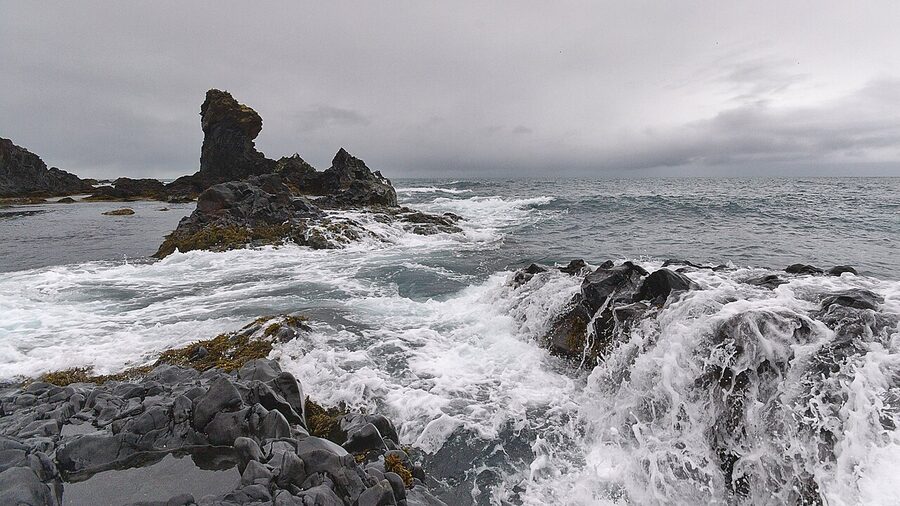
Djúpalónssandur is the black pebble beach near the western tip. Walk down the path from the car park and you’ll see four lifting stones in the sand, Fullsterkur (full-strong, 154 kg), Hálfsterkur (half-strong, 100 kg), Hálfdrættingur (weakling, 54 kg), and Amlóði (useless, 23 kg). They were used to test fishermen, if you couldn’t lift the half-strong, you didn’t get a job on the boats. The rusted iron strewn through the lava further down is wreckage from the British trawler Epine GY7, which went aground here in 1948 with the loss of 14 men. The wreckage is a protected monument. Don’t take any.
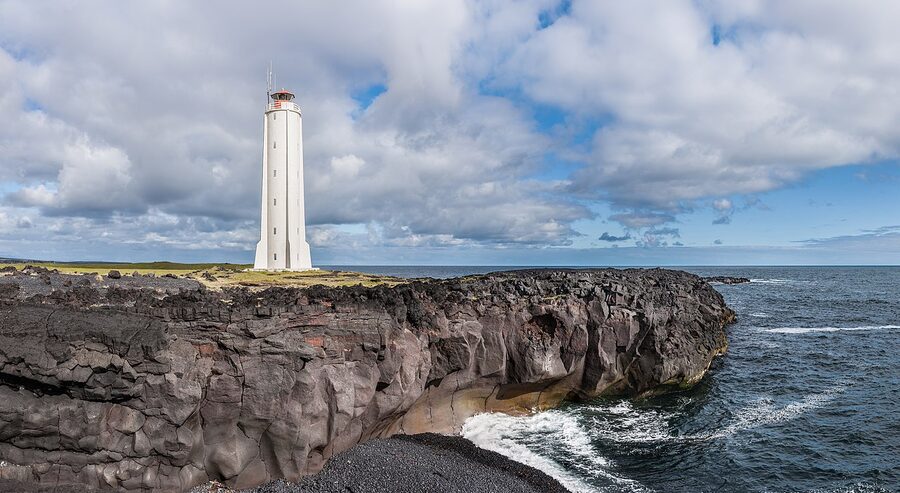
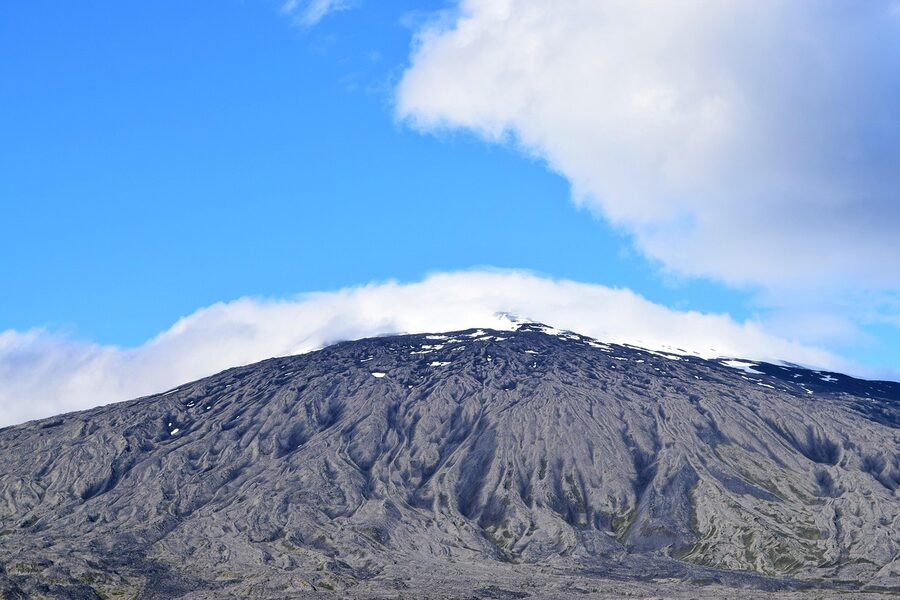
Snæfellsjökull is the glacier-topped volcano at the tip of the peninsula and the reason Jules Verne set Journey to the Centre of the Earth here. It’s 1,446 metres, last erupted around 200 AD, and on clear days you can see it from Reykjavik 120 kilometres away. Coach tours don’t drive up to the glacier, you’d need a super jeep, but they do stop at Vatnshellir lava cave for an underground tour, which is one of the better optional add-ons (around 5,000 ISK extra, helmet and torch supplied).
For booking Snæfellsnes day tours, the small-group minibus options give you a noticeably better day than the big coaches. Bus Travel Iceland runs a good Snæfellsnes minibus tour. Iceland Horizon does too. Both are around 18,000 to 24,000 ISK depending on the season and inclusions. The standard coach versions from Reykjavik Excursions and Gray Line work but you’ll feel the size of the group at every stop.
Whales, puffins, and the boats from the old harbour
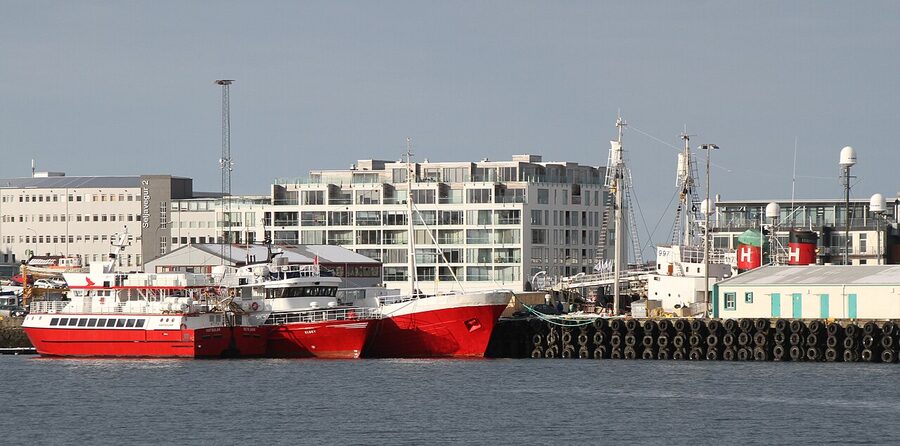
The boat tours out of Reykjavik old harbour are the half-day trips you do when you’ve got a morning or an afternoon free, not a full day. Whale watching is the headline. Puffin tours run alongside it. Both leave from the same wooden piers at Ægisgarður and Geirsgata.
Whale watching from Reykjavik runs all year. The boat takes you out into Faxaflói Bay, about 45 minutes’ sail, and you spend roughly 90 minutes searching for and watching whatever is in the area. The realistic sighting rates: minke whales are common from May to August, harbour porpoises year-round, white-beaked dolphins year-round, humpbacks frequent in summer, and orcas occasional. Most operators offer a “see-it-again” voucher if you don’t see a whale on your trip, valid for two years.
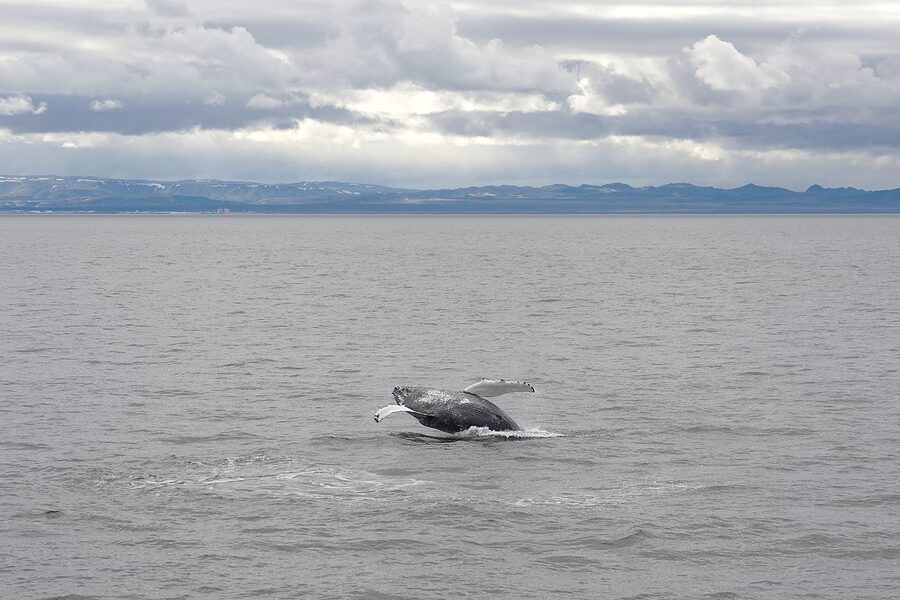
Two operators dominate. Elding is the original and the biggest, they were the first commercial whale-watching operator in Iceland, started in 1995, and they’re a member of IceWhale’s responsible whale-watching certification. Their main tour runs three times a day in summer and twice in winter. Special Tours is the other one, they run the smaller, faster RIB boats out of the same harbour, which means more time at the whales and less time getting there, but you’re outside in the weather rather than in a heated cabin. Pick the cabin boat for winter, the RIB for summer.
Standard whale-watching tour runs around 11,990 to 13,990 ISK with Elding, slightly more for the RIB. Tours last about 3 hours door to door. The boat goes regardless of which ticket tier you bought, the difference is mostly the size of the boat and the snacks.
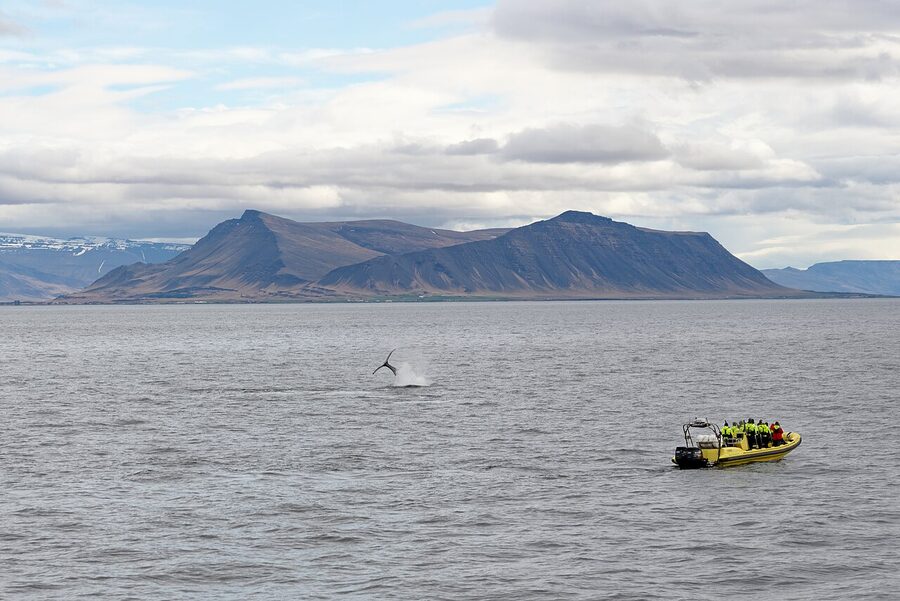
Take the seasickness pills. I mean it. Even on a calm day in port, the swell out at Faxaflói will catch some people. Boat operators sell pills at the check-in counter. Take one 30 minutes before boarding. If you’re prone to seasickness, take it 60 minutes before.
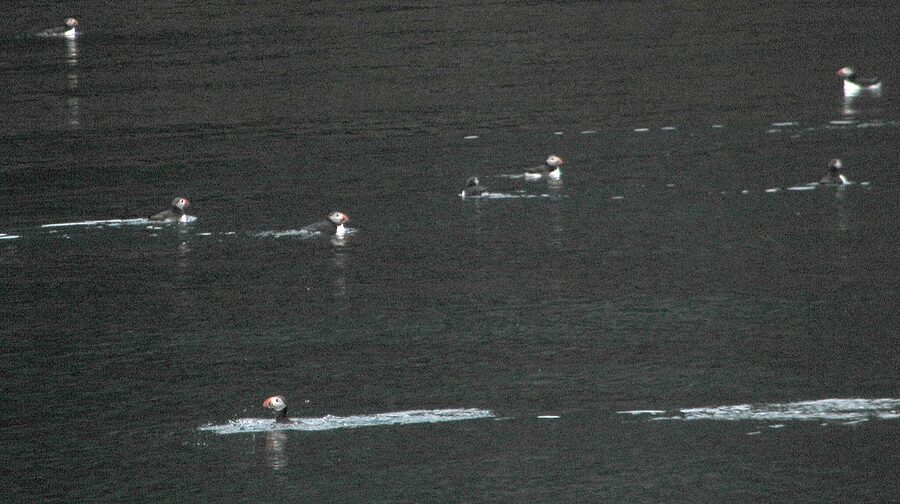
Puffin tours are short, 60 to 90 minutes, and only run from mid-May to mid-August when the puffins are at their nesting cliffs. The Reykjavik versions take you to Akurey and Lundey, two small islands ten minutes out of the harbour. You watch from the boat at a respectful distance. The boats don’t land. Around 7,500 to 9,000 ISK. If you’re serious about puffins and have a full day, skip this and go to Heimaey on the ferry instead, that’s the world’s largest puffin colony and you can watch them from the cliffs at a metre’s distance.
The Westman Islands ferry day
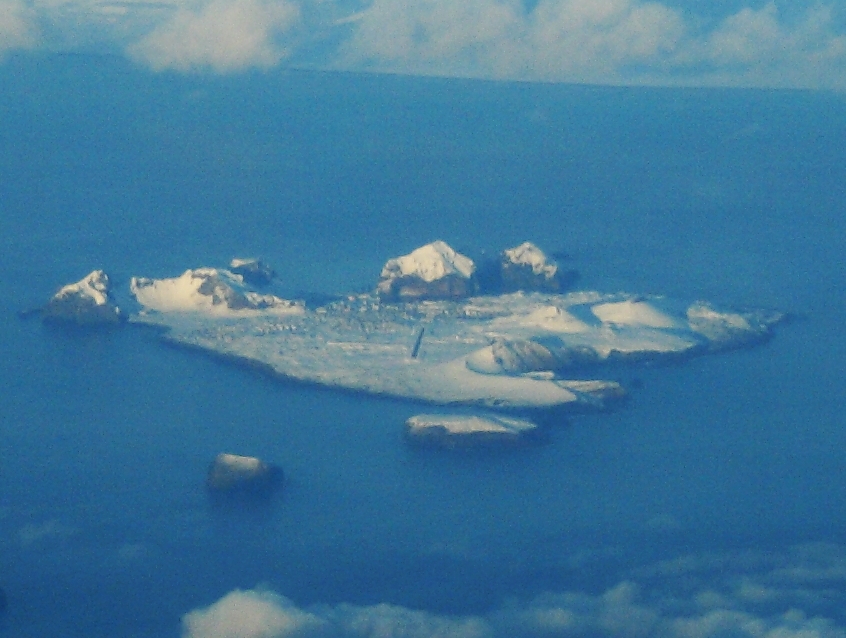
The Westman Islands, Vestmannaeyjar, sit 11 kilometres off the south coast of Iceland. Heimaey is the only inhabited one. You can do a day trip from Reykjavik to Heimaey via the Herjólfur ferry from Landeyjahöfn. The day works like this: drive (or take a tour bus) from Reykjavik to Landeyjahöfn (about 2 hours), 35-minute ferry crossing to Heimaey, 5 to 6 hours on the island, ferry back, drive home. It’s a 13-hour day. Long, but the island is worth it.
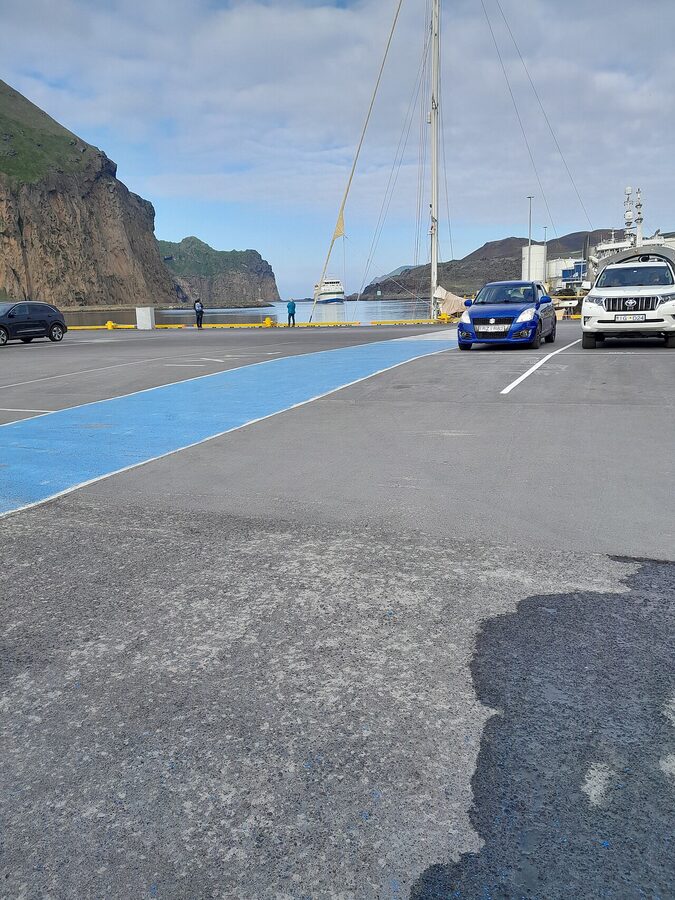
Book the ferry directly with Herjólfur. It’s the official operator. A foot passenger return ticket is around 3,360 ISK; if you take a car it’s significantly more, around 6,300 ISK return for the vehicle plus passenger fares. The crossing is 35 minutes from Landeyjahöfn in summer; in rough weather or when the harbour silts up (which it does, sand is the enemy), the ferry diverts to Þorlákshöfn instead, which makes the crossing 3 hours and the day genuinely brutal. Check the sailing schedule the morning of your trip.
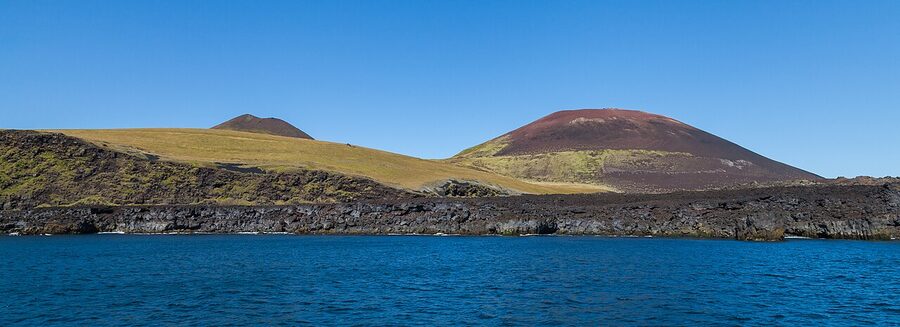
Heimaey was the site of one of the most dramatic volcanic events in Iceland’s modern history. On 23 January 1973, with no warning, a fissure opened on the eastern side of the island. Eldfell, which means “fire mountain”, erupted for five months, destroyed about a third of the town, and would have closed the harbour for good if locals hadn’t pumped seawater onto the lava flow for weeks to slow it. They saved the harbour. The town rebuilt. Eldfell is now a 200-metre cinder cone you can climb in 30 minutes from the trailhead at Helgafellsbraut.
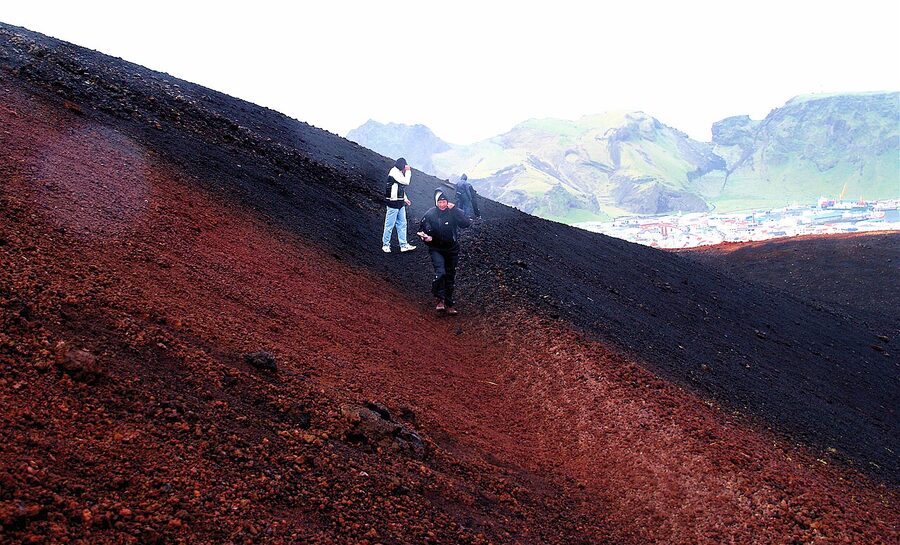
The ground on Eldfell is still warm in the upper third. Locals used to bake bread in it. The walk up is on loose volcanic gravel, slow but manageable, and the view from the rim takes in the harbour, the lava flow, the new land that didn’t exist before 1973, and Surtsey out on the horizon (the island that grew from the sea floor in 1963 and is closed to all visitors).
Eldheimar is the museum at the foot of the volcano. It’s built around a single house excavated from the ash, the Pompeii of the North, which is exactly how it looks. You can see the kitchen calendar still on the wall from January 1973. Worth the 2,500 ISK entry. Allow an hour.
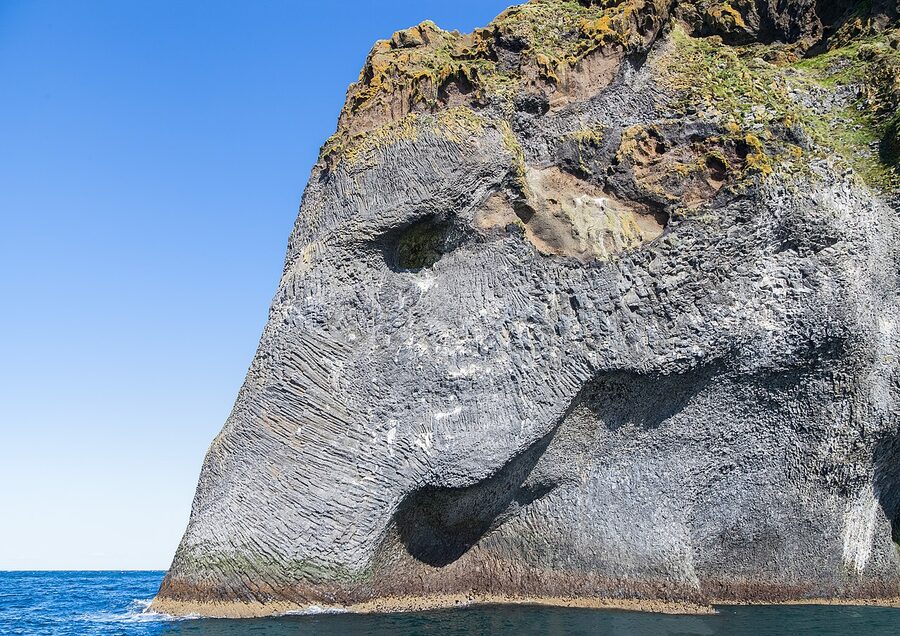
The puffins are the other reason to come. Heimaey hosts the world’s largest Atlantic puffin colony, about 1.1 million pairs, and the cliffs at Stórhöfði on the south end of the island are the easiest place in Iceland to see them. Walk up to the lookout from the road end, sit quietly, and they’ll come within a metre. The viewing season is mid-May to mid-August. Outside that, they’re at sea.
Inside the Volcano: a half-day in the magma chamber
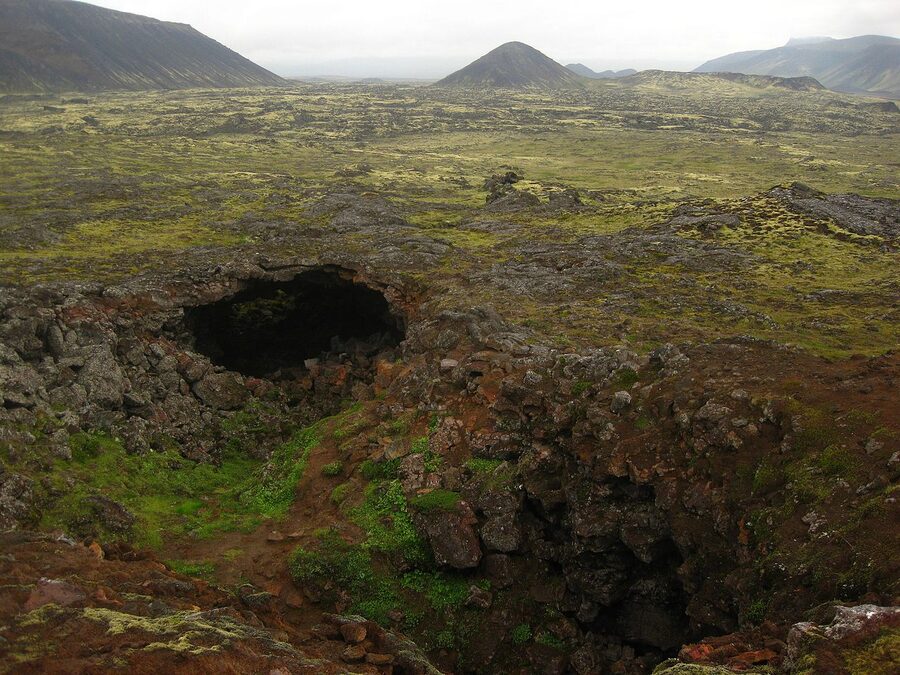
This is the strangest day tour available in Iceland and the one that gets booked out months in advance. Þríhnúkagígur is a small dormant volcano in the Bláfjöll mountains, 30 minutes south of Reykjavik. It last erupted around 4,500 years ago, and when it stopped, instead of the magma chamber collapsing or filling with rock the way most do, it drained completely. What’s left is a cathedral-sized cavity 200 metres straight down into the earth. Inside the Volcano runs the only tour in the world that lowers visitors into a dormant magma chamber.
The day works like this: meet at insidethevolcano.com‘s base camp at Bláfjallavegur, get fitted with helmets and harnesses, hike 45 minutes across the lava field to the crater, then ride an open-cage construction lift down 120 metres into the chamber. You spend 30 minutes inside, walking on the floor, looking up at the multicoloured walls, red, green, ochre, black, all from mineral oxidation. Then back up the lift, hike back across the lava, and you’re back at base camp. Total tour time is 5 to 6 hours.
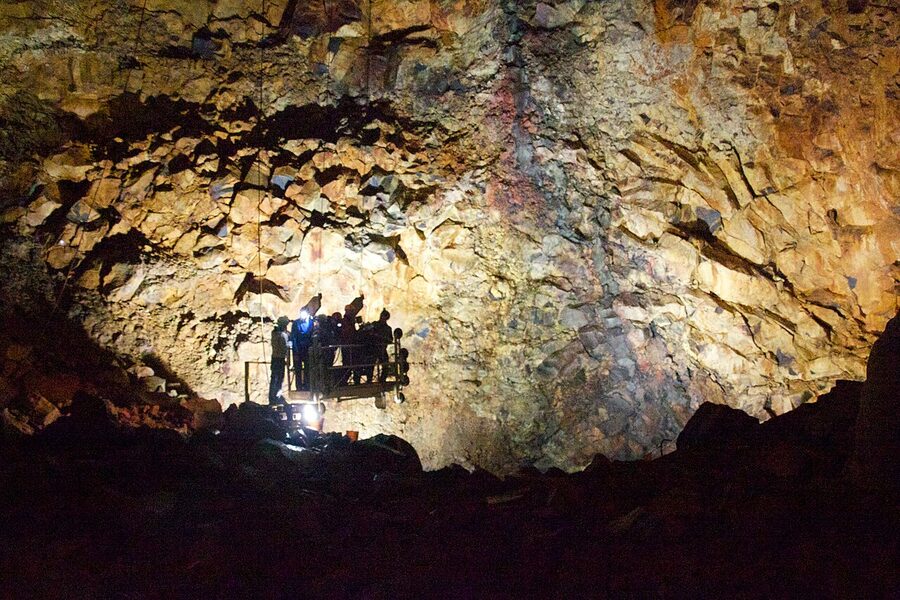
It is not cheap. The current price is around 56,000 ISK per person. It only runs from May to October, the lift can’t operate in winter. You need to be physically fit enough for the 90-minute round-trip hike, in any weather, including horizontal rain. There’s a minimum age of 12. And if the weather is bad enough they’ll cancel, they do not lower people in lightning. They will refund or rebook.
Is it worth 56,000 ISK? Yes. There’s nothing else like it on earth. If your trip falls in the season and you can afford one big-ticket experience, this is the one I’d pick over a helicopter or a glacier expedition. Book early, the cap is around 100 people per day and summer fills up two months ahead.
Glaciers, snowmobiles, and the Into the Glacier ice tunnel
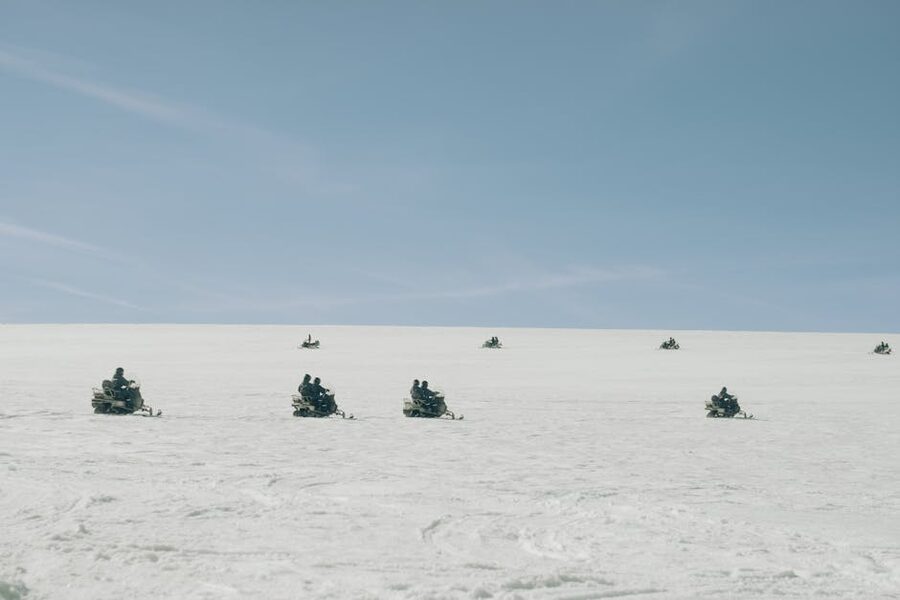
Iceland has three glaciers within day-trip range of Reykjavik that you can do something on: Sólheimajökull (south coast, 2 hours away, glacier hiking), Langjökull (90 minutes north, snowmobiling and the ice tunnel), and Vatnajökull (the big one, 5 hours east, day-trip range only in summer with a long bus). The first two are sensible day tours. The third is a stretch.
Snowmobile day tours run on Langjökull year-round. The standard package is a hotel pickup at 8 a.m., drive 90 minutes north to either the Klaki base near Húsafell or the Gullfoss area, transfer onto a modified glacier truck for the 30-minute climb up onto the ice, then 60 to 90 minutes on the snowmobiles. Two riders per machine, you swap halfway. Helmets, overalls, and gloves are supplied. Wear long thermals underneath; the wind on top of Langjökull is brutal even in July. Total day is 9 to 10 hours. Around 32,000 to 38,000 ISK.
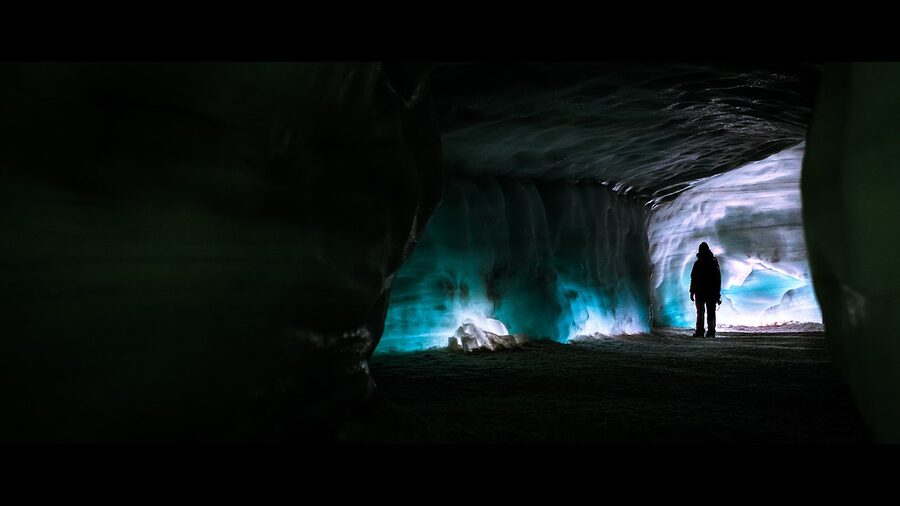
Into the Glacier is the other Langjökull option, a man-made ice tunnel system carved into the glacier itself. You ride up on a converted military truck called Sleipnir, walk 500 metres of tunnels and chambers carved into 800-year-old ice, see the small chapel at the back (used for weddings, genuinely), and ride back. It’s a more relaxed day than snowmobiling, no riding skills needed, no extreme cold. Standard day tours from Reykjavik run around 31,000 ISK and take 10 to 11 hours. Into the Glacier is the official operator.
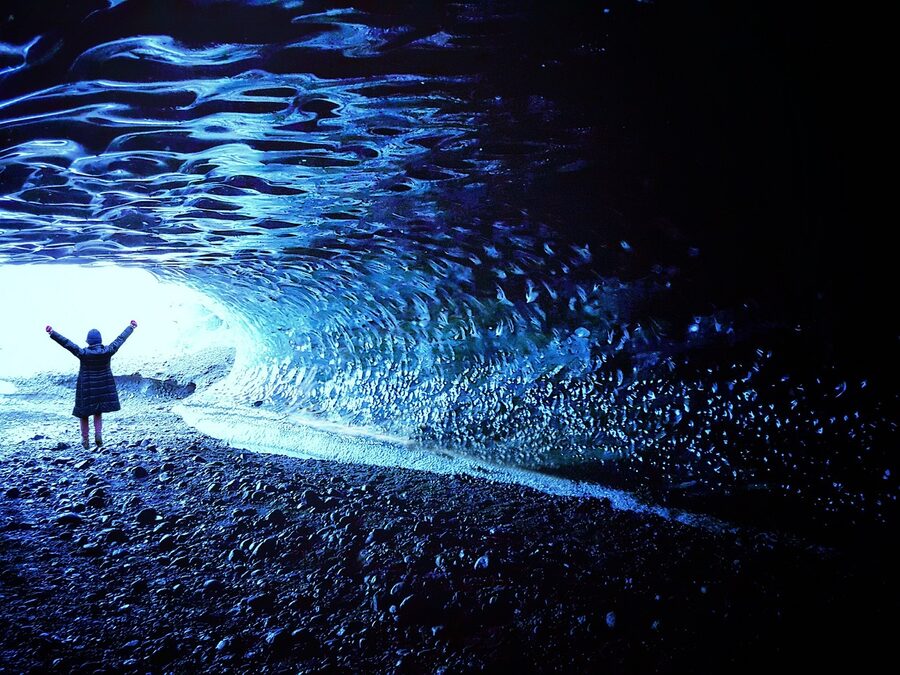
For natural ice caves, the famously blue ones, Vatnajökull is the place. Day tours from Reykjavik to a natural blue ice cave under Vatnajökull are technically possible in winter (November to March only) but the day is 14 hours, half of it on a coach, and you only get an hour at the cave. I’d not do this as a day tour. If a natural ice cave is the centrepiece of your trip, do an overnight in Vík or Höfn instead and book a half-day cave tour from there. Katla Ice Cave on Mýrdalsjökull is the day-trip-friendly alternative, accessible from Vík by super jeep, 4 hours, around 24,000 ISK with Arctic Adventures.
Northern lights hunts in winter
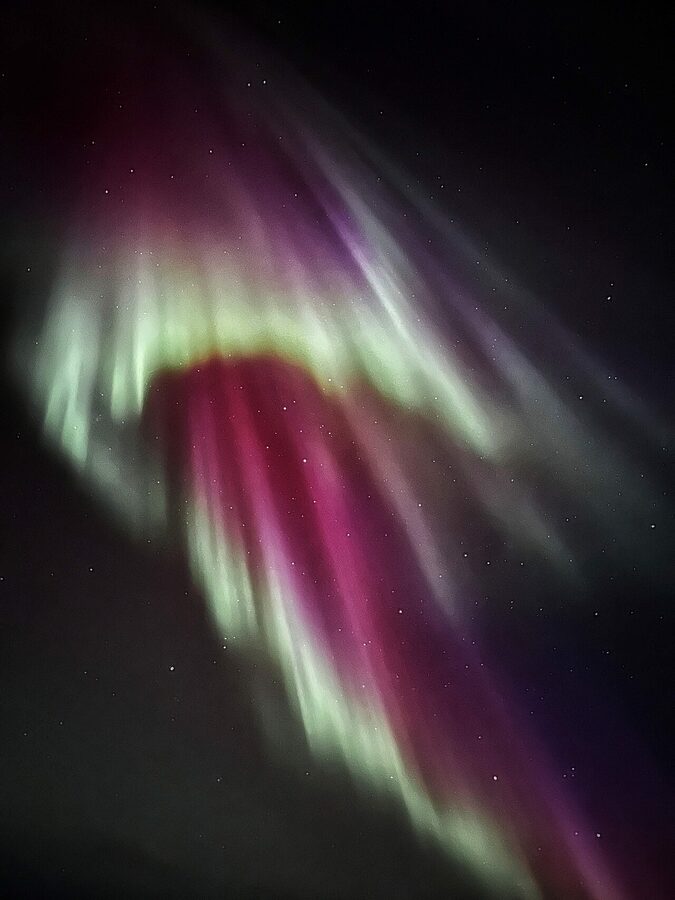
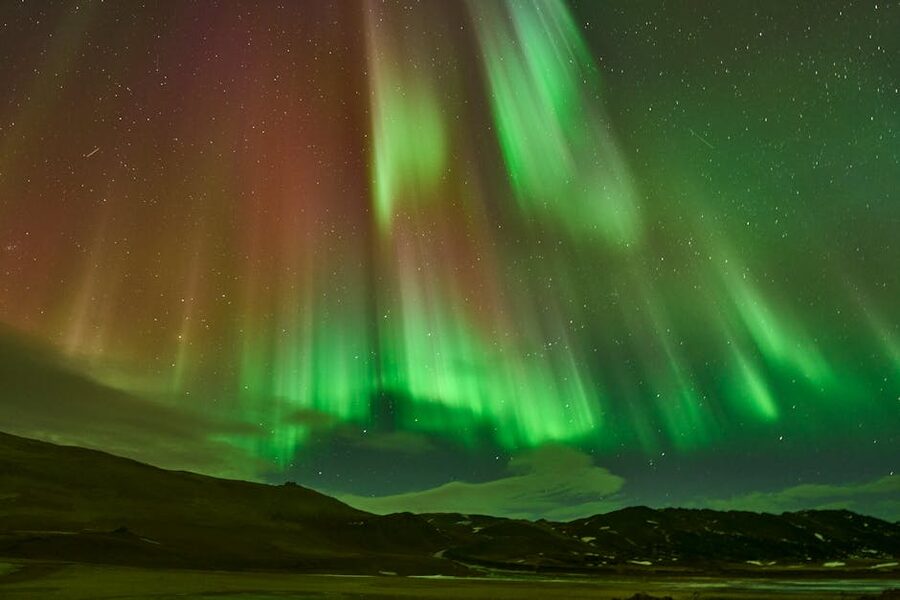
Aurora hunts are evening tours, not day tours, but they fit naturally on the same day as a Golden Circle or a half-day activity. They run from late September to mid-April. The format is consistent: hotel pickup around 8 to 9 p.m., 1 to 2 hours’ drive to wherever the cloud cover is thinnest that night, 1 to 2 hours of standing in a field looking up, drive back, drop-off at hotel by 1 a.m. Around 11,000 to 14,000 ISK.
Two things to know. First, the aurora is not a sure thing. Cloud cover, the KP index, and luck all matter. A reasonable hit rate for a single tour is around 50 to 60 percent in the peak winter months. If you book one and don’t see anything, every reputable operator gives you a free re-try on a different night during your stay. Use it.
Second, check the forecast yourself before booking. The Icelandic Met Office runs an aurora forecast at en.vedur.is/weather/forecasts/aurora that shows cloud cover, KP value, and a probability for each region. If the cloud cover is at 6/8 across the country and the KP is at 1, the tour will go but you won’t see anything. If the KP is at 4 and the south is clear, that’s a night to drop everything and go.
Reykjavik Excursions, Gray Line, Bus Travel Iceland and Special Tours all run northern lights coach tours. The smaller-group RIB-boat aurora tours from the old harbour (Special Tours runs one) are an interesting variant, you get away from city light by sailing two kilometres offshore, and the show on the water is something else if you get a clear night. Around 16,000 ISK.
Blue Lagoon, Sky Lagoon, and the lazy half-day
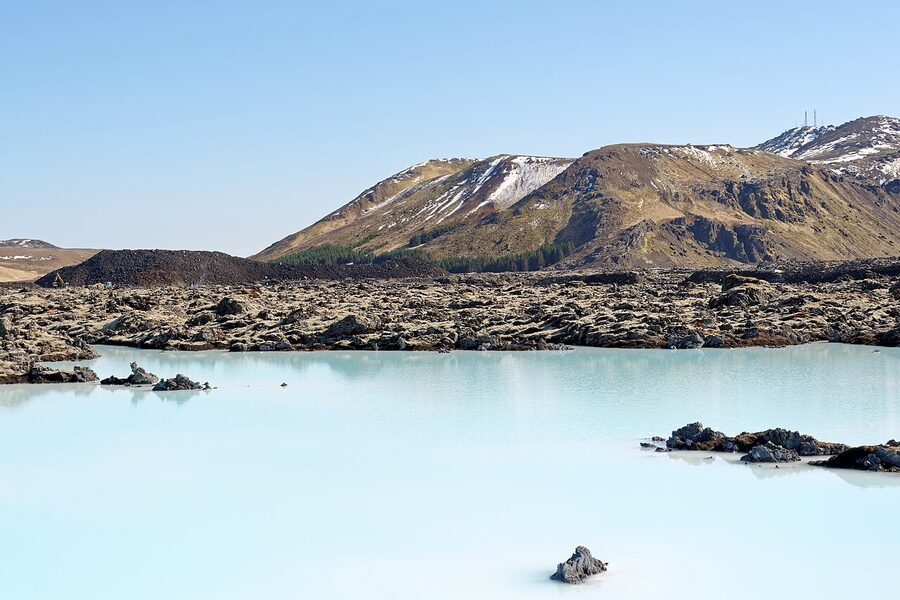
The Blue Lagoon and Sky Lagoon aren’t really day tours, they’re 3 to 4 hour visits with a transfer. But they’re sold as bookable day-tour packages, so they belong on this page. Both are geothermal spas. Both are in the Reykjavik area. The experience is genuinely good. They are not the same.
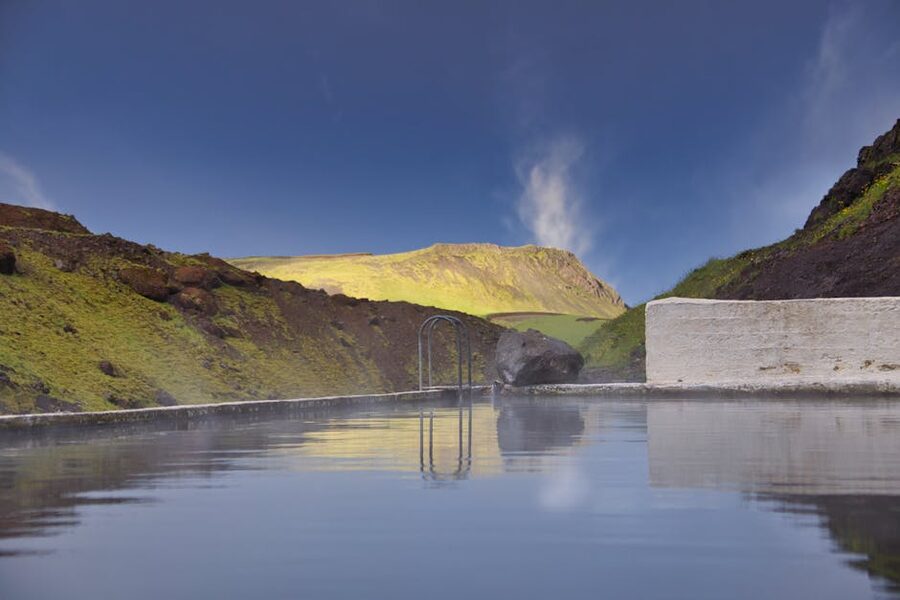
The Blue Lagoon is the original. It’s 50 minutes from central Reykjavik, on the Reykjanes peninsula near Grindavík and the Keflavík airport. The water is geothermal runoff from the Svartsengi power plant, a happy industrial accident that became Iceland’s most famous attraction. The Comfort entry ticket is around 13,990 ISK at the time of writing, though prices vary by time slot. Includes a silica mask, a drink, and a towel. Premium adds another mask and a robe. Add another 4,000 ISK each way for the round-trip transfer from BSÍ on the Destination Blue Lagoon shuttle, or the Reykjavik Excursions Blue Lagoon Round-Trip Transfer.
One practical note: the Reykjanes peninsula has been geologically active since 2021, with multiple eruptions at Sundhnúkur right next to the Blue Lagoon site. The lagoon has closed temporarily several times when eruptions came near. It always reopens within days or weeks. Check the operating status the day before your visit, and read our fire and ice tours guide for context on what’s happening at Reykjanes right now.
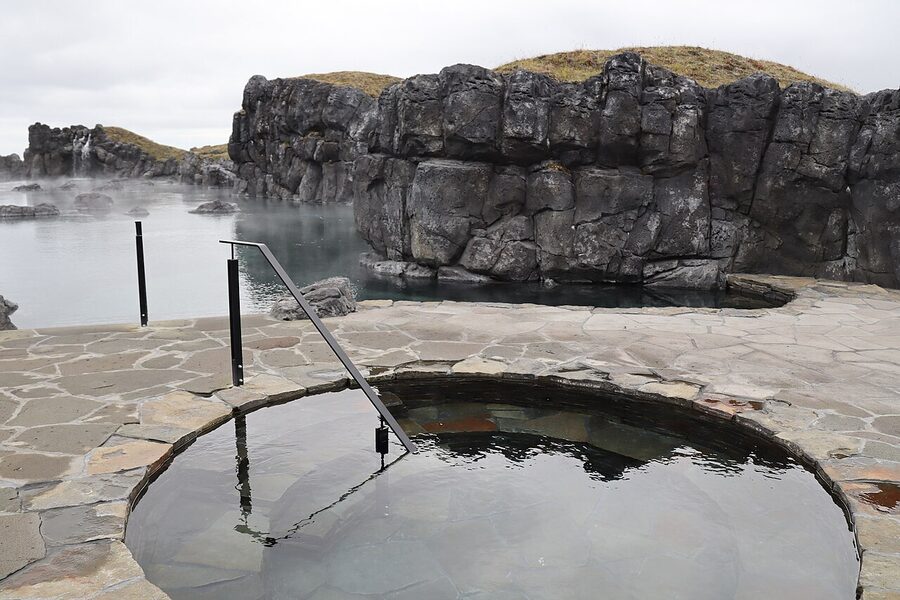
The Sky Lagoon is the newer one, in Kópavogur on the south side of Reykjavik, 15 minutes from downtown. The selling point is the infinity edge, the lagoon overlooks the bay, and on a clear evening you watch the sun set over the Atlantic from the warm water. The Pure entry is around 12,490 ISK and includes the seven-step Ritual: hot lagoon, cold plunge, sauna, cold mist, body scrub, steam room, and a shower. The Sér ticket adds a private changing room for around 16,990 ISK.
If you have only time for one, here’s the comparison. The Blue Lagoon is bigger, more iconic, the colour of the water is the photograph you came for. It’s also further out, more expensive, more crowded, and the eruption risk adds uncertainty. Sky Lagoon is smaller, closer, easier to fit into a city stay, and the cold plunge is the experience that stays with you. I’d pick Sky Lagoon for a first visit if you’re tight on time. Blue Lagoon if you’ve got a flight from Keflavík and want to do it on the way out, that’s the sensible airport hack.
The super jeeps, ATVs, and other “extras”
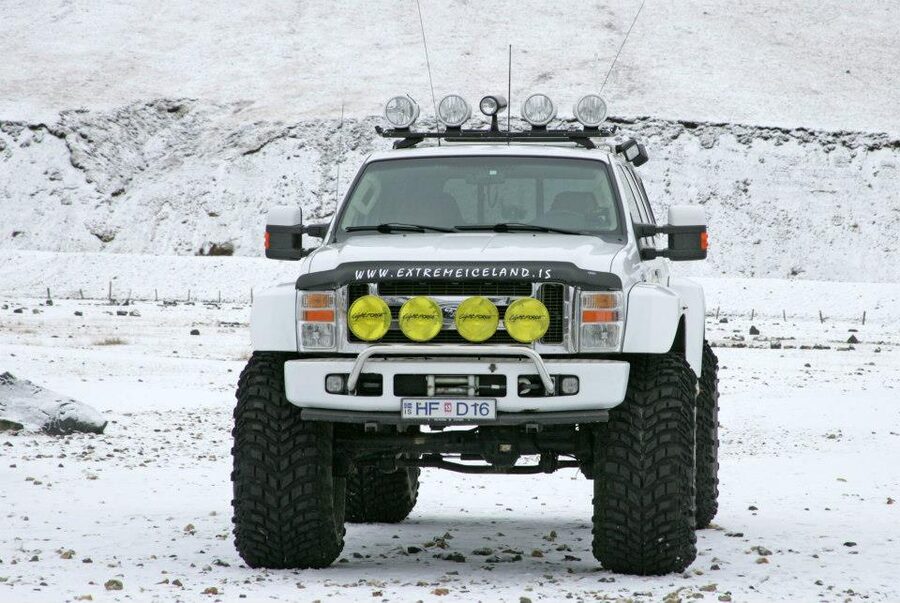
Super jeep tours use modified 4x4s, usually a Land Cruiser or a Defender on 38- to 44-inch tyres at low pressure, to access roads no normal vehicle can use. They run year-round and they’re the only way to do certain day trips: Þórsmörk valley in winter, the Landmannalaugar highlands in spring before the F-roads open to normal cars, the active volcano sites at Reykjanes when the road in is rough. A super jeep day tour is more expensive than a coach equivalent, typically 35,000 to 55,000 ISK, and it’s worth it for the access. The group is small, the driver is the guide, and the route changes constantly with the weather. Arctic Adventures and Troll Expeditions both run them. Mountaineers of Iceland are another good option for the more remote routes.
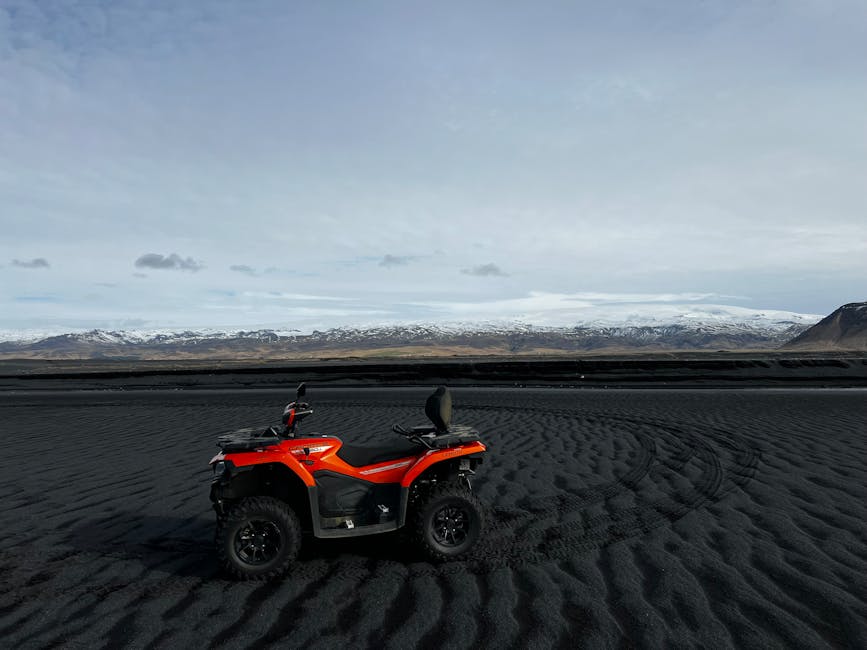
ATV (or “quad bike”) tours are the off-road version of the same idea. Most start from Reykjavik with a short drive out to Esja, the Reykjanes peninsula, or the south coast, and run for 1 to 3 hours on closed routes. You drive your own machine after a 10-minute briefing, your guide leads. They’re popular with families and groups. Around 15,000 ISK for a 1-hour Esja tour, more for the longer combos. If you’ve never ridden an ATV, the 1-hour version is great for the novelty. The 3-hour combo with the Golden Circle is the better value and the bigger day.
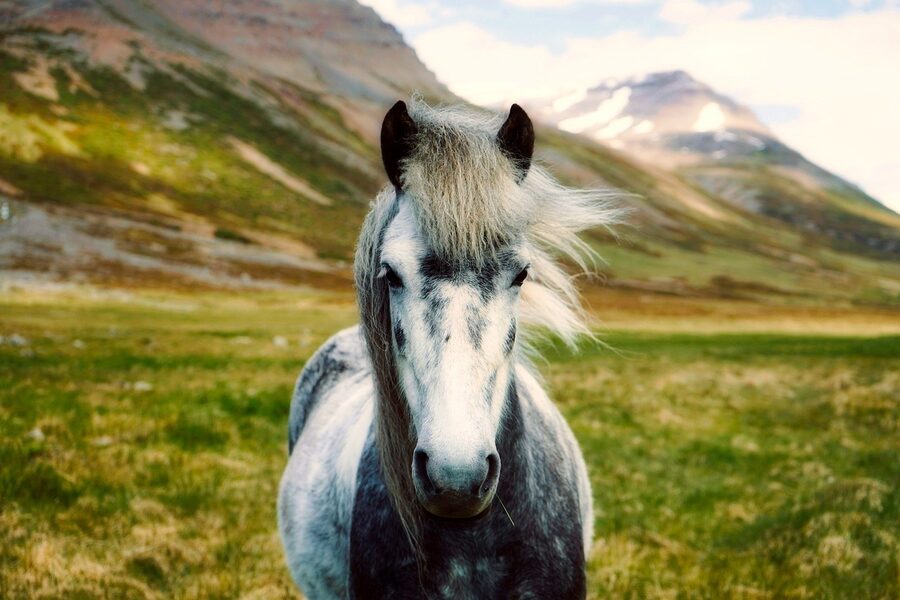
Icelandic horse rides are the gentle alternative. The Icelandic horse is a separate breed, small, hardy, with a fifth gait called tölt that’s like a smooth running walk, and by law no foreign horse is allowed into Iceland, which keeps the breed pure. Half-day rides leave from stables 20 minutes from Reykjavik and run from beginner-friendly walks on lava trails to longer rides for experienced riders. Íshestar and Eldhestar are the two big operators. Around 14,000 to 22,000 ISK for a 2 to 3 hour ride.
Self-drive vs bus tour: when each makes sense
The same Golden Circle loop that costs 12,000 ISK on a coach costs roughly 18,000 to 25,000 ISK as a self-drive day if you rent a small car for 24 hours and pay for fuel. So why would you self-drive?
You self-drive when you want flexibility. You stop where you want, for as long as you want. You drive the slow road past Laugarvatn instead of the highway. You add Kerið and the Secret Lagoon and a stop at Friðheimar without paying an extra 8,000 ISK for the privilege. You can leave Þingvellir after 20 minutes if it’s pouring rain or stay for two hours if the light is right.
You take the bus when you don’t want to drive on icy roads in winter, when you’re solo and don’t want to split a rental cost with no-one, when you want to actually look at the scenery instead of the road, when you’ve had a glass of wine the night before and are still under the limit but not by much, when the weather is genuinely bad and someone else should be making the route call.
For 2 to 3 day trips at most times of year, I’d self-drive in summer and bus-tour in winter. Iceland’s roads are well-maintained but black ice is a real thing from November to April and the rental insurance excess on a damaged car can wreck a holiday budget. Check road.is for current conditions and safetravel.is for warnings before any winter day trip you’re driving yourself. If you’re considering a longer trip with a designed itinerary rather than a string of day tours, custom tours from Reykjavik are usually the better fit.
What to bring on a day tour
Layers. The first layer is wool or synthetic, never cotton. Cotton holds water and chills you. The middle is a fleece or a thin down. The outer is a waterproof shell, windproof and rainproof, a hard shell rather than a softshell. Trousers ideally waterproof too, especially for South Coast tours where Seljalandsfoss will soak you regardless of season.
Sturdy shoes. Trainers are fine in summer for the Golden Circle. For Reynisfjara, glacier hikes, or Snæfellsnes coastal paths, hiking boots make a real difference. Most operators rent them for around 2,500 ISK if you forgot or didn’t bring any.
A hat and gloves, year-round. Even in July the wind on top of Skógafoss or out on Faxaflói will turn cold fast. Buy a wool hat at any of the souvenir shops on Laugavegur for around 4,000 ISK and you’ll wear it the rest of your life.
Snacks and water. Coach tours stop for lunch but the lunch options are limited and pricey, usually around 2,500 to 3,500 ISK for soup and bread. Bring something from a Bónus or Krónan supermarket the night before. Granola bars, fruit, crisps. There are no shops at most of the natural sites.
Motion sickness pills if you’re going on the South Coast (winding road from Reynisfjara to Vík catches some people), the Westman Islands ferry (it’s a small boat in big seas), or any whale watching trip. Apótekið, the Icelandic pharmacy chain, sells Postafen for around 1,800 ISK. Take it 30 minutes before boarding.
Cash isn’t necessary. Iceland is essentially card-only. The one place you might want a small amount is the Kerið car park, they take card too now but the contactless reader is sometimes slow.
Pricing in ISK, season by season
Day-tour prices fluctuate with season, peak is June through August, shoulder is May and September, off-peak is October through April except for the Christmas-and-New-Year spike. Rough bands at the time of writing:
- Golden Circle classic (coach): 11,990 to 14,990 ISK. Add 4,000 to 7,000 for a small-group minibus version.
- South Coast (coach, no glacier hike): 14,990 to 19,990 ISK.
- South Coast plus Sólheimajökull glacier hike: 24,990 to 32,990 ISK.
- Snæfellsnes (small-group minibus): 18,000 to 24,000 ISK.
- Whale watching from Reykjavik: 11,990 to 13,990 ISK (Elding standard); 16,000 ISK for the RIB.
- Puffin tour (60-90 min): 7,500 to 9,000 ISK.
- Westman Islands ferry (foot passenger return): 3,360 ISK plus your bus or car cost from Reykjavik.
- Inside the Volcano (Þríhnúkagígur): 56,000 ISK. Summer only.
- Snowmobile day tour on Langjökull: 32,000 to 38,000 ISK.
- Into the Glacier ice tunnel day tour: 31,000 ISK (combo with Golden Circle: 35,000+).
- Northern lights coach tour: 11,000 to 14,000 ISK. RIB version: 16,000+.
- Blue Lagoon Comfort + transfer: 13,990 ISK entry plus 4,000 each way transfer = around 21,990 ISK total.
- Sky Lagoon Pure + transfer: 12,490 ISK entry plus 1,000 each way bus = around 14,490 ISK total. Or walk it from downtown if you stay near Hafnarfjörður.
- Super jeep day tour: 35,000 to 55,000 ISK depending on route.
- ATV (1-hour): 15,000 ISK. (3-hour combo: 28,000+).
Cheapest single day-tour day: Golden Circle coach at 12,000 ISK. Most expensive single day-tour day: Inside the Volcano at 56,000 ISK. A reasonable mid-range “two-day-trip” budget for a couple is around 50,000 to 60,000 ISK each, South Coast plus Snæfellsnes, both in small groups. Add 25,000 ISK each if you want to add a glacier hike.
Seasons: what runs when
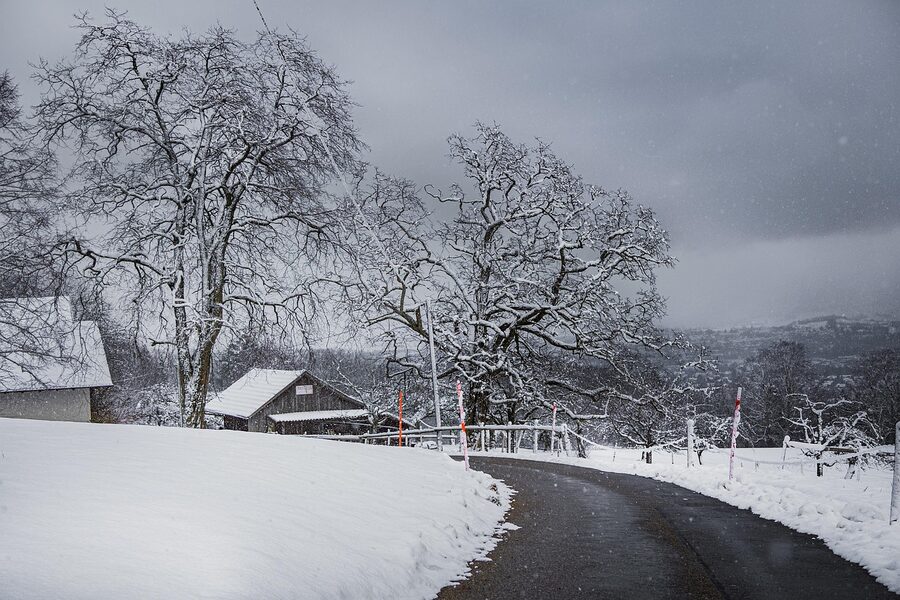
Year-round: Golden Circle, South Coast, whale watching, Blue Lagoon, Sky Lagoon, snowmobiling, glacier hikes, super jeep tours.
Summer-only (May to September, sometimes October): Inside the Volcano (May to October), puffin tours (mid-May to mid-August), Snæfellsnes coach tours run year-round but the smaller mountain roads only open from June, Westman Islands daily ferry runs year-round but the ATV/buggy tours on Heimaey are summer only, midnight sun aurora isn’t a thing, the lights are technically active but you can’t see them in 24-hour daylight.
Winter-only (October to April): northern lights tours, ice cave tours to natural blue caves under Vatnajökull, Christmas market day trips to Hafnarfjörður and Reykjavik downtown, ice climbing sometimes paired with glacier hikes.
The shoulder seasons, late April to early May, mid-September to mid-October, are quietly the best time to do day tours. You get most of the activity options open, prices are 15 to 25 percent lower than peak, the daylight is still long enough for a full Golden Circle, the aurora season has just started by late September, and the crowds at every stop are 60 percent of what they are in July. If you can plan for May or September, do it.
Operators worth using and ones to be careful with
The big two coach operators, Reykjavik Excursions and Gray Line, are reliable, run on time, and are fine. Their guides are professional but the buses are big and the experience is industrial. Use them when you want predictability and the lowest price.
The small-group minibus operators, Bus Travel Iceland, Iceland Horizon, Sterna (formerly), Iceland Day Tours, give a noticeably better day for around 30 to 50 percent more money. The guide actually talks to you, the stops are longer, and the bus stops where the coaches don’t go. For the South Coast and Snæfellsnes I’d always pay the upgrade.
The adventure specialists, Arctic Adventures, Troll Expeditions, Mountaineers of Iceland, Midgard Adventure, run the activity-focused day tours: glacier hikes, super jeeps, ice caves, snowmobiling. These are the operators with the actual mountain guides and the modified vehicles. Reviews are mixed for some (Arctic Adventures has been called out on Reddit for some opaque pricing and Troll Expeditions has had unhappy customers complaining about marketing-versus-delivery gaps), so read recent reviews on the specific tour you’re booking, not just the operator overall.
Operators selling tours they don’t actually run are the ones to be careful with. Some online aggregators list “tours” that are then handed off to whoever is operating that route on the day, which means your booked-with-X tour might actually be operated by Y. Booking direct with the operator’s own website (re.is, grayline.is, bustravel.is, troll.is, adventures.is, specialtours.is, elding.is, intotheglacier.is, insidethevolcano.com) avoids this. Booking via Viator, GetYourGuide, Klook, or Guide to Iceland is convenient and the price is usually identical, but check the operator credit on the listing, the actual operating company is named in small print.
How to pick: a short cheat sheet
If you have one day in Reykjavik, do the South Coast. More variety, more landscape, more memorable than the Golden Circle.
If you have two days, add the Golden Circle. They’re complementary.
If you have three, add Snæfellsnes if it’s summer or the boat tours from the old harbour if it’s winter.
If you only have a half-day, do whale watching from the old harbour in summer or a Blue Lagoon visit in winter. Both fit around an evening flight.
If you’re booked between May and October and you can afford one premium experience, do Inside the Volcano. There is nothing else like it.
If you’re here in winter and the aurora forecast is strong, drop everything and book a tour for that night. The forecast changes by the hour and the operators take last-minute bookings.
If you’re traveling with kids under 10, the South Coast plus Sólheimajökull glacier hike on a small-group minibus is the day they’ll talk about for years. Skip ice caves (cold and tight) and Inside the Volcano (long hike, age 12 minimum).
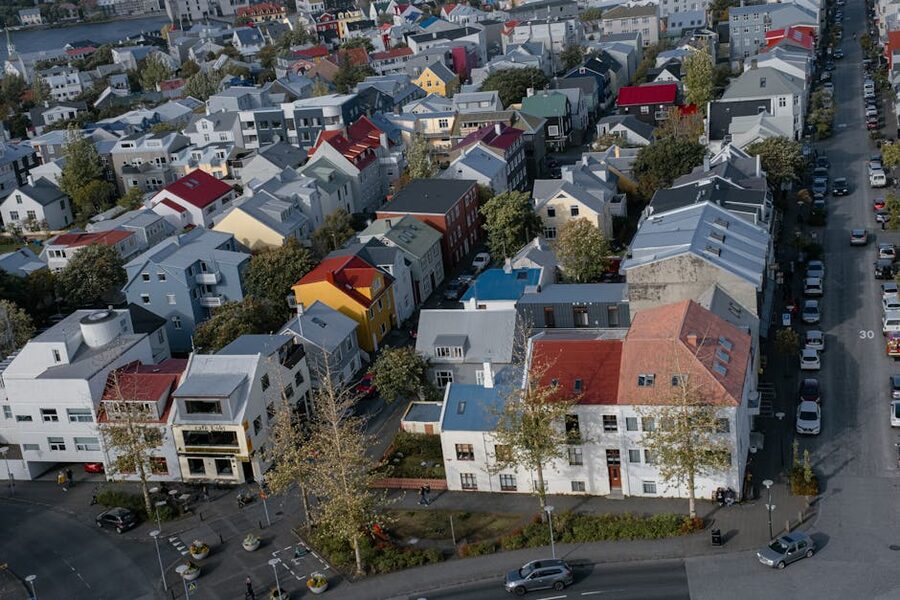
If you want to do a day tour but you also want a city base, our Reykjavik guide covers where to stay, what to eat, and which neighbourhoods are worth walking. Day tours pair well with two or three relaxed days exploring the city itself, Hallgrímskirkja, the swimming pools (Laugardalslaug for the family, Vesturbæjarlaug for the locals), the food walk, the harbour at sunset.
And if you want all of this stitched into a single trip without the planning, that’s exactly what a custom Iceland itinerary does, you can read more on our customized tours page, or browse the rest of the tour guides for the deeper dives on the specific categories above.
Whichever way you go: book the day tour, set your alarm for 7, and don’t forget the rain shell. Þetta reddast, it’ll work out.