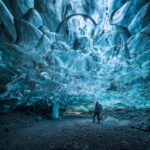
Blue ice feels unreal here.
This Jökulsárlón Crystal Ice Cave Super Jeep Tour is built for maximum wow with minimal effort: you roll out from Glacier Lagoon, bounce across the rough route in a Super Jeep, then step into an accessible ice-cave system on Breiðamerkurjökull, an outlet of Vatnajökull. I especially love how photo-focused the experience is without turning it into a race, and I also like the small-group approach (limited to 14 guests per guide). One caution: the ice caves are world-famous, so you should expect some shared time in the cave with other groups.
Another reason this works so well is the way it handles safety. You’ll get the glacier gear you need on the day—helmet, headlamp, and glacier crampons—so you’re not scrambling for the right equipment in Iceland’s cold. And because the guide-led routes depend on conditions, the cave you see can shift week to week, which is both the fun of glacier travel and the reason you can’t demand it match a single postcard.
Overall, it’s a winter activity that hits a sweet spot: big scenery, real geology talk, and an ice-walk that’s usually straightforward for most people—if you dress for the weather and show up early enough to get parked and oriented.
In This Review
- Key points that matter before you go
- Super Jeep to Breiðamerkurjökull: the ride that starts the ice-cave mood
- Gear up: crampons, helmet, headlamp, and what it means for your comfort
- The glacier walk: what the route feels like and how to pace yourself
- Inside the ice cave on Breiðamerkurjökull: blue light, changing tunnels, and photo strategy
- How to get better photos without turning it into work
- How the guides keep it safe and flowing with 14 guests per guide
- Timing, value, and what your $162 really buys
- Who this tour is for (and who should look elsewhere)
- Should you book the Jökulsárlón Crystal Ice Cave Super Jeep Tour?
- FAQ
- How long is the Jökulsárlón Crystal Ice Cave Super Jeep Tour?
- Where do I meet for the tour?
- What’s included in the price?
- Do I need to bring safety gear?
- How much walking is involved?
- What age is this tour suitable for?
- Is the tour accessible for wheelchair users or limited mobility?
- Will the guide speak English?
- What should I know about weather and safety?
Key points that matter before you go
- Super Jeep access cuts the hassle and makes the glacier feel like part of the journey
- Safety gear included (helmet, headlamp, crampons) means you travel ready
- Easy-to-moderate ice walk for most guests, typically about 15–20 minutes
- Blue-ice color varies by light, snow cover, and conditions, so bring flexible expectations
- Small groups (max 14) help keep the experience calmer than the average tour circuit
Super Jeep to Breiðamerkurjökull: the ride that starts the ice-cave mood
Your tour day centers on Jökulsárlón Glacier Lagoon, not Reykjavik or some distant staging area. Expect to meet at the Glacier Lagoon parking lot, on the east side where the orange trucks and Super Jeepen tour vehicles are lined up. You’ll want to arrive early—this is the kind of tour that leaves promptly, and wandering around in parking-lot chaos in winter is the fastest way to waste your energy before you even see ice.
Once you’re loaded, you’ll ride for about 20–30 minutes from the lagoon area to the glacier edge. The drive is scenic at first, then gets rough once you leave the main road. People remember the bumpy stretch. Strap in, settle your balance, and treat it like part of the fun rather than a complaint—because the payoff comes immediately after.
Why I like this setup for first-time ice-cave visitors: it reduces the stress of getting yourself across sketchy ground and it turns the glacier approach into a moving “pre-show.” You’re already looking at frozen terrain, weather changes, and shifting light when you step off the vehicle.
One small practical note: winter bounces are not equal for all seats. If you have a choice when boarding, pick a position that feels comfortable to you. Getting squished in tight seating can make the ride feel longer than it is.
You can also read our reviews of more tours and experiences in Jokulsarlon.
Gear up: crampons, helmet, headlamp, and what it means for your comfort
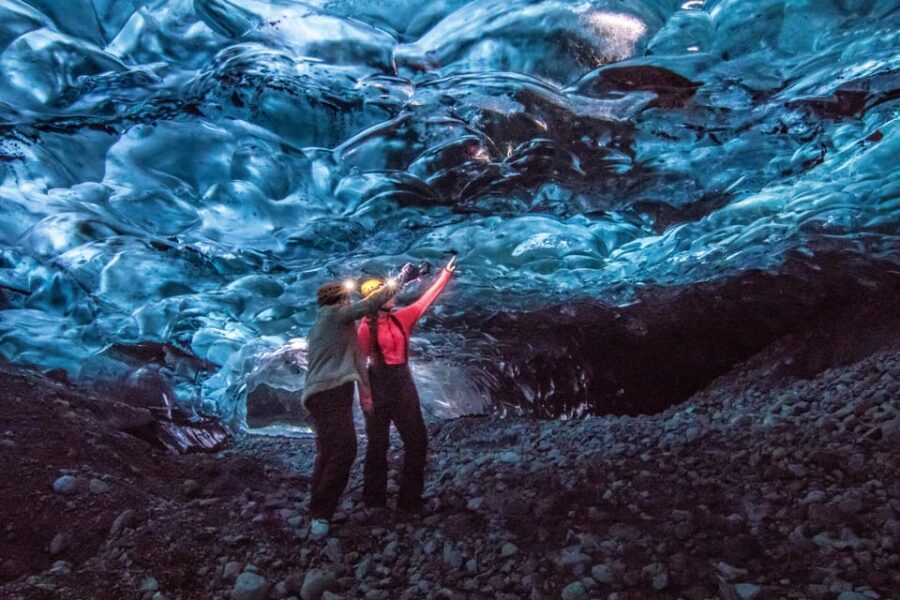
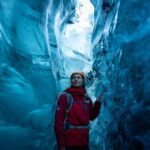
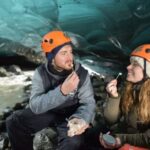
At the glacier, the tour provides the key safety items: helmet, headlamp, and glacier crampons for your boots. This matters more than it sounds. In icy conditions, crampons aren’t about bravado—they’re about stopping confidently on uneven ice and walking through the cave area without feeling like you’re negotiating danger step by step.
You’ll also be doing some time outside and on ice, so bring warm layers you can move in. The tour advice is straightforward: gloves, warm clothing, hiking shoes, and rain gear. In winter Iceland, wind and meltwater both show up. Gloves keep your hands functional for photos and for adjusting gear. Waterproof footwear helps because there can be water dripping and wet ice patches.
Inside the cave, the headlamp helps you see texture and depth rather than only blue color. That’s a big deal for photos and for actually enjoying the space once your eyes adjust. Blue ice looks best when you can see its surface and internal structure—not when you’re squinting at the brightest section and missing the rest.
The glacier walk: what the route feels like and how to pace yourself
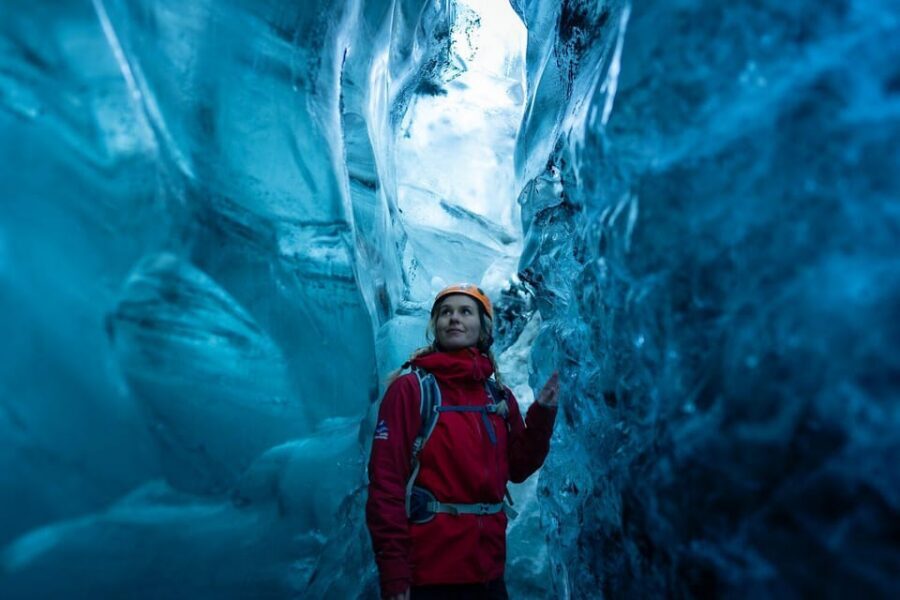
After gear-up, you’ll walk across the frozen glacier to reach the canyons and hidden cave areas. In many conditions it’s about 15–20 minutes on foot. The tour is described as easy for most people, and no prior experience is required, which makes it a strong option if you want glacier access without signing up for a full-day trek.
That said, conditions can change, and some days the walk to the cave access point can be shorter. I’ve seen examples where the walk was only around 50–100 meters before reaching the cave. This is one reason you should plan with flexibility: you’re not controlling the ice. Your job is to dress right, keep a steady pace, and let the guide adjust to what’s safest and most interesting that day.
Expect a walk that includes ice and possibly uneven footing. Even if it’s “easy,” it’s still not a sidewalk. Take your time, keep your steps deliberate, and use the crampons confidently. If you rush, your feet and breath will tell you.
A tip that’s easy to miss: the cold affects how fast you warm up. If you stop too long outside, you’ll cool down fast. Keep moving, and you’ll feel better once you hit the cave’s protected interior.
Inside the ice cave on Breiðamerkurjökull: blue light, changing tunnels, and photo strategy
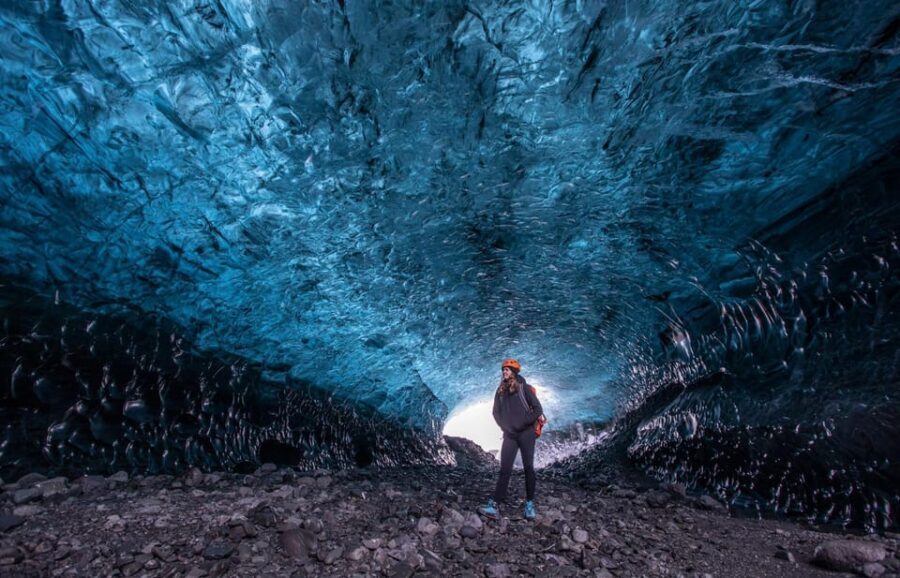
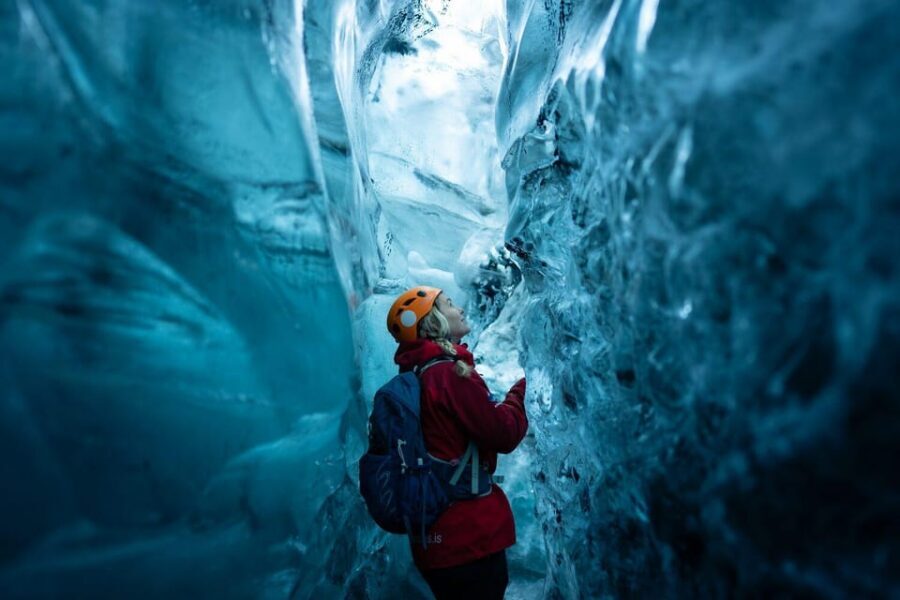
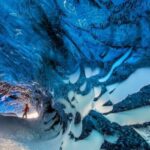
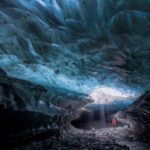
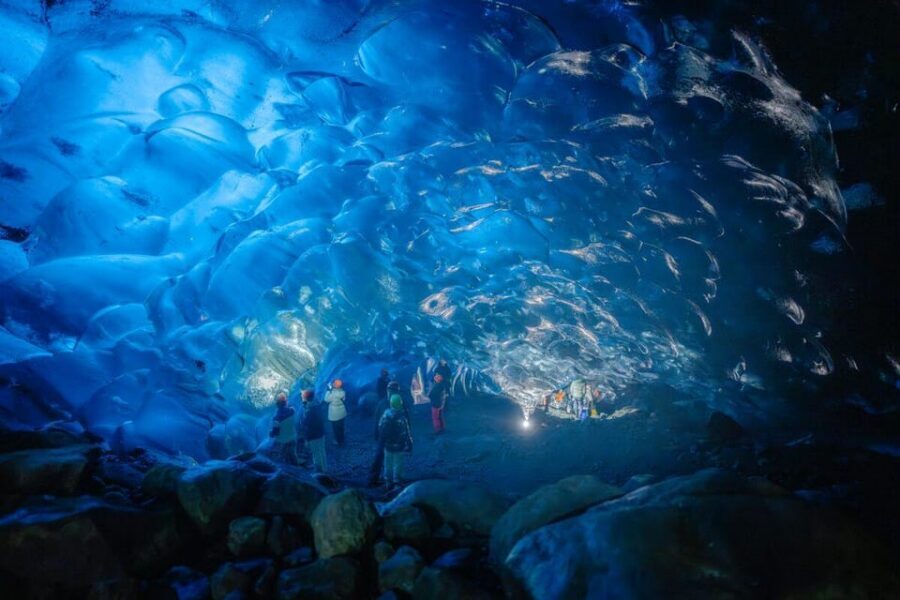
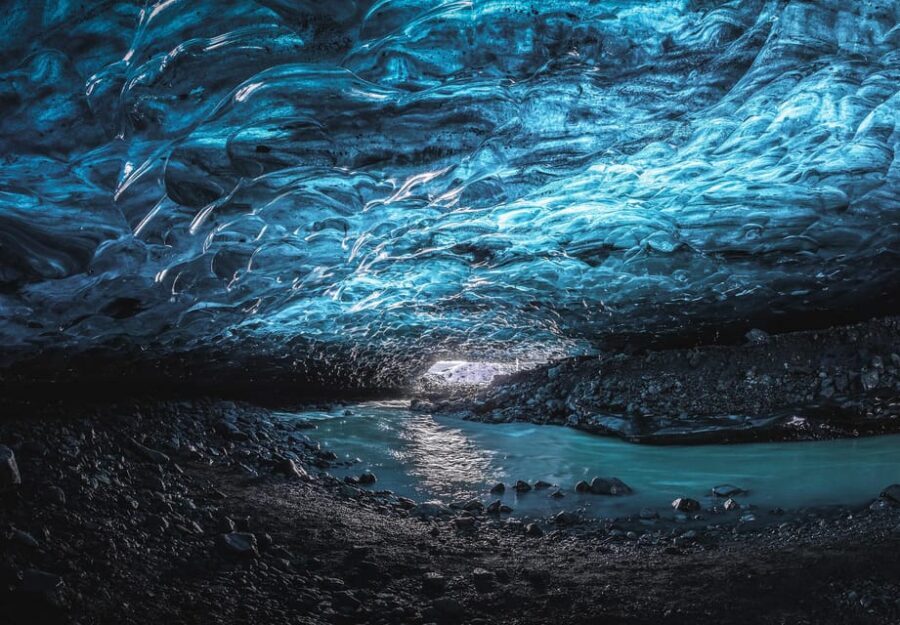
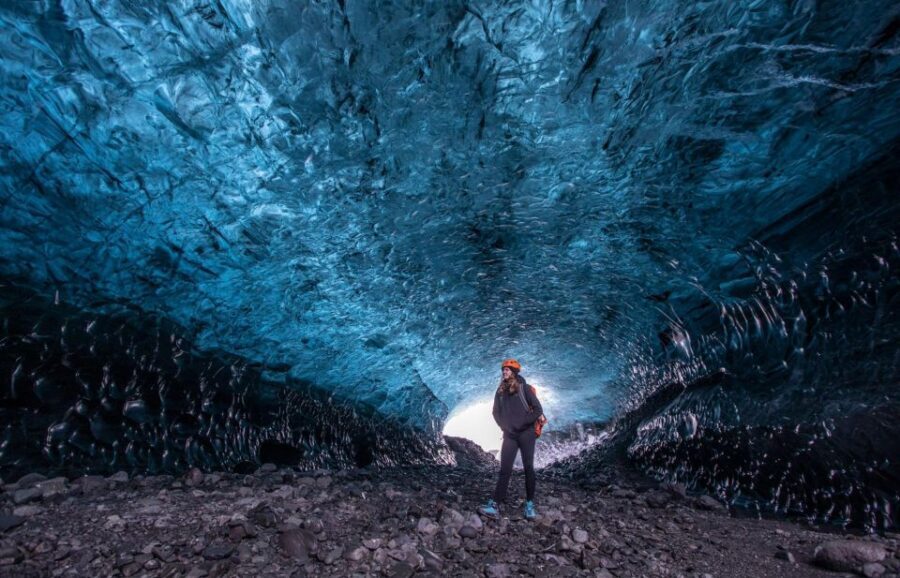
Stepping into the ice cave is the moment everything clicks. The ice formations can range from bright blue to more white depending on light, snow cover, and natural conditions. That’s why tour photos look consistent only until you’re standing there in a different weather window.
The cave is not a fixed set. The glacier moves and shifts, so the visited cave can vary even from week to week. The guides check the glacier daily to pick the safest and most beautiful blue-ice spots available. Translation: you’re not just buying access. You’re buying their judgment and their willingness to adjust to real ice.
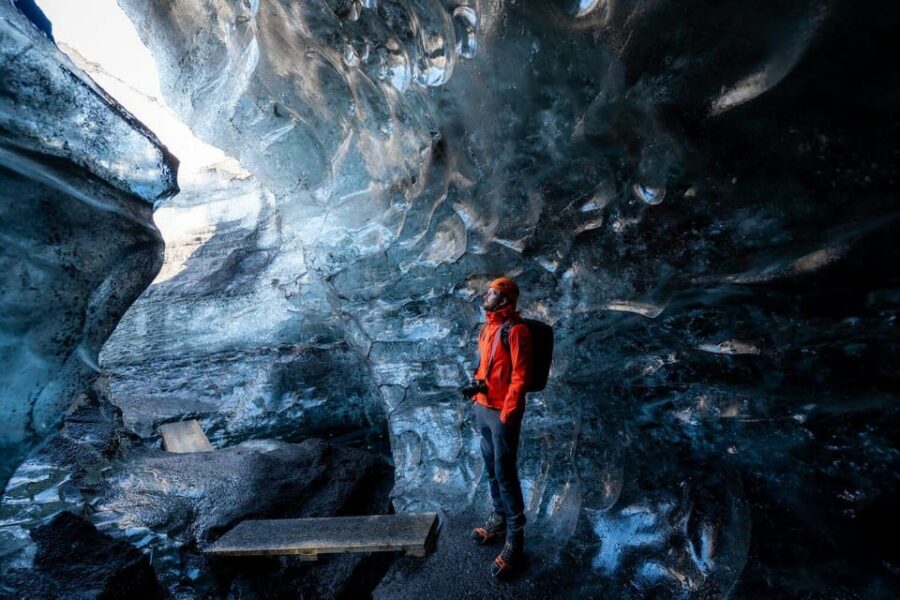
Inside, you should plan to spend a meaningful chunk of your time exploring. Some tours run about an hour in the cave experience, with multiple areas to view—think chambers and interconnecting tunnels. If you’ve seen photos of dramatic camera angles, you’ll still be impressed, but what makes the experience memorable is how the light changes as you move. Headlamps and winter daylight work together to reveal structure: smooth planes, darker blue pockets, and icy veins.
How to get better photos without turning it into work
Guides here are often good at pointing you toward spots where the light hits. You’ll also likely share the cave with other groups. That can make it feel crowded at peak flow. Still, you’ll have time to get your own photos if you stay patient.
A simple photo strategy:
- Take a wide shot early, then switch to close-ups once you see how the colors shift in your cave section.
- Don’t only chase the brightest blue. Texture and depth photos look great even when the color is paler.
- If you’re unhappy with how the first photos look, keep walking. Color can change quickly with your position and the angle of the light.
Glacier caves are also a bit of a live museum. Some days can be more flooded or less dramatic than the promotional images, and conditions can change fast. The guides work around this, sometimes shifting to an alternate cave area when the day’s ice doesn’t cooperate.
How the guides keep it safe and flowing with 14 guests per guide
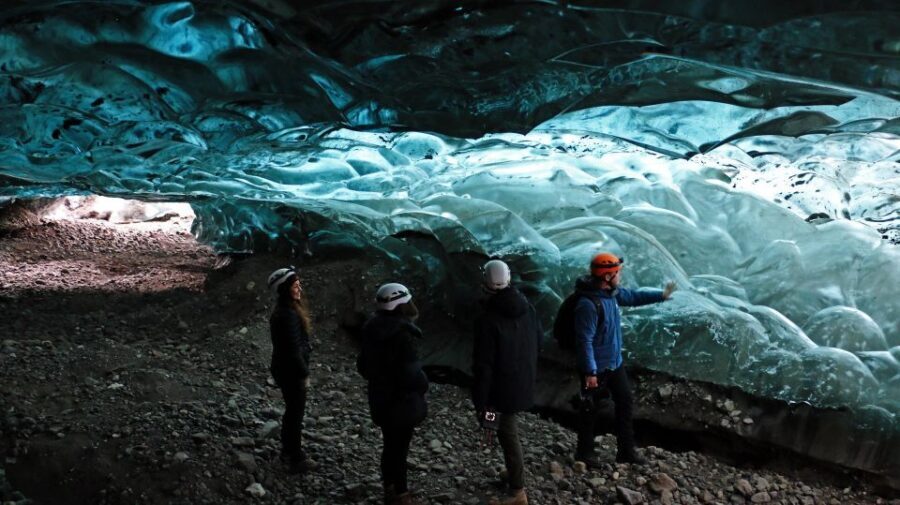
This tour runs in the real world: lots of groups, tight time windows, and constantly changing ice. What makes it work is how the guide manages movement and timing.
A repeated theme in the guide style: lots of explanation, plus a calm approach to safety. Guides you might see mentioned in past groups include Thor, Tomas, Maria, AJ, Dori, Bernie, Eddie, and Alex. Common thread: they talk glacier basics in plain terms and they help you find viewing angles so you don’t waste time wandering.
You’ll also likely wait briefly at the cave entrance while other groups go out. That’s normal in a popular system. The best move is to treat it like part of the experience rather than a lost minute: use the wait to look at ice texture outside, ask questions, and get your gear settled.
Because the group limit is 14 guests per guide, you get more “handled” attention than larger mass tours. You’re not fighting a crowd for every turn, and you’re more likely to get clear instructions about crampons, where to stand, and where to walk.
Timing, value, and what your $162 really buys
At $162 per person for a 2.5-hour experience, it’s not cheap. But in Iceland, pricing usually reflects logistics and safety costs more than the raw “activity.” Here you’re paying for:
- Super Jeep transport onto the glacier access route
- Glacier safety gear (helmet, headlamp, crampons)
- Expert guide time focused on safety and timing
- Guided ice-cave access to a changing natural wonder
If what you want is a quick, high-impact glacier experience without a long multi-day plan, this fits. You get access to Breiðamerkurjökull’s ice caves from a very practical base area near the lagoon, and you still get a guide-led understanding of how and why the glacier looks the way it does.
Is it a budget pick? No. But it’s a value pick if you’re doing Iceland’s winter highlights efficiently and you want blue ice you can actually step into.
One more value angle: this is a “short walk, big payoff” format. You’re not spending your whole day on long hikes, and that can be ideal if you’re also planning Diamond Beach, other glacier viewpoints, or even a longer day tour elsewhere.
Who this tour is for (and who should look elsewhere)
This is well-suited for:
- People who want a memorable ice cave experience without technical glacier skills
- First-timers who like guided structure and clear safety instructions
- Travelers who dress for cold and can handle a short-to-moderate walk on icy ground
It may not be a fit if you:
- Need wheelchair access or have mobility impairments, since it’s not designed for wheelchair users
- Are traveling with children under 6 years, since the tour isn’t suitable for them
For families and mixed-age groups, the common sense takeaway is that the walk is meant to be manageable for most guests, and guides are attentive to group needs. If you can stand steadily and walk carefully with crampons, you’ll likely be fine.
Also, if you’re picky about blue ice looking exactly like the photos, keep expectations flexible. Ice color depends on snow cover, weather, and natural light. You’re buying access to the wonder and the light-changing experience, not a guaranteed postcard.
Should you book the Jökulsárlón Crystal Ice Cave Super Jeep Tour?
If you want one high-impact winter activity in Vatnajökull National Park that balances comfort, safety, and scenery, I’d book it. The Super Jeep access saves hassle, the included gear removes equipment stress, and the guide-led approach helps you enjoy the cave even with other groups in the mix.
Hold off or consider alternatives if you hate bumpy rides, can’t walk on icy ground, or need a strictly predictable cave appearance. Because glaciers are alive, the exact cave and its blue intensity depend on conditions.
If you do book, the biggest “make it better” move is simple: arrive early, get parked without panic, dress warm, and be ready to adapt when the guide chooses the best and safest ice that day. That flexibility is what turns a potentially rushed day into an unforgettable one.
FAQ
How long is the Jökulsárlón Crystal Ice Cave Super Jeep Tour?
The tour takes about 2.5 hours total, though it can change depending on weather and glacier conditions.
Where do I meet for the tour?
Meet at the Jökulsárlón Glacier Lagoon parking lot, on the east side (further from the lagoon). You should look for Super Jeeps and tour vans and a bright orange truck.
What’s included in the price?
Included are the guided ice cave visit on Breiðamerkurjökull, an expert English-speaking glacier guide, glacier safety gear (crampons, helmet, headlamp), and the Super Jeep ride to and from the glacier.
Do I need to bring safety gear?
No. The tour provides the safety gear you need: helmet, headlamp, and glacier crampons. You should bring warm clothing, gloves, hiking shoes, and rain gear.
How much walking is involved?
Typically, there is about a 15–20 minute walk across the frozen ice to reach the canyons and hidden caves. Some days may involve shorter walking distances depending on conditions.
What age is this tour suitable for?
The tour is not suitable for children under 6 years.
Is the tour accessible for wheelchair users or limited mobility?
No. The tour is not suitable for people with mobility impairments and it is not suitable for wheelchair users.
Will the guide speak English?
Yes, the tour includes an English-speaking live guide.
What should I know about weather and safety?
Glacier ice caves are accessible only when conditions are safe. Tours can be altered or cancelled if safety is not considered acceptable by National Park authorities.