Quad bikes and black sand feel like another planet.
This Mýrdalsjökull South Coast ATV safari takes you from the Mýrdalsjökull glacier area into wide-open Sólheimasandur—with an optional feel of going fast when conditions allow. You also get a stop at the famous DC3 plane wreck on the sands, which turns a simple ride into something with real story and atmosphere.
I also love how the route mixes famous sights with hands-on driving time. You’ll see the Dyrhólaey peninsula from the coast and still come back inland for river and valley crossings that make the day feel like off-road, not just sightseeing. The guides (some named in past departures include Bjarki, Paul, Anthony, and Magni) are big on pacing people safely and keeping the tour fun.
One consideration: weather can change how far you get. On wet, windy days, some parts can be rough going, and you might not reach every ideal viewpoint—so keep expectations flexible and dress for Iceland’s attitude.
In This Review
- Key things that make this ATV safari worth your time
- Mýrdalsjökull Quad Bikes: Why This South Coast Route Works
- Meet at Mýrdalsjökull Base Camp, Then Get Turned Into an Off-Road Rider
- Safety and Driver Rules: Simple Requirements, Real Consequences
- Sólheimasandur Black Sands: Where the Ride Becomes the View
- The DC3 Plane Wreck Stop: 1973 Still Haunts This Coast
- The Coast Part: Dyrhólaey Views and Big Wind Energy
- Returning Over Sands and Following Jökulsá River into a Valley
- Time on the Quads: Is 1 Hour or 2 Hours the Better Choice?
- Weather Reality: When Iceland Changes the Plan, You Still Usually Get the Day
- Value for Money: Why This Isn’t Just a Thrill Ride
- Should You Book This Mýrdalsjökull ATV Safari?
- FAQ
- Do I need a driver’s license to drive the quad bike?
- Where is the meeting point for the Mýrdalsjökull quad safari?
- How long is the ATV quad bike safari?
- What gear is included in the tour price?
- What should I bring with me?
- What happens if I’m traveling solo or with an odd number of people?
- Is the tour suitable for children or pregnancy?
Key things that make this ATV safari worth your time
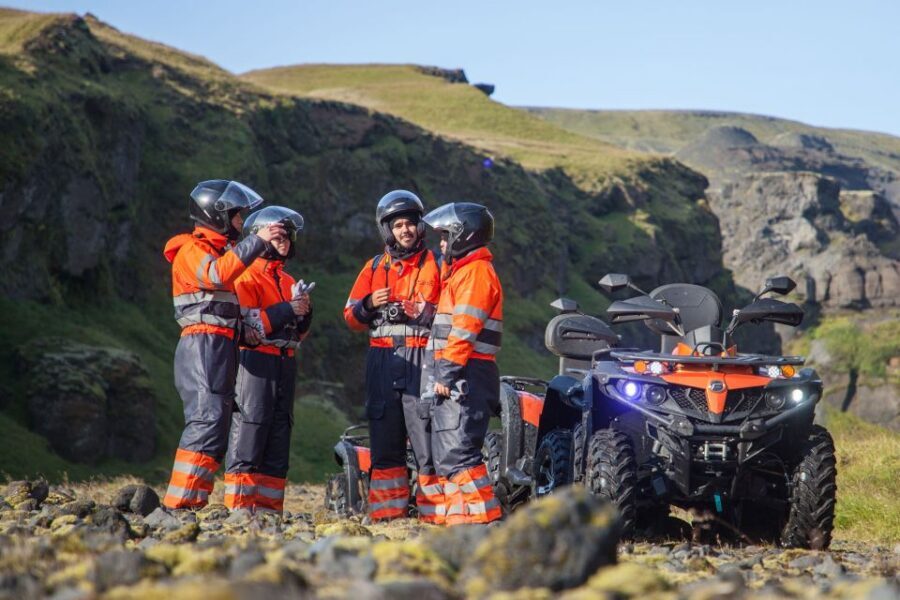
- Sólheimasandur black sand driving that feels big, open, and seriously photogenic
- The DC3 wreck stop on the plains, with enough time to see it clearly
- Coastline views of Dyrhólaey and the southern tip of Iceland
- River crossings and a valley return route that add variety to the ride
- Warm riding gear provided (insulated cover-alls, helmet, and face protection)
Mýrdalsjökull Quad Bikes: Why This South Coast Route Works
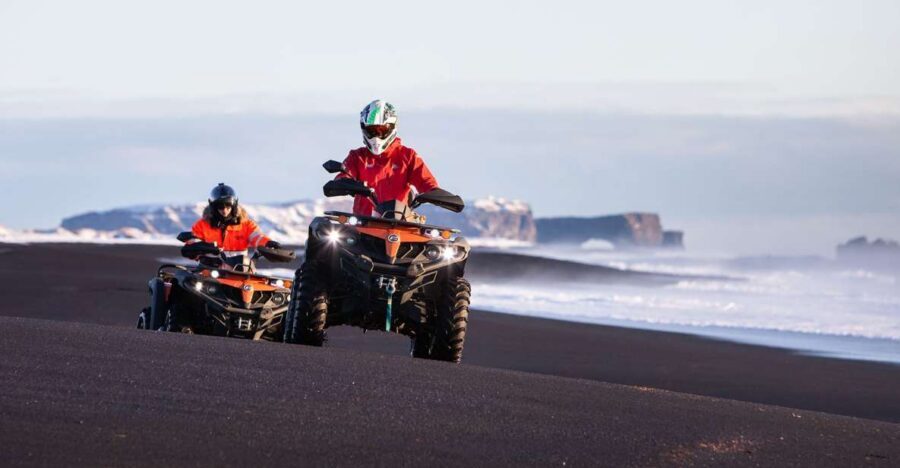
This is one of those Iceland activities where the setting is doing half the work. You’re riding near Mýrdalsjökull Glacier, but the “wow” moments come from how the terrain changes under you—black sand, rocky bits, coastal air, and then back toward river and valley ground.
It’s also a smart use of time on the South Coast. Instead of spending hours just driving between viewpoints, you’re actually moving through them. You end up with a day that feels like both nature viewing and adventure.
Meet at Mýrdalsjökull Base Camp, Then Get Turned Into an Off-Road Rider
Your day starts at Mýrdalsjökull Base Camp on Ytri Sólheimar road 222. Plan to meet at the operator location and look for the Icelandic Mountain Guides by Icelandia signage.
Once you’re there, you’ll get a short safety briefing and instructions on how the ATVs work. That matters because this is not just a scenic bus ride—your job is to follow the guide, keep space, and learn the basics fast so the group stays together.
Gear is a major part of comfort here. You’re provided insulated cover-alls, plus a helmet and a balaclava/face mask setup for cold wind and spray. Boots may be optional depending on the weather, but the tour specifically asks you to bring warm clothing and waterproof shoes.
If you’re thinking ahead, do what experienced riders recommend: in very cold or wet conditions, extra glove warmth helps a lot. People have suggested using warm wool gloves under your own heavier gloves or mittens, since Iceland wind loves to sneak in around hands.
A small human detail I like: there’s often a relaxed vibe at the base, and at least one past visitor noted a dog that greets people on arrival. These places run on straightforward energy, and that can set the tone for the ride.
Safety and Driver Rules: Simple Requirements, Real Consequences
This activity has clear rules, and they’re there for a reason—wind, sand, uneven footing, and water crossings can change fast. Intoxication isn’t allowed, and you should avoid alcohol and drugs before or during the tour.
The big practical item is the driver’s license rule. You need a valid license to drive the quad bike. If you’re traveling as a solo rider, or if your group has an odd number of people, you’ll need to book a single-ride ATV and pay that single-ride arrangement on location.
That “ATV per two persons” detail also affects how you plan your day. If you’re two people who want to ride together, it’s simpler. If you’re a family or group with mixed experience levels, talk through who will drive and who will ride before you get to the briefing, so nothing feels stressful at the start.
Children under 8 aren’t suitable, and the tour isn’t recommended for pregnant women. That’s not a judgment call—it’s about safety with the equipment and the physical demands of staying balanced over changing terrain.
Sólheimasandur Black Sands: Where the Ride Becomes the View
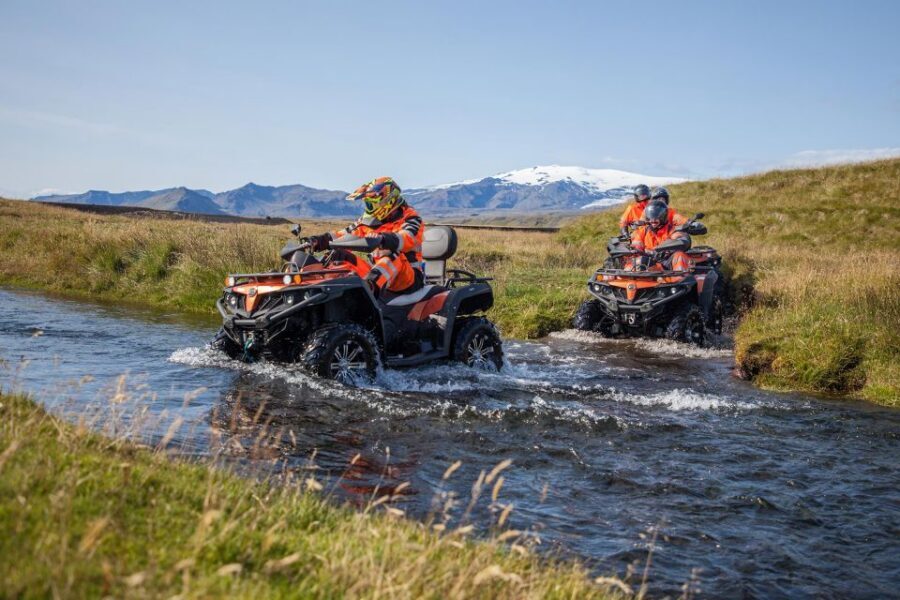
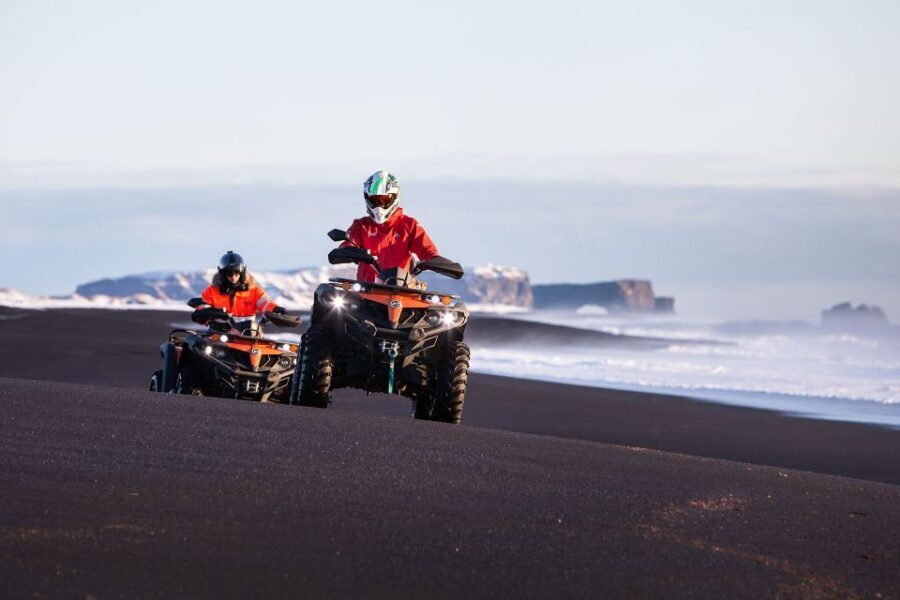
The heart of the experience is the run across Sólheimasandur. This is the kind of Iceland terrain that looks unreal from the moment you arrive: black sand plains stretching out and making the sky feel closer.
You’ll cross this desert-like ground with your guide, stopping along the way for photos and for the kind of slow-down moments that let you actually see what you’re riding through. The best part is how it feels while you drive—wide open space plus the sense of being far from paved roads.
In multiple past departures, riders highlighted that the guides let you build speed when you’re comfortable and when the terrain and conditions allow it. One visitor even described driving full speed on an empty black beach, while others noted the terrain is manageable for first-time riders because the team keeps you safe and organized.
That balance—fun without chaos—is where a good ATV guide earns their keep. Names that came up include Paul, Pawel, and Barduroli, with several guests praising how guides handled pace and group control.
The DC3 Plane Wreck Stop: 1973 Still Haunts This Coast
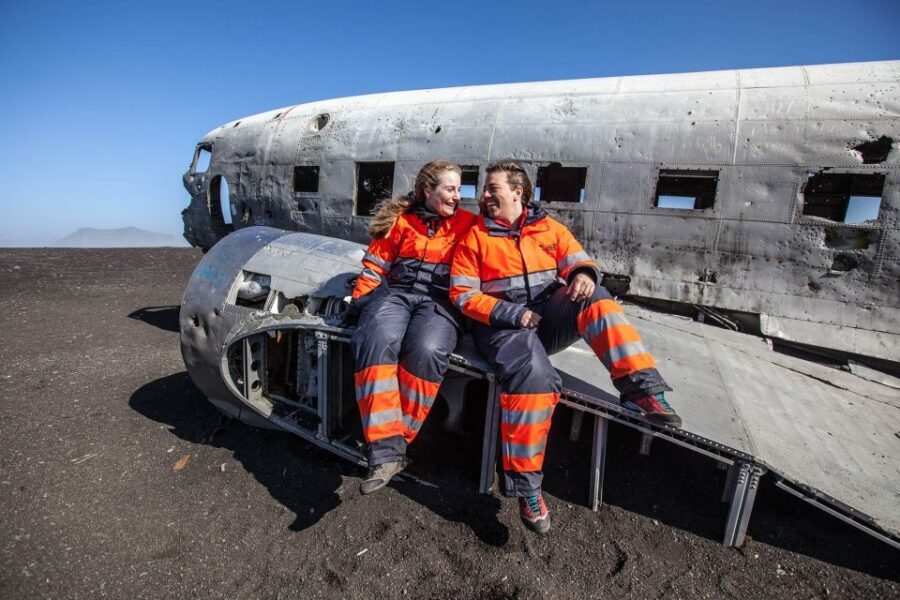
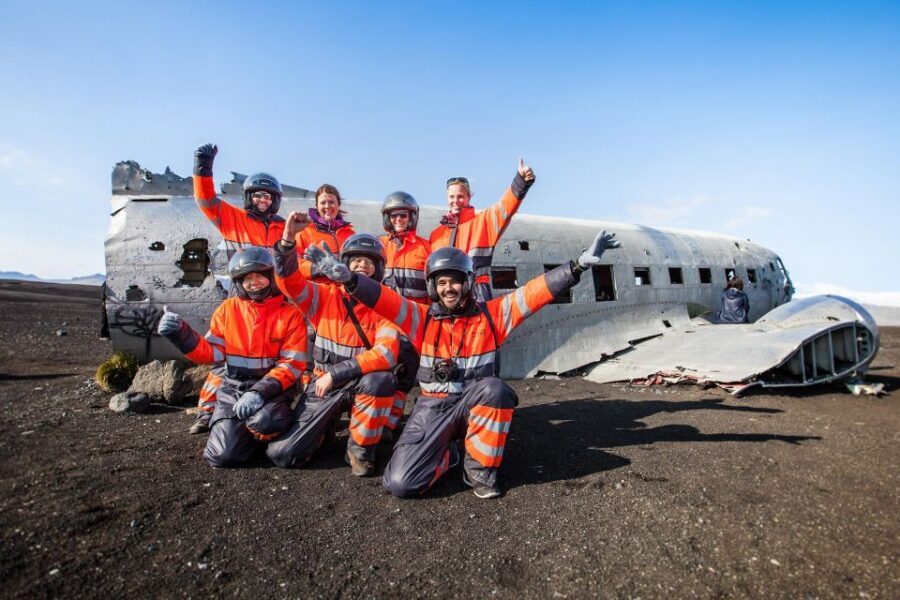
One reason this tour sells so well is the DC3 wreck stop on the Sólheimasandur plains. The plane crashed in 1973, and the fuselage sits on the black sand like a fixed point in a surreal setting.
What you get here is more than a glance. The stop is part of the route, so you’re not hurrying like you might at a quick photo pull-off. You can walk around enough to take in the scale, then get back on the ATV when it’s time to continue.
This stop also changes the tone of the ride. Black sand can be beautiful and weird on its own, but the wreck adds a human story—one that feels colder and heavier because it’s out in the open, with no buildings around and no easy escape from the wind.
If photography matters to you, this is a strong point of the day. Guests have specifically mentioned guides taking pictures and helping with angles—so if you want more than shaky phone shots, this is one moment worth slowing down for.
The Coast Part: Dyrhólaey Views and Big Wind Energy
After the sands, the route shifts toward the coastline. From the beach area, you’ll admire the Dyrhólaey peninsula, the southernmost tip of Iceland. Even when clouds are low, the shape of the peninsula still reads clearly, and the ocean color and weather contrast make it dramatic.
This section is also where you feel Iceland’s weather right away. Wet and windy days can be rough, but they’re also when the coast feels most alive. One past visitor described how a windy day still produced a great ride, including moments of leaning into the gusts while staying upright.
This is also where your “dress like a local” plan pays off. If you’re chilled, you’ll suffer through the ride and miss the views. If you’re warm and layered correctly, the coast feels like a bonus rather than a battle.
Returning Over Sands and Following Jökulsá River into a Valley
The ride doesn’t just turn around and repeat itself. You’ll head back over the sands and follow the Jökulsá River, including a river crossing. From there, you enter a mountain valley as the tour winds down.
This is the part that turns the day into variety. A black sand crossing can get monotonous on paper, but adding river crossings and a valley return changes your sense of motion. It’s also practical for first-timers: the guide can control pace and stop points while still giving you enough real off-road texture to remember.
One caution here is conditions. River access can be impacted by rain and wind, and at least one past visitor reported they weren’t able to reach the glacier during a poor-weather day. That doesn’t mean the tour is wasted; it means the route can flex based on safety and ground conditions.
Time on the Quads: Is 1 Hour or 2 Hours the Better Choice?
The safari runs 1 to 2 hours, and most of the praised value comes from getting the full driving time. Guests who chose the 2-hour option repeatedly framed it as the sweet spot: enough time to cover multiple terrain types, see the DC3 wreck, and still have real ride momentum.
If you’re short on time, the 1-hour tour can work as a taste. But if you’re spending the day on the South Coast anyway, the 2-hour version tends to feel like it gives you your money’s worth in actual riding time, not just stops.
There’s also an optional upgrade mentioned by a past rider: a buggy option for an additional 10,000 ISK per person. If you see it available on your booking or on site, it might suit you if you want a different driving feel, but stick with what’s included if you’re trying to keep your plans simple.
Weather Reality: When Iceland Changes the Plan, You Still Usually Get the Day
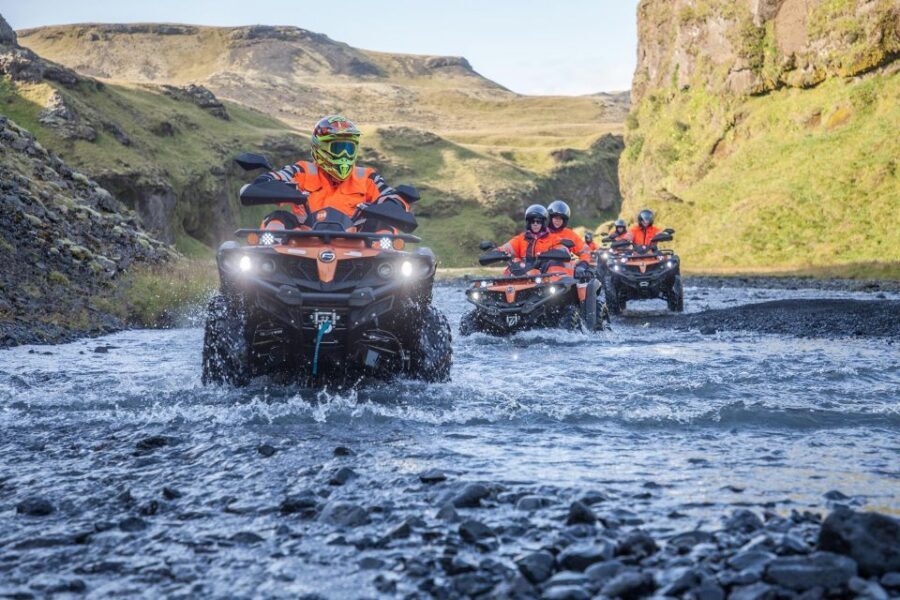
Iceland doesn’t guarantee perfect conditions, and this tour is out in the open. In wet and windy weather, some routes can get difficult, especially where rivers or exposed sands are concerned.
The best approach is to treat this like a “conditions-first” activity. If the glacier viewpoint isn’t reachable due to ground or weather, the team still aims to deliver the core highlights you came for: ATV riding, black sand sections, and the DC3 wreck stop when feasible.
That flexibility is why the experience still earns high scores, even when weather isn’t cooperating. One guest even received a free upgrade to a snowmobile option when ATV access wasn’t possible, which tells you the operator’s mindset is about making the day right, not just refunding and disappearing.
Value for Money: Why This Isn’t Just a Thrill Ride
At $144 per person for 1 to 2 hours, you’re paying for three things: time on the ATVs, professional guiding, and access to terrain you’d never reach on your own.
The gear inclusion is part of the value. Insulated cover-alls, helmet, and face protection aren’t always standard for off-road tours, and they matter a lot in Iceland. If you arrive cold and unprepared, an ATV ride gets miserable fast. Being properly wrapped changes everything.
You’re also paying for route design. Getting to Sólheimasandur plus the DC3 wreck and then continuing toward Dyrhólaey in one outing is efficient. Most self-driving days turn into a string of lookouts—this is the rare plan where you can see that coastline area and still spend real energy doing something.
Should You Book This Mýrdalsjökull ATV Safari?
Book it if you want a South Coast day that mixes real driving time with major photo stops like the DC3 wreck and Dyrhólaey views. It’s especially worth it if you’re the type who likes to move through a place, not just stand next to it.
Don’t book it if you can’t handle uneven terrain, or if you don’t want to manage driver rules and cold-weather gear. Also keep your expectations flexible about how far you can go in rough weather.
FAQ
Do I need a driver’s license to drive the quad bike?
Yes. A valid driver’s license is required to drive a quad bike.
Where is the meeting point for the Mýrdalsjökull quad safari?
Meet at Mýrdalsjökull Base Camp on Ytri Sólheimar road 222. Look for Icelandic Mountain Guides by Icelandia – Mýrdalsjökull Base.
How long is the ATV quad bike safari?
The duration is 1 to 2 hours, depending on the option you choose and availability.
What gear is included in the tour price?
The tour includes a guide, an ATV per two persons, insulated cover-alls, and a helmet with a balaclava face mask. Boots are optional depending on weather conditions.
What should I bring with me?
Bring your driver’s license, warm clothing, and waterproof shoes.
What happens if I’m traveling solo or with an odd number of people?
Single riders and groups with odd numbers must book a single ride ATV. This is payable on location.
Is the tour suitable for children or pregnancy?
Children under 8 years old are not suitable, and the tour is not suitable for pregnant women.