Snorkel between two continents in Iceland. You float in Silfra Fissure at Þingvellir, where the Eurasian and North American plates drift apart, in water with jaw-dropping clarity. I love the drysuit setup and the small-group guide attention. The one catch is cold: even with drysuits, your face and hands may feel it.
The experience has a nice, steady rhythm. Expect a long safety briefing, then about 45 minutes in the water, and a warm finish with hot chocolate and cookies. Guides like Elsa and Filip are singled out for great suit help and clear instruction, and Quim is praised for keeping first-timers calm.
At about $140, it can feel pricey until you break down what you get. This price includes snorkeling gear, a drysuit with warm undersuit, a heated van for changing, and the Silfra entrance fee, not just the time in the water.
In This Review
- Key highlights worth planning around
- Why Silfra feels like snorkelling between continents
- Þingvellir National Park and the Golden Circle stop
- Gear-up routine: drysuits, heated van, and suit fit
- The safety briefing that makes the cold feel manageable
- Big Crack to Silfra Cathedral: your guided route in stages
- What you’ll see underwater (and what to expect visually)
- Warm up after: hot chocolate, cookies, and your photo plan
- Price and value at about $140 per person
- Who should book, and who should skip this Silfra tour
- Small-group reality: how guides keep you safe
- Should you book this Silfra snorkeling tour?
- FAQ
- How long is the Silfra snorkeling tour?
- What is the group size?
- What’s included in the price?
- Do I need to be a certified diver?
- Where do I meet for the tour?
- What should I bring?
- Is the tour suitable for kids or pregnant travelers?
Key highlights worth planning around
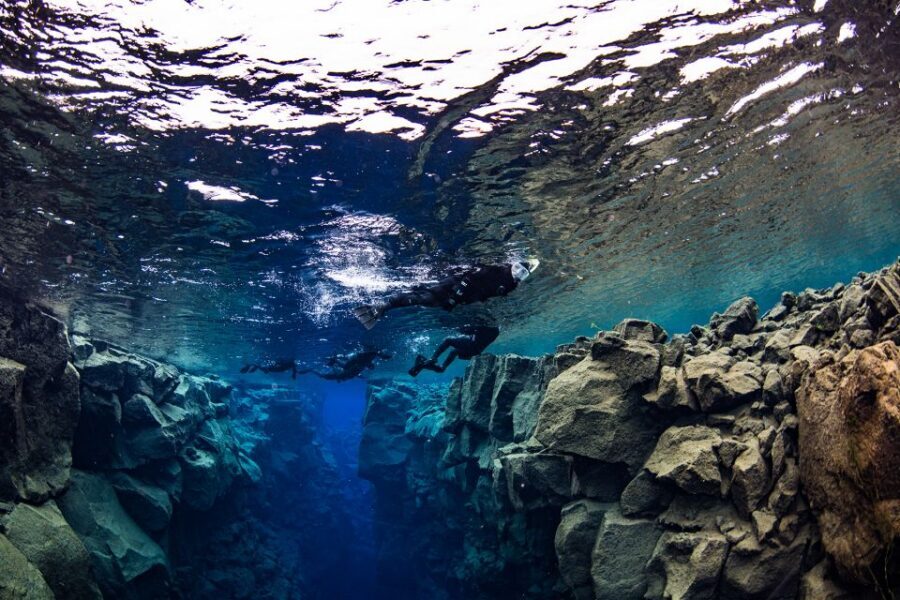
- ~100 meters / 300 feet visibility in Silfra’s glacial meltwater
- Big Crack to Silfra Hall to Silfra Cathedral route with big changes in depth and width
- Groups limited to 6 with an English-speaking guide
- Drysuits plus heated van so you actually enjoy the cold instead of bracing for it
- Hot chocolate and cookies waiting at the end
- No fish show: this is geology tourism, with surreal color and rock texture
Why Silfra feels like snorkelling between continents
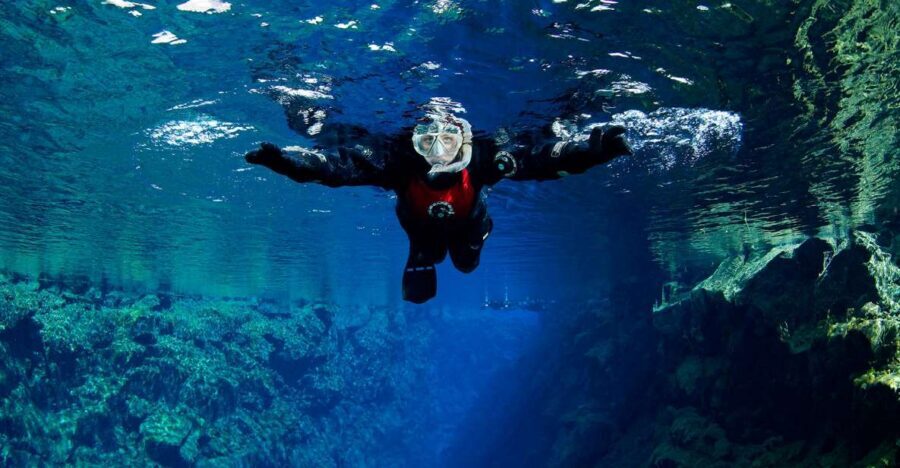
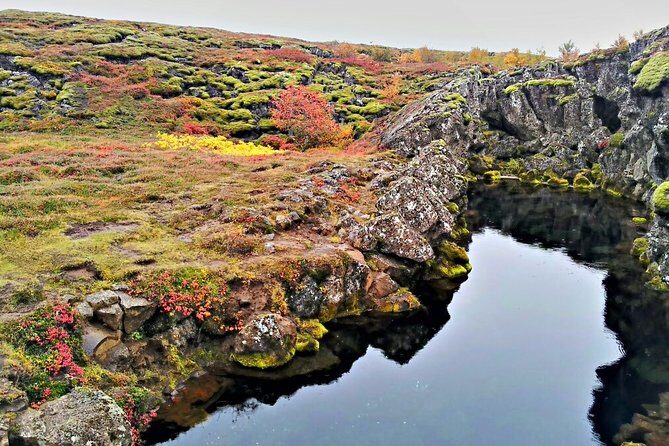
Silfra is one of those Iceland experiences that sounds like a headline until you see it for yourself. You’re in Þingvellir National Park, a UNESCO World Heritage Site, and you snorkel in the Silfra Fissure where the Eurasian and North American tectonic plates are slowly pulling apart. The wow factor isn’t just the “between plates” concept. It’s the way the water reveals the geology like a live diagram.
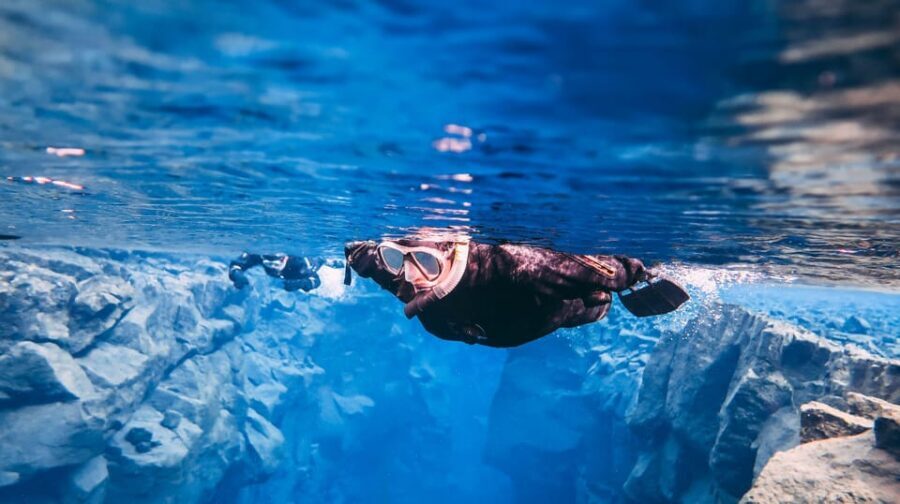
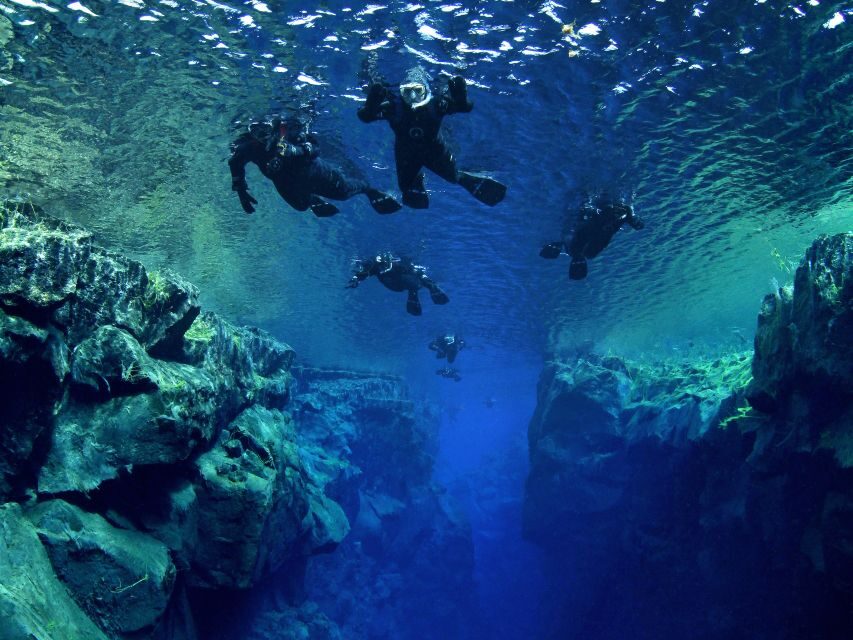
The water clarity is the main character. You get around 100 meters of visibility, so when the guide points out the rock shapes, you can actually take them in without squinting. And because the water is so clear, the colors of glacial meltwater look almost unreal—bands of silt, pale blues, and greenish tones that shift as your angle changes.
I also like how “float” is the vibe more than “swim hard.” The guide’s job is to keep you oriented, safe, and comfortable while you enjoy the view. It’s a rare activity where the movement feels simple, but the setting feels world-class.
You can also read our reviews of more tours and experiences in Selfoss.

Þingvellir National Park and the Golden Circle stop
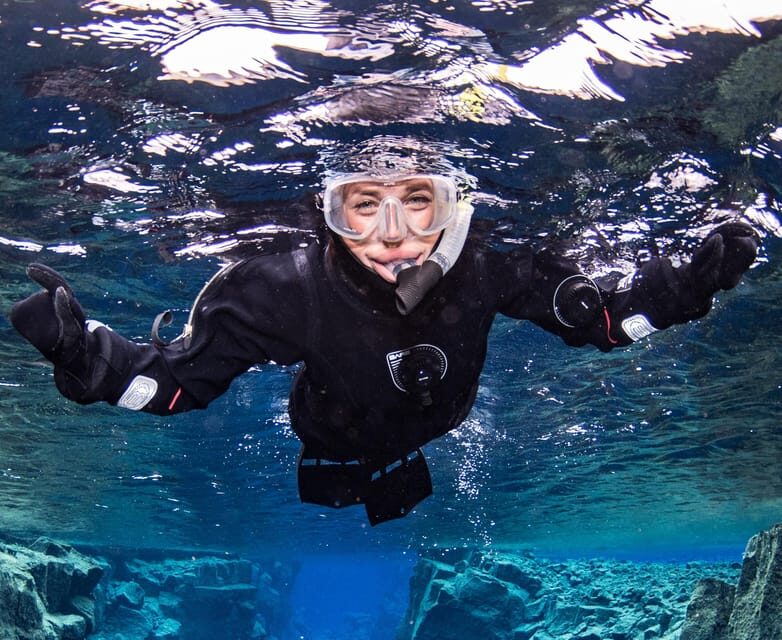
Silfra is famous as a Golden Circle add-on, and it makes sense. Þingvellir is already a stop for dramatic landscapes and rifts, and Silfra turns that idea into something you experience from inside the crack. Even if you’re focused on the water, the surrounding park matters, because you spend time walking around before and after your snorkel.
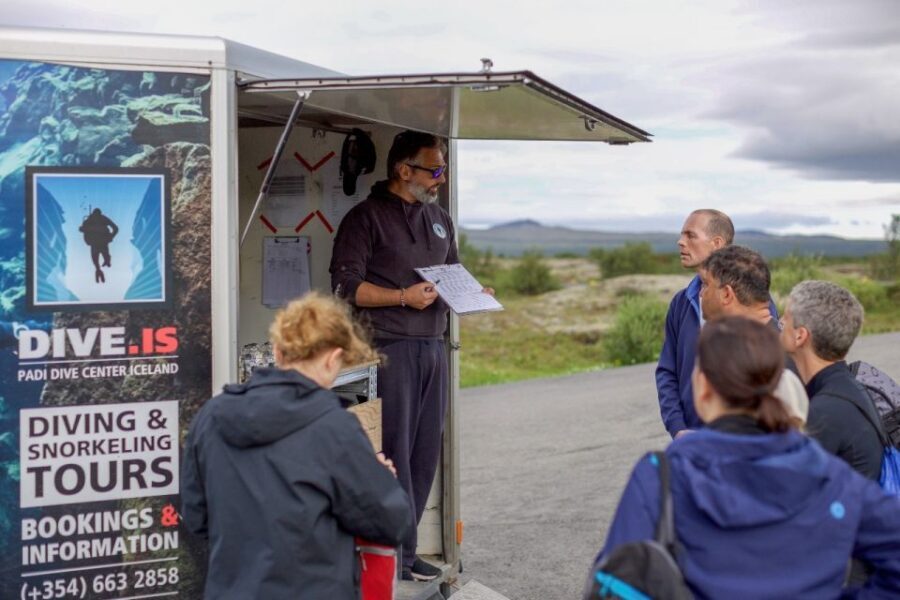
The tour includes a short on-foot stretch to reach the water area. That walk is brief, but it helps you get your bearings, especially when you’re wearing a drysuit and your layers are doing their job. On a clear day, the park light also makes the whole experience feel more vivid when you’re togged up outside before going in.
One useful mindset: this is not a marine-life safari. Based on what people describe, you come for the earth science and the look of the fissure, not for animals. If you’re expecting a colorful reef, you’ll likely be slightly surprised. If you’re excited by rock textures and scale, you’ll feel right at home.
Gear-up routine: drysuits, heated van, and suit fit
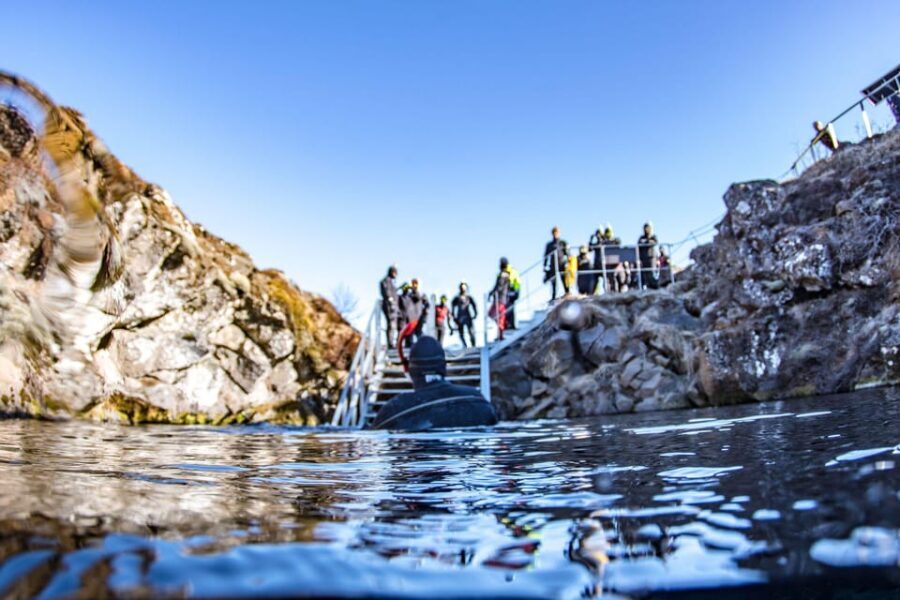
This tour is built around comfort in cold water, which is why the gear matters so much. You’ll suit up in a drysuit with a warm undersuit, plus snorkeling gear. People specifically praise how staff help secure the suit properly, because a good fit affects both comfort and warmth.
A heated van is included to help you change clothes without the misery of standing around in freezing air. That small detail changes the whole tone of the day. It also means you can stay calmer during the pre-water part, since you’re not rushing while shivering.
A few practical notes from real-world experience: wear warm clothing and consider adding extra thick socks. Multiple people mention that feet get cold, so layering socks helps a lot once you’re out of the suit in between segments. If you wear glasses, bring contact lenses, since you might not want to rely on eyewear inside the gear setup.
Also, don’t ignore the mental side. A couple people compare drysuits on land to a tight, claustrophobic feeling. Once you’re in the water and moving, that sensation usually fades, but if you know you struggle with confined spaces, be honest with yourself and talk with the staff before you go in.
The safety briefing that makes the cold feel manageable
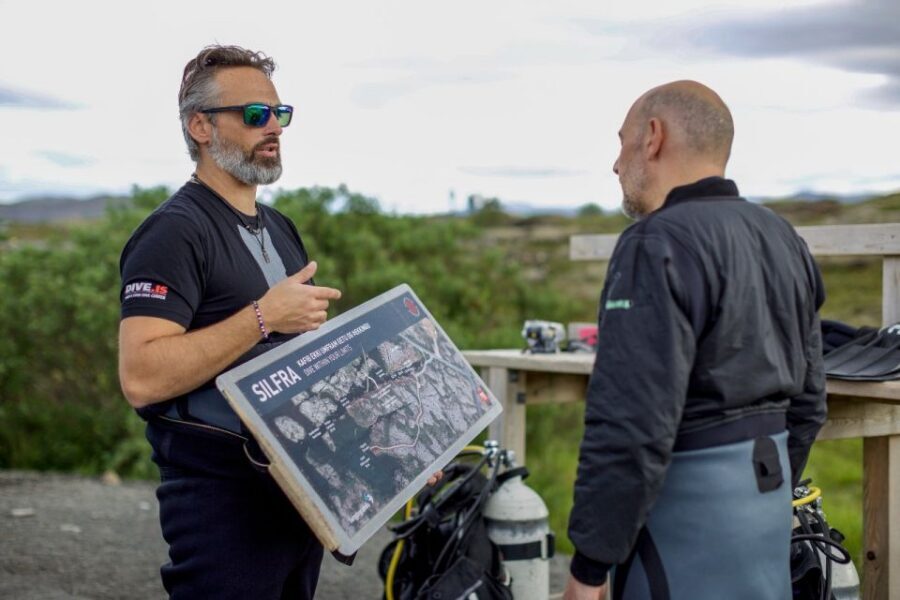
Before you enter the water, there’s about an hour devoted to safety and getting you ready. That’s not wasted time. Silfra is cold, the gear is bulky, and visibility is so good that you’ll want to focus on technique and orientation, not panic.
This is where your guide’s style really shows. Names that came up repeatedly include Elsa, Quim, and Henry, and people describe guides as hands-on with suiting, patient with first-timers, and attentive in the water. That matters because even though snorkelling here is often described as more floating than swimming, you still need to feel confident with mask and snorkel placement.
You’ll learn how to move in a way that doesn’t fight the water. And because the fissure has narrow sections, good breathing habits and body control help you keep your energy. That’s also why the total time in the water is planned carefully: it’s long enough to enjoy the route, but not so long that cold or fatigue takes over your attention.
One more practical point: all participants must read and sign a medical statement, and age 60+ requires physician approval. If any health concerns apply, it’s worth addressing before you show up, not during the suit-up chaos.
Big Crack to Silfra Cathedral: your guided route in stages
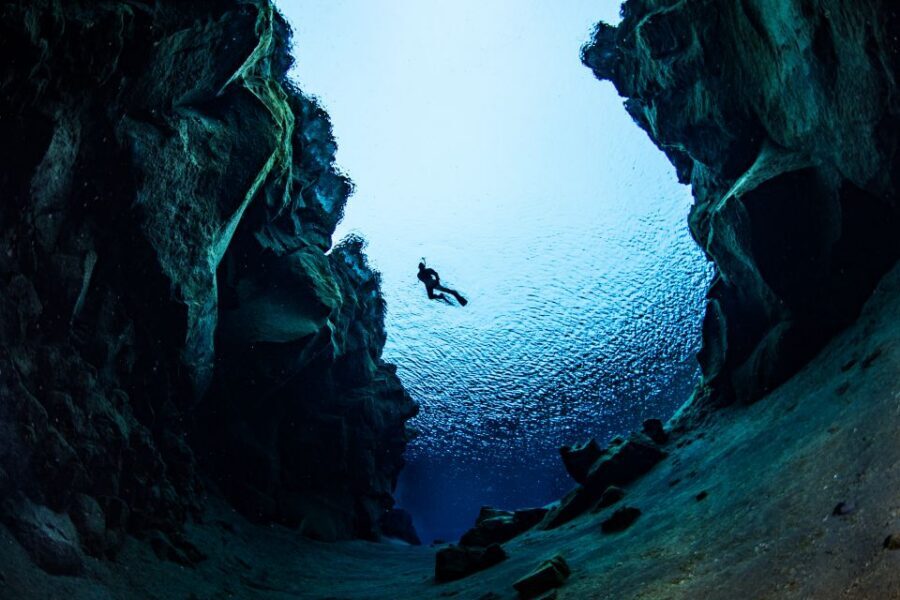
You’ll enter the fissure from a platform and spend about 45 minutes snorkeling. Your guide takes you through a route that changes from tight and narrow to wide and open, and that’s the fun part. It’s not just one view. It’s a sequence.
First comes the tight section people often call the Big Crack. It’s described as the narrowest part where the tectonic plates are so close you can almost touch them. Standing above and then floating inside that narrow space is where the concept clicks: this isn’t an abstract science lesson. It’s happening right in front of you.
Then the fissure widens into what’s called Silfra Hall. Visibility stays incredible, and depth changes make the view feel larger. One detail people love is the sense of scale: from the right angle, you can see toward Lake Þingvallavatn, more than 150 meters away. That distance in crystal water feels strange in a good way.
Next is the part that really sells the surreal feeling: Silfra Cathedral. You’ll enter at a depth of 23 meters, and people describe a sensation like you’re flying over boulders and glacial silt. With the water clarity, you can appreciate how the silt settles and how light behaves around the rock.
The route ends at Silfra Lagoon, where the tour shifts from “focus on the water” to “exhale and enjoy the calm.” It’s a smart sequence, because it starts with the awe moments in the tight crack, then opens into bigger views, then finishes with the easy return flow.
What you’ll see underwater (and what to expect visually)
Expect to see rock formations, not coral gardens. The big visual payoff comes from the combination of the fissure geometry and the way glacial meltwater carries light. People describe colorful layers in the water, and because visibility is so strong, you can spot texture and depth changes rather than just a blur.
You’ll also notice that angle matters a lot. A few people mention it can be tricky to see certain angles because you’re positioned high above the water line while snorkeling. That’s normal here, so don’t assume something is wrong with your gear. Instead, think like a photographer: move carefully, let the guide adjust positioning, and watch what changes as your body rotates slightly.
The water is clear enough that you can track how the route transforms—narrow crack feeling to open hall feeling to deeper cathedral feeling. That’s why people call it surreal. The setting behaves like a natural lens for the geology.
And yes, the cold is part of the experience, but it’s not usually described as “unbearable.” People repeatedly say they mostly feel cold on the face and hands. Your drysuit keeps you warm and dry overall, while the parts exposed to air and water movement are the ones that bite.
Warm up after: hot chocolate, cookies, and your photo plan
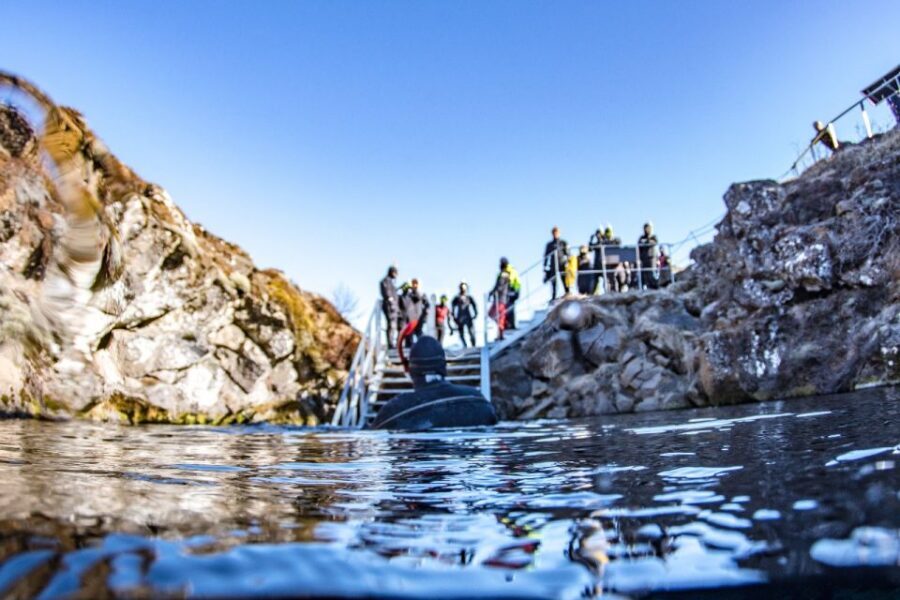
When you’re done in the fissure, you’ll finish at Silfra Lagoon and get hot chocolate and cookies. That warm-up is more than a snack. It helps you reset your body after cold water, so you don’t feel shaky while you’re walking out in layers.
Most groups are also chatting with the guide at the end. This is where you’ll hear extra context and get answers on what you just saw—how the crack works, what you were looking at, and why the water stays so clear. People highlight the guide Q&A as part of what makes the tour memorable.
Photos are offered through the guides, and people like the underwater images as a bonus. Just go in knowing the photo package can be a separate cost. One person mentioned paying around $20 for only two photos, so I’d treat it like a check-out decision, not something you assume will be included. If you want control over your own shots, consider bringing a GoPro, since a few people note that mittens can make phone use harder.
Also, don’t forget insects. One person recommends a mosquito head net, and another notes they provide them. If you’re sensitive to midges, toss a head net into your kit so you’re not relying on luck.
Price and value at about $140 per person
$140 is not a bargain price. But it can be good value when you look at what’s bundled. You’re paying for access to Silfra, included gear, and serious cold-water support.
Here’s what’s included that often costs extra if you try to piece it together: snorkeling gear, a drysuit with warm undersuit, and a heated van for changing. You also get hot chocolate and cookies, and the Silfra entrance fee is included in the price. On top of that, you’re not going solo—you snorkel with an English-speaking guide and a small group capped at 6.
Where value can feel uneven is around souvenirs. Photos are an optional add-on, and the cost structure can feel steep if you only want a few images. If you’re photo-focused, bring your own action camera or plan your budget ahead of time.
For many people, the timing is also part of value. The snorkel time is about 45 minutes, and the full tour window is 2.5 to 5 hours depending on the session. That makes the experience feel like a concentrated outing, not an all-day slog in cold weather.
Who should book, and who should skip this Silfra tour
This is for people who can handle cold water and want a geology-forward experience. The tour suits anyone over age 12 who feels comfortable in water and knows how to swim. You don’t need to be a certified diver for this.
It’s also not for everyone, and the rules are clear. It’s not suitable for:
- Children under 12
- Pregnant women
- People weighing over 264 lbs (120 kg)
- People shorter than 4 ft 9 in (150 cm)
- People taller than 6 ft 6 in (200 cm)
- Alcohol and drugs are not allowed
Age 60+ also needs physician approval, and everyone signs a medical statement. If any of these apply, check your fit carefully before booking.
If you’re claustrophobic, consider a quick conversation with the operator first. A drysuit on land can feel tight, even though many people say that sensation fades once they’re in the water. The goal is not just to be brave. It’s to be comfortable enough to enjoy the moment.
Small-group reality: how guides keep you safe
The small-group setup is a major quality signal. You’re divided into groups of six participants, with one guide per group. That ratio matters when you’re dealing with bulky gear and cold water where small problems turn into big problems fast.
People consistently praise how guides help with suiting and provide clear instruction. Names mentioned include Elsa, Nicolas, Niko, Anezka, Teresa, and Gabe, and the common thread is hands-on support. If you’re new to snorkelling, you’ll likely appreciate the guidance on how to breathe calmly and how to move without fighting the gear.
Safety here seems to be more than a checklist. It’s how the guide actively checks in, helps with fit, and keeps the group moving at a pace that prevents panic. Some people describe feeling completely safe even when they were worried about cold or first-time snorkeling nerves. That reassurance is the difference between “endured it” and “actually enjoyed it.”
Should you book this Silfra snorkeling tour?
If you want a bucket-list Iceland moment that’s grounded in real geology, Silfra is hard to beat. You’re not looking at tectonics from a viewpoint. You’re floating in the fissure itself, with 100-meter clarity that makes the science feel physical. Add in drysuits, heated changing, and a warm finish, and the experience becomes both dramatic and practical.
I’d book this if:
- You love unusual settings and clear water views
- You can swim and you’re okay with cold, even if your face gets chilly
- You want a small-group experience where the guide can help with fit
I’d skip it if:
- You’re not comfortable in cold water or you know you’ll struggle with tight gear on land
- You want lots of marine wildlife instead of rock and silt
- You expect everything photo-related to be included
FAQ
How long is the Silfra snorkeling tour?
The duration is listed as 2.5 to 5 hours, depending on the selected starting time and session flow.
What is the group size?
Groups are limited to 6 participants, with an English live guide for each group.
What’s included in the price?
Included items are snorkeling gear, a drysuit and warm undersuit, a heated van to change clothes, hot chocolate and cookies, and Silfra entrance fee (ISK 1,500). A PADI-certified instructor is also included.
Do I need to be a certified diver?
No. This activity is suitable for anyone over age 12 who feels comfortable in water and can swim. Divership certification is not required.
Where do I meet for the tour?
Meet at the Silfra Fissure in Þingvellir National Park. Turn into road 36, continue until you see the partner company’s cars at the Silfra meeting point, then park at P5.
What should I bring?
Bring warm clothing. If you wear glasses, the tour notes you should bring contact lenses.
Is the tour suitable for kids or pregnant travelers?
No. It’s listed as not suitable for children under 12 and not suitable for pregnant women.