Silfra feels like another planet. In Þingvellir National Park, you glide into the clear fissure between two continents, with visibility that can top 100 meters even under the ice. The whole experience is built around a guide who keeps you calm, helps with technique, and lets you go at a pace that feels right.
My favorite part is the mix of scenery and safety: you’re learning the basics while swimming through ravines that sit right between North America and Europe. The other big win is comfort at the end—after you’re out, you warm up with hot chocolate while the group decompresses. One thing to factor in: this is a physically demanding activity with strict limits, including age, height/weight ranges, and health restrictions.
In This Review
- Key Highlights You’ll Actually Notice
- Þingvellir to Silfra: why this crack is special
- What to expect before you enter the water (gear, suit, and nerves)
- The free-breathing session between tectonic plates
- Temperature, comfort, and how to handle the cold
- Group size, timing, and getting there without stress
- Price and what you get for $227 per person
- Who this Silfra experience suits best (and who should skip it)
- The best way to get photos and keep things simple
- Should you book this Silfra free-breathing adventure?
- FAQ
- Where is the meeting point?
- How long is the experience?
- What’s included in the price?
- Do I need my own wetsuit or gear?
- What size is the group?
- Is hotel pickup or drop-off included?
Key Highlights You’ll Actually Notice
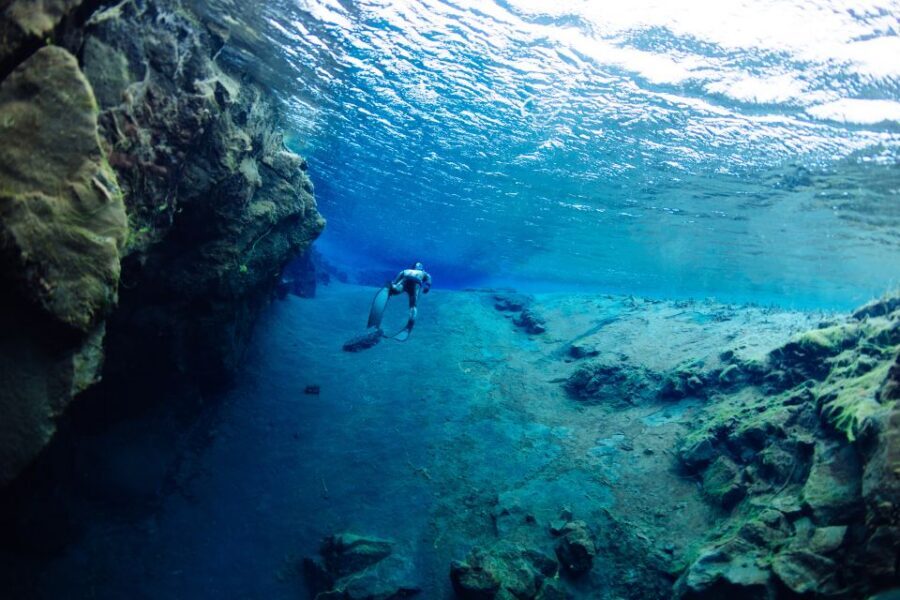
- 100m+ visibility in Silfra’s fissure makes every shape under the water look crisp and real
- Small groups (up to 6) keep the experience personal, even when the site is busy
- 7mm open-cell wetsuit plus Dryrobe overcoat helps you stay warm before and after
- Guided free-breathing at your pace means coaching for technique and safety, not speed
- Hot chocolate after you’re out gives you a simple, satisfying reset
- Þingvellir location ties your underwater time to a famous tectonic setting above water
Þingvellir to Silfra: why this crack is special
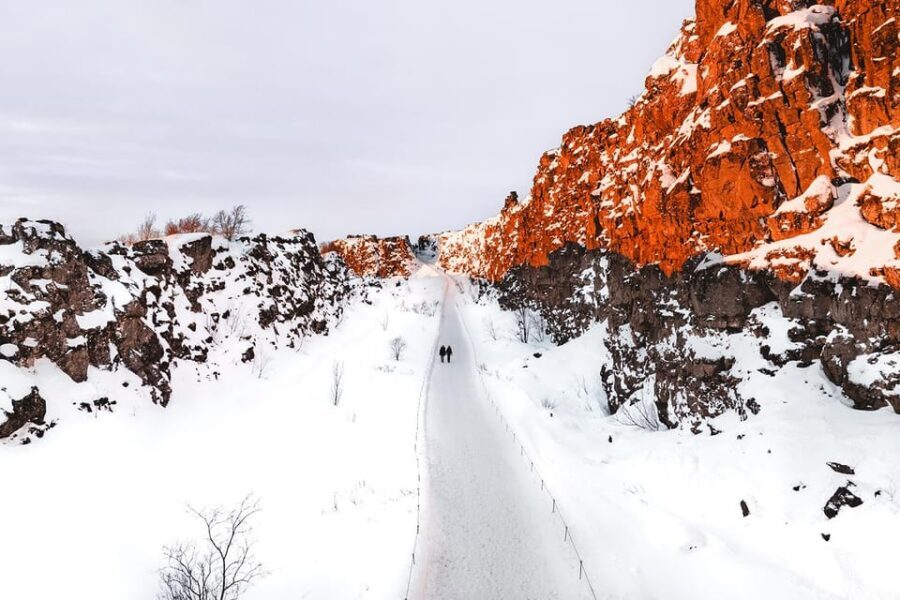
Þingvellir is one of Iceland’s most famous geology stops. The ground there is literally part of a boundary—two tectonic plates pulling apart. Silfra is where the story gets stranger and more beautiful: a fissure that you enter underwater, traveling into a space that feels separate from the rest of Iceland.
What makes this experience so compelling is the contrast. Above the water, you’re watching the landscape do its tectonic thing—cracks, plate movement, and that stark Icelandic atmosphere. Under the surface, the water turns it into something quieter and cleaner, with long sightlines and a sense of scale you don’t get snorkeling.
The guide’s job matters here. Without solid coaching, “good visibility” can turn into “too much cold, too fast, too nervous.” With instruction, the experience becomes controlled and confidence-building. You spend your energy on breathing, body position, and staying relaxed, not on guessing.
What to expect before you enter the water (gear, suit, and nerves)
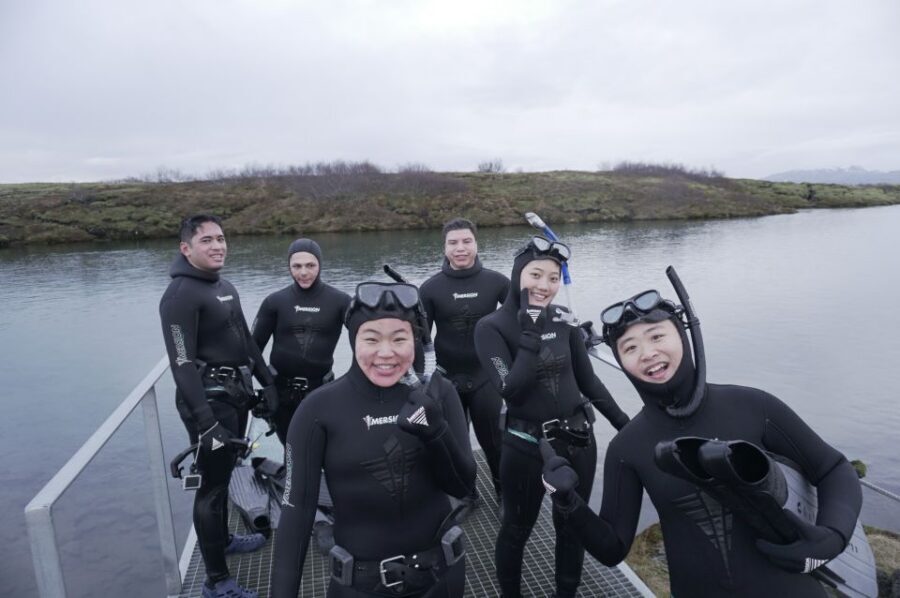
You meet at the Þingvellir National Park Thingvellir P5 parking lot, then walk about 300 meters to the vans used by the operator. You’ll see the Freedive Iceland logo on the side. Plan to arrive a little early so you don’t feel rushed while getting suited up.
The van works as a changing room. You leave your belongings in the vehicle during the activity, so you’re not juggling bags at the water’s edge. When it’s time, you follow the step-by-step prep your guide runs through, including safety expectations and the route.
Then comes the clothing layer that makes the whole thing possible: an open-cell 7mm wetsuit. You also get a Dryrobe overcoat for anytime you’re out of the water and need a quick warmth boost. This matters more than people think. It’s easy to underestimate how cold you’ll feel while you’re waiting your turn or walking a short distance on wet ground.
What I like about the pacing is that it’s not a hard-sell “push deeper” style. You’re encouraged to work at your own pace with a guide who stays with the group. That’s especially important if your group has mixed experience levels—some people are new to free-breathing, others have snorkeling or scuba background. The structure helps everyone feel included.
A practical note: wear comfortable shoes and bring a camera if you want one. You’ll also want comfortable clothes for after, since you’ll be spending time in and out of the water.
The free-breathing session between tectonic plates
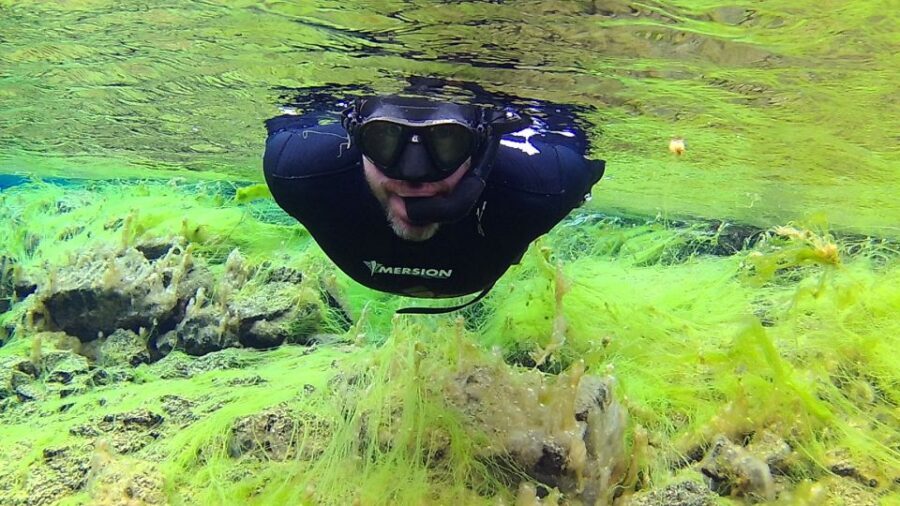
Once everyone’s ready, you head to the staircase and enter the water. From there, the goal is simple: you’re moving through Silfra’s ravines at your own pace while your guide supports safety and technique.
The experience is built around a repeated pattern:
- Breath and preparation with the guide’s instructions
- A head-first, controlled descent into the crack (you’ll duck and drop rather than rushing)
- Swim and free-breathing travel through the ravine
- Return to the surface when you’re done, not when the schedule forces you
This is where Silfra’s reputation earns its keep. The fissure is narrow enough to feel like you’re traveling inside an Icelandic geological cut, but it opens up visually thanks to the clarity. The water can be unbelievably clear, and the visibility—reported as over 100 meters—means you can actually see the environment stretch.
What you should do mentally: treat it like a guided body-and-breath lesson. If you fight the cold or force yourself to “perform,” you’ll burn energy. If you keep it calm, the experience feels smoother and more enjoyable.
One reviewer point that’s useful for you: some people choose flippers they’re already comfortable with. If you’re a little serious about technique, you may want to ask which fin type fits free-breathing better, because longer free-breathing fins can make the experience easier and more efficient (when appropriate for your setup). You don’t need to be an athlete, but being comfortable helps.
Temperature, comfort, and how to handle the cold
Silfra is cold. That’s not a marketing trick; it’s the whole point of why it feels so crisp and clear. The 7mm wetsuit and the Dryrobe reduce the cold stress, but the sensation still registers—especially early on.
Here’s the practical way to think about it:
- The wetsuit helps you stay warm enough to enjoy time in the water.
- Your breathing control and relaxation determine how pleasant the cold feels.
- Waiting around before and after the session can feel colder than you expect, so using the Dryrobe matters.
If you’re nervous, you’re not alone. People often feel anxious on their first attempt, and the guide’s role is to help you get comfortable with the sequence. The best strategy is to focus on what’s in front of you: suit, breathing, body position, and following the guide’s cues.
Also, follow the rules that are there for a reason. Alcohol and drugs are not allowed, and intoxication is a no-go. It’s not just policy; it’s about safety and judgment when you’re working in cold water.
Group size, timing, and getting there without stress
This is a small group tour limited to 6 participants, which makes a difference. At larger sites, it’s common to feel like you’re sharing space with everyone. Here, the smaller number helps the session feel more like yours, even if you’re at a location that’s popular.
Duration is listed as 3 hours, so you’re not committing a full day. That’s valuable if you’ve got a tight Iceland itinerary and you want a standout experience without sacrificing everything else.
The meeting point is straightforward, but still plan it in your schedule. No hotel pickup is included, so you’ll need to get yourself to Þingvellir and be at the parking area on time. Once you’re there, the walk to the vans is short, and the rest is handled by the operator and your guide.
Because the experience is time-bounded, come prepared to follow a schedule. You don’t just show up, suit up, and go whenever. You join the group’s rhythm: gear up, safety talk, enter the water, then warm up at the end.
Price and what you get for $227 per person
At $227 per person for a 3-hour guided experience, you might wonder what you’re paying for besides the water.
Here’s the value breakdown from what’s included:
- Bilingual guide (English and Icelandic)
- Entry fees
- Equipment and wetsuit (including the open-cell suit)
- Dryrobe overcoat
- Hot cocoa at the end
Not included: hotel pickup and drop-off. Everything else is handled so you don’t need to buy cold-weather gear or figure out logistics at the last minute.
When I look at pricing like this, I treat it as two costs: the gear you’d otherwise need, plus the expertise that keeps the experience safe and smooth. In cold-water activities, guidance isn’t optional fluff. You’re learning technique, and the guide is watching you as you move through the fissure.
Also, the small group size affects value. You’re not paying for a crowd. You’re paying for attention and a guided plan that lets you enjoy your session without feeling like you’re being rushed.
Who this Silfra experience suits best (and who should skip it)
This is a guided, physically demanding activity. You’ll get the most out of it if you’re comfortable in the water and can swim. Your ability matters because the whole experience depends on breath control and calm body movement in cold conditions.
It’s not suitable for:
- Children under 12
- Pregnant women
- People with back problems or heart problems
- Wheelchair users
- Non-swimmers
- People above 6 ft 6 in (200 cm)
- People over 65
- People under 88 lbs (40 kg)
- People under 4 ft 8 in (145 cm)
- People over 280 lbs (127 kg)
- Infants must not sit on laps (infant seats are unavailable)
If you meet those limits and you know how to swim, you’re a good candidate. If you’re unsure, be honest with yourself about your comfort level. This isn’t about toughness; it’s about staying safe while you relax and follow the guide.
The best way to get photos and keep things simple
If you bring a camera, bring it with cold-water use in mind and make sure you know how you’ll manage it. You’ll be changing and moving around near the water, so you’ll want to keep the camera protected during prep.
The van setup helps you stay organized. Leave what you don’t need in the vehicle. Use the time in the water for the experience first, then capture what you can once you’re steady. The goal is not to turn the session into a gear-management test.
If you’re hoping for video, expect limited flexibility. You don’t control currents, and you’re following a guide’s safety rhythm.
Should you book this Silfra free-breathing adventure?
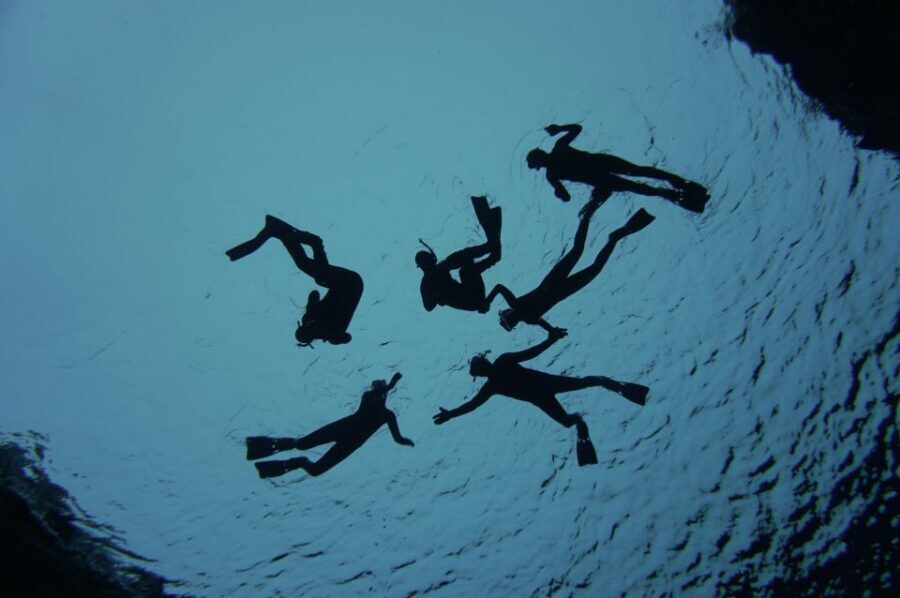
Book it if you want a short, high-impact Iceland experience with serious natural drama plus coaching. The combination of 100m visibility, a 7mm wetsuit, a bilingual guide, and hot chocolate after is exactly the kind of practical thrill I like: it’s memorable without being chaotic.
Skip it if you’re outside the physical limits or you know you’re not comfortable in cold water. In that case, no “premium suit” or friendly guide can change the fact that your body has to handle the conditions.
If you’re healthy, a swimmer, and curious about what it feels like to move quietly through a tectonic crack, this is one of the more focused tours you can add to a Þingvellir day.
FAQ
Where is the meeting point?
Meet your guide at the Þingvellir National Park at the Thingvellir P5 parking lot. From there, you walk about 300 meters to the vans.
How long is the experience?
The tour lasts about 3 hours.
What’s included in the price?
It includes a bilingual guide, entry fees, diving equipment, a wetsuit, a Dryrobe overcoat, and hot cocoa.
Do I need my own wetsuit or gear?
No. Wetsuit and equipment are provided as part of the tour.
What size is the group?
The tour is a small group, limited to 6 participants.
Is hotel pickup or drop-off included?
No, hotel pickup and drop-off are not included.