Tiny building, big ocean feelings.
The Sea Life Trust Beluga Whale Sanctuary in Vestmannaeyjar is built around one simple idea: conservation you can actually visit. You meet the resident belugas Little White and Little Grey, then you connect that story to the wider life of Iceland’s waters through a native-species aquarium and a puffin rescue focus.
I especially love the way the place ties learning to real animals. You’re not just reading signs; you’re watching the belugas the sanctuary cares for, and you also get to see how puffins are rehabilitated rather than treated like scenery. The third thing I really appreciated is that the Visitor Centre explains the belugas’ journey and gives you context for why they ended up here.
One drawback to consider: the viewing areas can feel small, and the beluga viewing window can be tight—so it can get crowded when lots of people are waiting their turn.
In This Review
- Key things to know before you go
- Beluga whales in Vestmannaeyjar: what makes this sanctuary different
- Meet Little White and Little Grey: the beluga viewing experience
- Puffin Rescue Centre: what rehabilitation looks like in real life
- The Visitor Centre: learning the belugas’ journey without feeling like school
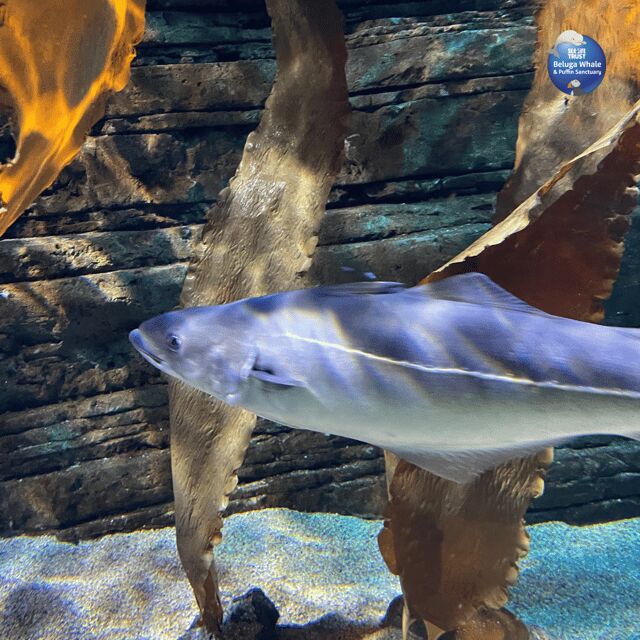
- Native species aquarium: local marine biodiversity, not a random tank
- Price and value: is $30 worth it?
- Timing, ferry logistics, and how to fit it into your South Iceland day
- Crowds and viewing comfort: making the best of a small window
- Guided tour at 2 PM: whether it’s worth adding
- Who this sanctuary is best for (and who should rethink)
- Should you book Beluga Whale Sanctuary admissions?
- FAQ
- FAQ
- Where is the Beluga Whale Sanctuary located?
- How do I get there from Seljalandsfoss?
- How much is admission?
- How long is the visit?
- What animals and exhibits can I access with admission?
- Is the 2 PM guided tour included?
- What’s the meeting point?
- Is it wheelchair accessible?
- Do I need to worry about cancellation?
- Are there any important mission details tied to the ticket?
Key things to know before you go
- World’s first beluga sanctuary dedicated to beluga whales, run by Sea Life Trust
- Resident belugas: Little White and Little Grey, the stars of the show
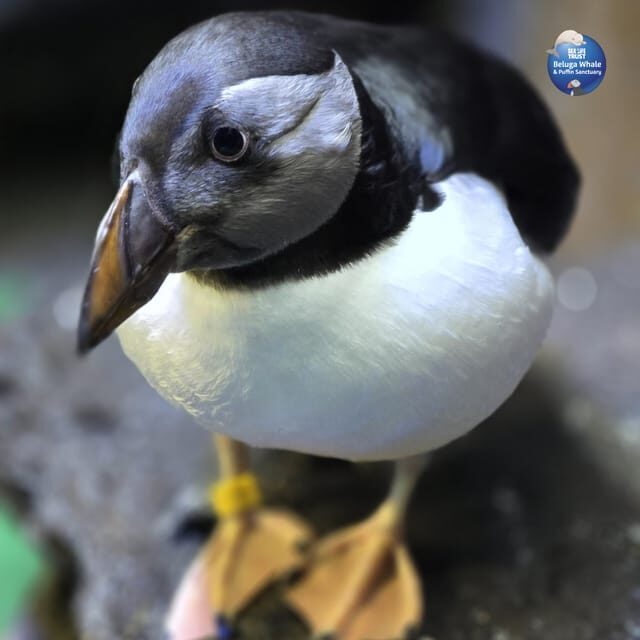
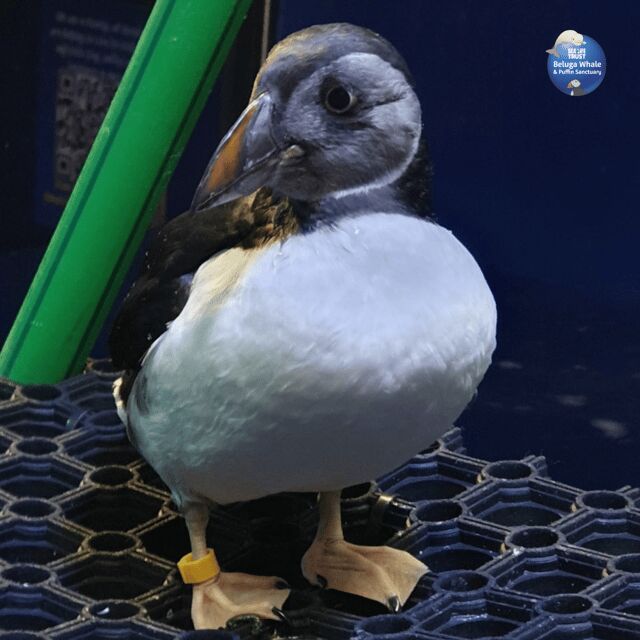
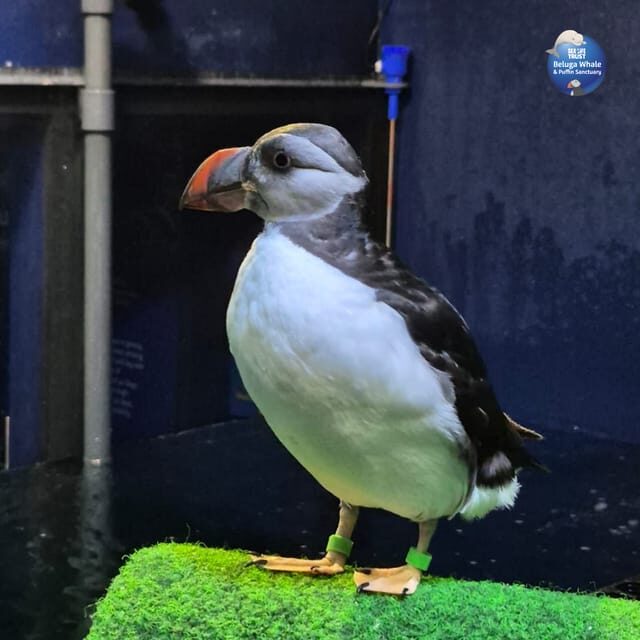
- Puffin Rescue Centre gives you a conservation angle, not just animal viewing
- Native species aquarium focuses on local marine biodiversity
- Self-visit experience, with a guided tour option that runs daily at 2 PM
- Vestmannaeyjar access by ferry (about 30 minutes from Seljalandsfoss)
Beluga whales in Vestmannaeyjar: what makes this sanctuary different
If you like wildlife places that feel like a mission, not a theme park, this one earns a lot of respect. This sanctuary is specifically dedicated to beluga whales, and it focuses on care, education, and protection. That’s a big deal in a country where you’ll also see plenty of ocean life—because here, the point isn’t only spotting animals. It’s helping them.
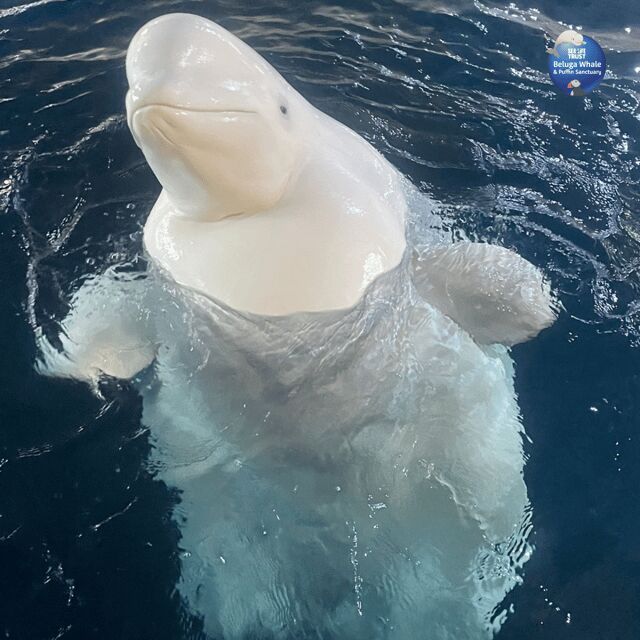
The main draw is meeting the resident belugas, Little White and Little Grey. You’ll see them cared for as part of the sanctuary’s work, not as temporary “attractions.” That changes the tone of your visit: you’re more likely to watch thoughtfully and pay attention to behavior, rather than treating it like a quick photo stop.
A second reason this visit works is that it’s not a single-animal show. You’ll also have access to Iceland’s Puffin Rescue Centre and a native species aquarium. So even if you’re more of a puffin person or a “local marine life” nerd, you can still find value.
Meet Little White and Little Grey: the beluga viewing experience
The belugas are the headline, and honestly, the belugas are adorable. If you’re expecting a wide-open, oceanfront panorama, adjust your expectations. The viewing setup is more about close observation through a glass viewing area than about strolling a huge space and taking in waves of ocean views.
That tight viewing footprint is exactly where experiences split. Some people leave feeling moved by the care work and the chance to see the belugas as living individuals. Others feel disappointed because the window is small and it can be hard to get a good look when lots of people are waiting.
Here’s how to make it work for you:
- Go with the mindset that this is a sanctuary experience, not an outdoor amphitheater.
- Be ready to wait for a better angle if the viewing area gets crowded.
- If you’re visiting with kids, aim for calm patience. In smaller spaces, the crowd energy matters more than you’d expect.
The best part is still what you came for: watching two resident belugas that the sanctuary cares for. It’s the kind of moment that sticks with you, even when the space isn’t huge.
Puffin Rescue Centre: what rehabilitation looks like in real life
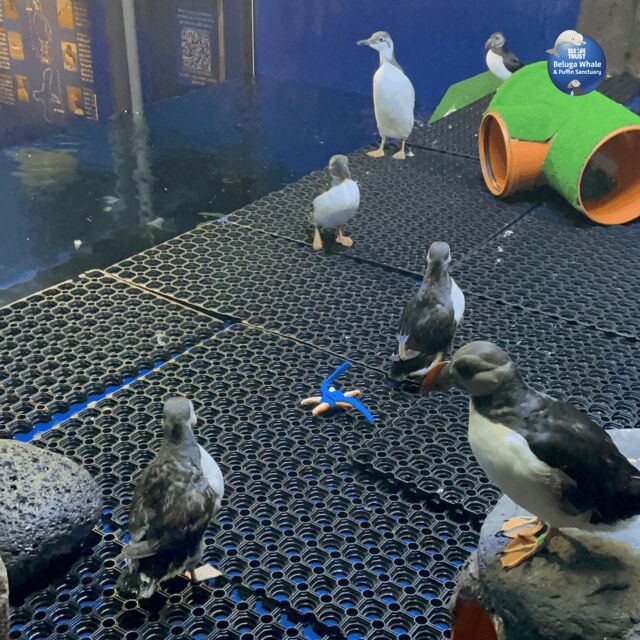
One of the best values of this visit is that the puffin area isn’t just a “cute birds” add-on. It’s Iceland’s Puffin Rescue Centre, meaning the focus is on rehabilitation and protection of puffins and seabirds. For me, that’s where the sanctuary feels most meaningful: you’re seeing conservation work that goes beyond education posters.
That matters because puffins are easy to romanticize. It’s easy to think of them as just the island mascot. Here, you’re nudged to think about what happens when wild birds are injured, sick, or otherwise unable to return to normal life.
A caution: you should check the current status before you plan your day. One review mentioned the puffin section was closed at the time of their visit, and that’s the kind of surprise that can turn a good day into a short one. If puffins are a top priority for you, build a little flexibility into your Iceland itinerary so one smaller closure doesn’t ruin the whole day.
The Visitor Centre: learning the belugas’ journey without feeling like school
The Visitor Centre is where your visit stops being only “look at animals” and starts becoming “understand why this exists.” You’ll learn about the story of the belugas’ journey and their new Icelandic home, plus you’ll find educational displays about beluga whales.
This is also where the sanctuary earns points for tone. You’re not just handed facts and moved along. The place gives you context so that when you go back to the viewing area, you can connect what you’re seeing to the bigger mission.
One review highlighted how enjoyable it was to listen to an on-site staff member explain animal characters and what they like. Even if you’re not a talker, it’s worth taking a few minutes to stop where the explanation is happening and let it reset your brain. In a small sanctuary, those extra minutes help you get more from the time you’re spending.
Native species aquarium: local marine biodiversity, not a random tank
After the belugas and puffin focus, the Native Species Aquarium gives you the “wider ocean” picture. This is aimed at showing the marine biodiversity that thrives in these waters, which helps your visit feel connected instead of split into separate animal corners.
What you’ll like here depends on your mood:
- If you came for marine life generally, it gives you a nice flow from belugas to seabirds to the underwater ecosystem.
- If you came mainly for the belugas, it acts like a useful buffer so you don’t feel the day is only one viewing moment.
Either way, it’s a smart pairing. Belugas live in a marine world shaped by food webs, clean water, and healthy habitats. Seeing native species in context helps you understand why the sanctuary’s conservation angle matters beyond one building.
Price and value: is $30 worth it?
The price is $30 per person for this 1-day admission. The key question isn’t just whether you’ll see whales—it’s whether the sanctuary’s conservation work and your visit expectations line up.
Here’s the value equation I’d use:
- If you respect the mission and you’re happy with a smaller, focused sanctuary, you’re likely to feel you got your money’s worth.
- If you’re expecting a big, high-volume zoo-style experience with lots of viewing areas and nonstop entertainment, you may feel it doesn’t meet your expectations.
Also, all proceeds support marine conservation efforts. That’s not a vague statement—it’s the whole point of buying admission. In places like this, the ticket is basically your vote for conservation being funded and visible.
The mixed reviews make this part clear: the animal care story and the beluga viewing can feel inspiring to some visitors, while others leave disappointed due to limited viewing space and crowding. So for best value, go in with the right mental model: this is a sanctuary visit, not a full-day theme-park outing.
Timing, ferry logistics, and how to fit it into your South Iceland day
You’ll find the sanctuary in Vestmannaeyjar. Getting there involves a 30-minute ferry ride from Seljalandsfoss. That travel piece matters because it turns a “just go to the sanctuary” plan into a real half-day decision.
Because this is a 1-day experience with an on-site option for a guided tour at 2 PM (not included with basic admission), I’d plan like this:
- Treat it as a dedicated outing, not a quick stop between other activities.
- If you care about the guided component, time your ferry and arrival so you can actually catch the 2 PM tour.
- If you’re more interested in self-paced viewing and the Visitor Centre, you can keep your schedule looser.
In Vestmannaeyjar, your ferry day is the main rhythm. Once you’re on the island, you’ll likely feel the sanctuary’s short, focused nature more than you would at a sprawling attraction.
Crowds and viewing comfort: making the best of a small window
A lot of the disappointment in negative reviews is tied to the same problem: space and visibility. People mentioned the area felt small, that the viewing window was tight, and that it got crowded with people pushing for a turn.
You can’t control crowd levels, but you can control how you prepare:
- Arrive with patience and a plan to wait for your best moment rather than expecting immediate front-row viewing.
- If you’re traveling with children, be extra mindful. Small spaces amplify frustration, especially when adults step forward to chase a better look.
- Keep your expectations aligned with sanctuary-style viewing: it’s not a wide panoramic setup.
If you’re the type who gets stressed by queues, consider pairing this visit with a slower day elsewhere on the island so one tight viewing slot doesn’t color the entire trip.
Guided tour at 2 PM: whether it’s worth adding
This experience includes entry and access to the sanctuary features, but it also notes that a guided tour runs every day at 2 PM and is not included. That suggests two different experiences:
- Self-paced admission, centered on the Visitor Centre displays, puffin rescue area, and native aquarium.
- A structured guided component at 2 PM, likely best if you want a tighter narrative and someone answering questions on the spot.
If you love stories and context—especially conservation details—try to time your day around the 2 PM tour. If you prefer to wander and read at your own speed, you can still have a full visit without it.
Who this sanctuary is best for (and who should rethink)
I think this is ideal for:
- People who care about conservation and support facilities that rehabilitate and protect wildlife
- Beluga fans who want to see Little White and Little Grey in a dedicated setting
- Travelers who enjoy learning as part of wildlife viewing, not just photos
You might want to rethink it if:
- You’re expecting a large venue with lots of different beluga viewing angles and open-air views
- You strongly need puffin viewing as your #1 goal, especially since at least one visit report mentioned the puffin section being closed
- You hate crowded indoor waiting areas, since the viewing area can get busy
The sanctuary’s mission is clear, and that part is what most visitors who feel satisfied are responding to.
Should you book Beluga Whale Sanctuary admissions?
If you’re drawn to the idea of a beluga-focused sanctuary that also supports puffin rehabilitation and marine education, then yes, it’s a good booking. The combination—belugas plus puffin rescue plus native aquarium—gives you more than a single exhibit, and the admission directly supports conservation.
I’d book especially if you like the idea of learning while you observe, and if you can accept that the space for viewing is more compact than a typical big attraction. Just be practical about it: plan your ferry day carefully, and if puffins are the main reason you’re going, check current on-site status before you commit your time.
FAQ
FAQ
Where is the Beluga Whale Sanctuary located?
It’s located in Vestmannaeyjar (in the Southern Region of Iceland).
How do I get there from Seljalandsfoss?
You can reach it by ferry, which takes about 30 minutes from Seljalandsfoss.
How much is admission?
The price is $30 per person.
How long is the visit?
The experience is listed as 1 day.
What animals and exhibits can I access with admission?
Admission includes entry to the beluga sanctuary, educational displays about beluga whales, access to Iceland’s Puffin Rescue Centre, and a native species aquarium.
Is the 2 PM guided tour included?
No. The guided tour that runs every day at 2 PM is not included with admission.
What’s the meeting point?
Please go to the Beluga Whale Sanctuary.
Is it wheelchair accessible?
Yes, the sanctuary is wheelchair accessible.
Do I need to worry about cancellation?
You can cancel up to 24 hours in advance for a full refund.
Are there any important mission details tied to the ticket?
Yes. All proceeds support marine conservation efforts.