Caves of Hella feels like you stepped into a forgotten chapter. This one-hour guided stop on Iceland’s South Coast takes you into twelve discovered man-made caves at Ægissíða, with time to see four of them up close. It’s also a rare chance to view structures that have survived since before the Vikings, and that many visitors only learned about after the site opened to the public in 2019.
What I really like is the mix of physical details and human stories. You’ll spot features like ancient crosses, wall carvings, and carved seats, and your guide connects those marks to the big questions people have asked for centuries. I also like how the tour stays practical: it’s built for a quick stop off Route 1, and the walking is described as short and easy.
The main thing to consider is simple: this tour isn’t suitable for wheelchair users, and the route involves walking between the four caves. If you need mobility support, you’ll want to plan carefully before you book.
In This Review
- Key Highlights at a Glance
- Caves of Hella: Iceland’s Oldest Man-Made Structures in One Hour
- Where You’ll Start in Hella (Right Off Route 1)
- The One-Hour Walking Route: Four Caves, Easy Pace
- What You’ll See: Crosses, Wall Carvings, and Carved Seats
- The Mystery Stories: Celts, Worship, and Early Settlement Questions
- Meet the Guides: Stefan and Hanna Set the Tone
- Price and Value: Why 39 Per Person Can Make Sense
- Who This Tour Fits Best (and Who Should Think Twice)
- Should You Book This Caves of Hella Tour?
- FAQ
- How long is the guided tour?
- What will we see during the tour?
- Is there a lot of walking?
- Where are the caves located?
- Is the tour available in English?
- Is the tour wheelchair accessible?
- What are the cancellation terms?
- Can I reserve without paying right away?
Key Highlights at a Glance
- Iceland’s oldest still-standing archaeological remains in a one-hour format
- Four man-made caves visited, connected by a short easy walk
- Crosses, carvings, and carved seats you can actually look at closely
- One of a kind stop near Route 1 in Hella, easy to plug into a road trip
- Guides who keep it fun, with past tours led by people like Stefan and Hanna
- A site that was closed to the public until 2019, so it still feels special
Caves of Hella: Iceland’s Oldest Man-Made Structures in One Hour
If you love history, Iceland can be a little tricky. You can spend days chasing waterfalls and geology, then realize you want something older and more human than rock formations. Caves of Hella is that answer, because it focuses on people-made spaces rather than nature-made scenery.
On this tour, you’ll visit four man-made caves out of the twelve discovered at Ægissíða. The guide ties each cave to the people who shaped it and to the bigger mysteries around it. The structures are described as Iceland’s oldest still-standing archaeological remains, and that matters: you’re not just seeing an interesting attraction, you’re seeing what may be some of the earliest built spaces in Iceland that still exist.
One reason I think this works so well for the average road-tripper is the time window. It’s only about one hour, and you’re not asked to hike all day or commit to a half-day excursion. You can fit it between other South Coast stops without feeling like you’re abandoning your itinerary.
Where You’ll Start in Hella (Right Off Route 1)
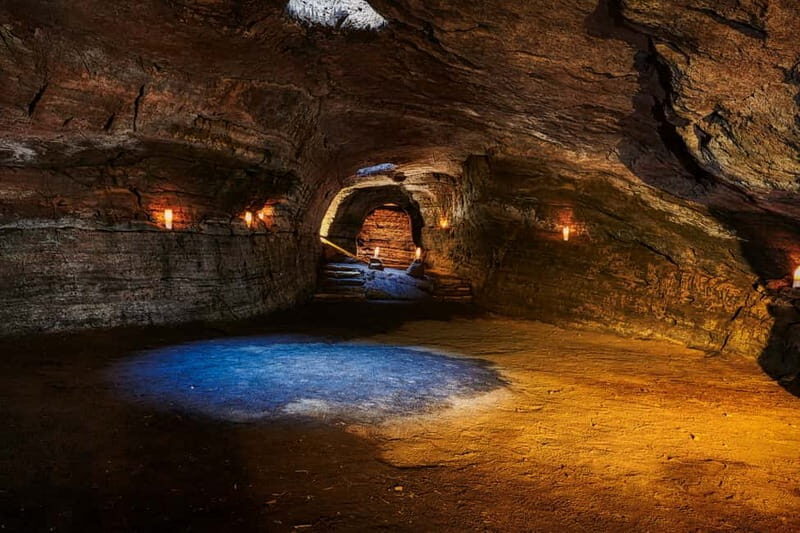
Location can make or break a roadside attraction, and this one is built for real travel life. The caves are near the town of Hella, right by Route 1, Iceland’s famous Ring Road. That means you’re not detouring miles off your route for a quick history fix.
There’s also a practical bonus: there’s a big parking lot with plenty of free parking. The site sits near the American School Bus café, which helps you get your bearings fast when you’re driving. You can treat Caves of Hella like a planned stop, not a scavenger hunt.
From Reykjavík, the drive time is roughly about one hour. That’s a manageable distance for a day plan that mixes city time, coastal roads, and small detours. If you’re heading toward Vik, this stop also fits neatly as a break in the long stretch of scenic driving.
The One-Hour Walking Route: Four Caves, Easy Pace
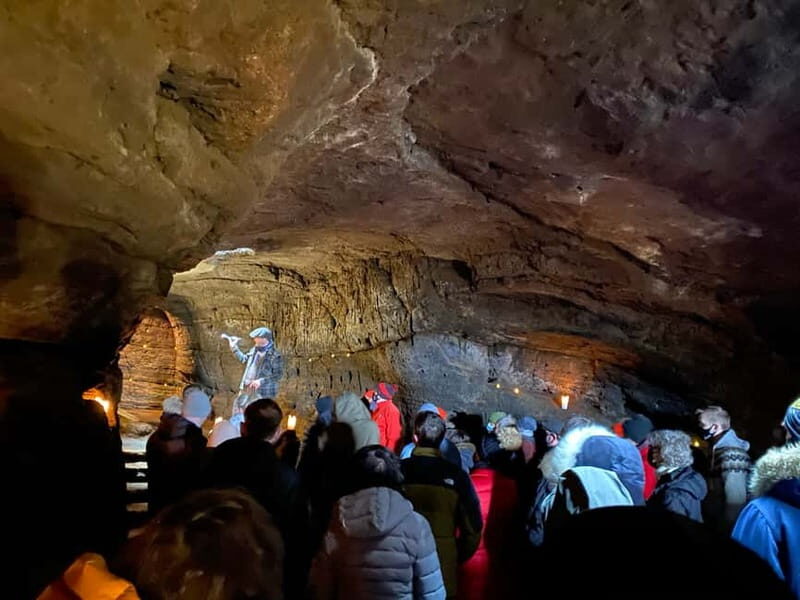
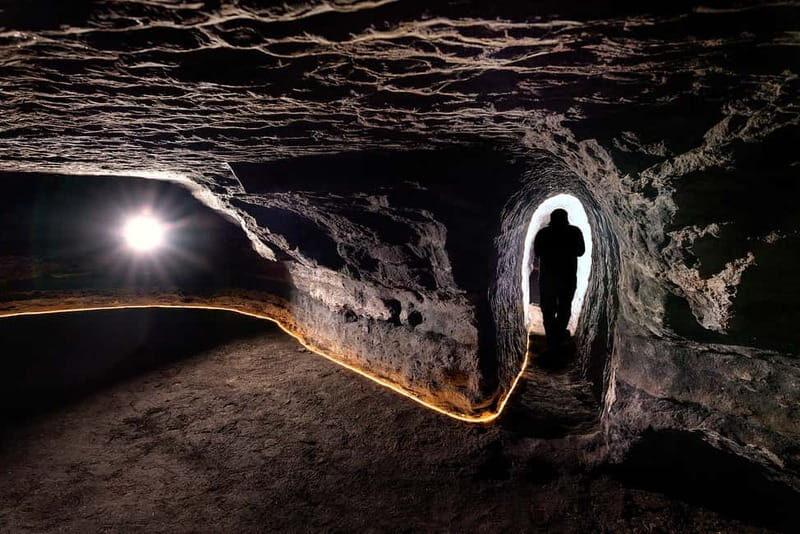
The tour is built around a straightforward rhythm. You’ll start at the cave site area in Hella and then move between the four caves on a short, easy walk. That detail is important because it sets expectations: you’re not scrambling down slippery paths or fighting steep steps.
The key timing concept here is that you’ll be seeing only four caves in the one-hour window. That’s not a drawback. In fact, it keeps the experience focused. Instead of rushing through a long series of spots, you get time to look closely at carvings and seating features, then hear how your guide connects them to early life in Iceland.
You should still wear shoes that handle uneven ground, because you’ll be walking between caves. And since the tour isn’t suitable for wheelchair users, you’ll want to choose this stop if you can comfortably move over short distances at a steady pace.
What You’ll See: Crosses, Wall Carvings, and Carved Seats
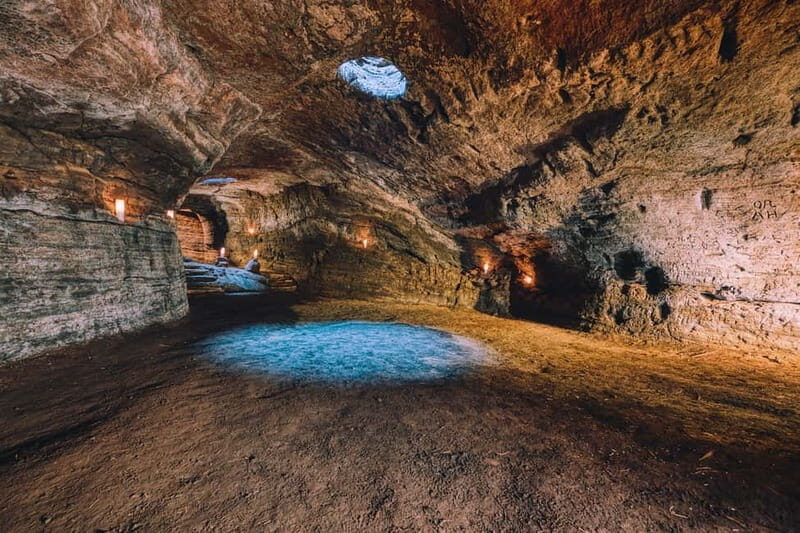
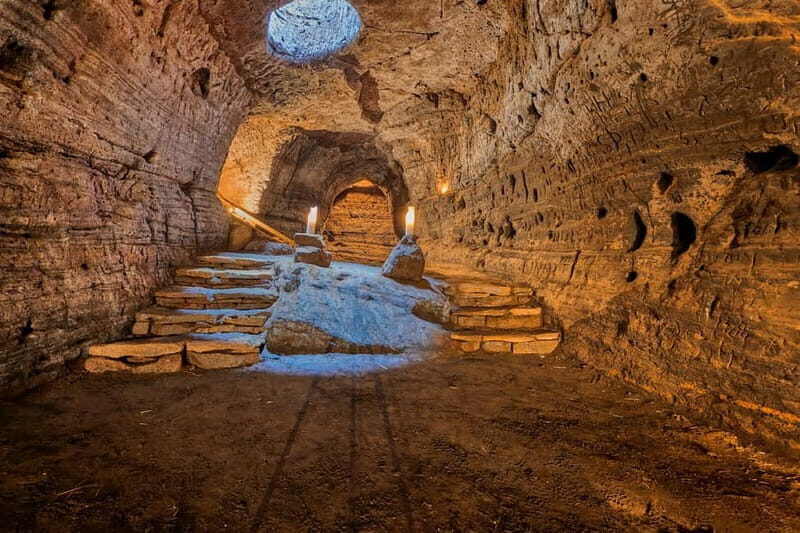
This is the part you’ll remember later, because it’s visual and specific. The Caves of Hella aren’t described as plain holes in the ground. They include features that signal intentional design: ancient crosses, wall carvings, and carved seats.
That mix is what gives the tour its texture. A cross isn’t just a decoration here; it suggests symbolism and possibly religious use. The wall carvings push you to ask different questions about communication and personal space. And the carved seats are the “wait, people sat here?” detail that makes the site feel human.
One of the best ways to enjoy this tour is to slow your brain down and look like a detective. When your guide points out a mark or a carving, take a second to actually register its shape and placement. Then listen to the explanation that connects it to the story your guide is building.
Even if you don’t leave with a single definitive answer to what everything meant, you’ll walk away with a stronger sense of how these caves were shaped for life. That’s why this works for history lovers and curious travelers at the same time: you’re not just hearing claims, you’re seeing physical evidence.
The Mystery Stories: Celts, Worship, and Early Settlement Questions
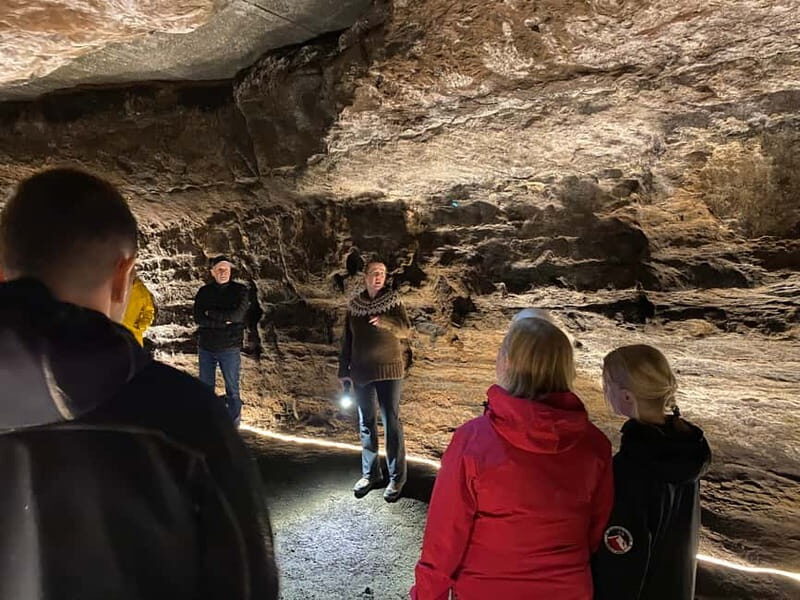
Caves of Hella come with mystery baked in. People have wondered for centuries about who made these structures and why. Two big questions are highlighted: were the caves made by the Celts, and were they a place of worship?
Whether the final answer is simple or not, the value is in the way the guide frames possibilities. This isn’t presented as one neat myth that you’re asked to accept. It’s more like a guided conversation with history, where you learn what features might suggest certain uses and what remains uncertain.
The fact that the site includes crosses helps explain why worship enters the conversation. The presence of carvings and seating features also pushes you to think about gatherings, daily routine, or some form of designated space. At the same time, because mysteries persist, the tour keeps a sense of open-ended curiosity—just enough to make you pay attention instead of tune out.
If you love sites where archaeology leads to questions rather than easy answers, this is a strong match. You’re not being asked to memorize facts. You’re being invited to read the caves themselves.
Meet the Guides: Stefan and Hanna Set the Tone
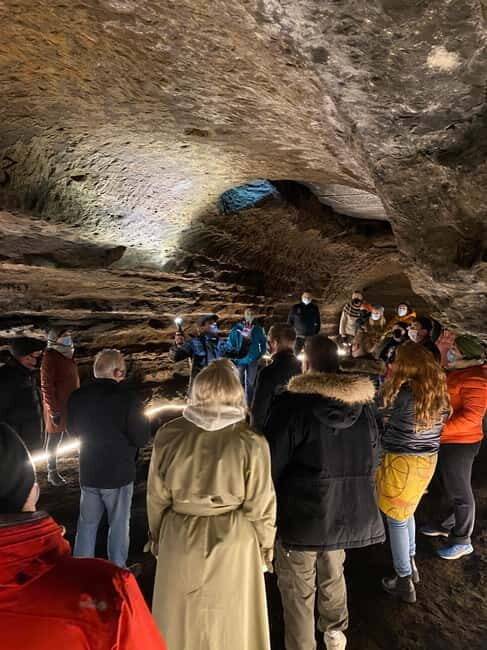
A tour like this lives or dies on the guide. You’re standing in a series of dark, human-made spaces, so you need a voice that can keep the story moving without turning it into a lecture. Based on past tours, guides have managed to do exactly that—mixing structure with personality.
For example, Stefan has been described as chill and funny, with interesting insights into Icelandic history. That kind of delivery matters because it helps you stay relaxed while you absorb older stories and unanswered questions.
Hanna is another guide name that shows up strongly, and her style has been described as keeping the whole group mesmerized through sheer knowledge and steady storytelling. If your group ends up with Hanna, you can expect the tour to feel lively rather than “just looking at rocks.”
Since you’ll have an English live guide, you won’t be stuck piecing together signs or guessing at meaning. The guide is part interpreter, part storyteller, and part keeper of the site’s lingering questions.
Price and Value: Why 39 Per Person Can Make Sense
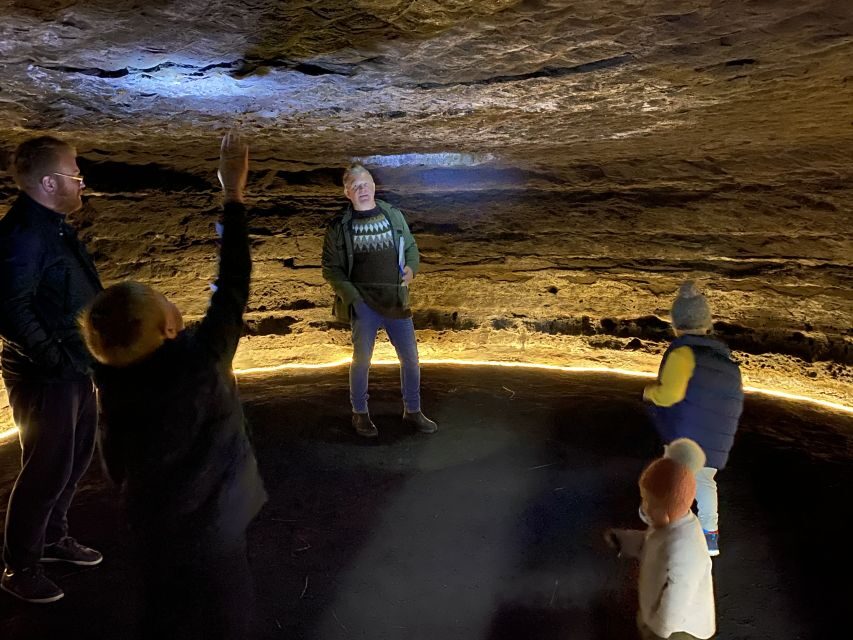
At $39 per person, this isn’t the cheapest stop you’ll find on the South Coast. But it also isn’t priced like a full-day guided expedition. For value, think about what you’re buying:
- A one-hour guided tour rather than a self-guided pass
- Access to a site that was closed to the public until 2019, which adds a “new to many people” feel even if the structures are ancient
- A guided explanation of features like crosses, wall carvings, and carved seats
- A practical stop near Route 1 with free parking, so you’re not paying for the convenience separately
If your day already includes several paid stops, this is a reasonable add-on. If you’re trying to keep costs down, you might compare it to other short attractions—but the difference here is that you’re getting interpretation of a specific archaeological site, not just scenic viewing.
For couples, solo travelers, and families who can handle a short walk, it’s also an efficient use of time. When you only have limited hours between driving segments, one hour with a guide can be a smart use of your day.
Who This Tour Fits Best (and Who Should Think Twice)
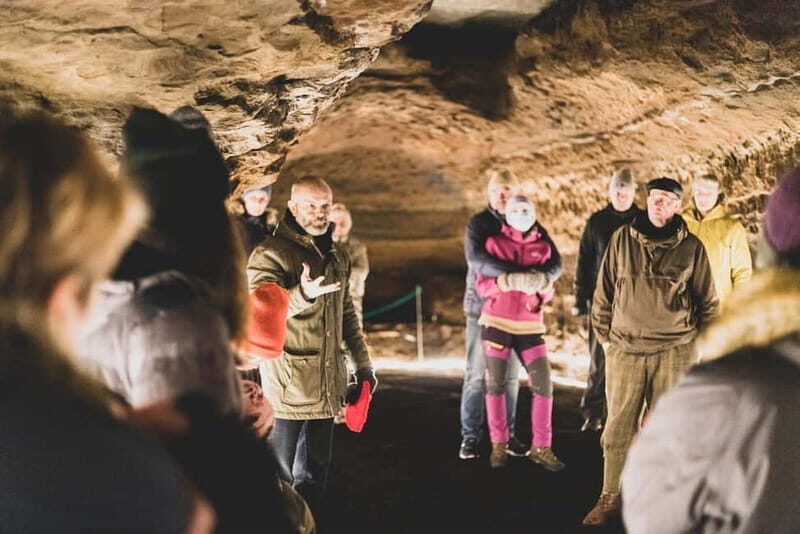
This tour is a great fit if you’re traveling with any of these goals:
- You’re driving the South Coast and want an off-the-beaten-path stop that’s still easy to reach.
- You care about how people lived long ago, not just what the weather and rocks look like.
- You like guided storytelling that keeps the tone fun and human.
It’s also a strong stop for history lovers, because the caves are described as the oldest still-standing archaeological remains in Iceland. Even if you don’t consider yourself a hardcore history person, the visible elements—crosses, carvings, carved seats—make it easier to connect than purely theoretical museum history.
The main group to think twice about is anyone who can’t do the walking between the four caves. The tour is not suitable for wheelchair users, and the site involves moving through the cave area on foot.
Should You Book This Caves of Hella Tour?
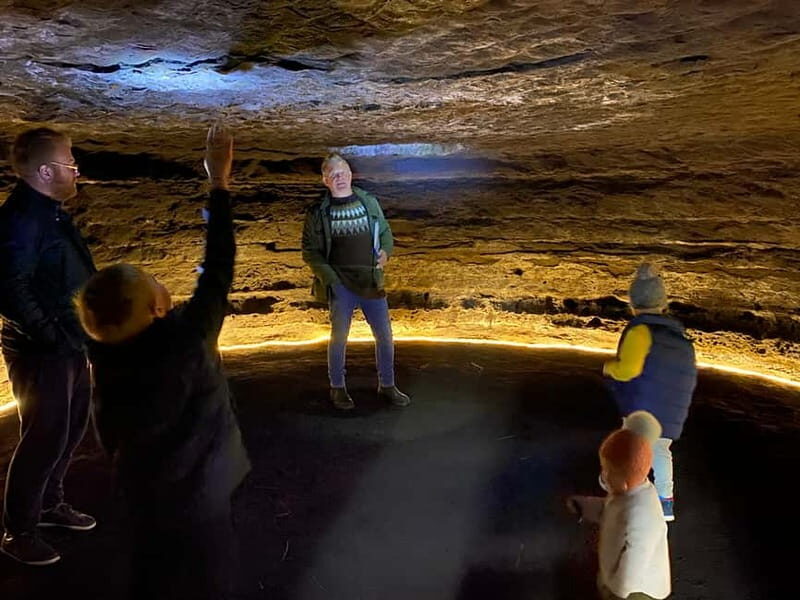
I’d book it if you want one of the most unique “people-made Iceland” experiences you can fit into a road trip. The mix of short time, clear guided interpretation, and visible details like crosses and carved seating makes this more than a quick photo stop.
Skip or postpone it if your mobility needs won’t work with a short easy walk between cave structures. And if you already feel overwhelmed by too many guided tours in one day, choose this one as your single guided history add-on rather than stacking it with several other structured experiences.
FAQ
How long is the guided tour?
The tour lasts about 1 hour.
What will we see during the tour?
You’ll visit four of the man-made caves discovered on the land at Ægissíða, guided in English.
Is there a lot of walking?
The walk between the four caves is described as short and easy.
Where are the caves located?
The caves are by the town of Hella on Iceland’s South Coast, next to Route 1 (the Ring Road), with free parking available.
Is the tour available in English?
Yes, the live guided tour is offered in English.
Is the tour wheelchair accessible?
No, the tour is not suitable for wheelchair users.
What are the cancellation terms?
You can cancel up to 24 hours in advance for a full refund.
Can I reserve without paying right away?
Yes. There is a reserve now & pay later option.