Reykjavik to the South Coast in one day. What makes this tour work is the fast, efficient route plus the small minibus feel—so you’re not lost in a crowd at the biggest sights. You’ll hit major highlights like Skogafoss, Reynisfjara’s black sand beach, and Solheimajokull’s glacier tongue, with live commentary along the drive.
Two things I really like: first, the limited group size (max 17) makes the day feel personal, and you get plenty of time to look around at each stop. Second, the round-trip transport from Reykjavik saves you the stress of planning driving, parking, and timing across multiple locations.
One consideration: Iceland weather can change the plan fast. If conditions get unsafe or a location is hit by wind/rain/ice, you may lose a stop or some activities (like walking behind Seljalandsfoss).
In This Review
- Key things to know before you go
- Why the South Coast in one day feels smarter than trying to DIY
- Price and value: what you get for $193 (and what you still pay for)
- Getting picked up in Reykjavik: the blue-pillar trick you must not miss
- Skogafoss: the waterfall where spray becomes part of the experience
- Dyrhólaey: black-sand panoramas and puffin season potential
- Reynisfjara black sand beach: basalt columns plus serious wave energy
- Vík í Mýrdal lunch stop: a real village break (not just a bathroom stop)
- Solheimajokull Glacier: the 15-minute walk to the best viewpoint
- Seljalandsfoss: the waterfall you can walk behind when conditions allow
- What a minibus day feels like: timing, sound, and comfort on a long loop
- Weather reality: why your clothes decide whether the day feels easy
- When you get the right guide, the drive turns into part of the show
- So, should you book this South Coast small-group tour?
- FAQ
- How long is the South Coast small-group tour from Reykjavik?
- What time does the tour start?
- Is hotel pickup and drop-off included?
- How big is the group?
- Are tickets to the stops included?
- Is food included?
- What should I wear for this tour?
- What happens if weather is bad?
- Where do I meet the group if my hotel can’t be reached?
- Are service animals allowed?
- Book if you want a small-group South Coast highlight day.
Key things to know before you go
- Minibus size, max 17 travelers: more flexibility and a calmer day than big-bus tours
- Classic South Coast hits in ~10 hours: waterfalls, black sand, glacier, and a village lunch stop
- Short, practical walks at key sites: you’ll do enough to break up the driving, without needing hours of hiking
- Seljalandsfoss behind-the-falls depends on conditions: you need proper waterproof gear
- Your meeting point matters: tour bus stops use a blue pillar with a pink sign, not city bus stops
Why the South Coast in one day feels smarter than trying to DIY
This is the kind of day trip that makes sense when you only have one shot to see the South Coast from Reykjavik. You’re not just taking photos from a bus window. You get timed breaks at stops that are spread out enough that doing them solo would eat up your whole day with driving, parking, and route decisions.
The minibus setup also changes the vibe. With a smaller group, you’re more likely to hear the commentary clearly and notice the little details your driver points out between stops. I’ve seen guides like Rakel, Gummi, Trond, Bjorn, Stefan, and Hilmar praised for bringing stories together with real-world place context, so the drive doesn’t feel like dead time.
The route is built around variety. You go from a major waterfall to a puffin-spot overlook, then to Reynisfjara’s dramatic basalt beach, and later to ice at Solheimajokull and the photo-famous Seljalandsfoss. It’s a lot, but it’s not random—it’s a neat visual sweep of what this coast is about.
You can also read our reviews of more tours and experiences in Reykjavik.

Price and value: what you get for $193 (and what you still pay for)
At $193 per person for about 10 hours, you’re paying for four things bundled together:
- Transportation from Reykjavik (pickup/drop-off from designated points)
- A professional local driver-guide with live commentary
- A small-group ride on a minibus (not a big coach)
- A schedule built around multiple stops where you’d otherwise need a car or multiple rentals
Admissions are listed as free for the stops in the plan, and the driver-guide experience is included. What’s not included is food and drinks. So you’ll want money for lunch—especially if you plan to try something in Vík, like lamb soup or the famous black dough pizza (not included).
If you’re the type who would rather spend your energy on the sights than on logistics, this price starts looking fair fast. You’re also getting short walks and viewpoints, not just photo stops, which is where value really shows.
Getting picked up in Reykjavik: the blue-pillar trick you must not miss
Pickup can be easy—until you’re in the wrong spot.
Because of driving restrictions, the operator may not be able to drive directly up to some center hotels. If your hotel is in the restricted area, you’ll meet the group at a designated bus stop, which is typically only a few minutes on foot.
Here’s the key detail: tour bus stops use a blue pillar with a pink bus sign at the top and the stop number/name. City bus stops look different—they have a yellow S in a red circle (Strætó). Do not wait at city bus stops.
Once you confirm your specific pickup point, show up exactly there. One extra minute in the wrong spot can cost you the whole morning, because the tour departs on schedule.
Also note: the start time is 8:30 am, so plan for a prompt morning. This is not a lay-in-and-leisure tour.
Skogafoss: the waterfall where spray becomes part of the experience
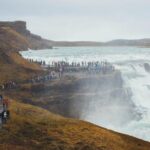
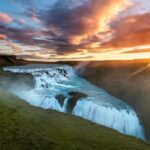
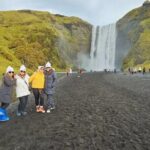
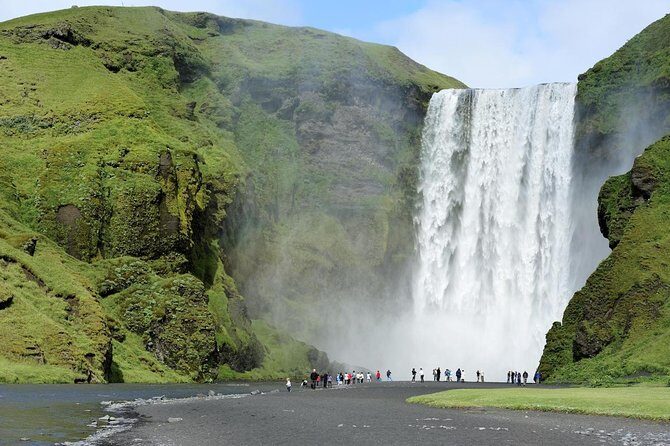
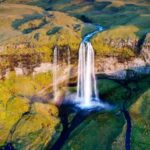
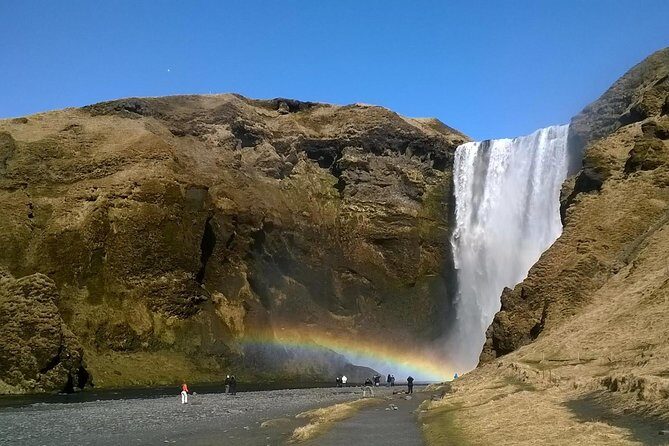
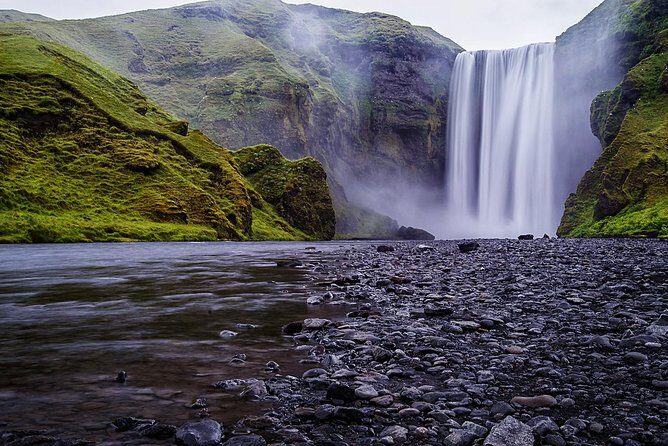
Your first big hit is Skogafoss, one of the most impressive waterfalls on the South Coast. The timing is tight but generous enough: about 30 minutes.
What makes Skogafoss special is how close you can get and how much the waterfall fills the air. The spray can feel constant once you’re near the base, so good outerwear matters. This is also a stop where you’ll see photographers take advantage of the light and mist for strong shots, especially when clouds break.
Practical tip: treat this as a wet-weather stop even if the day looks decent at pickup.
Dyrhólaey: black-sand panoramas and puffin season potential
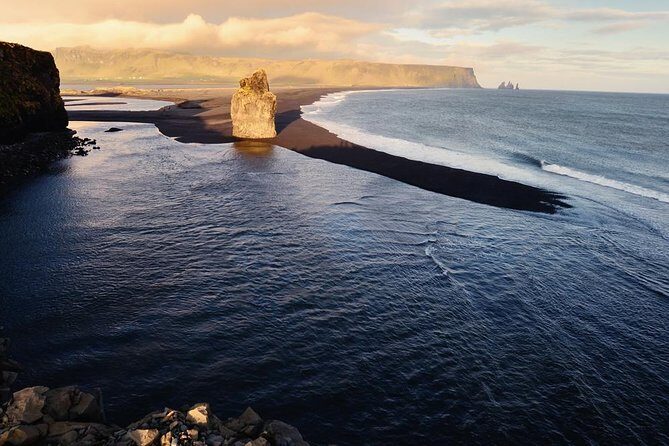
Next comes Dyrhólaey with 30 minutes to take in the dramatic coastline view. This is where the black sand beaches spread out beneath you and the cliffs frame the shoreline. The rock arch is the star here, and it’s the kind of view that makes you pause even if you’ve seen photos before.
In summer, this is a puffin area. You might spot nesting birds, but they’re not guaranteed. Weather and visibility can change what you actually see, so I treat Dyrhólaey as an opportunity, not a promise.
If you’re traveling with kids, this stop often becomes the quick “wow” moment that keeps energy up before you head to the beach.
Reynisfjara black sand beach: basalt columns plus serious wave energy
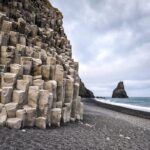
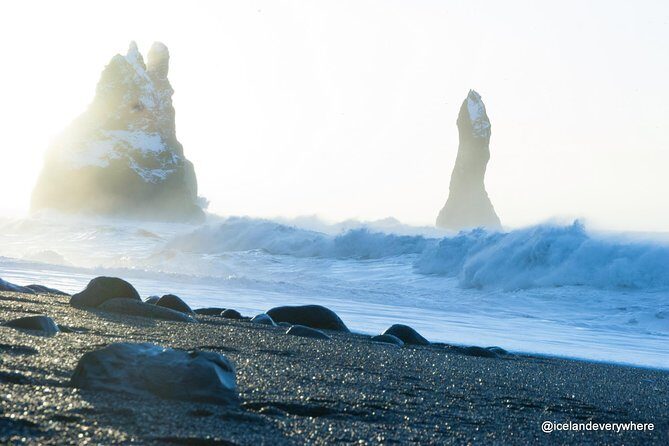
Then you reach Reynisfjara Beach, scheduled for about 25 minutes. This is one of Iceland’s most iconic stretches of coast: black sand, eerie vibes, and striking geology, including many hexagonal basalt columns you can spot along the rock formations.
In summer, puffins may be visible on the cliffs too, but again, conditions decide. Storms and visibility issues can push birds to shelter—so don’t treat puffin sighting as the main ticket here.
The best way to handle this stop is to move efficiently: take the widest view shots first, then spend time on the details (basalt shapes, textures, and the contrast of black sand with whatever sky light you get). Quick stops keep you from feeling rushed—but you still want a plan so you don’t lose time wandering too long.
Vík í Mýrdal lunch stop: a real village break (not just a bathroom stop)
Midday, you get Vík í Mýrdal for about 45 minutes. This is Iceland’s southernmost village, and it’s a breather from scenery intensity.
The tour gives you time for food, but food isn’t included. If you want a local meal, lamb soup is a common choice, and you can also look for the black dough pizza (it’s mentioned as not included in the tour price). If you’re picky about timing, this is the easiest time to eat because the schedule is structured around the stop.
If weather is rough, this village break can feel extra valuable. You get out of the wind for a bit and reset before heading to glacier country and waterfalls again.
Solheimajokull Glacier: the 15-minute walk to the best viewpoint
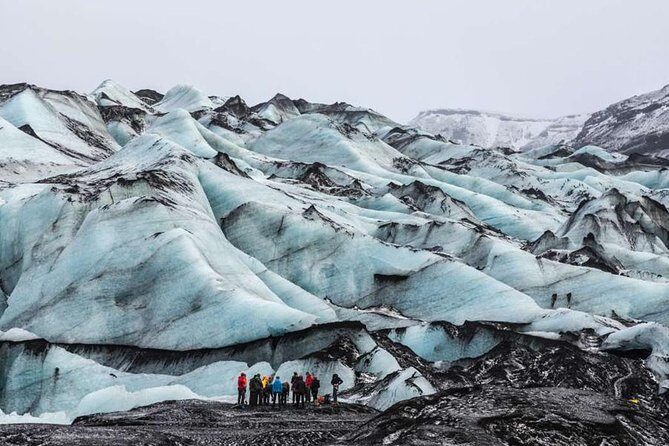
After Vík, you head to Solheimajokull Glacier for about 45 minutes total. Here’s the practical part: you park first, then walk roughly 15 minutes to a good viewing spot.
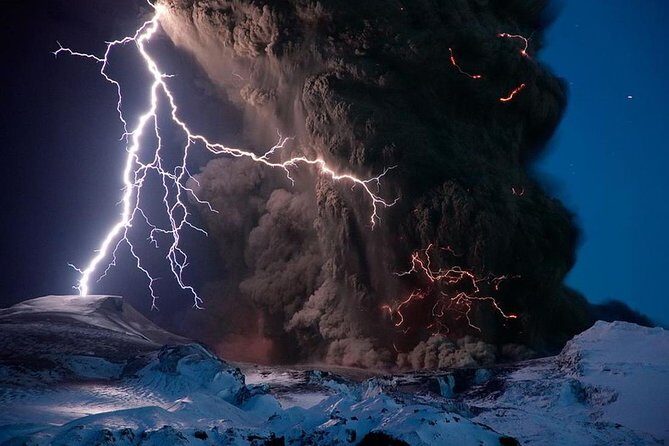
This glacier tongue is connected to the larger Myrdalsjokull ice cap, which covers the volcano Katla. Katla is described as having eruptions even bigger than Eyjafjallajokull’s, so your guide will likely help you place this ice in the bigger volcanic picture.
What I like about this stop is that it’s not a technical glacier expedition. You’re not learning crampons or rope skills. You’re getting close enough to feel the scale, while the guide keeps you moving within a realistic time window.
Wear shoes with strong grip. Glacier viewing often means cold ground, wet patches, and slick conditions.
Seljalandsfoss: the waterfall you can walk behind when conditions allow
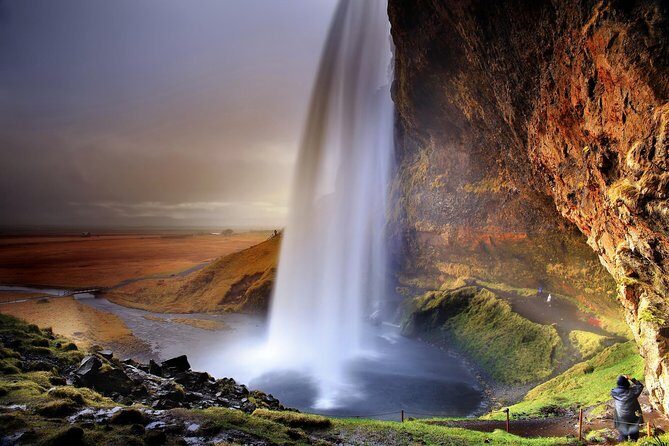
Finally, you reach Seljalandsfoss, scheduled for about 30 minutes. It’s over sixty meters tall and drops from a cliff with a curved shape, which creates the famous chance to walk behind the waterfall.
Here’s the truth: walking behind Seljalandsfoss depends on conditions. The tour notes that when there is no ice on the ground, you can walk behind it for photos. If it’s icy, covered, or just too dangerous underfoot, you may not get that full experience.
This is where I strongly recommend you bring waterproof clothing that goes beyond a light rain jacket. One clear lesson from past riders: if you’re going behind the waterfall, waterproof pants help a lot, because you will get soaked otherwise. Even in cold weather, you want gear that keeps you warm after water hits your clothes.
Also plan for spray. Even if you don’t go behind, Seljalandsfoss still delivers wet, misty conditions near the base.
What a minibus day feels like: timing, sound, and comfort on a long loop
This tour is designed to fit a lot into one day, so the rhythm matters. You’ll have short stops that add up, plus driving between them that often includes commentary and local context. The minibus keeps the day from feeling like a school bus crawl.
Still, it’s a full-day format. Expect to be out and moving most of the day, and treat it as an active sightseeing itinerary, not a slow cruise.
One more real-world note: because some minibuses depend on microphone equipment, sound quality can vary by seat. If you’re in back and you can’t hear well, alert the guide early so they can adjust. The best days happen when everyone can catch the story as it’s happening.
Weather reality: why your clothes decide whether the day feels easy
Weather is the biggest wildcard on this route, and the operator can alter or cancel if conditions are unsafe. That means some plans might shift—like a missed stop in severe storms or reduced access to certain areas.
Past experiences on this tour clearly point to two things:
- Heavy rain can make the day colder and slower
- Wind and visibility can hide puffins and limit certain photo moments
So don’t dress for the forecast on your phone. Dress for the Iceland you might meet: warm, waterproof, windproof outdoor layers. Solid waterproof shoes are a must, and mittens and a hat can matter even in summer. You’ll be happier if you’re comfortable in wind and spray rather than just dressed for dry ground.
If you expect the weather to be bad, you’ll likely feel like you’re playing the tour on easy mode.
When you get the right guide, the drive turns into part of the show
Even though you’re chasing scenery, the guide changes how the day lands in your memory. Many of the standout guide mentions share a similar theme: clear storytelling plus calm, practical management of timing and safety.
People specifically call out guides like Rakel, Gummi, Trond, Bjorn, Stefan, Erik, and Hilmar for mixing history/saga stories with real geology and “here’s what you’re looking at” explanations. Some also did extra work to help families and kids connect with what they were seeing.
I’d treat this tour as a chance to learn the map of Iceland in your head. Once you understand how waterfalls, glaciers, and volcanic systems connect, the photos stop being just pretty and start feeling like you know the place.
So, should you book this South Coast small-group tour?
If you’re visiting Reykjavik and want one high-impact day that covers Skogafoss, Dyrhólaey, Reynisfjara, Vík, Solheimajokull, and Seljalandsfoss, this is a strong choice. It’s also a good fit if you like a small-group minibus approach and you don’t want to manage the logistics of a multi-stop self-drive.
I’d skip it (or at least adjust expectations) if you hate wet conditions, dislike cold, or need long stays at only one or two sites. This tour packs the schedule, and weather can reduce access—especially for behind-the-falls at Seljalandsfoss.
The biggest “yes” sign in your case: you’re willing to dress properly for Iceland’s mood and you want a fast, authentic overview of the South Coast.
FAQ
How long is the South Coast small-group tour from Reykjavik?
It runs for about 10 hours.
What time does the tour start?
The start time is 8:30 am.
Is hotel pickup and drop-off included?
Pickup is offered, and the tour includes drop-off from designated bus stops and hotels. Some hotels can’t be reached due to Reykjavík driving restrictions, so meeting at a nearby designated stop may be required.
How big is the group?
The maximum is 17 travelers, and it’s operated on an exclusive minibus.
Are tickets to the stops included?
Admission tickets are listed as free for each stop in the itinerary.
Is food included?
No. Food and drinks are not included, so you’ll want spending money for lunch in Vík.
What should I wear for this tour?
Bring solid, warm waterproof shoes and warm rain- and wind-proof outdoor clothing. Mittens and a hat are recommended, even in summer.
What happens if weather is bad?
The operator can delay, alter, or cancel for safety. If canceled due to poor weather or unsafe conditions, you’ll be offered an alternative date or a full refund.
Where do I meet the group if my hotel can’t be reached?
You’ll meet at your designated tour bus stop, marked with a blue pillar and a pink bus sign. These are not the same as city bus stops (which use a yellow S in a red circle).
Are service animals allowed?
Yes, service animals are allowed.