Walk into a Reykjavík bakery and try to order a snúður (cinnamon roll). Even if you mangle it, the woman behind the counter will smile, switch to perfect English, and pretend you did fine. That’s the Icelandic experience in two sentences. The language is unusual, the pronunciation is real work, and almost everyone you meet is going to bail you out in English anyway.
So why bother learning a single word? Because the moments when you do try, however clumsy, are the moments people remember. A “takk” at the till, a “skál” at the bar, a stab at saying the name of the volcano that closed European airspace in 2010. You will be terrible. You will be charming. And you’ll understand a little more of the country than the visitor who only ever says “thank you.”
This is a friendly local’s tour of the language. What it actually is, why it sounds like nothing else you’ve heard, the dozen or so phrases that punch above their weight, and how to say the words you’ll see written on every road sign and weather forecast. Plus the bits I think are genuinely interesting: the Naming Committee, the patronymic phone book, why our word for “computer” is older than computers, and why a ten-year-old here can read the medieval sagas without too much fuss.
In This Article
- What Icelandic actually is
- The alphabet, including two letters you’ve never seen
- How to actually pronounce things
- The big ones: ll, hv, and the rolled r
- Diphthongs that look harmless but aren’t
- The legendary words, broken down
- The phrases that actually pull their weight
- Slightly more useful
- The missing word: “please”
- Þetta reddast
- The grammar reality (skip this section if you want)
- Why nearly everyone you meet speaks English
- Coining new words instead of borrowing them
- Names, the Naming Committee, and the phone book
- The Naming Committee
- The sagas, and reading 800-year-old stories in the original
- Modern Icelandic literature, beyond the sagas
- The manuscript story, and why we got everything back
- Where to learn before you come
- A few cultural notes that will help
- Reading the road signs and weather forecasts
- The big linguistic moments to know
- What’s worth doing, and what isn’t
What Icelandic actually is
Icelandic is a North Germanic language, in the same family as Norwegian, Swedish, Danish, and Faroese. Roughly 370,000 people speak it, which is about the population of one mid-sized town in most countries. It’s also, as far as living languages go, the closest thing in the world to Old Norse, the language the Vikings spoke when they sailed off and settled this island in the late 800s.
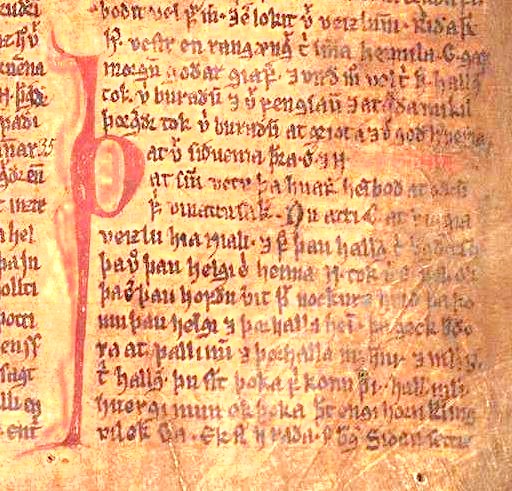
The closest-to-Old-Norse claim is the one tourists like, and it’s mostly true. A modern Icelander can pick up the 13th-century sagas in the original and read them. There’s a bit of fiddling, old spelling, archaic words, grammar that has shifted slightly, but the leap is small. It’s roughly the gap between modern English and Shakespeare, except Shakespeare is only 400 years old. We’re talking about texts written 700 to 800 years back, and they still feel familiar. That’s wild, when you think about it. Most languages have moved so far in that time that the medieval versions look like a different tongue.
Why didn’t Icelandic drift the way the others did? Two reasons. First: isolation. There was nobody on the rock when the Vikings arrived. The whole island was settled in maybe sixty years, mostly by Norwegians plus some Celts brought along (often not voluntarily) from Ireland and the Hebrides. After that, nobody came. No invading armies, no medieval trade hubs. Just farmers, fishermen, weather, and a long winter to write things down in.
Second: a stubborn streak about loanwords. Where English happily swallowed half the French dictionary in 1066 and never recovered, Icelandic prefers to invent its own vocabulary from old Norse roots. More on that in a bit. The result is a language that feels both ancient and weirdly modern. The word for “telephone” was repurposed from a 9th-century word for “thread” (a sími), and the word for “computer” comes from a goddess of fate plus an old word for number (tölva). Try doing that in any other language.
The alphabet, including two letters you’ve never seen
There are 32 letters in the modern Icelandic alphabet, against English’s 26. The basic Latin letters are mostly there, except for c, q, w, and z (z was officially abolished in 1973, which was controversial at the time and is now mostly forgotten). On top of those, we have:
- Þ, þ: called “thorn.” Pronounced like the “th” in “thin” or “thirst.” This is a hard, voiceless th. So Þingvellir starts with a “thing” sound.
- Ð, ð: called “eth.” The voiced cousin of thorn, like the “th” in “this” or “father.” It never appears at the start of a word, only in the middle or end.
- Æ, æ: pronounced like “eye” or the “i” in “ice.” So bæ (bye) sounds like “bye-uh,” and Snæfellsnes starts with “sny.”
- Ö, ö: same as the German ö, an “uh” with rounded lips. If you can do French oeuvre or German Köln, you can do this.
- Á, é, í, ó, ú, ý: these are not stressed letters, they’re separate vowels. The accent changes the sound entirely. Á is “ow” (like “now”), í and ý are both a long “ee,” ú is “oo,” ó is “oh,” é is “yeh.”
So when you see a name like Þórsmörk and panic, the rough breakdown is THORS-merk. The þ is “th,” the ó is “oh,” the ö is “uh.” Once you know what the symbols are doing, the words stop being intimidating and start being puzzles you can solve in a few seconds.
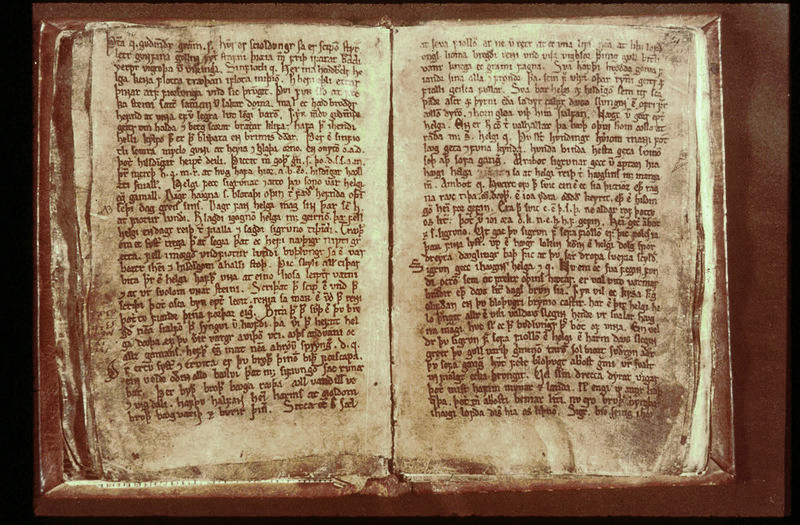
Thorn and eth aren’t unique to Icelandic. They were both used in Old English too, all the way through the medieval period. They got dropped when printers in continental Europe didn’t have the type for them and substituted “th” instead. We kept them. So if you’ve ever wondered why English spells “the” with two letters when it’s clearly one sound, blame the printers. We could have stayed with þe.
How to actually pronounce things
Icelandic is closer to a phonetic language than English is, which is a low bar but a useful one. Once you know what each letter sounds like, you can usually have a go at any word and get within shouting distance. The catch is a handful of letter combinations that don’t behave the way you’d expect.
The big ones: ll, hv, and the rolled r
The double L is the rule that catches everyone. In Icelandic, “ll” is usually pronounced “tl,” with the tongue against the back of the upper teeth and a little puff of air. So Hekla is “heh-kla,” but Eyjafjallajökull is “AY-uh-fyat-luh-yoe-kut-l.” That triple-l business at the end is the fun bit. Once you can do it, you stop being scared of the long names.
“Hv” at the start of a word is pronounced “kv.” So Hvolsvöllur (a town on the south coast where you’ll probably stop for petrol) is KVOLS-vuhd-lur. Hvalur (whale) is KVAL-ur. There’s no “hw” sound; the h is doing something different.
The Icelandic “r” is rolled or tapped, more like Spanish than English. Don’t strain to do it perfectly. A tap is fine. Locals don’t expect a tourist to nail the trill.
Diphthongs that look harmless but aren’t
- au: sounds like “öy,” not like “ow.” Auður (a girl’s name) is roughly OY-thur.
- ei and ey: both pronounced “ay” (like the English word “say”). So Eyjafjallajökull starts with “ay-uh,” not “eye-uh.” A small thing, but it changes the rhythm.
- ó followed by another vowel, often becomes “oh-w.” Sjón (the writer) is closer to “syohn” than “shawn.”
The legendary words, broken down
Here’s how to say the names you’ll meet on every Iceland map, with the local voice in your head:
- Reykjavík: RAY-kya-veek. (Smoke Cove. The “smoke” is steam from the geothermal hot springs that the first settlers spotted from offshore.)
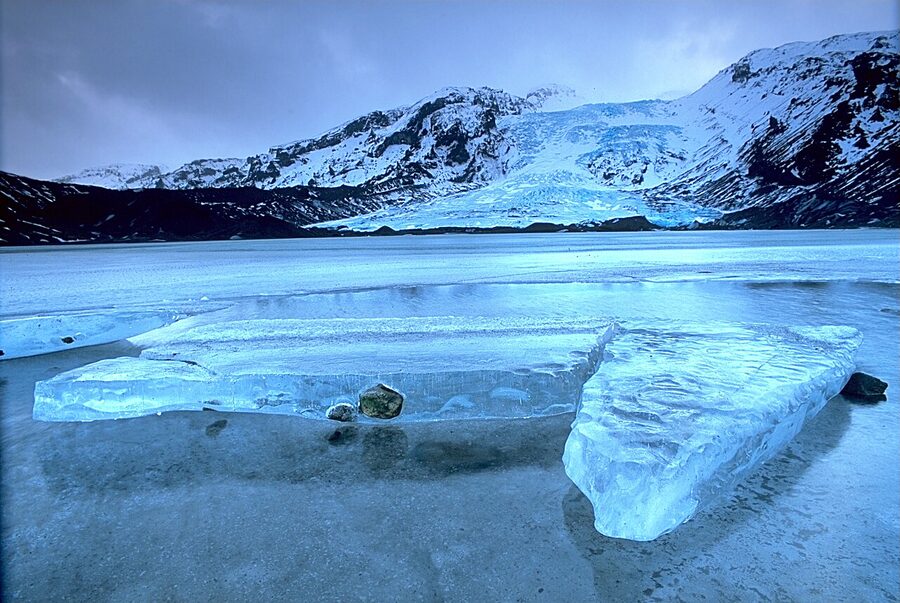
- Eyjafjallajökull: AY-uh-fyat-luh-yoe-kut-l. (“Glacier of the islands’ mountains.”)
- Þingvellir: THING-vet-lir. (“Assembly plains,” where the world’s oldest functioning parliament met from 930 AD.)
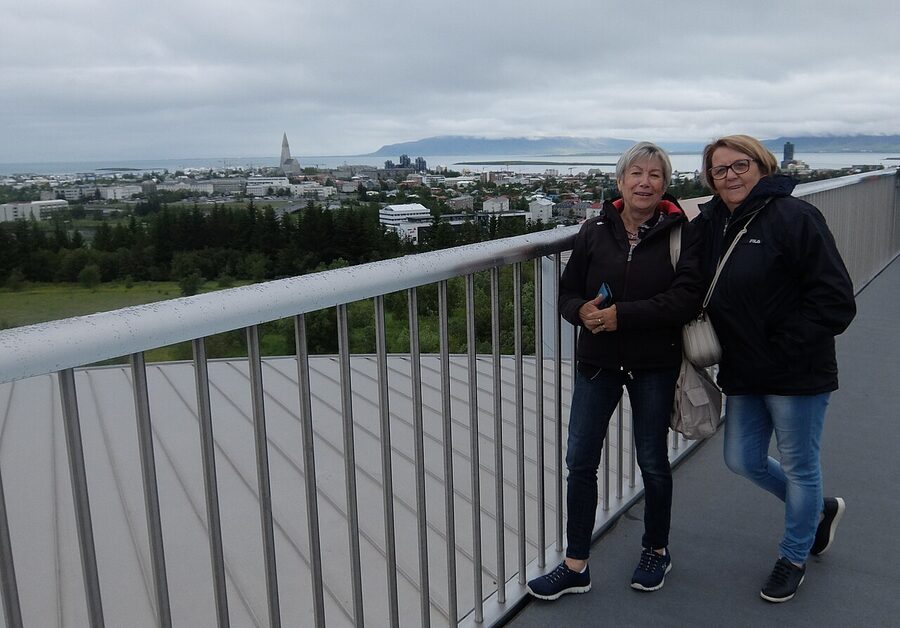
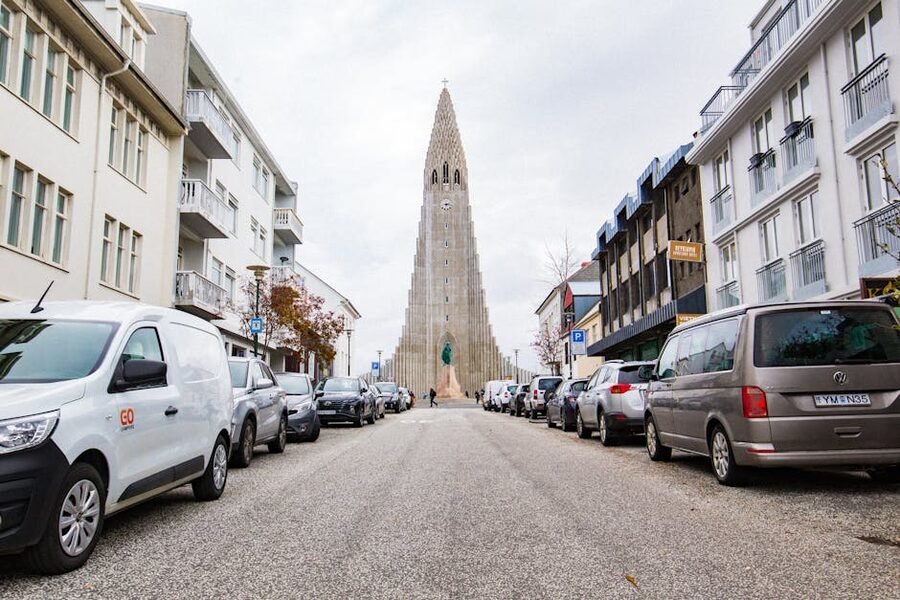
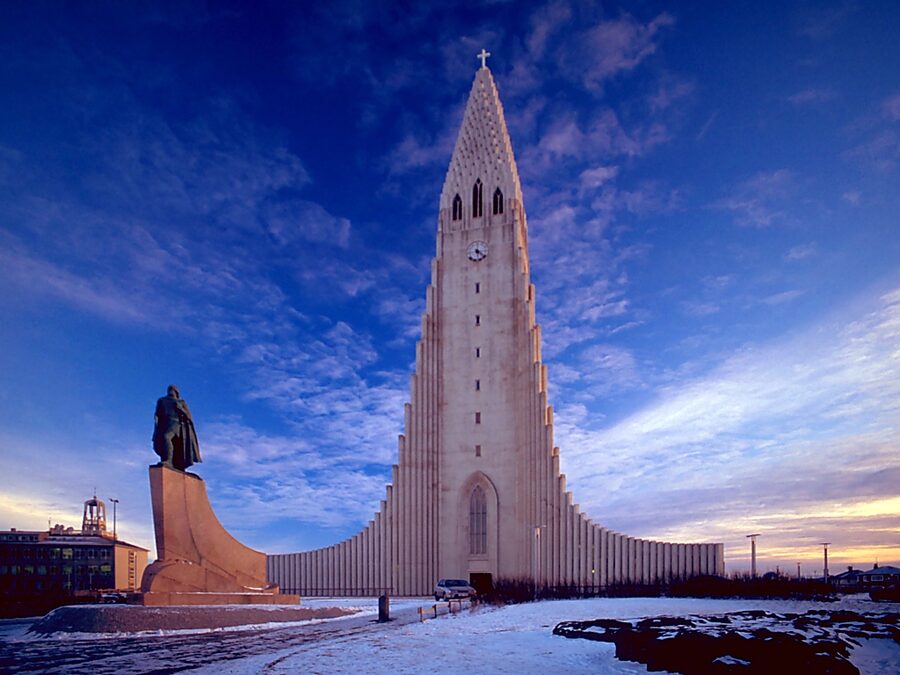
- Hallgrímskirkja: HATL-greems-kirk-ya. (The big church on the hill in Reykjavík, named after a 17th-century hymn-writer.)
- Jökulsárlón: YOE-kul-sour-loan. (The famous glacial lagoon. “Glacier-river-lagoon,” literally.)
- Vatnajökull: VAT-na-yoe-kut-l. (Europe’s largest glacier. “Water glacier,” because everything melts off it eventually.)
- Snæfellsnes: SNY-fels-ness. (The peninsula west of Reykjavík with the famous glacier Jules Verne sent his characters into.)
- Hvolsvöllur: KVOLS-vuhd-lur. (Small town in the south, the gateway to Þórsmörk.)
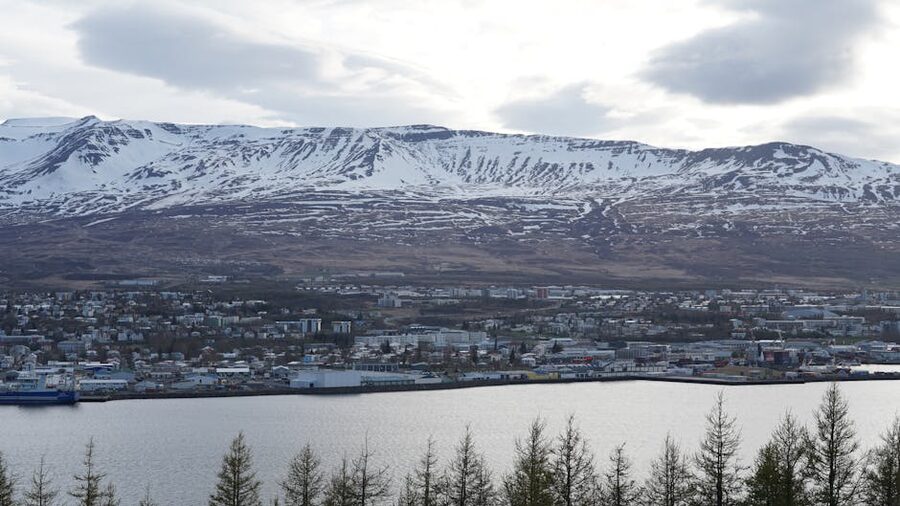
- Akureyri: AH-koo-ray-rih. (The “capital of the north,” and easier than it looks.)
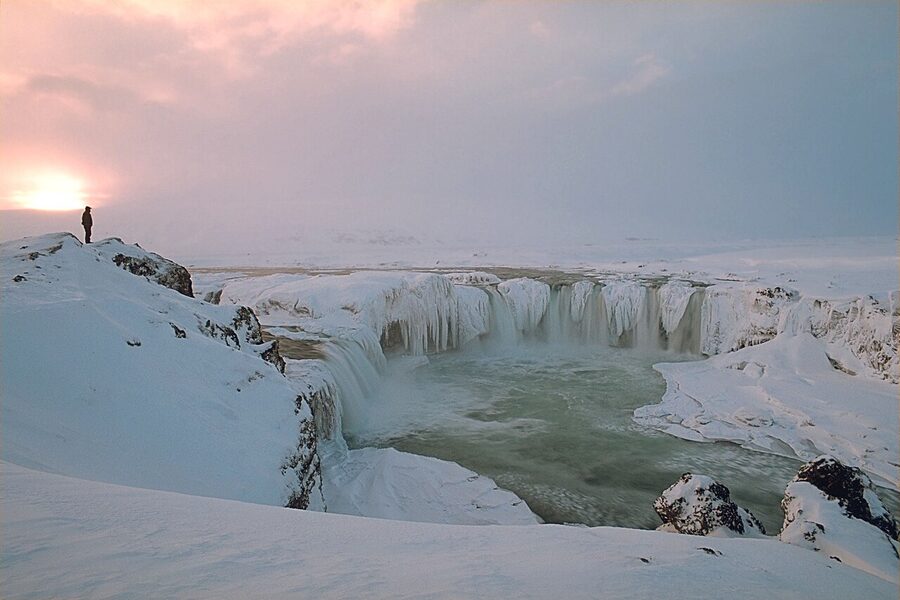
- Skógafoss: SKOH-ga-foss. (“Forest waterfall,” even though there isn’t much forest. “Foss” means waterfall and you’ll see it everywhere: Gullfoss, Dettifoss, Seljalandsfoss.)
Quick tip: don’t worry about getting these perfect. Locals can tell what you’re aiming for. Most place names have meanings that you can hint at if pronunciation fails completely. “The glacier place,” “the waterfall one in the south”, we’ll get there together.
The phrases that actually pull their weight
If you only ever learn five Icelandic words, make them these.
Takk (tahk): thank you. Use it everywhere. At the petrol station, at the bakery, when someone holds a door. You can also say takk fyrir (tahk FIH-rir) for “thanks for that,” which is slightly warmer. The longest version, takk fyrir mig (tahk FIH-rir mee), is what you say at the end of a meal when someone has cooked for you. Like the Japanese gochisousama. Worth knowing if you’ve been invited to dinner.
Hæ (hi): hi. Yes, it’s literally the English “hi” written in Icelandic spelling. Halló works too, and Góðan daginn (GOH-than DIE-in, “good day”) is the more formal version. But hæ is what everyone actually uses. The kid at the till will say it to you. Say it back.
Bless (bless): goodbye. Or bæ (bye), which is, again, just the English “bye” with our spelling. Said twice, bless bless, it sounds slightly more friendly. Don’t ask me why.
Já (yow) and nei (nay): yes and no. The já is interesting because we also use it as a sort of agreement noise, the way Norwegians do. If someone is telling you a story and you want to show you’re listening, a little “já” every few seconds is normal.
Skál (skowl): cheers. The “á” makes it “ow,” not “ah.” Used at every bar, every dinner table, every time anyone picks up a drink in company. There is no Icelandic drinking culture that doesn’t involve at least one skál before the glass touches your lips.
Slightly more useful
Add these once you’ve nailed the first five.
- Afsakið (AF-sah-kith): excuse me. Use it to get someone’s attention or to apologise.
- Fyrirgefðu (FIH-rir-gev-thu): sorry. A more apologetic version. Bumping into someone calls for fyrirgefðu.
- Ég heiti… (yeg HEY-tih…): my name is. Followed by your name. Conversation opener.
- Ég tala ekki íslensku (yeg TAH-la EH-ki EES-lens-ku): I don’t speak Icelandic. Useful and gets you out of trouble immediately.
- Talarðu ensku? (TAH-larth-u EHN-sku?): do you speak English? Almost everyone does. But asking is polite.
- Hvað kostar þetta? (kvath KOS-tar THET-ta?): how much does this cost? You will need this in the souvenir shop.
- Fallegt (FAT-legt): beautiful. Use it for views, for a baby, for someone’s sweater. It’s a generous word.
- Kalt (kalt): cold. The most useful adjective in the entire country. Combine with the next one.
- Það er kalt (thath er kalt): it’s cold. Useful nine months a year.
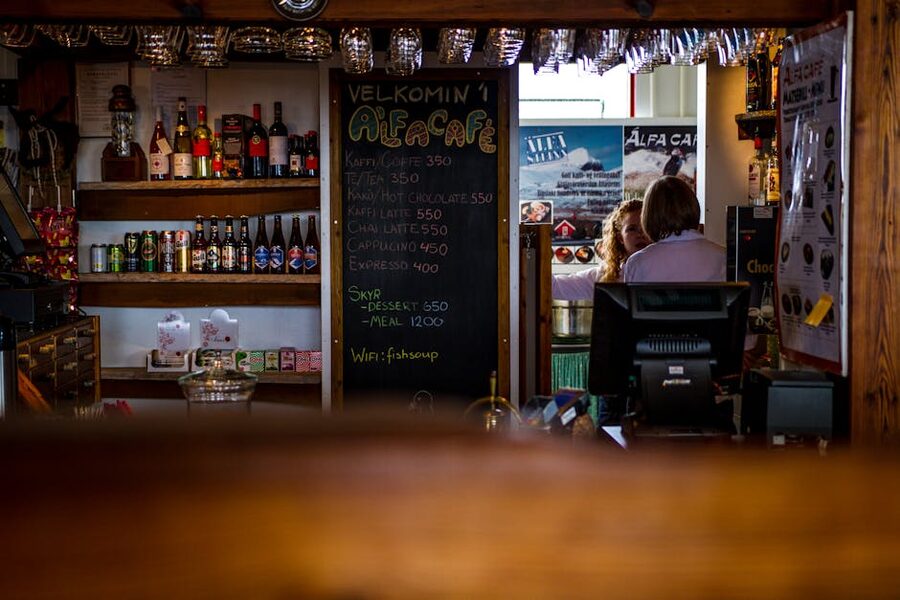
- Ein bjór, takk (ayn byor, tahk): one beer, please. Or really, “one beer, thanks”, see the next section about please.
The missing word: “please”
Here’s a thing that surprises people: there’s no everyday Icelandic word for “please.” There’s a formal one, vinsamlegast (VIN-sahm-lay-gahst), but it’s the kind of word that appears on official notices, not in a coffee shop. In ordinary speech, you just rephrase. “Could I have…” instead of “Can I have… please.” Or you tack on a “takk” at the end, which doubles up as please-and-thanks. So “ein bjór, takk” is genuinely “one beer, thanks,” and that’s how it stays. Tourists sometimes worry they’re being rude. They aren’t. The system just works differently.
Þetta reddast
If there’s one phrase that captures the national mood, it’s þetta reddast (THET-ta RED-dast), which means “it’ll work out.” Or “this’ll sort itself.” Or “we’ll be fine.” The word reddast comes from the verb redda, which is what you do when you fix something or scrape through a problem. Þetta reddast is the response to almost everything that goes a bit wrong: a delayed flight, a closed road, a missing reservation, a power cut.
It is also, depending on who you ask, either a mature acceptance of the realities of living on a volcanic rock in the North Atlantic, or a cheerful refusal to plan ahead. Probably both. Use it when something inconveniences you. Locals will appreciate the effort and probably pour you another coffee.
The grammar reality (skip this section if you want)
Icelandic grammar is, by most reckonings, hard. There are four cases (nominative, accusative, dative, genitive). There are three grammatical genders (masculine, feminine, neuter). Nouns decline in 16 different ways depending on case and number. Adjectives agree with nouns in case, gender, and number. Verbs conjugate for person, tense, mood, and voice. The number two has different forms depending on what you’re counting. So does the number one. So does, occasionally, three and four.

Now, the good news: you don’t need any of this to travel here. None. The locals you talk to will not run grammar drills at you. As a visitor, you can ignore the cases entirely and still be understood. “Ég vil kaffi” (I want coffee) is technically wrong because kaffi should be in the accusative, and yet the form happens to be the same as the nominative, so you got lucky. A surprising amount of basic Icelandic gets through this way. The grammar bites you when you start writing or doing anything official, but for “one beer, thanks” you’re fine.
If you do want to learn it properly, and a lot of people who move here for love or work do exactly that, be ready for a long road. The University of Iceland reckons most learners need a couple of years of regular study before they’re properly conversational, and several more to feel native-ish. Worth it. Hard.
Why nearly everyone you meet speaks English
By most surveys, around 98% of Icelanders speak English to some degree, and a huge proportion of them speak it well. There are a few reasons.
One: English is taught from primary school onwards, alongside Danish, which is part of our shared Nordic heritage. Most kids leave school with workable English by their early teens. By the time they finish secondary school, they’re often properly fluent.
Two: TV and films are subtitled, not dubbed. So Icelandic kids grow up listening to English in its original form, all day, with subtitles in their own language. This turns out to be one of the best ways to acquire a language.
Three: Icelandic doesn’t get you very far outside Iceland. There are roughly 370,000 speakers, almost all of them on this island. If you want to do anything internationally, read scientific papers, watch a film, run a business that talks to anyone outside, you need English. It’s a practical fact, not a cultural choice.
The practical upshot for travellers: in Reykjavík, in any tourist-facing business, in hotels, restaurants, on tours, you can speak only English and you will be fine. In supermarkets, the cashier might switch to English if you start it, or might just point at the screen showing the total. In rural farms, B&Bs, and N1 petrol stations far from the main road, English fluency drops a bit, especially with older people. Try a “hæ” first. The conversation will sort itself.
Coining new words instead of borrowing them
One of the things linguists love about Icelandic is the deliberate effort, going back over a century, to coin new Icelandic words for new things rather than just borrowing the English. The result is a vocabulary that feels weirdly cohesive even when it’s describing modern technology.
A few favourites:
- Tölva: computer. From tala (number) and völva (a kind of seeress in old Norse mythology). So a computer is a “number prophetess.” That’s a much better name than “computer.”
- Sími: telephone. From the Old Norse word for a long thread or cord. The early phones were literally on wires.
- Sjónvarp: television. Literally “vision throw.” A device that throws images at you.
- Þyrla: helicopter. From the verb to whirl or spin.
- Skjár: screen. From an old word for a translucent membrane stretched over a window opening, before glass got common.
- Nettröll: internet troll. The English word “troll” actually comes from the same Norse roots as ours, so this is a particularly satisfying loop. Net + tröll. Done.
- Tölvupóstur: email. Computer-post. Logical.
The body responsible for some of this work is the Icelandic Language Council (Íslensk málnefnd), and there are committees for new vocabulary in fields ranging from medicine to physics. Sometimes a new word catches on. Sometimes everyone ignores it and just says the English. We say blogg, for example, and app, and internet as one word, even though there are official Icelandic alternatives. Language doesn’t always do what committees want.
Names, the Naming Committee, and the phone book
Here’s where things get genuinely strange to outsiders. Icelanders don’t really have surnames in the way most countries do. Almost everyone uses a patronymic: their father’s first name plus -son for boys or -dóttir for girls. So Jón Stefánsson is Jón, son of Stefán. His sister is Anna Stefánsdóttir. Their dad is Stefán Jónsson, son of Jón. The pattern repeats forever.
This has practical consequences. The phone book is alphabetised by first name, not last. Schools and offices call you by your first name even when you’re 60. There is no “Mr Stefánsson”, the patronymic is not a family name, it’s a description of who your dad is, so calling someone by it would be like calling someone “Bob’s son” in English. You just use the first name. Always.
It also means that for a family of four, you might have four different “surnames.” Stefán Jónsson, his wife Helga Sigurðardóttir, their son Jón Stefánsson, their daughter Anna Stefánsdóttir. None of those last bits match. This causes interesting problems at international airports, where customs officers sometimes assume the kids are travelling with the wrong adults.
Some people use matronymics, their mother’s name instead, and that’s increasingly common, particularly among single mothers and same-sex parents. There are also a handful of true family surnames in Iceland, mostly inherited from Danish-era families, but they’re a small minority and the law actively discourages them. New family surnames are not allowed to be created.
The Naming Committee
And then there’s the Mannanafnanefnd, the Personal Names Committee. This is a real body, established by law, that approves first names for Icelandic babies. The rules are roughly: the name has to fit Icelandic grammar (you have to be able to decline it through the four cases without breaking it), it has to be spelt with letters in the Icelandic alphabet, and it shouldn’t cause the child embarrassment.
This sounds quaint until you read the rejection list. Names that have been turned down over the years include Cara (the C is not an Icelandic letter), Ariel (couldn’t decline cleanly), and Zoë (not on the approved list). Names that have been approved after lengthy fights include Blær, which a girl was given, then was told she couldn’t have because it was officially a boy’s name, then got back after a court case. The whole episode made international news in 2013.
You can opt out of the system if both parents are foreign-born or your child has a foreign-born parent. Otherwise, the committee has the final say. Most Icelanders find this fairly normal. People moving here from abroad think it is strange.
The sagas, and reading 800-year-old stories in the original
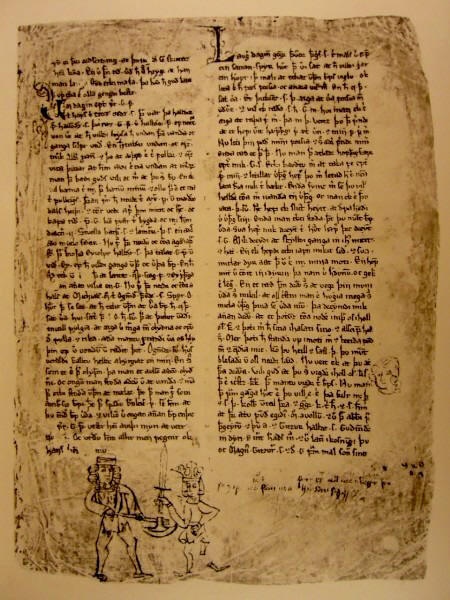
The Icelandic sagas are the country’s most enduring contribution to world literature, and they’re the reason the language preservation question matters. Written in the 13th and 14th centuries, mostly in Iceland, mostly in Old Icelandic (which is the same language we still speak, slightly shifted), they’re a sprawling literature of family feuds, coastal voyages, blood vengeance, dry humour, and surprisingly good character work. The Vikings come off less mythical than you’d expect. They’re farmers, fathers, brothers-in-law, neighbours with grudges.
The famous ones are Egils saga, about a poet-warrior who picks fights from Iceland to Norway to England, and Njáls saga, about a long-running feud that ends with a man and his family being burned alive in their own home. Laxdæla saga is the romantic one, full of love triangles and slow tragedies. Grettis saga is the outlaw story, with a kind of medieval action-hero feel. None of these are short, and none are dull.
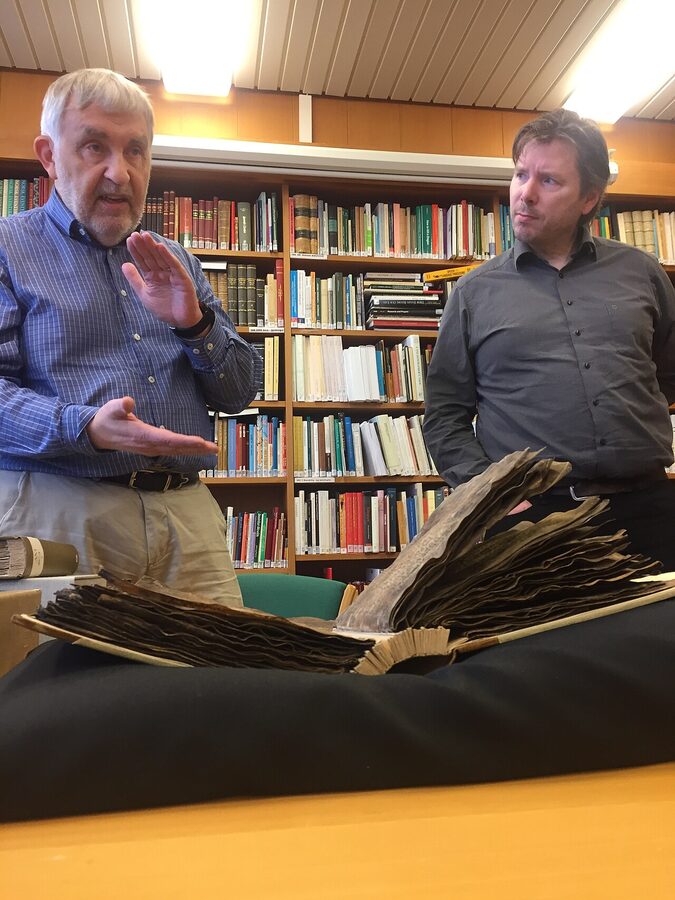
For a modern Icelander, picking one up takes a bit of effort but isn’t a stretch. The vocabulary is mostly familiar. Some of the kennings, those famous Norse poetic compounds, like “swan-road” for sea or “wound-snake” for sword, need glossing. The grammar is a hair more conservative. But the rhythms are ours, and a lot of the lines are quotable in modern Reykjavík. The most famous line in Hávamál (“the words of the high one,” Odin), deyr fé, deyja frændr… (“cattle die, kinsmen die…”), is something you might still see written on a poster.
If you want to read them, English translations are very good. Penguin Classics does the major ones. The complete Sagas of Icelanders in the Leifur Eiríksson edition is the deluxe option. You don’t need to read them all. Egils saga is the best place to start.
Modern Icelandic literature, beyond the sagas
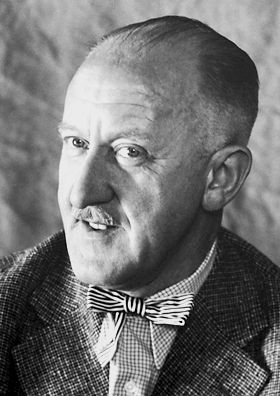
The country won the Nobel Prize in Literature in 1955, which for a population of 170,000 at the time was preposterous. Halldór Laxness took the prize for his body of work, but the novel that did most of the heavy lifting was Independent People (Sjálfstætt fólk). It’s about a sheep farmer named Bjartur who insists on doing everything alone, on bad land, in worse weather, and the cost his stubbornness exacts on his family. It’s bleak and funny and one of the great novels of the 20th century. If you read one Icelandic book before you visit, read this.
Beyond Laxness, modern Icelandic writing is in good shape considering how few writers there are.
- Jón Kalman Stefánsson: moody, beautiful trilogy starting with Heaven and Hell, set in the 19th-century fishing communities of the Westfjords. Sentences that take a while to land but stay with you.
- Auður Ava Ólafsdóttir: quietly funny, philosophical novels. Butterflies in November and Hotel Silence have both done well in translation.
- Hallgrímur Helgason: wrote the cult novel 101 Reykjavík, later a film, plus a number of comic-political pieces.
- Sjón: poet and novelist. Wrote lyrics for Björk. Won the Nordic Council Literature Prize for The Blue Fox, which is short, strange, and excellent.
- Yrsa Sigurðardóttir: the queen of Icelandic crime fiction. If you like dark Nordic noir, start with The Day Is Dark.
- Arnaldur Indriðason: the other crime giant, with the Detective Erlendur series. Slower-paced, very Reykjavík.
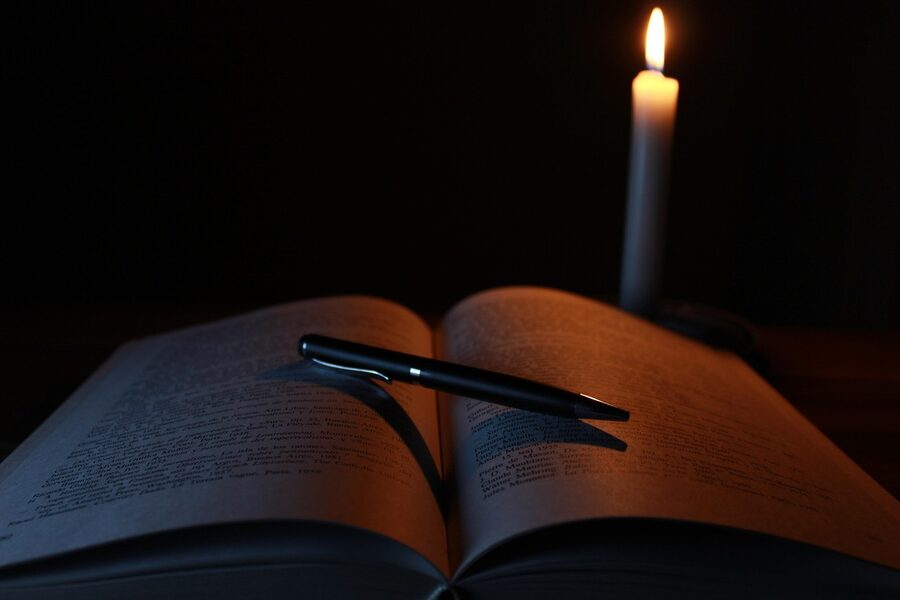
And then there’s the jólabókaflóð, the “Christmas book flood.” Every autumn, Icelandic publishers release the year’s main books in time for Christmas. Books are still by far the most common Christmas present here. It’s normal to spend Christmas Eve curled up with a new book and a chocolate. If you’re around in November, you’ll see the Bókatíðindi catalogue arriving in mailboxes, every household gets a free copy listing all the new releases.
The manuscript story, and why we got everything back
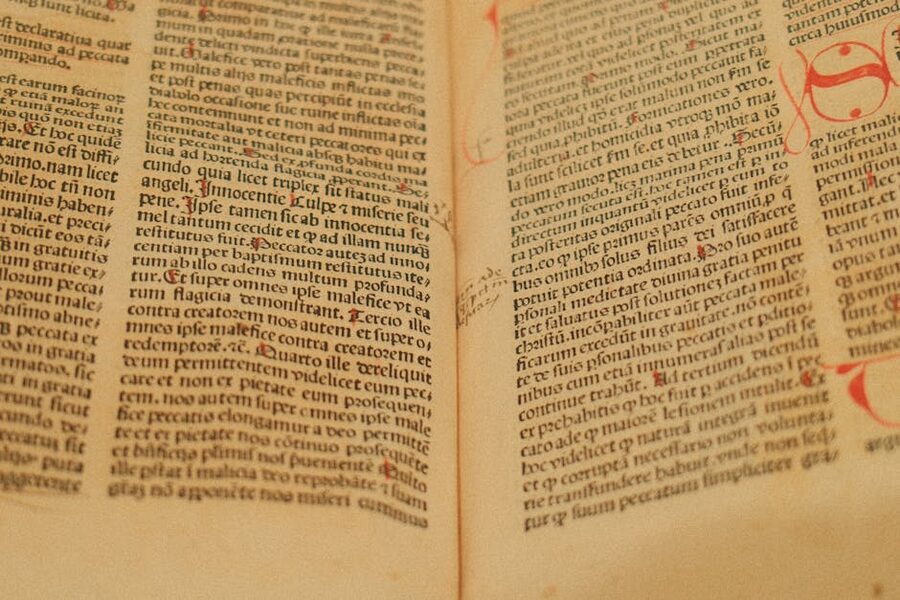
One of the great quiet stories of 20th-century Iceland is the return of the medieval manuscripts from Denmark. After the Reformation, and through the long centuries of Danish rule, almost all the important Icelandic parchments ended up in Copenhagen. They were studied, catalogued, and protected there, Árni Magnússon, the great 17th-century manuscript collector, gave his collection to the University of Copenhagen on his death in 1730. Some perished in a fire that swept Copenhagen in 1728. The rest survived.
When Iceland became independent in 1944, the question of where the manuscripts properly belonged became politically loud. After decades of quiet diplomacy, Denmark agreed in 1961 to return the manuscripts gradually. The Codex Regius and Flateyjarbók came home first, in 1971, on a Danish navy ship, met at Reykjavík harbour by a crowd of thousands. Schoolchildren were given the day off. National TV broadcast it live. It was a big moment.
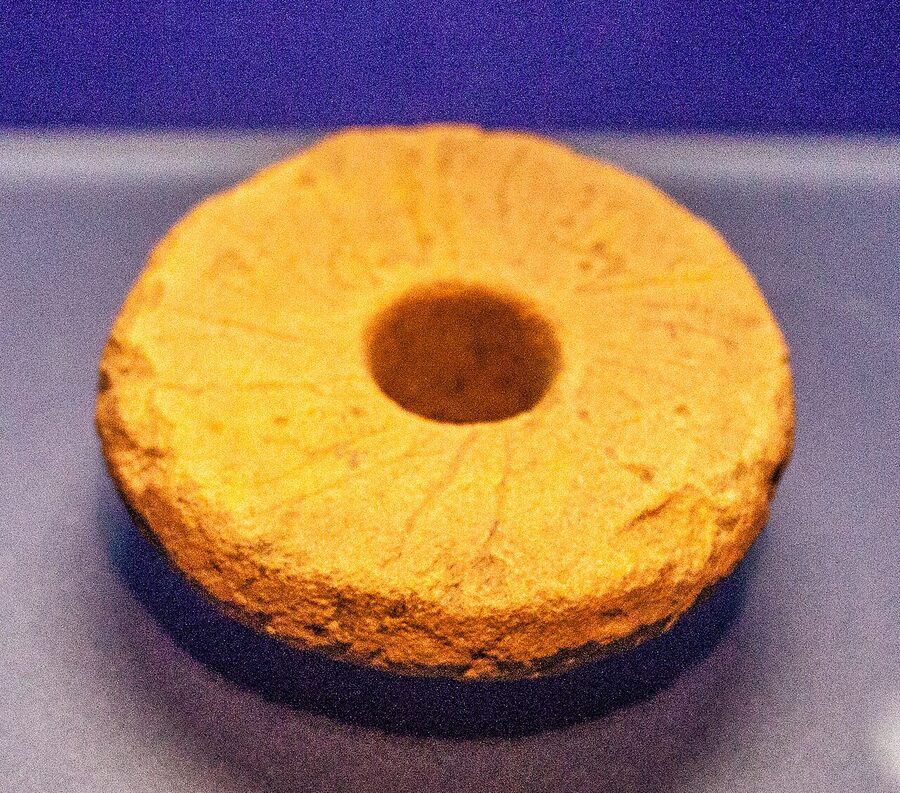
The transfer continued through the 1990s. Today the manuscripts live at the Árni Magnússon Institute in Reykjavík, where you can sometimes see them on display, depending on the rotation. The visit is free if you’re already wandering the university campus, and worth it. There’s something humbling about reading a 700-year-old line of handwriting and being able to recognise the words.
Where to learn before you come
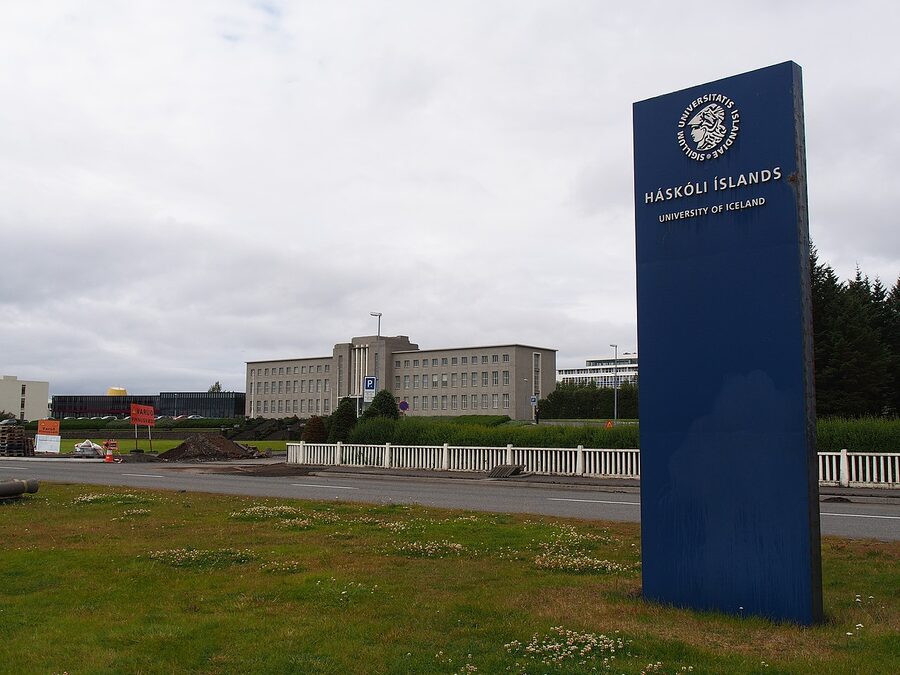
If you want to know more than just survival phrases, here’s the lay of the land.
Icelandic Online (icelandiconline.com): the University of Iceland’s free, structured course. Five levels from absolute beginner to advanced. This is the gold standard, made by linguists who know what they’re doing. It takes time and effort, but the quality is excellent and the price is right.
Drops: vocabulary app with five-minute daily sessions. Good for the first few weeks. Cute interface. Won’t get you to fluency, but will get you 200 useful words.
Memrise: flashcard-style app with user-generated and official Icelandic decks. Better than Drops for grammar.
Duolingo: does not currently have an Icelandic course. They’ve been hinting at one for years. Don’t hold your breath.
Pimsleur: has an audio Icelandic course, useful if you learn by listening.
YouTube: search for “Learn Icelandic with Bara” or “Icelandic Made Easy.” Both have free, well-paced lessons by native speakers.
Tutors: italki and Preply both have native Icelandic teachers willing to do hourly sessions. Expect to pay around 4,000 to 6,000 ISK per hour for an experienced tutor. This is how most foreigners who actually become fluent get there: regular conversation practice with someone patient.
A few cultural notes that will help
Here are the bits that don’t fit in any phrase list but matter once you’re here.
The kissing on the cheek thing, we don’t. Icelanders don’t do the French two-cheek kiss, or the Italian one. A handshake is normal. Hugs are reserved for friends and family. Don’t try to kiss the cheek of someone you’ve just met, they’ll probably step back.
Loud talking is not normal. Icelanders generally speak at a low volume in public. American tourists are sometimes startled to find that their normal conversational tone is the loudest thing on the bus. This isn’t rude on either side, just a calibration thing. Match the room.
Direct over diplomatic. Icelanders communicate fairly directly. If something is bad, we’ll say it’s bad. If we don’t want to do something, we’ll say no rather than maybe. This sometimes reads as blunt to people from cultures where politeness is more padded. It isn’t unfriendly, just efficient.
First names, always. Already covered above, but worth restating: there is no “Mr” or “Mrs” in normal Icelandic life. Even formal letters use first names. The doctor is Anna, not Dr Stefánsdóttir. The president is Halla, not President Tómasdóttir. (Though in formal writing she’s “forseti Íslands, Halla Tómasdóttir.” Always Halla in person.)
Swearing is mild and ubiquitous. The most common Icelandic curse, fjandinn (the devil) or helvíti (hell), is roughly as strong as English “damn”, you’ll hear it from grandmothers. The harder ones exist, but they’re not often deployed. Don’t be alarmed at how casually we swear; it’s calibrated lower than English.
Reading the road signs and weather forecasts
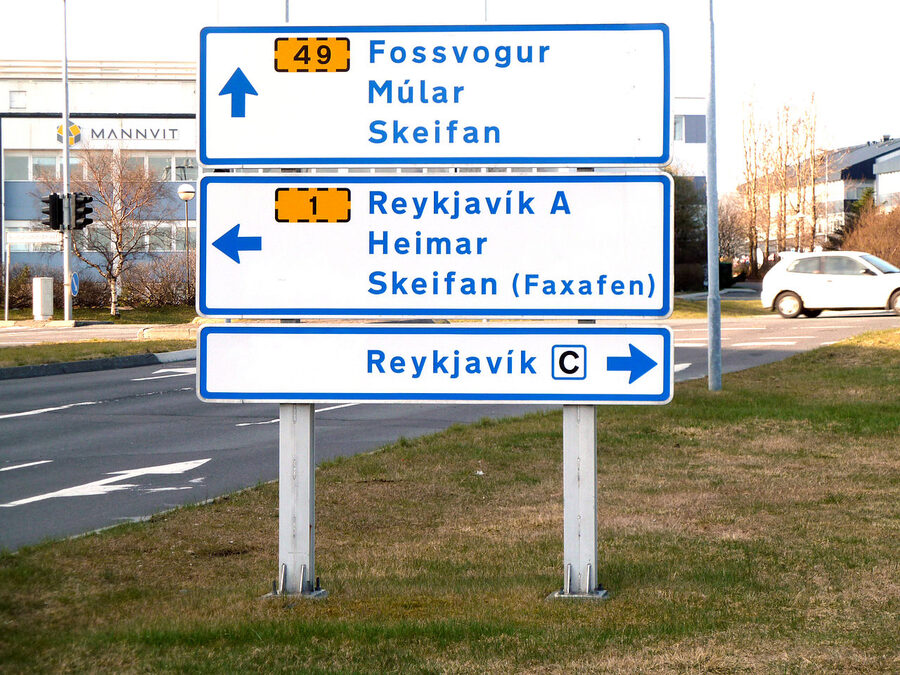
If you’re driving, here are the words you’ll see most often on signs and want to recognise.
- Vegur: road. Þjóðvegur is a national highway.
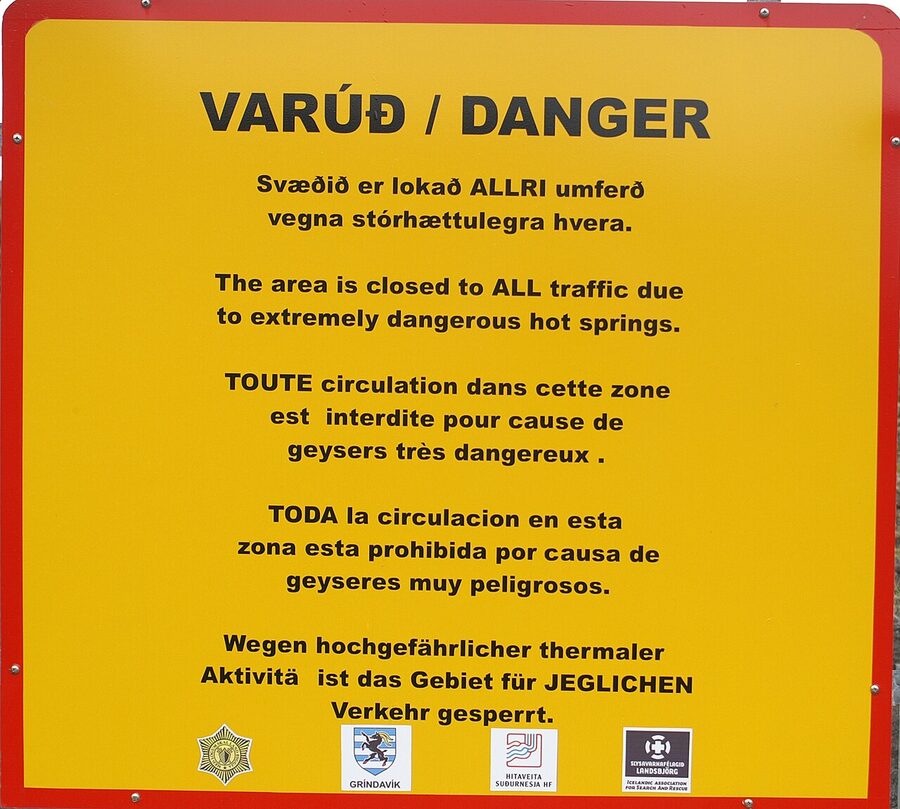
- Hættulegt: dangerous. Always take seriously.
- Lokað: closed. Said of roads, mountain passes, F-roads in winter. Do not interpret creatively.
- Bensín: petrol. Dísel is diesel, mercifully obvious.
- Útsala: sale. Useful in Reykjavík shop windows.
- Opið: open. Opnunartími means opening hours.
- Salerni or Snyrting: toilet. Sometimes labelled WC, the universal traveller’s symbol.
- Karlar / Konur: men / women, on toilet doors.
- Inngangur / Útgangur: entrance / exit.
- Sundlaug: swimming pool. Or just laug. Where the social life of an Icelandic town actually happens.
- Hitaveita: hot water network. The geothermal pipes that heat your shower.
For weather, the national forecaster Veðurstofan (en.vedur.is) publishes everything in English alongside Icelandic. But if you ever click through to the Icelandic version, you’ll see vindur (wind), úrkoma (precipitation), hiti (temperature), and skyggni (visibility). Add a few directional words, norðan (from the north), sunnan (from the south), vestan (west), austan (east): and you can roughly parse a forecast.
The big linguistic moments to know
A few cultural bits that come up often enough to be worth flagging.
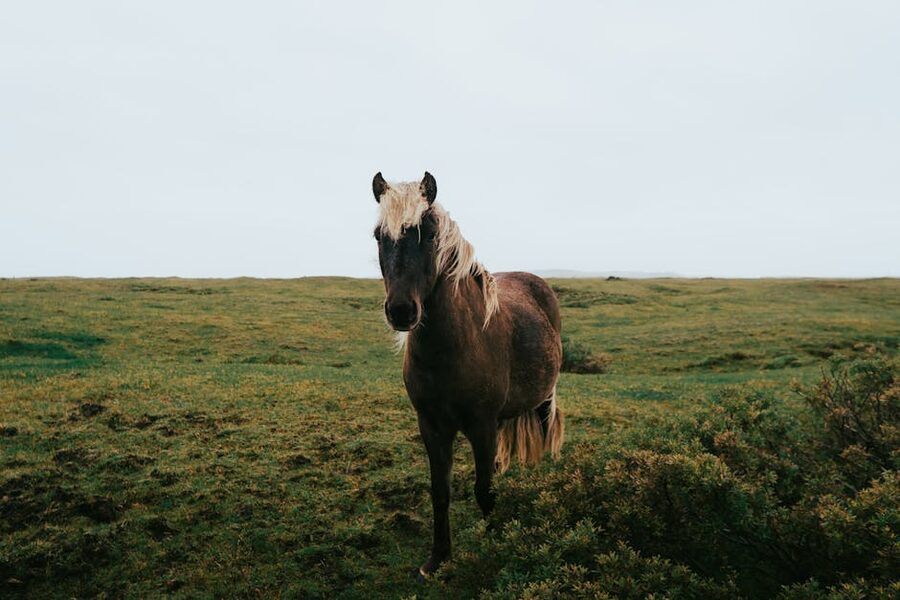
The Icelandic horse, never the pony. The native horse breed is small but it is a horse, not a pony, and Icelanders are touchy about this. The breed has its own gait (the tölt) and has been kept genetically isolated since the settlement period, once a horse leaves Iceland, it cannot come back. Calling one a pony is like calling a chihuahua a puppy. Technically wrong and slightly insulting. Just say horse.
Iceland or Ísland. The Icelandic name for the country is Ísland (EES-land), which means literally “ice land.” We tolerate “Iceland” but we love it when people make the small effort. The hard accent goes on the Í.
The ð in country names. Spotting the eth in Ísland, Suðurland (the south), or Norðurland (the north) is your reward for paying attention.
Christmas greetings. Gleðileg jól (GLED-i-leg yol) means “merry Christmas.” It literally translates as “happy Yule”, Icelanders kept the older Norse word for the festival. Gott og farsælt komandi ár is “good and prosperous coming year,” used at New Year. Both phrases get appreciation if you try them on the right day.
The “pseudo-question.” In conversation, Icelanders sometimes inhale sharply while saying “já”, a kind of in-breath agreement noise. Visitors often think someone has gasped or been startled. They haven’t. It’s just an affirmative sound. Common in the north especially.
What’s worth doing, and what isn’t
Here’s my opinion on the language-prep question for a one-or-two-week trip.
Worth doing: Memorise five phrases (takk, hæ, bless, já, skál). Spend ten minutes reading the alphabet so the þ and ð don’t shock you. Learn how to pronounce the place names you’ll actually visit, by listening to them on YouTube or asking a guide. Read a Halldór Laxness novel before you arrive. Pay attention to the patronymic system because it changes how you address people.
Not worth doing: Trying to learn the case system. Memorising long phrase lists. Apologising for not speaking Icelandic, locals don’t expect you to. Buying a phrasebook (the apps are better). Worrying that you’ll offend someone with a bad accent (you won’t).
The country has spent 1,150 years guarding a small language against the linguistic gravitational pull of bigger ones. We’re proud of that and we’re also pragmatic about it. We are not going to make you sit a vocabulary test. We are going to be slightly delighted when you say “skál” and slightly amused when you take a swing at “Eyjafjallajökull.” Either way, we’ll keep the conversation going in whatever language works.
For more on what to do once you arrive, the Reykjavík city guide covers neighbourhoods, food, and where the locals actually go. The Icelandic food guide has more on the words you’ll meet on a menu (and which dishes to try, and which to politely decline). The history of Iceland goes deeper on the Vikings, the sagas, and how a Commonwealth at Þingvellir lasted three hundred years before Norway took over. If you’re around for the season, the Christmas in Iceland piece covers the 13 Yule Lads, the Christmas Cat, and the jólabókaflóð. Plenty more to read in Destinations.
Þetta reddast.