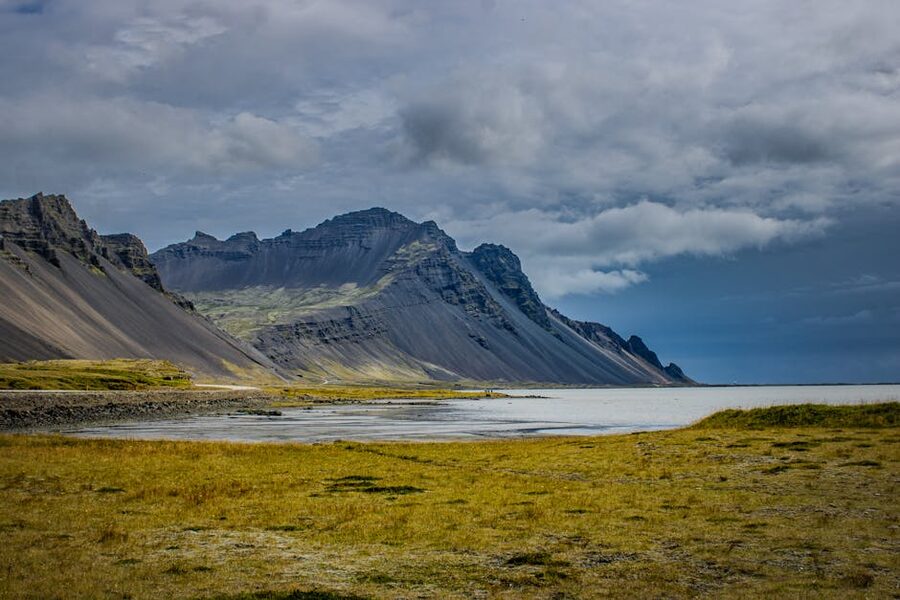
Iceland is a 103,000 square kilometre volcanic island in the North Atlantic, home to about 380,000 people, founded by Norse settlers in 874 AD, independent from Denmark since 1944, currently being pulled in half by two tectonic plates at the speed your fingernails grow. That is the country in one sentence. The rest of this guide is about how to actually visit it.
I get asked the same handful of questions every time someone messages me about a trip. When should I come? How long do I need? Do I rent a car? Is the Blue Lagoon worth it? What about the Northern Lights? The short answers all have a “but” attached. So this is the friendly local’s overview, written as a router. Each section gives you the framing, then points you to the dedicated guide on this site for the deep version. Skim, find the bit that sounds like your trip, follow the link.
In This Article
- What Iceland actually is
- The country, by region
- Reykjavik and the southwest
- The South Coast
- The East Fjords
- North Iceland
- Snæfellsnes Peninsula
- The Westfjords
- The Highlands
- Iceland tours, and how to actually see all of this
- The culture you’ll meet
- The food, briefly
- The wildlife
- When to visit
- About the Northern Lights specifically
- The practical stuff in one place
- Where to base yourself
- What to skip and what people get wrong
- First trip versus tenth trip
- Where to start, depending on what you came for
What Iceland actually is
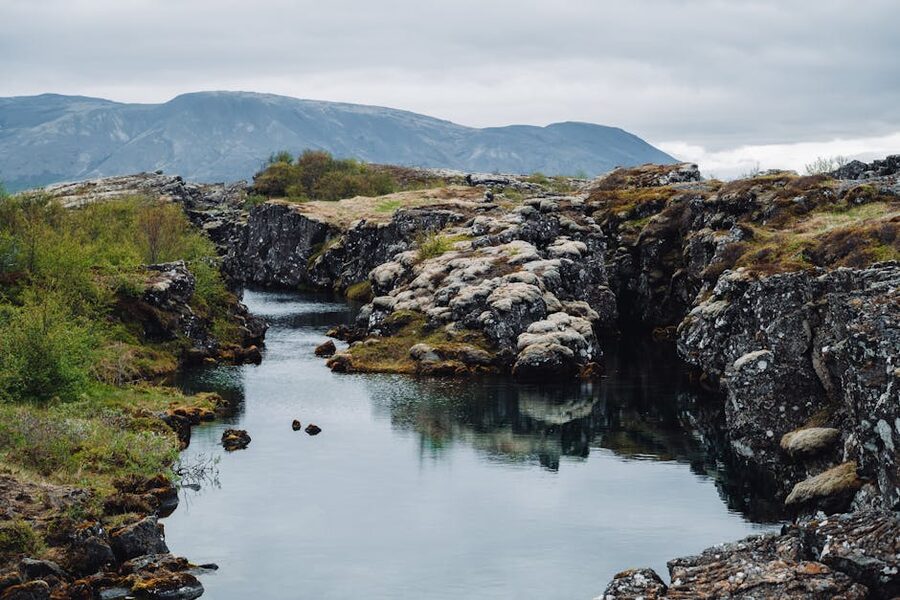
Geographically, Iceland is the youngest big chunk of land in Europe. It first poked above sea level around 16 to 18 million years ago, which sounds like a long time until you remember most of Scotland is over a billion. The Mid-Atlantic Ridge runs straight through the country from southwest to northeast. On one side of that line you are technically standing on the North American plate. On the other, the Eurasian. The two are pulling apart at about 2 cm a year, and the gap fills with magma, which is why we have around 30 active volcanic systems and one decent-sized eruption every four or five years on average.
That tectonic story is also the climate story, the wildlife story, and most of the food story. Geothermal water heats almost every house in the country. Hot springs are everywhere because the magma is everywhere. The mossy lava fields you see south of Keflavik are from a 1226 eruption that hasn’t really finished. For the long version, the geology of Iceland guide walks you through plates, hotspots, individual volcanoes, ice caves, and where to go and see each one. The history of Iceland picks up at the Viking settlement in 874, runs through the Commonwealth, the Christianisation of 1000 AD, the centuries of Danish rule, and the 1944 independence vote. And the climate of Iceland covers what the weather actually does month by month, not the brochure version.
The numbers, in case you want them in one place. About 380,000 people, two thirds of whom live in the Reykjavik capital area. Coast measured at around 4,970 km if you trace every fjord. Highest point Hvannadalshnúkur at 2,110 m. Roughly 11% of the surface is glacier. Currency is the Icelandic króna (ISK). Time zone is UTC year-round, no daylight saving. Country code +354. Mobile coverage is excellent.
The country, by region
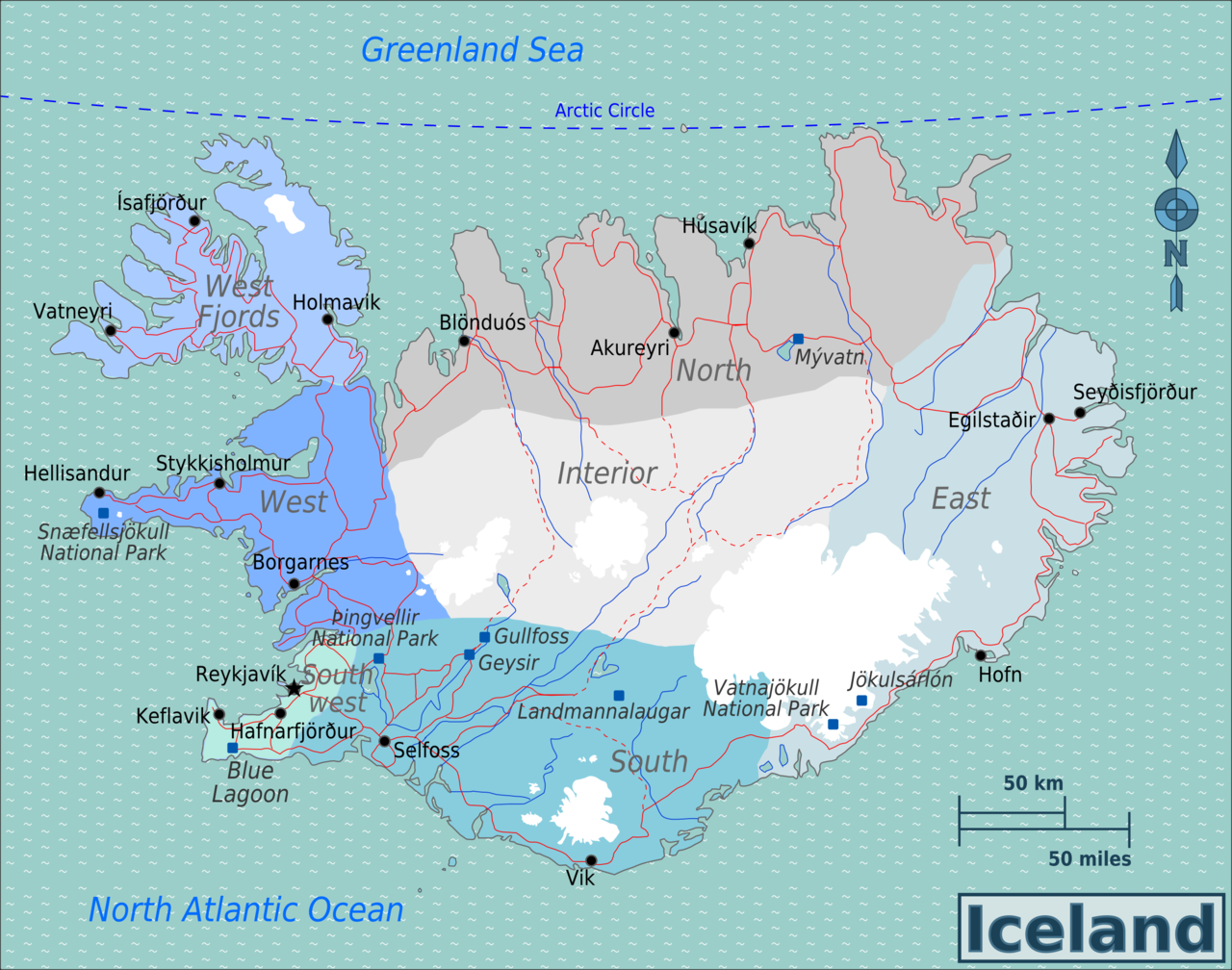
Iceland is small. You could drive the Ring Road in 24 hours if you didn’t stop. Most people split it into seven loose regions plus the highlands in the centre. Here is what each of them is for.
Reykjavik and the southwest
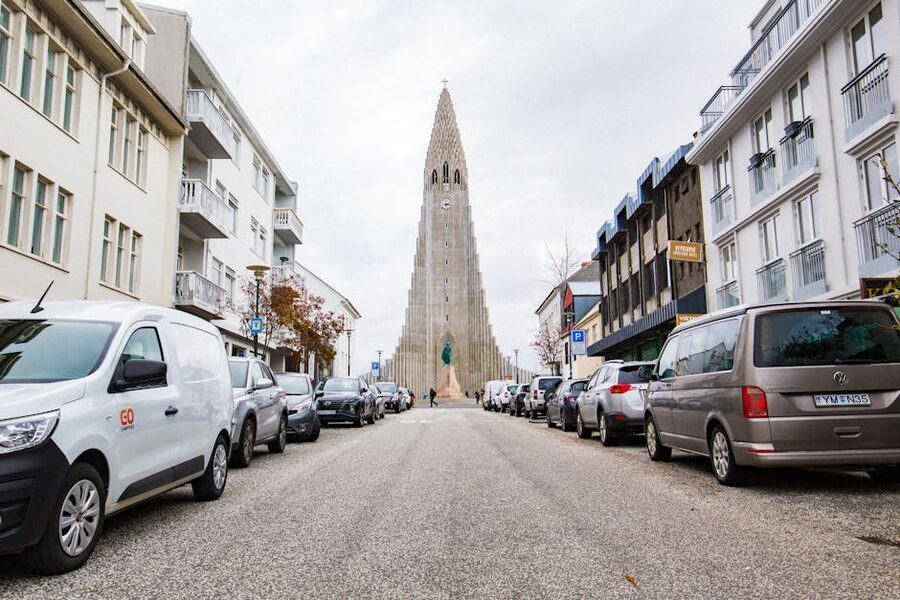
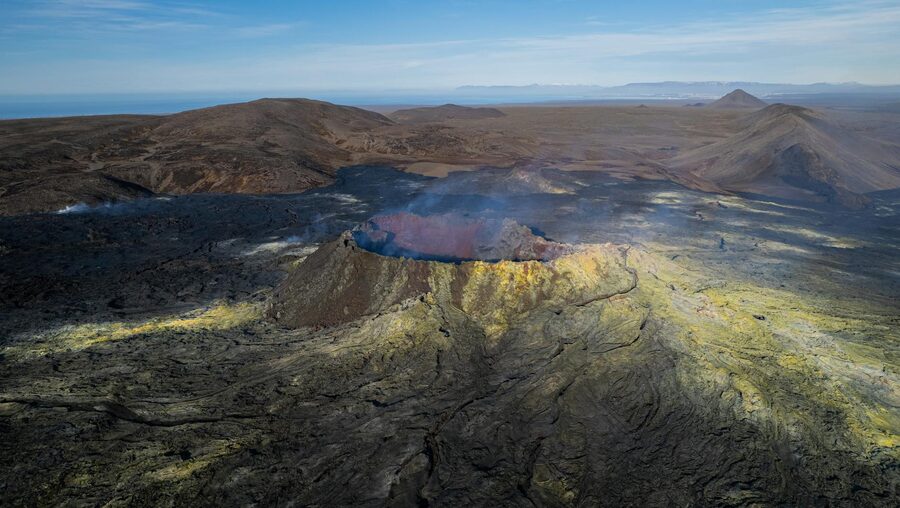
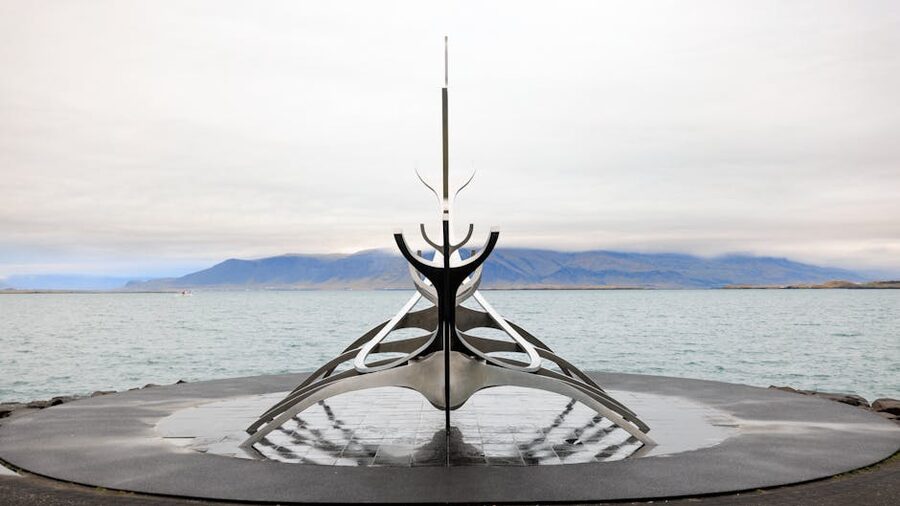
This is where most travel happens. The capital area holds about two thirds of the country’s population, the international airport is 50 km southwest at Keflavík, and almost every “Iceland” cliché you have ever seen is within 90 minutes of the city. Hallgrímskirkja, Harpa, the Old Harbour, the Sun Voyager. The Blue Lagoon. The Golden Circle (Þingvellir, Geysir, Gullfoss). Sky Lagoon. The Reykjanes lava fields and the recent Fagradalsfjall and Sundhnúkagígar eruption sites. If you have three to five nights, you can base in Reykjavik and never need a rental car.
For the city itself, the what to do in Reykjavik guide goes through Hallgrímskirkja, the museums, the food, the pools, and which bar to drink in if you came for the music. For trip-shape questions (two days, three, five, where to stay, when to bother with a car) the Reykjavik city break itineraries walks through every length.
The South Coast
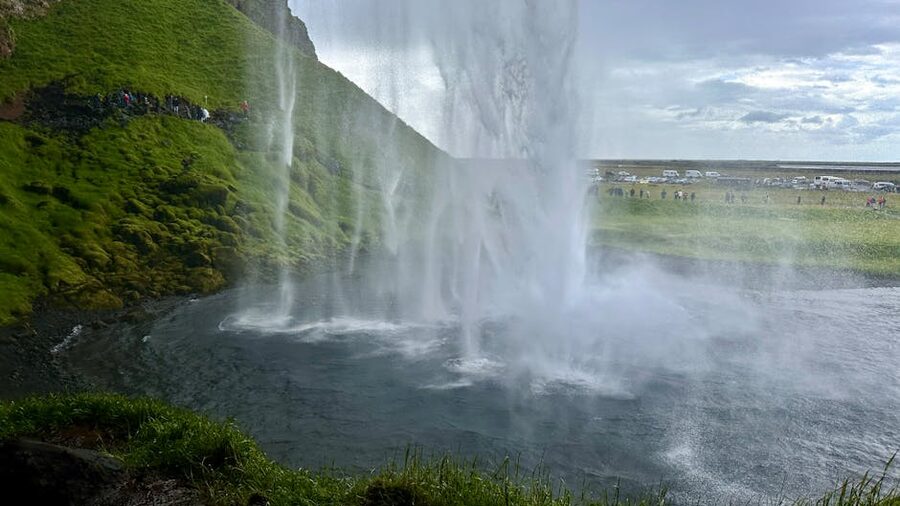
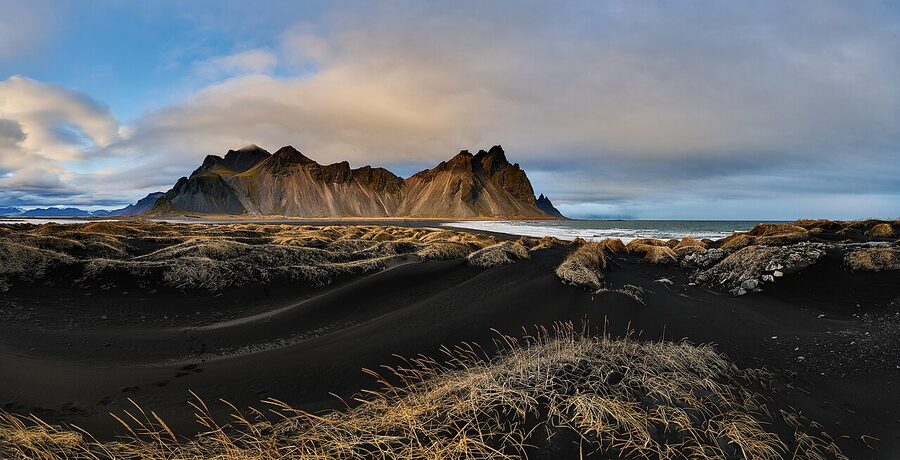
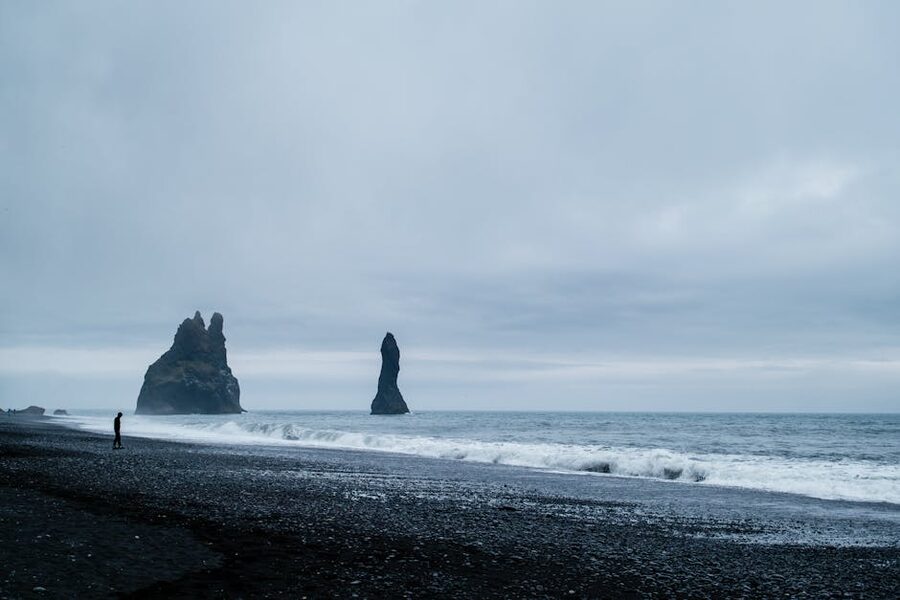
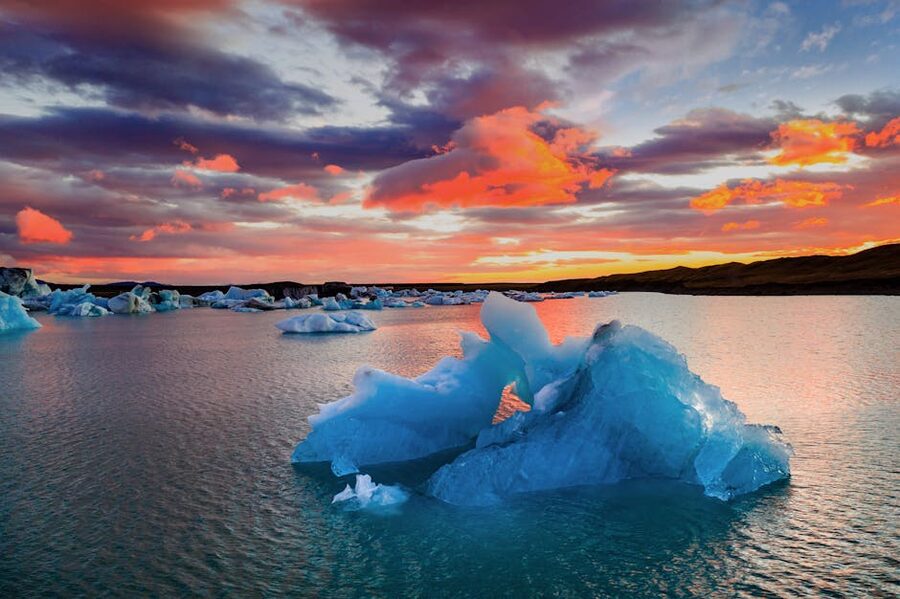
The most-visited region after the capital. Driving east on Route 1 (the Ring Road) the standard run is Seljalandsfoss, Skógafoss, the DC-3 wreck on Sólheimasandur, Reynisfjara black sand beach, the village of Vík, then Skaftafell in Vatnajökull National Park, and finally Jökulsárlón glacier lagoon and Diamond Beach. Roughly 380 km from Reykjavik to Jökulsárlón, doable as a long day trip but much better as a two or three night out-and-back with a stop in Vík or Hof.
If you only have one day from the capital and the south coast is what you want, see the best day tours from Reykjavik guide for which operators handle the run, what gets included, and which compress the route too much. For glaciers and ice caves specifically (most of which are off the south coast) the glaciers, geysers and Golden Circle guide covers operators and seasons.
The East Fjords
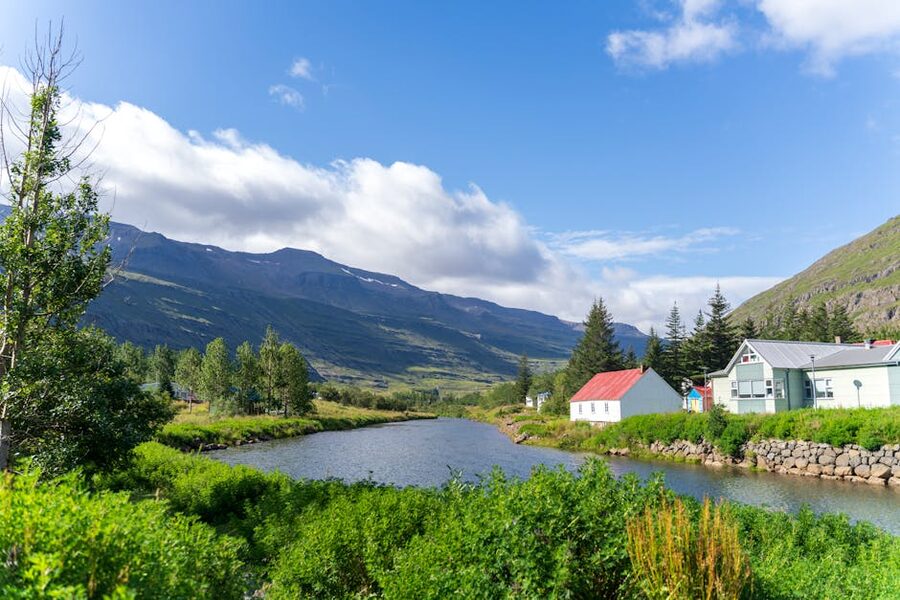
About a third of the country, served by maybe one bus a day in summer. Egilsstaðir is the regional capital. Seyðisfjörður is the postcard fjord village (the rainbow street, the ferry from Hirtshals in Denmark, the Skaftfell art centre). The eastern fjords have the only wild reindeer in Iceland (descended from a 1787 import), the country’s tallest forest, and a coastline that takes longer to drive than you think because the road runs around every fjord, not over them. Most first-time visitors skip the east because it is far. If you have nine days or more on the Ring Road, do not.
North Iceland
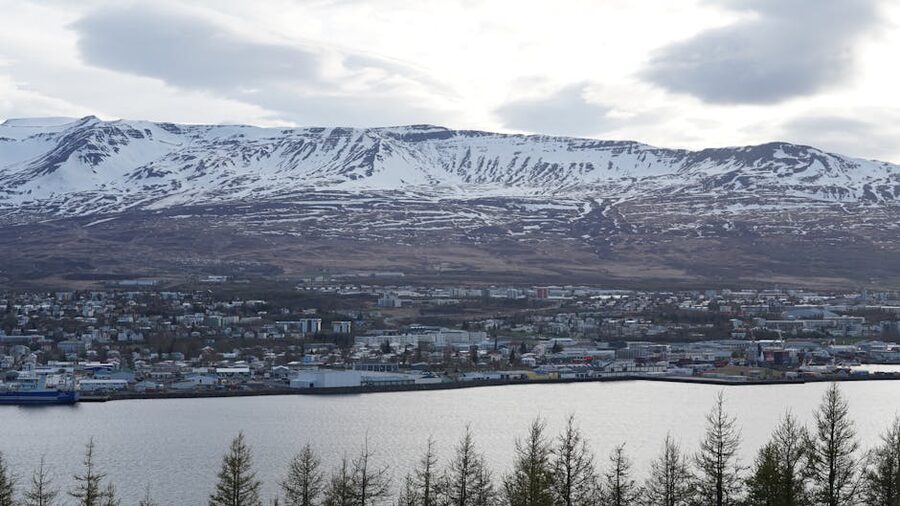
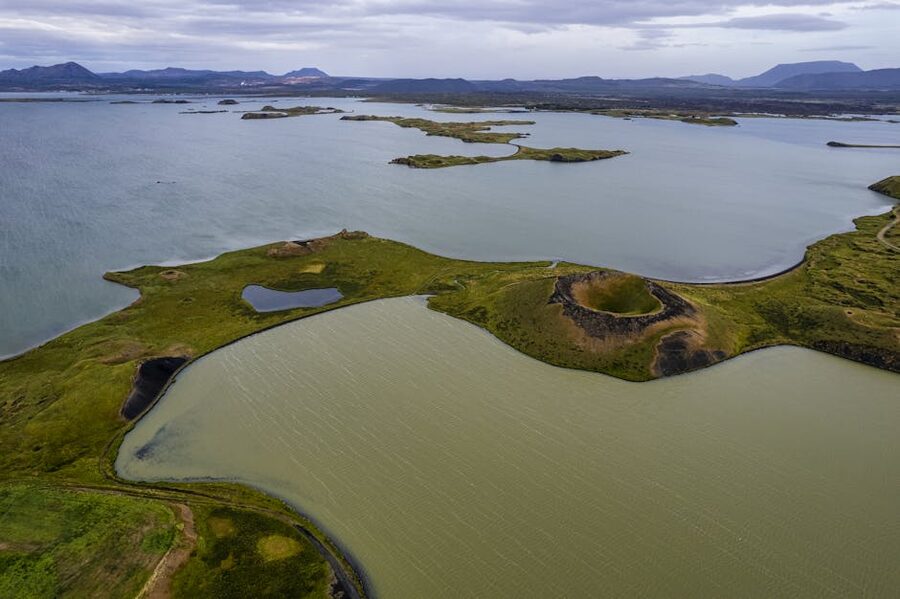
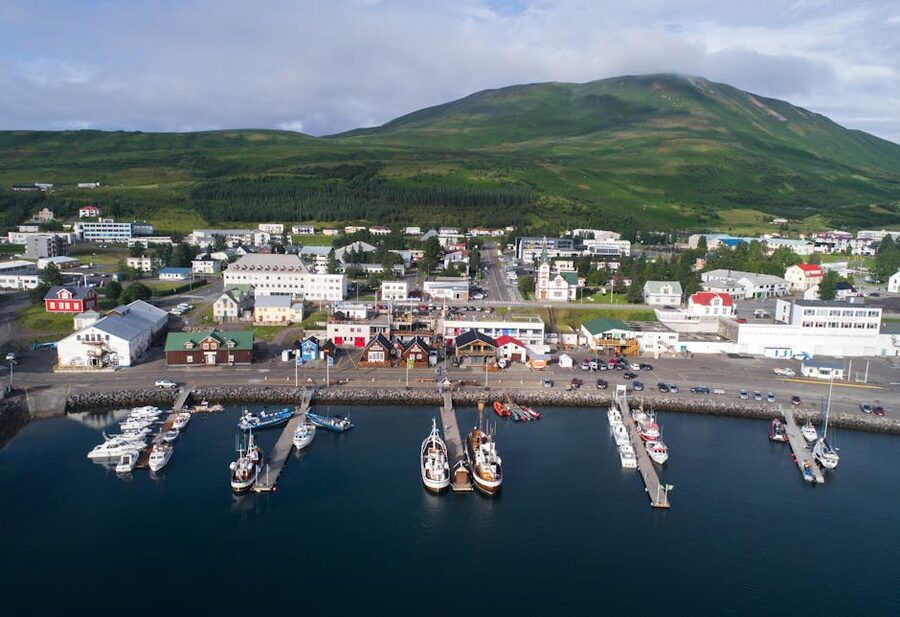
Akureyri is Iceland’s “second city” with around 19,000 people, sitting at the head of Eyjafjörður. From there, Lake Mývatn (volcanic crater country, the geothermal area at Námaskarð, the Mývatn Nature Baths which are the local’s preferred Blue Lagoon), Goðafoss waterfall, the whale-watching town of Húsavík, and Krafla geothermal field are all within a couple of hours’ drive. The north has more reliable winter weather than the south because storms hit the coast first. It also has dramatically less traffic.
If you fly into Akureyri (Icelandair runs daily, around 14,000 to 22,000 ISK each way from Reykjavik) you can do the entire north as a self-drive without ever touching the south. For more on the geothermal stops, glacier hikes and how the Golden Circle compares to its northern equivalent, the glaciers and geysers guide goes into the detail.
Snæfellsnes Peninsula
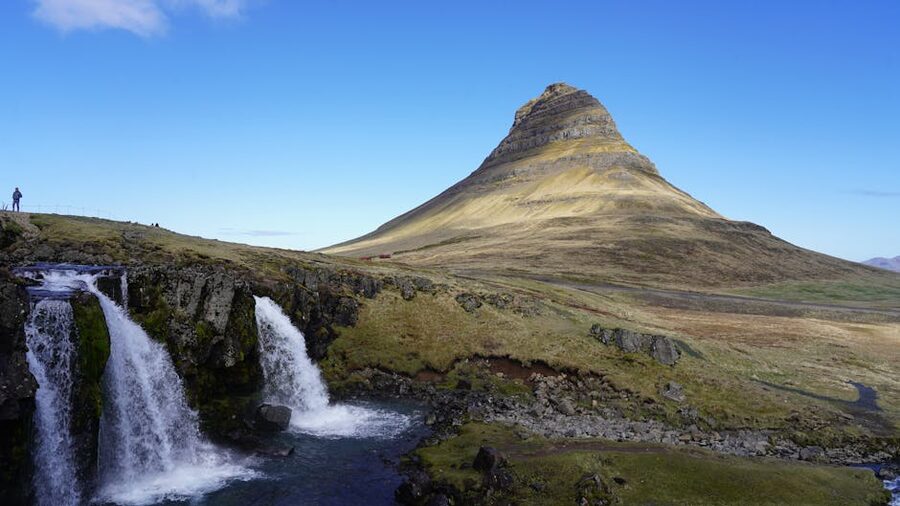
“Iceland in miniature” is the cliché and it is roughly correct. A 90 km long peninsula on the west coast that has a glacier (Snæfellsjökull, the one Jules Verne dropped his explorers down in Journey to the Centre of the Earth), black-sand beaches, lava fields, fishing villages (Stykkishólmur, Grundarfjörður, Hellnar), bird cliffs, and the famous Kirkjufell mountain. About two and a half hours from Reykjavik, easily done as a long day trip or a relaxed one-night out-and-back. For most three-to-five-day visitors, this is the better choice than racing the Ring Road.
The Westfjords
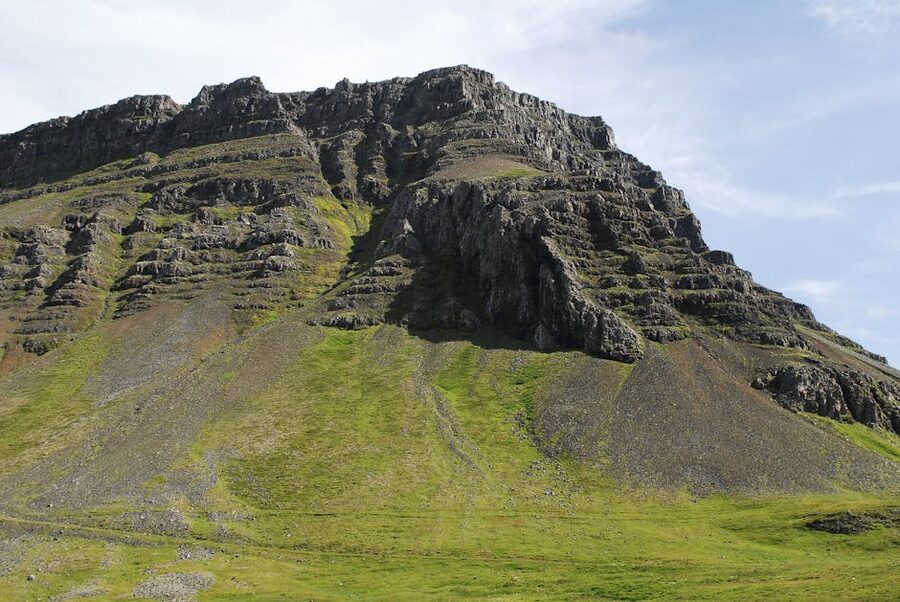
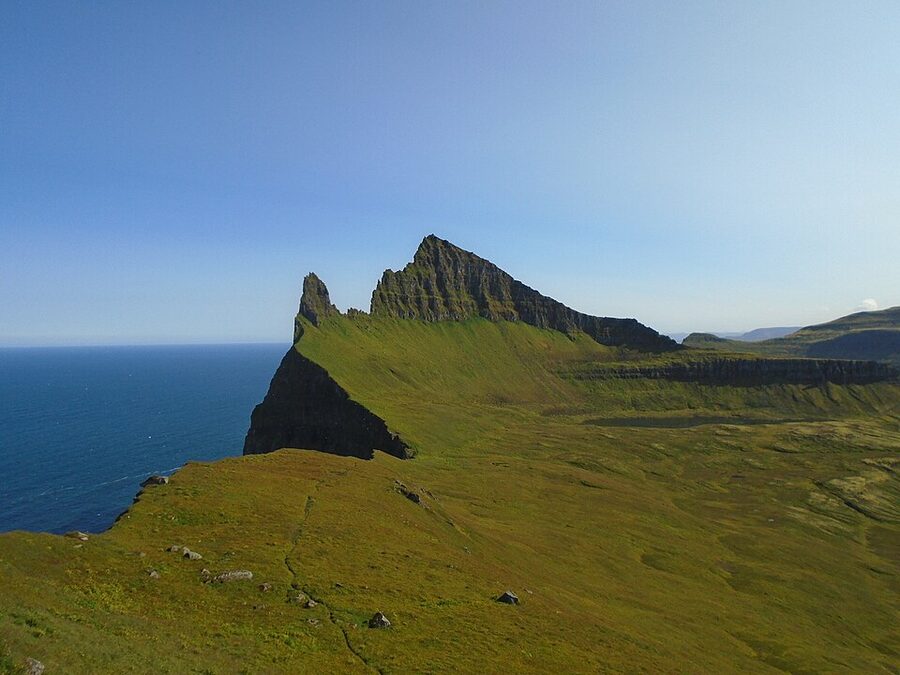
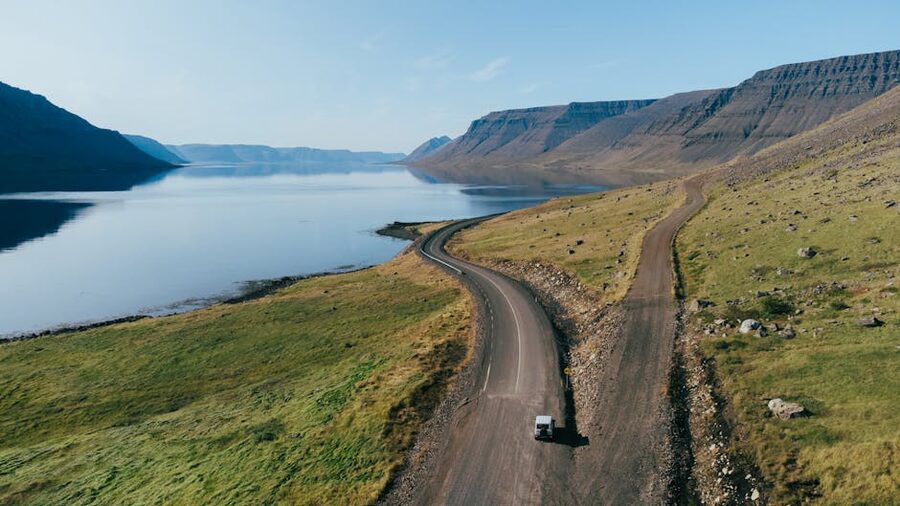
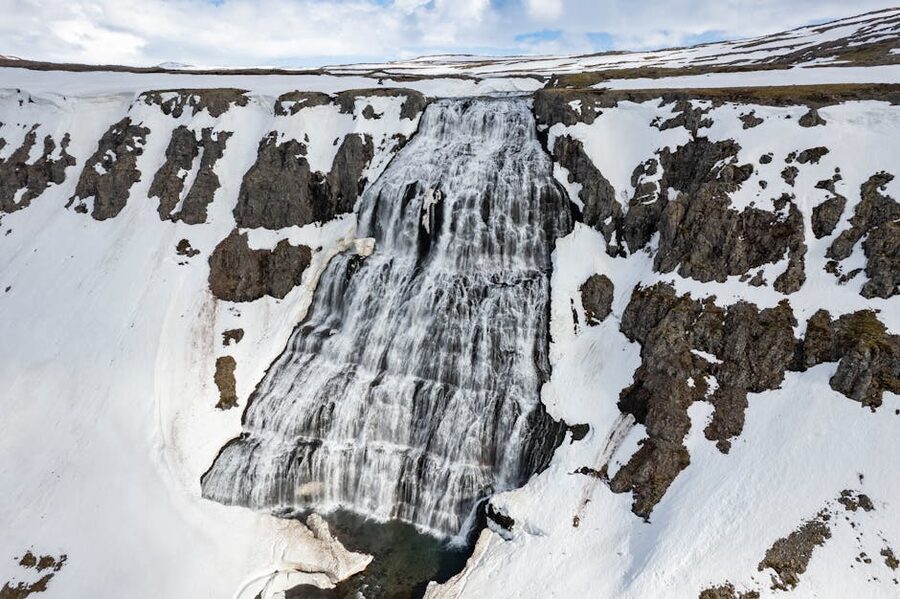
The least-visited region in the country, and the one I send people to when they have already done Iceland once and want a different version. Roughly the size of Cyprus, around 7,000 people, served by mostly gravel roads (some of which close in winter). Ísafjörður is the regional centre. Látrabjarg is the largest sea-cliff bird colony in Europe at 14 km long and 440 m high; it is also the westernmost point in Europe. Dynjandi waterfall is the queue-free version of the famous southern ones.
If birds are why you are coming, the Iceland bird watching tours guide covers the Westfjords cliffs, Mývatn ducks, and the Vestmannaeyjar puffins along with operators and timing. Puffins are at the cliffs roughly mid-April through mid-August.
The Highlands
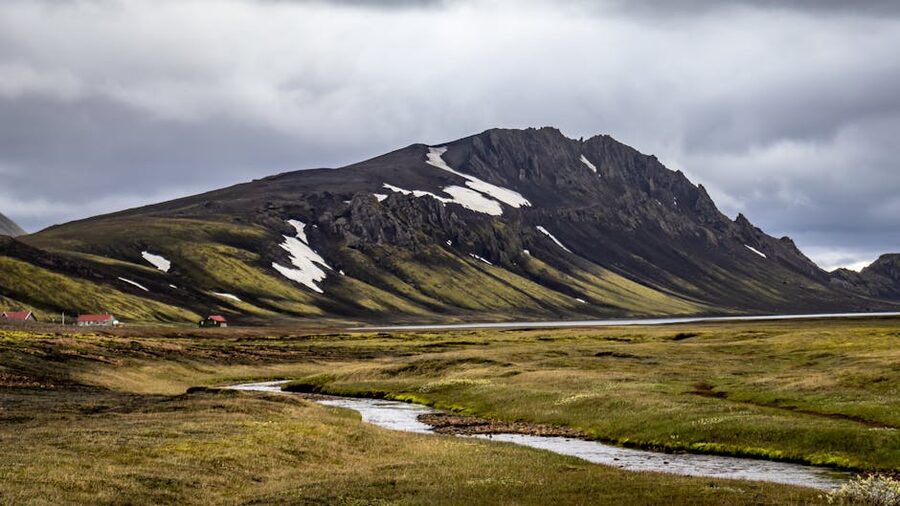
The middle of the country: a vast volcanic plateau that is uninhabited and inaccessible most of the year. Roads through here are F-roads (“F” for fjall, mountain) which are unpaved tracks that ford rivers, are 4WD-only by law, and open only late June through early September depending on the snow melt. The two showstoppers are Landmannalaugar (rhyolite mountains, geothermal river, the start of the Laugavegur trek) and Þórsmörk (forested valley between three glaciers, the end of the same trek). If you are visiting in winter, you cannot get to either without a glacier-rated super-jeep tour.
Iceland tours, and how to actually see all of this
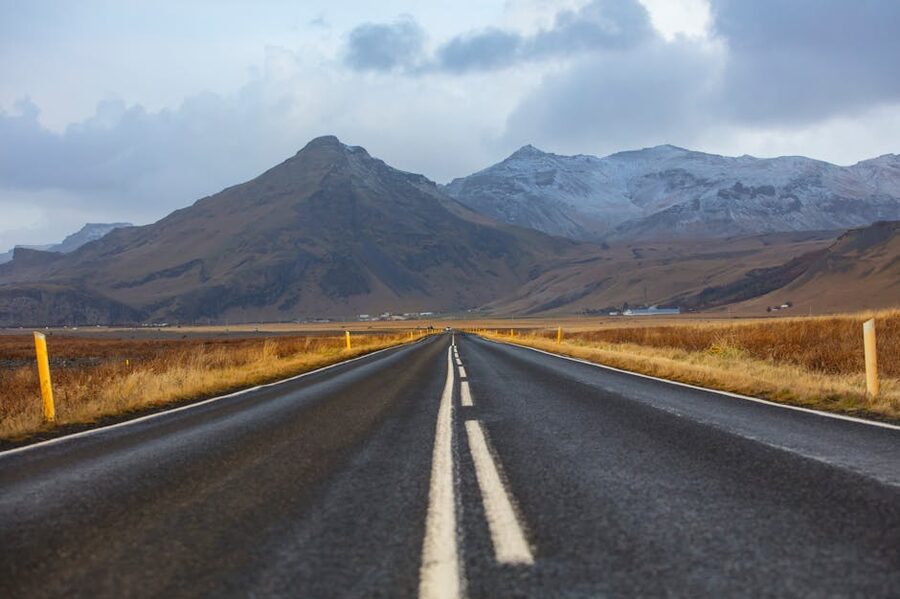
Three broad ways to see the country. Self-drive (rent a car or campervan, drive the Ring Road or a smaller loop, book your own hotels). Day tours from a Reykjavik base (the city break model, you stay in 101 and let coaches do the long drives). Or a multi-day guided package. Each has a use case.
Self-drive is the most flexible and the cheapest if there are two of you. A small 2WD in summer is around 8,000 to 12,000 ISK a day from Northbound or Blue Car Rental. A 4WD for winter or F-roads is more like 18,000 to 30,000 ISK a day. A campervan from Happy Campers or Kúkú Campers from around 22,000 ISK a day in summer. Note the new 2026 road tax: about 8 ISK per kilometre on rental cars, charged at the end. Fuel prices were dropped to balance it. For a 1,500 km trip you will pay around 12,000 ISK extra.
Day tours are the right call if you have three to five nights, do not want to drive in winter, and like Reykjavik enough to stay there. The classic three are the Golden Circle (around 11,500 ISK), the South Coast as far as Vík (13,000 to 16,000 ISK), and Snæfellsnes (18,000 to 22,000 ISK). Add a Northern Lights chase (around 11,000 ISK) and a half-day whale watching trip from the Old Harbour with Elding (around 11,500 ISK). All bookable through GetYourGuide, Viator, or directly with the operators.
Multi-day packages range from a self-drive route with hotels pre-booked (Nordic Visitor is the heavyweight here) up to small-group guided trips with a driver-guide and a 4×4 (Hidden Iceland is the boutique pick).
The hub for all this is the Iceland tours actually worth booking guide, with named operators and real opinions for each tour type. From there, the deep dives:
- Best day tours from Reykjavik for the route-by-route breakdown
- Fire and Ice tours of Iceland for volcano + glacier combinations including Inside the Volcano
- Iceland’s glaciers, geysers and Golden Circle for ice caves and the classic loop
- Photography tours of Iceland for aurora workshops and serious landscape trips
- Bird watching tours in Iceland for puffin season and Mývatn ducks
- How to plan a custom Iceland tour for bespoke itineraries
The culture you’ll meet
Three hundred and eighty thousand people on an island the size of Kentucky. Everyone knows everyone, more or less, and there is a phone-book app called Íslendingabók (“Book of Icelanders”) that lets you check whether the person you just kissed at the bar is your second cousin. We are descended mostly from Norse settlers who arrived between 870 and 930 AD plus the Celtic women they brought with them, which DNA tests confirmed about ten years ago, although every Icelander already suspected this from looking at their own family.
The thing visitors most often miss is that Icelanders read. We publish more books per capita than any country on the planet, the run-up to Christmas is dominated by a publishing season called jólabókaflóð (“the Yule book flood”), and the second-bestselling category after fiction is poetry. The sagas, written in the 13th century about events of the 9th and 10th, are required reading in school and most people have an opinion about whether Njáls saga or Egils saga is the better one (it is Njáls saga).
For the language (Icelandic is the closest living relative to Old Norse, basically unchanged since the sagas were written), the Icelandic language guide goes through the alphabet, the survival phrases, and how to pronounce Eyjafjallajökull without embarrassing yourself. For Christmas, which runs 26 days here and includes thirteen Yule Lads, a giant cat, and the book flood, see the Christmas in Iceland deep-dive.
The food, briefly
Lamb, fish, dairy, and bread baked in geothermal steam. That is the short version. The classic Sunday roast at home is leg of lamb. The classic working-day lunch is fish of the day at a Reykjavik canteen for around 2,500 ISK. The most-eaten street food is the Icelandic hot dog (pylsa) at Bæjarins Beztu by the Old Harbour, around 650 ISK with everything (mustard, fried onion, raw onion, ketchup, remoulade, in that order, do not improvise). Skyr is a cultured dairy product that has been made here for a thousand years and looks like Greek yoghurt but is not.
What to skip if you are squeamish: hákarl (fermented Greenland shark) is a tourist dare, not actual modern Icelandic cuisine. It tastes the way a public toilet smells. Most Icelanders try it once at the midwinter þorrablót festival and never again. The fermented shark is fine to skip without missing anything that defines our food. The full guide is at what to eat in Iceland (and where to find it).
The wildlife
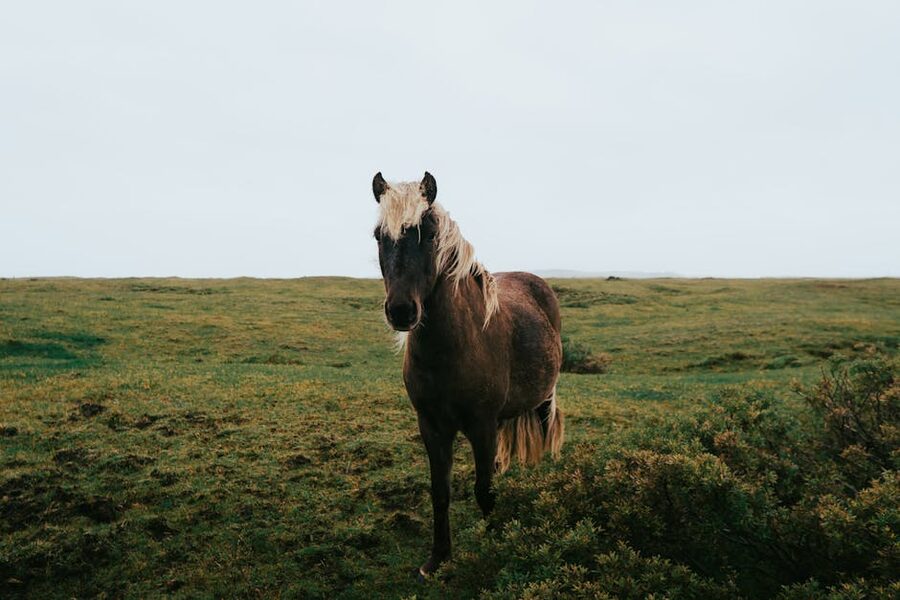
Iceland has fewer mammal species than almost any country in Europe. The only land mammal native to the island is the Arctic fox, which arrived on a chunk of pack ice from Greenland at the end of the last ice age. Everything else, sheep, horses, cattle, mink, even reindeer, was brought in by humans. We have around 800,000 sheep (more than twice the human population) and 80,000 of the small, tough Icelandic horses, which are technically a separate breed isolated for over a thousand years.
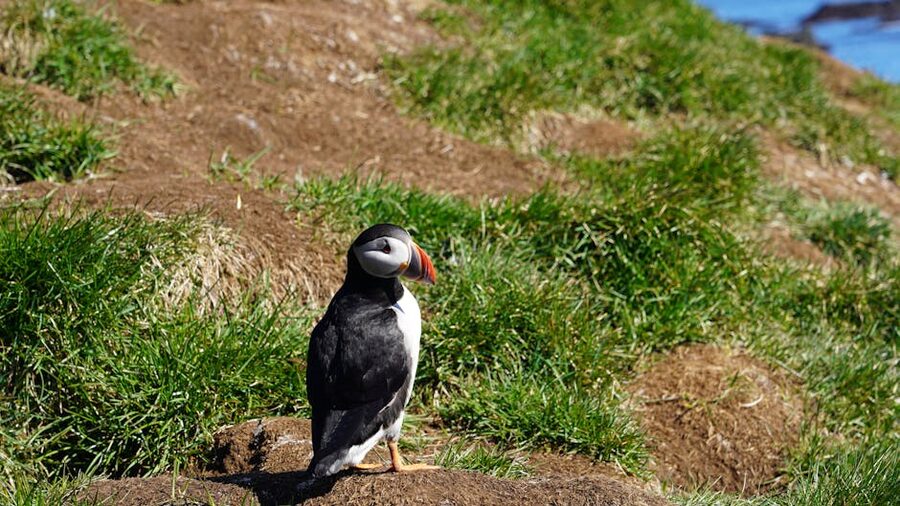
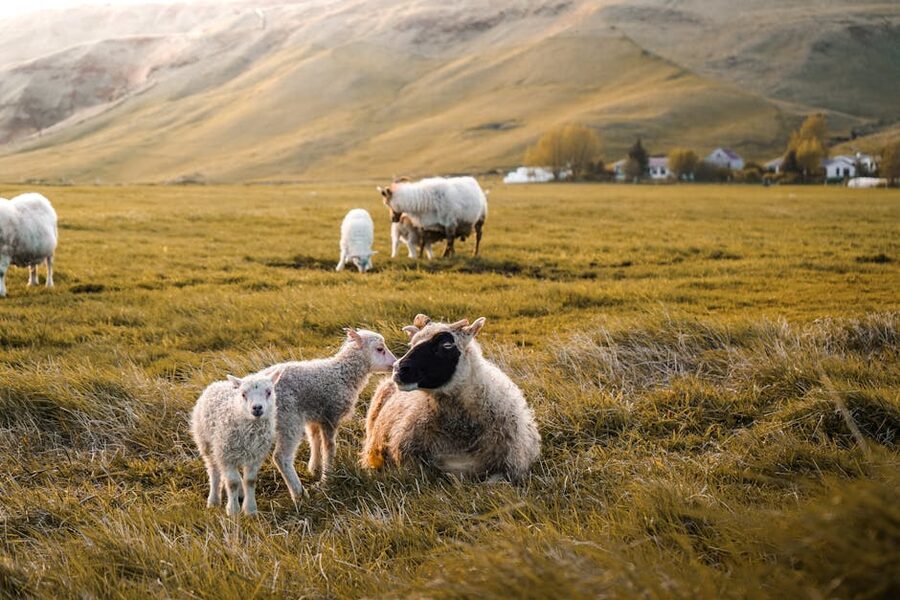
The wildlife you’ll actually see depends on the season. May to August: puffins on the cliffs, around 70 to 80 breeding bird species, whales (humpback, minke, white-beaked dolphin) on the Húsavík and Reykjavik tours. Year-round: Icelandic horses in fields by the road, sheep almost everywhere in summer, the occasional fox on the trail. Reindeer only in the east. For the full list and where to look for each one, the wildlife in Iceland guide is the long version.
When to visit
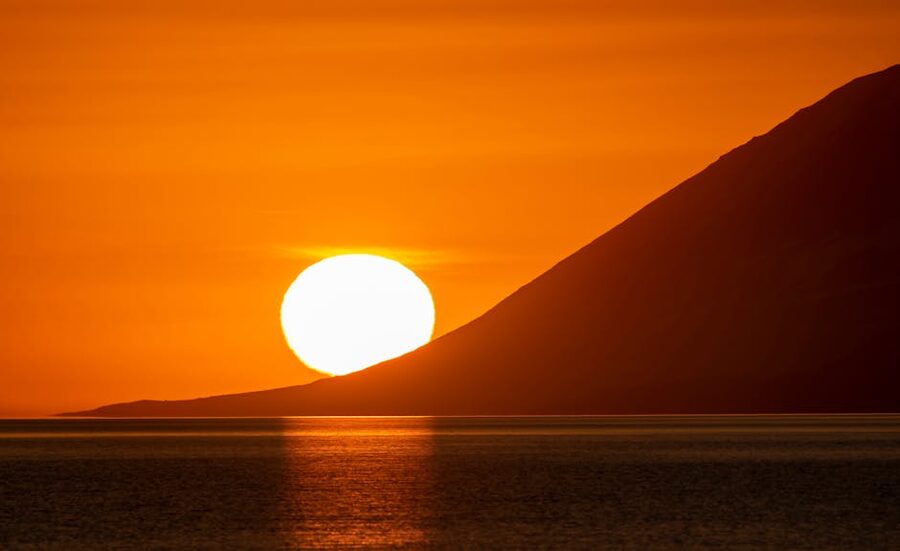
Each season is different enough to make the answer “depends what you came for”. The shortest version:
- June, July, August: midnight sun (the sun does not set in the north between mid-May and late July), 12 to 14°C in Reykjavik, all roads open including the highlands, puffins on the cliffs, no aurora, peak crowds, peak prices.
- September, October: cooling fast (4 to 10°C), shoulder-season prices, autumn colours in mid-September, first aurora nights from late August, highlands close around the third week of September. My personal favourite stretch.
- November to March: real winter. 0°C average in Reykjavik, much colder in the north and east. Aurora season at full strength, ice caves open from November to March, four hours of usable daylight at the December solstice, 80 km/h winds count as a normal Tuesday. Storms close the Ring Road most weeks. Cheaper hotels, no crowds, harder logistics.
- April, May: snowmelt and mud season at first, glorious by mid-May. Puffins arrive mid-April. Daylight is back to 16+ hours by the end of May. The shoulder almost nobody books and arguably the best ratio of weather to price.
For the long version with monthly temperature, daylight hours, what is open and what is shut, the Iceland climate guide covers it season by season.
About the Northern Lights specifically
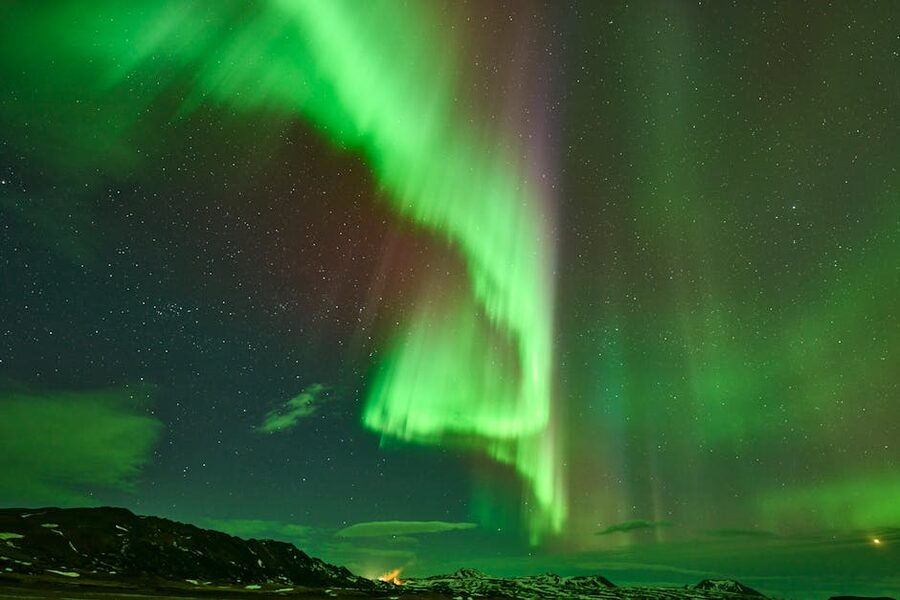
You cannot guarantee the aurora and any operator who tells you they can is selling you a feeling. Late August through April is the season. Within that, October to March is the strongest stretch. Within any night, 9 p.m. to 1 a.m. is the typical window. Three nights in country gives you a fair shot, five gives you a real one, seven and you are unlucky to miss it entirely. Check en.vedur.is daily; the forecast there is the same one all the operators use. For aurora-focused trips with photographers, the photography tours guide covers operators and workshops.
The practical stuff in one place
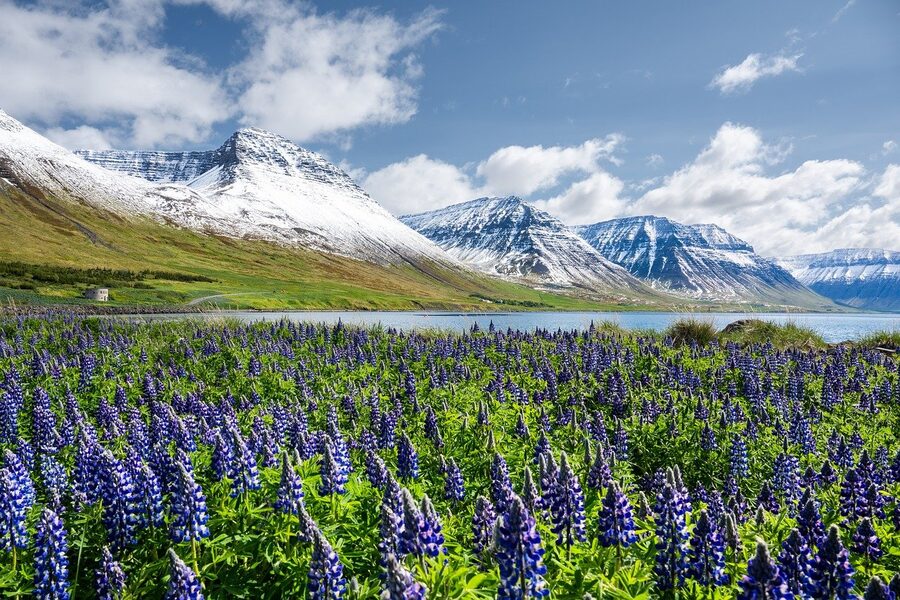
Most of the day-to-day questions answer themselves once you know the basics. Here is what I tell every visitor.
Money. Currency is the Icelandic króna (ISK). At the time of writing, 1,000 ISK is around 7 USD or 6.50 EUR. Cards work everywhere, including the smallest petrol station in the Westfjords. Do not bother changing cash before you fly, you will not need any. Tap to pay works on buses, in pools, at hot dog stands. The only things that occasionally need cash are a couple of free-entry hot springs that ask for a 500 ISK donation in a box.
Language. Icelandic is the official language, English is universal. Everyone under 60 speaks fluent English. Most signs are bilingual. Saying takk for thanks and halló for hello will earn you a smile. The harder names you will see (Eyjafjallajökull, Þingvellir, Snæfellsjökull) come apart easily once you know the rules; the language guide walks you through it.
Visa. Iceland is in the Schengen Area but not the EU. Citizens of the US, UK, EU, EEA, Canada, Australia, New Zealand, Japan, and most of Latin America can stay 90 days within any 180 without a visa. ETIAS pre-authorisation became required in late 2025 (about 7 EUR, valid three years). Check island.is if your country isn’t on the obvious list.
Tipping. Service is included in every restaurant bill and not expected. Round up if you want, leave nothing if you don’t, nobody is offended either way. Bartenders and tour guides will not chase you. The only place tipping is becoming a thing is multi-day private tours, where 5 to 10% on top is now common.
Tap water. The best in the world, no exaggeration. It is filtered through 50 km of porous lava and arrives at your tap colder than your fridge can manage. Bottled water is a tourist trap. Refill from any tap. The faint sulphur smell in the hot tap is from the geothermal heating; the cold tap is fine.
Weather and clothing. Layered, waterproof, and prepared for everything. The local saying is “if you don’t like the weather, wait five minutes”. Wool base layer, mid layer, waterproof shell, waterproof trousers, decent boots. In winter add proper gloves, hat, and microspikes for icy pavements. In summer the same kit minus the hat and spikes. Wind passes 20 m/s on a normal day, gusts over 30 happen weekly on the south coast.
Driving. Drive on the right. Minimum age 17 with home licence (no IDP needed for English-speaking countries plus EU/EEA). Speed limits are 90 km/h on tarmac, 80 on gravel, 50 in towns. Headlights on at all times. F-roads (mountain tracks) are 4WD-only by law; the police take this seriously and your insurance does not cover you in a 2WD. Off-road driving is a 350,000 to 500,000 ISK fine and you will be reported. Always check road status at road.is and weather alerts at safetravel.is before any drive outside the capital. Both sites are run by the relevant Icelandic authority and are the only ones I trust.
Connectivity. 4G across the populated parts of the country, 5G in Reykjavik and along most of the south coast. Síminn and Nova both sell prepaid SIMs at Keflavík for around 3,500 ISK with 30 GB. eSIM works fine. Most rental cars have a USB phone holder and Google Maps works everywhere with signal.
Where to base yourself
Reykjavik for a city break or a Reykjavik-and-Golden-Circle trip. Vík or Hof on the south coast for a slow south-coast loop. Akureyri for a north Iceland trip. Ísafjörður if you are doing the Westfjords. Pick a base and make day trips out from it rather than packing and unpacking every night, especially in winter when the weather will already make your plans for you.
For Reykjavik specifically, cost reality: a mid-range double in summer is 35,000 to 55,000 ISK a night. CenterHotel Plaza, Reykjavik Konsulat, Hotel Holt, Hótel Borg are the most-recommended downtown picks. Outside summer the same rooms are 25,000 to 35,000 ISK. Booking.com is the standard search but check Agoda for occasional cheaper rates on the same rooms. The full Reykjavik picks are in the city break itineraries guide with hotel breakdowns by length of trip.
What to skip and what people get wrong
A few things nobody else will tell you straight.
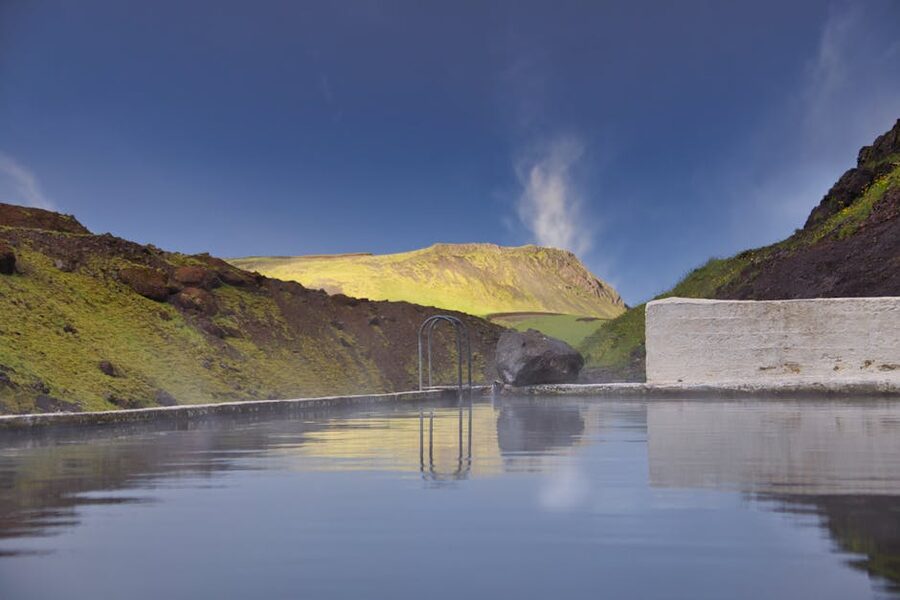
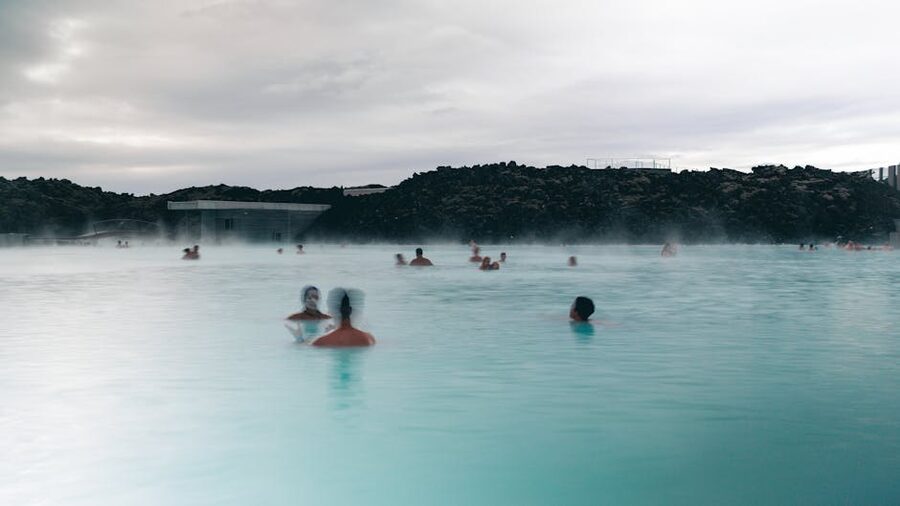
The Blue Lagoon is fine. It is also a paid tourist site rather than a “natural wonder”. The water is heated effluent from the Svartsengi power station, the lagoon was built by humans in the 1980s, and tickets start at 11,500 ISK and rise. If you are flying out of Keflavík and want a soak before your flight, sure. If you have a car and a couple of hours, the Sky Lagoon (newer, smaller, around 13,000 ISK), the Mývatn Nature Baths in the north (about half the price, twice the view), or the Secret Lagoon at Flúðir (5,000 ISK, scruffy in the best way) are all better experiences. Locals go to the Blue Lagoon when foreign relatives visit.
Skip hákarl. Genuinely. It is a tourist dare and it is not pleasant. Smoked lamb, fresh fish, and the lamb soup (kjötsúpa) are the foods you should be eating instead.
Iceland is not cheap. A pint in 101 is 1,500 to 1,800 ISK. A casual sit-down main starts at 3,500 ISK. A nice dinner with two glasses of wine each runs 25,000 to 35,000 ISK. A mid-range double is 35,000+ ISK in summer. Plan for it. The “Iceland is expensive” complaint is one of the most consistent things tourists post on Reddit and it is consistently true. The flip side is that almost everything you would pay extra for elsewhere (the views, the geothermal water, the nature) is free.
The aurora is not guaranteed. I said this above but I will say it again because operators imply otherwise. Three nights gives you a fair chance. A clear-sky tour with a free re-book if it doesn’t show is the right product to look for, not the cheapest one.
Do not whale-watch from Reykjavik if you can help it. Húsavík in the north is the proper whale capital. Reykjavik trips work, but they are not the best version of this experience. If you are flying into Keflavík and out of Keflavík and you only have three days, take the Reykjavik trip. Otherwise, go north.
Do not day-trip Jökulsárlón from Reykjavik. It is a 760 km round trip. You will spend 11 hours on a bus for two hours at the lagoon. Stay overnight in Hof, Hofn, or Vík and you will have a fundamentally better day.
Do not assume a campervan saves you money. By the time you add the rental, the road tax, fuel, two camping permits a night for the parking, and the meals out because you cannot cook in the rain, you are usually within shouting distance of a small car plus guesthouses.
First trip versus tenth trip
If this is your first visit, base in Reykjavik for three to five nights, do the Golden Circle and the south coast as day tours, do one geothermal pool that isn’t the Blue Lagoon, eat one proper sit-down dinner, and walk around 101 in the dark. That is the perfect introduction. Don’t try to drive the Ring Road on a five-night trip. You will spend it driving.
If you have eight to ten nights, the Ring Road becomes possible and worth doing. Anti-clockwise (south first) is the convention because it puts the most weather-sensitive driving (south coast in winter) at the start when you are fresh. Allow eight to ten nights minimum, twelve if you can.
If this is your third or fourth visit, the Westfjords are the answer. Or the east in winter when the snow makes the fjord roads stunning and almost empty. Or any of the volcanoes in active eruption (always check status on en.vedur.is). By the time you are coming back this often you have your own version of the country anyway. You don’t need a guide. You need a flight.
Where to start, depending on what you came for
This is the router. Pick whichever sentence describes you and follow the link.
- You want to know which tours are really worth the money. Read the Iceland tours actually worth booking guide.
- You have three to five days and want a Reykjavik-base trip. Read the Reykjavik city break itineraries and the day tours from Reykjavik guide.
- You want to do volcanoes and glaciers in one trip. Read the Fire and Ice tours guide.
- You’re booking the Golden Circle and want the proper version. Read the glaciers, geysers and Golden Circle guide.
- You’re a serious photographer or want an aurora workshop. Read the photography tours guide.
- You came for puffins or specific birds. Read the bird watching tours guide.
- You want a bespoke trip designed around your interests. Read the custom Iceland tour guide.
- You want to know about Reykjavik specifically. Read the Reykjavik guide.
- You want to know what to eat. Read the Icelandic food guide.
- You’re coming in December. Read the Christmas in Iceland guide.
- You want to know when to come. Read the climate guide.
- You want to know the wildlife you’ll meet. Read the wildlife guide.
- You want the geology and the volcano story. Read the geology guide.
- You want the history. Read the history guide.
- You want to learn a few words. Read the language guide.
For the official tourism overview the country puts out, visiticeland.com is solid. For weather and aurora, en.vedur.is. For driving conditions, road.is. For safety alerts (volcanic activity, sneaker waves, glacier conditions) safetravel.is. Bookmark all four. They will make you a calmer traveller than any blog post can.
That is the country. Þetta reddast, as we say. It’ll work out.