Molten lava, safely close to you. The Lava Show in Vík is one of the few places in Iceland where you can experience real lava up close—safely—so you can see it flow, hear it sizzle, and feel the heat from the same room. Pre-booking matters here, because the ticket is your key to getting in.
I love two things most. First, you get a hands-on moment: you wear safety glasses and you can touch the cooling lava during the show. Second, the program mixes the science with real human drama, including a vivid look at the 1918 Katla eruption history, capped off with a Q&A where you can ask questions of the live host (Luis).
One thing to plan for: it can get pretty hot inside when the lava is flowing. Bring layers you can manage, and use that early arrival window so you’re settled before the action starts.
In This Review
- Key Highlights You Should Care About
- What You’re Actually Getting in Vík’s Lava Show Room
- Timing: The Show Starts on the Dot (Plan for Heat)
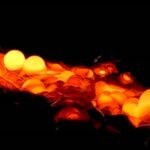
- The Lava Part: Short, Real, and the Main Event
- Katla’s 1918 Eruption Story and the Volcanism Education
- Touching Cooling Lava: The Moment That Makes It Stick
- Q&A With the Lava Host: Ask Better Questions After the Demo
- What to Expect on Your Schedule in Vík
- Who This Is Best For (And Who Should Think Twice)
- Price and Value: $54.50 for a One-of-a-Kind Moment
- Should You Book Lava Show Vík?
- FAQ
- How much is the Lava Show ticket in Vík?
- How long is the Lava Show?
- Is the show offered in English?
- Is the ticket mobile, or do I need to print something?
- What is included with admission?
- Can I touch the lava?
- Is the show suitable for young children?
- What time should I arrive since the show starts on the dot?
- What happens if it’s canceled due to poor weather?
Key Highlights You Should Care About
- Guaranteed entry with a pre-booked ticket, so you don’t gamble on a walk-in in Vík
- See, hear, smell, and feel the lava close up, not just watch a video
- Touching cooling lava during the show, with safety glasses provided
- Katla-focused education plus a video on Icelandic volcanism
- Q&A at the end, with the lava host answering questions live
- Heat is real, so dress for warmth and quick adjustments
What You’re Actually Getting in Vík’s Lava Show Room
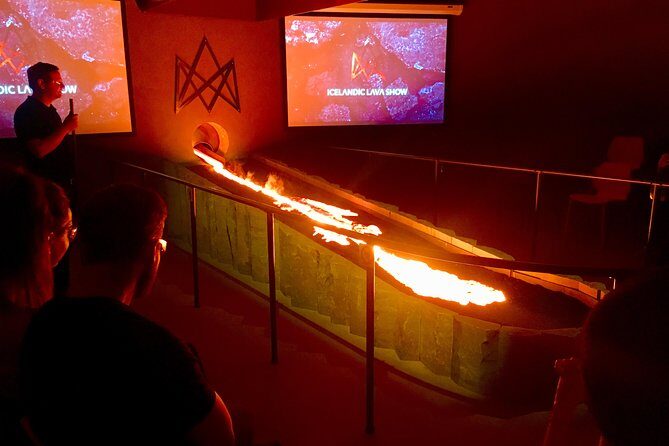
This is a live show built around one central idea: you’re seeing molten lava at close distance, in a controlled, safe way. That changes the whole experience. A volcanic exhibit can feel like a lecture or a museum display. Here, you’re reacting to something active—heat, light, sound, and that unmistakable feeling of standing too close to the edge of a real process. The show is designed so you can take it in with your senses, not just your eyes.
You’ll also notice how the experience is staged for safety. Safety glasses are included, and the lava host guides what’s happening and what you can do. One of the most praised parts of the show is how the host talks you through what lava is doing—its behavior, what you’re seeing, and what it means in plain language. That matters because it turns a scary-sounding subject into something you understand.
And yes, there’s the moment people remember most: you’re given a chance to touch cooling lava during the show. The key word is cooling. You’re not “sticking your hand in a volcano.” You’re touching something that has cooled enough to be handled safely, which is exactly why the moment feels both dramatic and believable.
You can also read our reviews of more tours and experiences in Vik
Timing: The Show Starts on the Dot (Plan for Heat)
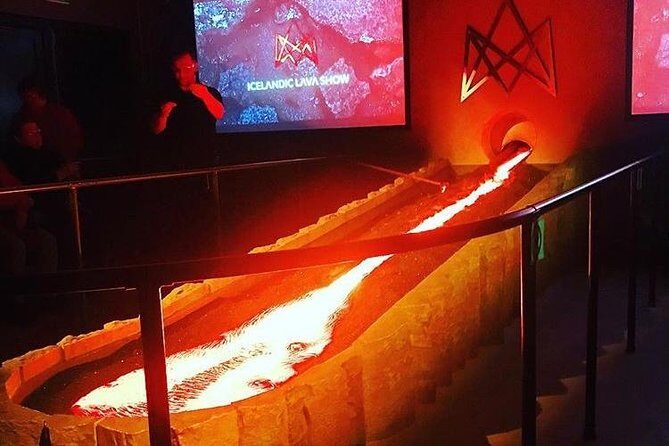
The show starts exactly on time. They recommend arriving about 20 minutes early, and I think that’s solid advice. You want time to get settled, get your safety glasses, and not rush your way into a warm room while the lava part is already heating up.
The showroom also gets toasty once the lava begins. This is not the “I’ll just tough it out” kind of hot. Wear layers you can adjust, because you may want to remove a jacket during the flow and put it back on when you cool down. One of the clearest review takeaways is simple: don’t come dressed for a cold walk and assume you’ll be comfortable the whole time.
Another small timing detail that helps: because the show is about 55 minutes, it’s easy to slot into a Vík evening. The challenge is making sure you’re there early enough that you’re not stressed. In Iceland, stress is the enemy of good nights out.
The Lava Part: Short, Real, and the Main Event
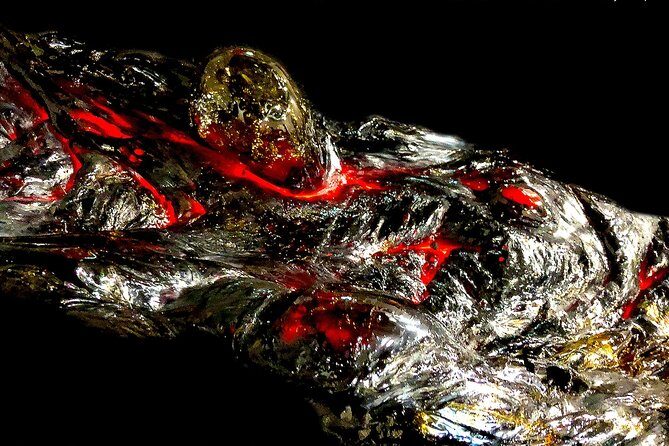
The lava portion is the star, but it’s also brief. Some people come in expecting a long, constant flow. In practice, the most intense lava demonstration is a short segment. Still, it’s powerful precisely because it’s real and close. You can see the flowing lava, watch it cool, and feel the heat that radiates from it.
That briefness is also why the rest of the show matters. If the entire program were just “lava goes here,” it would feel random. Instead, the show gives you context so the moment makes sense. You’re not just staring at something hot—you’re learning what you’re witnessing and why it behaves the way it does.
If you’re the type who wants maximum screen time of molten rock, you might wish the lava display were longer. But if you want a focused, memorable stop that fits an evening schedule, this works. It’s built to hit the high notes without turning into a long lecture.
Katla’s 1918 Eruption Story and the Volcanism Education
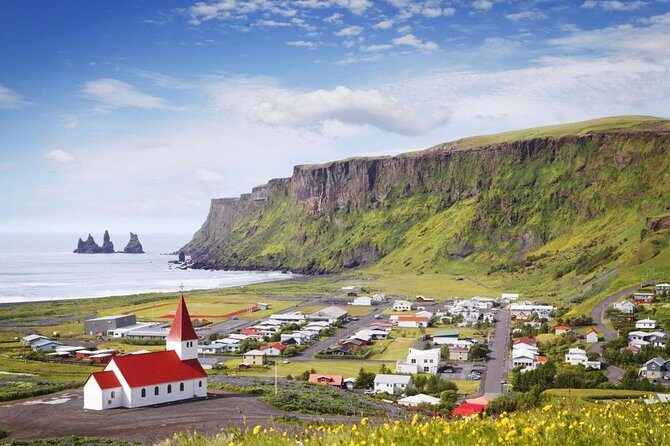
This show doesn’t treat lava as a party trick. It connects what you’re seeing to Iceland’s volcano story, and it does it in two main ways: an educational video and a personal history segment tied to the 1918 Katla eruption.
Katla shows up as more than a name on a map. You get the dramatic history and the significance of that eruption as part of the narrative. That’s what helps the show feel educational rather than purely sensory. When you later read about Katla, you’ll recognize the human stakes behind the science.
The educational video on Icelandic volcanism is also part of why the show works for both first-timers and people who already know a bit about Iceland’s volcanic landscape. It gives you enough grounding to understand what lava is doing and why those eruptions matter.
I also appreciate that the show doesn’t bury the important parts under jargon. The explanation is designed to be understood in the room, not decoded later.
Touching Cooling Lava: The Moment That Makes It Stick
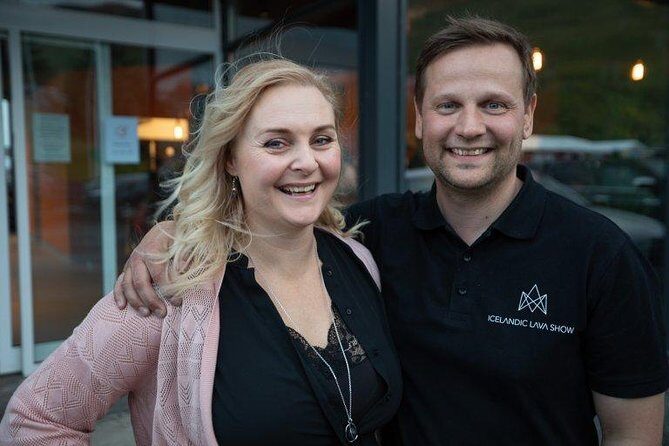
Touching cooling lava is the practical “wow” moment. It’s not a gimmick. It’s a controlled way to help you understand temperature change and material behavior. The show includes safety glasses, and the host guides what to do and when.
This is also one reason the Lava Show gets such high praise. Many attractions claim something is interactive. Here, the interaction is real, short, and meaningful. You don’t leave with a photo that looks impressive but teaches nothing. You leave with a physical memory—heat you felt, plus the tactile moment of touching cooling lava.
It’s also a great equalizer between ages. People often assume a science show won’t land with kids, but the format is hands-on enough to keep attention. The story element helps too. You’re not just watching molten rock; you’re hearing why it matters.
Q&A With the Lava Host: Ask Better Questions After the Demo
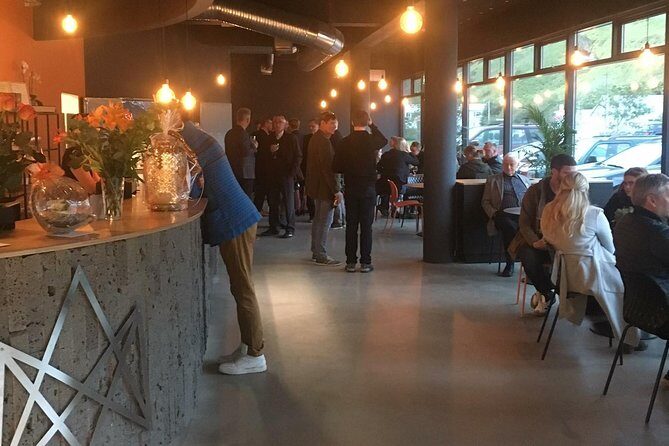
At the end of the show, you’ll have a Q&A session. This is one of the most valuable add-ons you get for free, because it’s where you can turn general wonder into specific understanding.
The live host (including Luis, who gets mentioned often in feedback) explains what you saw and answers questions. That means if you’re thinking about volcanic risk, how communities respond, or what Iceland’s volcanoes mean for everyday life, you can ask directly.
One extra benefit from the way the show is framed: it connects to real-world consequences. In the program, there’s discussion that goes beyond lava physics, including how a region would evacuate if an active eruption required it. That makes the Q&A feel grounded, not just trivia-based.
What to Expect on Your Schedule in Vík
This is a tight, evening-friendly experience: about 55 minutes. It’s the kind of stop that can work even if you’re not building a full day around Vík’s attractions.
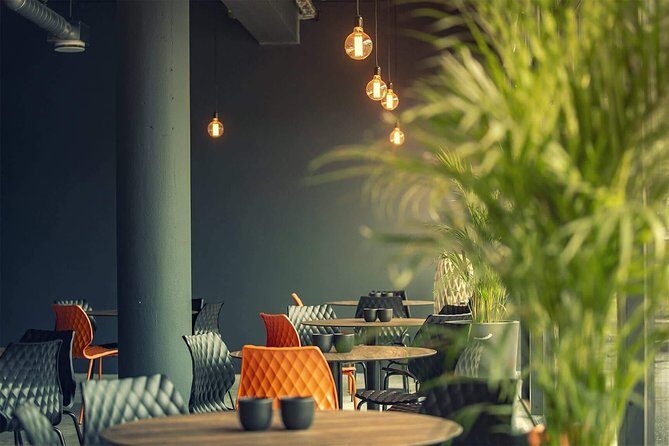
If you’re driving, you’ll be glad to know some guests found parking easy and free. And there’s more to your evening than just the show itself. Reviews also mention an on-site lava restaurant where you can grab something warm, like hot chocolate and a sandwich, which is a nice reset after the heat of the showroom.
A practical tip: if you’re planning dinner right after, don’t schedule something that makes you rush. You’ll likely want a few minutes to cool off and decompress before you sit down.
Who This Is Best For (And Who Should Think Twice)
Most people can participate, and the show works well across ages. Adults tend to love it because it’s close enough to feel like you’re standing beside a real process. Teens and kids often do well too, because it’s visual, sensory, and interactive rather than slide-deck educational.
That said, the show may not be suitable for very young children—specifically those under 5. And it’s warm inside, so if you’re traveling with a kid who struggles with heat, plan accordingly.
If you’re easily overwhelmed by intense sensory experiences (heat, sound, and the “this is real” vibe), take comfort in the fact that safety glasses are included and the host controls the pacing. Still, the heat is genuine, so treat this as an indoor warmth experience, not a quick photo stop.
Price and Value: $54.50 for a One-of-a-Kind Moment
At $54.50 per person for about 55 minutes, it’s not the cheapest ticket in Iceland. So here’s how I’d judge value: you’re paying for rarity, not for duration.
You’re getting:
- Guaranteed entry via pre-booking
- Real lava in close proximity (the core “only here” factor)
- Safety glasses included
- Educational video plus a history segment tied to the 1918 Katla eruption
- A live host who explains what you’re seeing
- A Q&A at the end
- The chance to touch cooling lava
When you add those together, it starts to make sense. The show isn’t only spectacle; it’s spectacle plus context plus interaction. And because the lava moment is brief, the rest of the time is used to help you understand it—which is exactly what makes people feel like they got their money’s worth.
Also, it’s often booked about 35 days in advance on average. That’s a hint that demand is real. If you have dates in mind, planning ahead usually pays off.
Should You Book Lava Show Vík?
I’d book it if you want a straightforward, high-impact Iceland experience that doesn’t require travel days or complicated planning. This is perfect when you’re in the Vík area and you want something memorable that feels genuinely different from a typical museum stop.
Skip it (or at least think hard) if you:
- dislike warm indoor environments, since the room gets hot when the lava is flowing
- expect a long, continuous lava performance
- are traveling with a child under 5
If you like hands-on learning, live explanation, and a real up-close moment, this show fits. It’s the kind of stop you’ll talk about later, because the lava itself is hard to forget.
FAQ
How much is the Lava Show ticket in Vík?
The Lava Show in Vík costs $54.50 per person.
How long is the Lava Show?
The show lasts about 55 minutes.
Is the show offered in English?
Yes, the experience is offered in English.
Is the ticket mobile, or do I need to print something?
You’ll receive a mobile ticket.
What is included with admission?
Admission includes entry to the show in Vík, watching the real lava up close with your senses, an educational video on Icelandic volcanism, a history segment about the 1918 Katla eruption, safety glasses, a Q&A session at the end, and a live lava host who explains the lava’s behavior.
Can I touch the lava?
You may get the chance to touch cooling lava during the show.
Is the show suitable for young children?
Most travelers can participate, but the show may not be suitable for the very youngest children (under 5).
What time should I arrive since the show starts on the dot?
They recommend arriving about 20 minutes early.
What happens if it’s canceled due to poor weather?
If the show is canceled due to poor weather, you’ll be offered a different date or a full refund.