Prison Break in Reykjavik is pure pressure-cooking fun. You get locked in a real-style prison cell scenario and have a single, scary deadline to beat: escape before the guards make their rounds. It is a great way to try something different in Iceland’s capital that does not depend on weather or long travel days.
I especially like how fast the game moves. You are not signing up for a half-day puzzle marathon, so it works well as a Reykjavik evening plan. I also like that it is built around team problem solving, so even if you are not a puzzle wizard, you can still contribute.
One possible drawback: you may hit an unhelpful clue moment, or you could run into confusing visual details left by previous players (a real-world “why is that there?” problem). If your group hates any friction, go in patient.
In This Review
- Key highlights to know before you book
- How a 75-minute escape game changes your Reykjavik night
- Stepping into the maximum-security setup: what you do first
- Puzzles, codes, and riddles: how the game keeps you busy
- The clock is your villain: strategy for the one-hour guard window
- Who this escape game suits best in Reykjavik
- Age rules and practical limits you should plan around
- Price and value: is $49 per person worth it
- The small snags: what can throw you off
- Booking tips that make the game smoother
- Should you book the Reykjavik Prison Break escape game?
- FAQ
- How much does the Reykjavik Prison Break escape game cost?
- How long is the escape game?
- Where do we meet for the activity?
- What language is the host or greeter?
- How many people can play in a room?
- Are there age restrictions?
Key highlights to know before you book
- Real-prison style escape concept with a concrete story: framed, sentenced, and racing the clock
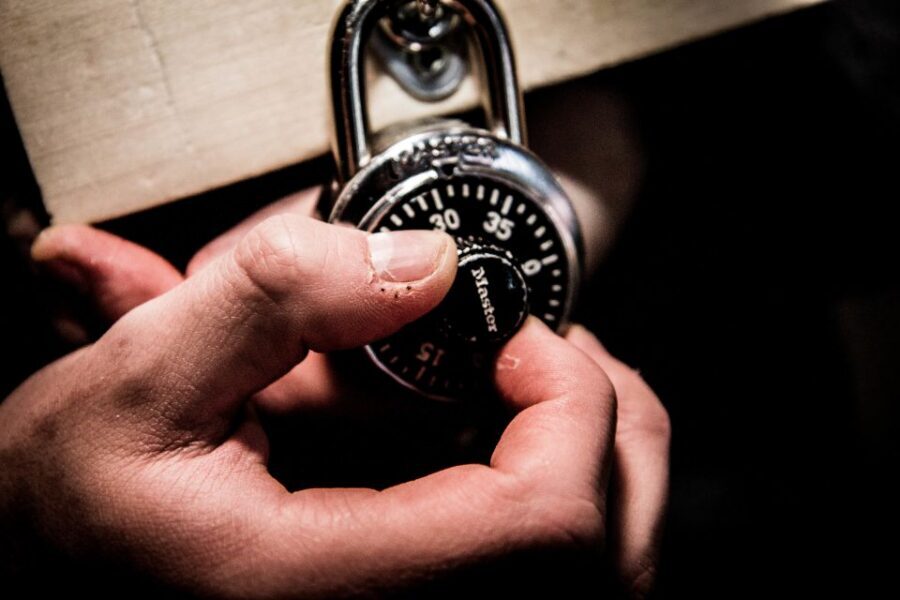
- Riddles, hidden clues, and code-breaking that push you beyond basic “find the key” logic
- A ticking, one-hour storyline based on the guards checking inmates
- English host or greeter so you can focus on the puzzles, not translation
- Room size of 2 to 6 people (two rooms run at once, up to 12 at a time)
- Best for groups that enjoy teamwork under time pressure
How a 75-minute escape game changes your Reykjavik night
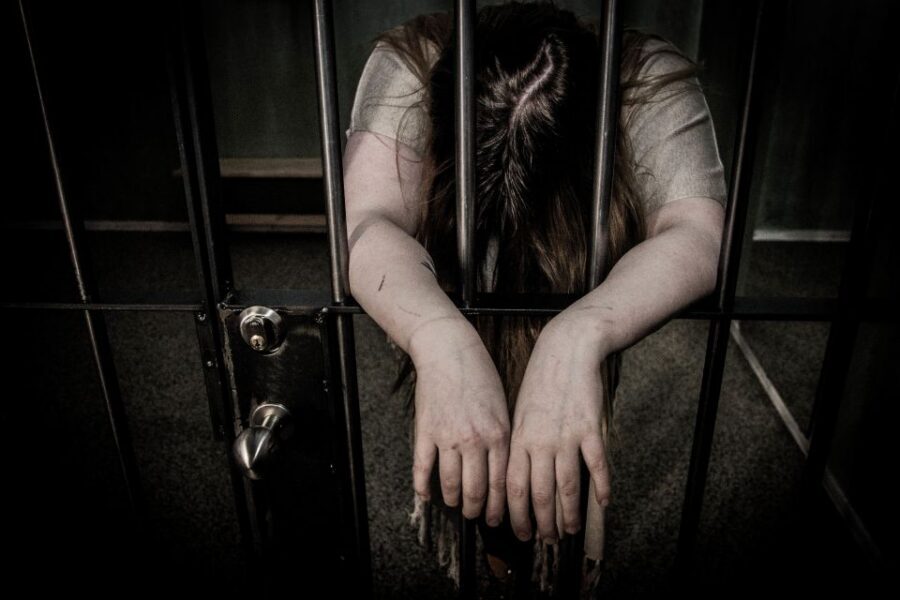
Reykjavik can be a lot of museums, scenic walks, and hot drinks. This is the other kind of plan: brains, nerves, and teamwork in a compact time window. The Prison Break game is designed to feel like a movie setup, with you in a cell and the guards coming back soon.
The practical win is the timing. The whole experience is listed at 75 minutes, which usually means you get a briefing, you get into the room, and you have time to try hard without feeling dragged out. For many people, that makes it one of the easiest activities to fit around dinner plans and the city’s light (or lack of it).
Also, the tone is not pretend-cutesy. The game leans into urgency: you have been framed, you are sentenced to death, and the only way out is escape before the guards complete their rounds. That pressure makes the puzzles feel like they matter, not like trivia boxes.
You can also read our reviews of more tours and experiences in Reykjavik Escape.

Stepping into the maximum-security setup: what you do first
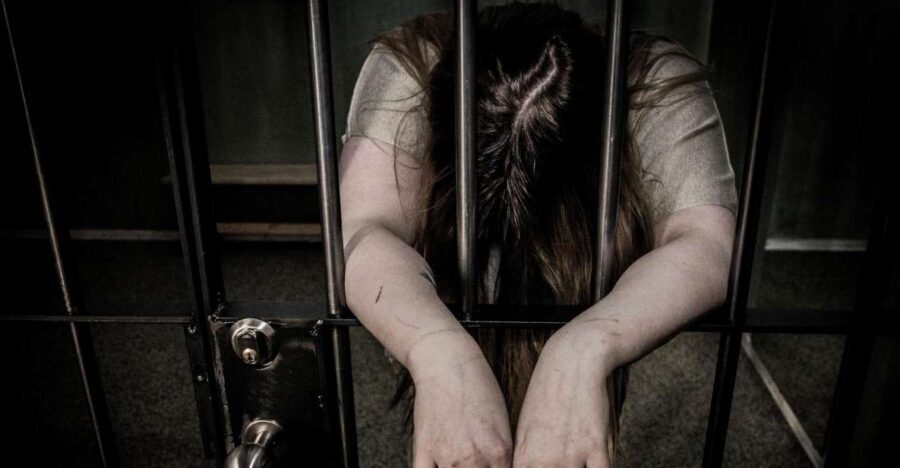
Your adventure starts at Reykjavik Escape, Borgartún 6, 105 Reykjavík. From there, you will enter the escape-room experience where the story gives you context and stakes right away. You are not just searching for objects; you are trying to break out as a team.
The game is built around a clear scenario: a criminal mastermind has framed you, you have been locked up, and your only chance is escape within the guard-check window. In other words, you begin with a goal and an urgency level already turned up.
Once you are inside, you will rely on the usual escape-room foundation: observing what is in the room, finding clues that connect to tasks, and using those clues to solve codes and riddles. You will also get the sense that time is not abstract. The story says it will take exactly one hour for the guards to make their rounds and check-up on inmates. Your job is to beat that schedule.
Puzzles, codes, and riddles: how the game keeps you busy
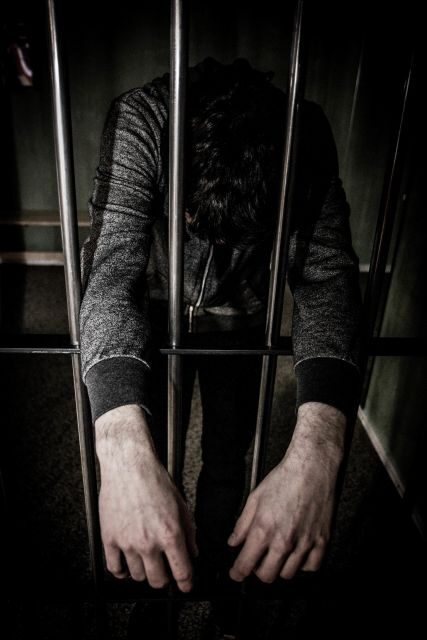
This is the part that makes Prison Break work. The experience is not only about finding a single key and opening a single lock. You are expected to connect multiple steps: hidden clues, code-breaking, and puzzle solving that leads toward escape.
Here is what that usually means in practice, based on how the game is described. Expect a chain reaction. You find something, it points to something else, and you keep testing ideas until the room gives you feedback through a solved lock, opened panel, or cleared path. The game description specifically calls out breaking codes and solving riddles, so you should expect a few moments where you are working through patterns rather than brute-force searches.
The best way to approach puzzles like this is to assign roles early. Someone does careful visual scanning. Someone tries the obvious mechanism options. Someone else keeps track of clue meanings and suspected codes. When the clock is running, scattered effort usually wastes time. Tight teamwork usually saves it.
One note from real gameplay: not every clue lands perfectly for every group. At least one past run reported getting a clue that did not help much, and another mentioned confusing markings left behind by previous players. That tells me the room relies on interpretation, and you might need to slow down for a minute if something feels off.
If that happens, treat it like a normal puzzle-room problem: re-read the clue you have, check the context, and compare it to what you have already solved. If you see confusing leftover drawings or stray notes, do not get emotionally attached to them. Use them only as hints, not as instructions.
The clock is your villain: strategy for the one-hour guard window
The core tension here is the same from start to finish: you are racing the guards. The story frames it as a single, high-stakes window, with the guards checking up after exactly one hour. The experience lasts 75 minutes overall, so you get a buffer for briefing and wrap-up, but the puzzle solving is still about speed.
In time-pressure games, your strategy matters almost as much as your puzzle skill. Here are a few approaches that tend to work well:
- Start with a quick scan, then commit. Spend a couple of minutes looking around. Then pick one puzzle chain and move forward as a group. If everyone jumps randomly, you can burn the early minutes.
- Solve in parallel when you can. If there are multiple locks or mechanisms, try to work on more than one thread. Just keep the group updated so you do not duplicate efforts.
- Record what you know. If you find codes, write them down. If you figure out a riddle answer, say it out loud and keep it in the open. Miscommunication is a time thief.
The upside of this clock-driven format is energy. Even if you are not a hardcore puzzler, the urgency tends to turn the experience into an adrenaline push. The game is specifically designed to get that resourcefulness response: you have to think, test, and adapt while time ticks.
Who this escape game suits best in Reykjavik
Prison Break is a group activity with a room size requirement. The game room is for 2 to 6 people, and there are two rooms available, which means up to 12 people can play at the same time in separate rooms. It is also listed as a private group.
That makes it a great fit for several Reykjavik scenarios:
- Friends traveling together who want something interactive, not just another walk
- Couples who like competition and shared problem solving
- Small families with older kids (see age rules below)
- Group evenings where you want a set start time and a clear end
If you are traveling alone, this might still work if you can pair up with others in the same group framework, but the data I have only confirms the room size and does not spell out solo matching. Your safest move is to check whether you can book a room with your party size and time slot.
Age rules and practical limits you should plan around
This activity has a key restriction: unaccompanied minors are not allowed. It also has a specific rule for kids: children under 10 years old must be accompanied by at least 1 adult per room.
So what does that mean for your booking? If you are bringing younger kids, plan your adult count accordingly. And if you are traveling with teens, you still need to keep the adult accompaniment rule in mind for the under-10 threshold.
The room size also matters. With a cap of 6 per room, it is not an option for huge squads. If you have a larger group, the presence of two rooms suggests you can split into two rooms, but you would need to coordinate the group booking so everyone lands in the right slot.
Price and value: is $49 per person worth it
The price is $49 per person, and the game is one hour in the prison escape room (with the full experience running 75 minutes). That is a straightforward ticket cost for a self-contained activity with a start time and a finish you can plan around.
Is it good value? It often is, because you are paying for three things at once:
- A guided, contained experience (you are not wandering around improvising)
- A real-time challenge with a built-in storyline and time pressure
- Time together that feels like an event, not background entertainment
In real-world terms, this can make sense for small groups. For example, for two people it is $98 total; for four it is $196. When you spread it across a room-sized group of 2 to 6, it tends to feel like a solid “one night, one memory” purchase rather than something that nickel-and-dimes you through upgrades.
That said, if your group hates puzzles, or if you expect a mostly physical or comedic attraction, you might feel the cost more strongly. This is a puzzle game first. The fun comes from solving and escaping, not from scenery.
The small snags: what can throw you off
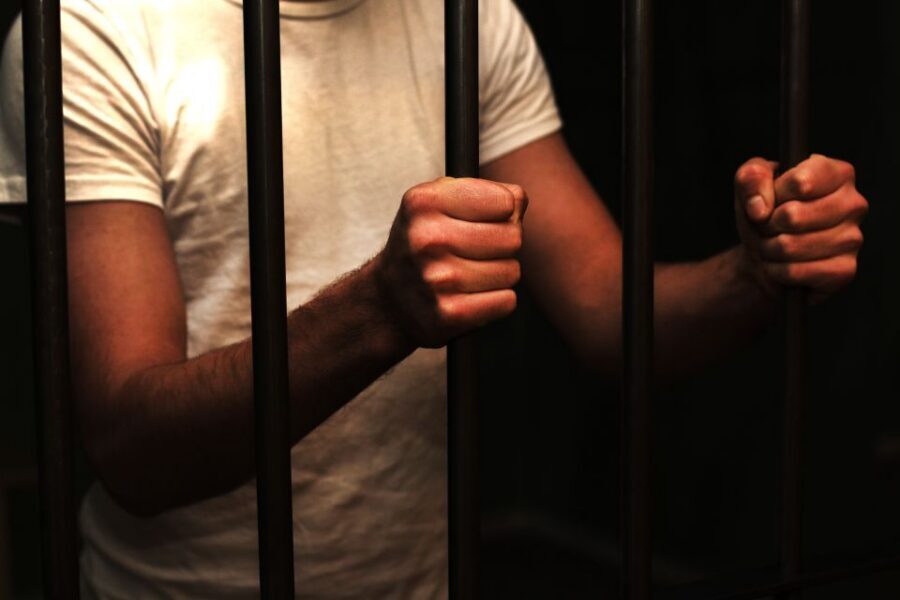
Every escape room has moments where things do not click right away. Based on past gameplay patterns, two specific issues have shown up:
- A clue that feels unhelpful. Sometimes the information you find does not directly solve a step you are stuck on. It might connect later. If that happens, do not spiral. Keep it in the group’s “to test later” mental stack.
- Confusing markings left by previous players. One team reported that drawings left by earlier participants created confusion. That suggests the room may have visual elements that can distract if your group reads them too literally.
Your best defense is simple: focus on the task you are actively working on, and treat odd visuals as “possibly relevant” instead of immediate instructions. If you feel truly stuck, you can also rely on the fact that there is an English host or greeter. The data does not detail how help works, so I cannot promise exactly when you can ask for assistance, but it is reasonable to expect there is some way to keep the experience moving when you hit a wall.
Booking tips that make the game smoother
A few practical tips can make a big difference:
- Pick a time you are not rushed. You will want your mind free for puzzles. If you are sprinting to dinner right after, you may feel tense.
- Arrive ready to work as a team. Put your phones away once you are in. You want everyone’s full attention on the room.
- Plan your party size. With 2 to 6 allowed per room and two rooms running, grouping matters. Too many people can reduce effectiveness, while too few can make you bottleneck.
- Think about ages and adult coverage. If anyone is under 10, make sure an adult accompanies per room.
Also, the game is hosted in English. That matters because coded puzzles and riddles go faster when you are not spending time translating on the fly.
Should you book the Reykjavik Prison Break escape game?
Yes, book it if you want a high-energy, no-weather, do-this-now activity in Reykjavik. Prison Break is a strong choice for couples, friends, and small groups who like puzzles and can handle a one-hour deadline. The concept is vivid, the challenge is real, and the payoff is immediate: escape, or at least the satisfaction of pushing the room as hard as you can.
Skip it only if your group dislikes problem solving or hates ambiguity. There can be moments where a clue does not feel useful right away, and prior-player markings can confuse some people. If your group gets frustrated easily with that kind of friction, you might have a less enjoyable night.
If you like teamwork, logic, and a ticking clock, this is one of the better ways to spend a Reykjavik evening for the money. Just remember: in this prison, the guards are always coming back.
FAQ
How much does the Reykjavik Prison Break escape game cost?
It costs $49 per person.
How long is the escape game?
The experience is 75 minutes total, and it includes a one-hour in the Prison Break escape room.
Where do we meet for the activity?
You meet at Reykjavik Escape, Borgartún 6, 105 Reykjavík.
What language is the host or greeter?
The host or greeter is English.
How many people can play in a room?
The room is for 2 to 6 people. There are 2 rooms available, so up to 12 people can play at the same time.
Are there age restrictions?
Unaccompanied minors are not allowed. Children under 10 must be accompanied by at least 1 adult per room.