Iceland keeps its promises on the South Coast. This two-day trip strings together iconic stops from roaring Skógafoss to the seasonal ice cave experience in Vatnajökull, with a real hotel night in between so you’re not stuck in a nonstop van crawl. The trade-off: the ice-cave visit can be canceled or swapped out if weather and safety don’t cooperate.
I like how the day is built for big sights without making you plan everything. You get pick-up and drop-off in Reykjavik (or the nearest bus stop when city-center rules apply), an English-speaking guide, and free Wi‑Fi on the bus. In past departures, guides such as Dominica and Mika have been praised for staying sharp on timing and adjusting when conditions change.
Before you go, know the trip is weather-first. You’ll want warm, windproof, waterproof layers and good shoes for the ice cave area, and you’ll be limited to a small carry-on style bag. If the forecast turns ugly, that’s when the day’s order might shift, but your guide’s job is to keep the experience worth it.
In This Review
- Key highlights worth getting excited about
- Two days that pack real south-coast power
- Skógafoss and Seljalandsfoss: waterfalls with different personalities
- Reynisfjara’s black sand: stunning, striking, and not a place to stroll casually
- Jökulsárlón Glacier Lagoon: where icebergs start telling stories
- Vatnajökull ice cave: the main event, with weather as the boss
- The country hotel night: included comfort, with one variable
- Transport and timing: minibus pace, smart pick-ups, and real winter reality
- Price and value: is $725 “worth it” or just expensive?
- Who should book this south-coast and ice-cave combo?
- Should you book this tour?
- FAQ
- How long is the Reykjavik 2-Day South Coast Tour with Blue Ice Cave?
- What’s included in the price?
- What meals are included, and where do I eat lunch or dinner?
- Where does pick-up happen in Reykjavik?
- Is there a luggage limit for the tour?
- What should I wear for the ice cave?
- What happens if the ice cave tour is canceled for safety reasons?
Key highlights worth getting excited about
- Skógafoss and Seljalandsfoss, not just one waterfall photo stop: You see Iceland at full volume across the south coast.
- Reynisfjara’s black sand beach: Dark sand, dramatic rock shapes, and a stark Atlantic mood.
- Jökulsárlón Glacier Lagoon and icebergs at sea: You get the classic glacier-lagoon spectacle and the breaking-off drama.
- Vatnajökull seasonal ice cave access with safety gear: You’re kitted with safety equipment for the cave visit.
- A country hotel night included: It’s part of the value, not an afterthought.
Two days that pack real south-coast power
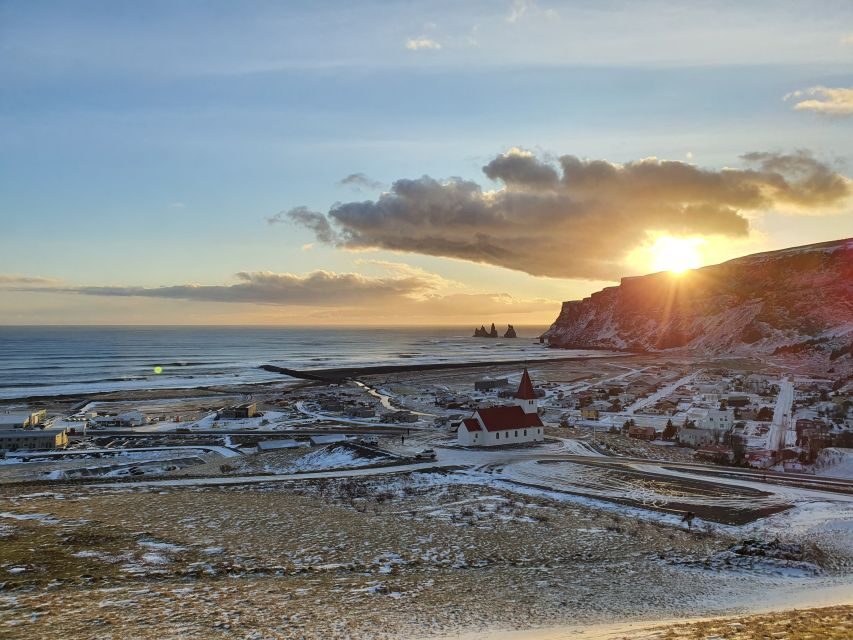
This is the kind of tour you book when you want the South Coast greatest hits without trying to stitch together five separate day trips. You’re out looking at waterfalls, black sand, glacier-lagoon ice, and then an ice cave in Vatnajökull National Park. It’s a tight route, but it’s also structured—so you spend more time outside and less time figuring out what bus goes where.
The big value point is that the tour includes accommodation with a private bathroom and breakfast. That matters in Iceland, where even one night can be pricey, and it also helps you avoid the “you’ll be exhausted by the time you reach the hotel” trap. Plus, you’re not doing this solo: you’ll travel with an English-speaking guide who can connect the dots between what you’re seeing and why it looks that way.
One practical note: the order of activities can change. That sounds minor until you’re staring at a calendar in winter. Here, your guide is allowed to shuffle stops so you spend less time fighting the weather and more time seeing what’s accessible.
You can also read our reviews of more tours and experiences in Reykjavik
Skógafoss and Seljalandsfoss: waterfalls with different personalities
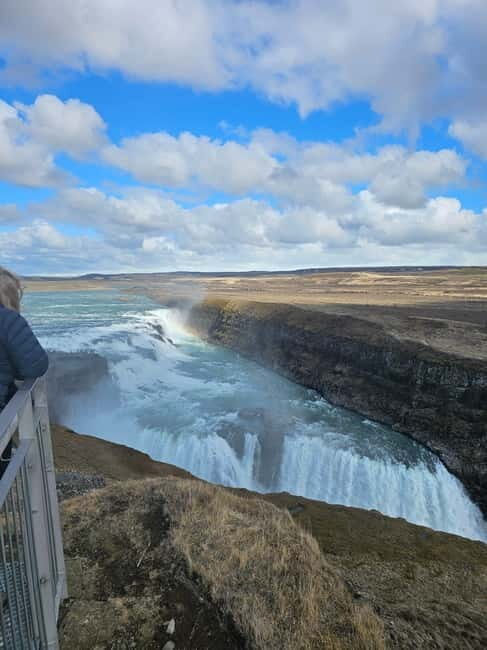
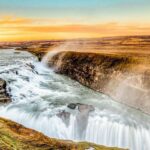
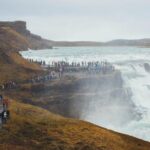
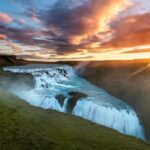
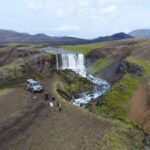
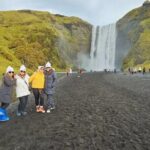
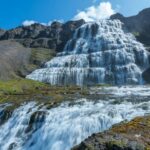
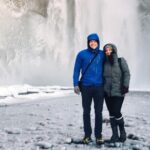
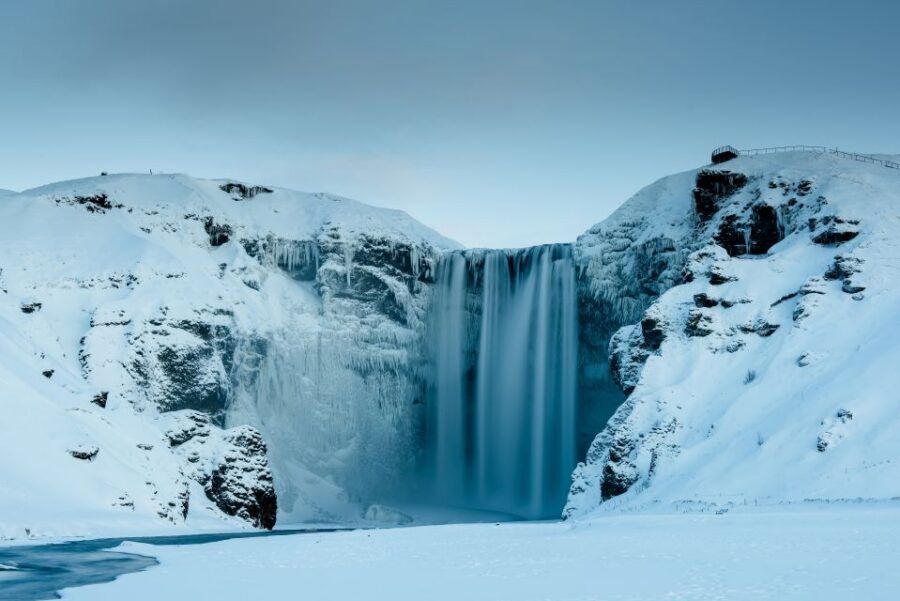
Your first day begins with the south coast’s heavyweight waterfalls, including Skógafoss and Seljalandsfoss. These are the kind of sights that stop being “just a photo” once you’re standing close enough to feel the spray. Even on overcast days, the volume is usually the show.
What I like about having both waterfalls on the schedule is that they give you a contrast in vibe. Skógafoss is the big, classic spectacle—an easy magnet for anyone who wants that roar-and-rainbow feeling (when the light allows). Seljalandsfoss has a more tactile feel because it pulls you into a closer relationship with the water.
The only real consideration is timing and footing. Iceland’s waterfalls mean wet ground and wind. Dress as if you’re going to get splashed—because you are—and keep your shoe traction in mind. If you’re the kind of person who takes a long time at viewpoints, build in a little buffer so you don’t feel rushed later.
Reynisfjara’s black sand: stunning, striking, and not a place to stroll casually
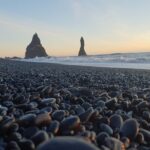
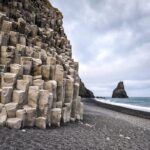
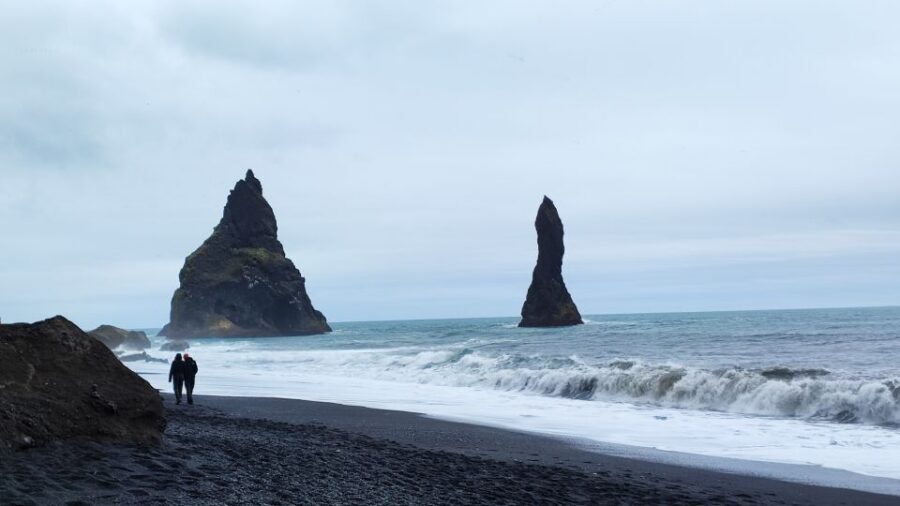
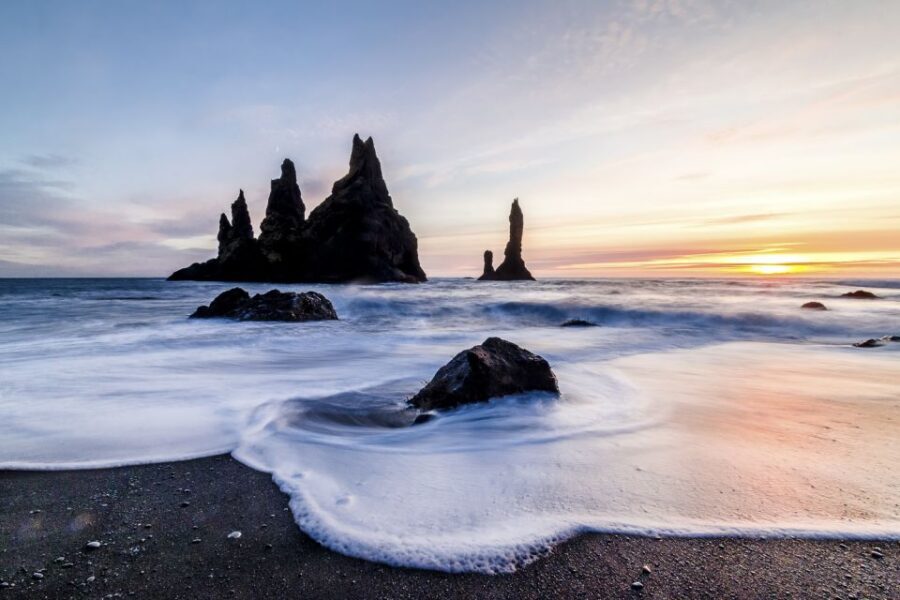
Next comes Reynisfjara, famous for its black lava sand beach. It’s one of those places where Iceland shows its dramatic side fast: dark sand, sharp rock forms, and ocean power that makes you keep your distance. You’ll get the full “this is not a calm beach day” vibe.
Why this stop works well in a two-day format is that it breaks up the day between waterfalls and glacier ice. It’s visually different, and it changes your pace. You’re shifting from waterfall spray to salt-air cold and wide-open views.
What to watch for is behavior and safety. The data you have doesn’t spell out specific beach rules, but in practice here’s the common-sense approach: treat the coastline as active and keep your distance from where water can surge. Wind can make conditions feel more intense than the temperature suggests, so waterproof layers aren’t optional.
Jökulsárlón Glacier Lagoon: where icebergs start telling stories
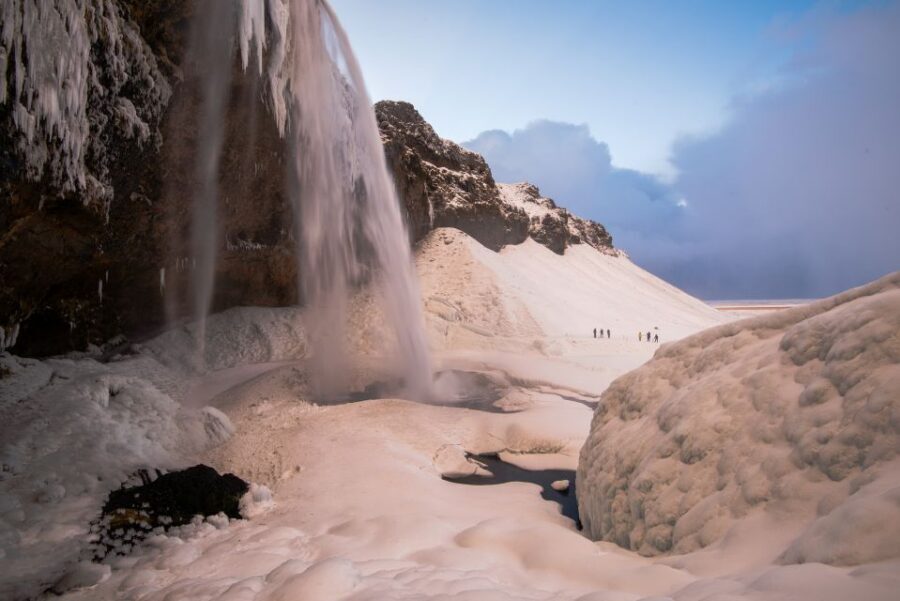
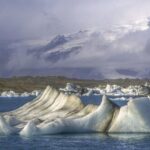
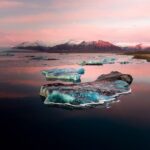
Then you hit Jökulsárlón Glacier Lagoon, one of the South Coast stops that feels like a movie set if the light hits right. You’re not just seeing ice—you’re seeing icebergs breaking off and moving toward the sea. That motion is what turns it from a viewpoint into an ongoing event.
This is also a good moment to slow down mentally. The lagoon gives you a different kind of spectacle than waterfalls. Instead of constant movement in one direction (water falling), you get slow shifting shapes, floating chunks, and the sense that the glacier is still actively changing.
A note on timing: ice can be very active depending on the day. Your guide may adjust your viewing time so you can see more than one “angle” as the day progresses. It’s the sort of stop where the best experience comes from staying flexible for a few minutes rather than locking into one spot immediately.
Vatnajökull ice cave: the main event, with weather as the boss
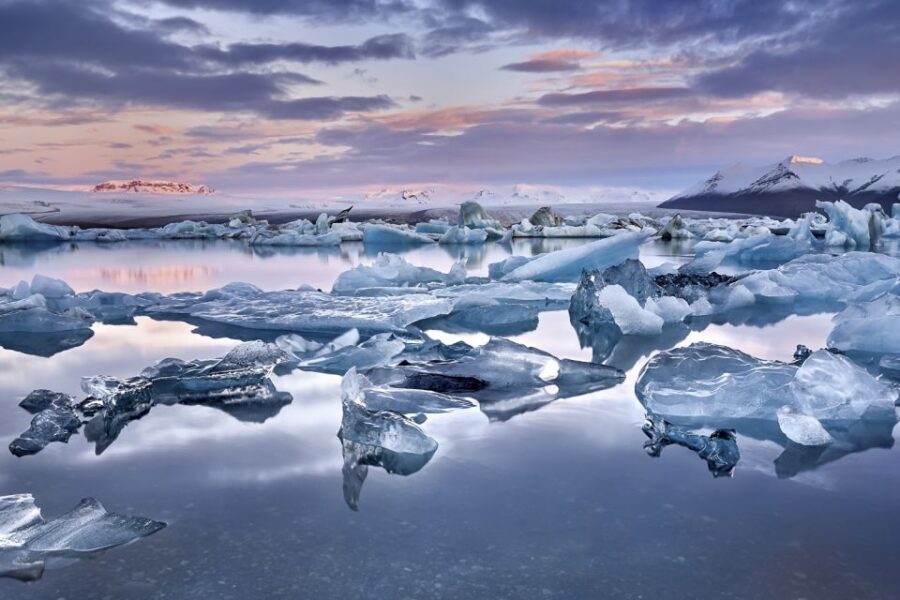
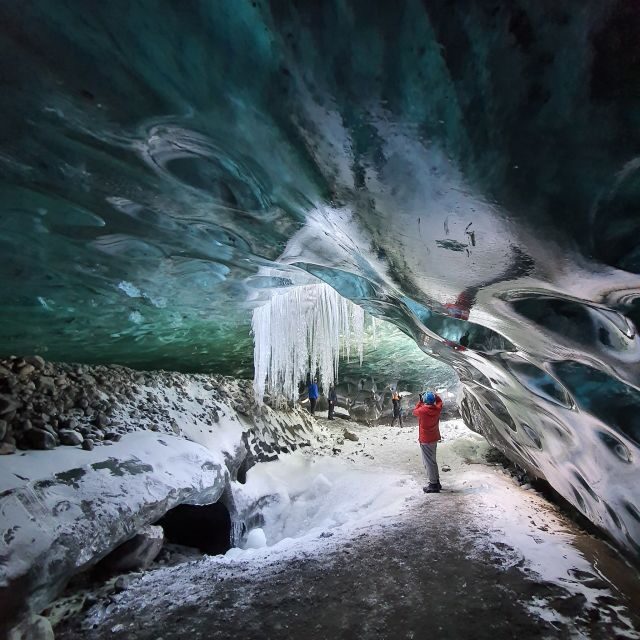
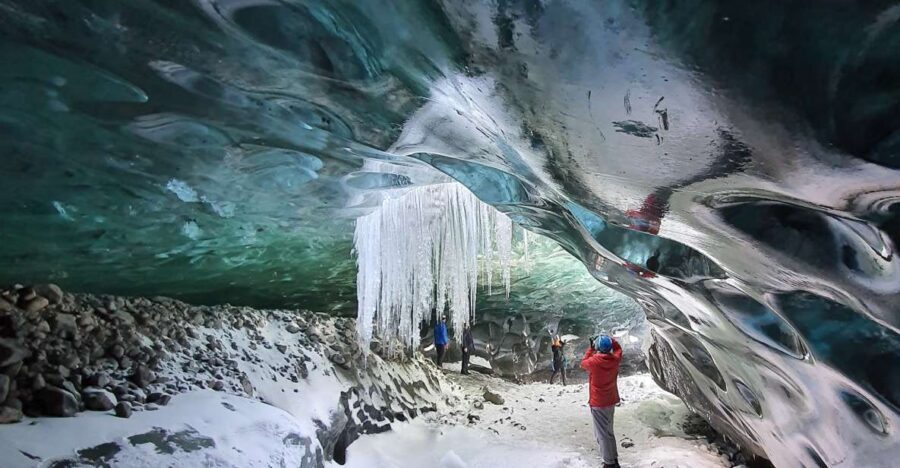
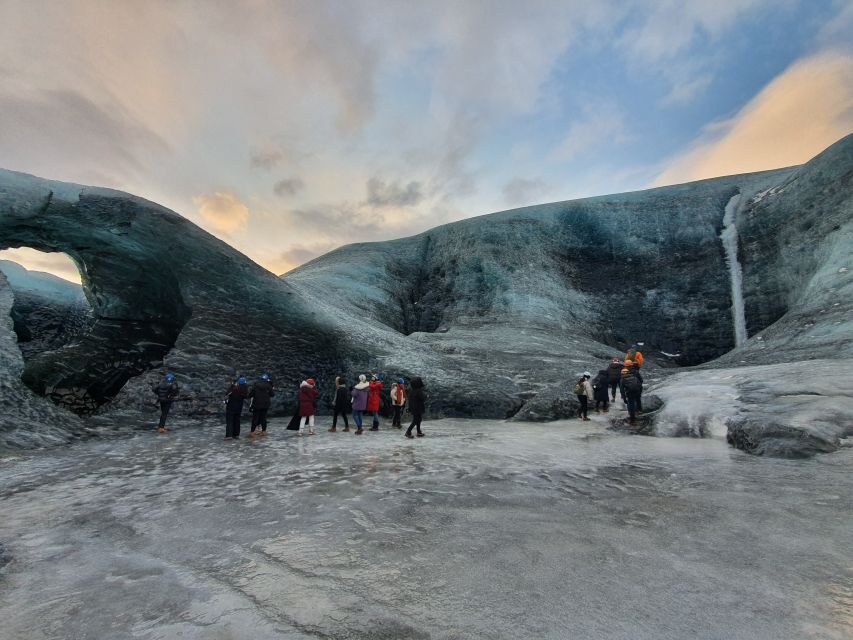
The ice cave in Vatnajökull National Park is the reason many people pick this tour. It’s seasonal, and it’s also why weather matters so much. The good news: safety equipment is included, and the guide is there for the cave portion.
What you can count on, based on tour info, is that you’ll receive gear and go in when conditions allow. If the ice cave tour is canceled due to weather and/or safety reasons, the operator will try to find other activities and refund the price difference for what couldn’t happen. That’s important. You’re not stuck in disappointment with no plan.
Footwear matters a lot here. The tour recommends warm, windproof, waterproof clothes, and specifically good hiking shoes for the ice cave. If you don’t have appropriate footwear, you can rent them from the local operator. I also suggest bringing a small battery backup plan. One traveler’s note mentioned issues with outlets on the bus, so a portable charger can save you when your phone camera is draining fast.
One more detail you should keep in your head: the cave experience is the day’s climax, so don’t schedule your flight the same evening if you’re traveling onward. Iceland timing problems rarely care about your calendar.

The country hotel night: included comfort, with one variable
This tour includes a lovely country hotel for the night, with a double or twin room and a private bathroom, plus breakfast. That’s a meaningful chunk of value because it’s both lodging and food (at least breakfast) baked into the price.
In the feedback you’ve provided, the hotel experience trends positive. People describe it as comfortable and well-run, and they appreciate having dinner options close enough to handle hunger without stressing logistics. Still, one note flagged that the accommodation didn’t meet their expectations. So the variable here is less “will there be a room” and more “how your specific taste matches the property.”
If you’re picky about hotels, pack a bit of comfort. Bring your own sleep mask or a small travel pillow case if you’re sensitive to noise and bedding feel. This tour is about the outdoors. The hotel is there to reset you for day two, not to impress you with luxury.
Transport and timing: minibus pace, smart pick-ups, and real winter reality
You get pick-up and drop-off from your accommodation in Reykjavik or the nearest bus stop. This matters because Reykjavik has rules limiting where buses can drive in the city center. So even if your hotel is close, you may still meet the bus at a designated stop.
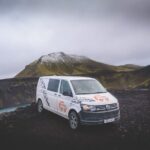
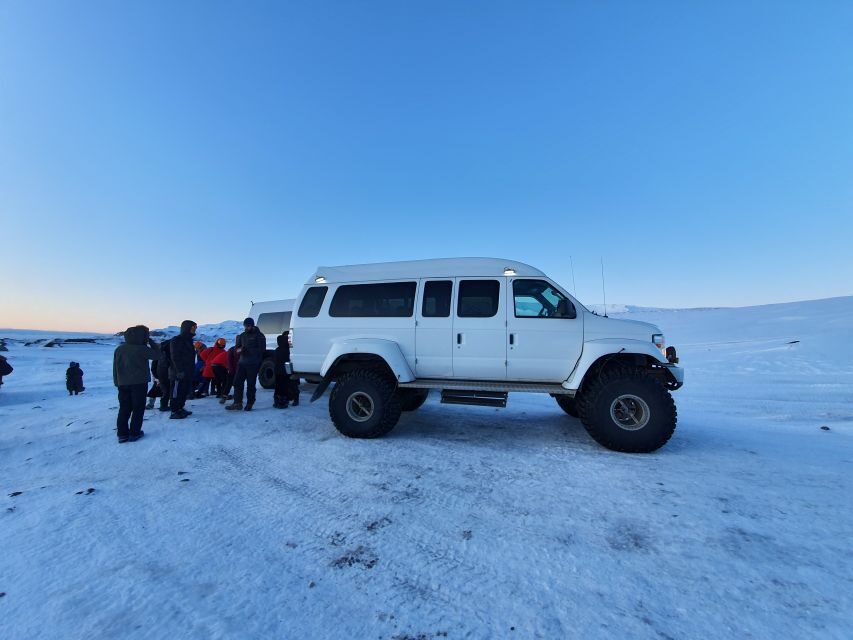
On the road, you’ll travel by bus (with free Wi‑Fi), and in at least some departures the ride is described as a modern minibus setup. That tends to make the day feel more flexible and less like a cattle-car schedule. It also helps you hear your guide’s explanation, which is where a lot of the magic comes from.
Also: bring only a small carry-on-style bag, such as a backpack. If you need luggage storage, the guidance is to ask whether your hotel can hold it for the duration, or use luggage lockers in Reykjavík city center. That’s one of those small pieces that can make the difference between a calm day and a frantic one.
Finally, expect changes. The operator can change the order of activities due to conditions. One traveler’s note credited their guide (Elias) with making modifications and accommodations when weather didn’t cooperate. Another praised guides who stay late to watch for conditions—so build the right expectation: this is Iceland, not a theme park.
Price and value: is $725 “worth it” or just expensive?
At $725 per person, you’re paying for more than viewpoints. You’re paying for:
- transport with pick-up/drop-off
- one included night in a private-bath room
- breakfast
- safety equipment for the ice cave
- an English-speaking guide
- free Wi‑Fi on the bus
- a route that covers multiple major South Coast icons
That’s why some people call it expensive but still feel it’s worth it. This price is partly about logistics: long drives, weather variability, and the cost of getting access to the ice cave experience. If you tried to assemble this yourself, you’d likely pay for each component separately—hotel, guided ice-cave access, and transport—then spend time coordinating schedules that don’t care about your plans.
The fair way to judge value for you is simple: if you care most about the ice cave plus the big south-coast sights in one package, this price can pencil out. If you’re mostly interested in waterfalls and don’t care about the cave, you might find other options cheaper. But if the ice cave is your “must,” this tour is built around it.
Who should book this south-coast and ice-cave combo?
This is a strong fit for:
- first-time Iceland visitors who want the South Coast hits in two days
- people who want a guided experience for the ice cave rather than DIY risk
- travelers who appreciate a small-group feel (not a giant coach vibe)
- anyone who wants a proper reset with an included hotel night
It’s less ideal if you hate schedule flexibility. Weather can shift the order, and the cave can be replaced if conditions are unsafe. Guides like Dominica, Birkir (described as a geology-minded storyteller), and Maria have been praised for managing those moments, but you still need to accept that Iceland runs on its own clock.
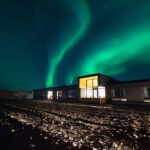
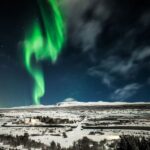
If you’re chasing the northern lights, don’t assume success. But several guide notes describe aurora attention during the evening at the hotel. That means you may get helpful timing tips, and you might catch the sky if conditions align.
Should you book this tour?
Book it if Skógafoss, Jökulsárlón, and a seasonal Vatnajökull ice cave are your priorities and you want one guided package that includes lodging and breakfast. The safety gear and guided cave access are the big reasons to choose a tour here, not a self-guided experiment.
Skip it or consider alternatives if you’re on a strict schedule, hate the idea of an itinerary shuffle, or simply don’t want to invest in cold-weather gear and a cave visit that depends on conditions.
FAQ
How long is the Reykjavik 2-Day South Coast Tour with Blue Ice Cave?
The tour runs for 2 days. Starting times vary, so you’ll need to check availability for the specific departure you want.
What’s included in the price?
Included items are pick-up and drop-off, accommodation in a double or twin room with a private bathroom, breakfast, safety equipment for the ice cave, an English-speaking guide, and free Wi‑Fi on the bus.
What meals are included, and where do I eat lunch or dinner?
Breakfast is included. Lunch and dinner are not included, but there will be stops where you can purchase food.
Where does pick-up happen in Reykjavik?
Pick-up is included at your accommodation in Reykjavik or at the nearest bus stop, since buses are not allowed to drive in certain areas of the city center.
Is there a luggage limit for the tour?
Yes. Only small carry-on bags such as backpacks are allowed. You can ask your hotel about storage for the tour duration, or use luggage lockers in Reykjavík city center.
What should I wear for the ice cave?
Warm, wind and waterproof clothing is recommended. Wear good hiking shoes for the ice cave; if you do not have the right footwear, you can rent shoes from the local tour operator.
What happens if the ice cave tour is canceled for safety reasons?
If the ice cave is canceled due to weather and/or safety, the local tour operator will try to arrange other activities when possible and refund the price difference.