Highlands days like this are rare. This one links Landmannalaugar and the Valley of Tears in a single long day, so you get geology, hiking, and hot-pool time without renting a 4×4. I like how the route is built around real Iceland textures: rhyolite color, black obsidian fields, steam from geothermal spots, and then waterfalls and clear canyon streams.
Two things I really liked: the guided hike up toward Brennisteinsalda (the Sulphur Wave) through lava terrain and obsidian, and the chance to soak in the natural pool right after. The second big win is the small-group feel, plus photo stops and guide-led context so you’re not just walking through pretty scenery without knowing what you’re looking at.
One possible drawback: it’s a long day with bumpy Highlands roads, and you’ll be in a vehicle for hours. If you’re sensitive to motion or sound, sit more toward the front (a few reviews explicitly warn about the back), and bring rain gear because weather can change fast.
In This Review
- Key things to know before you go
- Why This Reykjavik Day Trip Works: Landmannalaugar + Valley of Tears in One Go
- Roads to the Highlands: What the Long Ride Feels Like
- Hjálparfoss Stop: The Waterfall That Explains the Name of the Highlands
- Landmannalaugar First: Why the Colors and Steam Make You Slow Down
- The Guided Hike to Brennisteinsalda: Obsidian Under Your Boots
- Laugahraun Obsidian: Dragon Glass, Sharp Edges, and Easy Mistakes
- Natural Hot Pool at Landmannalaugar: The Best Kind of Reward
- Sigöldugljúfur: The Valley of Tears Canyon and Its Waterfall Power
- What the 11 Hours Actually Feel Like: Timing, Energy, and Crowds
- Price and Value of the $210 Tour Package
- What to Pack: Make the Bumps and Weather Work for You
- Should You Book This Landmannalaugar and Valley of Tears Tour?
- FAQ
- How long is the tour?
- What’s included in the price?
- Is food included?
- Do I need to bring swimwear?
- Where does the tour pick up in Reykjavík?
- Where do you drop off in Reykjavík?
- Is there a guided hike?
- What should I bring for the hike and weather?
- Is the tour suitable for children or wheelchair users?
Key things to know before you go
- Super Jeep + Highlands roads: you’ll travel beyond normal roads, which is a big part of the value if you don’t have a 4×4.
- Obsidian hike focus: the guided portion is aimed at the obsidian fields up toward Brennisteinsalda.
- Natural hot pool time: you’ll have a real chance to swim and soak, not just a quick dip.
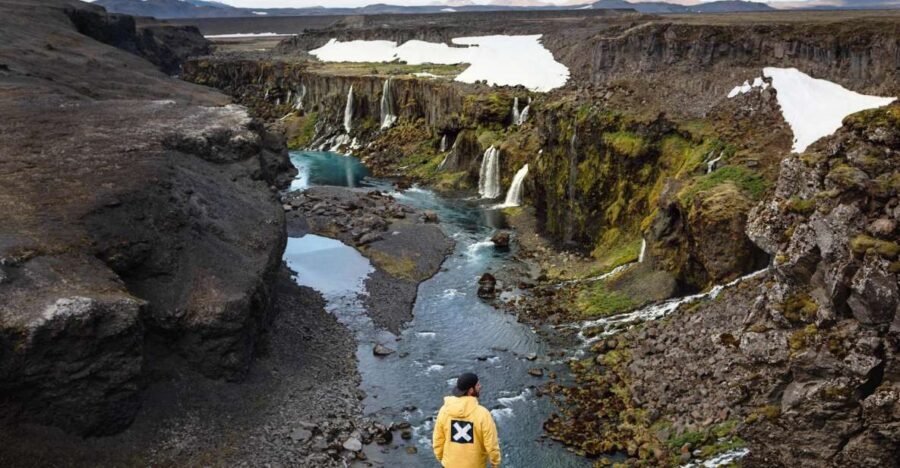
- Sigöldugljúfur, Valley of Tears: multiple waterfalls and spring-fed streams make this stop feel special.
- Great geology talk (when audio works): many guides share legends and volcanic facts, though one review noted audio/hat issues—picking a seat can help.
Why This Reykjavik Day Trip Works: Landmannalaugar + Valley of Tears in One Go
This tour is built for one purpose: to get you into Iceland’s high country where the scenery looks otherworldly, without you figuring out logistics. Landmannalaugar sits in the Fjallabak Nature Reserve in the Highlands, and Sigöldugljúfur (the Valley of Tears) is a canyon with waterfalls and clear, spring-fed water. Putting both in one 11-hour day is what makes this feel efficient, even though the drive is long.
I also like the structure of the day. You start with quick scenic stops, then you get time to actually move on foot at Landmannalaugar, then you transition to water and canyon views at Sigöldugljúfur. It’s not just a checklist of famous places; it’s a rhythm that matches what the landscape is doing—lava first, then heat, then water.
Finally, the guides matter. Reviews mention guides like Sarah, Eddy/Eddi, Tomasz, Buck, and Bessi, and the consistent theme is geology stories mixed with practical tips. You’ll get explanations for why the mountains look the way they do and what the black rock really is.
Roads to the Highlands: What the Long Ride Feels Like
You’ll be picked up in Reykjavík around 7:30 AM. The minibus can take up to 30 minutes to arrive depending on how far your pickup point is, so don’t plan to be rushing out the door at the last second.
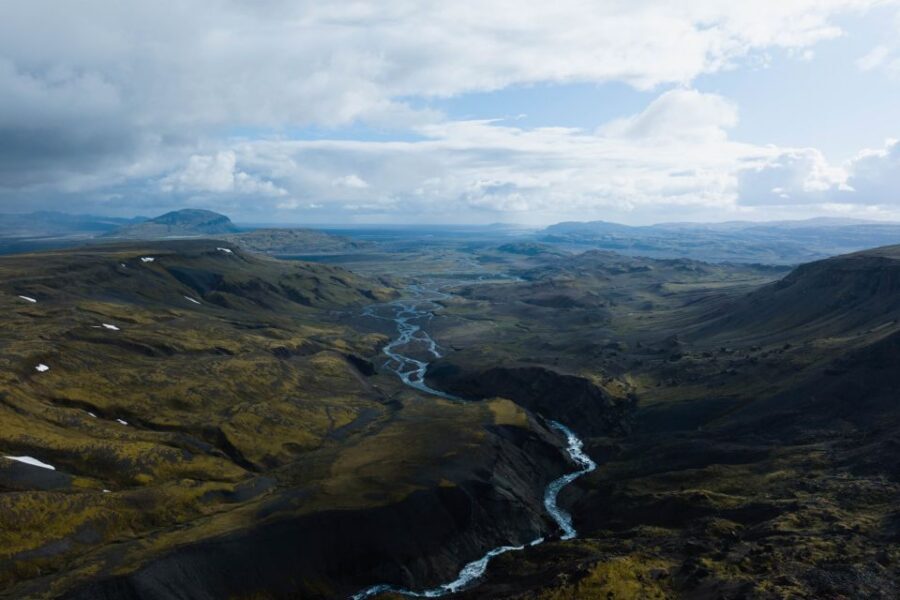
Then comes the part that makes people either love or stress about this tour: the travel over rough roads. Multiple reviews call out bumpy rides and even describe an F-road style drive and harsh conditions. If you’re the type who gets motion sick on winding roads, bring something for nausea. One review even suggests that if you tend to feel sick, medicine can help.
You’ll also feel it in your ears. One review complained about engine noise and difficulty hearing commentary, so if you care about the story behind the geology, aim for a seat where you can hear. You may not control everything, but you can reduce the chance of missing the guide’s main points by not settling in the back.
Hjálparfoss Stop: The Waterfall That Explains the Name of the Highlands
The day starts with a stop at Hjálparfoss, a two-stepped waterfall plunging into a larger plunge pool. The setting also includes unusual basalt rock formations around the water, so even as a photo stop it feels more meaningful than a quick roadside glance.
The guide context here is the fun part. Hjálparfoss is in an area called Hjálp, which means help. Historically, this region offered relief after traveling through the hard, desolate Sprengisandur route where it was difficult to find feed for horses. When travelers finally reached the greener highland area near Hjálparfoss, it must have felt like help arriving after a brutal stretch.
This stop is a good mental warm-up. It gets you thinking about how the highlands were crossed by animals and people, not just visited by tourists. And it gives you a moment to stretch your legs before the longer Landmannalaugar segment.
Landmannalaugar First: Why the Colors and Steam Make You Slow Down
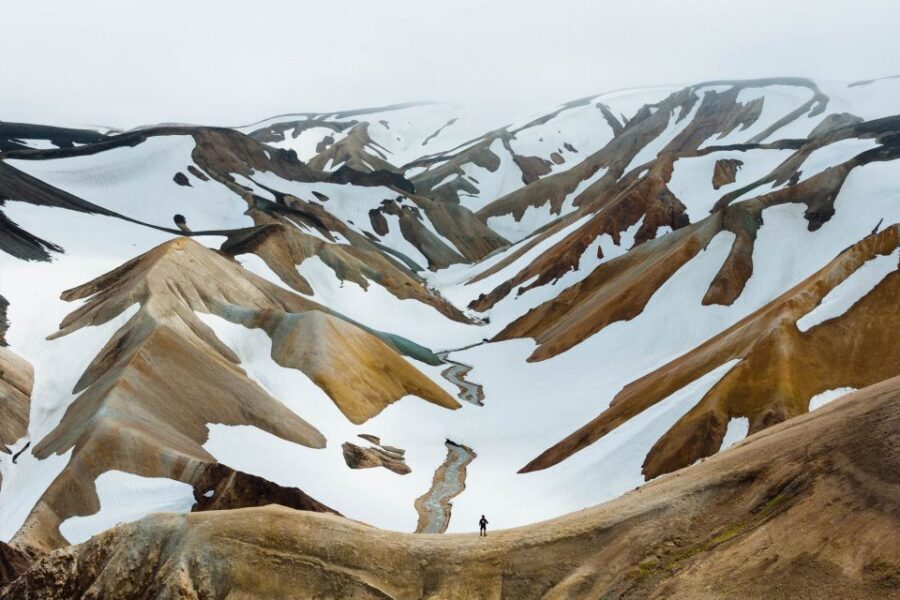
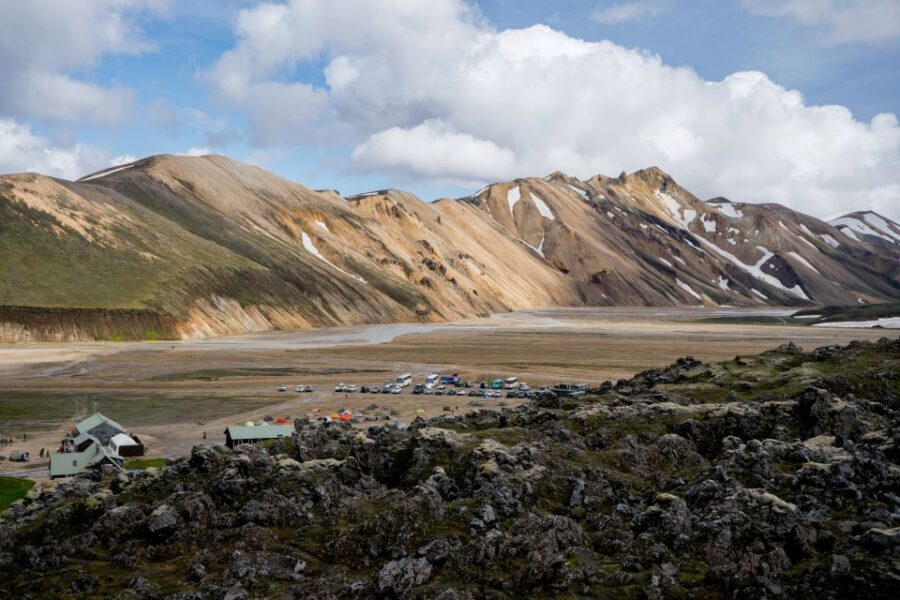
Landmannalaugar is the reason many people plan their Iceland trip around the Highlands. It sits in a volcanic zone where long-ago eruptions built the rhyolite mountains, lava fields, and geothermal features you’ll see all day long.
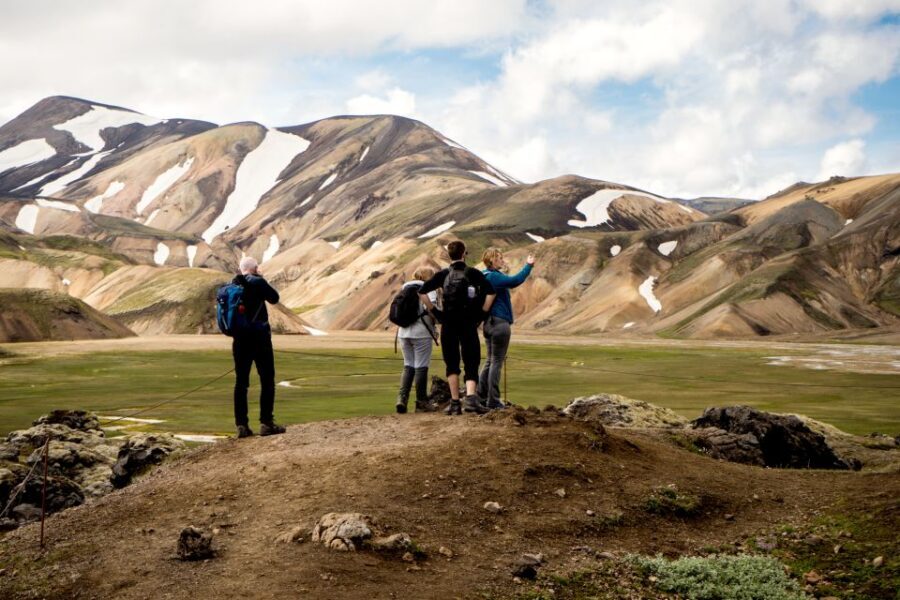
When you arrive, you’ll get a break for photos and sightseeing, and the guide sets up the hike option toward Brennisteinsalda, also called the Sulphur Wave. This is where the scenery starts doing that Iceland thing: the colors look too intense to be real until you learn the geology behind them.
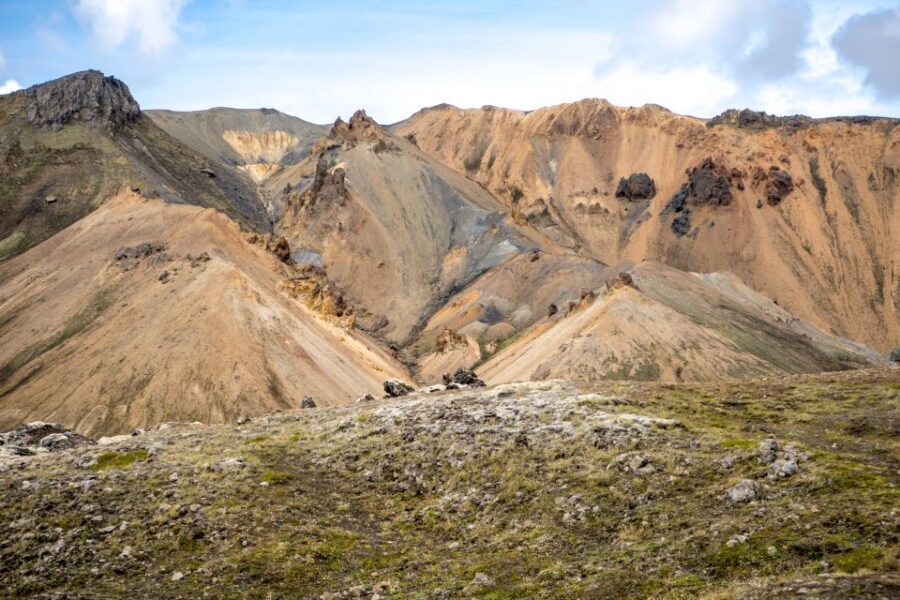
Rhyolite gets its color from minerals and volcanic chemistry. The mountains are made from a mix of quartz and silica, plus minerals like iron and sulphur that add red, yellow, and deeper tones. One of the best-known examples is Brennisteinsalda itself, where geothermal activity and mineral makeup create that streaked, wave-like look.
You’re surrounded by heat and strange rock textures, and steam can rise from geothermal areas in the vicinity. It’s the kind of place where you might understand why people talk about elves and myths. You don’t need to believe the myths to feel like the terrain is doing something magical.
The Guided Hike to Brennisteinsalda: Obsidian Under Your Boots
This is the heart of the day. You’ll have about 2 hours of guided hiking through the lava terrain and obsidian fields, with the hike aimed up toward Brennisteinsalda. Afterward, you return to the huts area with enough time for the natural hot pool.
What I like about the hike setup is that you’re not boxed into one single route with zero flexibility. You have a guided portion, and you can explore on your own during the Landmannalaugar time window as well. Reviews also mention the hike is beginner-friendly for many people, and at least one guide offered alternatives if someone wanted more or less hiking time.
In practical terms, expect uneven ground, volcanic rock, and conditions that can shift quickly. Your shoes matter here. Use hiking shoes with good traction, and keep your daypack organized so you can access rain gear fast.
Also, consider that you’re hiking in a volcanic field, not a forest trail. Look where you step, stay aware of the rock surface, and don’t rely on long, comfortable strides. The terrain is part of the experience, but it’s not a flat walk.
Laugahraun Obsidian: Dragon Glass, Sharp Edges, and Easy Mistakes
The black rock here is obsidian, tied to the Laugahraun lava field. This lava field was formed by a volcanic eruption in 1477, and it’s known for smooth surfaces and sharp edges that can look surprisingly clean even though it’s volcanic debris.
One reason obsidian grabs attention is how it reflects light. It can show a glassy, dark shine that’s why it’s been compared to Dragon Glass in popular culture. The name sticks because the stuff looks like it belongs in a fantasy world.
For you, the practical side matters more than the nickname. Obsidian can be sharp, so be mindful where your hands go if you’re climbing around for photos. Keep your balance instead of trying to test the rock like it’s a harmless hiking feature.
And since you’re in Iceland, conditions can change. If rain hits, the ground can get slick, and your footing becomes even more important. That’s where gloves and rain gear in your daypack start paying off.
Natural Hot Pool at Landmannalaugar: The Best Kind of Reward
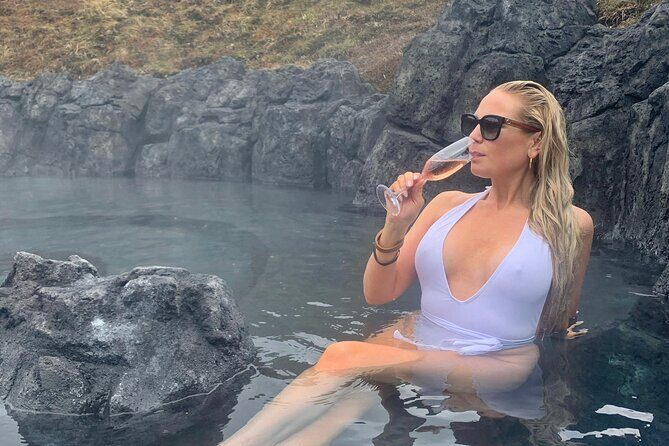
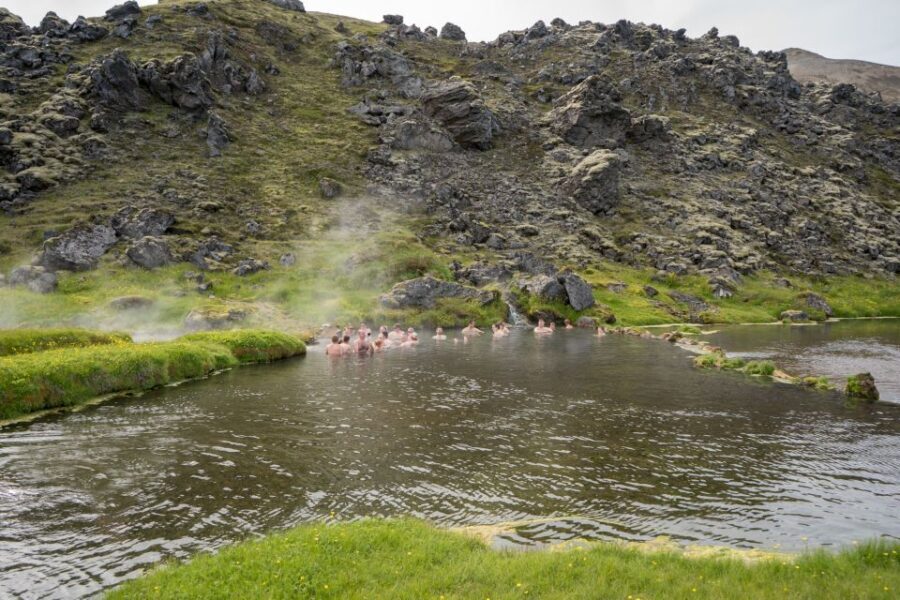
After the hike, you get time to swim and bathe in the natural hot pool. This is one of the most satisfying parts of the tour because it’s timed like a reward: you work for the views, then your body gets to recover in the warmth.
Bring a swimsuit and towel—this is not optional if you want the full experience. One of the consistent themes in the reviews is how relaxing the hot spring feels after hiking through lava and obsidian terrain. It’s also a nice way to extend Landmannalaugar time even if the weather turns windy or wet.
This stop also gives you something valuable for pacing. The day is long, and the hike is mentally active. A hot-pool pause helps you slow down and take in details you might miss while walking—steam rising, rock textures, and the way the terrain frames the sky.
There’s a small reality check, though: if the weather is rough, the hike might feel less fun and the hot spring feels even more important. One review mentioned heavy rain and strong wind during a hike period, and the hot springs helped make up for the disruption.
Sigöldugljúfur: The Valley of Tears Canyon and Its Waterfall Power
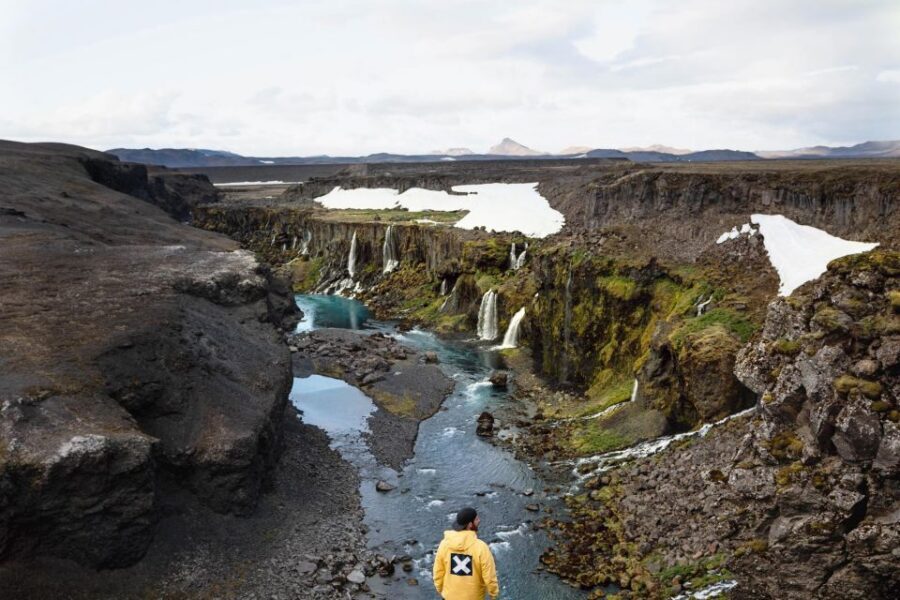
Then you head to Sigöldugljúfur, the Valley of Tears. This canyon is famous for being photogenic for good reason: many small spring-fed streams feed ponds and waterfalls, and the cliffs and vegetation make the whole scene feel layered.
You’ll have photo stops and sightseeing time here as part of the return flow. Even if you’re tired by this point, the water can reset your brain. Clear streams, multiple drops, and the way the canyon holds sound and mist create a different mood than the lava terrain.
It also feels like a payoff for the geology theme of the day. You start with volcanic rock and heat, then you finish with water shaped by springs and canyon carving. It’s one continuous Iceland story, just told through different chapters.
What the 11 Hours Actually Feel Like: Timing, Energy, and Crowds
The tour runs for about 11 hours, and the travel time is a big chunk of that. You’ll have time buffers for photos, walking, and soaking, but you should treat this as a full-day commitment, not a relaxed half-day.
The upside is that you’re getting far enough into the highlands that the experience tends to feel less crowded than Reykjavik-based day tours. Reviews describe roads only accessible by 4 wheel drive and the sense of being away from people. That matters if you want Iceland to feel wild instead of packaged.
Energy-wise, you’re balancing a hike plus a hot pool, so you don’t need super-elite fitness—but you do need comfort with walking on uneven volcanic ground. If you’re used to hiking and you bring the right footwear and rain protection, the day should feel fun rather than punishing.
Also plan for the sensory side. Long bumpy travel can be tiring, and one review noted being cramped in the back seat. If you know you don’t like crowded vehicle rides, choose your pickup location and seating priorities accordingly when possible.
Price and Value of the $210 Tour Package
At $210 per person, you’re paying for access and coordination. This price isn’t just for a bus ticket. It includes pickup and drop-off in Reykjavík via a comfortable Super Jeep, a local guide with geology and legends, a guided hike through Landmannalaugar’s rhyolite and lava terrain, photo assistance, and the option to bathe in the natural pool.
The biggest value-for-money piece is the route itself. Landmannalaugar and the highlands areas visited require the right kind of vehicle access, and you don’t need to stress about driving conditions, navigation, or timing to make the day work. If you’re in Reykjavík without a rental 4×4, this is a practical way to do the highlands without giving up your whole vacation day to logistics.
One thing not included is food and drinks. So if you want to eat comfortably during your Landmannalaugar break or on the ride, buy lunch before you go. A review even mentions bringing lunch and planning toilet stops, so treat this as a day where preparation helps you enjoy the scenery more.
Also, small-group size matters. You’ll get more flexibility for hikes and questions. Even when the drive is long, you’re not stuck in an anonymous crowd where no one can hear the guide or ask for route options.
What to Pack: Make the Bumps and Weather Work for You
Bring a hat and outdoor clothing, plus rain gear and gloves. Even in better weather, the Highlands can surprise you with wind and wet conditions. Daypack space is useful because you’ll want quick access to layers and something warm if the temperature drops.
Wear hiking shoes. The ground is volcanic, and grip matters. For the hot pool, pack swimwear and a towel so you don’t end up sitting out the best recovery moment.
Bring a camera if you care about the details. The rhyolite color bands, obsidian surfaces, steam pockets, and the canyon waterfalls all reward stopping and looking longer than you think you should.
If you’re motion-sensitive, consider adding medicine for nausea to your kit. Several reviews point out that the roads can be bumpy enough to affect your comfort, and that’s not a problem you solve with wishful thinking.
Should You Book This Landmannalaugar and Valley of Tears Tour?
I think you should book this if you want a guided Highlands day with real walking and real hot-pool time, and you don’t want to deal with high-road driving. It’s a strong choice if you enjoy geology, volcanic landscapes, and the mix of hike plus soak plus waterfalls.
You might skip it if you struggle with long vehicle rides on rough roads, or if hiking on uneven volcanic terrain sounds like a hassle. This tour isn’t suitable for wheelchair users and it’s not designed for children under 10, so keep that in mind.
If you do book, pick your priorities: the hike and hot pool are the main event, while Hjálparfoss and Sigöldugljúfur are important supporting scenes. With the right shoes, rain gear, and swimsuit ready, this becomes one of those Iceland days that sticks because it changes moods every few hours—lava heat to canyon water to hot-spring recovery.
FAQ
How long is the tour?
The total duration is about 11 hours.
What’s included in the price?
Pickup and drop-off in Reykjavík in a comfortable Super Jeep, a local guide, a guided hike at Landmannalaugar, option to bathe in the natural hot spring, scenic stops (including Sigöldugljúfur), photo assistance, and free Wi‑Fi plus USB ports on board.
Is food included?
No. Food and drinks are not included.
Do I need to bring swimwear?
Yes. You’ll have time to bathe in the natural hot pool, so bring swimwear and a towel.
Where does the tour pick up in Reykjavík?
There are 11 pickup options including several bus stops and major hotels like Hilton Reykjavik Nordica, Storm Hotel, and Oddsson hotel, plus the Reykjavík bus terminal and others.
Where do you drop off in Reykjavík?
There are 11 drop-off locations, again including bus stops and hotels across central Reykjavík.
Is there a guided hike?
Yes. You’ll get a guided hike through Landmannalaugar’s rhyolite mountains and lava fields, with about 2 hours of guided hiking up toward Brennisteinsalda.
What should I bring for the hike and weather?
Bring hiking shoes, rain gear, a hat, gloves, outdoor clothing, and a daypack. Also bring your camera and the items needed for the hot pool.
Is the tour suitable for children or wheelchair users?
Children under 10 are not suitable, and the tour is not suitable for wheelchair users.