Walk on lava that’s still warm.
This Iceland hiking tour is built around Fagradalsfjall, one of the world’s most accessible volcanoes, where recent eruptions (2021–2025) have created steaming ground, new craters, and terrain you can walk over with guidance. I love the small group setup (max 7) and the way guides such as Oddi and Gudni keep the hike paced and safe on uneven volcanic surfaces. I also like the smart contrast built into the day: black lava country, then the softer heat of geothermal areas like Seltún.
The main drawback is effort plus weather. You’ll tackle a moderate hike (about 300 m elevation gain) and it can get extremely windy up high, with route changes possible depending on official access and conditions. And if you’re dreaming of glowing lava on cue, plan for the fact that visibility depends on active eruption conditions, so it’s never guaranteed.
In This Review
- Key highlights to know before you go
- Reykjanes Peninsula and Fagradalsfjall: what this day is really about
- Crossing fresh lava at Fagradalsfjall: the hike pace, the views, the reality check
- The Reykjanes Peninsula drive: UNESCO geopark views before you climb
- Grindavík’s evacuated zone: the human side of a live volcano
- Seltún and Kleifarvatn: geothermal heat and a black-sand lake contrast
- Seltún Geothermal Area (included with Reykjavík pickup)
- Kleifarvatn Lake (included with Reykjavík pickup)
- How the hike is handled: wind, uneven ground, and route changes
- Group size and pacing
- Gear included and what you should still bring
- Certified local guides: why names keep showing up
- Price and value: is $189 worth it?
- Meeting points, pickup, and the simplest way to plan your logistics
- Should you book the Fagradalsfjall volcano hike?
- FAQ
- How long does the tour take?
- How far and how much elevation is the Fagradalsfjall hike?
- Is this hike suitable for beginners?
- Do you offer pickup from Reykjavík?
- Can I do the tour with my own rental car?
- What gear is included?
- Is lunch included?
- Is glowing lava guaranteed?
- What is the minimum age for this group tour?
Key highlights to know before you go
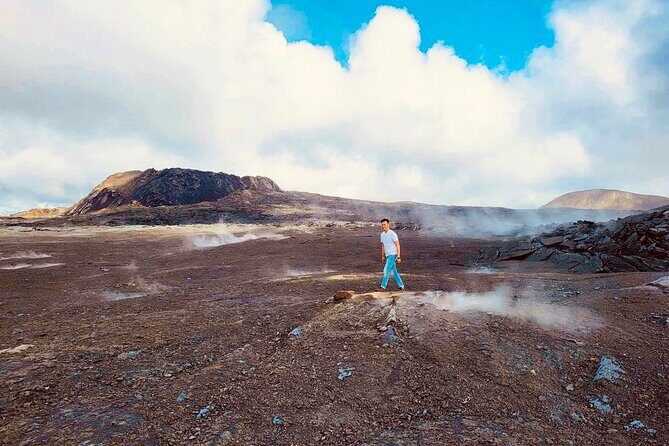
- Fresh Fagradalsfjall terrain: a guided walk across ground formed during recent eruptive activity
- Short, meaningful context stops: Reykjanes geopark sights, then the evacuated eruption zone near Grindavík
- Hot springs energy at Seltún: boiling mud pools, fumaroles, and colorful mineral deposits
- Small group pace: guides adjust for different fitness levels and keep you moving without feeling rushed
- Gear support included: hiking poles included; crampons/headlamps added if winter conditions require them
Reykjanes Peninsula and Fagradalsfjall: what this day is really about
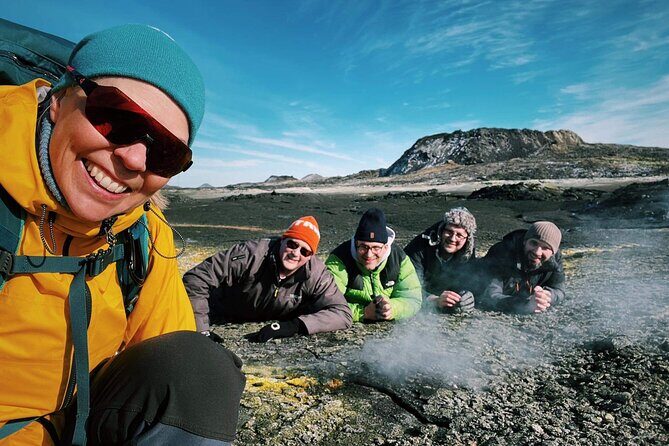
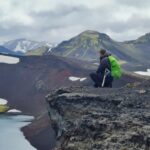
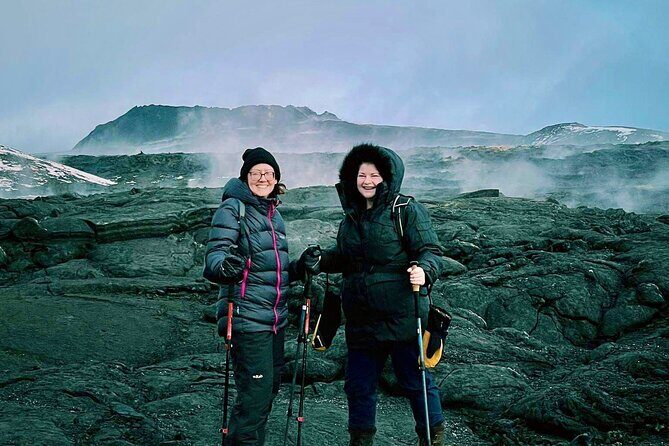
This isn’t a sit-and-stare volcano tour. The core experience is a guided trek on and around Fagradalsfjall, timed so you spend real time on the ground rather than just looking from far away. The payoff is the sense that the land is still in motion: steam vents can hiss up close, and cracks in the lava can feel warm even when the surroundings look oddly still.
The guide part matters here. Iceland volcano terrain isn’t just uneven—it can be deceptive. A surface that looks solid can hide weak spots, and access can change quickly when safety rules change. That’s why this tour leans hard on having a certified local guide and following official volcanic activity guidance.
You can also read our reviews of more guided tours in Reykjavik
Crossing fresh lava at Fagradalsfjall: the hike pace, the views, the reality check
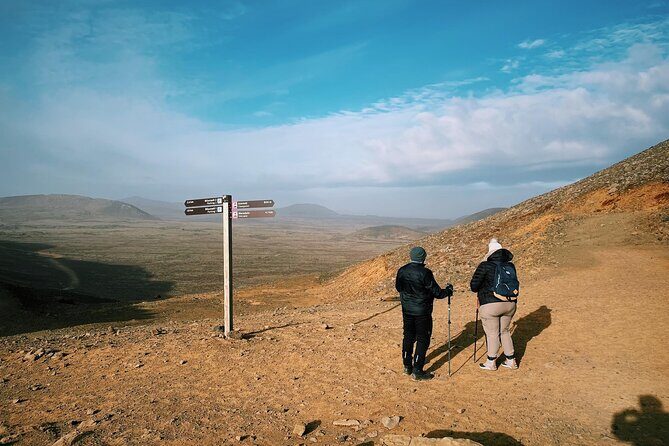
You’ll do about a 5-mile (8 km) round-trip hike at Fagradalsfjall, with roughly 300 m of elevation gain. The hike portion is listed at about 3 hours, and the whole tour runs about 4 to 6 hours depending on what conditions require and how the group moves.
What you can expect on the ground:
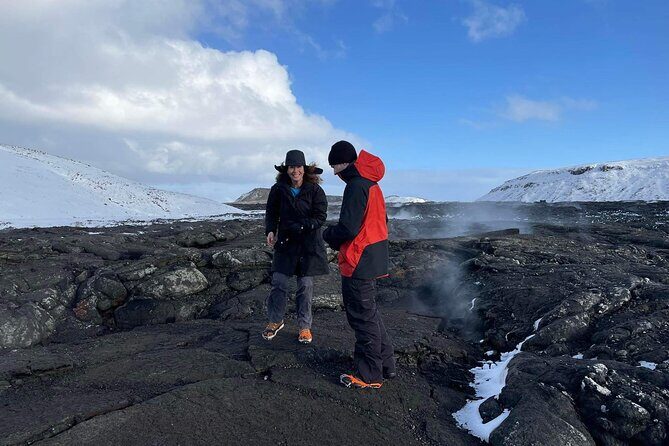
- Steaming ground and vent activity in the crater area and nearby volcanic features
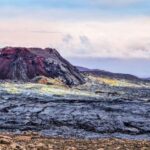
- Different lava colors and textures—one of the best ways to understand that lava isn’t all the same
- Crater views from the top area, when access is open and safe
- The chance to walk on terrain that’s still relatively new by Iceland standards
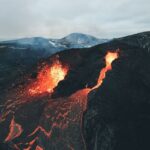
In real life, there’s a big difference between seeing a volcano and seeing the aftermath of it. If conditions are right, you may get that extra wow factor—steam can be dramatically visible on misty days, and lava can glow when an eruption is active. But you shouldn’t build your day around glowing lava being guaranteed, because it depends on eruption activity and what’s accessible that day.
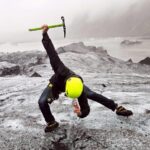
Where guides earn their pay is pacing and route choices. Reviews around guides like Oddi, Gudni, and Guðný repeatedly highlight careful footing, patient pacing, and the confidence to steer you where it’s safe to step. If you hike at a slower pace, that’s where a guided group can feel like a real advantage versus trying to DIY it across changing terrain.
The reality check: it’s not an easy walk. Wind tends to pick up as you go higher, and the surface can take your legs by surprise. Pack for effort, not for a gentle stroll.
The Reykjanes Peninsula drive: UNESCO geopark views before you climb
Before the main hike, you’ll travel across the Reykjanes Peninsula, a UNESCO Global Geopark known for geothermal activity, lava fields, and volcanic craters. It’s included for guests who choose Reykjavík pickup, and it helps set expectations fast.
Even if you’ve seen photos of Iceland’s volcanic weirdness, this area hits differently in motion. The view is raw and high-contrast: dark lava textures, crater shapes, and steam hints that make the later hike feel like you’re stepping into the same world at a smaller scale.
For self-drive participants, you don’t do this intro drive. You meet directly at the Fagradalsfjall trailhead instead. If you’re using pickup, you get the extra context built into the schedule.
Grindavík’s evacuated zone: the human side of a live volcano
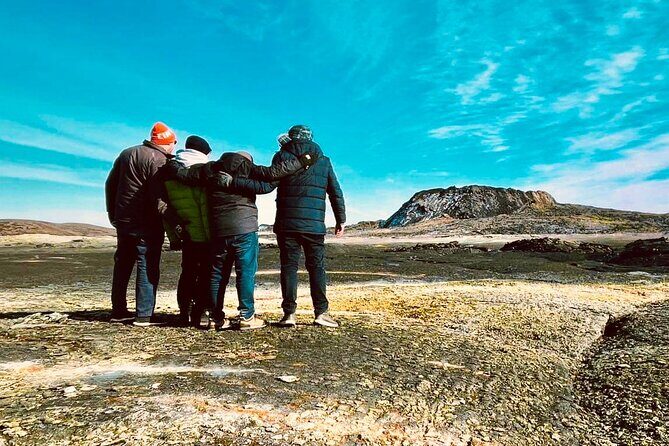
One of the most interesting parts of the itinerary (especially if you like context) is the stop through the evacuated eruption zone near Grindavík. The tour passes this area where recent volcanic activity has reshaped land and disrupted everyday life.
This is only about 15 minutes, so it’s not a long lecture. But it gives you something many volcano hikes skip: proof that the eruption isn’t just a scenery event. It’s happening in real communities, with real consequences.
It can also be emotionally intense, especially if you like your travel light and upbeat. Think of this stop as a “breathing check” that tells you why the safety rules are strict and why access can change.
Seltún and Kleifarvatn: geothermal heat and a black-sand lake contrast
After the main volcanic hike, the tour can include a couple of shorter stops that make the day feel less one-note—again, depending on pickup and return to Reykjavík.
You can also read our reviews of more hiking tours in Reykjavik
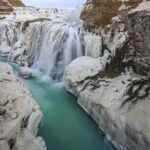
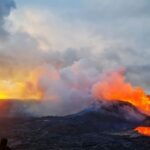
Seltún Geothermal Area (included with Reykjavík pickup)
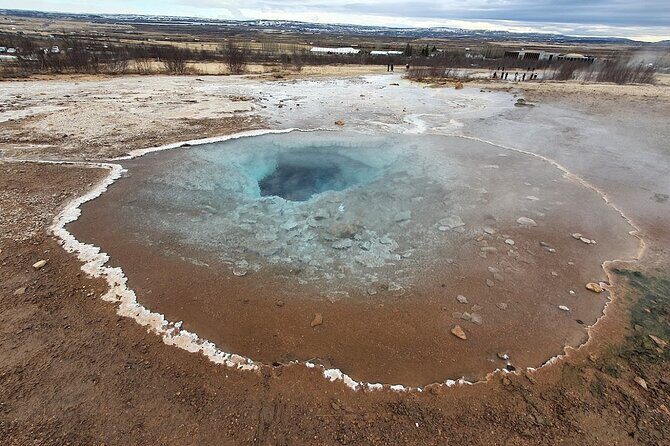
Seltún is a short walk through a geothermal area with boiling mud pools, fumaroles, and colorful mineral deposits. It’s a quick stop (about 15 minutes) and a good break for legs, but the visuals are memorable. You trade the jagged lava ground for ground that looks actively alive with heat.
This stop is also great for photos, because geothermal colors and steam behave differently than lava textures. If you want at least one moment where the scenery feels more surreal than harsh, Seltún delivers.
Kleifarvatn Lake (included with Reykjavík pickup)
Then there’s Kleifarvatn, described as one of Iceland’s deepest and most mysterious lakes, with volcanic hills and black sand shores. It’s about a 10-minute pause, mostly for views and a chance to catch your breath.
If you’re doing the self-drive option, you’ll meet the group at the volcano trailhead, and you can decide whether to follow the guide to these spots afterward or leave on your own. The quick version is: pickup guests get these included; self-drivers treat them as optional add-ons.
How the hike is handled: wind, uneven ground, and route changes
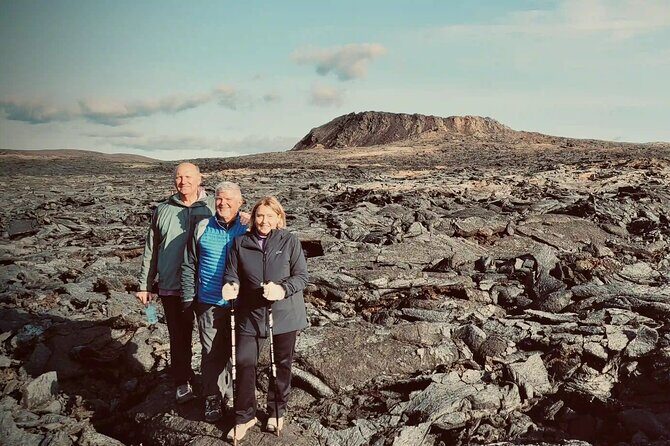
This tour is clearly built for safety without turning the day into a stern military exercise. The rules are straightforward: the guide follows official volcanic activity guidance, and if access is closed, the route changes to safe alternative volcanic sites.
That adaptability matters because lava terrain isn’t like a museum exhibit. If conditions shift, you need someone who can interpret what’s open and what’s safe to cross. That’s part of what you’re paying for.
Group size and pacing
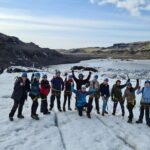
The group max is 7 travelers, which tends to make it easier for:
- the guide to watch footing closely
- the group to stop when wind or footing demands it
- people with different fitness levels to keep moving without feeling left behind
Reviews keep returning to the same theme: guides like Oddi and Gudni are attentive, patient, and adjust pacing. Even when the hike gets steep, the vibe stays controlled.
Gear included and what you should still bring
Included:
- Hiking poles
- In winter conditions: crampons and headlamps if needed
Not included:
- Lunch
You should bring layered waterproof clothing and sturdy hiking shoes. Gloves and extra layers help when the wind turns the temperature into a moving target. Water and snacks matter because you’re out for a half-day with real uphill work.
One very practical review-based tip: people repeatedly stress that waterproof outers and boots are key. If you only pack for typical Iceland drizzle, you might end up uncomfortable when mist and wind roll in at higher elevations.
Certified local guides: why names keep showing up
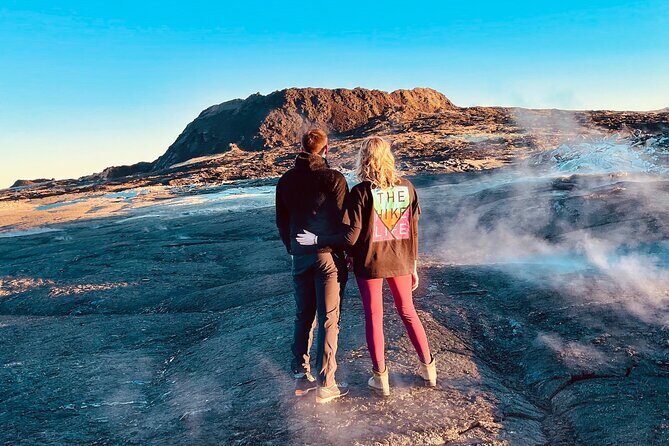
This tour’s biggest intangible is the guide. In reviews, certain names come up again and again—Oddi, Gudni, Sigrún/Silgrún, and Guðný—and the consistent praise isn’t just about facts. It’s about how the information is used to make the hike safer and more fun.
Common strengths you’ll want if you’re booking:
- guides who explain how to read terrain and why safety decisions happen
- humor and calm reassurance when the path feels intimidating
- pacing that works even if you’re not a mountain athlete
There are also stories of small surprises that make the day feel more human—like treats such as hot chocolate or homemade goodies at the top, and even an account of a hot dog repast cooked at the crater area in suitable conditions. Don’t count on a specific menu, but do appreciate that some guides treat the hike as an experience, not just a route.
Price and value: is $189 worth it?
At $189 per person, you’re paying for more than transportation. You’re paying for:
- a certified local guide who can manage safety and route changes
- hiking poles included (important on uneven, slippery volcanic ground)
- admission included for the main volcano hike section
- optional add-ons when you choose Reykjavík pickup (Seltún and Kleifarvatn)
Where the value gets real is the risk management. DIY volcano hikes can be done, but you’re still choosing routes based on your own interpretation of safety, and you might miss the context that explains what you’re seeing. With a small group, you also get more attention on footing.
The tradeoff is you’ll need to bring your own food. Lunch isn’t included, so budget for a snack strategy. A packed lunch or at least substantial snacks makes the day feel easier, especially if you’re slower on uphills.
One more value note: this is a popular booking window, averaging about 68 days in advance. If you’re traveling in peak season, earlier booking helps lock in the date you want.
Meeting points, pickup, and the simplest way to plan your logistics
This tour starts at Bus Stop #3, Lækjargata 4, 101 Reykjavík if you select Reykjavík pickup. You return to the meeting point at the end.
If you choose the self-drive option, the group meets in Grindavík at 10:45 am, and you’ll find the exact location after booking. Parking fees for self-drivers are paid on site.
One key practical thing: with group pickup, you can’t change the pickup point—so pick the option that matches where you’re staying. Also, there’s no group tour pickup from Keflavík Airport.
If you’re coming from the airport and want a smoother start, you’d need a private arrangement. And if you’re driving in winter, roads can be icy, snowy, or windy, so add buffer time to avoid feeling rushed before the hike.
Should you book the Fagradalsfjall volcano hike?
You should book if:
- you want a guided walk across fresh volcanic terrain instead of a distant viewpoint
- you’re okay with moderate hiking effort, uneven ground, and a hike that can get windy
- you like learning as you go, with a guide who helps you interpret lava textures, vents, and crater context
- you’re traveling with enough flexibility to handle route changes if safety access shifts
You might skip or choose something gentler if:
- you’re hoping for guaranteed glowing lava on arrival (it’s never promised; it depends on active eruption conditions)
- you dislike uphill work and exposed wind
- you’re not comfortable with a weather-dependent outdoor schedule
If you’re on the fence, treat this as an “active day” choice. Iceland has plenty of easy scenic options. This one is for people who want to feel the volcano up close—carefully, with the right guide, and with good waterproof gear in your bag.
FAQ
How long does the tour take?
The full tour is listed as about 4 to 6 hours, with the Fagradalsfjall hiking portion taking about 3 hours.
How far and how much elevation is the Fagradalsfjall hike?
The hike is about 5 miles (8 km) round-trip with about 984 feet (300 m) of elevation gain.
Is this hike suitable for beginners?
It’s described as suitable for people with moderate physical fitness. The ground is uneven, and the hike does take effort, so you’ll want sturdy boots and to expect wind on the upper parts.
Do you offer pickup from Reykjavík?
Yes. Pickup is offered, and group tours meet at Bus Stop #3, Lækjargata 4 (101 Reykjavík). You cannot change the pickup point for the group option.
Can I do the tour with my own rental car?
There is a self-drive option, but it’s only for travelers with their own rental car for the full tour. Self-drive guests meet in Grindavík at 10:45 am.
What gear is included?
The tour includes hiking poles. In winter, crampons and headlamps are provided if needed.
Is lunch included?
No. Lunch is not included, so plan snacks or a meal for the day.
Is glowing lava guaranteed?
No. Glowing lava is only visible during active eruptions, so it’s never guaranteed. The tour adapts to any accessible eruption situation.
What is the minimum age for this group tour?
The minimum age is 7 years. Younger children are not allowed on group tours.