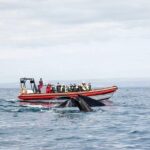
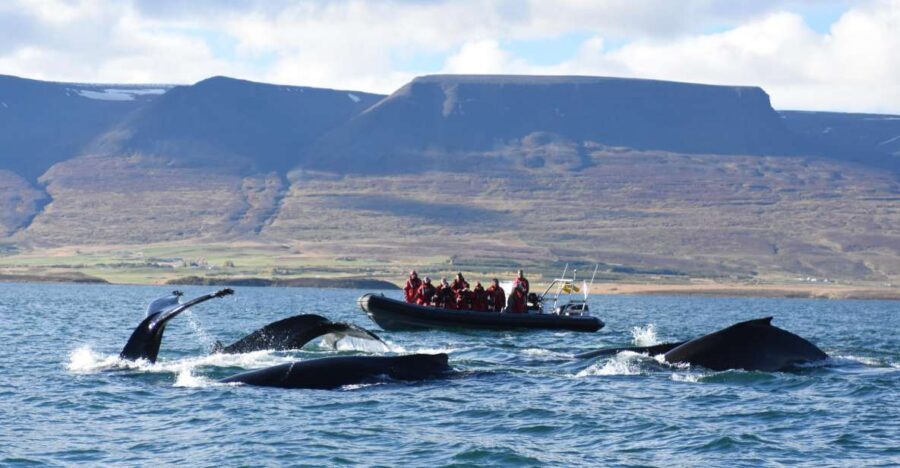
RIB speed makes whale watching feel instant. In Akureyri, you’ll zip across the Eyjafjord in a small 12-person RIB built for close encounters, with massive glacier-carved mountains watching from all sides. I also like that the wildlife talk comes from real guides you may hear named on the schedule, including Yoann and Mack, so you’re not just scanning the water—you’re learning what you’re seeing.
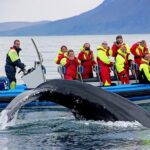
Two things I love here are practical and real-world. First, the overalls, neoprene gloves, and goggles help you stay warm when the wind and spray show up. Second, the RIB’s speed lets you cover more water quickly, which matters in a place where whales can be moving and diving fast.
The main consideration: this is not a relaxed, cushy cruise. The ride can be rough, you may get wet, and the seating can feel physically intense over 2 hours.
In This Review
- Key points to know before you go
- Eyjafjord in Akureyri: why the whale timing can be worth it
- The RIB speedboat reality check: expect spray, motion, and energy
- Gear on board that actually changes your comfort level
- How the 2-hour express runs: from pier to whale search to the return
- What you might spot: humpbacks, minke, dolphins, and birds
- Price and value: is $200 worth it for the RIB express style?
- Who this tour fits best (and who should skip it)
- Choosing your day: weather changes can affect the trip
- Tips to get better sightings and better photos
- Should you book this Akureyri RIB whale-watching express?
- FAQ
- Where does the tour start in Akureyri?
- How far ahead should I arrive?
- How long is the whale watching tour?
- What is included in the tour?
- What is not included?
- What should I wear or bring?
- Are drones allowed?
- What are the age and height limits?
- Can the tour be canceled due to weather?
Key points to know before you go
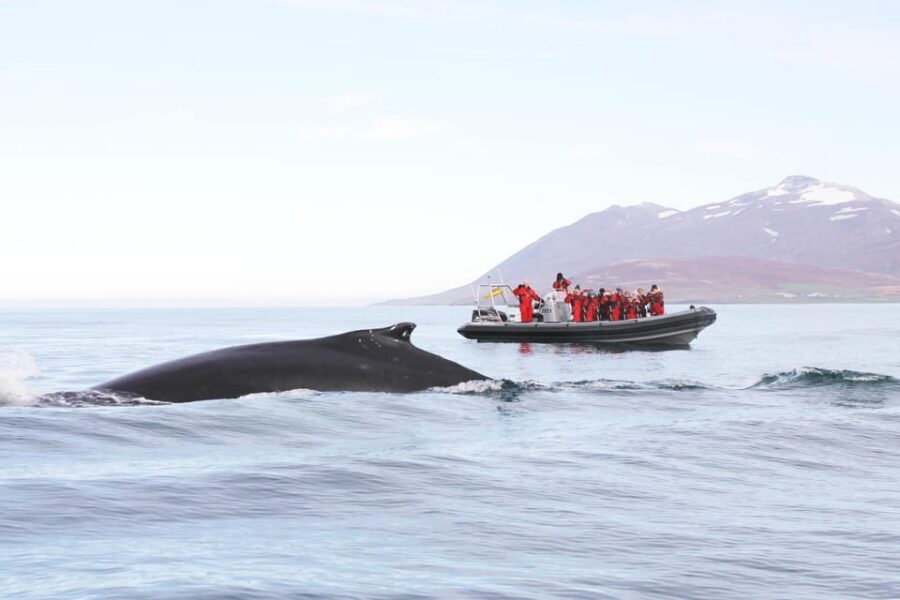
- 12 passengers per boat keeps it intimate when you’re scanning for spouts and fluke-ups
- RIB speed and agility help the captain relocate fast when whales surface nearby
- Warm, provided gear includes overalls, neoprene gloves, and goggles
- Small-boat approach aims to get close without disturbing wildlife
- You’ll likely see whales plus birds (and sometimes dolphins and porpoise sightings too)
- A geothermal waterfall stop may be part of the return on many outings
Eyjafjord in Akureyri: why the whale timing can be worth it
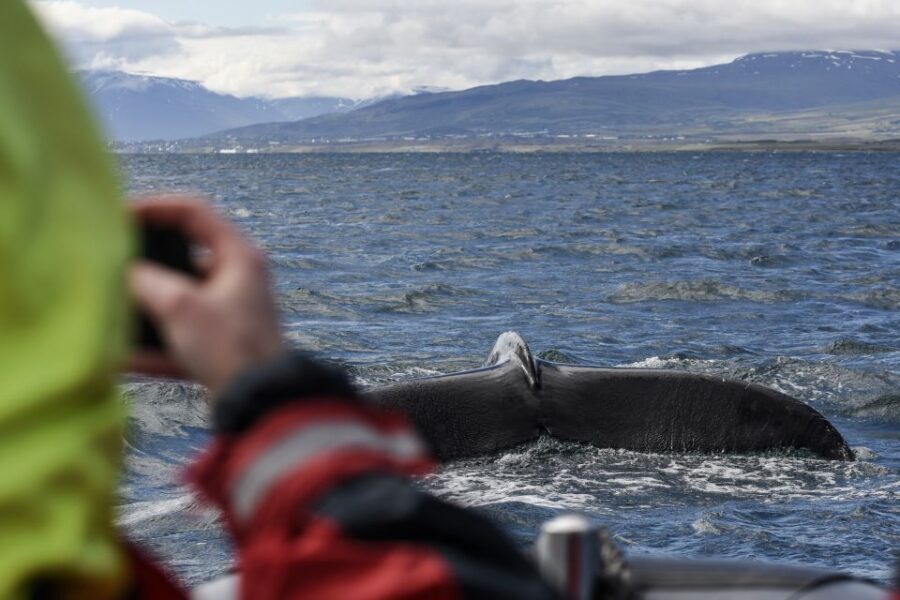
The Eyjafjord is one of those Iceland spots where the scenery feels huge, but the action is close to your level. You’re in northeastern Iceland, with steep mountain walls and cold ocean water that often brings marine life near the surface. What makes this tour work is simple: whales don’t hold still, so your odds improve when you can move quickly and check more water.
This “express” idea is the real reason to choose this style of trip. Bigger boats often have the space and pacing for a slow cruise, but a smaller RIB can run over to where the activity is happening. That means you’re not spending the whole tour as a passenger while the boat keeps doing the same slow search pattern.
Another big factor: you’re not only looking for whales. The tour is set up for whales and bird life, with the guide helping you interpret what you’re seeing out there. That turns the trip from pure luck into something you can actively follow.
You can also read our reviews of more whale watching tours in Akureyri
The RIB speedboat reality check: expect spray, motion, and energy
Let’s talk about the part that decides whether you’ll love this or just tolerate it: the ride.
A RIB is fast and small. That’s why it can get you closer and cover more area. It’s also why the experience feels more intense than a large, stable vessel. Several people note sore bottoms after the ride back, and the boat seating can feel less forgiving than you’d get on a bigger ship. If you’re the type who gets irritated by motion, you’ll want to be honest with yourself here.
You’ll also likely deal with spray. Even when conditions look calm, open water can send mist your way, especially in colder months or shifting wind. Bring your attitude for a hands-on adventure: you’re up close, you’re wearing gear, and you’re moving across the water with purpose.
And yes, quick action can mean quick decisions. You may be encouraged to adjust your posture when the sea gets rough. The best moments usually come when you’re ready to look fast, not when you’re still trying to get comfortable.
Gear on board that actually changes your comfort level
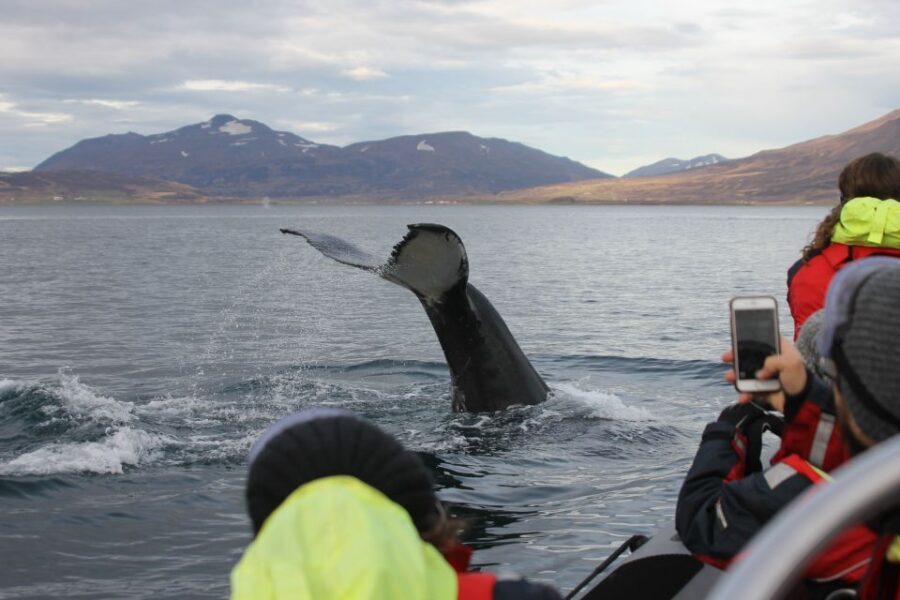
This tour doesn’t just hand you a jacket and hope for the best. You get real cold-weather protection, including overalls, neoprene gloves, and goggles, plus a life vest and safety equipment.
Here’s why that matters: in Akureyri, the ocean air can bite hard, and wind amplifies the chill. If you show up dressed for a mild day, you’ll feel it quickly once the RIB starts moving. But with the provided gear, you’re set up to handle northern sea conditions without turning the tour into a rescue mission for frozen fingers.
I’d still add a couple extras from what people emphasize: bring warm headgear if you have it, and consider warm layers under the overalls. Sturdy shoes matter too, because getting on and off a moving boat with wind in your face is not the time for flimsy footwear.
One more important rule: touching marine life isn’t allowed. That’s for safety and for animal respect. You’ll be close enough to see behavior without needing to touch anything.
How the 2-hour express runs: from pier to whale search to the return
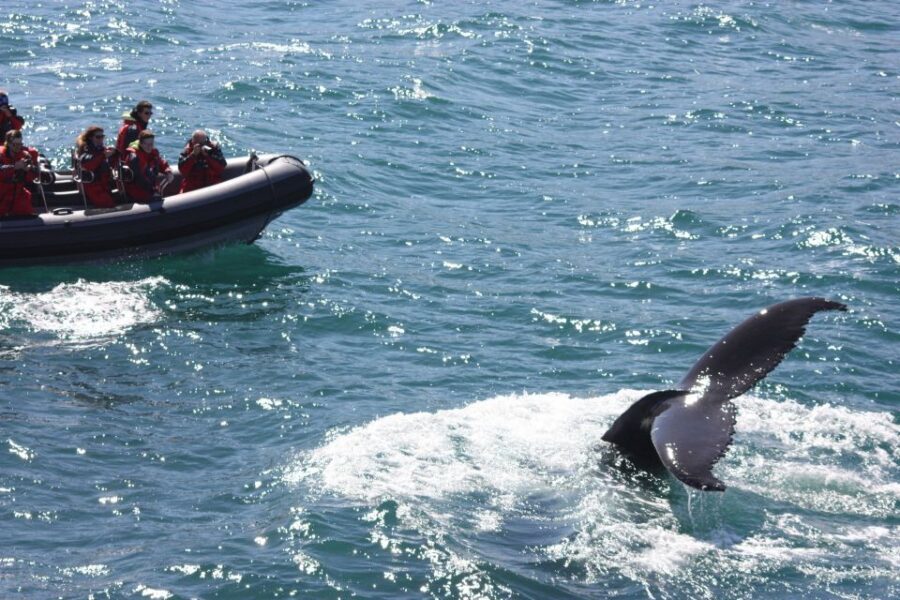
Your tour starts at Oddeyrarbót 2, the floating pier next to the cultural centre Hof in Akureyri. Aim to arrive at least 30 minutes early. That gives you time to check in, sign the waiver, and get fitted into the provided gear before departure.
Once you’re out on the Eyjafjord, the rhythm usually looks like this:
- The captain searches quickly and keeps an eye out for signs of activity—surfaces, flukes, birds, and other cues.
- The guide talks you through what you’re seeing and what it might mean for whale behavior and feeding.
- When whales are spotted, you move in fast enough for real viewing time, then you shift location as needed so you can keep finding the action.
The whole point of the RIB is that it doesn’t treat the ocean like one fixed destination. Instead, it treats it like a moving map. That’s what helps you see multiple sightings during a short 2-hour window, including humpback whales and often minke whales too.
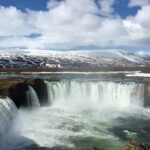
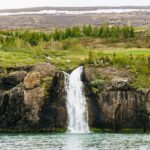
On the return side, some outings add extra fun. People describe a stop near a geothermal waterfall, which gives you a different kind of Iceland moment before you head back. Even if that’s not happening every time, it reflects the general style of these trips: hunt whales, then add a bonus stop when the timing works.
What you might spot: humpbacks, minke, dolphins, and birds
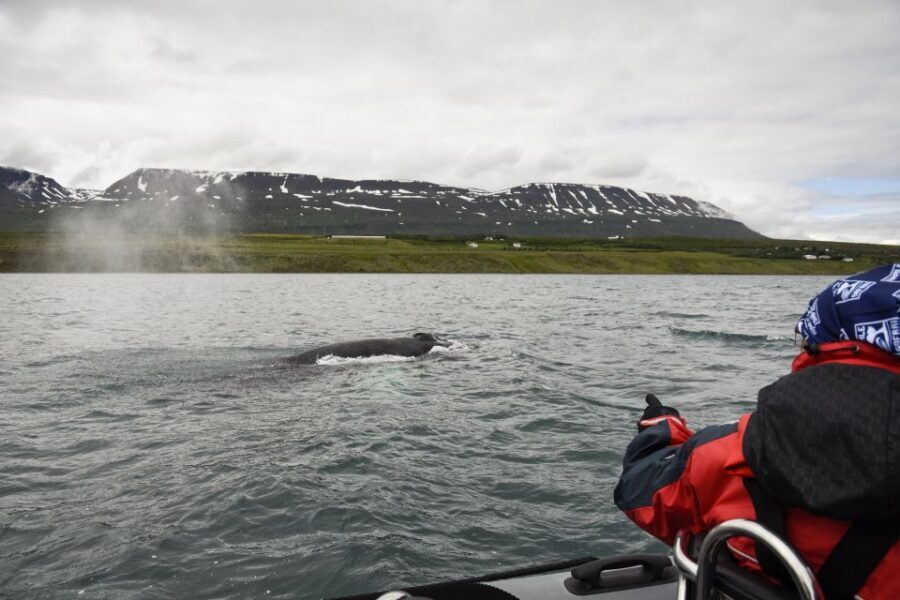
The headline animals here are humpback whales and minke whales. That’s the core promise. But the tour is also designed for wider wildlife spotting—so you may also see dolphins and bird life, and in some cases porpoise sightings.
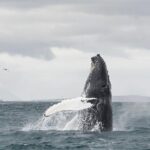
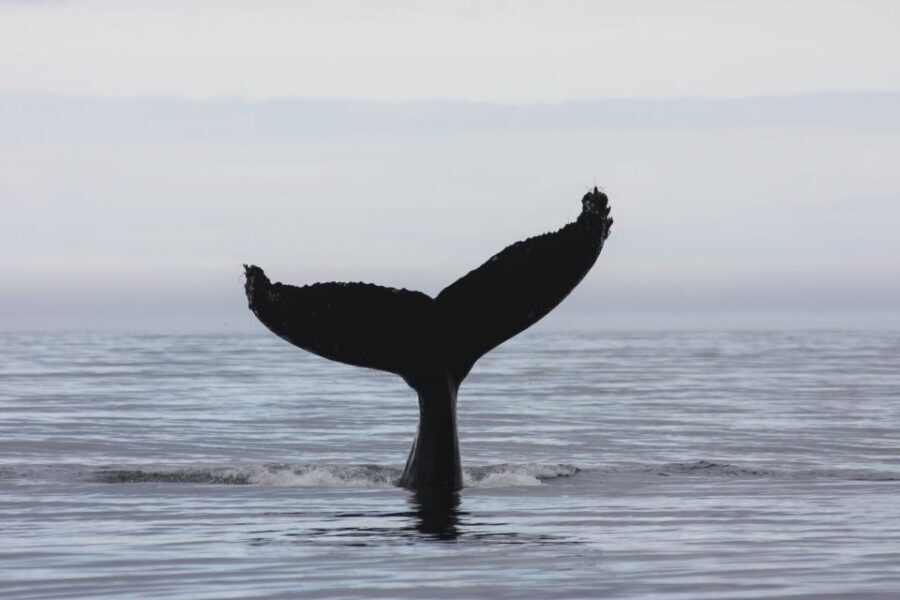
A key point: sightings aren’t guaranteed. You’ll be warned that wildlife can be shy or elsewhere in the fjord. Still, the faster search and small-group format usually makes it easier to find whale activity when it’s present. When people do get the payoff, it tends to be impressive—fluke views, active surface behavior, and the sense that you’re watching whales at eye level rather than far away.
One behavior detail I think you’ll appreciate: you’re not just looking for a distant spout. You’re positioned to notice things like how whales surface, how long they stay visible, and how they move. When the guide points out patterns—timing, feeding behavior cues, or why birds can signal marine life—you’ll feel like the tour has a payoff beyond the first whale sighting.
Bird life is part of the plan too. So even if the whales decide to go quiet for a moment, the guide can help you stay engaged by tracking the other signs of life around you.

Price and value: is $200 worth it for the RIB express style?
At $200 per person for a 2-hour tour, this isn’t a budget activity. You’re paying for three things that matter in real life:
- Speed and repositioning
You’re buying the advantage of a boat that can cover more area. In whale watching, time and distance are everything, because animals move. The RIB style is built for that reality.
- A small group
With only 12 passengers per boat, you’re not fighting for space to see. It also makes the guide’s explanations easier to hear and follow when something happens quickly.
- Warm equipment plus a safety-first setup
Overalls, neoprene gloves, goggles, and life vest/safety gear reduce the risk that you’ll be miserable from cold or wet conditions. That’s a real part of the value, not a minor extra.
So, when is it worth it? It’s worth it if you want an active, close-up experience and you’re comfortable with a more intense boat ride. If you’d rather stay dry, sit still, and wait patiently, this style may feel like more motion than you want for the money.
Who this tour fits best (and who should skip it)
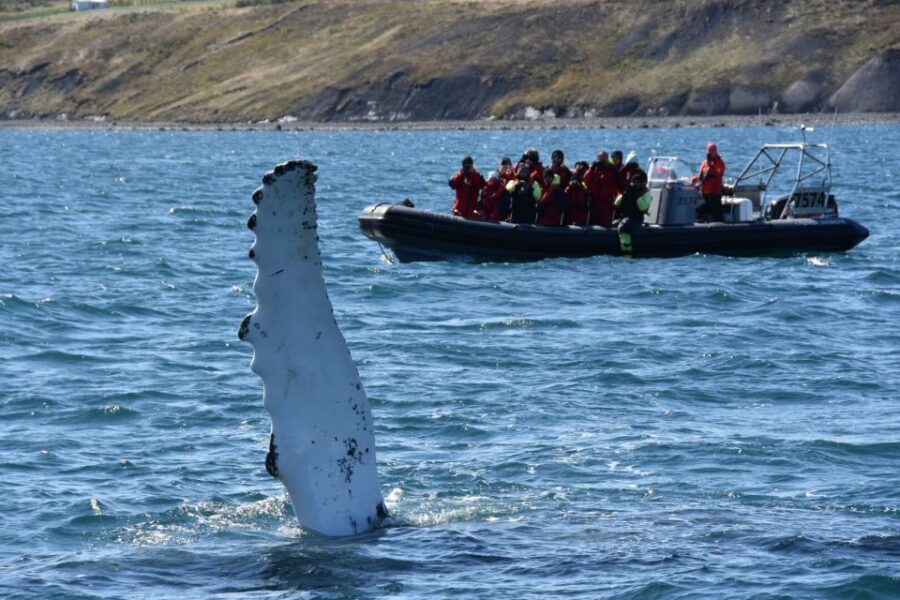
This is a nature-adventure tour with motion and cold. That means the fit is specific.
You should consider it if:
- You’re at least 10 years old and meet the minimum height of 145 cm
- You can handle a fast ride and possible spray
- You want close whale viewing and you enjoy learning as you watch
It’s specifically listed as not suitable for:
- Children under 10 years or under 145 cm
- Pregnant women
- People with back problems
- People with mobility impairments
Also, keep in mind the “no open-toed shoes” and no large bags rules. You’ll travel light, stay safer, and move faster during boarding.
One more practical point: there are no toilets on board, and there’s no food included. Plan accordingly so the 2 hours stays fun, not stressful.
Choosing your day: weather changes can affect the trip
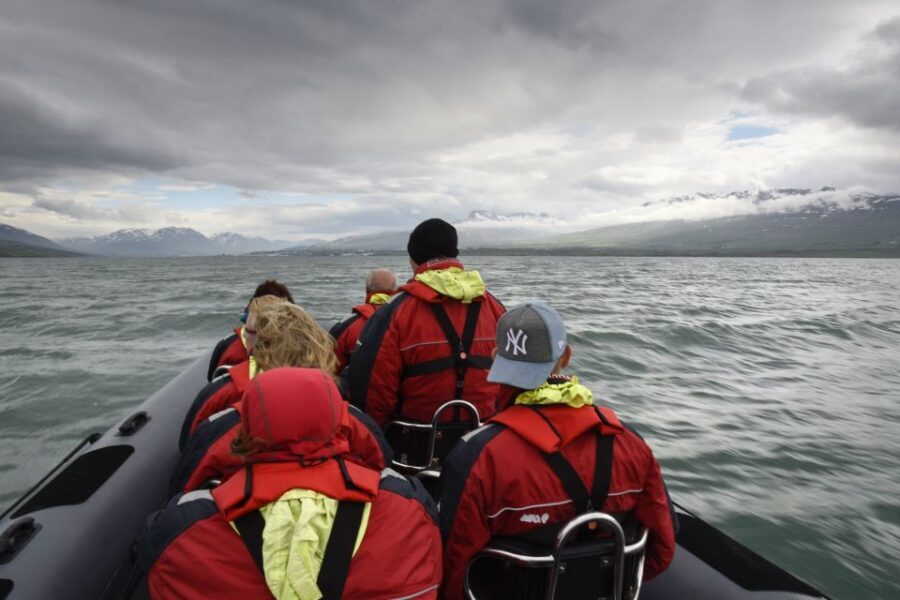
Iceland weather can flip quickly, and this tour operates with safety first. The captain could decide to cancel on short notice due to conditions, so it’s smart to keep your schedule flexible.
If your trip date looks rough, don’t assume it’s hopeless. The best approach is to dress correctly and trust the safety decision-making. With the provided overalls and gloves, you’re built for cold days. But if conditions get too unsafe, the tour won’t run.
Tips to get better sightings and better photos
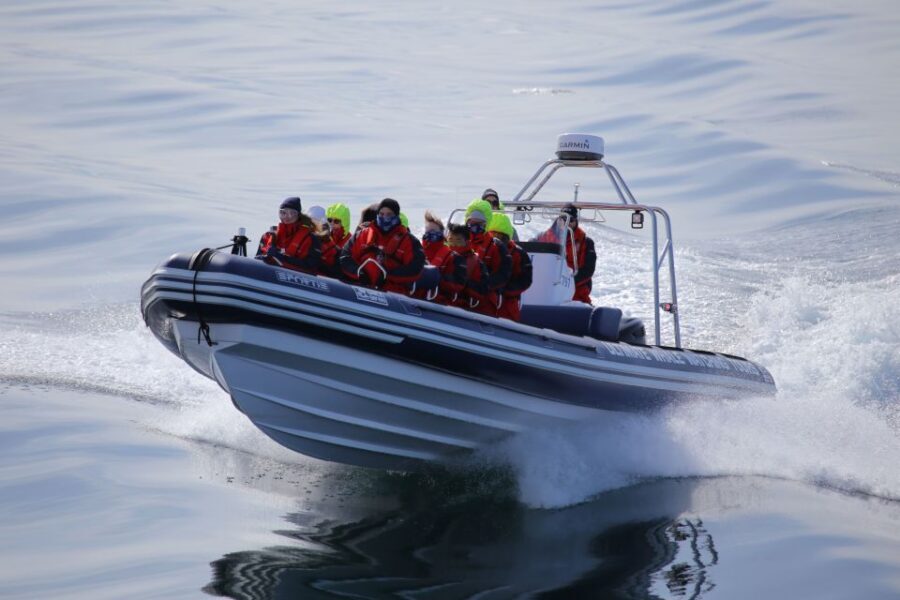
Here’s what helps most once you’re out there:
- Wear the provided overalls correctly and keep your layers warm underneath.
- Use the goggles if you have them on hand in cold wind. They reduce the frustration of sea spray and wind.
- If conditions get rough, be ready for posture changes. One person notes they should have stood more during rougher stretches—so don’t plan on sitting perfectly still the whole time.
- Keep your focus moving. With fast relocation, whales may be visible for short windows.
- Follow the animal rules. Don’t touch marine life—your viewing is for watching, not interacting.
Photos: some people say the team shares links to photos they take for you for free. I can’t guarantee it every time, but it’s worth asking on check-in so you know what to expect.
And for wildlife respect: the small boat approach is meant to get close without disturbing the animals. If a whale is nearby, watch the guide’s cues on distance and behavior and let the moment play out.
Should you book this Akureyri RIB whale-watching express?
Book it if you want close viewing, a fast chase, and a short trip that tries hard to find whales in a moving environment. The combination of RIB speed, small group size, and proper cold-weather gear makes it a strong choice for people who care about maximizing sightings in a short time.
Skip it if you’re easily bothered by motion, you need a very smooth ride, or you know cold spray and fast movement are a deal-breaker for you. Also skip if you fall into the listed non-suitable categories, or if you’re unsure about the physical demands of sitting through a more active 2 hours.
If you can handle brisk ocean energy, this is one of those Akureyri experiences that turns whale watching into a real adventure, not a slow boat wait.
FAQ
Where does the tour start in Akureyri?
You meet at the floating pier Oddeyrarbót 2, next to the cultural centre Hof in Akureyri.
How far ahead should I arrive?
Plan to arrive at least 30 minutes prior to departure.
How long is the whale watching tour?
The duration is 2 hours.
What is included in the tour?
Included items are the guide, overalls, neoprene gloves, goggles, and a life vest plus necessary safety equipment.
What is not included?
Pick-up service, toilets on board, and food on board are not included.
What should I wear or bring?
Dress warmly for the northern ocean. Sturdy shoes are recommended, and warm headgear and gloves are suggested if you have them. Open-toed shoes are not allowed.
Are drones allowed?
No, drones are not allowed.
What are the age and height limits?
The minimum age is 10 years or 145 cm.
Can the tour be canceled due to weather?
Yes. Because weather can change rapidly in Iceland, the captain could decide to cancel the tour on short notice for safety reasons.