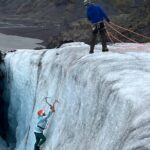
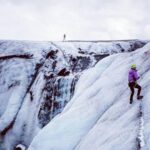
Ice under your boots.
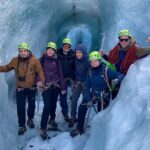
This Sólheimajökull glacier hike is built for real glacier learning, from how ice forms and moves to what climate change looks like on the ground. Small groups of up to 6 keep it hands-on, and all the technical gear (ropes, harness, crampons, helmet, ice axe) means you can focus on the ice instead of shopping for rentals.
One heads-up: the meeting spot is a glacier parking lot, and with this smaller operator you may need a minute to find the right car in the lot.
In This Review
- Key highlights at a glance
- Where Sólheimajökull makes the lesson real
- Gear-up: what’s included (and why it’s a big value)
- The 10:30 start and how the 3.5 hours typically feel
- Choosing your exploration level on the glacier surface
- The optional climb: crevasse descent and basic ice climbing
- Small group size: why up to 6 changes everything
- What to wear and bring so the cold doesn’t win
- Price and value: is $177.44 worth it?
- Who this tour suits best (and who should think twice)
- Book or skip: my practical recommendation
- FAQ
- How long is the Glacier Exploration Hike and Climb?
- Where does the tour start and where does it end?
- What time does the tour begin?
- What’s included in the price?
- What should I bring since it isn’t included?
- How many people are in the group?
- What happens if weather is poor?
Key highlights at a glance
- Up to 6 people for a calmer, more personal feel on the ice
- Technical gear included: crampons, helmet, harness, rope, ice axe
- Choose your exploration level on the glacier surface
- Optional extra challenge: crevasse descent and basic ice climbing
- Social and environmental responsibility is part of how the company operates
- Guide Ignacio is known for taking photos and sharing them after the walk
Where Sólheimajökull makes the lesson real
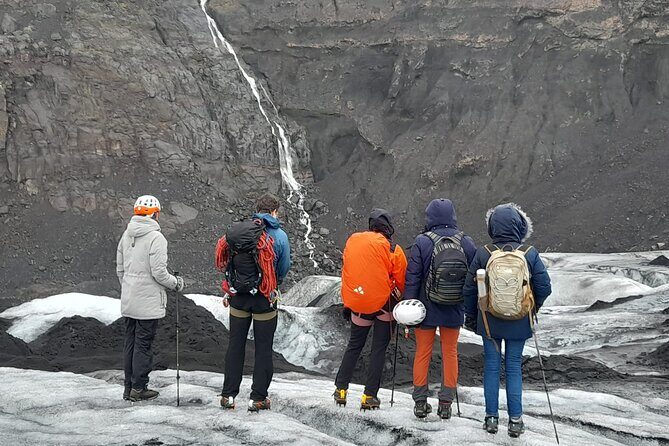
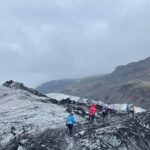
Sólheimajökull has a way of shrinking the gap between textbook glacier science and what you can actually see. On this tour, you’re not just walking around icy views. You learn glacier basics—how glaciers form, how they move over time, and why climate change matters—while you’re standing on the surface itself. That timing is key. When your feet are on the ice, the explanation sticks fast because you can connect it to textures, angles, and cracks you can spot at ground level.
The vibe is also practical. Guides set expectations before you step onto the glacier, and they keep the group moving at a pace that matches different comfort levels. This matters because glacier travel is partly physical effort and partly confidence-building. If you’re new to ice, you’ll appreciate getting guidance before you get overwhelmed.
And because this is a sustainable-minded operator, you’re also supporting a company approach that tries to balance access with responsibility. I like that the tour isn’t framed as taking from a fragile place; it’s framed as learning about a living system.
You can also read our reviews of more hiking tours in Vik
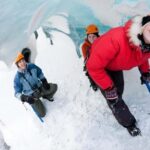
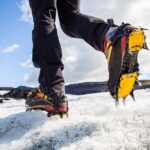
Gear-up: what’s included (and why it’s a big value)
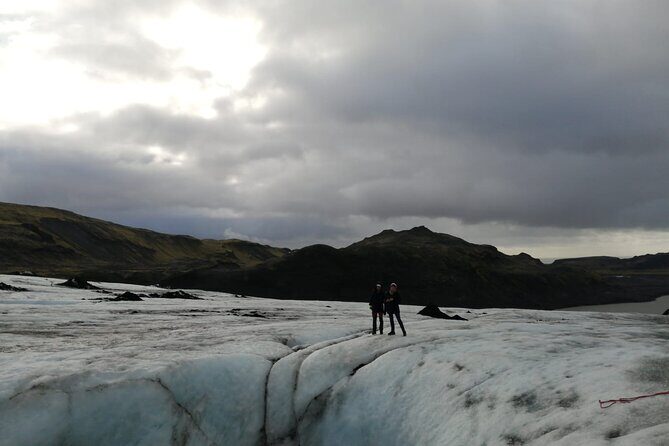
For glacier hikes, the biggest hidden cost is gear. Here, you get the core technical kit: rope, harness, crampons, helmet, and an ice axe. That’s not just a convenience. It’s what turns a slippery walk into a controlled climb-and-rope environment where you can learn safe movement.
Here’s what each piece effectively does for you:
- Crampons grip the ice so you’re not fighting your footing the whole time
- Helmet is there because the glacier can be unpredictable and the route may involve close working spaces
- Ice axe helps with balance and control for steeper sections or supervised technique
- Harness and rope matter most for the optional deeper experiences (and for safety throughout)
The one thing you still need to bring is basic comfort and cold protection. The tour doesn’t include hiking shoes (and you’ll want waterproof, and the more stiff the better), plus layers like a waterproof jacket and pants, warm clothes, hat, gloves, a day backpack, and sunglasses. If you show up in flimsy sneakers and thin layers, you’ll feel it fast. The ice won’t care that you meant well.
The 10:30 start and how the 3.5 hours typically feel
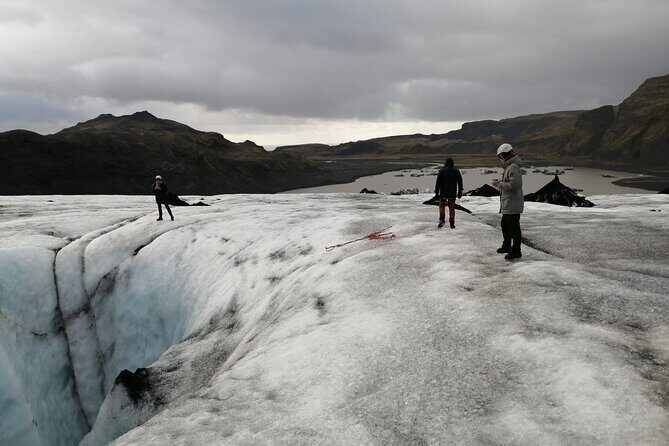
You start at Sólheimajökull glacier parking lot at 10:30 am, and the tour ends back at the meeting point. Total time is about 3 hours 30 minutes, which is a sweet spot: long enough to feel like you had a real glacier day, but not so long that you’re freezing and zoning out.
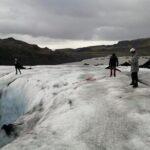
After you meet, expect a gear-and-safety setup before you go. That’s when crampons get fitted and the guide lays out what you’ll be doing. Then you’ll head onto the glacier surface for the main hike portion. Even if you choose not to do the optional climbing, the surface walk is still active: you’ll be moving on uneven ice, adjusting footing, and learning how to read the terrain while staying stable.
Most people will find the tour approachable because the guides tailor the level of exploration. But you should go in with the mindset that you’re doing real glacier travel, not a stroll.
Choosing your exploration level on the glacier surface
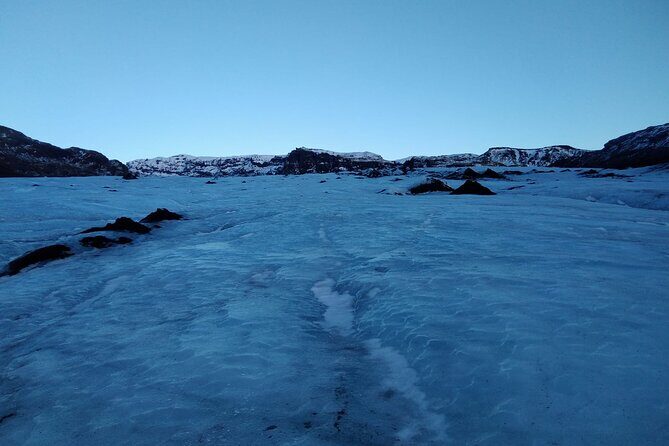
The best part for many people is that you can pick how far you want to go on the surface. This isn’t only about distance. It’s about comfort with ice, willingness to move over rougher ground, and openness to getting closer to what’s happening beneath the surface.
On the glacier surface portion, you’ll get explanations tied to glacier formation and movement. That means you’re not just hearing facts; you’re learning to interpret signs in the ice while you walk.
If you’re someone who wants variety without going extreme, you’ll likely love that this tour doesn’t force a single route. You can spend your energy on enjoying the ice and learning, rather than trying to keep up with a one-size-fits-all hike.
The optional climb: crevasse descent and basic ice climbing
If you want to push your boundaries, the tour offers optional extras. You can choose to:
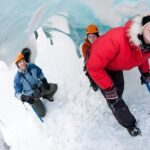
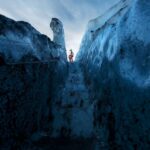
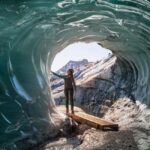
- descend into the glacier (supported by an expert guide), including exploring crevasses
- try ice climbing with basic technique coaching
This is where the included equipment really earns its keep. Harness and rope aren’t just added for show. They’re the safety framework that helps you explore places that would be off-limits on your own.
You don’t need to be an experienced climber to be interested, but you should be prepared to focus. Ice climbing basics are physical, and you’ll want to listen carefully to the guide’s instructions about technique and safe body positioning. If you’re nervous, that’s normal. Good glacier guiding means you’ll be taught how to move, not just asked to brave it.


Small group size: why up to 6 changes everything
With a maximum of 6 travelers, the tour stays in a more manageable zone than big glacier buses. That smaller number affects your whole experience:
- you get more personal attention when gear is fitted
- you’re less likely to feel rushed or stuck behind someone struggling on ice
- the guide can adjust the route based on comfort level
In at least one well-run group experience with guide Ignacio, the group dynamic also stayed personal enough that he could share photos afterward. That kind of touch matters. It’s one less thing you have to juggle while you’re concentrating on staying steady on crampons.
The tradeoff with small groups is logistics. Bigger companies often have more obvious signage or dedicated staging areas. With this operator, you may find the parking lot setup a little less structured—so build in a few minutes to locate the right guide or car.
What to wear and bring so the cold doesn’t win
Cold weather is part of Iceland glacier travel. The tour info is clear on what you should plan for, and I think it’s worth taking seriously. If you’re under-dressed, you’ll spend the hike thinking about your comfort instead of the glacier.
Bring:
- waterproof, stiff hiking shoes (important for crampon stability)
- waterproof jacket and pants
- warm layers you can move in
- hat and gloves
- a comfortable day backpack
- sunglasses
If you’re deciding between warmth and mobility, choose both. You need to be able to move and adjust without feeling like you’ll tear your gear or slip.
And if you’re traveling with service animals, the tour allows them.
Price and value: is $177.44 worth it?
At $177.44 per person for about 3.5 hours, this is priced like a true guided glacier activity—not a casual walk. Here’s how I judge the value:
You get the expensive stuff included. Technical glacier gear (crampons, helmet, harness, rope, ice axe) is the main cost driver in glacier experiences. Including it removes a big hassle, and it also helps ensure everyone uses compatible equipment.
You’re paying for safety + coaching. Glacier travel is technical. The guide time isn’t optional; it’s what makes the experience safe and instructional, especially if you choose the crevasse descent or ice climbing options.
Small group size adds real value. Up to 6 travelers means more attention per person. That can be the difference between feeling confident and feeling lost on ice.
The main question for you is whether you’ll actually use the included equipment and choose a meaningful exploration level. If you’re only looking for a quick photo stop, a glacier hike can feel like too much. If you want to learn and move with proper gear, this price starts to make sense fast.
Who this tour suits best (and who should think twice)
This experience fits best if you:
- want a guided glacier walk with real teaching, not just scenery
- like the idea of choosing how far to go
- are curious about technical skills like ice climbing basics
- appreciate a smaller group setting
It may not be ideal if:
- you’re unwilling to dress for wet, cold conditions
- you don’t want any chance of steeper or more technical movement
- you’re hoping for a purely relaxed, low-effort outing
Most people can participate, but glacier travel still asks for physical readiness and good decision-making on uneven ice.
Book or skip: my practical recommendation
I’d book this if you want a glacier day that feels structured, safe, and instructional—and you’re happy to show up prepared with waterproof layers and proper shoes. The included gear makes it a strong deal, and the small group size helps you get coaching instead of just following behind.
I’d pause before booking if you’re very concerned about finding the right guide in a busy parking lot, or if you’re tempted to show up without stiff, waterproof footwear and real cold-weather protection. On a glacier, those details aren’t fussy extras. They’re the difference between a great time and a miserable one.
If you want to learn how glaciers work and possibly try more than a flat hike, this is a smart way to spend your time in Vik.
FAQ
How long is the Glacier Exploration Hike and Climb?
It runs for about 3 hours 30 minutes.
Where does the tour start and where does it end?
It starts at Sólheimajökull glacier parking lot (221, 871, Iceland) and ends back at the same meeting point.
What time does the tour begin?
The start time is 10:30 am.
What’s included in the price?
Glacier gear is included: rope, harness, crampons, helmet, and ice axe.
What should I bring since it isn’t included?
Bring hiking shoes (waterproof and stiff is best), a waterproof jacket and pants, warm clothes, a hat and gloves, a comfortable day backpack, and sunglasses.
How many people are in the group?
The tour has a maximum of 6 travelers.
What happens if weather is poor?
The experience requires good weather. If it’s canceled due to poor weather, you’ll be offered a different date or a full refund.