If you’re trying to work out what to actually book, the truth is the country is small enough that you don’t need to over-think it, and big enough that the right tour matters. A week here can feel like a fortnight or a long weekend depending on how you slice it. The wrong day trip drains 11 hours and leaves you cold and unimpressed; the right one is the thing your friends back home will still be hearing about at Christmas.
So this is the lay of the land. Every tour type that’s worth your time, who runs the better versions, what each one really costs in ISK, and a clear pointer to the dedicated guide for each category if you want the deep dive. Use it as a router. Skim, find the section that sounds like your trip, follow the link.
In This Article
- Day tours from Reykjavik
- Fire and Ice tours
- Glaciers, geysers, and the Golden Circle
- Photography tours
- Bird watching tours
- Customised and private tours
- Reykjavik city breaks
- The other tours worth knowing about
- Northern Lights chases
- Whale watching
- Ice cave tours
- Snowmobile and super-jeep
- Horse riding
- Multi-day Ring Road tours
- Self-drive packages
- The big tour operators, and what each is best for
- What it actually costs in ISK
- How to choose
- The “I’d skip” list
- Booking practicalities
- Westfjords and the lesser-known regions
- Where to go next
Day tours from Reykjavik
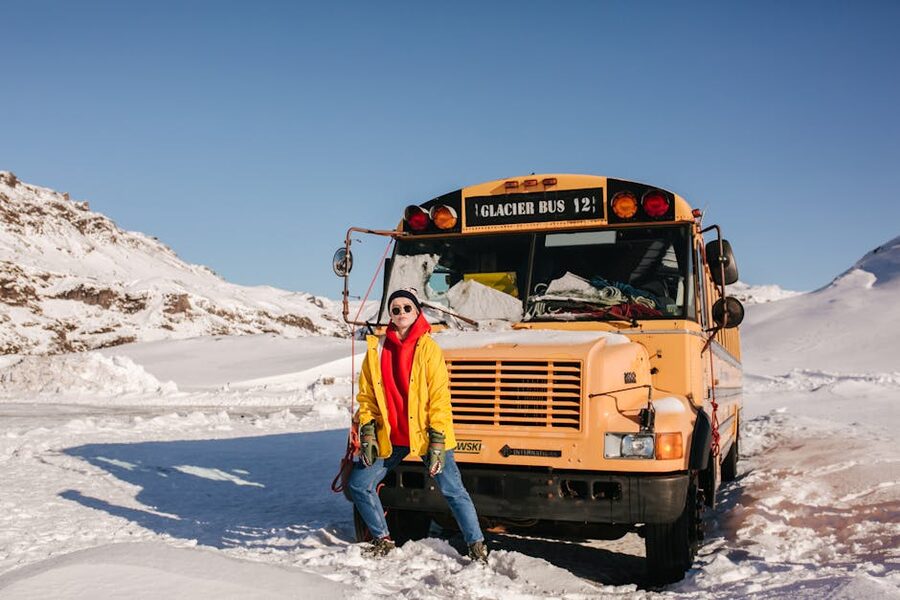
This is the tour type most first-time visitors should start with. You base yourself in a Reykjavik hotel, eat dinner in 101 every night, and let a coach handle the long drives. The Golden Circle, the South Coast as far as Vík, Snæfellsnes peninsula, the Reykjanes lava fields. All do-able from a single hotel without ever touching a rental car steering wheel.
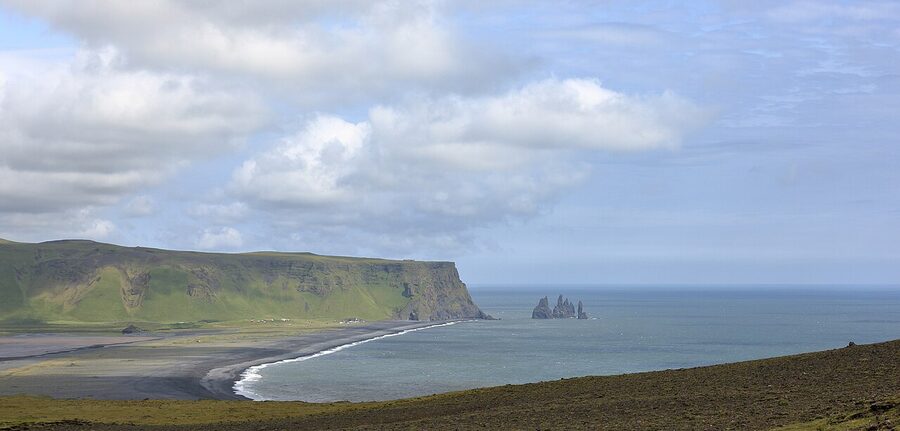
The classic three are: the Golden Circle (Þingvellir, Geysir, Gullfoss, around 8 to 9 hours, 11,000 to 13,000 ISK on the big coaches with Reykjavik Excursions or Gray Line), the South Coast (Seljalandsfoss, Skógafoss, Reynisfjara, 10 to 11 hours, around 13,000 to 16,000 ISK), and Snæfellsnes (Kirkjufell, the small fishing villages, 11 to 13 hours, 18,000 to 22,000 ISK). Add whale watching from the Old Harbour as a half-day shoulder trip, around 11,500 ISK with Elding.
The thing nobody tells you is that the price gap between the big coach operators and the small-group minibus operators is real but smaller than it looks. A 50-seat Reykjavik Excursions Golden Circle coach is around 11,990 ISK. A 16-seater with Bus Travel Iceland or Iceland Horizon is 15,000 to 22,000 ISK. You pay 3,000 to 10,000 ISK extra for actual conversation with the guide, a couple of extra stops, and not having to queue 20-deep at the lunch place. If it’s your first day in the country and you’re hung over from the flight, the big coach is fine. If it’s day three and you’ve earned a quieter ride, pay the extra.
I’d book day tours when: you’re in Reykjavik for 3 to 5 nights, you don’t fancy driving in winter, you want to do one or two big-ticket sights without committing to a multi-day trip, or you’re a solo traveller and a private driver is mathematically silly.
I’d skip day tours when: you’ve got more than five days, you’re comfortable behind a wheel, and the regions you actually want to see are past Vík (the South Coast bus turns around there) or past Akureyri (no day tour reaches the east).
For the long version with named operators, pickup logistics, what’s actually included in the lunch stop and which routes are worth the small-group upgrade, see the best day tours from Reykjavik guide.
Fire and Ice tours
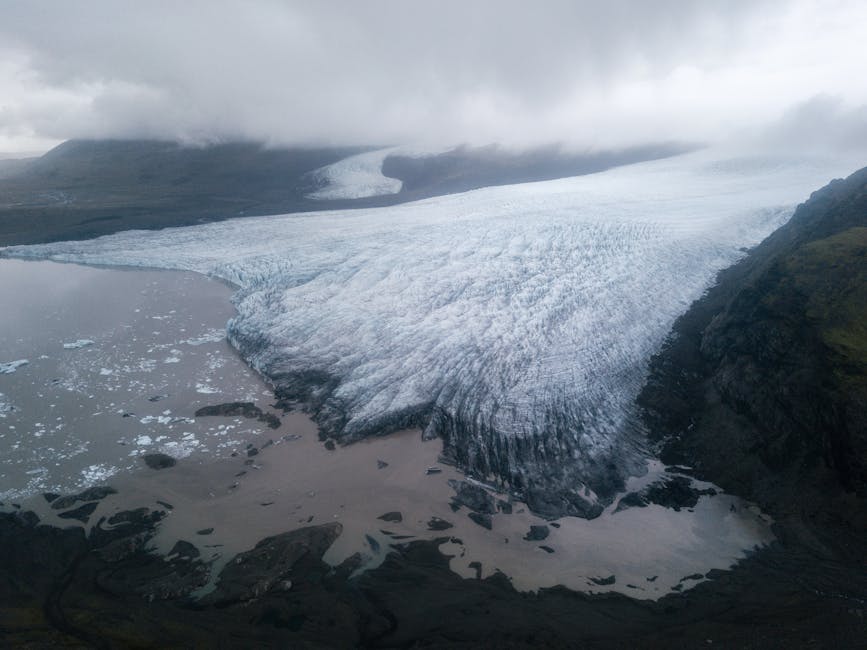
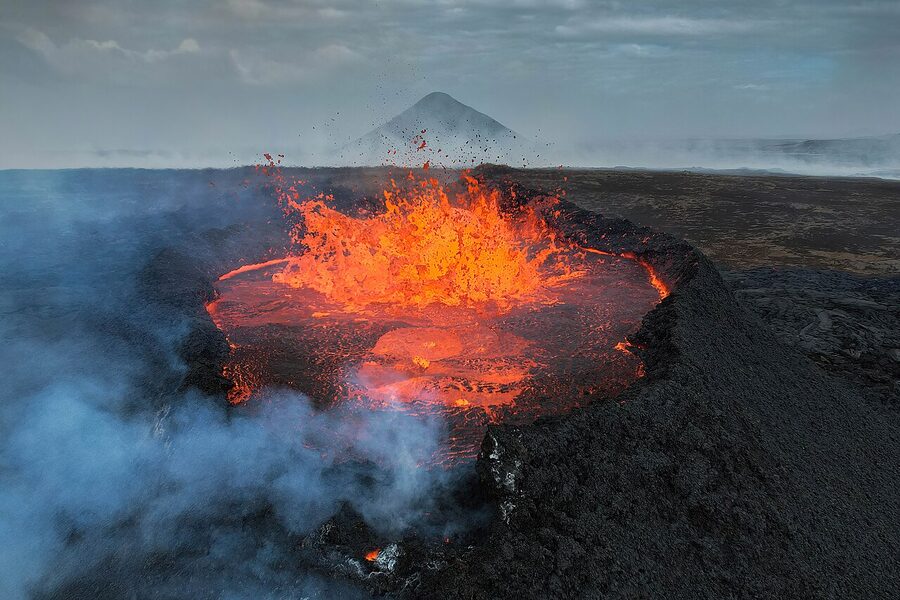
The phrase is on every brochure for a reason: the country sits on the Mid-Atlantic Ridge, has 30-odd active volcanoes, and around 269 glaciers covering roughly 10% of the surface. The ice is literally sitting on the fire. A fire and ice tour is one that puts you within touching distance of both halves on the same trip.
In practice that’s two or three days minimum, often a multi-day package. You’ll do a glacier hike or an ice cave on Vatnajökull’s southern tongues (Sólheimajökull, Skaftafell, Falljökull), and you’ll walk on a recent lava field somewhere on the Reykjanes peninsula or near the 2021 to 2024 Fagradalsfjall and Sundhnúkagígar flows. Some of the rock is still warm where you put your hand to it. The contrast is the whole point.
For the volcano half, the headline tour is Inside the Volcano with 3H Travel: a chain-lift down 120 metres into the magma chamber of Þríhnúkagígur, the only place on Earth you can do this. Around 50,000 ISK, runs May through October only. Worth it once. For the ice half, a 3 to 4 hour glacier hike on Sólheimajökull with Arctic Adventures or Mountaineers of Iceland is the standard, around 15,000 ISK and bookable as a day trip from Reykjavik. Ice caves are November to March only and significantly more expensive (25,000 to 40,000 ISK depending on the cave).
Best months: late September through early March for the full combination, because that’s when ice caves open. You can do the volcano half year-round but pair it with a glacier hike rather than a cave if you’re here outside cave season.
For named operators, ice cave alternatives, the difference between Vatnajökull and Langjökull, and the awkward truth about which “fire and ice” packages are mostly bus rides, see the fire and ice tours of Iceland guide.
Glaciers, geysers, and the Golden Circle
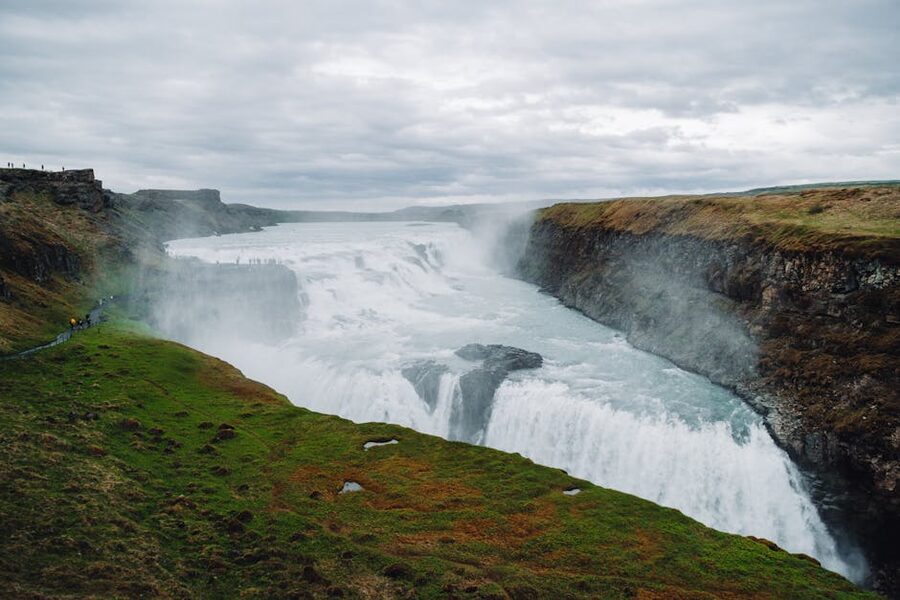
If a fire and ice tour is the two-night version, this is the one-day version, and it’s the single most-booked thing in the country. Þingvellir National Park, the Geysir geothermal field with Strokkur erupting every eight minutes or so, and Gullfoss waterfall. About 230 km in a triangle from Reykjavik. Add a 3-hour glacier hike on Sólheimajökull at the back end and you’ve covered Iceland’s two best geological stories in a long day.
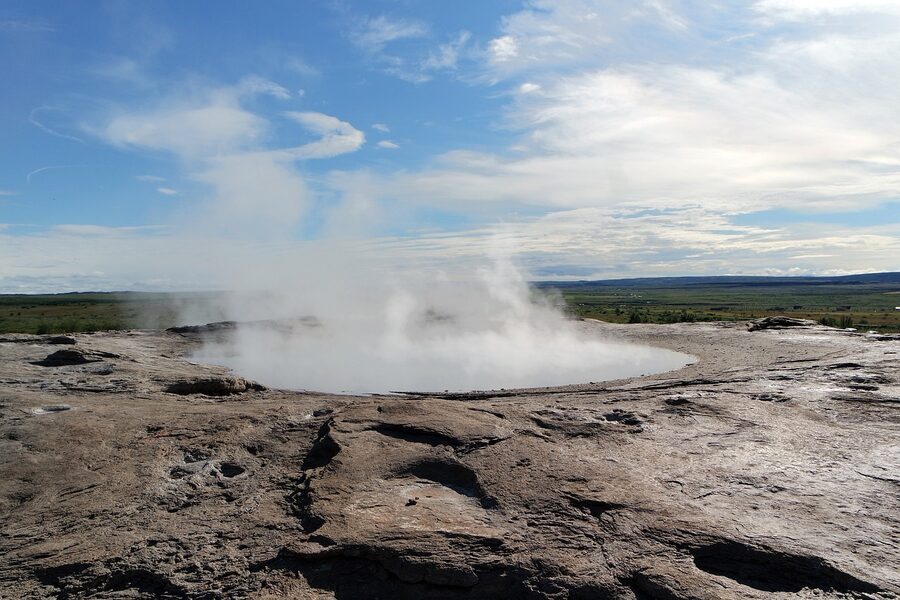
The combo tour (Golden Circle plus glacier hike) runs around 30,000 to 35,000 ISK with Arctic Adventures or Troll Expeditions and takes about 12 hours. The Golden Circle on its own, no glacier, is 11,000 to 13,000 ISK and takes 8 to 9. There’s a half-day “express” Golden Circle that compresses it into 6.5 hours but honestly, the loop deserves the extra time.
One thing the brochures undersell: in summer you can sometimes add the Secret Lagoon (the older, scruffier, nicer one) at Flúðir for the bath at the end. In winter you’ll often pair the Golden Circle with a Northern Lights chase that night, leaving Reykjavik again at 9 p.m. It’s a long day. Pace yourself.
For the route in detail, what’s actually worth your time at each stop, which operators pad the loop with weak filler stops and which don’t, and how to do the loop yourself with a rental car if you’d rather, the Iceland’s glaciers, geysers and Golden Circle guide is the long version.
Photography tours
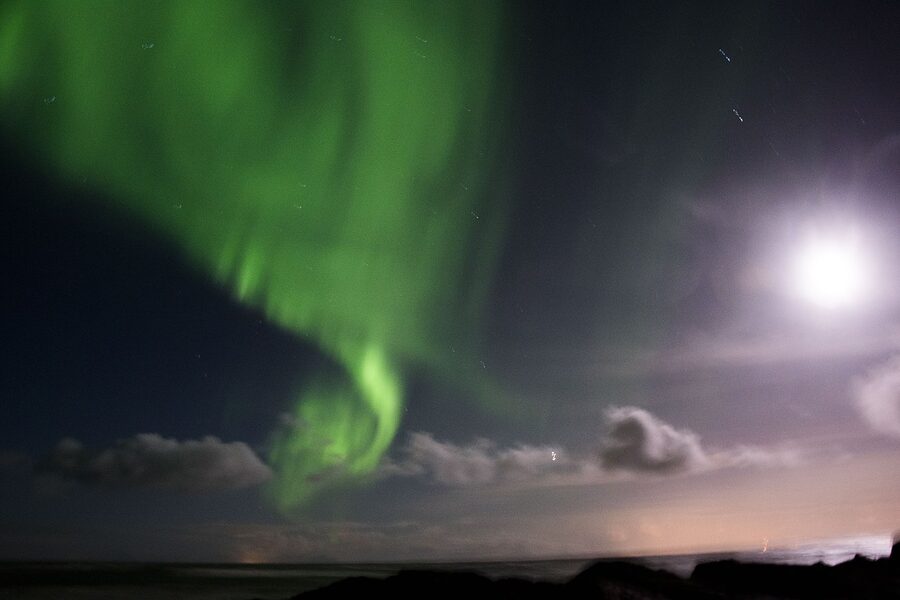
This category covers a wider range than it sounds. At the cheap end, a half-day “photo walk” out of Reykjavik with a guide who knows the polariser-on moments. Around 18,000 ISK. At the serious end, a 10 to 14 day workshop led by a working landscape photographer with five to ten participants, two 4x4s, hotels booked along a route built around sunrise and sunset times, and instruction in the field. Around 4,500 to 6,000 EUR (roughly 650,000 to 870,000 ISK at time of writing) all-inclusive.
The middle ground is a 2 to 4 day private tour with a driver-guide-photographer to yourself. Around 450,000 to 600,000 ISK total for three days, regardless of group size. If there are four of you splitting, that’s actually competitive.
The thing that makes a photo tour different from a sightseeing tour is the schedule. A normal Golden Circle bus arrives at Geysir at 11:15 and is at Gullfoss by 12:30. A photo tour pulls in at 7 a.m. before the coaches arrive, waits two hours for the steam to do the right thing in the cold, and leaves when the light flattens out. Fewer places. Longer at each one. Group sizes capped at six to ten, more than that and you spend the trip queuing for the same composition.
Best season is winter, and not by a small margin. The aurora is only visible late August through April. Ice caves only exist November through March. Low-angle golden hour lasts hours instead of minutes. Most serious workshops are December to February trips for a reason.
For workshop operators worth the money (Iurie Belegurschi, Daniel Kordan, Iceland Photo Tours), what to bring, and the difference between a “photo tour” and a tour with a guide who happens to mention exposure, the photography tours of Iceland guide is where to go next.
Bird watching tours
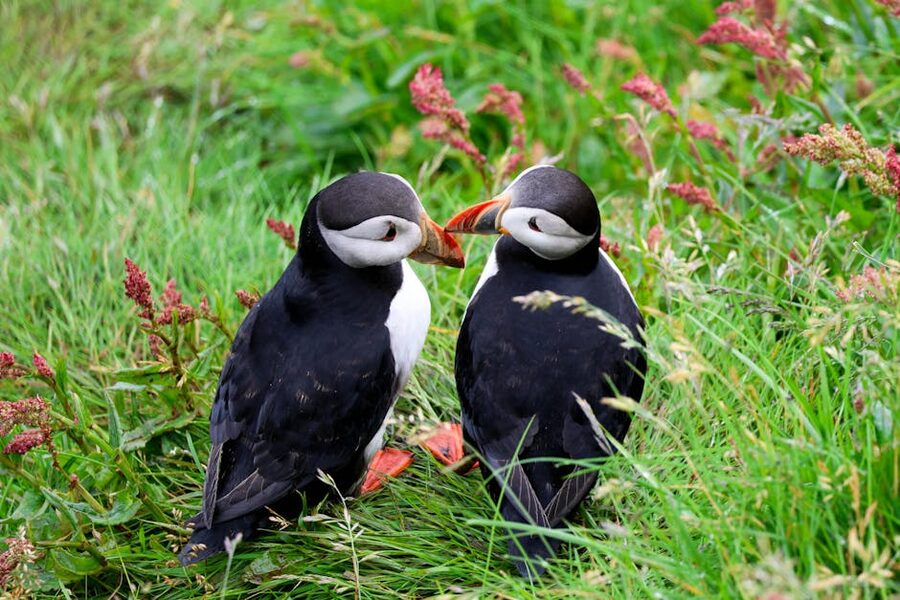
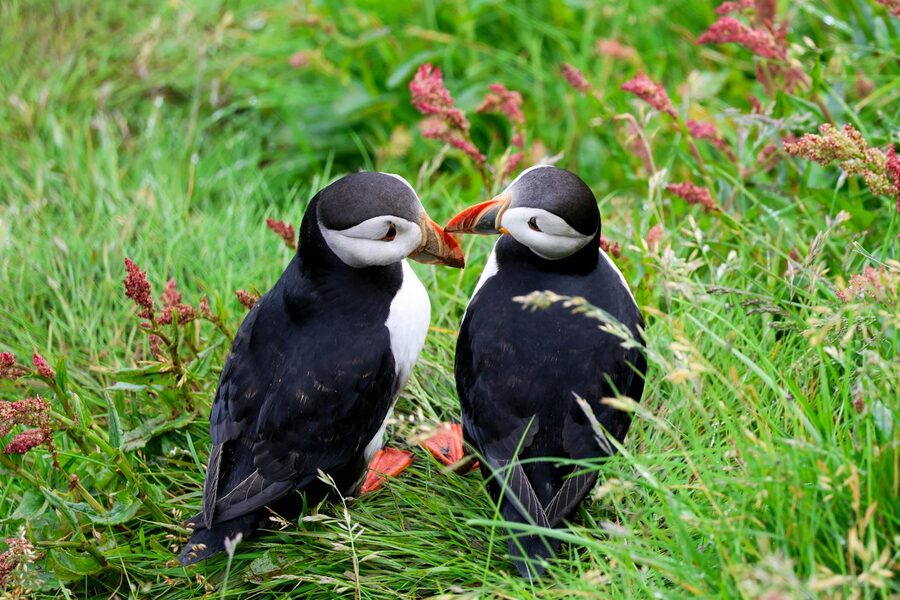
Iceland is not the Galápagos. We’ve got around 70 to 80 breeding species in any given summer, which is small by world standards, but what we do have is sheer numbers and a setting that puts the birds within touching distance. About 60% of the world’s Atlantic puffins nest here. Látrabjarg in the Westfjords is the largest sea-cliff bird colony in Europe, 14 km long and 440 m high. Mývatn in the north is the only place in Europe you can reliably tick Barrow’s goldeneye and harlequin duck on the same morning.
The window matters more than anything else you read in this section. Puffins arrive at the cliffs around mid-April, lay a single egg in May, and depart by mid-August. Late May through the first week of July is the sweet spot, when migrants have arrived, males are still in clean breeding plumage, and the midnight sun gives you photography light past midnight.
For a casual visitor, a 2-3 hour boat tour from Reykjavik’s Old Harbour with Special Tours runs around 9,500 ISK and gets you out to Akurey and Lundey islands where puffins nest by the thousand. For something more committed, the Vestmannaeyjar (Westman Islands) ferry plus a guided walk on Heimaey’s Stórhöfði is the most accessible serious puffin colony, 18,000 to 25,000 ISK as a day from Reykjavik. For dedicated birders, a Westfjords trip with a specialist operator (Iceland Travel and Wild Iceland Tours both run birding-themed weeks) is 4 to 7 days, 350,000 ISK and up.
For the species list, when each cliff is at its loudest, the Mývatn duck calendar, and the operators who actually know a kría from a krummi, see the bird watching tours in Iceland guide.
Customised and private tours
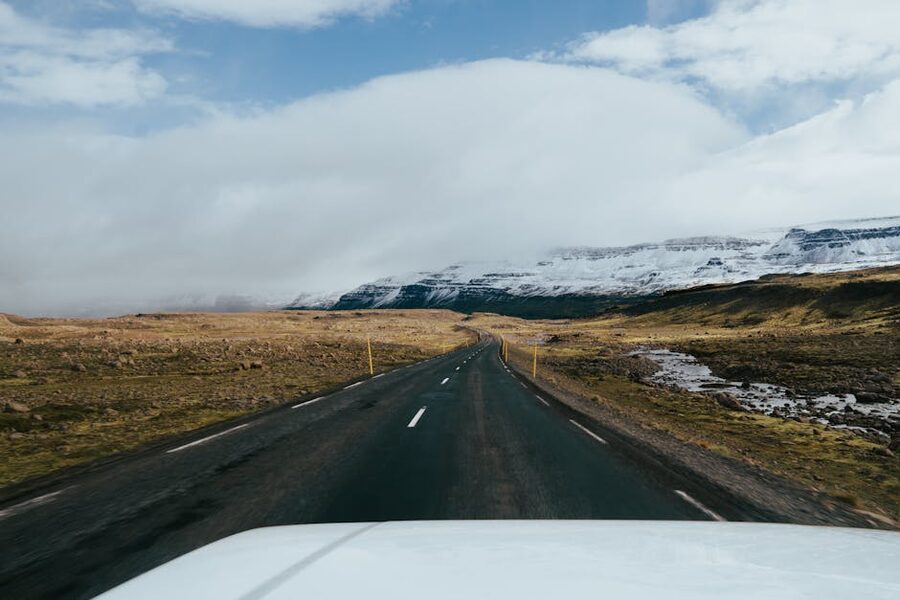
A custom Iceland tour means a trip designed for you, not for a coach that needs 40 seats sold. You pick the dates, the regions, the pace, the interests. An operator works with you on the route, books the hotels, arranges the car or the guide, and hands you an itinerary you can change at 7 a.m. when the forecast does the inevitable. That last part is the one people underestimate. Iceland’s weather rewrites plans almost every week of the year, and a custom trip has slack built in.
Custom wins when you want a region that isn’t the Golden Circle or the south coast (the Westfjords, the east, the highlands, the north past Akureyri are all thinly served by scheduled tours), when you’ve got a specific interest (photography, birding, geology, food, horses, knitting, there’s a specialist for each), or when you’re travelling with someone whose pace doesn’t match a 40-person bus (kids under ten, parents in their seventies, a honeymoon).
The economics matter. A scheduled Reykjavik Excursions Golden Circle is around 11,000 ISK per person. A driver-guide for the same day with just you in the vehicle is north of 150,000 ISK regardless of group size. The maths only works if there are three or four of you splitting the cost, or if the trip has a complexity (multi-day route, off-pavement driving, photography stops, accessibility needs) that no scheduled tour handles.
Operators that build proper custom Iceland trips: Hidden Iceland, Nordic Visitor, Iceland ProTravel, Iceland Travel, Wild Iceland Tours. They’re not all the same. Some are luxury (Hidden Iceland), some specialise in self-drive packages with custom routes (Nordic Visitor), some are best for groups with a specific theme. Get on the phone or email with two or three before booking.
For how to brief a custom-trip designer, what a realistic budget looks like for 5, 7, and 10 days, and when you’re better off booking a scheduled tour despite the urge to go bespoke, see the how to plan a custom Iceland tour guide.
Reykjavik city breaks
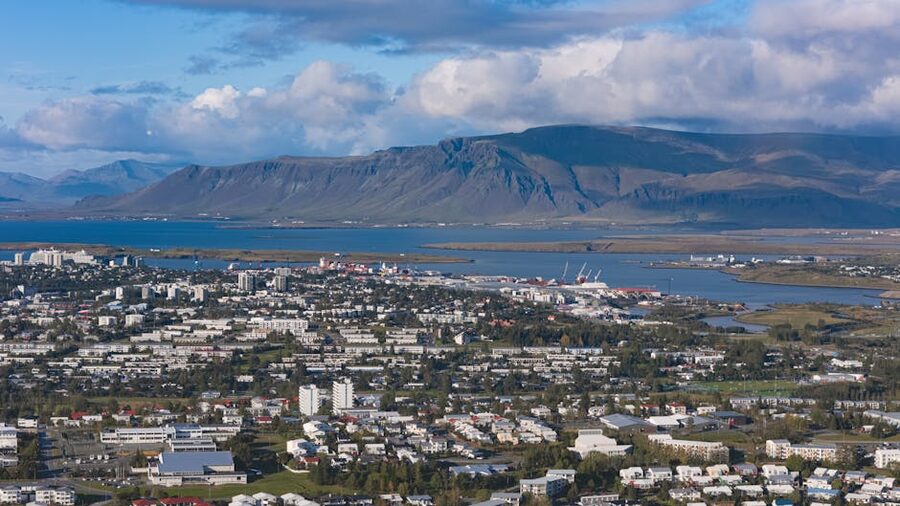
You can do Reykjavik in 48 hours. You can do it in five days. Most people get the balance wrong on their first trip, either booking three nights and renting a car they don’t need, or booking a single hotel and trying to bus the Ring Road from it. The right shape is somewhere in the middle.
A 2-day shape gets you the city: Hallgrímskirkja, Harpa concert hall, the Old Harbour, dinner at Matur og Drykkur or Apótek, and one geothermal pool (Sundhöllin or Vesturbæjarlaug, not the Blue Lagoon). A 3-day shape adds the Golden Circle as a day trip. A 5-day shape adds the South Coast or Snæfellsnes, plus a slower city evening or two with Hotel Holt’s bar and a film at Bíó Paradís.
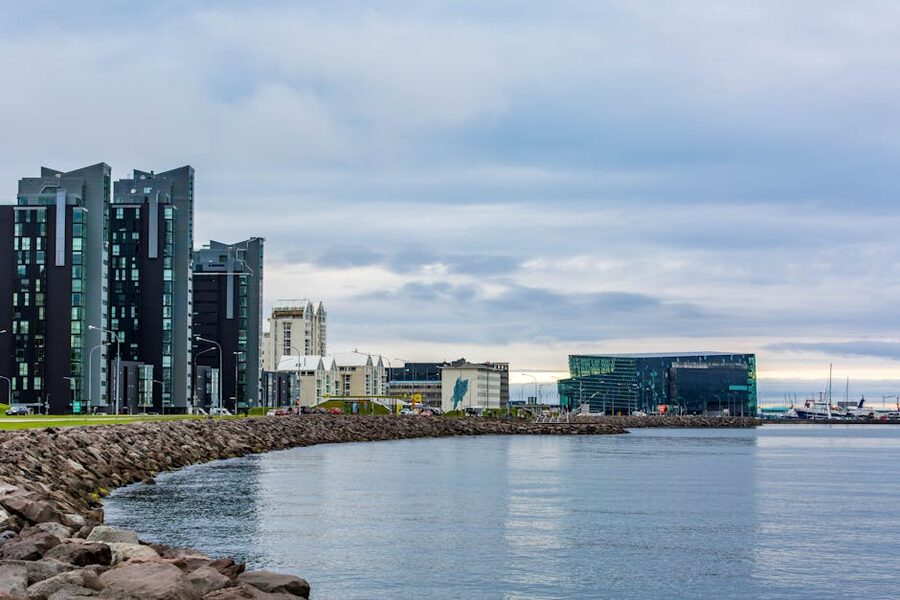
Cost reality: a pint in 101 is around 1,500 ISK, a casual main course starts at 3,500 ISK, a sit-down dinner with two glasses of wine each is 25,000 to 35,000 ISK before tip (we don’t tip much, but we do tip), and a mid-range double in summer regularly hits 50,000 ISK a night. None of this is a budget weekend. Plan for it. Don’t, and you’ll open the bill in panic.
For specific hotel picks at every budget, the meal-by-meal restaurant list, which day trips are worth giving up an evening in town for, and the 2 versus 3 versus 5-day question answered in detail, see the Reykjavik city break: 2 to 5 day itineraries guide.
The other tours worth knowing about
The seven categories above cover most visitors. But several specialised tour types deserve a mention because they get asked about a lot and the booking choice isn’t obvious.
Northern Lights chases
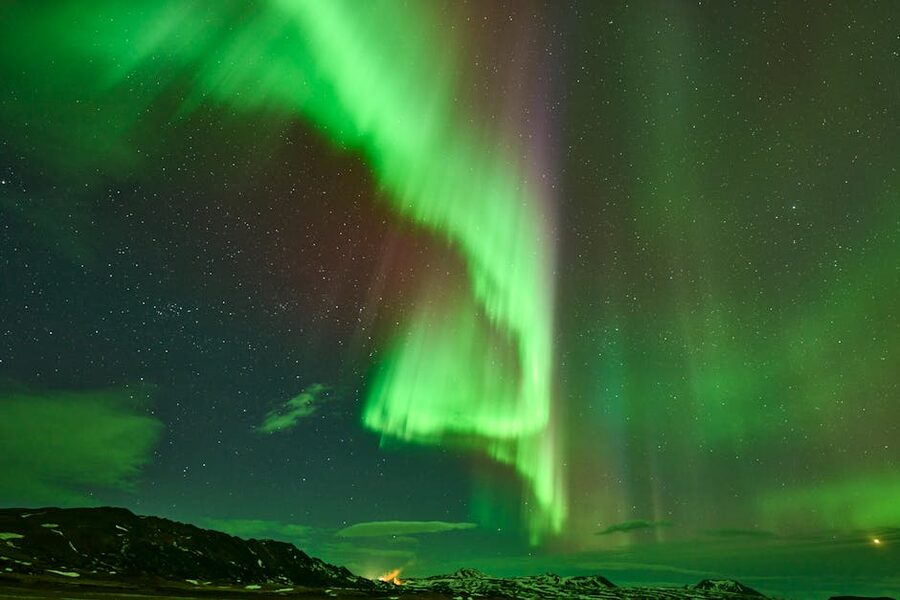
The aurora is visible late August through April, peak between October and March. From Reykjavik, the standard chase is a 4 to 5 hour bus tour leaving at 9 or 10 p.m., heading wherever the weather is clearest, and standing in a cold field for an hour. Around 11,000 to 13,000 ISK with Reykjavik Excursions or Gray Line. If the lights don’t appear, most operators give you a free re-book for another night.
The honest version: the bus tours work but they’re a herd. A small-group jeep chase with a guide who actually checks aurora forecasts (search “Aurora Reykjavik” or “Mountaineers of Iceland” private chase) is more like 25,000 ISK and dramatically better. If you’re staying outside Reykjavik (Hella, Vík, Hofn, Akureyri), check the forecast and just walk outside. No tour required. The lights don’t care that you booked anything.
Whale watching
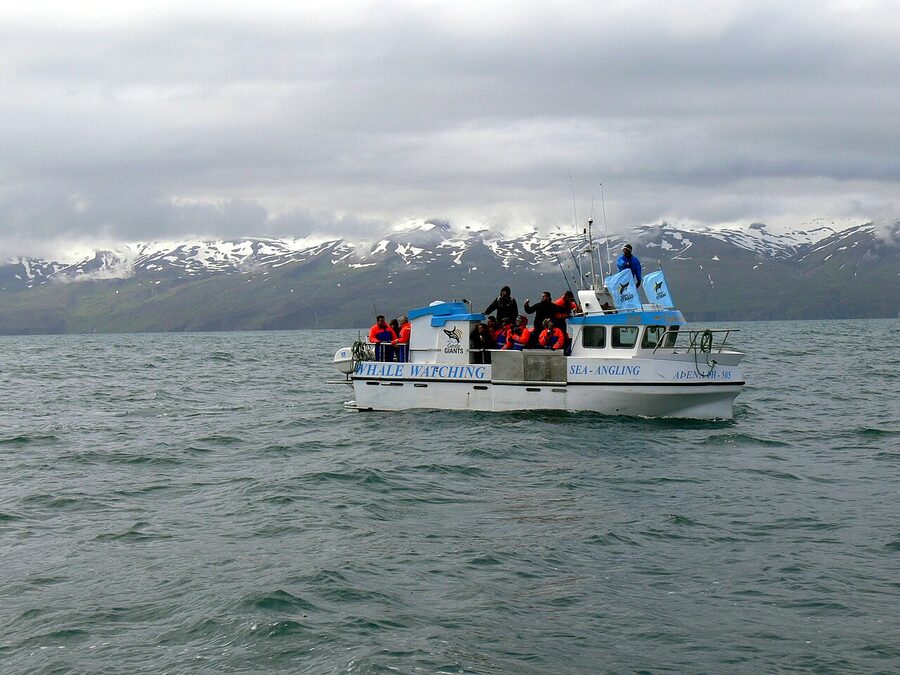
Two main bases: Reykjavik’s Old Harbour for Faxaflói Bay (April to October, sightings 90% in summer, mostly minkes and humpbacks, around 11,500 ISK with Elding for 3 hours), or Húsavík in the north (May to September, 95% sighting rate, much better for humpbacks and the occasional blue whale, around 11,900 ISK with North Sailing on a traditional oak boat).
If you’ve got the time and you’re going to Akureyri anyway, Húsavík is the real one. The bay is shallower, the food is denser, the whales come closer to the boat. The Faxaflói trips from Reykjavik are perfectly fine but feel more like a sightseeing cruise. North Sailing also runs an electric-hybrid schooner, the Opal, which is the quietest whale-approach experience in Europe.
Ice cave tours
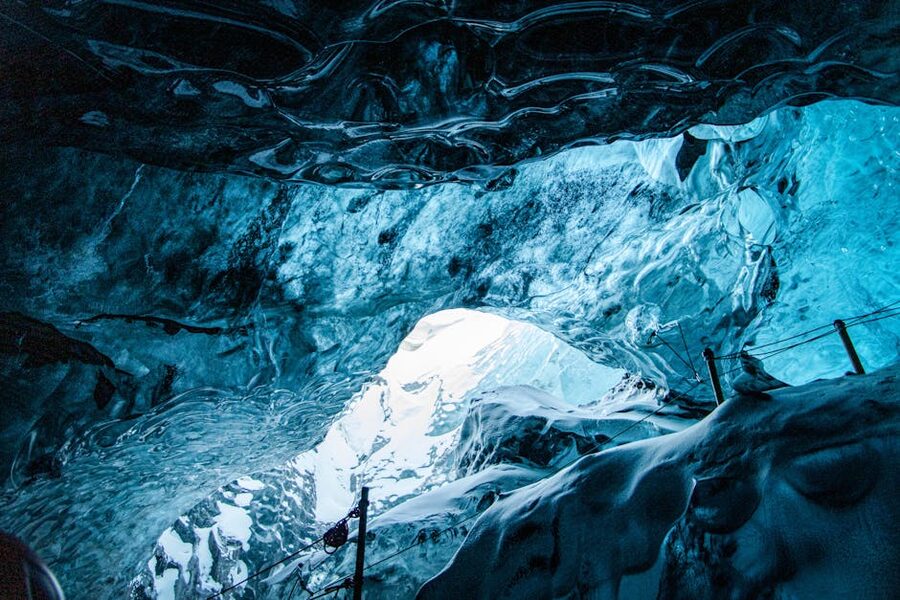
Natural ice caves only exist November through March, when meltwater flow is low enough for the caves to be safe to enter. The most-bookable are at the southern edge of Vatnajökull, accessed from Jökulsárlón or Hofn. A typical day tour costs 25,000 to 40,000 ISK, includes super-jeep transport from a meeting point, helmet and crampons, and 1 to 2 hours inside the cave with a glaciologist guide. Local Guide of Vatnajökull and Glacier Adventure are both reliable.
For year-round ice cave tours, Langjökull’s Into the Glacier is a manmade tunnel through 500 metres of ice. Around 28,000 ISK with the access from Húsafell. Not a natural cave but a fair substitute when you’re here in July and the real ones don’t exist yet.
Snowmobile and super-jeep
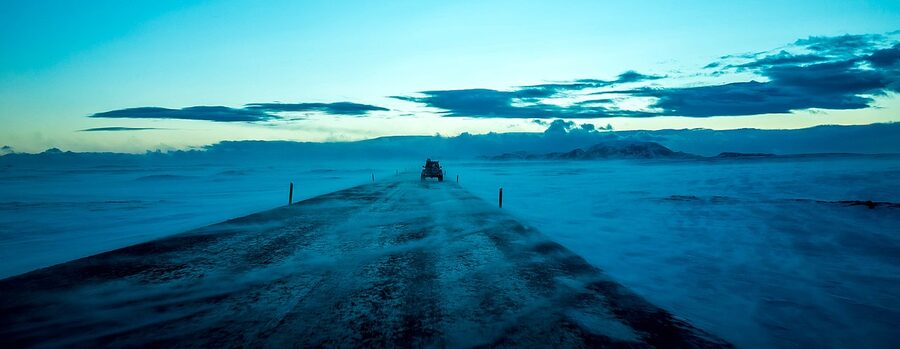
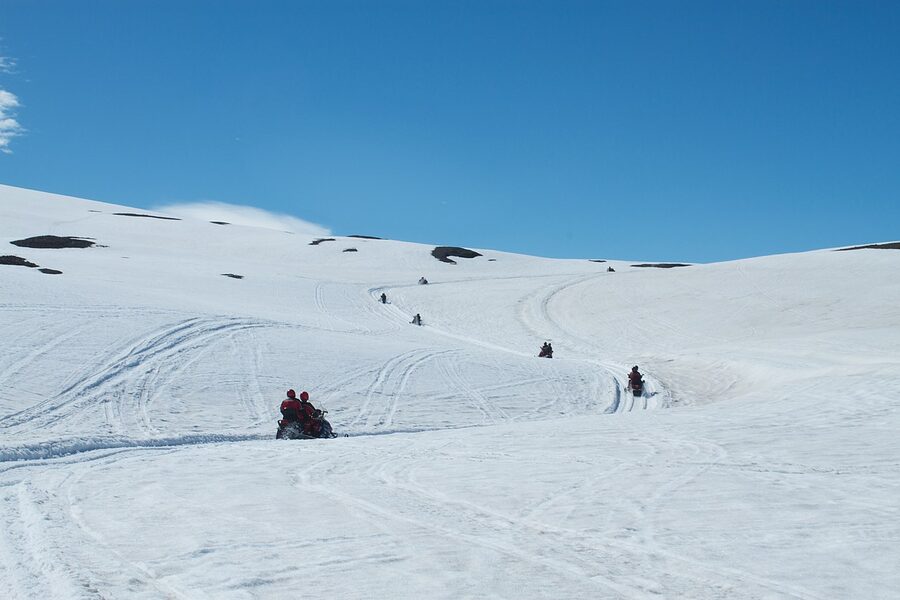
Snowmobile tours run on Langjökull (the closest glacier to Reykjavik, 2-3 hours each way) or Mýrdalsjökull above Vík. A two-hour ride costs 35,000 to 45,000 ISK with Mountaineers of Iceland or Arctic Adventures, transport from Reykjavik included on the longer packages. Genuinely fun for an hour, then your hands get cold and you start wishing you’d booked a glacier hike instead. Worth doing once.
Super-jeep tours are a different beast: a modified Land Cruiser with 38-inch tyres and locking differentials, used to access places normal vehicles can’t reach. Highland routes (Landmannalaugar, Þórsmörk, Kerlingarfjöll) in summer, ice cave access in winter. Day tours from Reykjavik run 35,000 to 50,000 ISK. Where they really earn their keep is the multi-day trips into the highland interior in July and August.
Horse riding
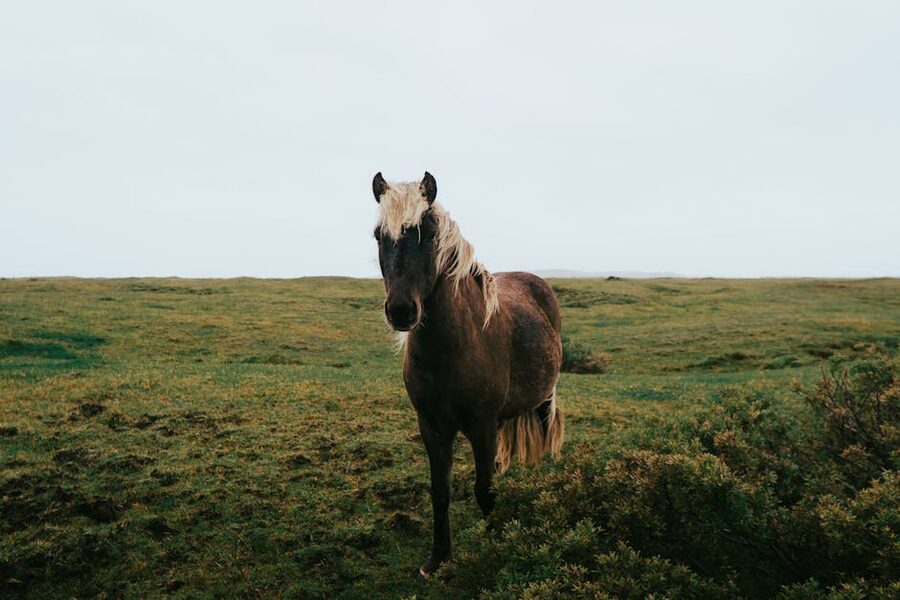
The Icelandic horse is unique. Smaller than most other breeds, gentler, and able to do a smooth four-beat tölt that you can ride at speed without bouncing in the saddle. By law, no horse has entered the country since 982 AD, so the breed is a closed gene pool. Even the disease isolation matters: an Icelandic horse that leaves the country can never come back.
For tourists, a 1 to 2 hour ride at one of the Reykjavik-area stables (Íshestar, Eldhestar, Laxnes Horse Farm) is around 14,000 to 18,000 ISK and includes pickup. You don’t need riding experience. For something more serious, a 5 to 8 day pack-horse tour through the highlands (Íshestar’s Landmannalaugar trip is the classic, around 350,000 ISK) is one of the best things you can do here if you can stay on a horse for six hours a day.
Multi-day Ring Road tours
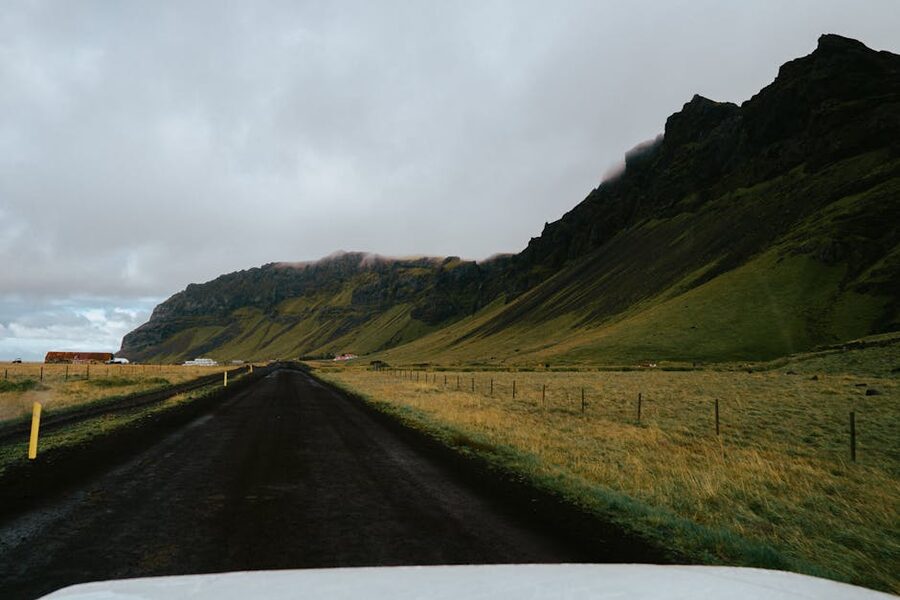
The Ring Road (Route 1) is the 1,332 km loop that goes round the country, and the multi-day tour that follows it is the country’s classic packaged trip. Reykjavik Excursions, Gray Line, and Iceland ProTravel all run 7 or 8-day guided coach versions, around 350,000 to 500,000 ISK including hotels and most meals. Pace is brisk. You’ll do 200 to 350 km a day, see one major sight before lunch and another after, sleep in a different town every night.
The honest version: a guided Ring Road coach tour is exhausting. You’re on the bus 5 to 7 hours daily and the weather decides what you actually see. If you’re determined to see the whole country in a single trip and you don’t want to drive, it’s the right tool. If you’ve got more time, a self-drive Ring Road over 10 to 14 days is a noticeably better experience.
Self-drive packages
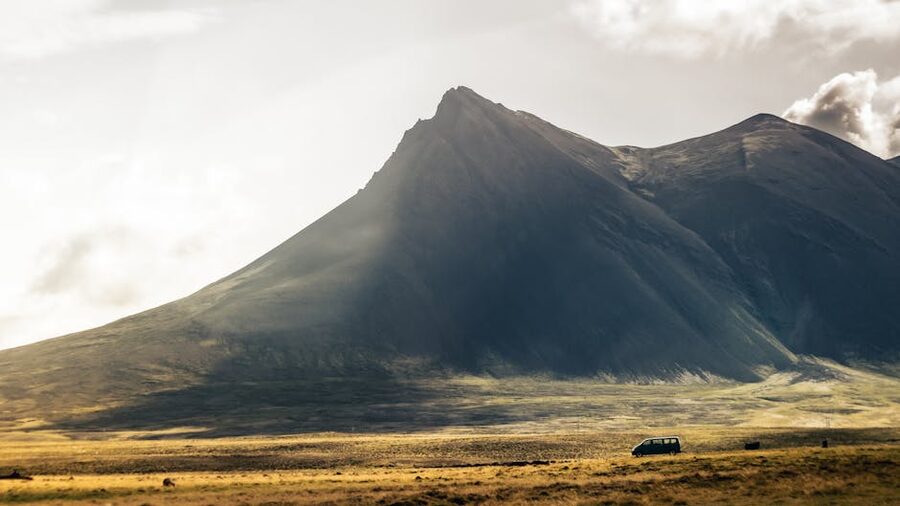
A self-drive package is a hybrid: an operator builds the route, books the rental car and the hotels, hands you an itinerary, and you drive yourself. Around 200,000 to 400,000 ISK for 7 to 10 days, depending on car category and hotel tier. Nordic Visitor and Iceland Tours both dominate this segment and have done for years. The advantage over booking it all yourself is the operator handles the weather rebooking when Route 1 closes east of Vík and you suddenly need a different hotel.
Best for: couples and small families with 7 days or more, comfortable driving, who want flexibility but don’t want to deal with the logistics. Less good for: solo travellers (the per-person cost climbs sharply) and anyone visiting in deep winter without snow-driving experience.
The big tour operators, and what each is best for
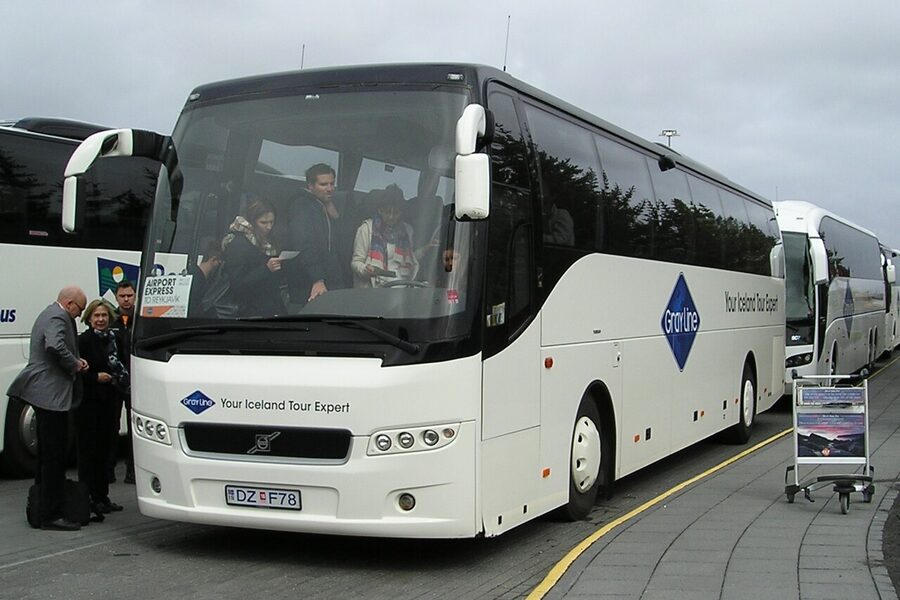
Six names come up over and over in any Iceland tour conversation. Worth knowing what each is best for.
Reykjavik Excursions is the biggest day-tour operator, runs the Flybus from Keflavík airport, and dominates the big-coach Golden Circle, South Coast, and Northern Lights chases. Reliable, professional, the trips you’d book if you’re booking your first tour and don’t want to overthink it. Never the most exciting, never the worst.
Gray Line Iceland is essentially the second-place equivalent. Same routes, same coaches, similar prices. They run the alternative Flybus equivalent and most travel agents will book one of these two without distinguishing. Tossup.
Arctic Adventures is the brand for active day tours: glacier hikes, snowmobile, snorkelling at Silfra, ice caves. They’ve absorbed several smaller specialist operators over the past decade. Generally good, occasionally feel a bit factory-tour at peak season. Their multi-day combinations (glacier hike plus ice cave plus Golden Circle) are well-organised.
Iceland ProTravel (sometimes “Iceland ProCruises”) runs guided multi-day coach tours, particularly the Ring Road and the highland routes. Mid-priced. German ownership, German efficiency. Well-suited to retirees and families who want a structured trip.
Nordic Visitor is the self-drive king. They’ve been doing it for 25 years and the operation runs like a clock. If you want a self-drive package with hotels and route pre-booked but you drive yourself, start here.
Hidden Iceland is the small-group, slightly-luxury operator. Three-night to seven-night packages, two guides per group, hotels above the average tier, and prices to match (typically 2x the equivalent Reykjavik Excursions tour). Worth it if you want quality over quantity.
A few smaller names worth knowing: Iceland Travel for big custom packages, Wild Iceland Tours for theme-led private trips, Mountaineers of Iceland for snowmobile and glacier specialism, Troll Expeditions for budget-friendly small group day tours. Each has its niche.
What it actually costs in ISK
A rough framework, current as of 2026 and inflation-prone like everything in this country.
Day tours: 9,500 to 22,000 ISK depending on length and group size. Half-day whale watching at the cheaper end, a small-group South Coast or Snæfellsnes tour at the upper end.
Combo day tours (Golden Circle plus glacier hike, or South Coast plus ice cave): 25,000 to 40,000 ISK. The activity component is what pushes the price.
Specialised activity tours (snowmobile, ice caves, Silfra snorkel, Inside the Volcano): 25,000 to 50,000 ISK. Inside the Volcano is the most expensive day activity in the country at around 50,000 ISK.
Multi-day guided coach tours (Ring Road, north, highlands): 350,000 to 500,000 ISK for 7 to 8 days, hotels and most meals included. A few luxury versions run 700,000 ISK plus.
Self-drive packages (Nordic Visitor, Iceland Tours): 200,000 to 400,000 ISK for 7 to 10 days, depending on car category and hotel tier.
Custom private tours: from 250,000 ISK per day for two people with a private driver-guide, going up sharply with luxury hotels and longer routes. A 7-day fully-private trip can hit 2 million ISK for a couple. Group of four splits the cost beautifully though.
Photography workshops with a known photographer: 4,500 to 6,000 EUR (650,000 to 870,000 ISK) for 10 to 14 days, all-inclusive.
How to choose
I get asked this constantly, often over a beer at a Reykjavik bar. The answer depends on a few things.
How long are you here? Under 4 nights, do day tours from Reykjavik. 5 to 7 nights, mix day tours with one short multi-day (a Snæfellsnes overnight, or a 3-day south coast push to Jökulsárlón). 8 nights or more, consider a self-drive Ring Road or a custom-designed itinerary.
What season? Summer (June through August) is for puffins, midnight sun, the highlands, and the Ring Road. Winter (November through March) is for aurora, ice caves, snowmobile, and short days. Spring and autumn are the smartest financial windows: thinner crowds, lower prices, real chance at all the seasonal activities except puffins (gone by September) and ice caves (closed until November).
Solo, couple, family, or group? Solo travellers get the best value from scheduled day tours. Couples can split a private driver-guide and start to make custom tours economic. Families with kids under 12 should lean towards custom or small-group, the 50-seat coaches are tough on a 7-year-old. Groups of four or more can do almost any kind of tour, including bespoke driver-guide trips, at a per-person cost similar to small-group scheduled.
Budget? Tight: pick one big-ticket day tour (Inside the Volcano, ice cave, glacier hike) and otherwise self-drive the south coast in a Toyota Yaris from Blue Car Rental. Mid: book a small-group tour for the longer day trips, a Reykjavik Excursions Flybus airport transfer, and one combo activity. Generous: a fully private custom trip with Hidden Iceland or Iceland ProTravel, hotels above the standard tier, and a private guide for the days that matter.
Special interest? If your visit is built around photography, birding, geology, food, or horses, book a specialist. The general tour operators are competent at the headline sights but won’t take you to the second-best puffin colony for the morning light or hold the bus while you wait for an eruption to start. Specialist operators will. They cost more. They’re worth it for the right reason to be here.
The “I’d skip” list
A short list of things I’d skip, or at least think twice about, in the spirit of a friend pointing it out.
The Blue Lagoon as a destination tour. The lagoon itself is fine. Worth a visit if you’ve never been. But booking a full half-day “tour” from Reykjavik that’s really just a bus there, a 2-hour soak, and a bus back is poor value at 18,000 to 25,000 ISK. The bath alone is 9,000 to 12,000 ISK depending on time slot, and you can take the Reykjavik Excursions shuttle from BSÍ for 6,500 ISK return. Save the rest. If you want a quieter, less crowded geothermal experience, Sky Lagoon is closer to town and arguably nicer, and Krauma at Deildartunguhver is the local insider pick.
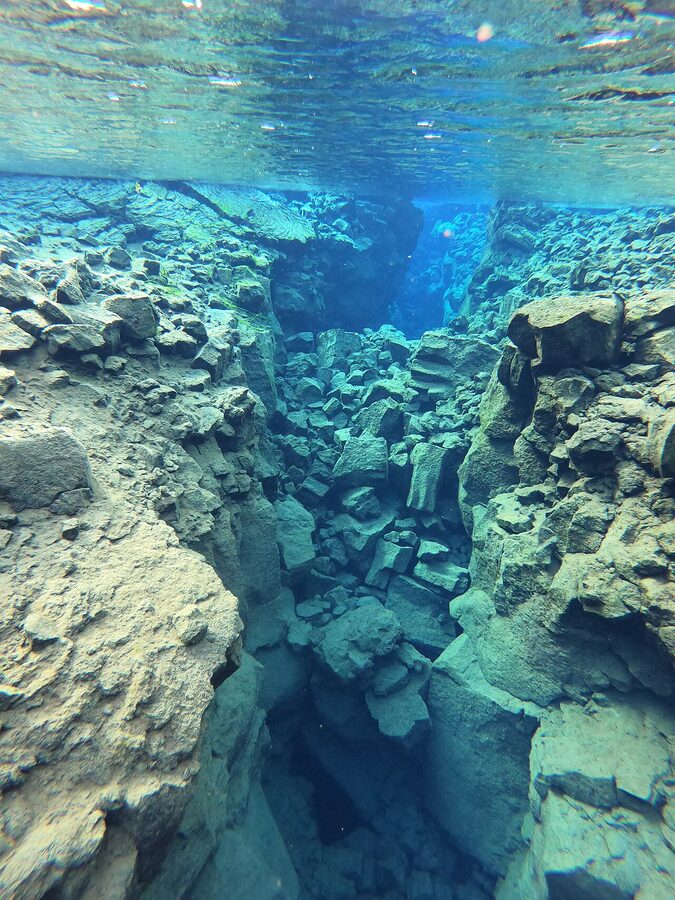
Silfra snorkelling, unless you’re already in the area. The two-tectonic-plates pitch is real. The water is genuinely 4°C. The trip is around 22,000 ISK and it’s a 30-minute float wearing a dry suit. Some people love it. Most people who’ve also snorkelled in warm water find it underwhelming. If you’re driving the Golden Circle anyway and the day is right, sure. As a special trip from Reykjavik just to do this, probably not.
Hop-on hop-off Reykjavik bus. The city is 1.5 km across. You can walk the whole thing in 30 minutes and the weather is rarely so bad you can’t. Save the 6,000 ISK and put it towards dinner.
Any tour that promises a guaranteed Northern Lights sighting. Nobody can promise this. The legitimate operators all caveat heavily and offer a free re-book if the lights don’t show. If a brochure language sounds like a guarantee, that’s marketing, not weather.
Cheap super-cheap aurora bus tours under 8,000 ISK. They cram 60 people on a coach, drive 30 minutes outside Reykjavik to a parking lot with light pollution, stand around for an hour, drive back. The smaller-group jeep chases at 25,000 ISK actually take you somewhere dark with a coffee thermos.
Booking practicalities
A few things that catch people out.
Most major day tours sell out 1 to 2 weeks in advance in summer (June through August). Outside that window, 3 to 5 days lead time is usually enough. Inside the Volcano sells out earlier than anything else, often a month ahead in peak season.
Cancellation policies vary widely. Reykjavik Excursions and Gray Line are usually 24 hours for a full refund. Activity-based tours (glacier hike, ice cave, snowmobile) are often 48 to 72 hours and may charge a partial fee inside that window. Always read the policy before paying.
Weather cancellation is the operator’s call, not yours. If they cancel, you get a refund or a re-book. If you cancel because you don’t like the look of the forecast, you don’t. Some operators are quick to cancel for safety; others push it. Reykjavik Excursions, Gray Line, and the established multi-day operators err on the safe side and trust them when they do.
Always check safetravel.is the day before any tour, and the road conditions at road.is. The road authority website shows real-time closures across the country, and it’s the source the tour operators themselves are checking.
Pickup pickups: most operators pick you up at a designated bus stop near your hotel, not at the lobby itself. Look up your “RE-stop” or “GL-stop” code when you book. Pickup happens 30 minutes before the listed departure time. Be ready early, the shuttle does not wait.
Westfjords and the lesser-known regions
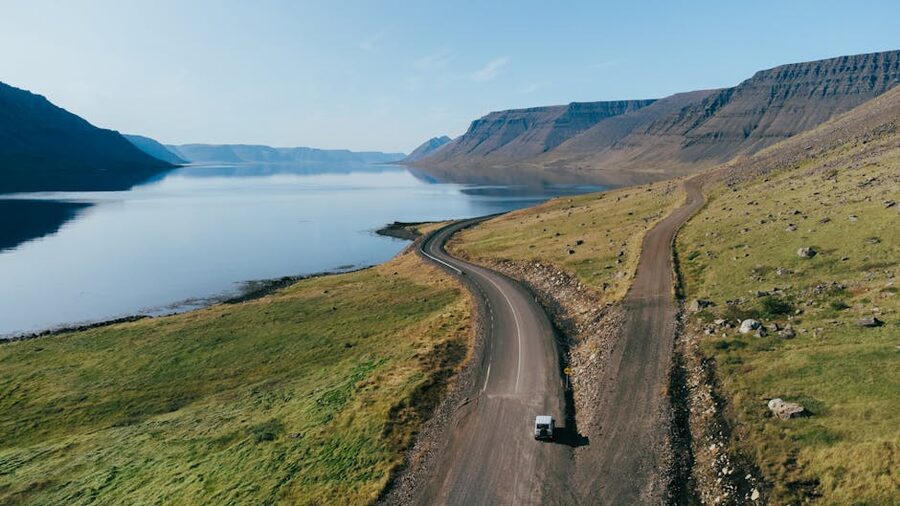
If this is your second or third trip to Iceland, the standard tour menu starts to feel limited. The Westfjords, the East Fjords, the highland interior, the north coast past Akureyri, all of these are thinly served by scheduled tours. The specialist operators will get you there: Wild Iceland Tours runs Westfjords trips, West Tours is the regional operator based in Ísafjörður, and several of the custom operators (Hidden Iceland, Iceland ProTravel) build itineraries that include them.
For most first-time visitors, the lesser-known regions are a “next trip” topic. They take time to reach, the weather is more variable, and they don’t have the day-tour infrastructure that exists around Reykjavik. But once you’ve done the Golden Circle and the south coast, this is where Iceland gets really interesting. The Hornstrandir nature reserve, the Látrabjarg cliffs at sunset, the Westman Islands ferry: all are worth a return trip.
Where to go next
If you’ve made it this far, you’ve got the lay of the land. The right next step depends on what you’re planning.
If you’re flying in for under a week and Reykjavik is your base, start with the day tours from Reykjavik guide and the Reykjavik city break itinerary. Between the two, you’ll have a clear shape for the trip.
If you’re set on the geological highlights, the glaciers, geysers and Golden Circle guide and the fire and ice tours guide cover the headline experiences in detail.
If you’ve got a specific interest, jump straight to the relevant deep-dive: photography tours, bird watching tours, or how to plan a custom Iceland tour if your trip needs more bespoke shaping than any package can give.
For broader background on the country itself, our destinations section has the climate, wildlife, history, and culture pieces, and the Reykjavik guide covers what to do once you’re back from a tour and looking for a quiet pool and a meal.
Whatever you book, build slack into your itinerary. The country’s weather has opinions. The Icelandic phrase for it is þetta reddast, it’ll work out, and on the whole it does.