Icefalls and crevasses, in four hours. I love the mix of real glacier hiking and a guide who teaches you how to do it safely, not just where to walk. I also like the practical 4×4 transfer, which cuts down the time you spend heading toward the glacier. One drawback to plan for: you’re still out on ice in cold weather, so you need warm layers and decent hiking stamina.
This is the kind of tour where the glacier feels close, not distant. You’ll spend about 3 hours on the ice at Falljökull, one of the outlet glaciers feeding the huge Vatnajökull ice cap, and the guide’s explanations make the place click. Guides such as Maria, Aosta, and Florence are often mentioned for being cheerful, well prepared, and quick to answer questions, which makes the whole day feel smoother.
In This Review
- Key Highlights at a Glance
- Skaftafell’s Glacier Hike: What You’re Signing Up For
- The 4×4 Transfer From Freysnes: Less Walking, More Glacier Time
- Gear, Harness, Helmet, and Crampons: How the Training Works
- Hiking Falljökull: Icefalls, Crevasses, and That Big Glacier Feel
- Stop Rhythm and What Happens During the Walk
- Why the Guides Matter: Maria, Aosta, and Florence Style
- Price and Value: What $147 Includes (and What It Doesn’t)
- Who Should Book This Glacier Hike (and Who Should Skip It)
- Should You Book Skaftafell’s Half-Day Falljökull Hike?
- FAQ
- How long is the Skaftafell Half-Day Vatnajökull Glacier Hike?
- Where do I meet for the tour?
- Is hotel pick-up or drop-off included?
- What’s included in the tour price?
- What should I bring?
- Is the tour suitable for kids?
- What is the group size?
- Does the tour include a 4×4 ride?
- Are food and drinks included?
- What happens in bad weather?
Key Highlights at a Glance
- Falljökull icefall hiking for about 3 hours with a guided route up and around glacier features
- 4×4 ride to the glacier edge that saves you meaningful walking time
- Crampon and safety training plus harness and helmet so you feel set up for the ice
- Crevasses, icefalls, and glacier formations up close where you can actually look for details
- Small group size (up to 8), which means more attention and easier pacing
- Geology and local history talk that turns big scenery into something you can understand
Skaftafell’s Glacier Hike: What You’re Signing Up For
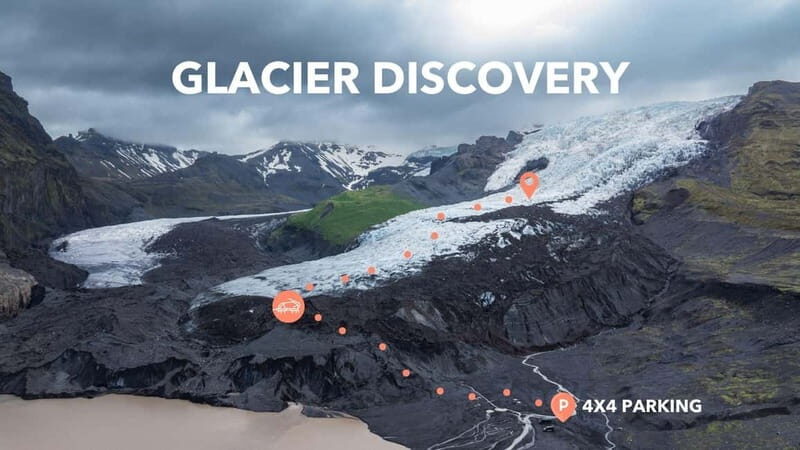
This half-day hike is a focused way to experience Vatnajökull National Park without spending a full day on logistics. You’ll be based in the northeastern Skaftafell area, and your main goal is Falljökull glacier itself—an outlet glacier from the giant Vatnajökull ice cap.
The big win is that you’re not just looking at glacier ice from a distance. You’ll walk on it, with a professional guide, full safety gear, and a lesson on crampons so you know what you’re doing on the slope and the flats.
You’ll also be out in the weather. The tour runs in most conditions, but in extreme weather they may adjust the plan. Iceland can be dramatic like that, and this hike expects you to dress for it.
You can also read our reviews of more hiking tours in Vatnajokull National Park
The 4×4 Transfer From Freysnes: Less Walking, More Glacier Time
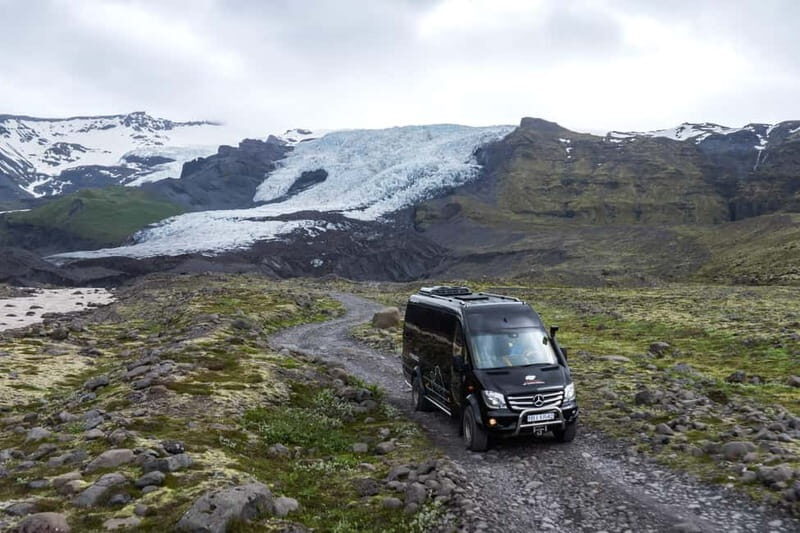
You meet at the Freysnes Orkan/Shell gas station area (Söluskálinn í Freysnesi), and the drive to the glacier zone is handled by 4×4. The ride is short—about 15 minutes each way—so it’s not one of those tours where you burn half your time in a vehicle.
That 4×4 step matters because it shifts your time budget. You gain a glacier experience faster, with less time trudging to the start point from the main parking area. The result is simple: you show up at the ice feeling ready, not worn out.
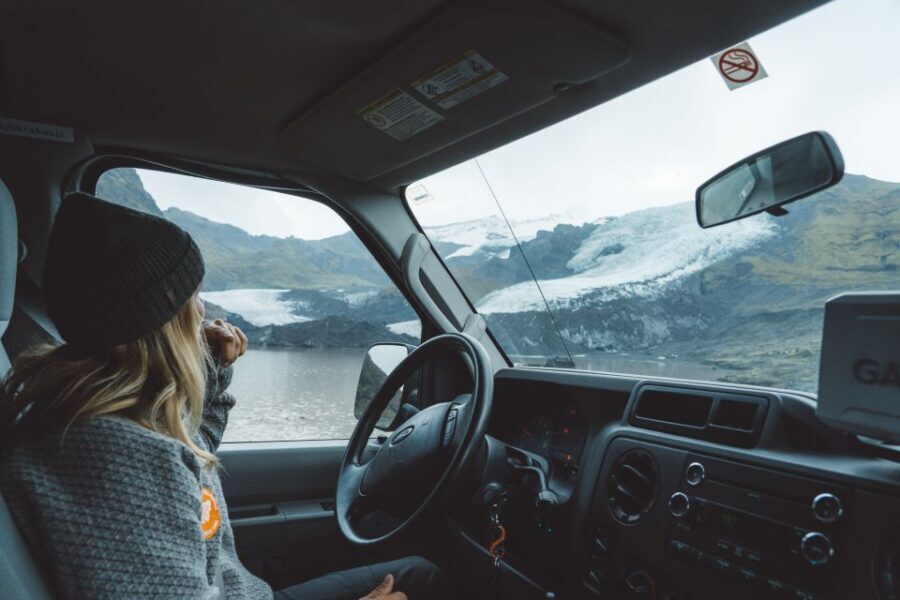
One more practical benefit: driving into the glacier valley gives you a better sense of scale. You start seeing how the ice sits in the terrain, not just how it looks in photos. Even if the clouds are low, the experience feels more real once the glacier is right there.
Gear, Harness, Helmet, and Crampons: How the Training Works
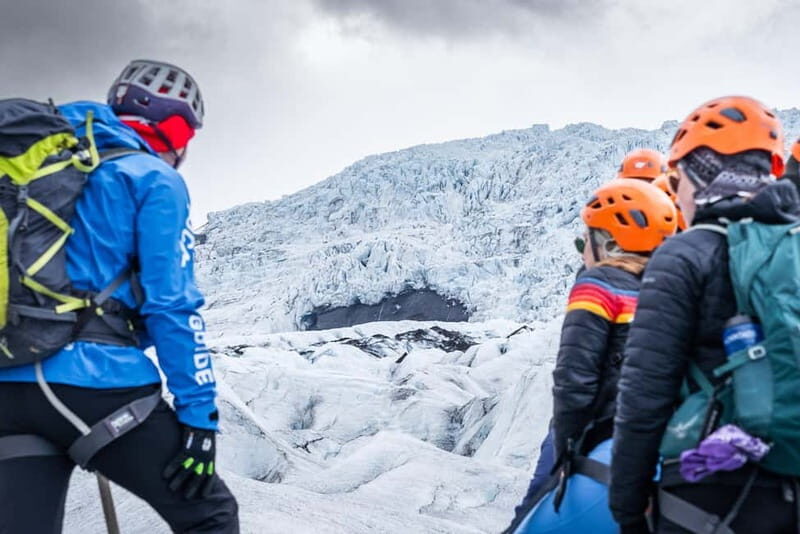
This tour includes the key safety and traction equipment: crampons, ice axe, harness, and helmet. You don’t need to bring or rent the gear, which is a real value point because correct equipment is half the safety story on glaciers.
Before you step onto the ice, you’ll get a short safety briefing and instruction on how to use crampons. The teaching approach is part of why people rate this hike so highly—guides don’t assume you already know. If you’ve never worn crampons, you’ll still get coached on what to do and how to walk.
Here’s how to think about that training. On glacier ice, it’s not just about courage. It’s about rhythm—steady steps, controlled footing, and using the tool guidance from your guide. Once you get that pattern, the hike stops feeling like a stunt and starts feeling like a guided walk on a different kind of ground.
What I’d plan for mentally: this is hands-on travel. You’ll learn, you’ll use what you learn, and the glacier will reward you with views and ice details you can’t get any other way.
Hiking Falljökull: Icefalls, Crevasses, and That Big Glacier Feel
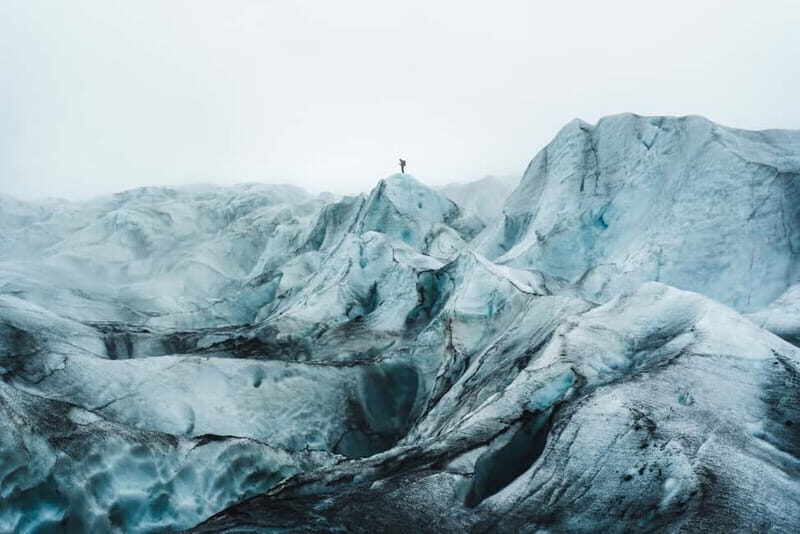
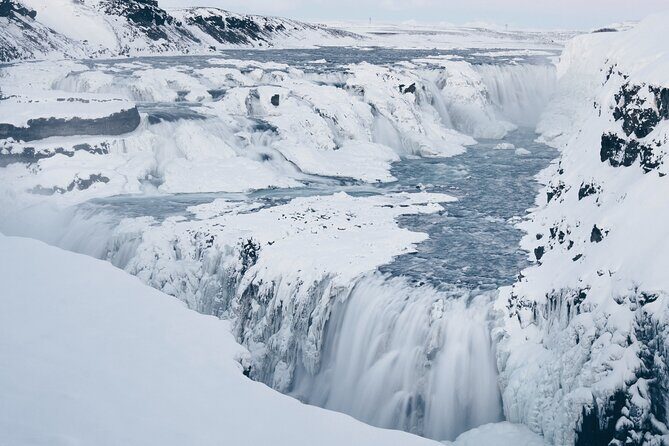
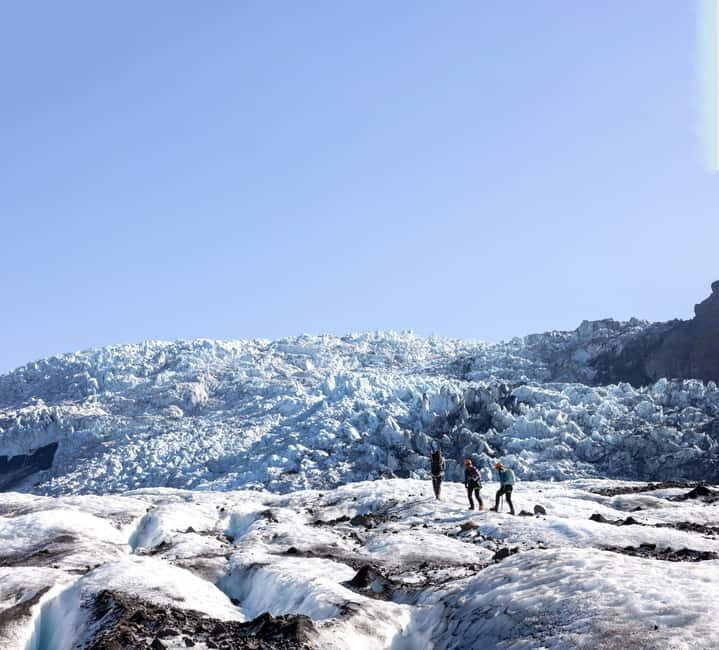
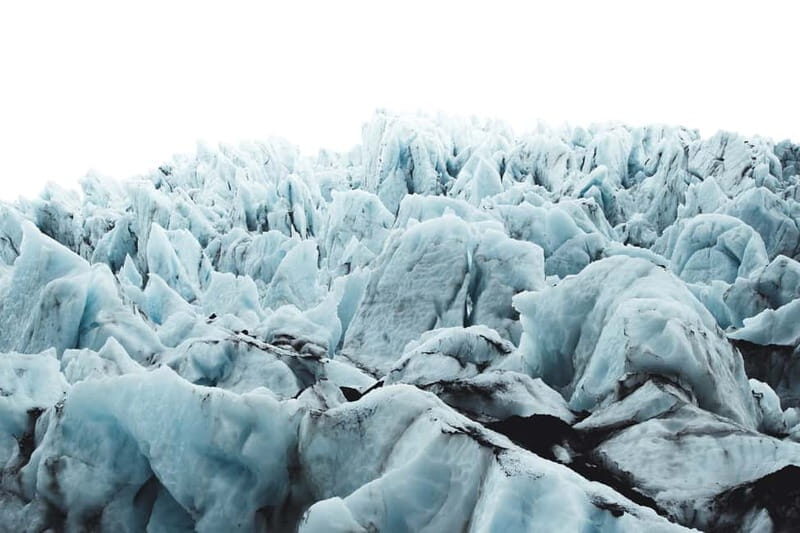
The heart of the tour is your time on Falljökull, where you’ll hike for roughly 3 hours. Falljökull is famous for its icefalls, and you’ll see glacier features up close—crevices and broken ice formations that make the ice look alive.
This is where the tour earns its reputation. Hiking on icefall terrain is visually intense, but it’s also physically controlled. Your guide sets the pace and route, so you’re moving at a pace that matches safety and traction, not just speed.
Expect a sense of altitude and exposure as you go higher. The tour includes a push toward a higher point where you can marvel at the glacier valley views. It’s one of those moments where you look back and suddenly understand what you walked through—how the ice has shaped the terrain.
A practical note: bring warm clothing and hiking shoes because your comfort affects your focus. When you’re cold, you start making small mistakes. When you’re dressed right, you can actually pay attention to the guide’s instruction and enjoy the scenery without constantly thinking about your toes.
And if you’re wondering whether this is okay for a novice: the tour is described as welcoming to novices who want a bit of adventure, as long as you follow instructions. If you’ve done a glacier hike before, you’ll likely appreciate the clear gear coaching and the time on ice rather than a quick photo-only stop.
Stop Rhythm and What Happens During the Walk
Your day has a clear rhythm: meet at Freysnes, take the 4×4 ride to the glacier edge, then spend the bulk of your time hiking on the ice. Along the way, there’s time for a photo stop and sightseeing, plus the safety briefing right before you head up onto the glacier.
Those short pauses sound minor, but they actually help. A photo stop lets you reset, look at the ice features you’re about to approach, and mentally shift from vehicle mode to walking mode. The guided sightseeing on the way also builds context, so when you reach the icefall area, it makes more sense.
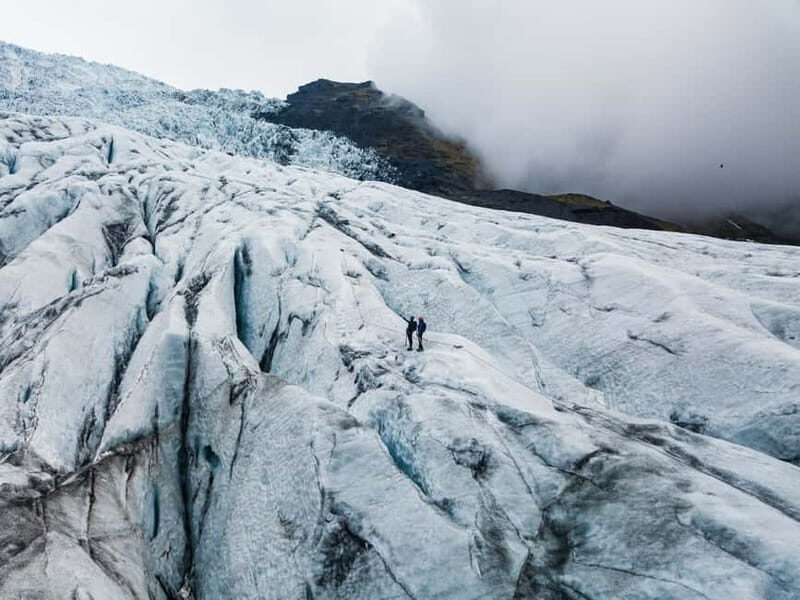
On the glacier itself, you’ll be led to a route that includes time in glacier terrain known for icefalls. You’re not just circling the easy edge. You’ll be walking through the kinds of features that make Falljökull worth hiking.
The endpoint is just as purposeful: you return by 4×4 to the meeting area, keeping the full experience framed as a true half-day out of your Iceland trip.
Why the Guides Matter: Maria, Aosta, and Florence Style
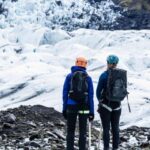
Glacier hikes can feel intimidating, but the guide quality changes everything. In the feedback, guides including Maria, Aosta, and Florence come up again and again for being cheerful, informative, and very prepared.
That preparation shows in the practical stuff: crisp gear explanations, a safety briefing that actually covers what you need, and answers to questions as they come up. When a guide is this ready, you spend less time guessing and more time enjoying the ice.
I also like how the guide role goes beyond safety. You’ll learn about glacier geology, geography, and local history as you walk. That matters because glaciers aren’t just scenery. They’re part of a system—how ice flows, breaks, and shapes the land over time.
In a small group (up to 8), you get a better chance to ask questions too. Even if you’re not the type to speak up, you still benefit because your guide can adjust pacing and technique to the group.
And yes, the best moment is when the learning clicks. Once you can feel steady on crampons and the guide’s instructions make sense, the glacier becomes a place you’re exploring, not a place you’re surviving.
Price and Value: What $147 Includes (and What It Doesn’t)
This tour costs $147 per person and is positioned as a half-day glacier hike. The value is strongest when you consider what’s included: a professional glacier guide plus crampons, ice axe, harness, and helmet.
For many visitors, that’s the main advantage. You’re paying for safety expertise and correct gear access, not just a walk with a view. Add the 4×4 transport to the glacier edge and you can see why the time stays efficient.
What you should budget separately: food and drinks aren’t included, and there’s no hotel pick-up or drop-off. You’ll also want to plan your time around the meeting point, since it’s about a 4-hour drive from Reykjavík to the starting area.
If you’re coming from the city, do the math in your head: this tour is worth it when you want glacier time without turning your day into a long transfer marathon. It’s less worth it if your plan is to casually stroll. This is a real hike on ice, so bring the energy.
Who Should Book This Glacier Hike (and Who Should Skip It)
This hike is a strong fit if you want guided glacier hiking at a manageable half-day pace. You’ll enjoy it most if you like physical outdoor experiences and you’re curious about how glaciers work.
It’s also a good match if you’re new to crampons but interested in learning. The guide instruction and safety briefing are built into the tour, and the group stays small enough for real coaching.
On the other hand, it’s not suitable for children under 14 or for people with mobility impairments. If you have any concerns about walking on uneven ice terrain, you’ll want to think carefully before booking.
Finally, consider the weather mindset. The tour runs in most weathers, but extreme conditions can lead to changes. If you hate cold and wet, you might find this tour exhausting rather than fun. If you dress for it and follow instructions, it can be one of the most memorable glacier moments on your trip.
Should You Book Skaftafell’s Half-Day Falljökull Hike?
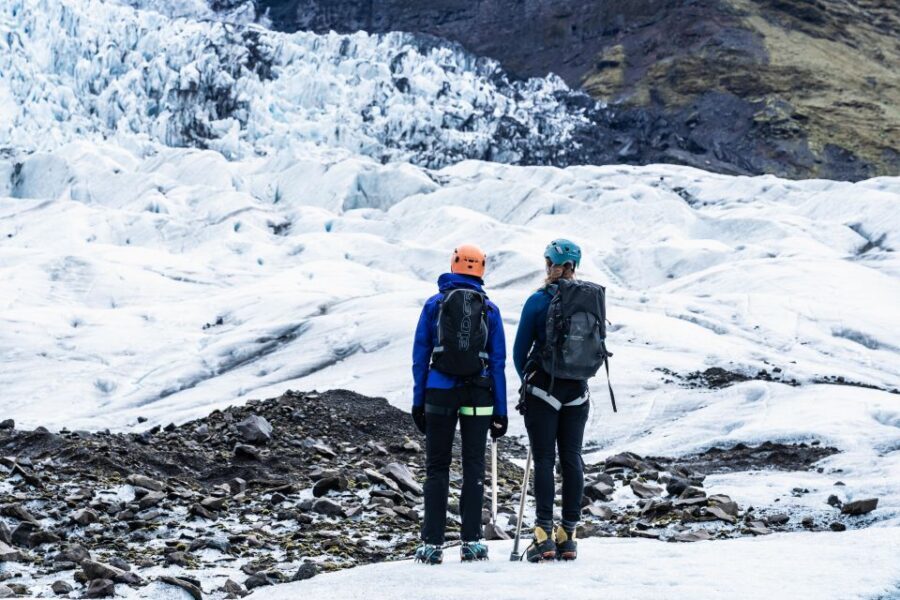
I’d book it if your priority is actual glacier walking with safety gear and crampon coaching included. You get about 3 hours on the ice, a 4×4 ride that saves real walking time, and guides who are repeatedly praised for preparation and friendliness—Maria, Aosta, and Florence are standout examples in the feedback.
Don’t book it if you want a relaxed, minimal-physical-effort outing. This is a hike on glacier terrain, and your comfort depends on bringing the right warm layers and wearing proper hiking shoes.
If you’re the type who likes learning while you move—glacier geology, geography, and the local context—this tour is set up to satisfy that too. It turns a glacier from a photo subject into something you understand by seeing the features with your own eyes.
FAQ
How long is the Skaftafell Half-Day Vatnajökull Glacier Hike?
The tour lasts about 4 hours total.
Where do I meet for the tour?
You meet at the Freysnes Orkan/Shell gas station, at Söluskálinn í Freysnesi.
Is hotel pick-up or drop-off included?
No. Hotel pick-up and drop-off are not included.
What’s included in the tour price?
You get a professional glacier guide and the glacier equipment: crampons, ice axe, harness, and helmet.
What should I bring?
Bring warm clothing and hiking shoes.
Is the tour suitable for kids?
No, it’s not suitable for children under 14.
What is the group size?
The group is limited to 8 participants.
Does the tour include a 4×4 ride?
Yes. You take a 4×4/Jeep ride (about 15 minutes) to reach the glacier edge and then return (about 15 minutes).
Are food and drinks included?
No. Food and drinks are not included.
What happens in bad weather?
The tour runs in most weather, but extreme weather conditions may cause changes to the activity.