One day like this is never boring. I love that it mixes South Coast icons with a real glacier walk, then finishes with a northern lights hunt. The day also runs with a plan you can actually handle: morning scenery, a glacier stop with gear and instruction, and a night search in the countryside led by Frank.
Two things I especially like: you get to see the power of Iceland’s water and rock—think Seljalandsfoss from behind and Skógafoss from the steps—and you don’t just watch the glacier. You’re kitted out for the hike and guided by a certified instructor who talks through crevasses and how the glacier moves. One possible drawback: this is long, roughly 16 hours, and the weather swings hard, so you’ll want the right clothes and shoes because jeans are not allowed.
Plan on bringing sturdy hiking shoes with good ankle support, plus warm layers and rain gear. If you’re not comfortable with cold, wet conditions or long stretches in a van, this may feel like a lot.
In This Review
- Key points
- South Coast and glacier in one full day: why this combo works
- Reykjavik pickup to Seljalandsfoss: the day starts strong
- Sólheimajökull glacier hike: crampons, crevasses, and why the guide matters
- Reynisfjara black sand and Reynisdrangar cliffs: basalt drama up close
- Skógafoss and the 527 steps: earn your view
- Volcano views on a clear day: a bonus you can’t manufacture
- Northern lights hunt after 7:00 PM: what Frank adds to the night
- Food, shoes, and rain gear: the stuff that decides whether you enjoy it
- Price and value at $255 per person: what you’re really paying for
- Who should book this winter day, and who should skip it
- Should you book the South Coast, Glacier Hike, and Northern Lights winter tour?
- FAQ
- How long is the tour?
- Where does the tour start and is pickup included?
- What is included in the glacier hike?
- Is the northern lights tour guaranteed to show auroras?
- What should I bring?
- Are there any clothing or footwear restrictions?
- What ages and conditions is the tour not suitable for?
Key points
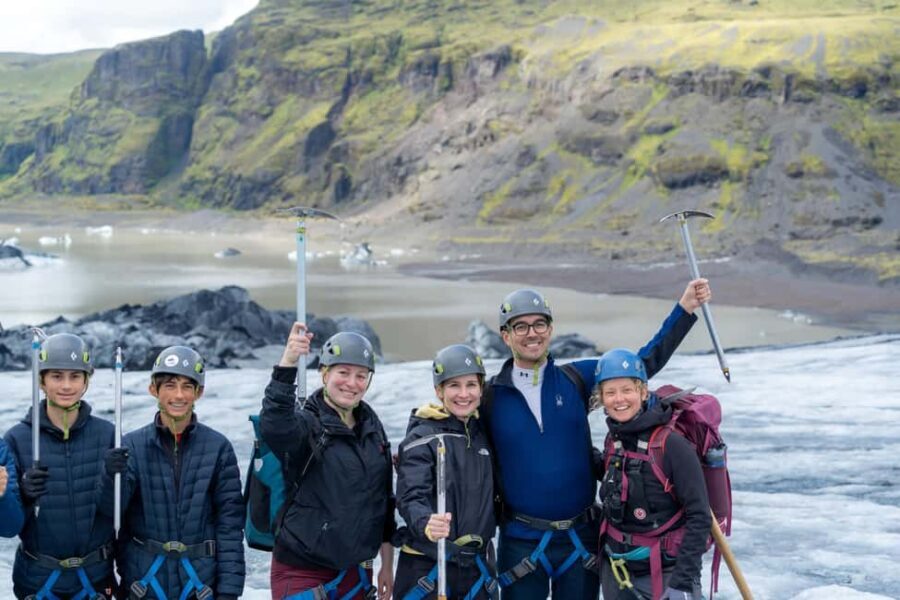
- Sólheimajökull glacier hike with certified guide plus glacier equipment and crampon fitting rules
- Behind-the-waterfall moment at Seljalandsfoss via the pathway that leads you behind the falls
- Reynisfjara black sand beach and Reynisdrangar cliffs with basalt columns, cave, and sea stacks
- Skógafoss with 527 steps for a close look and rainbow chances on clear days
- Northern lights hunt led by Frank in the evening; colors can be green, yellow, white, sometimes purple
South Coast and glacier in one full day: why this combo works
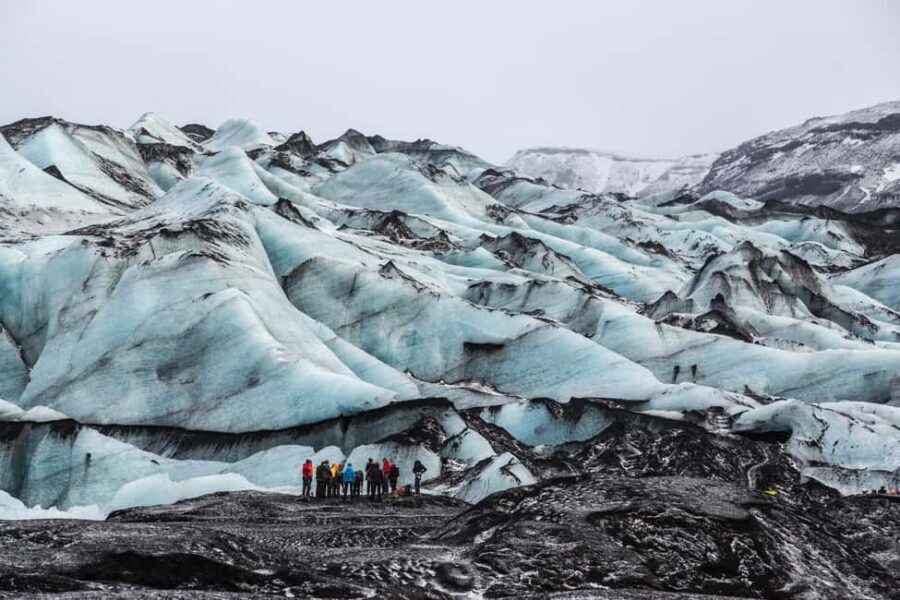
This tour makes a strong argument for doing Iceland’s South Coast in a single push. Instead of picking one “big thing” and calling it done, you stitch together several of the most photographed stops on the south side—waterfalls, black sand, dramatic basalt formations—and then add a glacier hike so you feel the geology, not just see it.
That matters because Iceland is a place where visuals and scale come fast. On this day, you get multiple “wow” types: wet power from the falls, raw volcanic rock at Reynisfjara and Reynisdrangar, and then moving ice on Sólheimajökull. It’s a smart way to turn a short trip into a full story, without needing separate tours.
The other reason this pairing makes sense is pacing. You start early with pickup in Reykjavik, work through the morning and midday scenery, and return around 7:00 PM. Then you have time to eat before the northern lights pickup for the countryside hunt. That break helps more than you might think when you’re trying to stay warm and alert at night.
You can also read our reviews of more hiking tours in Reykjavik
Reykjavik pickup to Seljalandsfoss: the day starts strong
Your day begins with morning pickup from authorized locations in Reykjavik. From there, you’ll head out toward Seljalandsfoss, one of the South Coast’s best “stand close” waterfalls.
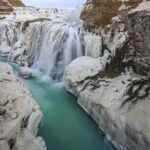
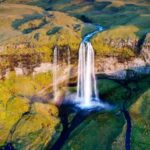
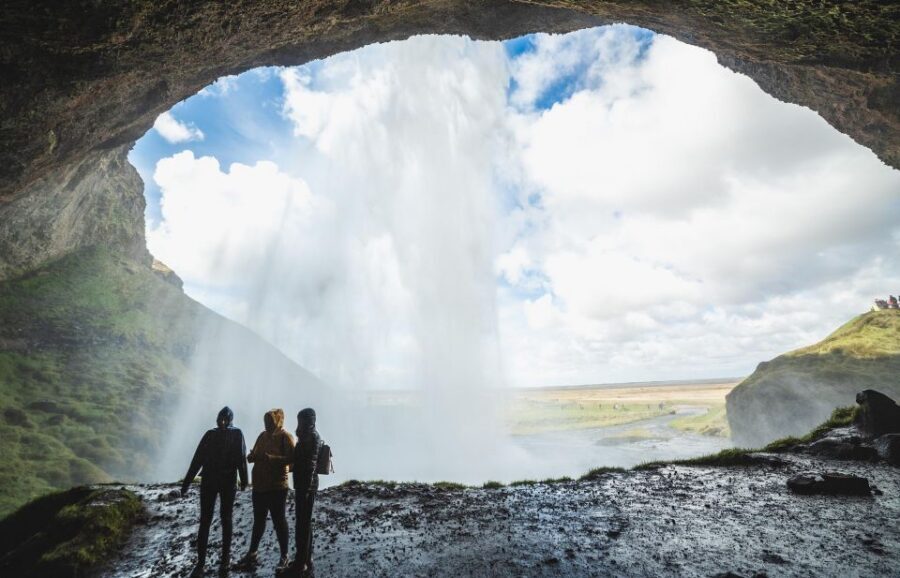
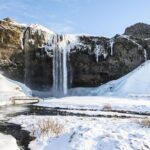
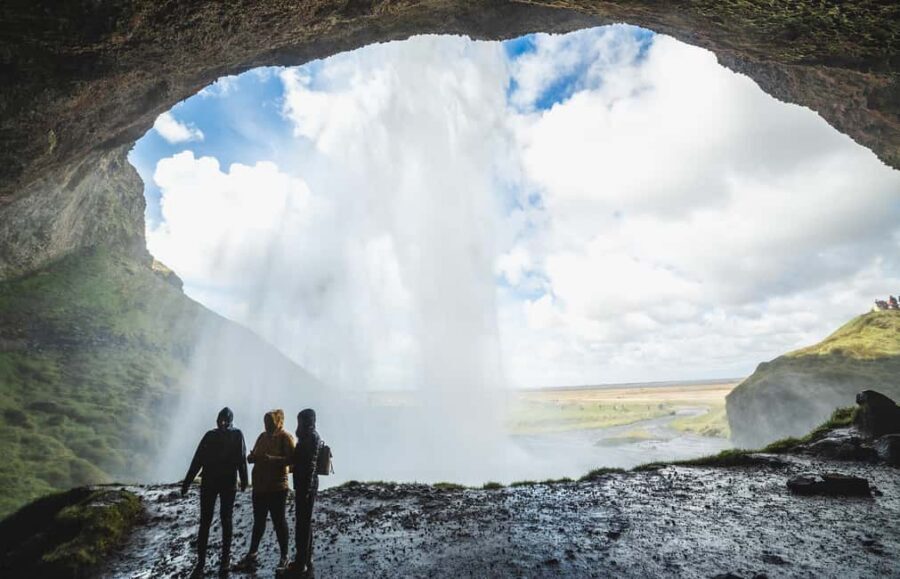
Here’s what makes Seljalandsfoss special on a tour like this: you get the opportunity to follow a pathway that leads you behind the fall. It’s not a “look from far away” situation. You’re walking into the splash zone area, which means you’ll see the falls from a completely different angle and feel the spray in a way that photos never fully capture.
What to keep in mind: the whole region can be windy and wet, and this stop is set up for moving water. Bring rain gear you’ll actually wear, not just pack. If your jacket has a hood, you’ll want it. And since the tour requires rain gear in the what-to-bring list, treat that as a clue that the weather can be more than a light drizzle.
Sólheimajökull glacier hike: crampons, crevasses, and why the guide matters
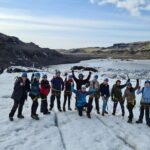
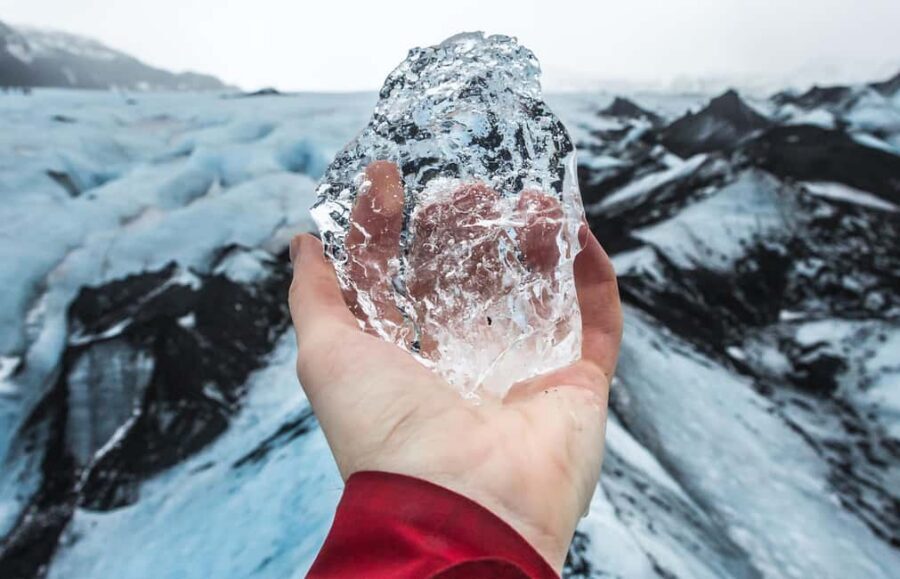
After Seljalandsfoss, you’ll travel to Sólheimajökull for the glacier walk. This is one of the main reasons this tour feels like more than a scenic day. You don’t just arrive, take a picture, and move on. You’re fitted with glacier hiking equipment, and your certified glacier guide issues the gear and explains what you’re seeing.
The guide talks about how glaciers move, why crevasses form, and how the glacier itself is shaped. You’ll also hear the sound of ancient ice cracking as it shifts. That kind of explanation changes how you experience the walk. Instead of thinking of ice as a static backdrop, you start to read it as living, moving material.
Practical reality check: crampons must be attached to hiking shoes, and there are shoe-size limits. The minimum shoe size for participants to join is 35 EU, and the largest is 50 EU. If you’re on the small or large end, it can affect whether you can be fitted properly. Also, the tour calls for warm layers, a waterproof jacket and pants, headwear, gloves, a scarf, and sturdy hiking shoes with good ankle support.
One more note that’s easy to miss until you’re cold: food and drinks are not included. For a glacier walk day, you’ll want snacks. The tour expects you to bring food and drinks and a water bottle, so plan on eating enough to keep energy steady through a long day.
Reynisfjara black sand and Reynisdrangar cliffs: basalt drama up close
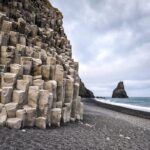
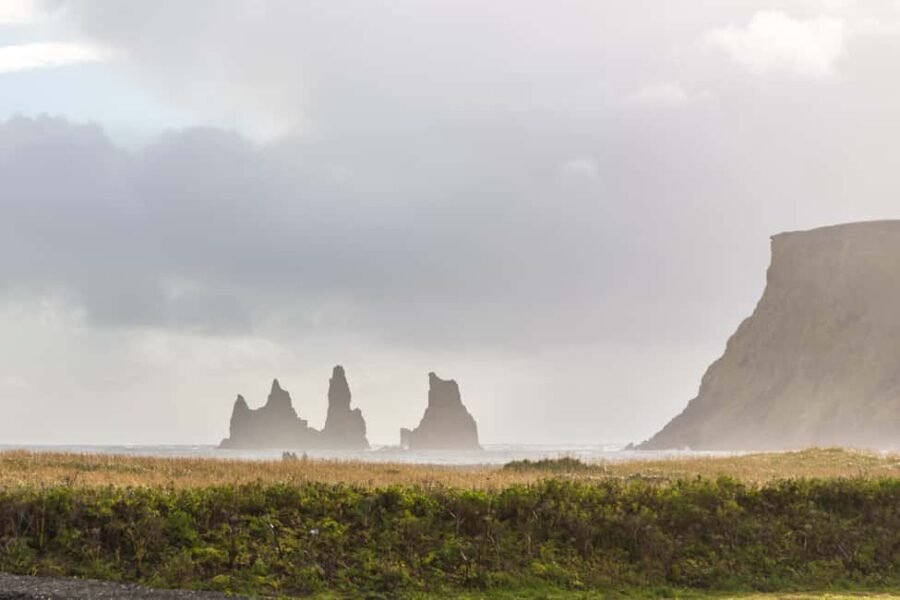
Next up is Reynisfjara black sand beach, famous for its basalt columns and cave. You’ll also see Reynisdrangar’s peaks and cliffs and the basalt rock stacks rising above the Atlantic waves.
This stop is all about volcanic shapes. Basalt is like nature’s geometry lesson, and at Reynisfjara you can see why Iceland’s fire created this kind of rock. The black sand and the surf set a mood that’s both dramatic and a little serious. You’re in an exposed coastal zone, so wind and spray are common.
What I’d plan for here is time to take it slow. These formations reward looking, not racing. The basalt columns and the cave aren’t just “background.” They’re part of the story of the coast, and Reynisdrangar adds vertical scale that makes the rock feel even more intense.
Also, the tour includes a stop here before you move to Skógafoss. That order makes sense. Reynisfjara is a stark contrast to the softer feel of waterfalls, and it keeps the day from feeling repetitive.
Skógafoss and the 527 steps: earn your view
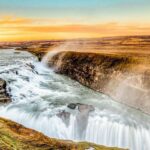
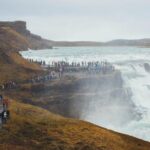
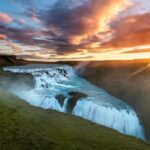
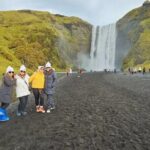
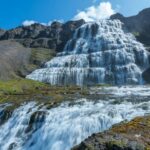
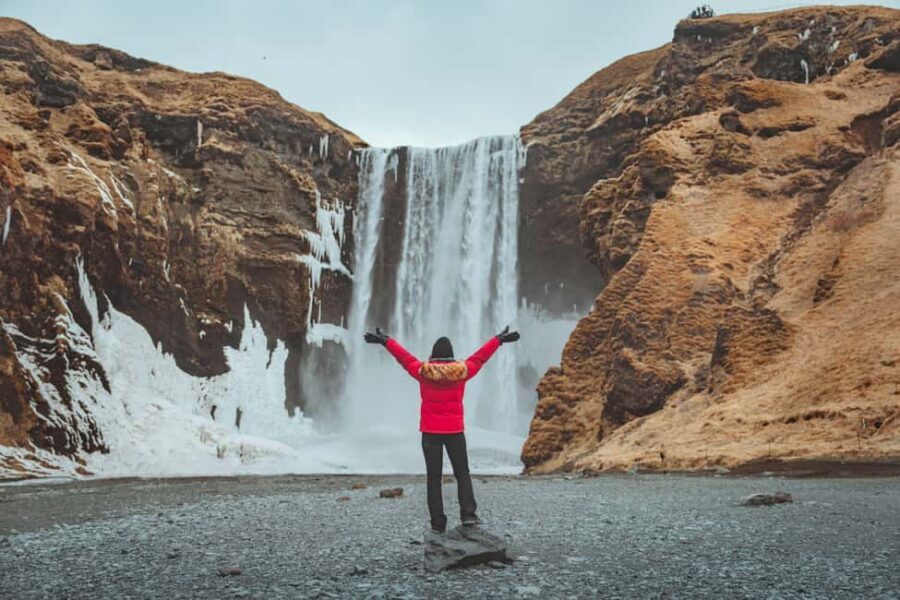
Then it’s Skógafoss, one of the South Coast’s biggest waterfall moments. You’ll reach it with a pathway where 527 steps lead up the side of the waterfall. The payoff is a view of the falls from above, and on clear days you can catch rainbows.
Why this matters on a tour day: stairs force you to slow down and breathe, which can be a good reset after walking and glacier time. But it also means you should judge your energy honestly. Even though the tour is packed with stops, the physical intensity isn’t the same at each one. Skógafoss is a clear “effort stop.”
I’d treat this section as the one where good footwear and warm clothes pay off. Your legs and ankles do the work, and the spray can be cold. The tour notes that hiking shoes are required (and hiking shoes with good ankle support are important for the glacier hike). In practice, those same shoes will help you feel more stable on steps by the falls.
You can also read our reviews of more tours and experiences in Reykjavik
Volcano views on a clear day: a bonus you can’t manufacture
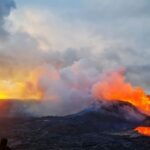
Iceland is a volcano country, and on a clear day the tour route can offer views of Eyjafjallajökull, Hekla, and even volcanoes around the Westman Islands off the coast.
Here’s the honest value of this: these views are weather-dependent, so you can’t plan them like a museum ticket. But the fact that the tour may place you in positions where they’re possible is a real plus. Iceland is at its best when you’re not just looking at one attraction; you’re also absorbing how the entire region sits on volcanic forces.
If the weather isn’t cooperating, you’ll still have plenty of fixed sights: waterfalls, black sand, basalt stacks, and the glacier walk. The volcano views are a bonus, not the core.
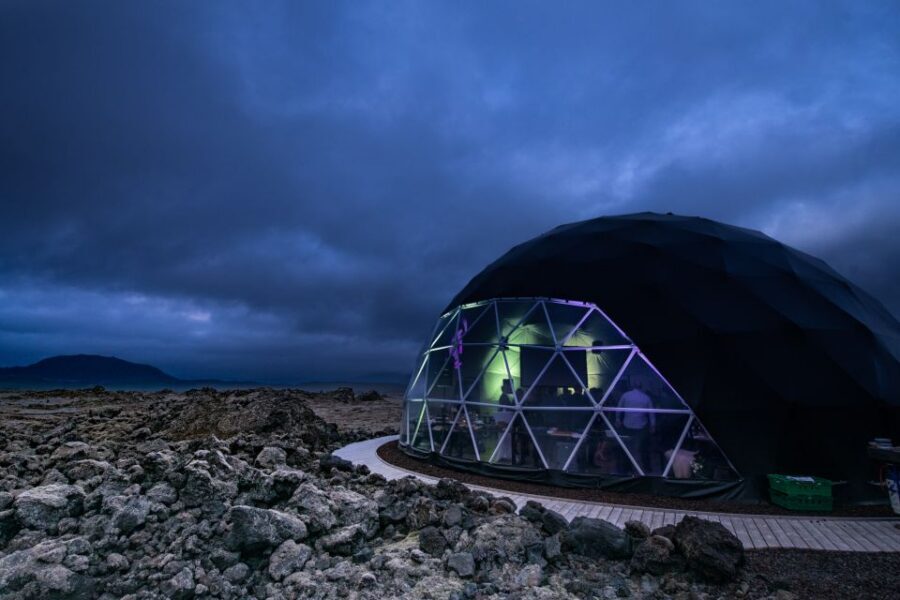
Northern lights hunt after 7:00 PM: what Frank adds to the night
After you’re dropped back in Reykjavík around 7:00 PM, you get time to get dinner. Then you’ll be picked up again from your original point for the northern lights tour.
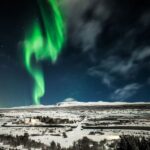
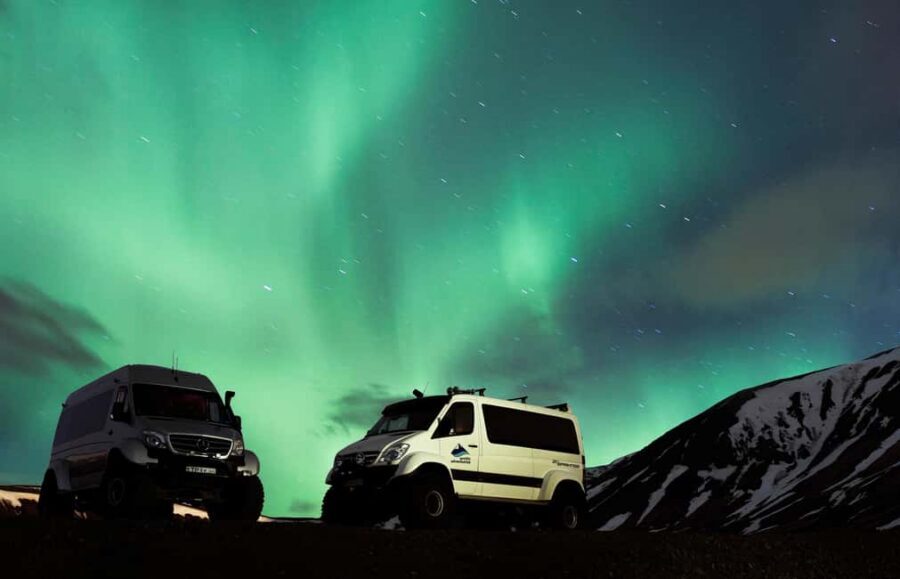
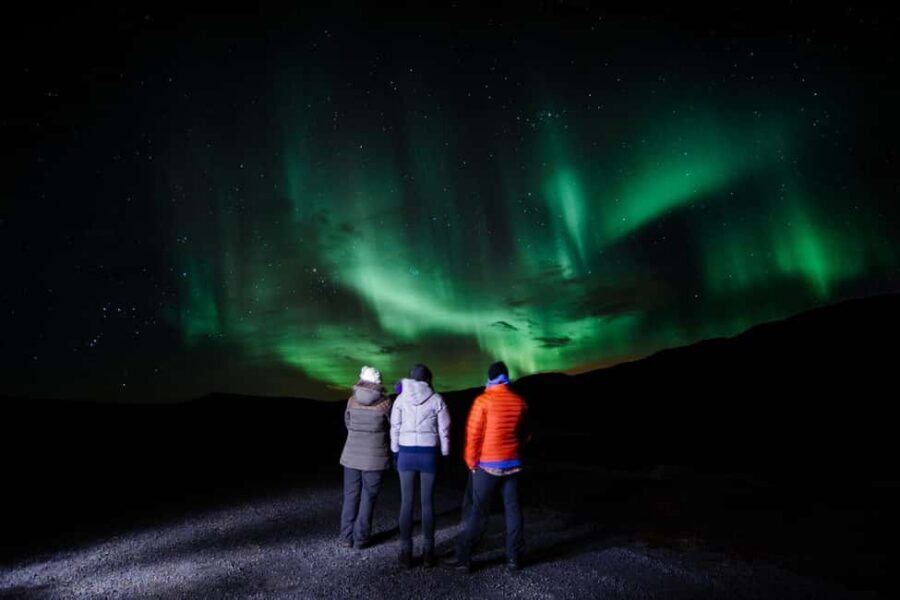
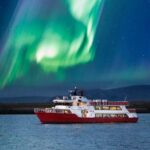
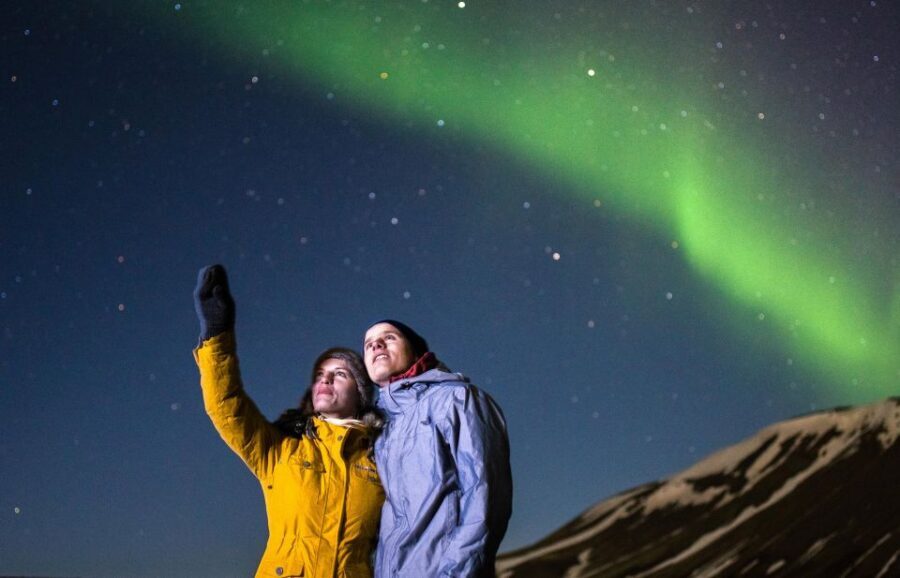
Important thing to know: northern lights cannot be promised. That’s not a sales line, it’s just physics and weather. But your guide will do their best to hunt for the jewel-bright colors of the aurora, usually green, yellow, and white, with purple sometimes showing up.
This is where the guide name Frank comes in. One of the strongest pieces of feedback attached to this tour is that Frank is an absolute credit to the company, and that you’re in good hands even if the lights are shy. In other words, this isn’t a drive-and-hope routine. You’re being led by someone focused on the hunt.
What you should do on your side: dress for cold. Bring warm layers and follow the rain gear guidance from the daytime portion. Night aurora time can also come with damp air and wind chill. If you skimp on warmth, you’ll miss the show partly because you’re too uncomfortable to stay outside and patient.
Food, shoes, and rain gear: the stuff that decides whether you enjoy it
The tour includes pickup, the glacier hike, a certified glacier guide, glacier hiking equipment, and the northern lights tour, plus free WiFi on board. What it does not include is food and drinks, and it also does not include hiking shoes.
Also pay attention to the clothing rules. Jeans are not allowed, and sandals or flip flops are not allowed. That sounds strict, but it’s a safety and comfort move. You’ll be wearing gear for the glacier portion, and you’ll be walking in cold wet conditions.
Here’s a practical packing approach that matches the tour’s own requirements:
- Warm layers you can stack without bulk
- Waterproof jacket and pants for spray and wet wind
- Headwear, gloves, and a scarf for the glacier and night
- Sturdy hiking shoes with good ankle support (and they must fit crampons: 35–50 EU)
- A water bottle and snacks since food is not included
- A small backpack to keep hands free and items secure
If you’ve ever done Iceland in winter, you know the difference between having good rain gear and not having it. On this tour, you’ll feel that difference fast.
Price and value at $255 per person: what you’re really paying for
At $255 per person, this tour isn’t cheap in the way a short transfer bus is cheap. But it also isn’t overpriced for what’s included. You’re paying for several things that are usually sold separately in Iceland: South Coast guided transport, a glacier hike with a certified guide and glacier equipment, and a northern lights hunt with evening guiding.
The biggest value point is the glacier hike. A guided glacier walk isn’t just a walk on ice. It requires certified instruction, equipment, and safety considerations like proper crampon fitting. That’s built into the price. Then you still get a long day of major South Coast stops that, on your own, would take serious driving time and planning.
The tradeoff, as always, is that you must cover your own food, drinks, and hiking shoes. If you show up with the right gear already, the value stays strong. If you need to buy shoes and you don’t bring snacks, your effective cost can climb.
If you want a single ticket that covers the big glacier-plus-aurora combo, this price makes sense.
Who should book this winter day, and who should skip it
This tour fits best if you want a classic Iceland highlights day and you’re comfortable with real winter conditions. It’s not for casual strolling, even though parts are scenic and fun. The glacier walk and the Skógafoss steps mean you need solid winter footing and warm clothes.
It also isn’t suitable for everyone. The tour is not suitable for:
- Children under 8 years old
- Pregnant women
- People with mobility impairments
If any of those are you, it’s worth looking for a more suitable alternative before you book. Winter Iceland can be beautiful and safe, but it’s still physically demanding.
If you’re a first-timer to Iceland who wants waterfalls, black sand drama, and a glacier walk without juggling multiple bookings, this is a strong choice.
Should you book the South Coast, Glacier Hike, and Northern Lights winter tour?
I’d book this tour if you want a “two worlds” Iceland day: geology you can see and terrain you can step on, plus a serious shot at the aurora at night. The combination of Seljalandsfoss behind-the-fall access, Reynisfjara’s basalt formations, a glacier hike on Sólheimajökull with certified guidance, and a northern lights hunt led by Frank is the kind of lineup that’s hard to recreate on your own in a single day.
I would think twice if you hate cold weather waiting, dislike long days around 16 hours, or don’t have the right footwear. The crampon shoe-size rule (35–50 EU) is a real constraint, and jeans and sandals/flip flops are not allowed.
If you match the gear and energy needs, this tour gives you a lot of Iceland per hour, with guides who focus on the moments that matter: the glacier walk and the night hunt.
FAQ
How long is the tour?
The tour duration is approximately 16 hours.
Where does the tour start and is pickup included?
Pickup is included from authorized pickup locations in Reykjavík.
What is included in the glacier hike?
You’ll get a glacier hike on Sólheimajökull with a certified glacier guide, plus glacier hiking equipment.
Is the northern lights tour guaranteed to show auroras?
No. Northern Lights cannot be promised, but the guide will do their very best during the countryside hunt.
What should I bring?
Bring food and drinks, hiking shoes, and rain gear. The tour also recommends warm layers, a waterproof jacket and pants, headwear, gloves, a scarf, a water bottle, snacks, and a small backpack.
Are there any clothing or footwear restrictions?
Jeans are not allowed. Sandals or flip flops are not allowed.
What ages and conditions is the tour not suitable for?
The minimum age is 8 years old. The tour is not suitable for children under 8, pregnant women, or people with mobility impairments.