Iceland moves fast, so this plan helps. This 8-day loop strings together the big-name sights and the off-the-beaten extras, with a guided minibus doing the long driving while you focus on glacier-and-waterfall views. You also get overnight stays for 7 nights plus breakfast, which matters because food costs can add up quickly in Iceland.
My favorite part is how the day-to-day rhythm is built for real sightseeing. You start with Gullfoss–Geysir–Þingvellir, then hit the South Coast waterfalls, walk on Sólheimajökull, and end with Snæfellsnes stops like Kirkjufell. The guides (you may see names like Thor or Erla in real departures) explain what you’re looking at and keep timing and safety clear.
One thing to consider: Iceland weather can squeeze daylight plans, and Northern Lights are never guaranteed. Even with smart “look for the sky” stops in places like Hvolsvöllur and Vík, you’ll have to roll with clouds and wind.
In This Review
- Quick hits before you go
- Why This Iceland Small-Group Loop Works Better Than DIY
- Day 1 Golden Circle: Gullfoss, Geysir, Þingvellir, Then Hvolsvöllur Lights
- Day 2 South Coast Waterfalls, Reynisfjara Black Sand, and the Sólheimajökull Glacier Hike
- Day 3 Jökulsárlón Icebergs and the Vatnajökull Crystal Ice Cave
- Day 4 East Fjords: Djúpivogur, Icelandic Horses, and Optional Vök Baths
- Day 5 Lake Mývatn Geothermal Stops and Goðafoss
- Day 6 Akureyri Harbor Feel, Hauganes Whales, and Grábrók Crater
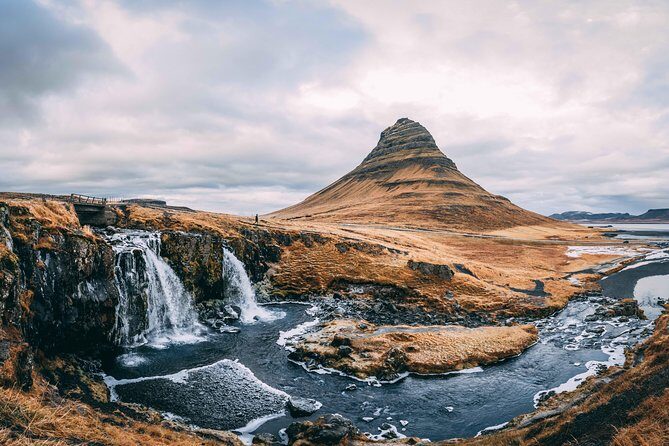
- Day 7 Snæfellsnes Peninsula: Gerðuberg Basalt Columns to Kirkjufell
- Day 8 Hraunfossar, Barnafoss, Víðgelmir Lava Cave, and Reykholt Back to Reykjavik
- What You’ll Pay Extra For (and How to Avoid Surprises)
- Guide Skills, Small-Group Comfort, and Real-World Weather Timing
- Northern Lights: How to Improve Your Odds Without Overthinking It
- Who This Tour Fits Best
- Should You Book This 8-Day Iceland Tour?
- FAQ
- What does the $2,777.76 per person price include?
- Are lunch and dinner included?
- How many people are on the tour?
- Does the tour pick you up from your hotel?
- Is the glacier hike included, and what safety gear is provided?
- Is the ice cave included?
- What optional activities cost extra?
- Can I cancel for a full refund?
Quick hits before you go
- Golden Circle in one day with easy, timed stops at Gullfoss, Geysir, and Þingvellir
- Sólheimajökull glacier hike included with safety gear, not a just-a-look photo stop
- Vatnajökull ice cave included with safety equipment on Day 3
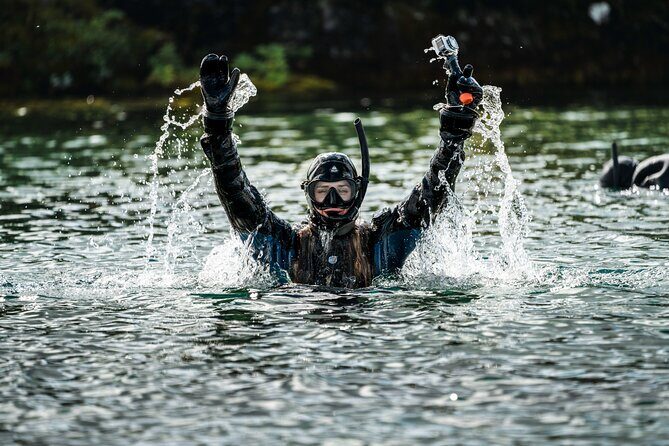
- Hauganes whale watching included from a small fishing village
- Snæfellsnes geology plus Kirkjufell with Game of Thrones and Journey to the Center of the Earth connections
- Optional add-ons like Vök Baths, horse riding, and the Víðgelmir lava cave
Why This Iceland Small-Group Loop Works Better Than DIY
I like tours that reduce decision fatigue. In Iceland, the hard part isn’t finding sights, it’s figuring out how to connect them without losing hours to weather, road conditions, and parking. This one-day-basis route keeps you moving in the right direction across Iceland, while a professional English-speaking driver-guide handles the driving.
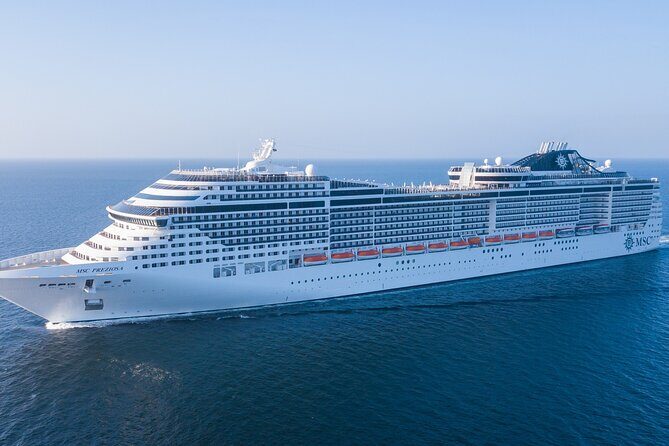
The small-group limit is up to 18 travelers, and the minibus keeps things manageable. WiFi on board helps for maps, messaging your group, and checking conditions, and the tour also uses mobile tickets.
The price is not bargain-bin, at $2,777.76 per person, but you’re buying more than scenery. You’re also paying for 7 nights of accommodation with breakfast plus several included activities (whale watching, glacier hike, and the ice cave with safety equipment). If you tried to replicate that DIY, you’d spend time booking lodging, arranging guided excursions, and doing all the driving yourself.
You can also read our reviews of more tours and experiences in Reykjavik.
Day 1 Golden Circle: Gullfoss, Geysir, Þingvellir, Then Hvolsvöllur Lights
Day 1 is the classic kickoff, with three stops that set the tone: water power, geothermal chaos, and tectonic history.
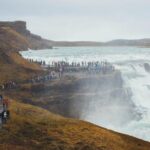
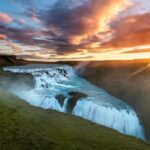
At Gullfoss, you’ll get a full view of the waterfall’s strength. It’s timed as a short visit, so you’ll want to arrive ready to walk to good angles fast. If mist is in the air, bring a hooded layer and expect your photos to get dramatic.
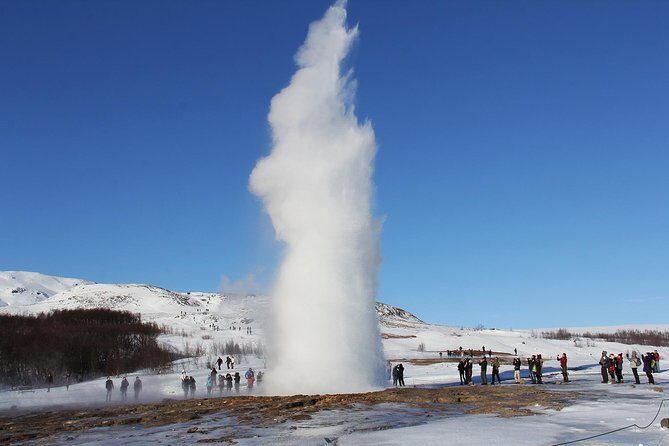
Then comes the Geysir geothermal area, where you’re watching bubbling hot springs and steam vents and waiting for Strokkur to erupt. Since Strokkur can shoot up to about 25 meters every few minutes, the payoff is real even if you only catch one eruption.
Next is Þingvellir National Park (UNESCO). This is where geology and Iceland’s political origin both matter: the Eurasian and North American plates meet and drift apart, and the Althingi parliament was established in 930 AD. You get both a science lesson and a cultural “where it all started” moment.
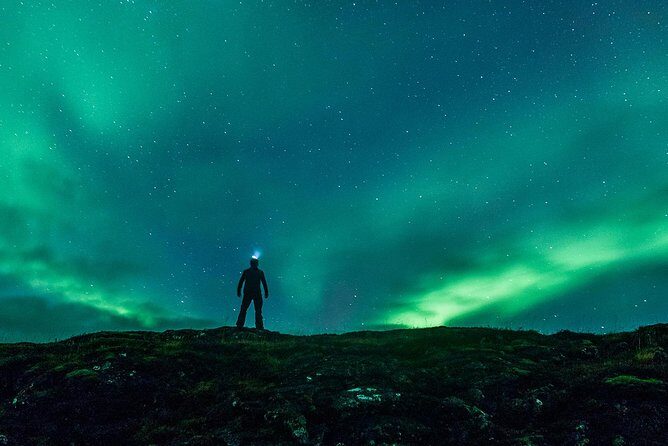
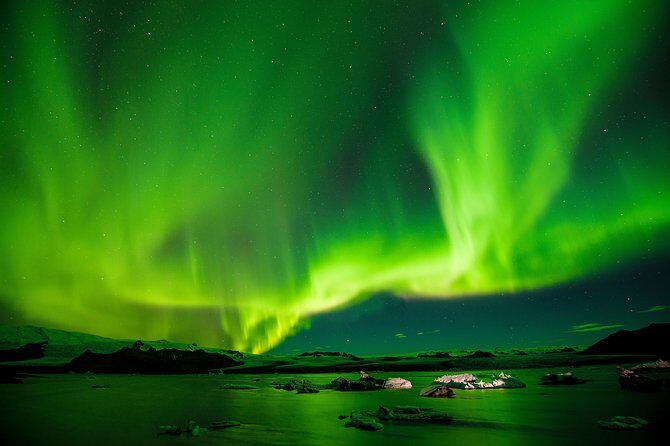
After the park stops, the minibus takes you to Hvolsvöllur, away from city light pollution. The tour builds in a Northern Lights opportunity right outside your accommodation, but remember the skies are weather-dependent.
Day 2 South Coast Waterfalls, Reynisfjara Black Sand, and the Sólheimajökull Glacier Hike
Day 2 is where the scenery gets loud and memorable.
You start at Seljalandsfoss, a waterfall you can walk behind. This is one of those rare “you experience it from inside” moments, so it’s worth dressing for spray. If you’re prone to getting cold easily, plan an extra warm layer.
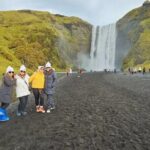
Then it’s Skógafoss, dropping about 60 meters over a cliff. It’s a bigger, more imposing feel than Seljalandsfoss, and there’s also a good chance to spot the water feeding the river system down into the south coast.
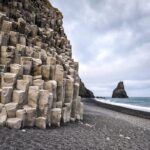
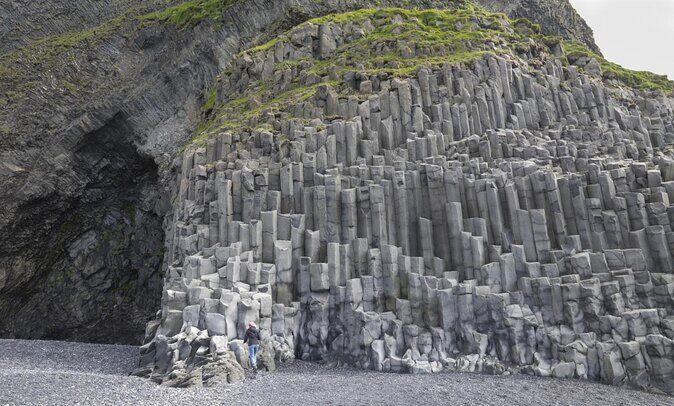
Next is Reynisfjara Black Sand Beach, known for dramatic basalt columns and powerful Atlantic waves. This stop is very photogenic, but it also has real wave force, so stay alert and don’t turn it into a risky beach exploration. The black sand and rock shapes are the main draw, and they photograph well even on overcast days.
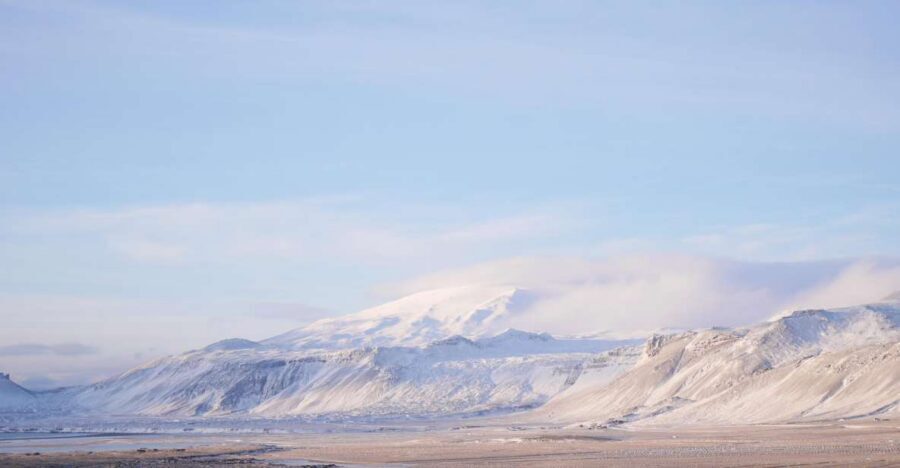
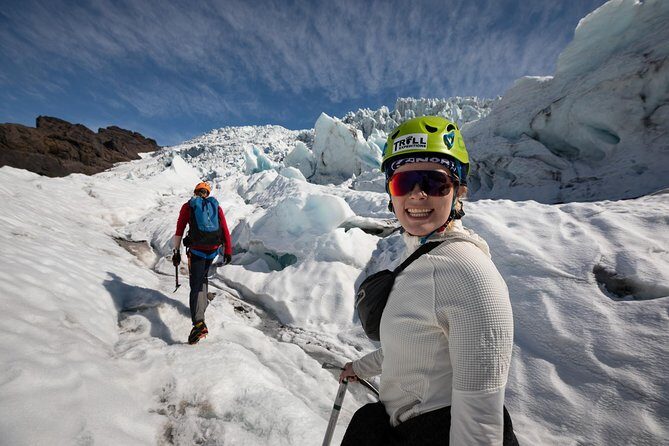
The highlight is the included Sólheimajökull glacier hike. It’s a guided walk on glacial ice with volcanic ash streaks, and it’s described as moderate. You’ll have safety equipment, but you still should bring the right clothing mindset: cold wind, slick surfaces, and a steady pace matter more than speed.
You finish Day 2 in Vík í Mýrdal for the night. The tour aims for another Northern Lights chance from a low-light area. Even if you don’t see lights, Vík is a good base for a calm evening after a busy day.
Day 3 Jökulsárlón Icebergs and the Vatnajökull Crystal Ice Cave
Day 3 leans into ice, scale, and volcanic-country drama.
At Breiðamerkursandur (Diamond Beach), you’re looking for icebergs that wash onto black sand. The “diamond” effect depends on angle and light, so you’ll get the best shots if you move to a good position quickly instead of lingering in one spot.
Then you hit Jökulsárlón Glacier Lagoon. This is the big one: floating icebergs, glacial meltwater, and wildlife possibilities (seals gather in winter). The main value here is the contrast between calm water and strange ice shapes.
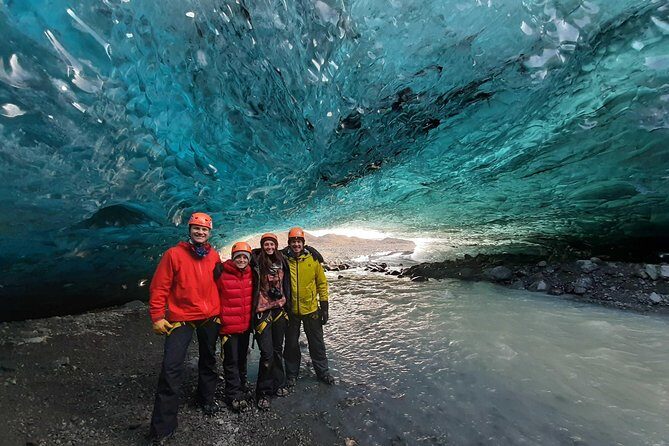
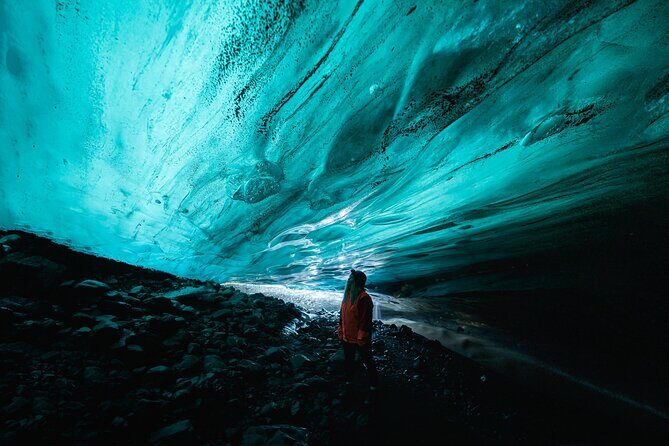
After that, the tour includes an ice experience inside Europe’s largest glacier: Vatnajökull, specifically the Crystal Ice Cave. This is one of the included activities with safety equipment, so you’re not left figuring it out on your own. Expect a guided setup, careful pacing, and a very different texture than the open air lagoon.
The day also includes an Icelandic high-point viewpoint: Hvannadalshnjúkur, on the crater rim of Öræfajökull. Even if you don’t do a big hike, you’ll get a sense of how volcanoes shape the country’s “top layer” and long-distance views.
Day 4 East Fjords: Djúpivogur, Icelandic Horses, and Optional Vök Baths
Day 4 slows down in feel, even if the driving continues. East Fjords are a different Iceland mood: ridges, fishing villages, and smaller stops where the air feels less crowded.
You begin in Djúpivogur, a town tied to the Cittaslow movement. That matters because it’s not just about grabbing a photo; it’s about a place that aims for a calmer pace. The tour also highlights Búlandstindur, a symmetrical pyramid-shaped mountain you’ll see as you move through the region.
A standout optional encounter is at Finnstaðir Holiday Home, where local farmers Helga and Siggi welcome you to see Icelandic horses. This is listed as not included, but it’s a memorable way to add something hands-on after days of mostly “look and walk.” If you like animals and don’t mind an extra booking, this is the kind of add-on that changes your photos from scenery-only to real experiences.
The day also touches Iceland folklore around the Lagarfljótsormur sea monster. Nearby, you’ll pass Hallormsstaðarskógur, Iceland’s largest forest. Even if you’re not into legends, the pause gives your mind a break from pure sight-seeing momentum.
If you want an unwind option, the tour includes Vök Baths as an optional extra at your own expense. Soaking in geothermal waters around Lake Urriðavatn is a clean way to reset after long days. On clear nights, it’s also positioned as a possible Northern Lights viewing spot, but again, weather is the boss.
Day 5 Lake Mývatn Geothermal Stops and Goðafoss
Day 5 is about volcanic energy. You’re moving through a region that looks like it was designed by geology.
At Námaskarð, you’ll see sulfurous mud springs and steaming fumaroles. The ground here feels alive in a way that pictures can’t fully explain. Wear layers that handle sudden temperature shifts, because geothermal areas can be warm close up and windy a few steps away.
Next is Dimmuborgir, meaning dark castles or dark cities. You’re walking among lava formations created when lava flowed into wet marshlands, leaving eerie shapes that feel almost arranged. This is a great stop if you like textures and patterns more than just big scenic vistas.
Then comes Lake Mývatn, known for a very active volcanic history and for Arctic char. The tour doesn’t position this as a long beach day, but it’s the right kind of contrast after geothermal chaos. It also drains into the Laxá River, a top brown trout fishing area.
You end Day 5 with Goðafoss (Waterfall of the Gods). The name is part of the attraction, but what you’ll remember is the waterfall’s power and the sense that the area has deep cultural meaning. It’s one of those stops that works even if you’ve already seen several waterfalls.
Your night base becomes Akureyri, often called the capital of the north. If skies cooperate, you may get Northern Lights above town.
Day 6 Akureyri Harbor Feel, Hauganes Whales, and Grábrók Crater
Day 6 gives you a mix: a town moment, then ocean life, then a volcanic final look.
Akureyri is where you can feel the north’s everyday rhythm. The tour highlights its quirky touches, including heart-shaped stop signs, which is the kind of detail that makes towns feel lived-in instead of just toured.
Next is Hauganes, including a stroll around the harbor and a look at a black sand beach with mountains in the background. This stop is short on paper but useful for stretching after days with mostly “get out, take photos, get back in.”
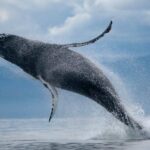
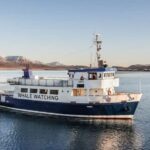
Then you go whale watching in Eyjafjörður Fjord. This is an included activity, and this part tends to be a major memory-maker because whales are large, close, and unpredictable in the best way. The tour frames Northern Iceland as a strong whale region, so you’re going where the odds have been good historically.
You finish with Grábrók Crater, a volcanic crater surrounded by moss-covered lava fields. It’s also positioned as another Northern Lights opportunity if the sky is clear.
Day 7 Snæfellsnes Peninsula: Gerðuberg Basalt Columns to Kirkjufell
Snæfellsnes is where the itinerary turns into geology tourism, with lots of “how did that form?” moments.
You start at Gerðuberg, a cluster of hexagonal basalt columns. It’s not just pretty; it’s a quick lesson in volcanic structure, and it’s the kind of spot where sharp angles matter for photos.
Then it’s Ytri Tunga Beach, a rare white sand beach in Iceland and known as a seal area. You might see seals resting on rocks, but even without them, the contrast is interesting.
Next you visit Búðir (Budakirkja), the black wooden church. It’s a frequent wedding venue, but for you it’s a peaceful visual break from waterfalls and ice.
Then comes Arnarstapi, a coastal village with cliffs and sea arches. The tour also includes stories about Bárður, the half-man half-troll from local lore. That blend of legend and coastal geology makes this stop feel more like a guided walk than a checklist moment.
At the tip of the peninsula, you reach Snæfellsjökull, a glacier-covered stratovolcano tied to Jules Verne’s Journey to the Center of the Earth. It’s one of those Iceland landmarks where literature and real geography overlap.
After more coastal formations, you stop at Londrangar Basalt Cliffs, then Djúpalónssandur, a black sand beach reached by a footpath through lava terrain. This is a great place to slow down and look at how the moss-covered rock shapes the way you walk.
The day ends at Kirkjufell, one of Iceland’s most photographed peaks. Game of Thrones fans may recognize it as Arrowhead Mountain. Even if you don’t watch the show, it’s simply a stand-out shape in the weather.
Day 8 Hraunfossar, Barnafoss, Víðgelmir Lava Cave, and Reykholt Back to Reykjavik
Day 8 starts with two waterfall stops with big character.
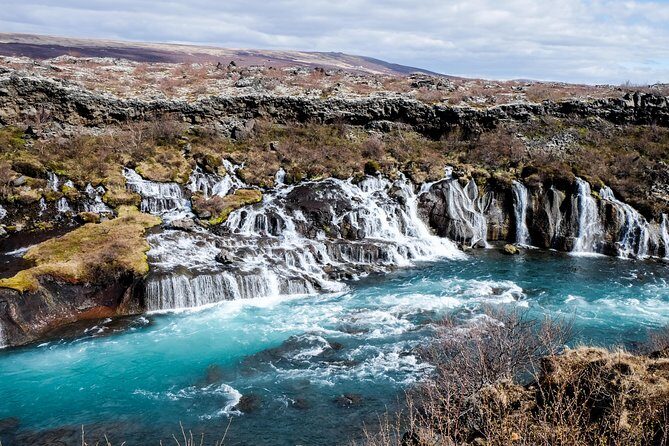
At Hraunfossar (Lava Falls), water flows for about 900 meters from the Hallmundarhraun lava fields. It’s unusual because you’re not looking at one single plunge; you’re seeing water spread and run over a lava “canvas.”
Then it’s Barnafoss (Children’s Fall), tied to a legend about two children falling into the waterfall on Christmas Day after refusing to go to church. It’s short, but the story adds an extra layer to the photos.
The tour includes Deildartunguhver, a major geothermal spring on a scenic farm. It’s described as Europe’s largest and most powerful hot spring, producing about 180 liters per second at roughly 100°C. This is one of those facts that turns your stop into something you can tell other people about later.
Next is Reykholt, a historic center tied to Snorri Sturluson, who lived there from 1206 to 1241. You’ll get a cultural stop after days heavy on nature, and it helps the week feel balanced.
You also have an optional cave add-on: Víðgelmir lava cave (The Cave), listed as not included. If you’re curious about Iceland’s underground volcanic world, this is the kind of add-on that fits the rest of the geology theme.
You finish back in Reykjavik in the afternoon, so you’re not stuck with a full day of transfers after an active week.
What You’ll Pay Extra For (and How to Avoid Surprises)
This tour’s main value is that several costly experiences are included. Still, you should plan for the items that are not included.
Lunch and dinner are not included, and Iceland’s food prices can be intense. Practical trick: buy groceries and snacks when you can, especially if you’re staying at places without full-service dining. I like this approach because you’re not hunting for dinner every night in a time crunch.
Some people also add optional experiences:
- Horseback riding (contact operator to add)
- Vök Baths
- Víðgelmir Lava Cave
These extras can turn a good trip into a great one, but you’ll want to decide based on your budget and energy.
Gear rentals are available but cost extra. If you need them, the tour lists rental options like:
- Hiking boots rental (4,000 ISK)
- Waterproof jacket (3,000 ISK)
- Waterproof pants (3,000 ISK)
- Hat and gloves combo (3,000 ISK)
If you already own solid cold-weather waterproof layers, you might skip rentals and save money.
Guide Skills, Small-Group Comfort, and Real-World Weather Timing
A good driver-guide makes or breaks an Iceland itinerary. The best thing here is how the guide role is practical: site explanations before you arrive, safety reminders when conditions matter, and help with the best viewing angles for the moment you’re standing there.
In real departures, you’ll see names like Thor, Heidrun, Gilfi, Johan, Pauli, Erla, Gylfi, and David. Regardless of the name, the pattern from those experiences is consistent: clear instructions for meeting times, simple English reminders when needed, and patience with groups that move at different speeds. That last part matters because stops like glaciers and cliffs can demand slower movement and careful footing.
The route is also built with weather flexibility. Iceland weather changes fast, and guides have to keep everyone safe and still hit the major points. If conditions force adjustments, the value is that you’re not trying to improvise alone on unfamiliar roads.
Northern Lights: How to Improve Your Odds Without Overthinking It
If you’re booking this trip partly for Aurora chances, you’ll appreciate the intentional timing. The tour points you toward low-light opportunities in places like:
- Hvolsvöllur (right outside your door)
- Vík í Mýrdal
- Lake Urriðavatn area while at Vök Baths (optional)
- Grábrók Crater
- Akureyri if skies are clear
But here’s the honest mindset: bring warm clothes and expect waiting. Dress for standing still in wind. If you’re the type who wants to grab photos fast, you’ll still want gloves and a hat. One smart habit is to stay alert during evening transitions, not just at the first moment you reach your hotel.
Who This Tour Fits Best
This is a strong choice if you want:
- A guided introduction to Iceland’s top areas without car planning
- Glacier walking and an ice cave experience with safety gear included
- Whale watching from Hauganes
- A finish on Snæfellsnes with Kirkjufell and coastal geology
You should also expect some walking and cold-weather layers. One group noted daily walking around 2 to 4 miles if you want to see all the photo spots, plus uneven ground at various stops. The included glacier hike is described as moderate, and it’s safest when you take it steady and follow guide instructions.
Should You Book This 8-Day Iceland Tour?
I’d book it if you want the fast route across Iceland with the heavy lifting done for you. The big included pieces, like the Sólheimajökull glacier hike and Vatnajökull ice cave, are exactly the kind of guided activity that’s hard to recreate well on your own. Add in whale watching and 7 nights with breakfast, and the overall value starts to make sense even at a premium price.
I’d think twice if you only want a relaxed pace with minimal walking, or if you’re very focused on guaranteeing Northern Lights. This itinerary is built to pack in major sights, and that means active days and weather-dependent evenings.
If you’re the kind of traveler who likes learning what you’re looking at, taking photos from good spots, and going with the flow when the sky changes, this is one of the cleaner ways to see a lot of Iceland in a week.
FAQ
What does the $2,777.76 per person price include?
It includes an 8-day guided minibus tour around Iceland, 7 nights of accommodation with breakfast, Hauganes whale watching, an ice cave tour with safety equipment, and a glacier hike with safety equipment. It also includes pickup and drop-off from designated bus stops, a professional English-speaking driver-guide, WiFi on board, and transportation in a comfortable minibus.
Are lunch and dinner included?
No. Lunch and dinner are not included.
How many people are on the tour?
The tour is a small group with a maximum of 18 travelers.
Does the tour pick you up from your hotel?
Pickup is offered, but the tour may not stop at every hotel entrance downtown due to traffic regulations. You should plan to use a nearby designated bus stop, sometimes only a couple minutes walk away, and you’ll be asked to be ready by the pickup start time.
Is the glacier hike included, and what safety gear is provided?
Yes. The Sólheimajökull glacier hike is included, and it comes with safety equipment.
Is the ice cave included?
Yes. The ice cave tour is included and includes safety equipment.
What optional activities cost extra?
Vök Baths is optional and not included. Horseback riding is listed as an extra. The Víðgelmir lava cave is also listed as an extra, not included.
Can I cancel for a full refund?
Yes. You can cancel up to 24 hours in advance of the experience start time for a full refund. If you cancel less than 24 hours before the start time, the amount paid is not refunded.