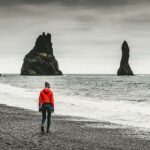
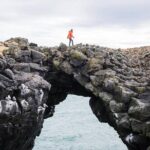
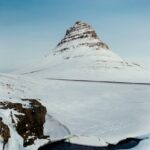
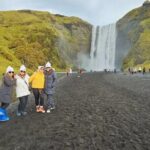
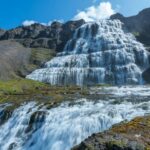
You’ll never feel bored on the Golden Circle.
This full-day Reykjavik tour strings together Iceland’s top geology hits: Strokkur erupting in the Geysir area, the roar and spray of Gullfoss, and a walk through the rift valley at Þingvellir. You also stop at the volcanic crater lake of Kerið (with a timing exception depending on your departure time), plus a quick break in Hveragerði.
What I like most is the way it balances big-ticket sights with real time outdoors: you get photo-focused stops at Kerið and Gullfoss, then a longer window at Geysir for watching eruptions and grabbing lunch on your own. I also like the on-bus storytelling—guides often bring Iceland’s history, folklore, and geology into the drive, and you may even hear songs from guides like Alain, Tania, or Ana.
One drawback to plan for: it’s a tight schedule. Even with good timing, popular stops can mean queues, and some people want more time at the geyser moment or in each location when everyone is taking photos at once.
In This Review
- Key points worth your attention
- Golden Circle by bus: what makes this route work
- Reykjavik pickup and the coach rhythm (you’ll feel the “long day”)
- Hveragerði break: a quick reset before the big stops
- Kerið crater lake: the quick look at volcanic Iceland
- Gullfoss: where the water drops and the mist finds you
- Geysir geothermal area and Strokkur: where timing turns into magic
- Þingvellir National Park: walking where plates split
- Guides, driving, and weather: what really affects your day
- Price and value: is $82 a fair deal for this route?
- Who should book this Golden Circle tour?
- Should you book this Reykjavik Golden Circle with Kerið?
- FAQ
- How long is the Golden Circle full-day tour with Kerið?
- What are the main stops on the tour?
- Is food included?
- Is there a guide, and what language do they speak?
- Where do I meet the tour in Reykjavik?
- Do I get pickup from my hotel?
- Is the Kerið crater stop always included?
Key points worth your attention

- Strokkur eruptions with real viewing time: you’ll have a long enough stop to catch multiple blasts rather than one quick glance
- Gullfoss spray is part of the show: expect mist and plan for weather-proof layers
- Þingvellir is geology you can walk on: the North American and Eurasian plates are literally separating there
- Kerið timing can change: Kerið may be skipped for departures at 12:00 pm and later
- Your guide can shape the day: you might get lively, funny commentary and lots of practical context
- You’re paying for convenience: it’s still a long day, but you avoid renting a car and handling driving
Golden Circle by bus: what makes this route work

This is the kind of day trip that earns its reputation. The Golden Circle is basically Iceland’s greatest hits in one loop: geothermal activity, waterfall power, and a rift valley tied to both geology and early Icelandic governance.
The tour runs about 7 to 8.5 hours, with a full coach day from central Reykjavik. That duration matters because the Golden Circle isn’t close. When you go by bus with a guide, you trade independence for efficiency—and you get someone else handling route decisions when weather and road conditions shift.
You’ll visit four landmark areas in the southwest: Hveragerði, Kerið, Gullfoss, Geysir, and Þingvellir. The schedule includes a break time early, then photo stops and walking windows spread through the day so you aren’t just staring out a window the whole time.
You can also read our reviews of more tours and experiences in Reykjavik
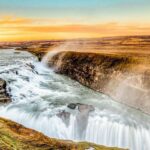
Reykjavik pickup and the coach rhythm (you’ll feel the “long day”)
Your day starts with pickup options in central Reykjavik, with the default meeting point listed as Tour Bus Stop 12 at Höfðatorg (on Þórunnartún). If you choose pickup, it’s limited to select hotels and official bus stops in central areas, and the tour is also available from the cruise port if you indicate your arrival.
Once you’re on board, the pacing is simple: drive, short break, stop, drive, stop. The itinerary includes a 40-minute transfer early, a 15-minute break in Hveragerði, then more scheduled time blocks around the main stops. Each location is built for quick immersion: enough time to see it well, take photos, and use the facilities without turning the day into a marathon.
Most guides on this route are talkers—in a good way. People mention guides like Thor, Sunny, Emily, and Barbara for being animated, funny, and packed with facts. That matters because on a long coach day, you don’t just want the view—you want context while you’re traveling between views.
Still, know what to expect from a group bus format: you’re not going at your own pace. If you need long unhurried wandering time at every site, you may wish for a slower, smaller group tour. If you want the major hits without planning or driving, this fits.
Hveragerði break: a quick reset before the big stops

You get a 15-minute break in Hveragerði early in the day. This matters more than it sounds. It’s your chance to reset before the schedule gets “real,” use the restroom, and get caffeinated (if that’s part of your travel ritual).
Hveragerði also gives you a taste of the geothermal vibe of the region. Even if it’s just a short stop, it sets the tone for what’s coming: heat, water, and volcanic landscape features.
Bring your “layer strategy” for this part too. Weather can shift fast in Iceland, and winter conditions can be seriously slippery. Even if the stops are short, comfort in the cold makes the whole day feel better.
Kerið crater lake: the quick look at volcanic Iceland

Kerið is one of those Iceland stops that’s visually hard to forget: a volcanic crater with a striking crater-lake look. On this tour it’s a photo stop of about 20 minutes, so you’re not there for hiking for hours. You’re there to see it, shoot a few strong photos, and move on.
One key planning detail: the itinerary notes that the tour won’t stop at Kerið for departures at 12:00 pm and later. So if you’re aiming for Kerið, pick an earlier start time when possible.
What makes Kerið work in a full-day route is efficiency. It’s compact, it photographs well even in harsh weather, and it adds variety between Gullfoss and the geyser area. Some people also enjoy that it feels more “volcanic geology” focused than the waterfall or rift-valley stops.
If you’re the type who likes to linger, 20 minutes can feel short. But if you accept the photo-stop format, Kerið is a solid hit.
Gullfoss: where the water drops and the mist finds you

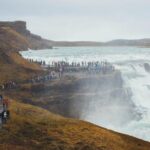
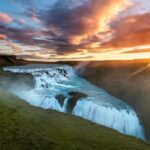
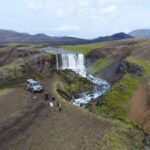
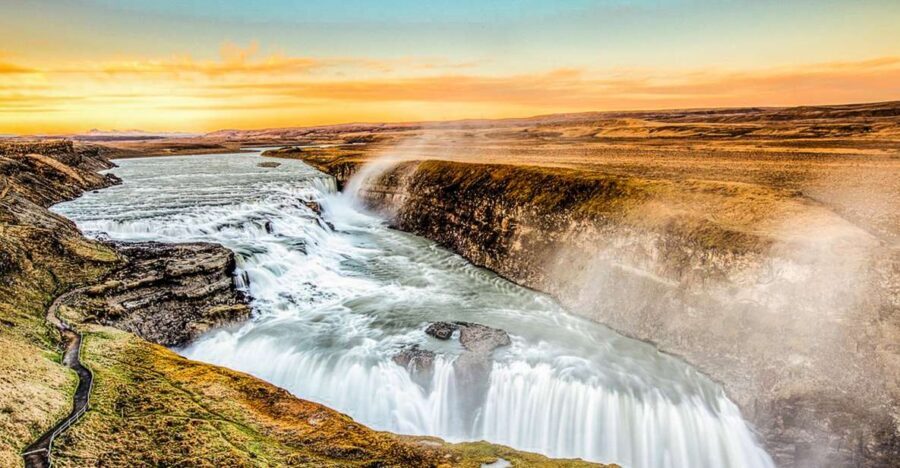
Next up is Gullfoss Waterfall, with a photo stop around 45 minutes. This is the moment most people picture when they think of the Golden Circle. The tour is explicit about the experience: feel the spray as the glacial Hvítá river plunges into a deep crevice (described as 32 meters deep).
Gullfoss is one of the best places to learn a practical lesson: weather becomes part of the attraction. On a calm day you might get clearer sightlines; in wind, you’ll get more mist and more noise. Either way, it’s worth dressing for the spray so you can focus on the view instead of battling numb fingers.
A 45-minute stop gives you enough time to get into position, take photos, and still leave the viewing areas without feeling rushed off the trail. If your goal is photography, go in expecting other people to be there. It’s popular. Plan your “photo plan” quickly: wide shot first, then angles, then final memories—so you don’t waste time.
Some people also want more time here, but compared with the rest of the route, Gullfoss usually feels like the right length.

Geysir geothermal area and Strokkur: where timing turns into magic

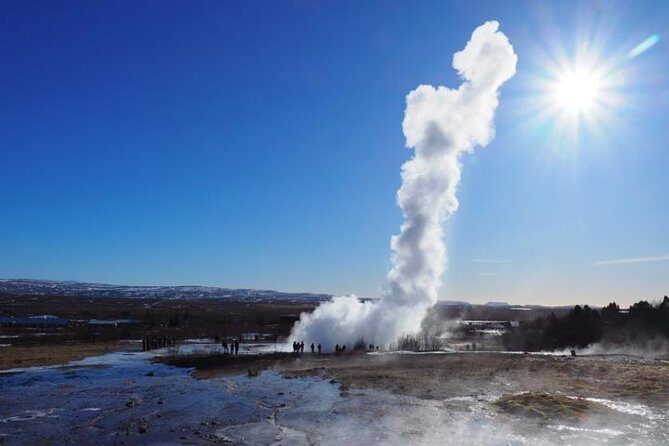
This is the big heart of the geothermal portion: the Geysir area, including Strokkur, where active spouting geyser eruptions can reach about 30 meters and happen roughly every 8 minutes.
On the tour, Geysir is a long stop, about 80 minutes, with photo time and lunch included as a scheduled break. The reality of geyser watching is that you don’t control eruption timing, so that extra time is huge. With enough minutes, you’re much more likely to see multiple eruptions rather than just one.
What I like about this stop format is that it gives you a chance to do both: stand and watch, then step away for food without missing everything. Just remember: the tour doesn’t include food and drinks, so “lunch time” means you’ll be eating on your own during that window.
One tip: if there’s wind, you may want to position yourself where you can still see through steam. People who felt the schedule was tight often mention wanting a bit more time at Strokkur. That’s not a bad criticism—just plan that the schedule is built to fit a full loop, not a one-stop marathon.
Also, if you’re lucky and your guide adds small surprises, you might get bonus moments. Some departures include an extra stop to see Icelandic horses (even feeding them has shown up in real-world tour experiences). If that happens on your day, it’s a nice break from the hot steam and cold air combo.
Þingvellir National Park: walking where plates split

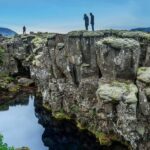
The tour ends with Þingvellir National Park, with a photo stop and a walk of about 45 minutes. Here’s the standout reason to care: it’s where the North American and Eurasian tectonic plates are pulling apart, at a rate of a few centimeters per year.
That makes Þingvellir more than a pretty nature stop. It’s physical science you can walk around. The tour also notes cultural weight: Þingvellir was named a UNESCO World Heritage Site in 2004 for cultural value, and it’s connected to Icelandic governance through the Rock of Law, described as the site of the first Viking parliament.
The practical part: 45 minutes is enough to walk, look, and take photos if you’re comfortable on uneven ground. In winter, surfaces can be slick, so wear grippy footwear. If you tend to rush, slow down here. The whole point is to feel the place, not just see it.
This stop also benefits from the guide element. People often praise guides—like Guiseppe for geology explanations or Toby for entertaining commentary—because rift valleys and tectonics can feel abstract unless someone gives you a mental map.
Guides, driving, and weather: what really affects your day

This tour leans hard on two moving parts: the guide and the driver. Both affect comfort, safety, and how much you get out of each stop.
Safety comes up a lot in tour experiences, especially in winter winds and icy conditions. People mention drivers like Dean, Jon, Lukas, and Eugen as careful and competent. That’s not just reassurance—it can shape how smoothly your day runs. When roads are busy with snow, it’s reassuring to know the bus is being handled seriously.
The other half is the guide’s storytelling style. Many people highlight guides like Sunny, Jessica, Andrea, and Sunny again for being informative and funny. Some guides take a creative turn—songs show up in accounts (from Alain, Tania, and Ana), and there are references to Icelandic lullabies or sing-along moments.
One more practical note: group tours mean sound can vary. A few people mention it being hard to hear the guide at times over the bus engine or muffled audio. If you’re hard of hearing, consider bringing earplugs or asking the guide if you can sit closer to the front before you depart.
Weather is the wildcard. The tour notes it may be canceled in heavy rains or thunderstorms, with an alternate date or refund offered in that case. Even when it runs, conditions can shift. Dress like you’re going to be outside longer than you think, because in Iceland you often are.
Price and value: is $82 a fair deal for this route?

At $82 per person for a 7 to 8.5 hour day, the value is mostly about what you don’t do. You’re not renting a car, paying for parking, handling long drives, or coordinating logistics among multiple stops. The tour includes a live English guide and air-conditioned transportation.
You’re also buying time planning. The Golden Circle is popular, which means parking lots, traffic patterns, and queues happen. With a bus route that already schedules stop windows for Kerið, Gullfoss, Geysir, and Þingvellir, you avoid the mental load of timing everything yourself.
Is it perfect value for everyone? Not necessarily. Since food and drinks aren’t included, you’ll still pay for lunch on your own during the Geysir lunch break. And because stop times are set (20 minutes for Kerið, 45 for Gullfoss, 45 walk at Þingvellir), you’re not getting endless time in each location.
But if your goal is to hit the essential geology and waterfall icons in one day without stress, the price makes sense. It’s the kind of structured value that works especially well if it’s your first visit and you want the landmarks without experimenting with driving conditions.
Who should book this Golden Circle tour?
I’d steer you toward this tour if you want a clear plan: Geysir/Strokkur + Gullfoss + Þingvellir in one day from Reykjavik, with a guide to keep it interesting and help you understand what you’re seeing.
It’s also a good choice if:
- you don’t want to drive in winter conditions
- you want a solo-friendly day with transport handled
- you like learning while you ride between sites
- you’re happy with photo-stop pacing at some locations
It’s not ideal if you need long quiet time at each stop or you’re sensitive to group schedules. And it’s not suitable for children under 2, based on the tour’s guidance.
Should you book this Reykjavik Golden Circle with Kerið?
Yes, I think you should book it if you want the Golden Circle highlights with minimal hassle. The itinerary is built around the places that matter most—Strokkur eruptions, Gullfoss spray, and Þingvellir’s rift valley—and the longer Geysir stop gives you a realistic shot at multiple eruptions.
Two decisions will make your day better:
- If Kerið matters to you, aim for a departure earlier than the 12:00 pm cutoff where the stop may not happen.
- If you care about catching the best geyser moments, choose a time when you can handle a full outdoor day and bundle up for cold, wind, and steam.
If you prefer slow travel and long wandering, you might want a smaller group or a slower itinerary. But for most visitors trying to make the most of limited time, this is a smart, high-value way to see Iceland’s core geology without renting a car.
FAQ
How long is the Golden Circle full-day tour with Kerið?
It runs about 7 to 8.5 hours, depending on the starting time you choose.
What are the main stops on the tour?
You’ll visit Hveragerði (break), Kerið Crater, Gullfoss Waterfall, the Geysir area (including Strokkur), and Þingvellir National Park.
Is food included?
Food and drinks are not included. The itinerary includes a lunch break during the Geysir stop, but you’ll be responsible for what you eat and drink.
Is there a guide, and what language do they speak?
Yes. The tour includes a live guide in English.
Where do I meet the tour in Reykjavik?
The meeting point is Tour Bus Stop 12, Höfðatorg (on Þórunnartún).
Do I get pickup from my hotel?
Pickup is optional and offered at select hotels and official bus stops in central Reykjavik only. It’s also available from the cruise port if you indicate which cruise port you arrive into.
Is the Kerið crater stop always included?
No. The tour notes it won’t stop at Kerið for departures at 12:00 pm and later.