Waterfalls and glaciers in one long day.
This Reykjavík day trip strings together Seljalandsfoss and the glacier snout at Sólheimajökull, with black sand coast stops in between. What makes it feel special is how the day is paced: short, focused photo moments, then a few longer wanders where you can actually take in the power and the scale. Guides like Sara and Darren are called out often for stories, and guides like Eva and Petra for adding extra on-the-spot details when conditions let them.
I love how physical and close-up it gets. You get the walk-behind waterfall vibe at Seljalandsfoss, then you move from wet spray to basalt beaches and up to the ice face at the glacier snout. I also like the mix of famous sights with the southern-coast feel at Reynisfjara near Vík, where the sea stacks and black sand give you a very Iceland look.
One possible drawback: Iceland weather can change what you can do. If it’s extremely windy, you might have to keep your distance at Reynisfjara or accept that the spray-and-walk portions may be limited. The day also runs about 10 hours, so you’ll want snacks and layers.
In This Review
- Key highlights worth planning around
- Reykjavík pickup to a full south-coast day
- Seljalandsfoss: the walk-behind moment (and why you’ll want waterproof gear)
- Skógafoss: the 60-meter drop and a photo stop that moves
- Sólheimajökull glacier snout: up close to ice without the extra trekking
- Vík lunch stop: eat, reset, and check out the southernmost-village vibe
- Reynisfjara black sand: basalt stacks, big waves, and the safety reality
- Seljalandsfoss to Reynisfjara: why the order feels smart
- How guides and drivers handle Iceland weather (and keep you safe)
- What to pack for waterfalls, wind, and icy viewpoints
- Price and value: is $126 a good deal?
- Who this Reykjavík south-coast tour fits best
- Should you book this South Coast waterfalls, black sand, and glacier tour?
- FAQ
- How long is the Reykjavík South Coast Waterfalls, Black Sand & Glacier Tour?
- Where do I meet the tour in Reykjavík?
- Does the tour include hotel or guesthouse pickup?
- Is there a guided component, and is it in English?
- Which stops are included during the day?
- Is food included in the price?
- Is pickup available from a cruise port?
- Are children allowed on this tour?
- What are my cancellation options?
Key highlights worth planning around

- Walk behind Seljalandsfoss when conditions allow and you’ll feel the spray up close
- Skógafoss gives you a 60-meter waterfall payoff in a tight, efficient photo stop
- Sólheimajökull glacier snout visit to see an outlet glacier of Mýrdalsjökull
- Reynisfjara black sand and basalt sea stacks near Vík make the south-coast look unmistakable
- Guides such as Sara, Darren, Eva, Pierre, and Petra bring folklore and practical on-the-road guidance
Reykjavík pickup to a full south-coast day

This is a proper day tour, not a quick hit. You’ll start in central Reykjavík (the standard meeting point is Tour Bus Stop 12 at Höfððatorg on Þórunnartún), and pickup is optional from selected hotels and official bus stops within about 30 minutes of departure.
The bus ride matters here. You’re traveling through southern Iceland’s big visual hits, so the drive between stops is part of the show. A lot of people enjoy the way the guide uses the time to explain what you’re seeing—waterfalls, rivers, glaciers, and why this coastline looks so dramatic.
Plan your energy like you would for a hiking day. This tour is about timing and weather, not comfort food and long restaurant breaks. Lunch is a stop in Vík (not included), and other breaks are short, so your best strategy is to eat smart before and bring what you need between stops.
You can also read our reviews of more tours and experiences in Reykjavik.

Seljalandsfoss: the walk-behind moment (and why you’ll want waterproof gear)
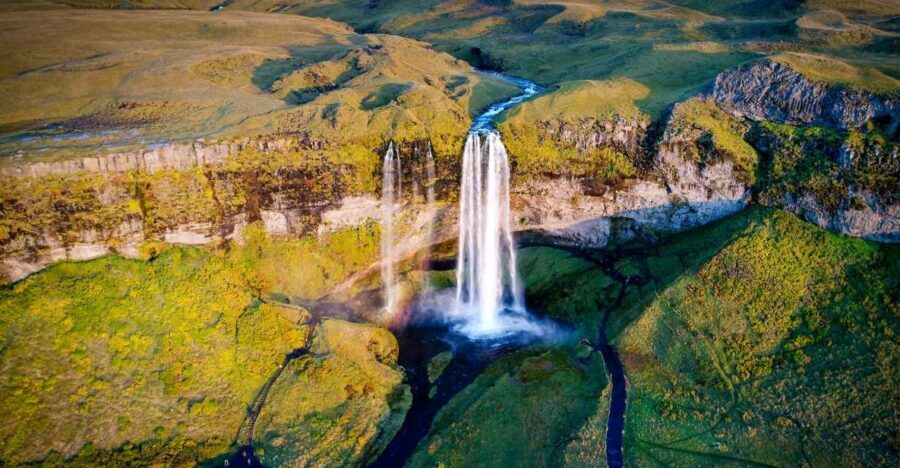
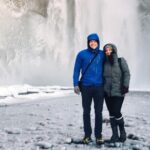
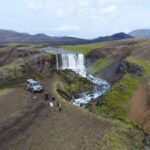
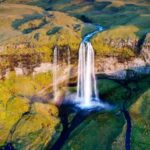
Seljalandsfoss is the headline for a reason. The highlight is walking behind the cascades—when weather allows—so the waterfall is in front of you and behind you at the same time. That means photos come out different than the usual viewpoint: you get misty light, motion in the frame, and a sense of scale that’s hard to describe until you’re standing in it.
Here’s the practical side: you’ll get wet. Even on a day that isn’t pouring rain, spray is part of the experience. Bring waterproof layers and shoes you trust on damp ground. One small tip that comes up in real-world feedback: people who came prepared for wet conditions felt more relaxed and enjoyed the walk longer.
Also watch the wind. Iceland’s weather can swing fast, and guides may need to adjust how close people can go. If you can do the full walk behind, great. If not, you can still get excellent waterfall views from outside and keep the day moving to the next stops.
Skógafoss: the 60-meter drop and a photo stop that moves

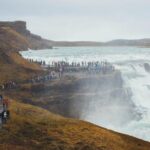
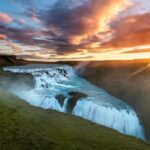
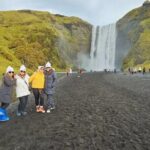
Skógafoss is next in the day’s rhythm, and it’s the kind of waterfall that turns your camera roll into a problem. The big detail is the height—about 60 meters—so even a shorter stop can still feel “worth it.”
What makes this stop work in a group setting is the timing. You’ll have a photo stop (about 30 minutes) that’s long enough to get a few angles, even if you don’t want to rush. Many people like this structure because it keeps you from wasting time waiting around in wet conditions.
One more reality check: Skógafoss is often paired with stairs or a short climb for better views. If you want that higher perspective, give yourself time inside the stop. When it’s cold or slick, everyone moves slower. Pack layers and don’t assume you’ll feel steady immediately—your body needs a few minutes to get used to wind and damp air.
Sólheimajökull glacier snout: up close to ice without the extra trekking

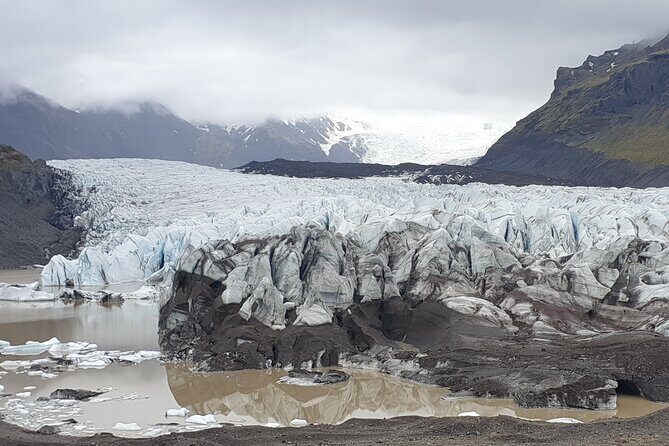
Then the day pivots from waterfalls to ice. The glacier stop is at Sólheimajökull, specifically at the glacier snout—an outlet glacier connected to Mýrdalsjökull. This is where the scenery changes texture: fewer lush greens, more raw ice shapes and stone.
You’ll get about 45 minutes here, which is the sweet spot for a close-up look. You can walk for photos, take in how the glacier front looks from different angles, and understand why ice can look almost different every time you look away and back. It’s not a full glacier hike type of visit, so it’s a good option if you want glacier views without committing to hours of trekking.
Weather can still matter. Wind and low visibility can shrink how much you want to stay right at the front edge. When that happens, the smart move is to focus on what you can see clearly—ice faces, rock lines, and melt patterns—and let the rest be “good enough.”
A nice perk: guides sometimes add extra moments at the waterfall side of the day too. For example, people have mentioned Eva showing a waterfall view in a cave-like spot during the Seljalandsfoss segment, which is exactly the kind of bonus that makes the trip feel thoughtful rather than rushed.
Vík lunch stop: eat, reset, and check out the southernmost-village vibe

Vík is where the trip breathes. You’ll have a lunch stop of about 50 minutes, which is enough time to grab something warm and sit down for a bit—important because Iceland buses and stops don’t come with long meal breaks.
Vík also gives you context. You’re near the southern coast features that feel remote and powerful, but you’re not deep in the wilderness. The town acts like a “base” for the coastline drama around it.
One timing consideration: if the weather is uncooperative, it may limit how far you want to wander. People have noted not getting as much time for extra viewpoints like the church area when conditions were rough. So if there’s a specific spot you want to reach in Vík, aim for it early in the lunch window.
If you’re trying to save money, this is also your chance to do that. Since food isn’t included on the tour, you can choose simpler meals and still feel like you got the day fully covered.
Reynisfjara black sand: basalt stacks, big waves, and the safety reality

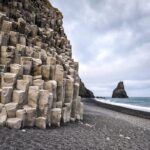
Reynisfjara is the black sand stop, and it’s one of those places that looks otherworldly even from a parking area. The standout here is the contrast: black sand, roaring sea, and basalt sea stacks just offshore. It’s the Iceland look that people imagine before they ever arrive.
But here’s the key point you should respect: ocean conditions can change access quickly. On windy days, or with high surf, the safest choice may be to stay off the sand and just enjoy the views from a safe vantage point. People have described situations where access to the beach was limited due to rip-current or high-wind warnings (a red status), yet the viewpoints still delivered strong photos.
So what should you do? Treat this like a “watch and photograph” stop more than a “walk for miles” stop. Dress warm, keep your footing careful, and listen to your guide if they adjust where you can stand.
Also, don’t miss the time you’re given. It’s about 30 minutes. That’s enough for photos and a short wander, but not enough for a long beach stroll if you’re stopping to admire every basalt formation.
Seljalandsfoss to Reynisfjara: why the order feels smart

The route isn’t random. It’s built around the day’s practical flow: you start with waterfalls, move to glacier views, then shift back to the coast near Vík and the black sand. That order helps because different stops demand different kinds of attention.
- Waterfalls early in the day can feel clearer before the wind ramps up.
- The glacier works best when you can actually see the ice face and nearby melt features.
- Black sand and sea stacks are more “weather-dependent,” so it helps that you’re not stuck there for hours.
In real conditions, your guide may also adjust the plan if delays happen. People have mentioned days with significant snow on the roads, where the guide swapped the order of stops to keep things on track. The bigger point for you: be ready for Iceland time—start flexible, and the day tends to stay fun instead of frustrating.
How guides and drivers handle Iceland weather (and keep you safe)

In Iceland, the best tour isn’t the one that pretends weather won’t happen. It’s the one that plans for it. This tour has a guided structure that people consistently praise, especially for safety and calm decision-making behind the scenes.
Names that show up in feedback include guides like Sara, Darren, Eva, Jessica, Pierre, Petra, and Barbara. Drivers such as Hero are also mentioned for handling snowstorms with skill and patience. The common thread: guides keep you informed, and drivers prioritize safe driving first, even when conditions get intense.
If you’re the type who hates uncertainty, you might feel a little nervous early on. I’d reframe it: use the guide’s instructions and treat the day like an adaptive photo tour. When your guide tells you where to stand, it’s not just fussing—it’s because wind, ice, and surf are real hazards here.
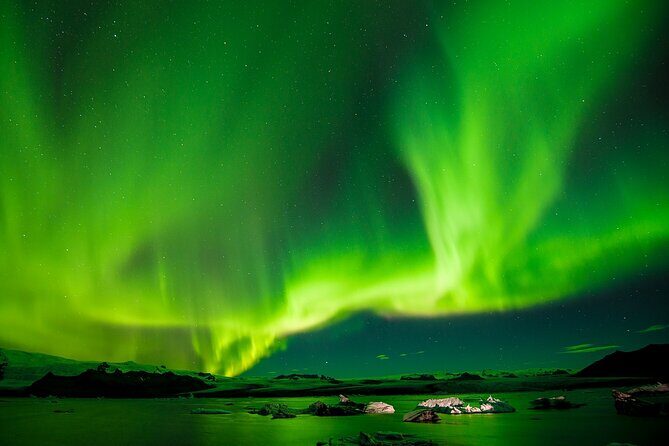
One extra benefit people have shared: sometimes drivers make room for a bonus photo moment if conditions allow. For example, a northern lights photo stop was mentioned on the way back in at least one case. That’s not something you can plan on, but it shows the team is watching what’s happening outside the bus.
What to pack for waterfalls, wind, and icy viewpoints

You don’t need expedition gear, but you do need the basics. This is a day where “dress for the worst” pays off.
Bring:
- Waterproof jacket and pants (the waterfall walk can be spray-heavy)
- Warm layers you can add or remove quickly
- Waterproof shoes or boots with grip
- Gloves and a hat for wind (especially in colder months)
- Snacks and water, because you’ll be out for about 10 hours and lunch is just one meal stop
- A small towel or wipes, because wet hands and cold faces are a real thing here
One practical note from people who’ve done this route: they recommend extra snacks, especially if you plan on doing viewpoint climbs at waterfalls. It’s cold outside, you’re walking, and waiting is minimal—so your body burns more energy than you think.
If you hate carrying a lot, keep it simple: layer system, waterproof outer, and a bottle of water you can refill when you get the chance.
Price and value: is $126 a good deal?
At about $126 per person for a 10-hour guided day trip, the value comes from two things: logistics and expertise.
Logistics first: you’re getting pickup and drop-off options, plus transportation to a string of far-flung south-coast sights without having to drive yourself. In Iceland, that matters. Distances are real, road conditions can change quickly, and parking near the coast isn’t always a fun game.
Expertise next: a live English guide adds context while you’re in the van, and they help you make decisions once you’re out—where it’s safe to stand, how to time photos, and what to prioritize if weather interferes. People consistently rate the day highly for this “information plus flexibility” style.
Food isn’t included, so you’ll budget for lunch in Vík and any snacks you want between stops. The good news is you’re not forced into expensive add-ons on the tour itself.
So, is it worth it? If you want a one-day hit of major south-coast landmarks—waterfalls, black sand coast, and a glacier snout—this price can make a lot of sense. If you’d rather go slow, spend extra time at one spot, or drive yourself, you might prefer a self-drive plan. But for most people working with a limited schedule, $126 buys you a focused, efficient day with strong guidance.
Who this Reykjavík south-coast tour fits best
This tour fits best if you want:
- A single day that covers Seljalandsfoss, Skógafoss, Vík, Reynisfjara, and Sólheimajökull
- Guided storytelling and practical direction so weather surprises don’t ruin your day
- A manageable structure: short photo stops plus a few longer moments where you can actually wander
It’s not ideal if you dislike cold-wet conditions or if you’re the kind of person who needs long meal breaks. Also note the basic rule: children under 2 years old aren’t allowed.
If you’re traveling solo, this tends to work well because pickup is clear, drop-off options are extensive, and you’re not juggling a navigation plan across the south coast.
Should you book this South Coast waterfalls, black sand, and glacier tour?
If your goal is a “greatest hits” day that still feels hands-on—especially the walk-behind waterfall and the glacier snout—then yes, this tour is worth your time. The best reason to book is the balance: enough time to see the big sights, plus a guide who helps you adjust when the day turns windy or snowy.
Book it if:
- You want an efficient south-coast day from Reykjavík
- You’re okay with a full schedule and short stops
- You’ll pack waterproof gear and layers
Skip it if:
- You want long, unhurried beach time regardless of surf conditions
- You hate the idea that weather may limit walking access at certain spots
If you do book, keep expectations realistic: Iceland will run the show. Your job is to dress smart, eat between stops, and follow the guide’s safety calls. Do that, and this becomes one of those days you’ll remember for the way the south coast changes from waterfall mist to black sand to glacier ice in the same 10 hours.
FAQ
How long is the Reykjavík South Coast Waterfalls, Black Sand & Glacier Tour?
The tour duration is 10 hours.
Where do I meet the tour in Reykjavík?
You meet at Tour Bus Stop 12, Höfððatorg (on Þórunnartún). Pickup from the bus stop is within 30 minutes of the departure time.
Does the tour include hotel or guesthouse pickup?
Pickup is optional from selected hotels and guesthouses as well as official bus stops in central Reykjavík. If your option includes pickup, it’s included.
Is there a guided component, and is it in English?
Yes, it includes a live tour guide in English.
Which stops are included during the day?
You’ll visit Seljalandsfoss and Skógafoss, see the black sand beaches on the southern coast (including Reynisfjara), have a lunch stop in Vík, and visit the glacier snout of Sólheimajökull.
Is food included in the price?
No. Food and drink are not included.
Is pickup available from a cruise port?
Yes, pickup is also possible from the cruise port.
Are children allowed on this tour?
Children under 2 years old are not allowed.
What are my cancellation options?
You can cancel up to 24 hours in advance for a full refund.