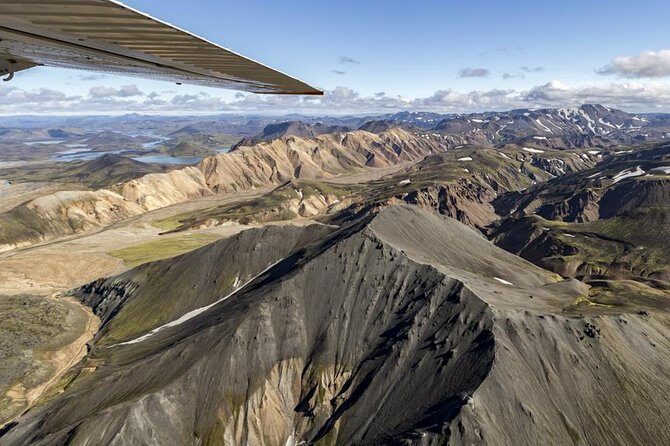
Geothermal North Iceland in one guided sweep. This shore excursion hits the big-name geothermal hits of northern Iceland from Akureyri Port, then mixes in a few geology moments that make the region feel oddly personal. I like the small-group minibus approach (limited to 14), because you waste less time waiting and more time actually looking at the ground. I also love the variety of thermal sights in a single day, from Goðafoss waterfall to steaming fumaroles near Hverir, plus the continental rift moment at Grjótagjá. One consideration: it’s a 6.5-hour day, so each stop is timed, and a couple places can feel brief if you’re the type who wants to linger.
In This Review
- Key highlights worth prioritizing on this Lake Mývatn day
- From Akureyri Port to Mývatn: how the day stays manageable
- Goðafoss waterfall: the emotional opener
- Skútustaðagígar pseudo craters: when heat meets cold water
- Dimmuborgir lava fields: rock formations with saga flavor
- Hverir boiling mud pools: the smell test you actually earn
- Grjótagjá and the continental rift: standing in the middle
- Mývatn Heritage and Nature Museum lunch: calmer, smarter timing
- Group size, minibus comfort, and pacing: what it feels like in real life
- What you get for $318: value beyond the sticker price
- Who this tour suits best (and who might want to think twice)
- Should you book the Akureyri Port: Lake Mývatn & Goðafoss tour?
- FAQ
- FAQ
- Where is the meeting point for this tour?
- Does the tour include pickup and drop-off?
- How long is the guided tour?
- Is there WiFi on the bus or minibus?
- What language is the live guide?
- What lunch is included?
- How many people are in the group?
- Do we get time at the waterfall?
- How much time do we spend at Grjótagjá?
- What if weather or roads cause changes?
Key highlights worth prioritizing on this Lake Mývatn day
- Goðafoss waterfall with a real sense of why it matters in Iceland’s story
- Skútustaðagígar pseudo craters, formed when hot lava met cold lake water
- Dimmuborgir lava formations with striking rock shapes and saga connections
- Hverir boiling mud pools where sulfur pits and steam are the main event
- Grjótagjá on the rift between Europe and the Americas
- Lunch at Mývatn Heritage and Nature Museum, with admission included and a calmer feel away from big bus crowds
From Akureyri Port to Mývatn: how the day stays manageable
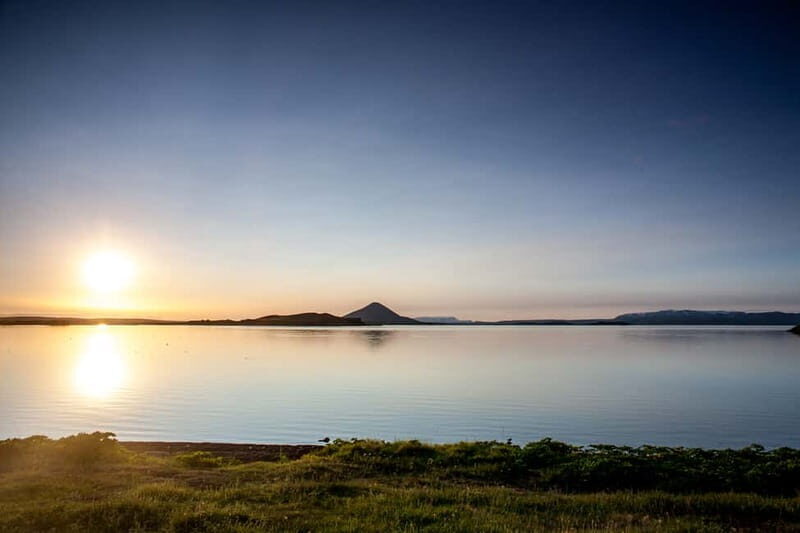
If you’re on a cruise, the best tours are the ones that respect your ship clock. This one starts with pickup at Akureyri Cruise Ship Port, with Saga Travel staff in red jackets. Your driver/guide then takes you north toward Lake Mývatn and the wetland area around Krafla volcano, using a minibus designed for small groups.
The timing is compact but not frantic. You get a mix of big viewpoints and short walks, plus clear photo stops. On board, there’s WiFi too, though I’d suggest you ask early how to connect because you want that login right away, not after the day is over.
You’ll also want to plan your energy for a full day of stops, not a slow countryside stroll. The good news: the pace is built around seeing multiple geothermal zones, so the day never feels like you’re repeating the same thing with a different name.
And since weather and road conditions can shift plans, expect the guide to adjust if needed. That’s not ideal, but it’s normal in north Iceland—steam, wind, and rougher conditions can change what’s comfortable and safe.
You can also read our reviews of more guided tours in Akureyri
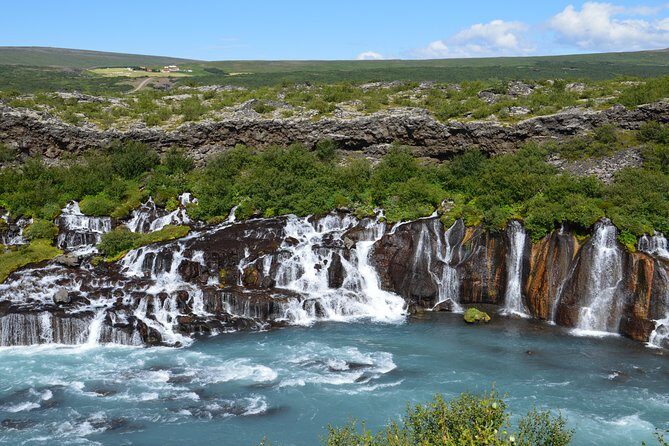
Goðafoss waterfall: the emotional opener
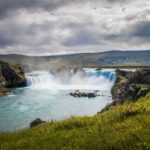
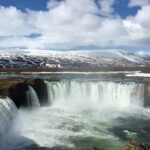
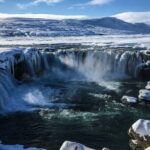
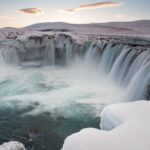
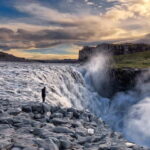
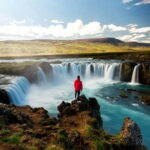
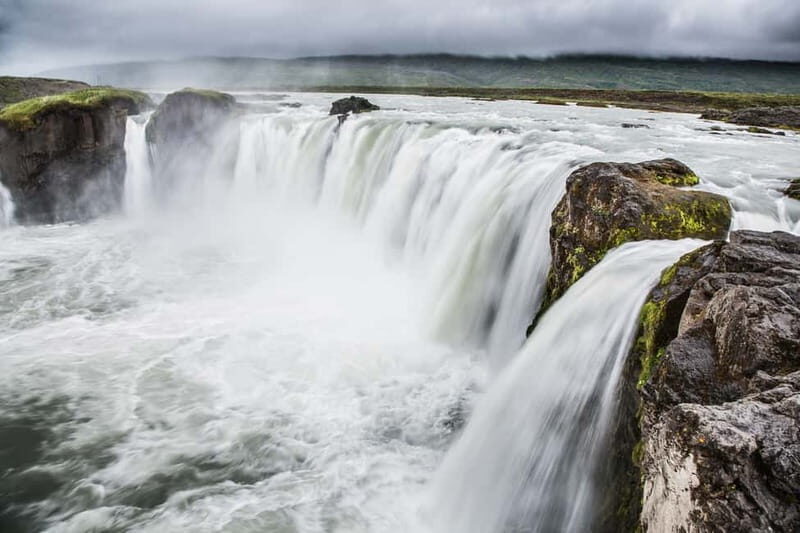
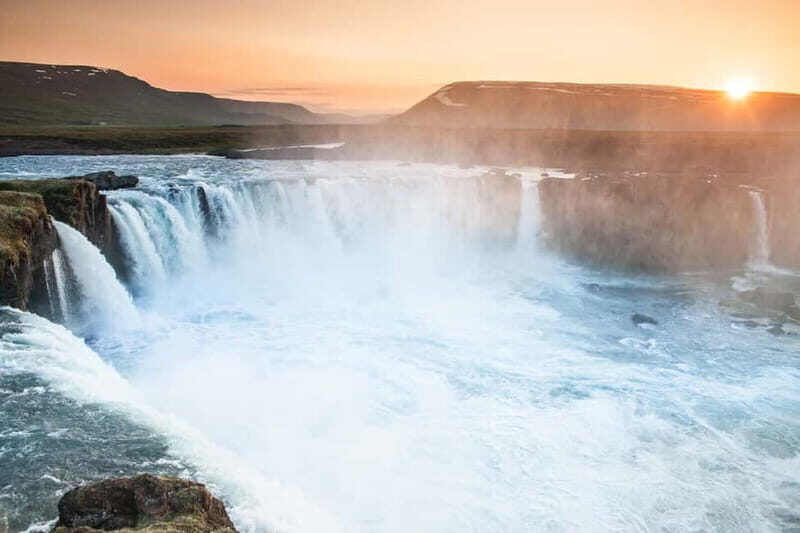
Goðafoss is the kind of stop that instantly makes sense, even if you don’t have a geology degree. The tour gives you about 45 minutes at the falls, which is just long enough to park yourself for a proper look and snap photos from a couple angles.
What I like here is how the guide frames Goðafoss as more than just a waterfall photo. You learn why this place mattered historically, and that extra context turns the stop from pretty to meaningful. Iceland’s north has plenty of dramatic water, but Goðafoss has a strong identity, and the storytelling helps it land.
Practical tip: comfortable shoes really matter at waterfall viewpoints. Surfaces can be uneven or slick, and you’ll want footing you can trust. If you’re traveling with a camera, this is one of your best chances for keeper shots, so don’t rush past it.
If the day’s weather is clear, Goðafoss looks even more powerful. If it’s windy or moody, it still delivers—just in a more cinematic way.
Skútustaðagígar pseudo craters: when heat meets cold water
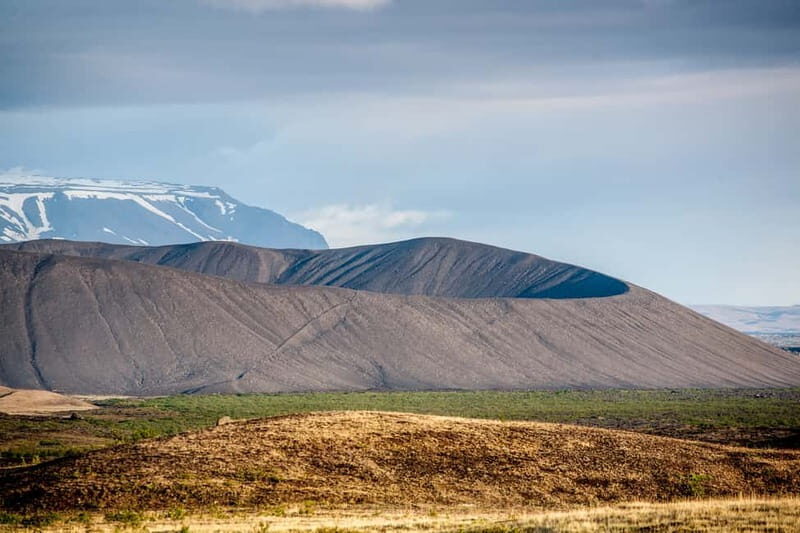
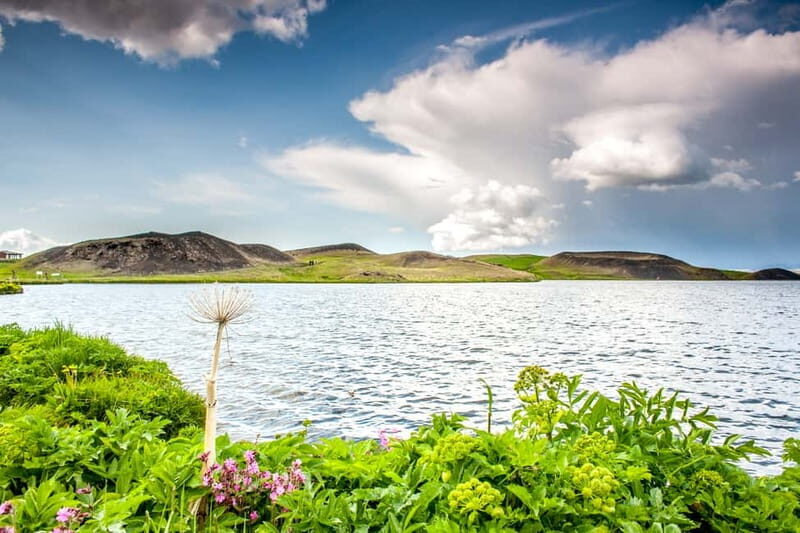
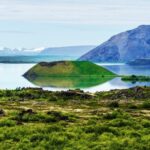
After Goðafoss, you head toward the Mývatn area and the pseudo craters of Skútustaðagígar. Here’s the cool part: these aren’t normal volcanic craters in the traditional sense. They’re pseudo craters, formed when hot lava flowed into cold water from the lake.
The effect is surreal. You’re standing on features that are basically evidence of an extreme temperature crash—heat meeting water like it’s a chemistry experiment. You can see why Iceland’s geothermal features aren’t just scenery; they’re physical records of what happened.
Time here is about 20 minutes, so you’ll want to think before you walk. Take a quick look first, choose where you want your photos, then move. If you’re the type who reads every label in every museum, you might wish you had more time—but for most people, this stop hits the sweet spot of “enough to understand, enough to remember.”
And because this is a guided stop, you’re not left guessing what you’re seeing. The guide helps you connect the shape on the ground to the process that created it.
Dimmuborgir lava fields: rock formations with saga flavor
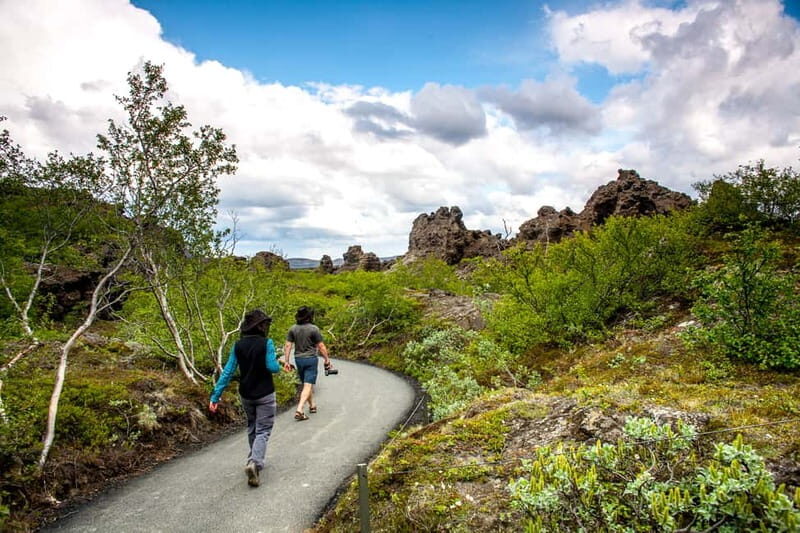
Dimmuborgir is one of those places where the land looks like it’s been sculpted by a giant with odd ideas. You’ll spend about 50 minutes here, which gives you room for a slow loop through viewpoint areas without feeling glued to the group.
The wow factor comes from the lava formations themselves—pillars, shapes, and channels that look architectural at first glance. Then the guide ties in the saga connections, and suddenly the rocks feel like they carry stories, not just science.
I like Dimmuborgir for two reasons. First, it’s visually dramatic without requiring long hikes. Second, it’s a good mental break from the constant steam and sulfur smell of other geothermal stops. This is more “rock and story” than “gas and heat.”
If the wind is strong, you might feel exposed while photographing. Still, it’s a high payoff stop. Put your camera out early and don’t wait until the end of your time—lighting can shift fast in north Iceland.
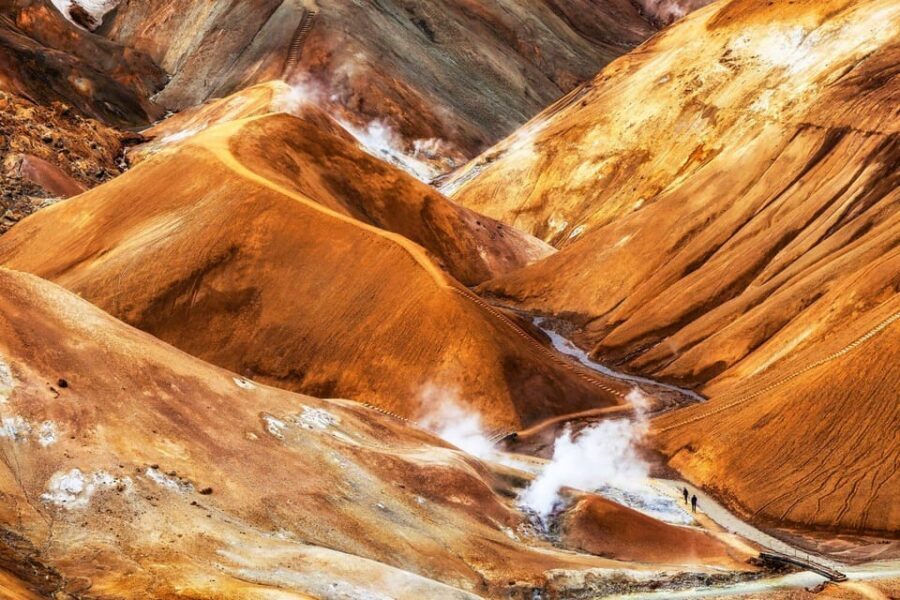
Hverir boiling mud pools: the smell test you actually earn
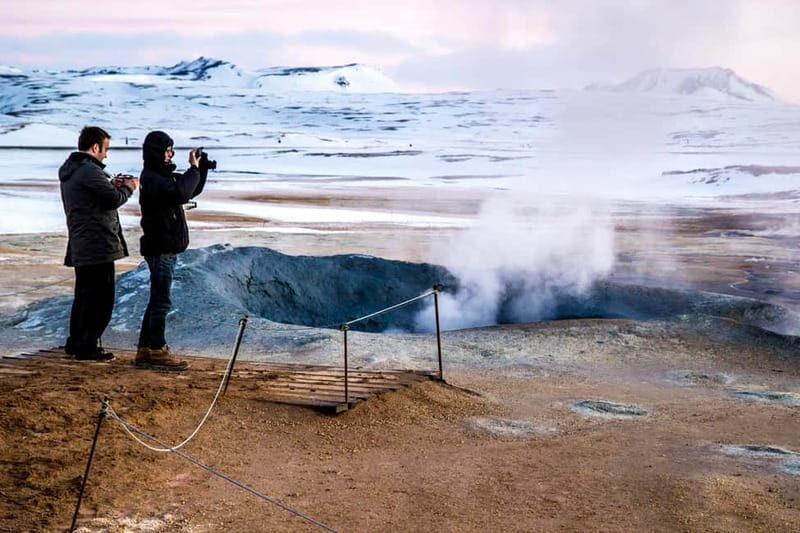
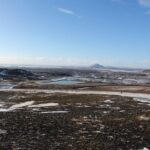
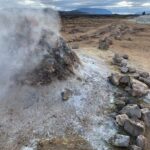
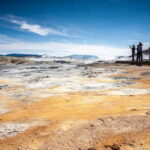
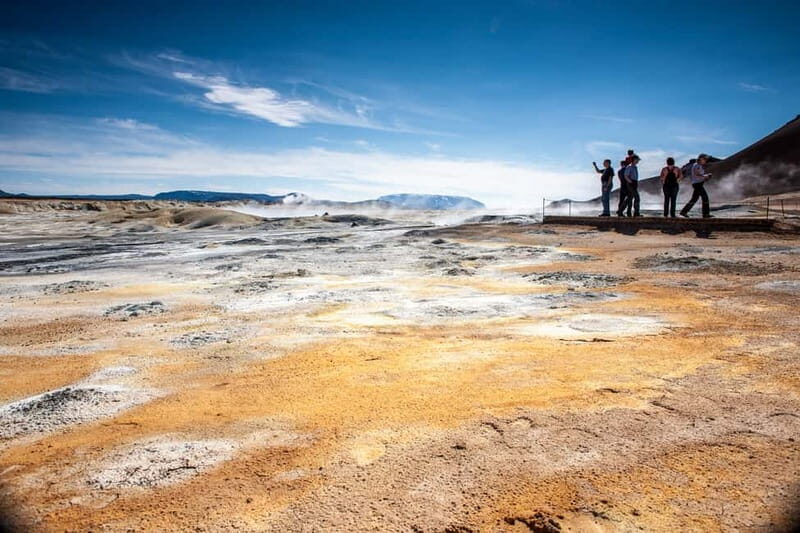
Hverir is where geothermal becomes sensory. Expect boiling mud pools, steaming fumaroles, and sulfur pits. This is the stop where your brain stops thinking of Iceland as a postcard country and starts thinking of it as a living system.
You get about 20 minutes here, which is plenty for a close look and a few good photos if you keep moving. The guide helps you understand what you’re looking at—why the ground bubbles, why steam rises, and what sulfur means in this active area near Krafla.
It’s also the stop most people will remember for the smell. There’s a reason you’re told to bring water and to wear comfortable shoes: you’ll likely spend more time standing still than you think, watching steam do its thing.
One small but important practical point: at geothermal sites, footing and balance matter more than you expect. Move carefully around uneven ground, and give yourself time to find a safe place to stand before you start filming.
Grjótagjá and the continental rift: standing in the middle
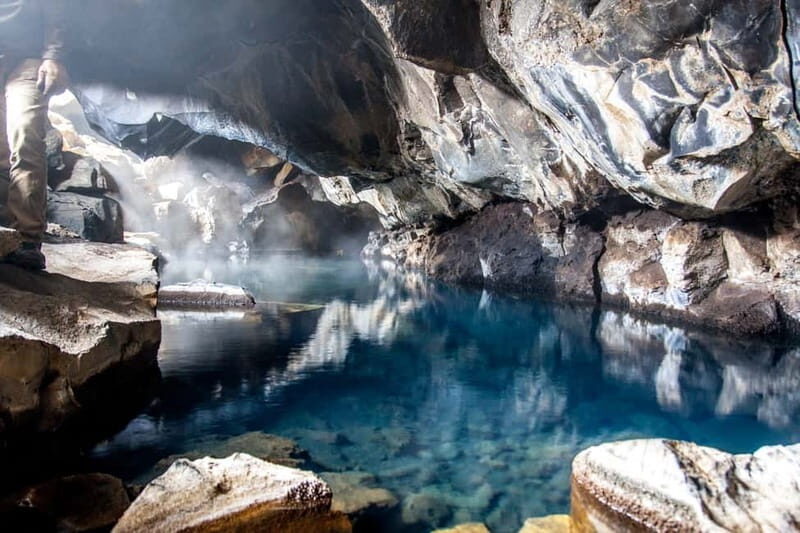
If you’ve ever seen maps of tectonic plates and thought it would be cooler to stand near the action, Grjótagjá is your moment. This stop includes about 20 minutes at the cave area, where you can see and hear about thermal waters related to an underground river.
The highlight isn’t only the thermal feature—it’s the rift angle. The guide shows you how you’re standing on the continental rift between Europe and the Americas. That framing changes the whole experience. Instead of just watching steam, you understand you’re near a boundary where the planet is actively reshaping itself.
Because this stop is time-limited, I recommend you take a brief look first, then settle into one viewpoint for photos. The guide will talk you through what you’re seeing, and it helps if you’re not constantly repositioning.
In a day full of geothermal sites, Grjótagjá adds something different: a strong sense of location and scale. It’s the stop that ties the day together into a single idea.
Mývatn Heritage and Nature Museum lunch: calmer, smarter timing
Lunch is built into a visit to Mývatn Heritage and Nature Museum, with admission included. You’ll get a light soup lunch and about 45 minutes at the food stop and museum time combined, which is a welcome change of pace after hours outdoors.
I like this part of the day because it avoids the big-bus stampede feeling. You’re not just eating quickly; you’re stepping into a place that helps connect the day’s geothermal sights to the bigger story of the region. The museum visit also gives your feet and eyes a break.
At this stage, I’d treat lunch like recovery time. Take the chance to cool off, reset your camera batteries, and then rejoin the group feeling human again.
One small note: there’s also mentioned a break for refreshments at a local restaurant or café as part of the flow. In practice, that means you shouldn’t plan on rushing your meal. If you want coffee or tea, give yourself time so you don’t miss the post-lunch handoff.
Group size, minibus comfort, and pacing: what it feels like in real life
The biggest advantage here is the group size: limited to 14. Several guides connected to this tour have been praised for keeping commentary balanced and staying engaging, and the smaller group means quicker boarding and less waiting at stops.
You’ll likely experience a smoother rhythm at Goðafoss and Dimmuborgir because the group is compact. That matters a lot on shore excursions, when traffic and crowds can eat your schedule.
That said, a minibus also means comfort varies by body type. One concern that pops up is that the vehicle can feel tight for some people. If you’re tall, or you hate cramped seats, it’s worth bringing a travel-friendly mindset and expecting a more compact ride.
The guides’ English gets positive marks, with names like Daba, Tora (sometimes spelled Thora), Paul, Doray, Leo, and Julius showing up in feedback. The consistent theme: guides explain Iceland’s geology and history without dumping too much at once. That’s exactly what you want when you’re moving from steam to rift to waterfall.
Overall, the pacing works best for people who like seeing a range of highlights in one day. If you’re the type who always wants extra time in one place, you’ll have to accept that the tour optimizes for variety.
What you get for $318: value beyond the sticker price
At $318 per person, it’s not a bargain-basement excursion. But the value isn’t just the attractions—it’s the full package.
You get:
- Port pickup and drop-off at Akureyri
- Transportation by minibus
- A live English-speaking guide
- Onboard WiFi
- Admission to Mývatn Heritage and Nature Museum
- A light soup lunch
For cruise travelers, port timing is a real cost. Getting reliable pickup, managed routing, and a schedule that brings you back at least 1 hour before your ship’s departure is worth paying for. If you tried to DIY this route, you’d likely spend a lot of money and stress on transport planning, then lose time you could be using for viewpoints.
So the question isn’t just is it expensive. The better question is whether you want a guided plan that hits Goðafoss, multiple geothermal stops, and lunch plus museum time without having to figure it all out.
If your cruise day is short and you want maximum Iceland north “hits,” this fits. If you prefer long self-guided wandering, you might feel boxed in. But if you’re optimizing for a first visit, the included lunch and museum admission make the price feel more reasonable.
Who this tour suits best (and who might want to think twice)
This is a strong choice for:
- Cruise passengers with limited time who want a guided north Iceland day
- People who enjoy geology and geothermal features, but don’t want a full-day hike
- Travelers who appreciate context, not just photos
- Anyone who likes small groups and faster stop flow
It may feel less ideal for:
- People who want long stays at one stop rather than quick, varied highlights
- Anyone who is very sensitive to tight vehicle seating
- Travelers who dislike guided commentary and prefer silence (because the whole day is guided)
If you’re traveling with friends and you all want the same big sights, the small group format is a plus. You’ll get the benefit of reduced crowding without the private-tour price tag.
Should you book the Akureyri Port: Lake Mývatn & Goðafoss tour?
I’d book it if you want a focused, guided hit list of northern Iceland geothermal wonders from Akureyri Port, with a lunch and museum stop built in. The mix of Goðafoss, pseudo craters, lava formations, Hverir mud pools, and the rift at Grjótagjá is a smart way to see how the region works without needing multiple days.
I’d pause and choose carefully if you hate time limits at stops or you know you’ll struggle with cramped seating on a minibus. In that case, look for an option with fewer stops or more time per stop.
If your ship schedule leaves you with just one day to cover this corner of Iceland, this tour makes that day count. You’ll come back to port with clear memories: the waterfall roar, the boiling ground, and the strange feeling of standing on a real boundary between continents.
FAQ
FAQ
Where is the meeting point for this tour?
You meet at the Akureyri Cruise Ship Port. Look for Saga Travel employees wearing red jackets.
Does the tour include pickup and drop-off?
Yes. The tour includes port pickup and drop-off, and it ends back at the meeting point.
How long is the guided tour?
The tour duration is 6.5 hours.
Is there WiFi on the bus or minibus?
Yes, there is onboard WiFi.
What language is the live guide?
The live tour guide provides the tour in English.
What lunch is included?
A light soup lunch is included, along with admission to the Mývatn Heritage and Nature Museum.
How many people are in the group?
The tour is limited to a small group size, with a maximum of 14 participants.
Do we get time at the waterfall?
Yes. You have a 45-minute visit at Goðafoss Waterfall.
How much time do we spend at Grjótagjá?
You have a 20-minute visit at Grjótagjá Cave.
What if weather or roads cause changes?
The itinerary may be altered due to weather or road conditions, so it’s good to expect some flexibility.