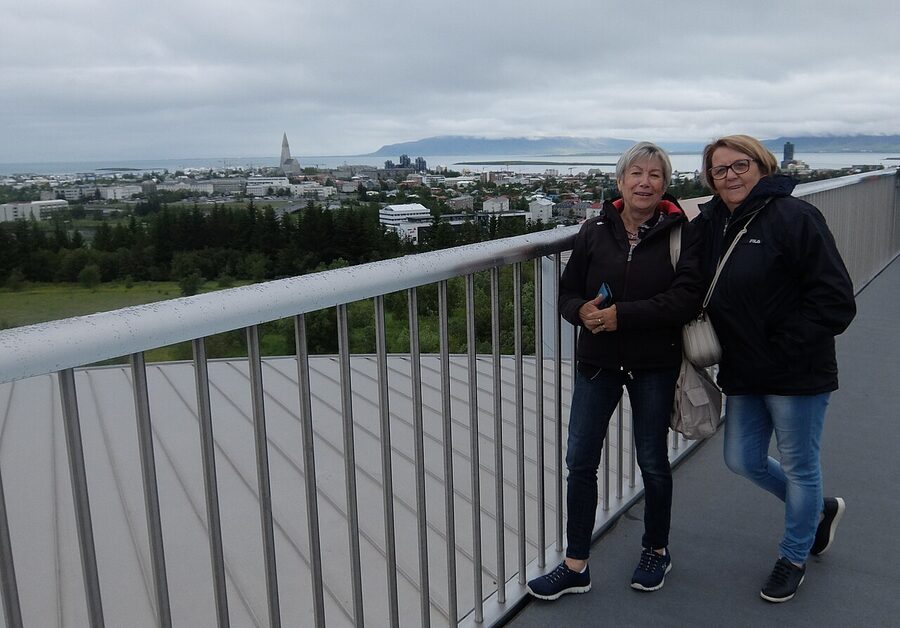
Iceland has 387,000 people. That’s smaller than Wichita. Smaller than Coventry. Smaller than the population of central Cologne on a Wednesday evening. And yet you have almost certainly listened to an Icelander, watched one in a film, read one in translation, or screamed at a television because of one. The country produces musicians, novelists, footballers, and one Nobel laureate per about every 100,000 of us, which is a ridiculous ratio if you sit down and do the maths.
I get asked at the start of a tour, more often than you’d guess, who the famous Icelanders actually are. Most visitors arrive knowing Björk and have a vague sense that we wrote sagas a long time ago. That’s a fair starting point, but it leaves out a thirteenth-century historian who basically invented Norse mythology as we know it, the world’s first directly elected woman president, the goalkeeper who saved a Cristiano Ronaldo penalty at the Euros, and the geneticist whose database has changed how the rest of the planet thinks about heredity. Those people all walked the same downtown streets you’ll walk in Reykjavik. A few of them still do.
What follows is a tour, not a ranking. I’ve grouped people roughly by the era they belong to, because the way Iceland thinks about its famous people is very tied to which Iceland they came from. The medieval ones are still in the school curriculum. The 19th-century independence figures are on the money. The 20th-century giants get streets named after them. And the contemporary ones you can sometimes spot at Sundlaug Vesturbæjar on a Saturday morning swimming laps next to the postman.
In This Article
- The settlement-era people who got here first
- Auður djúpúðga, the deep-minded settler
- Leifur Eiríksson, who got to North America 500 years before Columbus
- Snorri Sturluson, the historian who wrote down a religion
- The independence century and Jón Sigurðsson on the banknotes
- Halldór Laxness, our Nobel laureate
- Vigdís Finnbogadóttir, the world’s first elected woman president
- Magnús Magnússon, the voice of Mastermind
- Björk, our singular voice
- Sigur Rós and the post-rock generation
- Of Monsters and Men, the band that broke globally in 2012
- Ásgeir Trausti, Mugison, and the singer-songwriter scene
- Sjón, the writer behind Björk’s words
- The Nordic noir generation: Arnaldur, Yrsa, and Auður Ava
- Baltasar Kormákur, Hera Hilmar, and the screen people
- Eiður Smári Guðjohnsen and the football miracle
- The 2016 Euros
- Hafþór Júlíus Björnsson, the strongest man
- Kári Stefánsson and the Icelandic genome
- Where to encounter them today
- Gljúfrasteinn (Halldór Laxness’s house)
- Reykholt (Snorri Sturluson)
- Þingvellir
- Höfði house, Reykjavik
- Harpa concert hall
- The National Museum (Þjóðminjasafn Íslands)
- Iceland Airwaves and Reykjavik International Literary Festival
- Perlan
- How Icelanders feel about all this
- A short list of who to read or listen to first
The settlement-era people who got here first
Before there was an Iceland there was nobody. Then around the year 874 a Norwegian called Ingólfur Arnarson threw two carved high-seat pillars off the side of his ship and promised the gods he’d settle wherever they washed up. Three years later they were found in a smoky bay in the southwest. He named the place Reykjavík, the Bay of Smokes, because of the geothermal steam coming off the ground. So the capital of Iceland exists because two pieces of wood drifted ashore. The story is in the Landnámabók, the Book of Settlements, and even if you don’t fully believe the pillars bit, Ingólfur is the official first settler in every Icelandic textbook.
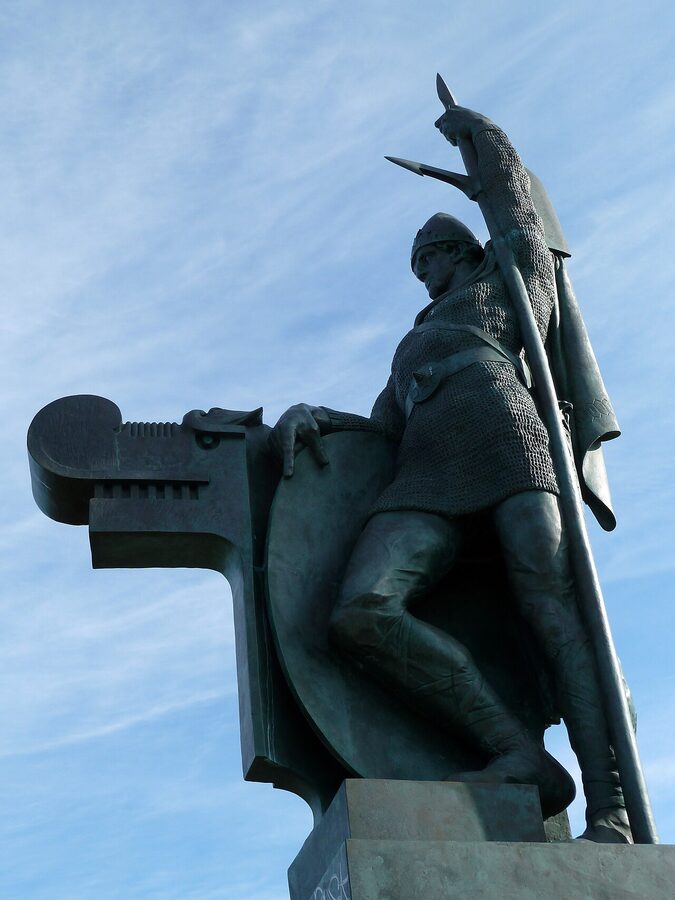
You can stand under his statue on Arnarhóll, the small green hill behind Harpa concert hall, and look out over the harbour. It’s a five-minute walk from anywhere downtown. The hill itself was reportedly his original farm site, which is a strange thing to know about the centre of a capital city.
Auður djúpúðga, the deep-minded settler
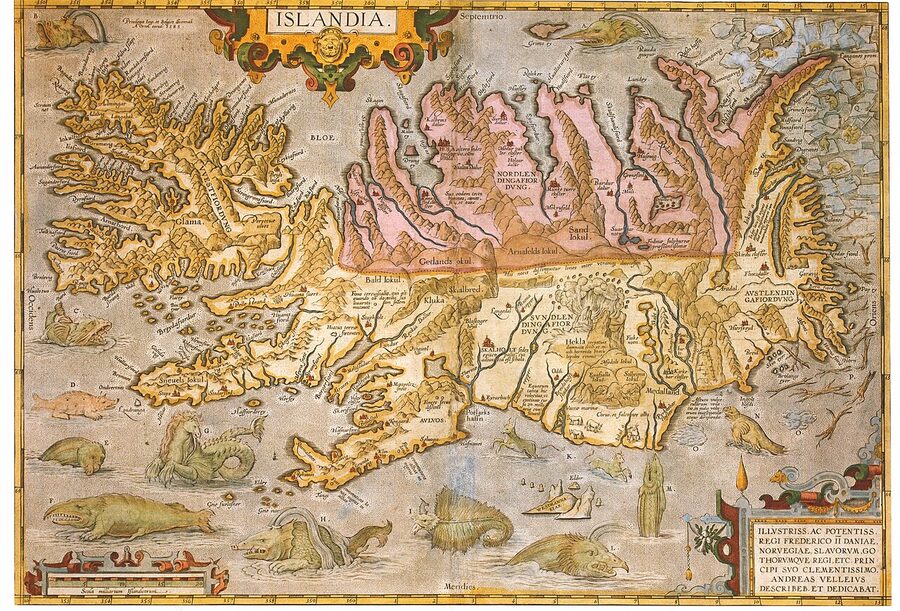
Less famous abroad but every Icelander knows her. Auður djúpúðga Ketilsdóttir, Auður the Deep-Minded, was a Norse-Irish noblewoman who fled Norway via the Hebrides and Ireland with her grandchildren and her enslaved household and ended up settling the Dalir region in west Iceland around 895. She was Christian when most Norse settlers weren’t, she divided her land among her people, and she’s one of the very few women who get a serious chunk of the Landnámabók. The Saga of the People of Laxárdalur opens with her. If you ever get into a debate about whether the settlement era was just men with axes, Auður is the counter-argument.
Leifur Eiríksson, who got to North America 500 years before Columbus
Leifur was born in Iceland around 970, son of Eiríkur the Red who’d been kicked out of Iceland for killing some neighbours and went on to settle Greenland. So technically Leif Erikson is Icelandic-born and Greenland-raised, which gives both countries a claim. The Icelandic claim wins because the sagas were written here. He sailed west around the year 1000 and landed in a place he called Vínland, almost certainly Newfoundland. The Norse settlement at L’Anse aux Meadows on the northern tip of Newfoundland is the smoking-gun archaeological proof. Five hundred years before Columbus.
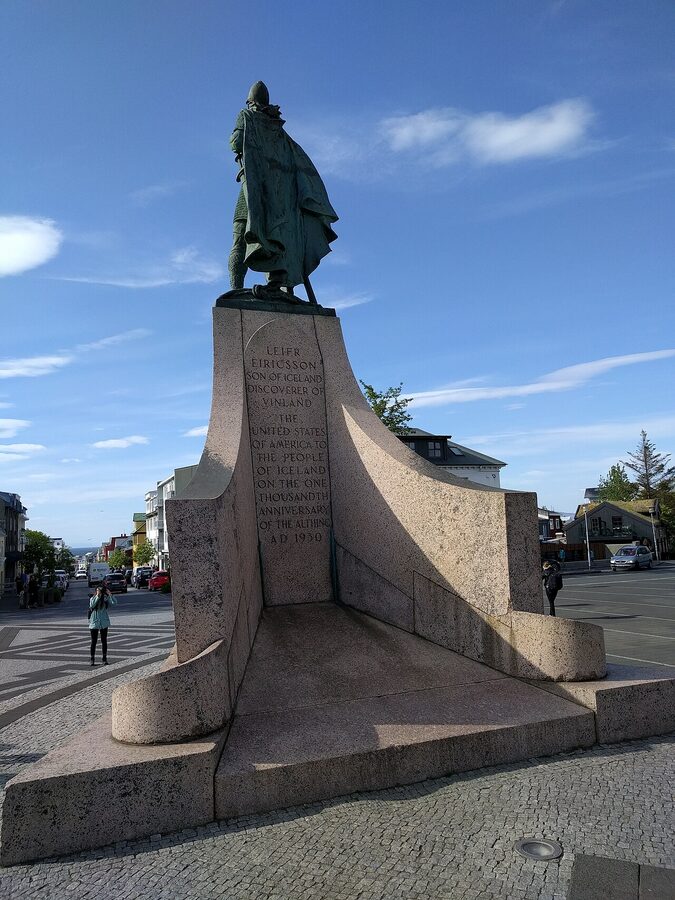
The statue at Hallgrímskirkja was a gift from the United States in 1930 for the 1,000-year anniversary of the Alþingi. October 9th is Leif Erikson Day in the US by presidential proclamation, which Icelanders find quietly amusing because most of us forget about him until a tourist asks. There’s a fuller history in our Iceland history article if you want the chronological version.
Snorri Sturluson, the historian who wrote down a religion
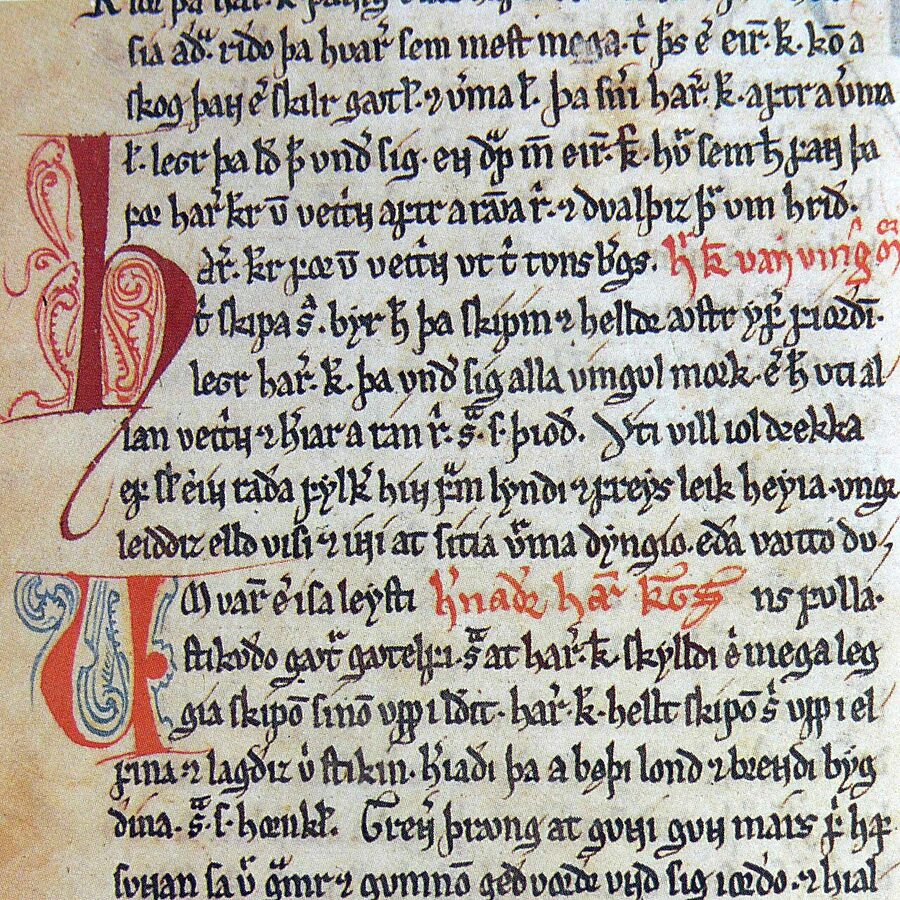
If you only know one medieval Icelander, make it Snorri Sturluson. Without him we would have lost most of Norse mythology. The Eddas. Heimskringla. The kings’ sagas. The entire idea of Odin and Thor and Loki and Ragnarök as a structured cosmology rather than as scattered fragments. Snorri pulled it all together in the early 1200s, sitting at Reykholt in west Iceland.
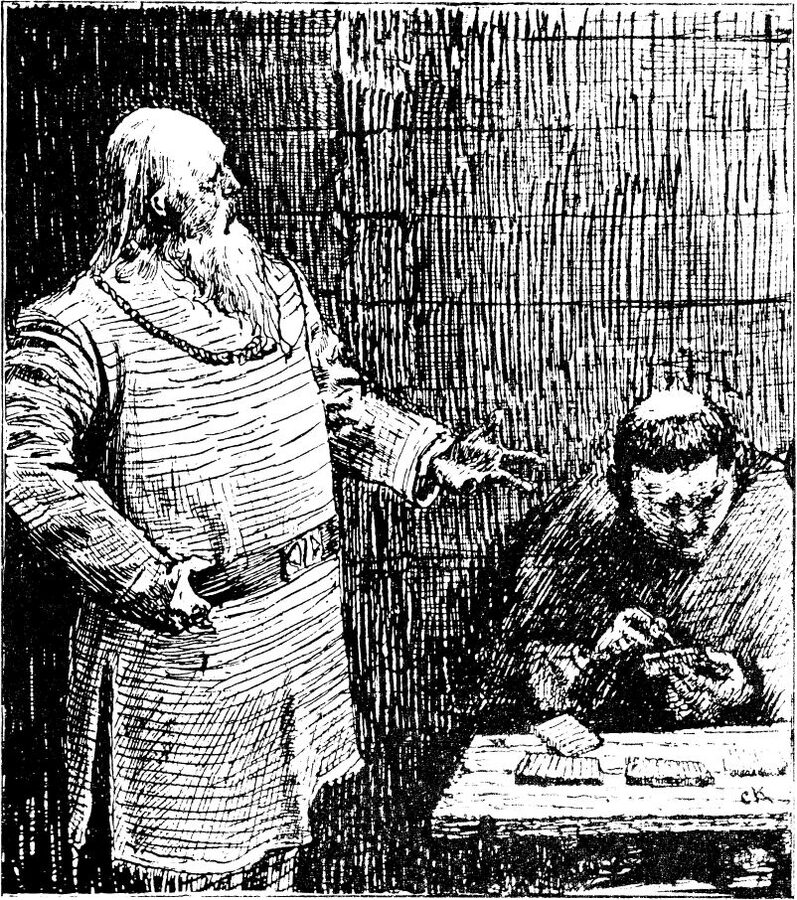
He was also a politician, a chieftain, a serious participant in the bloody internal politics of the Icelandic Commonwealth, and probably a bit of a schemer. He went to Norway to try to convince the king to give him control over Iceland, came back, was caught up in the Sturlung Age civil wars, and was eventually murdered in 1241 in his own cellar at Reykholt by men sent by King Hákon of Norway. His last reported words were “eigi skal höggva” (do not strike). They struck.
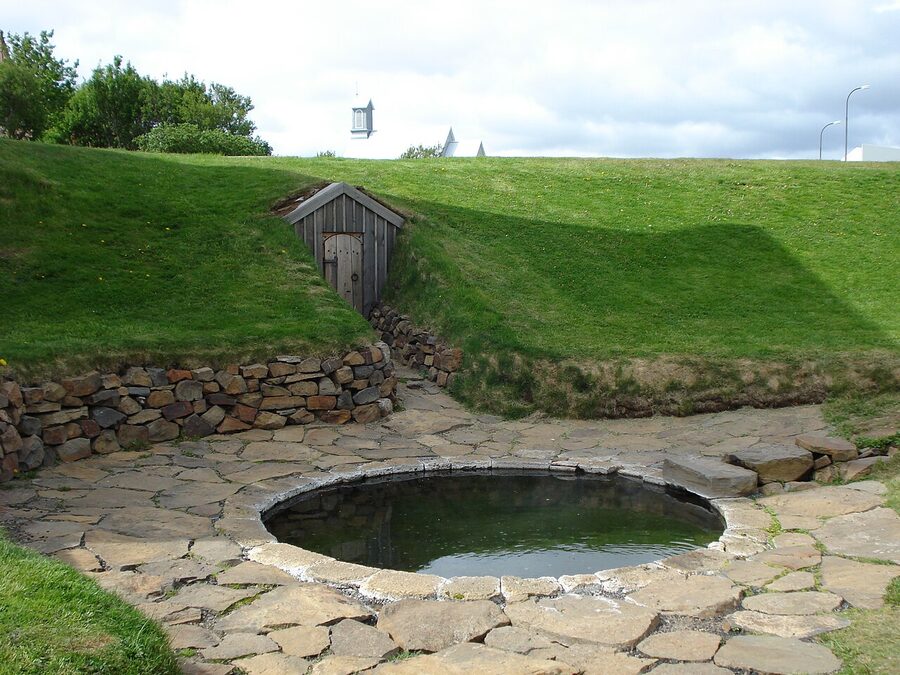
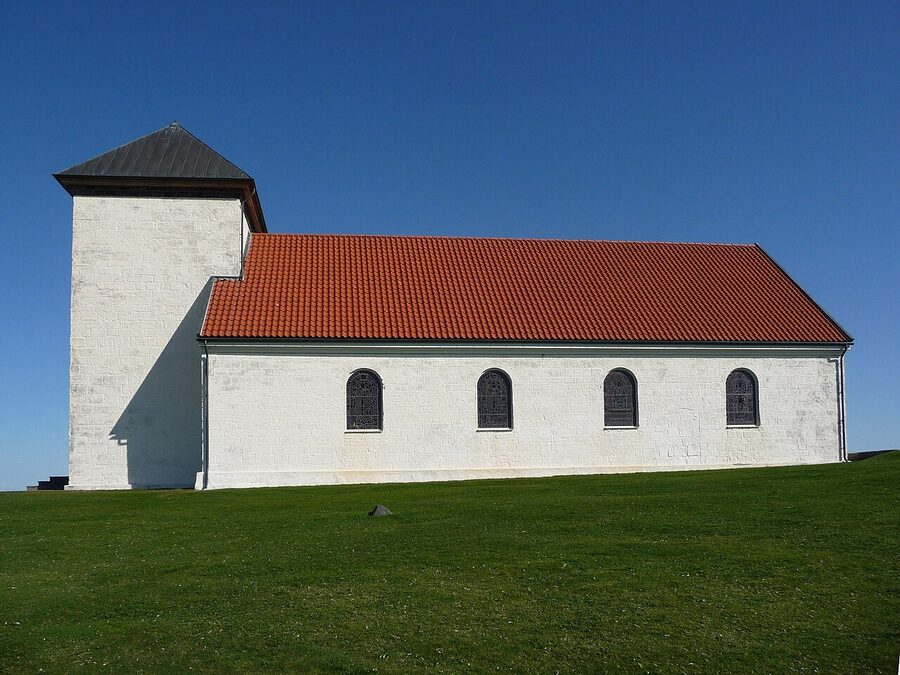
You can visit the place where he lived and died. Reykholt is about an hour and a half north of Reykjavik on the way to the West Fjords. There’s a small modern church, the Snorrastofa cultural and research centre, and outside it a stone-lined geothermal pool called Snorralaug that’s mentioned in the saga and is genuinely from his time. You can dip a hand in. People do.
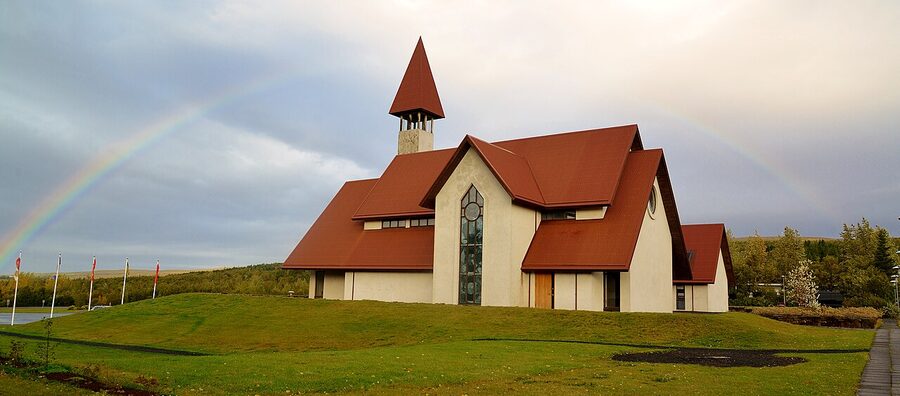
Why does Snorri matter to a visitor? Because every fantasy novel, every Marvel Thor film, every D&D campaign with a frost giant in it: it’s all downstream of Snorri. He’s the reason any of this exists in writing. He also wrote one of the great medieval works of comparative religion, in which he tried to explain the old gods to a Christian audience without quite saying he still believed in them. Read between the lines.
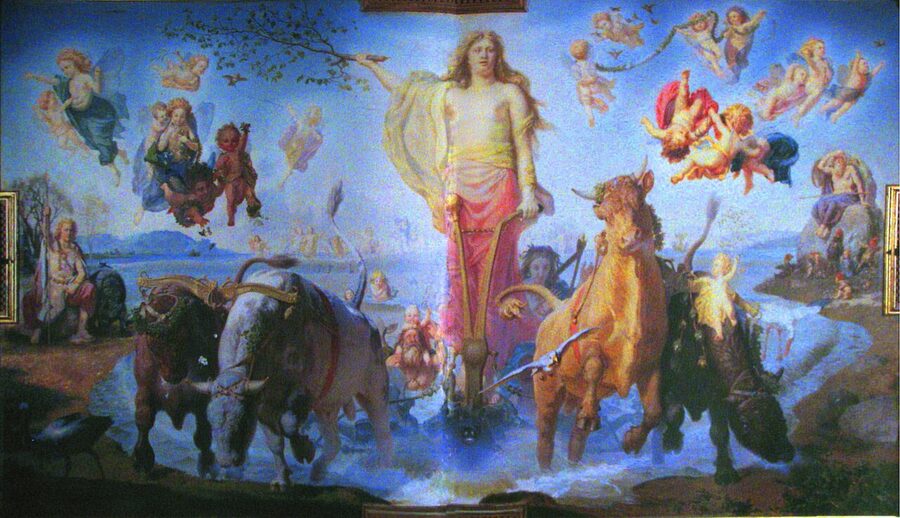
The independence century and Jón Sigurðsson on the banknotes
Iceland spent about 600 years under Norway and then Denmark. Most of those centuries were grim: plague, volcanic eruptions, famine, foreign monopoly merchants, and a population that fell as low as 38,000 by the late 1700s. By the 19th century, Icelanders had had enough. The man who turned the resentment into a movement was Jón Sigurðsson, a historian and parliamentarian based in Copenhagen who spent his entire adult life arguing, through scholarship and committee work, that Iceland was a separate nation under the Danish crown rather than a Danish province.
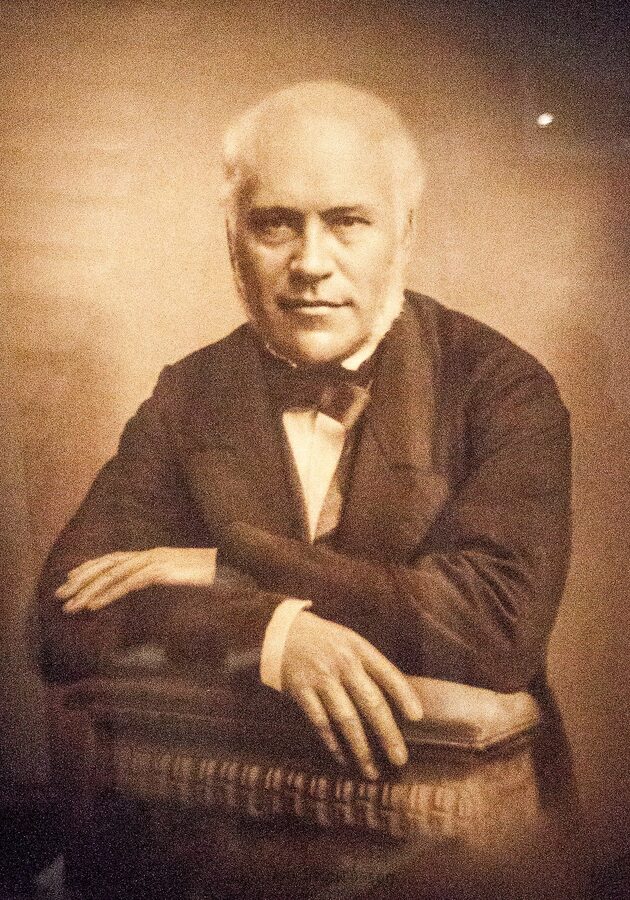
He never lived to see independence (he died in 1879), but the home rule of 1904, the personal-union sovereignty of 1918 and full independence in 1944 all flowed from his work. His birthday, 17 June, is Icelandic National Day. He’s on the 500-króna note. There’s a statue of him on Austurvöllur, the small grass square in central Reykjavik directly facing the parliament building, where he stands stoutly with his arm out as if he’s about to politely interrupt a debate inside. People gather around the statue when there’s a protest, which there often is.
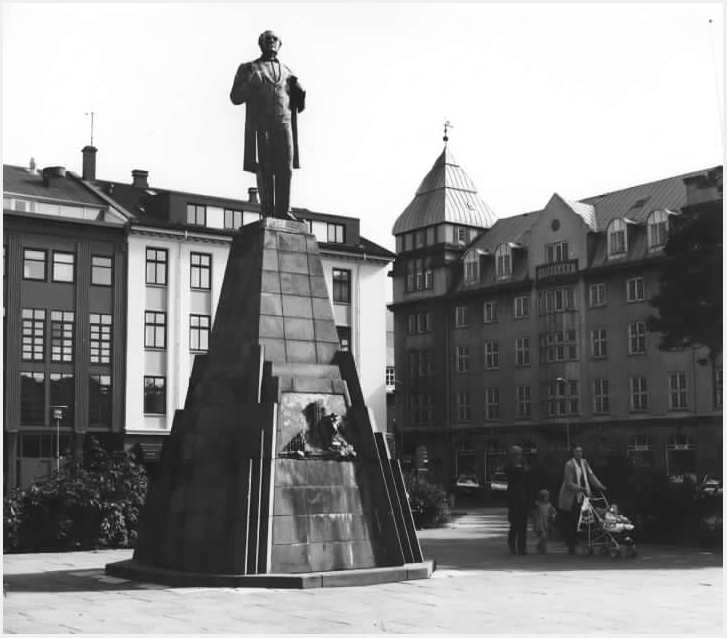
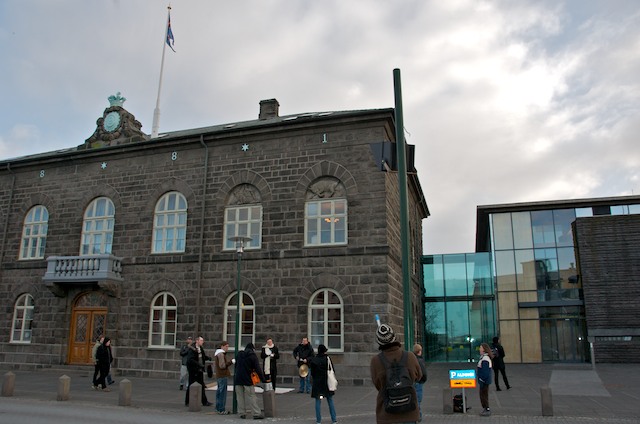
If you want the longer political story, the history of Iceland piece walks through Jón’s era in more detail. For now, just remember that the man on the statue did most of his actual work at a desk in Copenhagen.
Halldór Laxness, our Nobel laureate
One Icelander has won the Nobel Prize in Literature: Halldór Kiljan Laxness, in 1955. The Nobel committee citation called it for “his vivid epic power which has renewed the great narrative art of Iceland.” That’s a fair summary. He wrote sagas in modern dress.
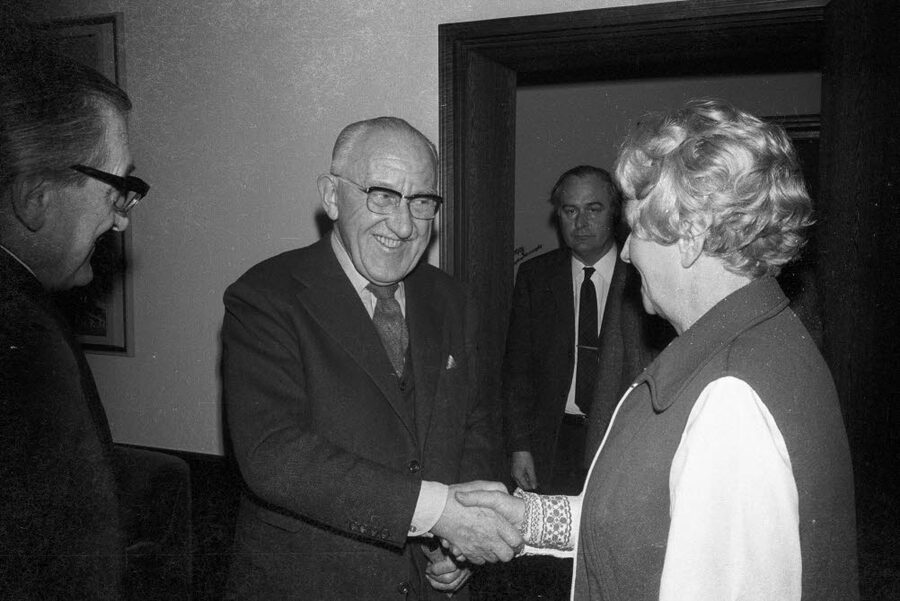
If you read one Laxness, read Independent People (Sjálfstætt fólk, 1934). It’s the story of Bjartur, a stubborn sheep farmer in the highlands who refuses help from anyone, ruins his family with his pride, and is one of the great characters of 20th-century European fiction. It’s bleak in the way only Icelandic literature can be bleak: funny, exact, and somehow not depressing. Iceland’s Bell (Íslandsklukkan) is the historical novel about Danish-era Iceland. The Atom Station is the angry one, about the American base at Keflavík. World Light is the strange beautiful one about a poet on a rural farm.
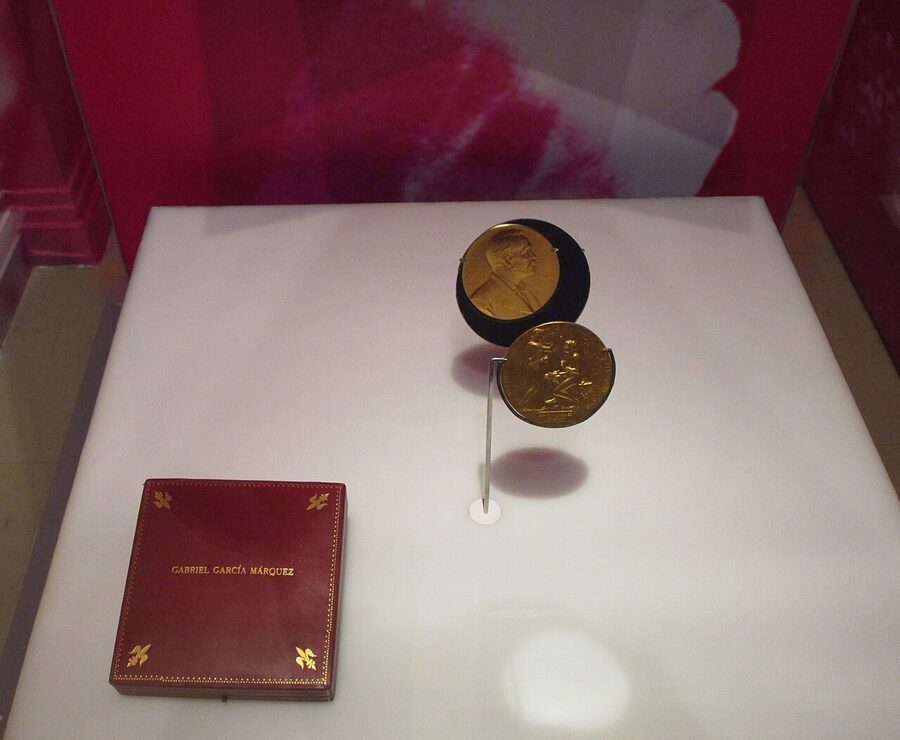
The thing visitors don’t always realise is that you can go to his house. Halldór and his wife Auður lived at Gljúfrasteinn, a white modernist villa about half an hour east of Reykjavik in Mosfellsdalur valley. It’s now a museum run by his family, and they’ve left the place largely as it was. His Steinway in the living room. His desk with the typewriter. His Jaguar in the garage. Auður’s cooking notebooks. There’s an audio guide narrated by Laxness’s daughter, which is the right person to be telling you the stories. Tickets are around 1,500 ISK and the museum site is gljufrasteinn.is. It’s open most of the year, closed on Mondays in winter.
Vigdís Finnbogadóttir, the world’s first elected woman president
On 29 June 1980, Vigdís Finnbogadóttir won the Icelandic presidential election. She beat three men. She was 50, divorced, a single mother who had adopted her daughter on her own. She was a French teacher and theatre director. She had no party machine. She won by 1,911 votes. And by doing so she became the first woman in modern history to be directly elected as a national head of state.
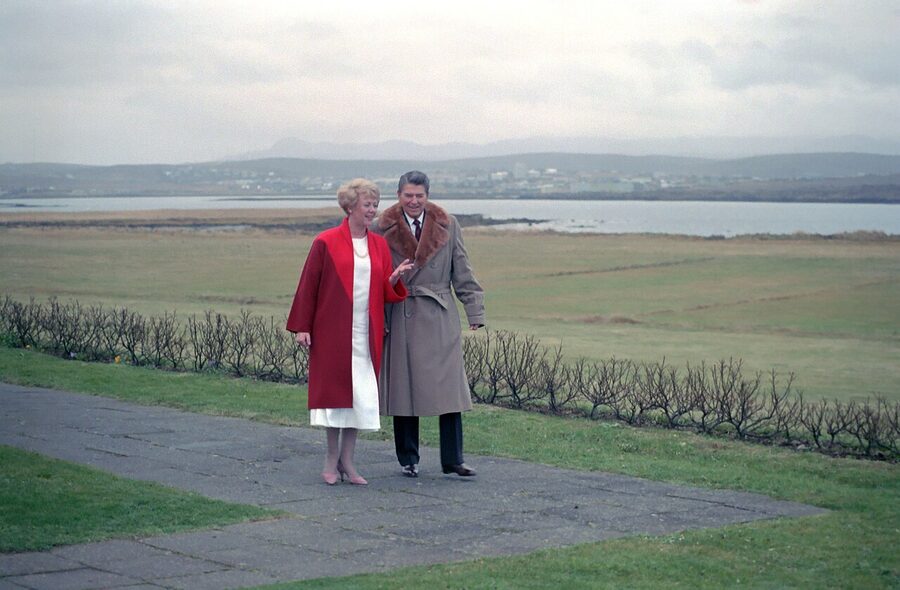
I remember being a child watching her on television. The thing I remember most is how matter-of-factly she did the job. She held the office for sixteen years, retired in 1996, and is still alive (born in 1930, well into her nineties), still occasionally making public appearances. She’s now patron of the Vigdís International Centre for Multilingualism and Intercultural Understanding at the University of Iceland, which is the kind of name only a French teacher would have allowed.
The Icelandic women’s strike of 24 October 1975, when 90 per cent of women in the country stopped work for a day, is widely credited with making her election possible five years later. Iceland has had a woman head of state for nearly half its independent history. We are also embarrassingly proud of having topped the World Economic Forum gender gap index for fifteen years running, and Vigdís is part of why.
Magnús Magnússon, the voice of Mastermind
If you grew up in Britain in the 1970s, 80s or 90s, you know exactly who Magnús Magnússon is. Born in Reykjavik in 1929, raised mostly in Edinburgh, BBC presenter for forty years and the unmistakable host of Mastermind from 1972 to 1997. The black chair, the spotlight, the deadpan questions. “I’ve started so I’ll finish.” That was him.
Magnús was also a serious writer and translator. He translated several of the Icelandic sagas into English with Hermann Pálsson (the Penguin Classics versions of Njál’s Saga, Laxdæla Saga, Vínland Sagas), which is how a lot of English-speaking readers first met the medieval material. He chaired Scottish Natural Heritage. He wrote a popular history of the Vikings. He had an Icelandic father who’d come to Edinburgh as consul and never went home.
He died in 2007. The BBC obituary is online and worth reading; the BBC’s tribute walks through his life better than I can. He’s still the only Icelander most British people of a certain age can name without thinking.
Björk, our singular voice
Björk Guðmundsdóttir was born in Reykjavik in 1965. She released her first album at age 11 (a children’s record on the state label, including a cover of “I Love to Love” in Icelandic). She fronted KUKL in the early 1980s, then the Sugarcubes from 1986 to 1992, then went solo with Debut in 1993 and never looked back.
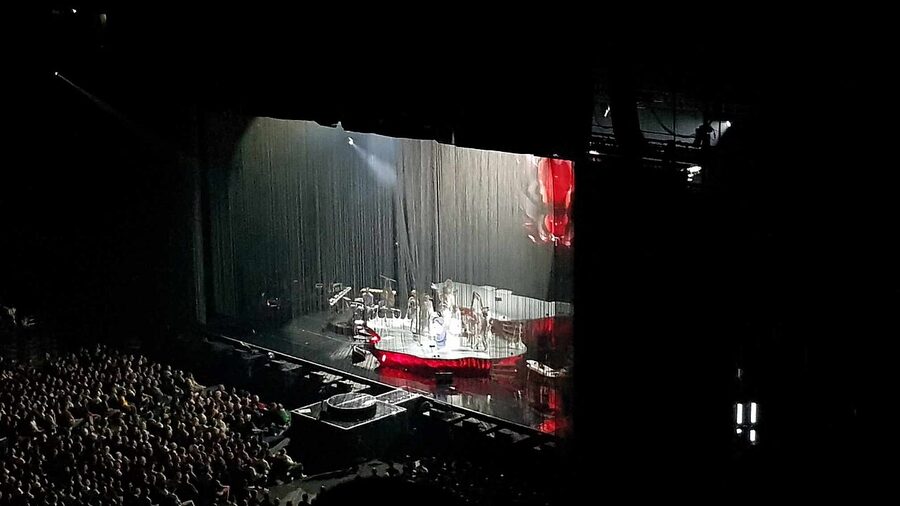
I’m not sure I can sell Björk to anyone who doesn’t already love her. Either her voice does the convincing or it doesn’t. What I can say is that she’s the most consistently inventive musician this country has produced. Debut made her a global star. Post and Homogenic fixed it. Vespertine was the intimate one. Medúlla was almost entirely vocal. Biophilia was an album that came with iPad apps and a music-theory curriculum. Vulnicura was the breakup album. Utopia brought in flutes. Fossora in 2022 was the mushroom-earth one. She also collaborates relentlessly: with Hauschka, with Arca, with Antony Hegarty, with the Brodsky Quartet, with seemingly every interesting producer of the last thirty years.
The swan dress at the Oscars in 2001 (designed by Marjan Pejoski) became its own pop-culture event. She also laid an egg on the red carpet, which was the joke. She’s been nominated for an Oscar (best song for Dancer in the Dark, the Lars von Trier film she also starred in and which apparently nearly broke her).
The MoMA retrospective in 2015 was famously divisive (critics weren’t sure what to do with it), but it travelled the world. There’s no Björk museum in Iceland, but you can visit the small house on the Álftanes peninsula where she’s lived for years if you happen to be driving past. Don’t actually visit it. Drive past.
Sigur Rós and the post-rock generation
If Björk is the solo voice, Sigur Rós are the band that put modern Icelandic music on a different shelf entirely. Formed in Reykjavik in 1994. Vocalist Jónsi Birgisson plays his guitar with a cello bow, half-sings half-falsettos in either Icelandic or in Vonlenska (Hopelandic), an invented non-language that sounds like words but isn’t. Ágætis byrjun (1999) is their breakthrough album and one of the great albums of the late 90s by anyone, anywhere. ( ) from 2002 has untitled songs in Hopelandic. Takk… from 2005 is the one that ended up in every documentary and film trailer for about five years.
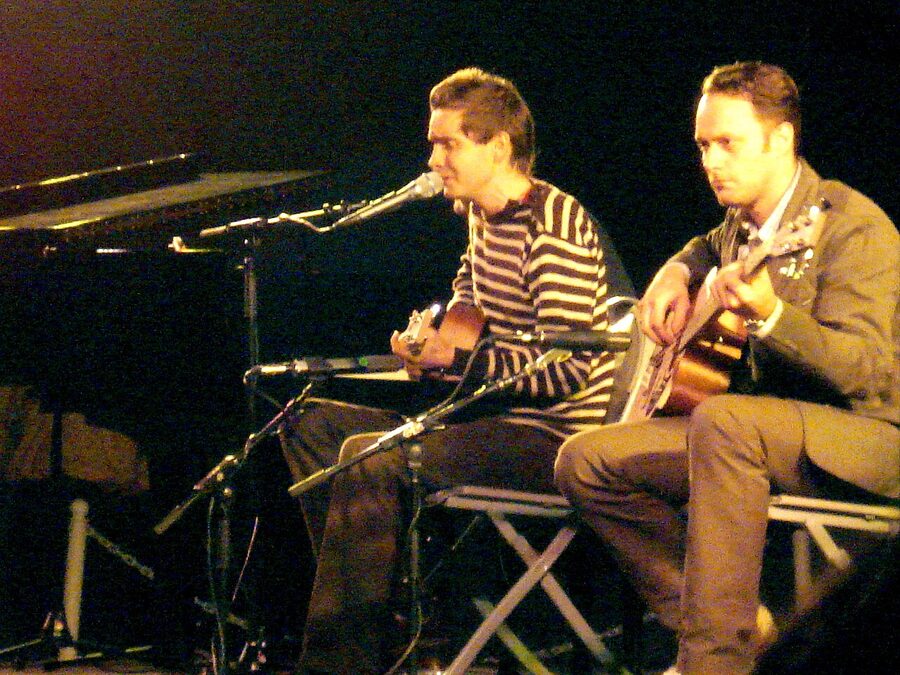
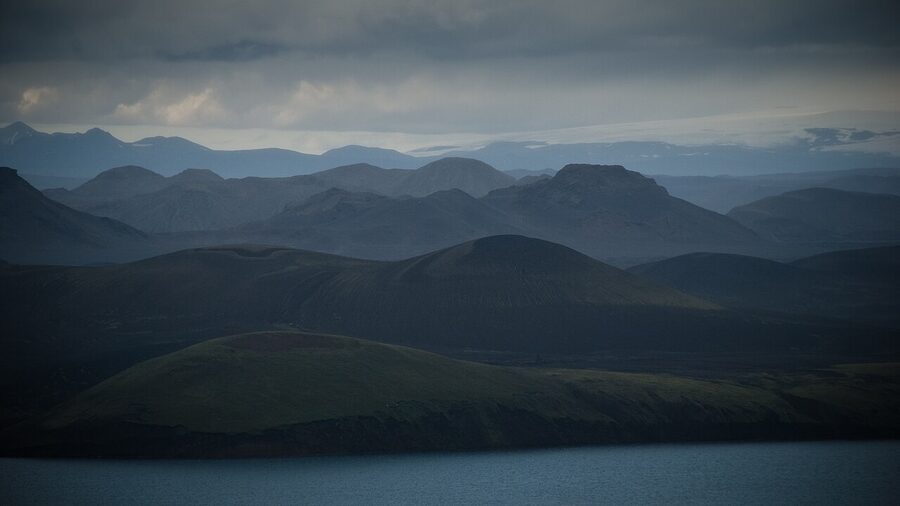
The 2007 documentary Heima is the way in if you don’t know them. It follows the band on a free tour they played around Iceland, in tiny halls, on cliff edges, in disused herring factories, with brass bands borrowed from the next village. The landscape of Iceland is basically the second character. If you watch it before your trip you’ll arrive with completely the wrong expectations of how loud the country actually is, and you won’t mind.
Their official site is sigur-ros.co.uk. They tour intermittently, they play Iceland Airwaves now and then, and Jónsi has a very strong solo discography too. If you want to listen to one song first, “Hoppípolla” from Takk… is the obvious one, but “Svefn-g-englar” from Ágætis byrjun is the better introduction.
Of Monsters and Men, the band that broke globally in 2012
Five-piece indie folk band from Reykjavik. They won Músíktilraunir, the Icelandic battle of the bands, in 2010. Eighteen months later “Little Talks” was on every American radio station and they were headlining festivals in places they’d never been to. Their debut My Head Is an Animal went platinum in the US.
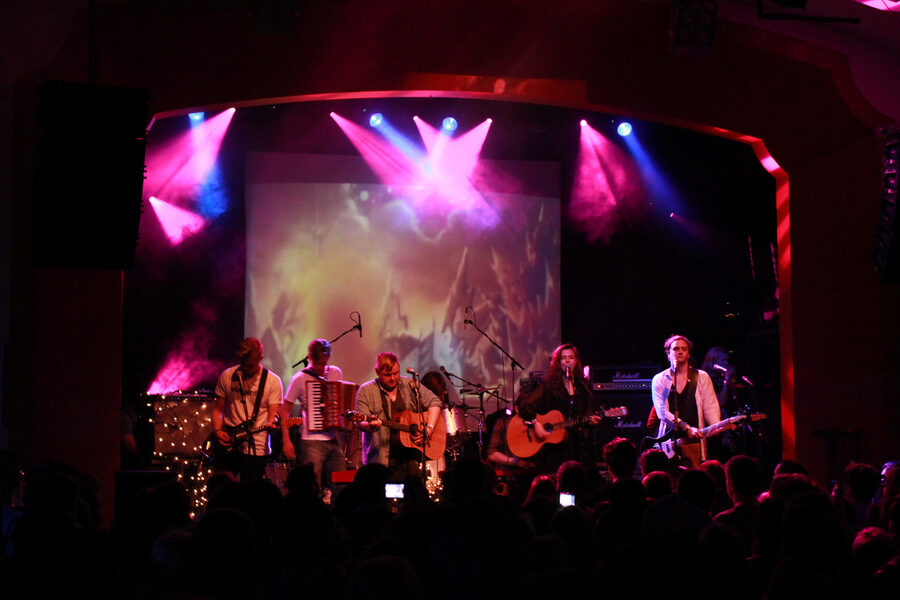
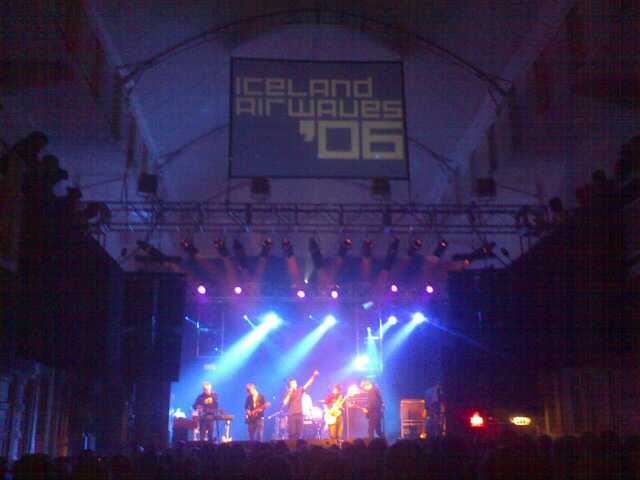
Two more albums followed: Beneath the Skin (2015) and Fever Dream (2019). Both more produced, less folksy. They tour intermittently and the band still calls Reykjavik home. If you’re in Reykjavik in early November, watch the Iceland Airwaves festival lineup carefully because they’ll occasionally turn up unannounced.
Ásgeir Trausti, Mugison, and the singer-songwriter scene
Ásgeir Trausti Einarsson (known internationally just as Ásgeir) released his first album in 2012 in Icelandic. By 2013 it had sold to one in every ten Icelandic households, the highest per-capita debut in the country’s history. His English-language version, In the Silence, came out in 2014 with translations by John Grant, an American singer who lives in Reykjavik. He’s quiet, voice like falsetto silk, and tours the world without anyone making a fuss. His father wrote some of the lyrics, which is the kind of detail you only hear from Icelandic music journalists.
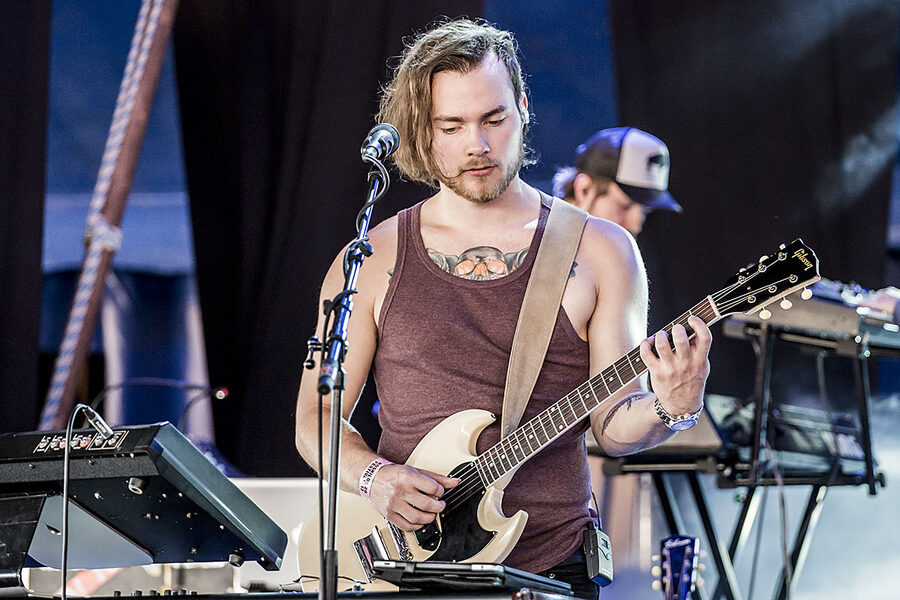
Mugison (real name Örn Elías Guðmundsson) is from a different corner of the scene. He’s based in Suðureyri in the West Fjords, runs his own label, and made his name with bluesy, scratchy electronics layered onto Icelandic folk songs. Mugiboogie is the most accessible album. He hosts the small Aldrei fór ég suður festival every Easter in Ísafjörður, the West Fjords music festival that started because he and his dad thought there should be one. It’s free. It’s terrific. The lineup is what’s around. He’ll be on it.
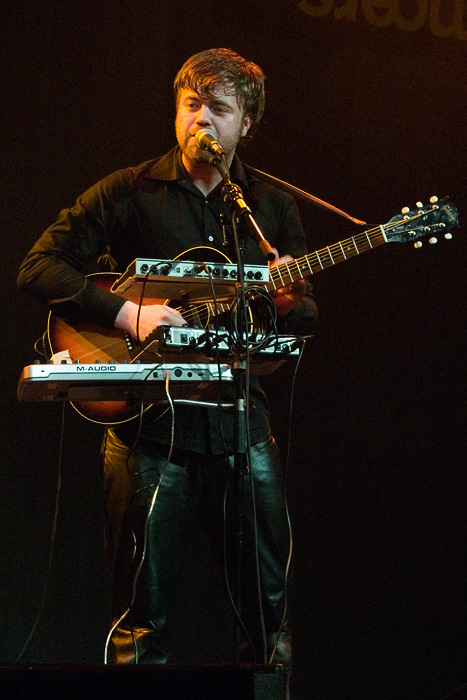
Beyond these two there’s Emilíana Torrini (technically half-Italian but raised in Iceland, did “Jungle Drum” and the Hobbit soundtrack), múm, Sin Fang, GusGus, Hjaltalín, Daði Freyr (who would have won Eurovision 2020 if it hadn’t been cancelled by the pandemic and who came fourth in 2021), and Kælan Mikla. The scene is small and incestuous in the good way. Most of them play each other’s songs at one festival or another.
Sjón, the writer behind Björk’s words
If you’ve ever sung along to a Björk lyric in English, you’ve probably been singing Sjón. Real name Sigurjón Birgir Sigurðsson, born in Reykjavik in 1962. He’s been a poet, novelist, lyricist, performance artist and screenwriter for more than forty years. He wrote lyrics for Björk’s Selmasongs from Dancer in the Dark, including “I’ve Seen It All”, which got him an Oscar nomination in 2001. He’s done lyrics on most of her major albums.
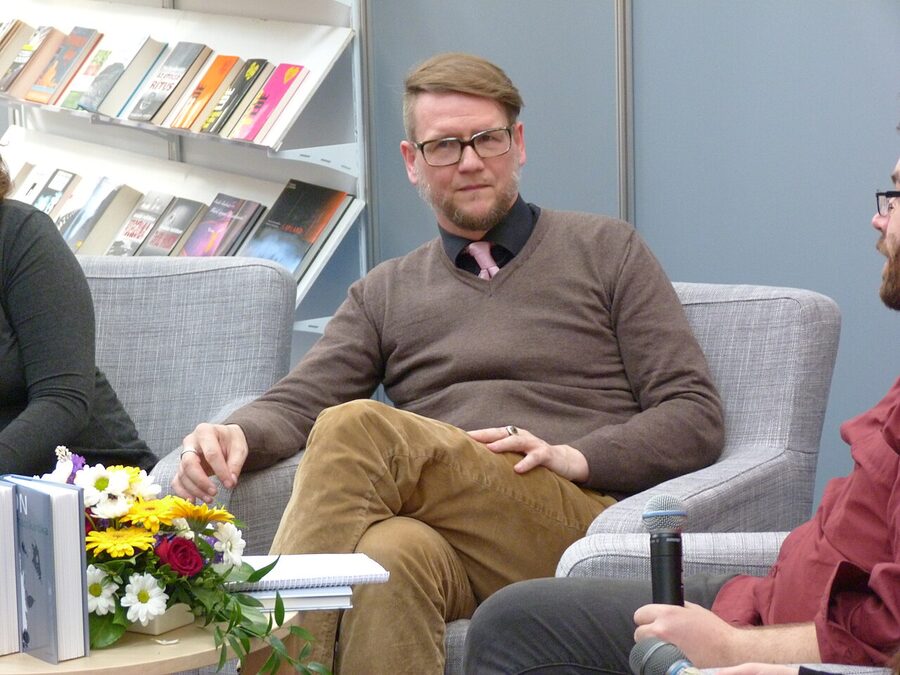
His novels are short, strange, and dense. The Blue Fox (Skugga-Baldur) won the Nordic Council Literature Prize in 2005. From the Mouth of the Whale is a 17th-century natural-philosopher’s tale. The CoDex 1962 trilogy is his big late-career work: three novels, a man made from clay, a Nazi war criminal, and an extraterrestrial conspiracy threading through Reykjavik.
He also co-wrote the screenplay for the 2021 Icelandic film Lamb, the Valdimar Jóhannsson film with Noomi Rapace and a child who is half sheep, which is a sentence you might have to read twice. He worked with Robert Eggers on The Northman, the 2022 Viking revenge film. He works with the people whose work you remember.
The Nordic noir generation: Arnaldur, Yrsa, and Auður Ava
Iceland for a country its size produces a startling number of crime novelists. Two have become genuinely international.
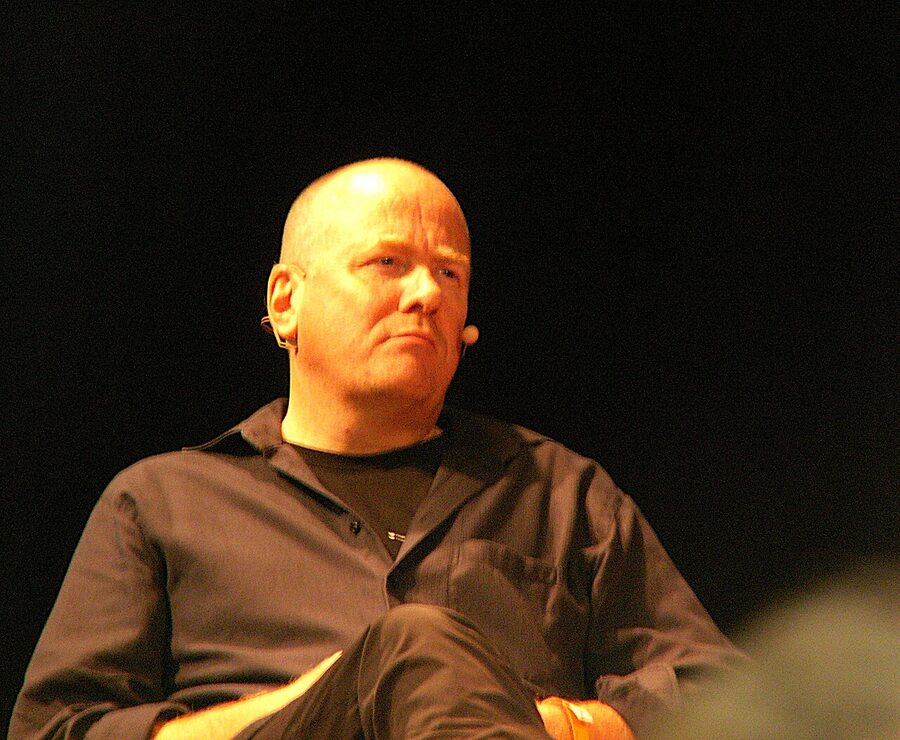
Arnaldur Indriðason wrote his first novel, Sons of Dust, in 1997 and has barely slowed since. The Inspector Erlendur series (Jar City, Silence of the Grave, Voices, The Draining Lake and another dozen) is set in a Reykjavik that’s mostly grey, raining, and full of the kind of dysfunctional families who carry forty-year grudges. Erlendur’s daughter Eva Lind is one of the great supporting characters in modern crime fiction. Jar City was filmed by Baltasar Kormákur in 2006.
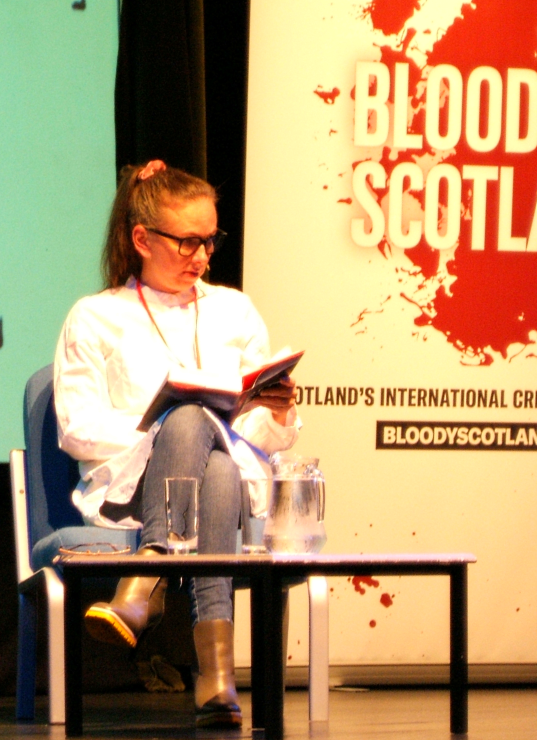
Yrsa Sigurðardóttir writes both crime and supernatural horror. Her day job, until very recently, was as a civil engineer working on hydroelectric dams in the highlands, which is the perfect Icelandic backstory. I Remember You (Ég man þig) is the haunted-house novel set in Hesteyri in the abandoned northern fjords. It got an excellent Icelandic film adaptation in 2017.
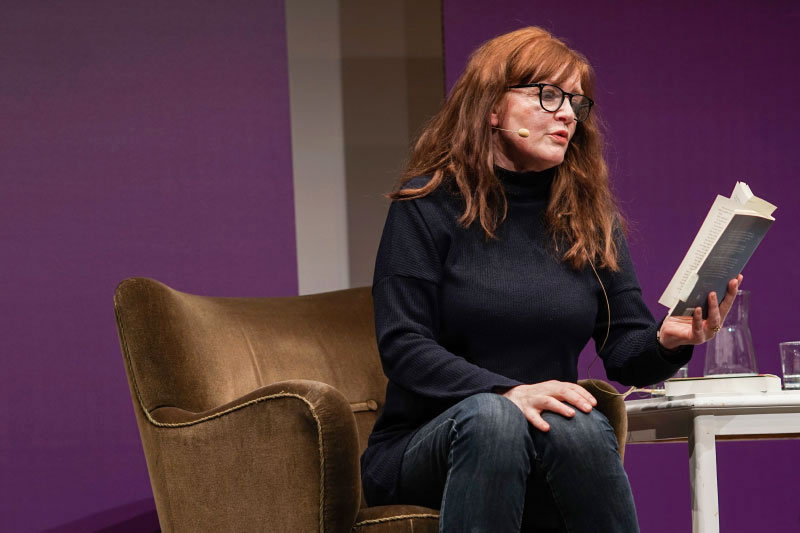
Outside crime, the contemporary novelist with the biggest international reputation is Auður Ava Ólafsdóttir. The Greenhouse (Afleggjarinn) is the warm road-trip novel about a young man taking a rare rose to a monastery garden. Hotel Silence (Ör) is about a man who plans to die abroad and ends up reconstructing a hotel in a war-torn country instead. Miss Iceland is the 1960s novel about a young woman trying to be a writer in Reykjavik, set against the literary scene that produced Laxness. Sad, funny, exact.
Baltasar Kormákur, Hera Hilmar, and the screen people
Iceland’s small film industry produces more than its size suggests, and the figure most directly responsible is Baltasar Kormákur. Born in Reykjavik in 1966 to an Icelandic mother and a Spanish father (hence the name). He directed 101 Reykjavik in 2000, the comedy that introduced a lot of foreign audiences to the city’s drinking-and-flatshare lifestyle. Then The Sea, Jar City (the Arnaldur adaptation), The Deep (a true story about a fisherman who survived hours in the Atlantic). Then he went to Hollywood and made Contraband, 2 Guns, Everest and Beast.
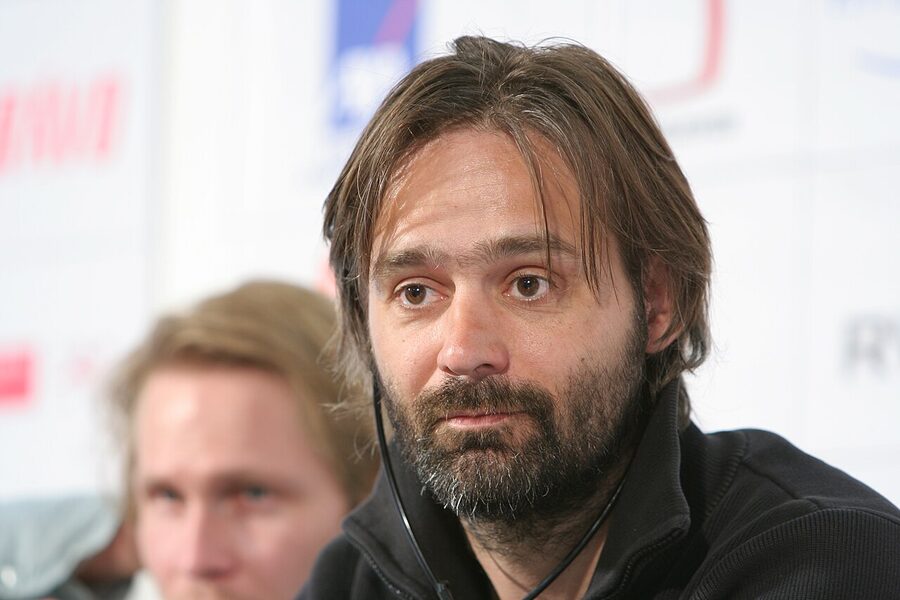
His TV series Trapped (Ófærð) is the one most international viewers know. A dead body washes up in Seyðisfjörður, a snowstorm cuts the town off, and a small-town police chief played by Ólafur Darri Ólafsson has to investigate. It ran for three seasons on Icelandic state television, sold to dozens of countries, and put Seyðisfjörður on the screen tourism map. If you want to see what east Iceland looks like in winter without going there in winter, watch Trapped.
Ólafur Darri Ólafsson, the lead in Trapped, is also worth naming. Big bearded man, plays a lot of warm-hearted heavies. He’s been in NCIS Los Angeles, True Detective, the Apple series Severance, and a small role in Lady Gaga’s A Star Is Born. He works constantly. He’s also genuinely lovely if you bump into him in a Reykjavik cafe, which several people I know have.
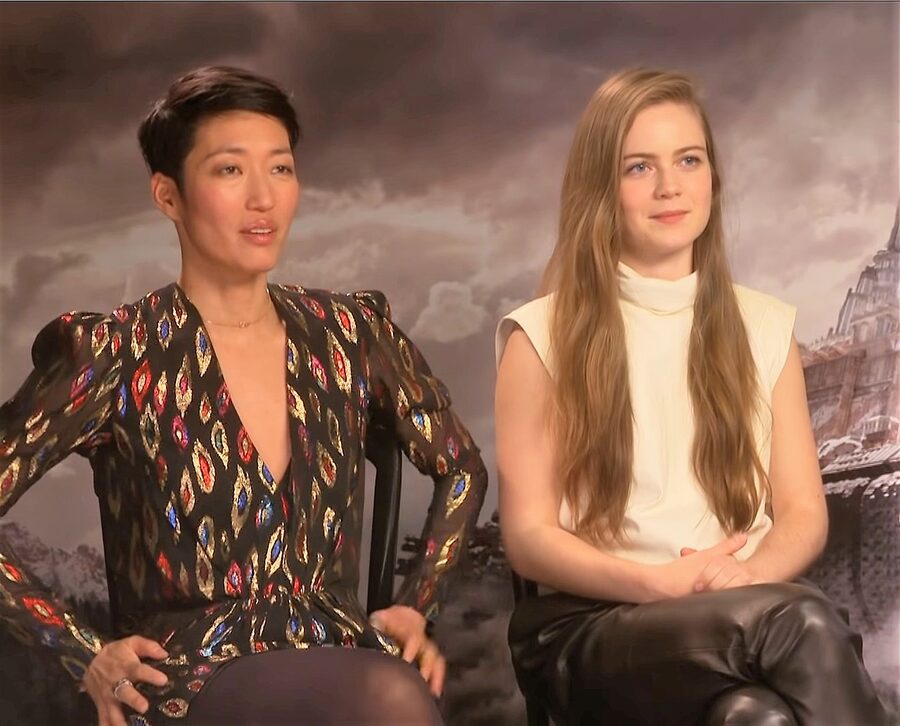
Hera Hilmar is the other one to know. She was the lead in Peter Jackson’s Mortal Engines in 2018 and has been the lead in Apple TV’s See opposite Jason Momoa since 2019. She’s from a film family (her father is the director Hilmar Oddsson) and she trained in London. The Icelandic acting tradition is small but very tightly networked; everyone knows everyone, and almost all of them passed through the Iceland Academy of the Arts.
Eiður Smári Guðjohnsen and the football miracle
Until very recently, you could not really say Iceland had famous footballers. We had a few good ones, but no one anyone outside Scandinavia would recognise. Then two things happened. Eiður Smári Guðjohnsen, and Euro 2016.
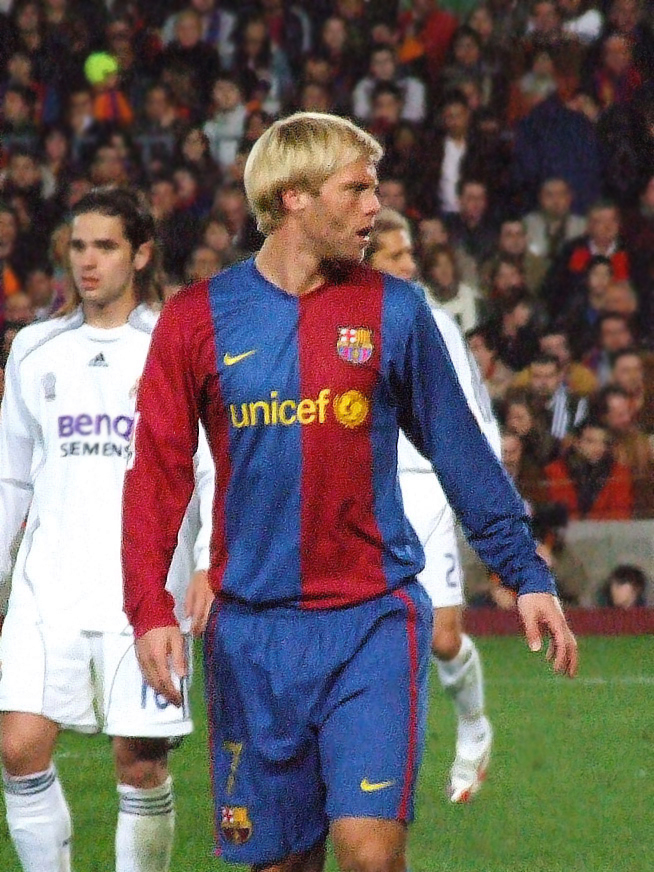
Eiður played for Chelsea, Barcelona, Bolton, Stoke, Tottenham, AEK Athens, Cottbus, Pune City and finally retired at his hometown club Bolton. He won the Premier League with Chelsea, the Champions League with Barcelona in 2009, and was Iceland’s first really international-level player. He also famously came on for Iceland against Estonia in 1996 to replace his father Arnór Guðjohnsen at half-time, the first and so far only time a father and son have shared a senior international shirt by direct substitution. They never actually played at the same time. The plan had been they would, but the manager pulled Arnór off at the break. Both Guðjohnsens have insisted ever since they don’t mind. They mind a little.
The 2016 Euros
Then 2016. Iceland qualified for the European Championship in France and got out of the group. They drew with Portugal, drew with Hungary, beat Austria in the last minute. Then in the round of 16 they beat England, two-one. England, the country that invented the sport, lost to a country with the population of Coventry. Roy Hodgson resigned during the post-match press conference.
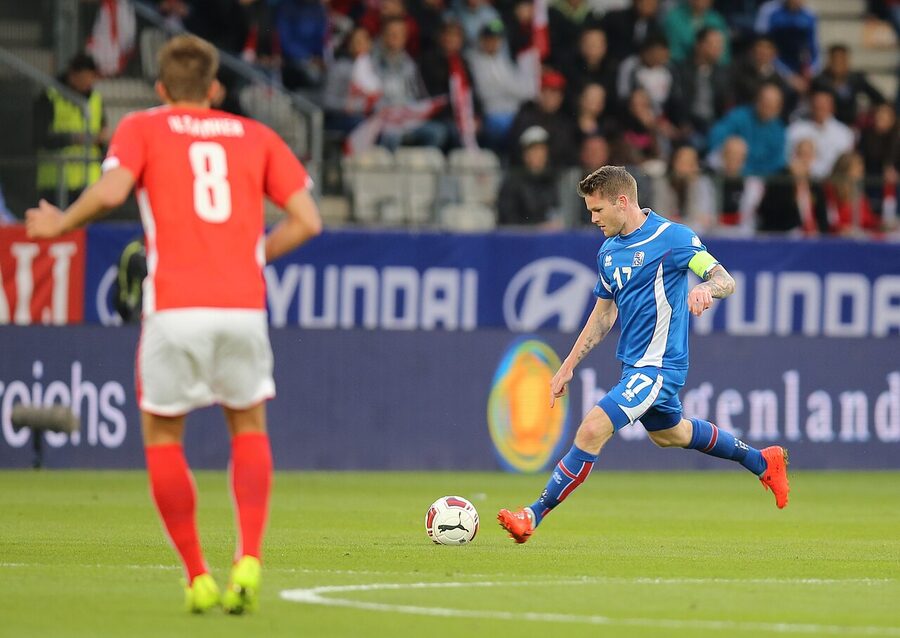

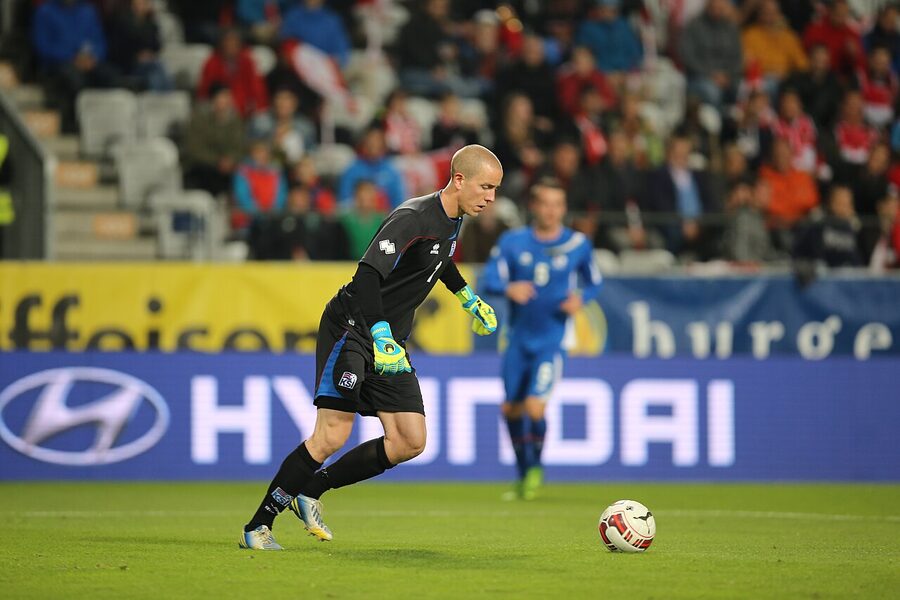
The captain was Aron Einar Gunnarsson, a midfielder who took the longest throw-ins in international football and looked like a Viking from a museum diorama. The goalkeeper was Hannes Þór Halldórsson, who in his day job was a film director. He went on to direct an Icelandic Eurovision entry and a feature film called Cop Secret in 2021. He had to take leave from making a Coca-Cola commercial to keep goal at the Euros.
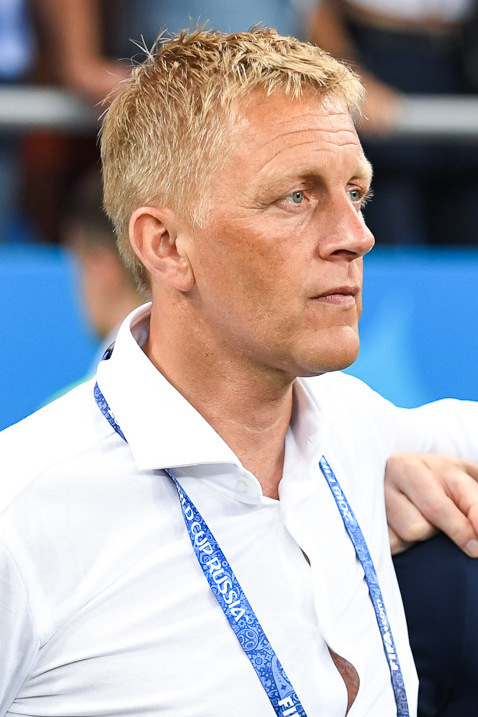
The coach was Heimir Hallgrímsson, who continued working part-time as a dentist in the small Westman Islands town of Vestmannaeyjar throughout the qualifying campaign. A dentist coached his country to the quarter-final of a major international tournament. He has since coached Jamaica and Ireland.
The “Viking Clap” (slow, building, with a Hu! at the apex) got copied at every other country’s stadium for about three years. We didn’t invent it. We borrowed it from Motherwell fans. But once the Iceland team and 8 per cent of our population were doing it on French television, it became ours by association.
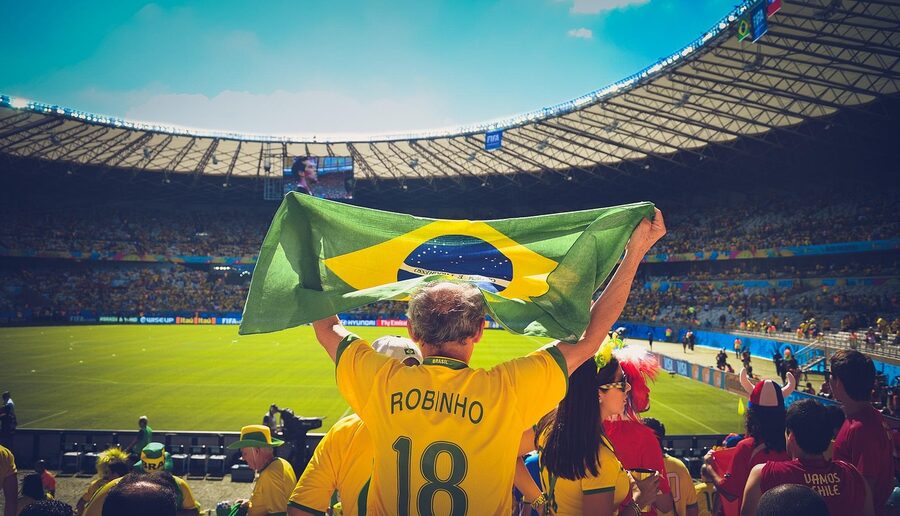
The 2018 World Cup followed. Iceland qualified, drew Argentina 1-1 in the opening match, Hannes saved a Ronaldo penalty against Portugal. That was probably the peak. Iceland hasn’t qualified for a major since. The team that did all that has mostly retired. We got very used to expecting a lot. We’re now adjusting back.
Hafþór Júlíus Björnsson, the strongest man
If you watched Game of Thrones, you saw Hafþór Júlíus Björnsson as Gregor Clegane, “The Mountain”. He’s 2.06m tall, weighs around 200kg in competition, and has won World’s Strongest Man (2018), Europe’s Strongest Man (six times), Arnold Strongman Classic (three times) and held a deadlift world record at 501kg. He went on to box Eddie Hall in a heavyweight bout in 2022, which he won.
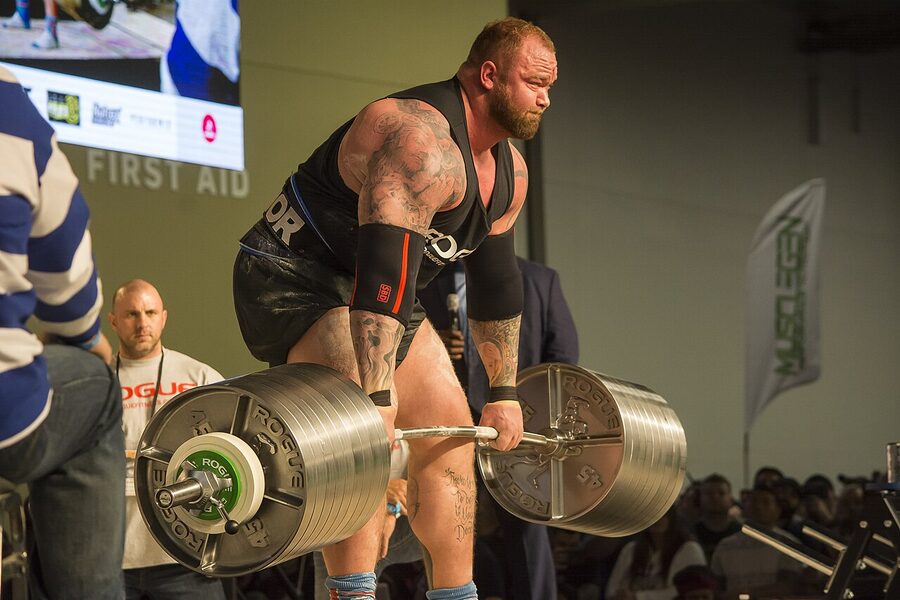
He runs a gym near Reykjavik called Thor’s Power Gym. Tourist visits can be arranged through his official channels. He’s polite, towers over you, and is genuinely much more thoughtful in conversation than the public persona suggests. The strongman tradition runs deep here. Jón Páll Sigmarsson in the 1980s and 90s was Hafþór’s predecessor and a folk hero in his own right. There’s a story about Jón Páll lifting the Húsafell stone, a 186kg lava boulder used as a strength test by farmhands for centuries. He carried it the full perimeter of an old goat pen. The stone is still there. Hafþór has carried it too.
Kári Stefánsson and the Icelandic genome
If you’ve read anything about consumer genetic testing, the Icelandic genome database, or the discovery of risk genes for Alzheimer’s, schizophrenia or breast cancer, you’ve probably read something Kári Stefánsson said. He’s a neurologist who founded deCODE genetics in Reykjavik in 1996 with a simple insight: Iceland is small, mostly descended from a few hundred medieval settlers, and its genealogical records go back a thousand years. Combine that with modern sequencing and you can trace heritable conditions through generations in a way you can’t anywhere else on Earth.
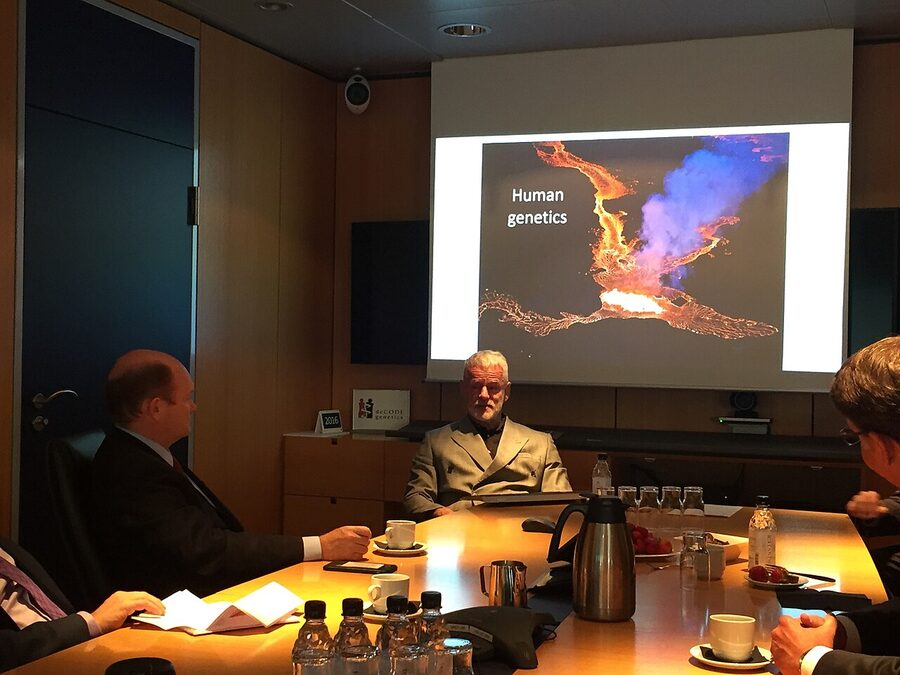
By 2020 deCODE had whole-genome data on tens of thousands of Icelanders and partial data on most of the rest of the population. The discoveries that have come out of that database have rewritten parts of human genetics. The company was bought by Amgen in 2012 but Kári still runs it.
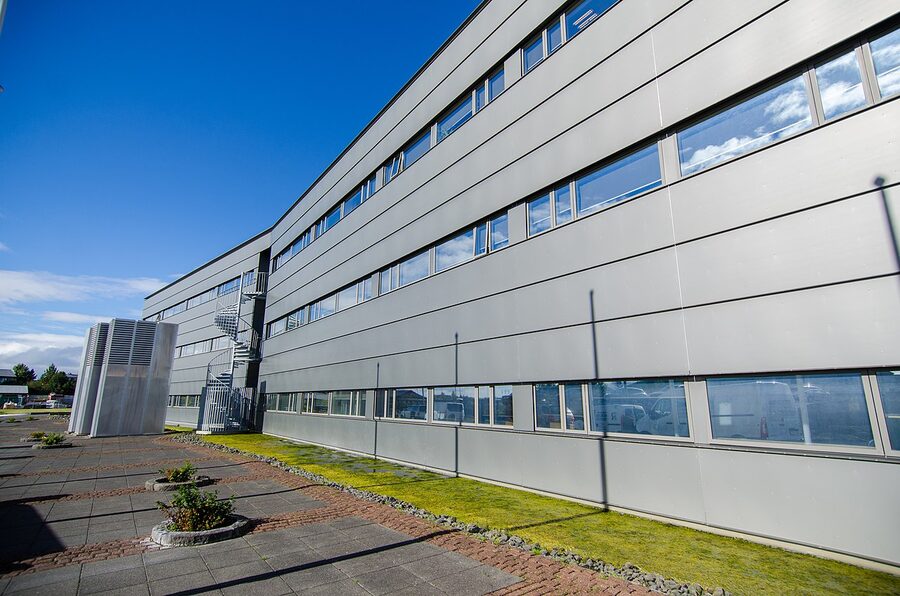
Kári himself is also famous in Iceland for being absolutely uncompromising about public health. During the early COVID-19 pandemic deCODE provided free testing for the entire population at one point, which is why Iceland’s case data is some of the cleanest in the world for that period. He’s the kind of scientist who’ll go on Icelandic state TV and tell ministers their decisions are stupid in plain language.
Where to encounter them today
So you’re in Iceland and you want to actually walk where any of these people walked. Here’s the practical guide.
Gljúfrasteinn (Halldór Laxness’s house)
About 30 minutes east of Reykjavik in Mosfellsdalur. Drive Route 36. Buses run from BSÍ but the schedule is sparse. Open 9-5 most of the year, closed Mondays in winter, around 1,500 ISK. The audio guide is the way to do it. Allow 90 minutes. There’s a small cafe in the visitor centre. Combine it with a stop at Mosfellsbær swimming pool on the way back, which is a perfectly normal Icelandic suburban pool that has nothing to do with Laxness but is a good way to see what regular Icelandic life looks like. Site: gljufrasteinn.is.
Reykholt (Snorri Sturluson)
An hour and a half north of Reykjavik on Route 1, then turn off onto Route 50. Day tours from Reykjavik sometimes include it as part of a Borgarfjörður loop. Snorrastofa cultural centre has a small museum and an active research library. Outside is the medieval pool, Snorralaug, which you can dip a hand in. Free to visit the pool itself. Allow an hour for the centre. There’s a bigger Settlement Centre at Borgarnes on the way which has good Snorri material in its second exhibition.
Þingvellir
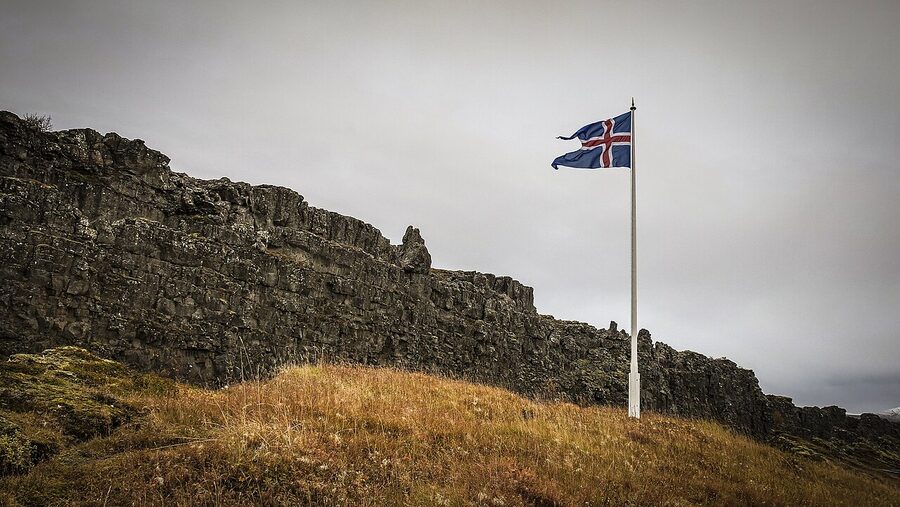
Where the Alþingi met from 930 onwards. Snorri Sturluson stood here. Jón Sigurðsson invoked it. The Republic of Iceland was declared here on 17 June 1944. It’s also where the Mid-Atlantic ridge surfaces, so the geology is doing the talking too. There’s more on that in our geology of Iceland piece. Most Golden Circle tours stop here for an hour. That’s about right.
Höfði house, Reykjavik
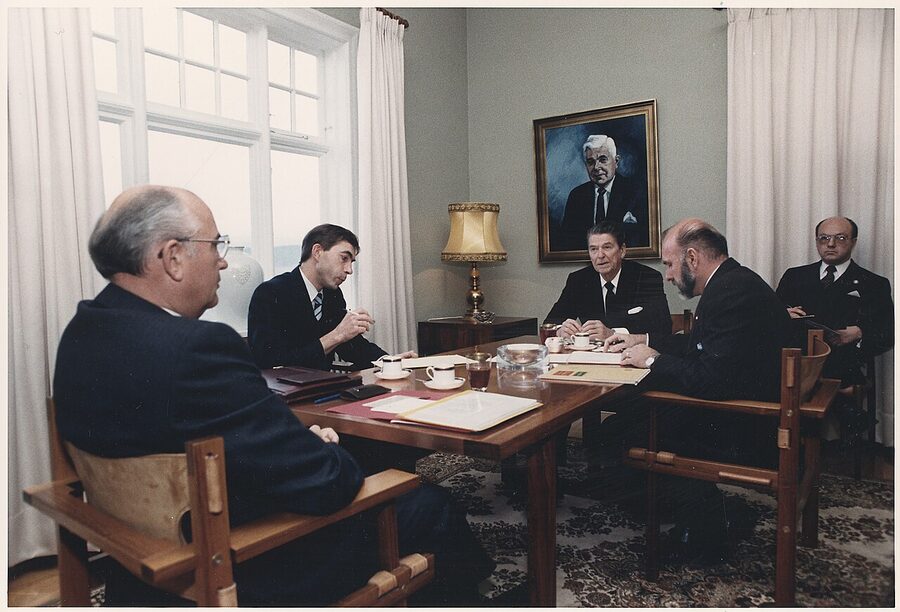
The small white house on the seafront where Reagan and Gorbachev met in October 1986. Vigdís Finnbogadóttir was president at the time. The house is closed to the public but you can walk around it freely; it sits at the corner of Borgartún and the seafront path, about 15 minutes’ walk east from Harpa. Worth the photograph.
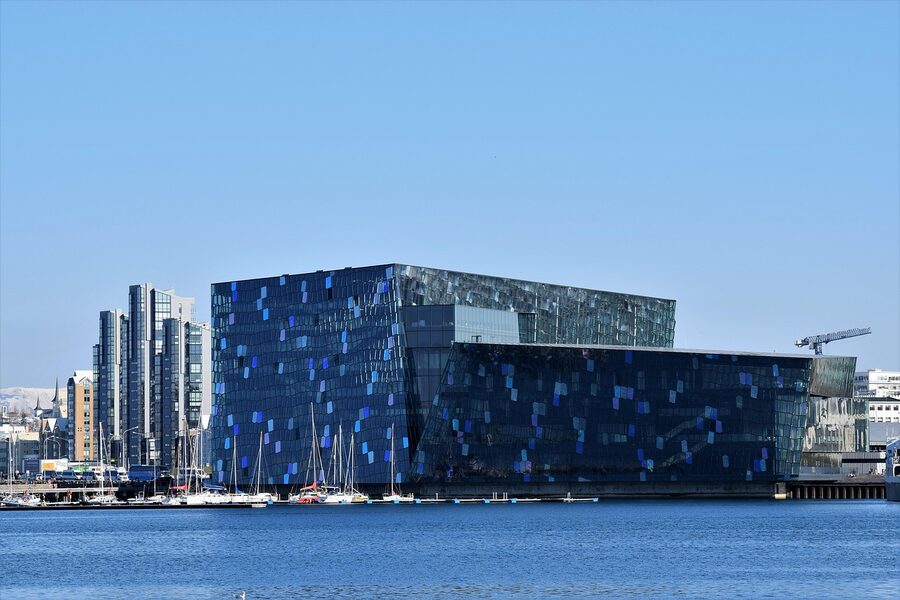
Harpa concert hall
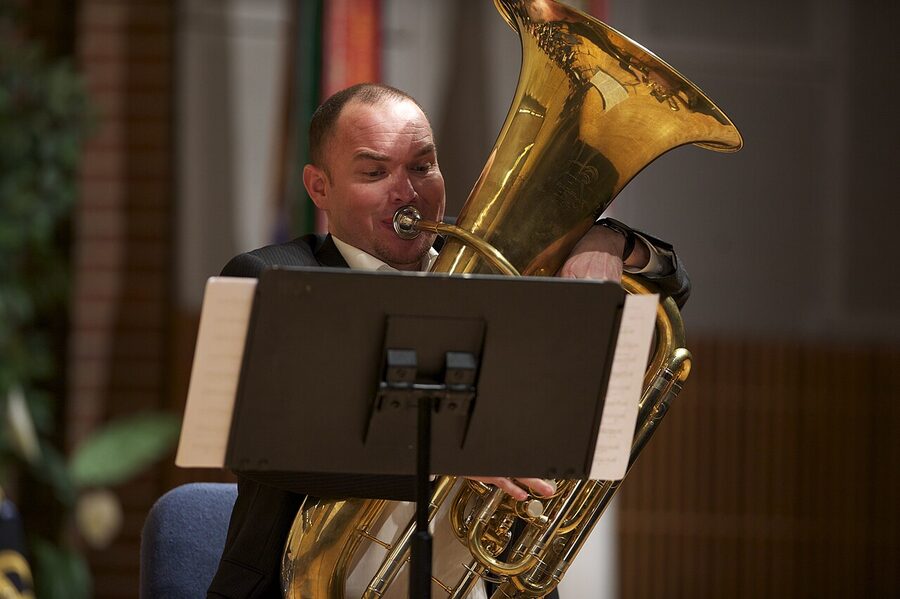
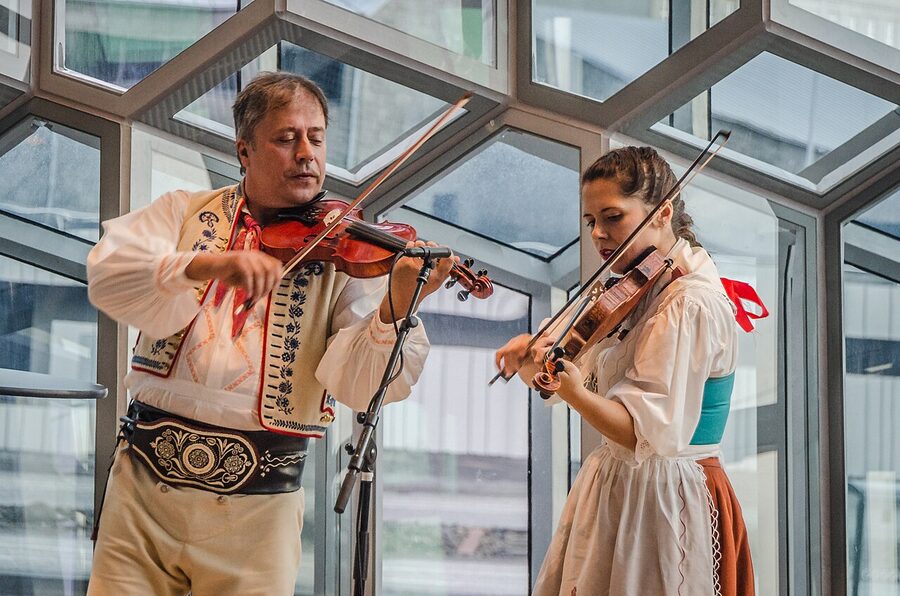
Designed by Henning Larsen with the glass facade by Ólafur Elíasson, opened 2011, sits on the harbour. Home of the Iceland Symphony Orchestra and the Icelandic Opera. Björk plays here when she tours. Sigur Rós too. Of Monsters and Men. Free to walk inside any day. The Icelandic Symphony schedule is at sinfonia.is.
The National Museum (Þjóðminjasafn Íslands)
The medieval material is here: Snorri’s manuscripts in facsimile, the Valþjófsstaður door, the silver hoards from the settlement era. Suðurgata 41, near the university. Around 2,500 ISK adult, free for under-18s. Allow two hours. Most informative single museum on Iceland’s history. Useful before or after reading any of the medieval sagas.
Iceland Airwaves and Reykjavik International Literary Festival
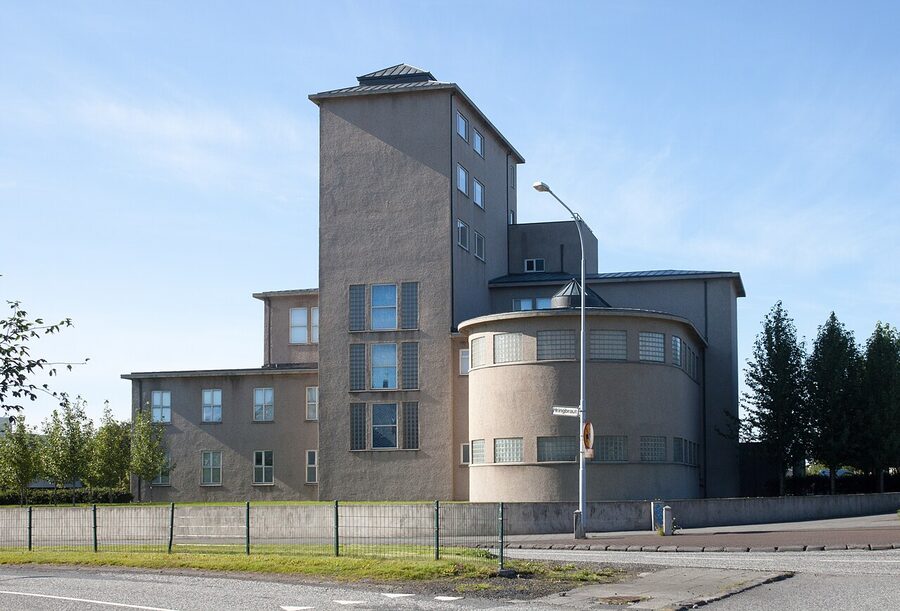
Airwaves is the music one, first weekend of November, downtown Reykjavik, you’ll see a chunk of every band mentioned above and a long list of internationals. The literary festival is biennial in late September. Both are how you actually meet contemporary Icelandic creators. They drink at the same bars during the festivals. icelandairwaves.is for the music one.
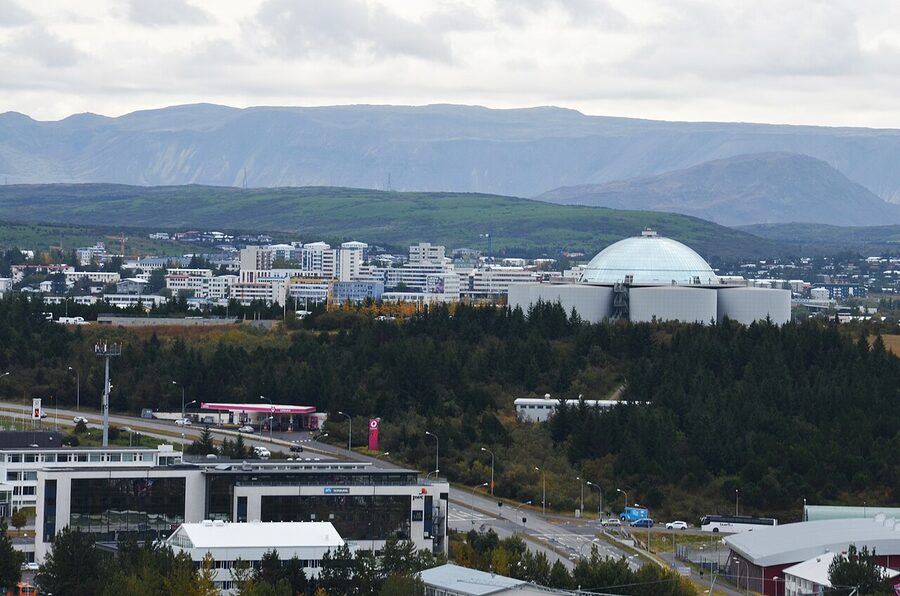
Perlan
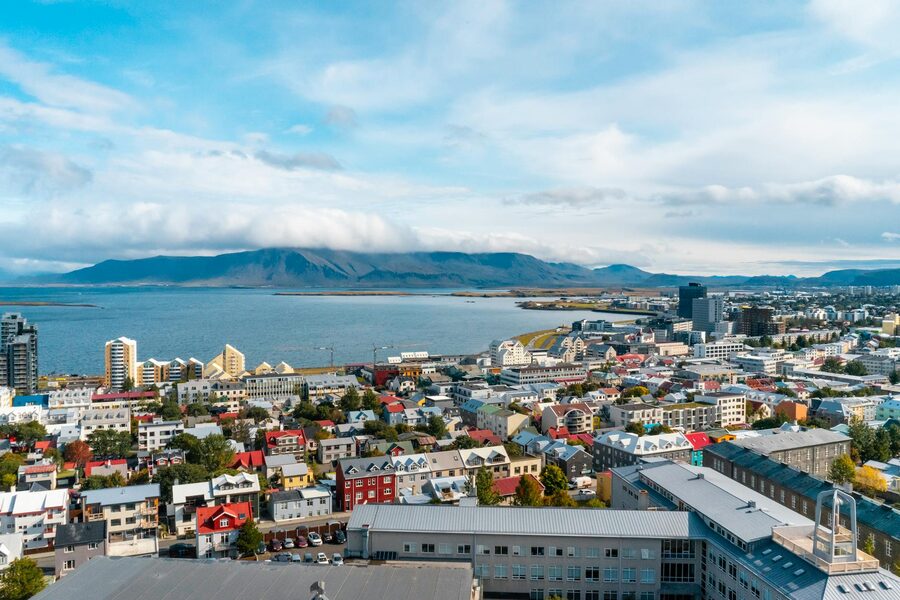
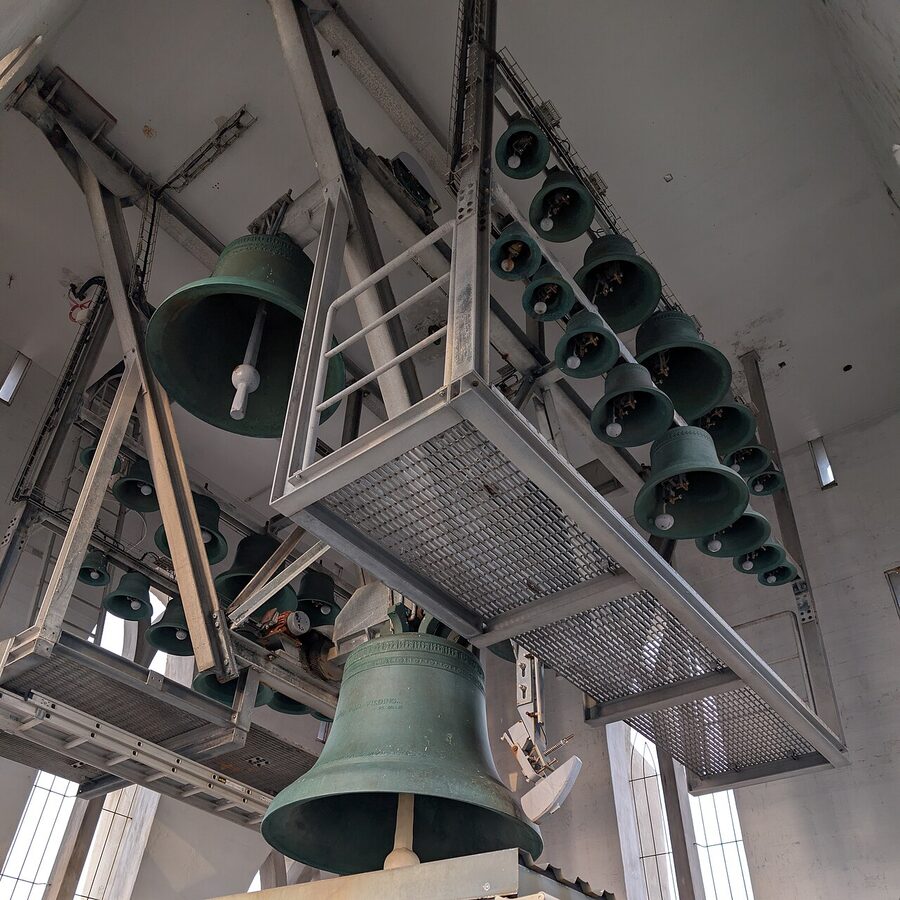
The dome on top of the hill behind the city. Originally a hot-water tank facility, now a museum about Icelandic nature with a 360-degree observation deck. The view is the famous one. Most of the people in this article have been photographed with this view behind them at some point.
How Icelanders feel about all this
One of the things you notice in Iceland after a few days is that nobody really makes a fuss about famous people. You’ll see Björk in a coffee shop. You’ll see Baltasar Kormákur leaving a film screening. Eiður Guðjohnsen does the school run somewhere in town. Hafþór goes to the gym and sometimes to a regular pool, where he genuinely takes up most of the lane. Ólafur Darri turns up at literary events. And the response is, at most, a slight nod and a return to your coffee.
This is partly because the country is small enough that almost everyone is two phone calls away from any famous person. My grandmother taught Halldór Laxness’s daughter at primary school. My cousin played football against Eiður at U-14 level. A friend’s mother was Vigdís’s secretary for two years. Once you find out you’re connected to the famous people by maybe three relationships, you stop being impressed by them.
It’s also partly because of how the Icelandic language works. We don’t have surnames in the European sense. Björk is Björk Guðmundsdóttir, daughter of Guðmundur. Eiður is Eiður Guðjohnsen, but in the Icelandic phone book he’s listed under Eiður. Vigdís is Vigdís. The president of the country is in the phone book under his first name. This makes the social distance between famous and not-famous very small. There’s a lot more on this in our Icelandic language guide.
And when you grow up next to people whose ancestors include Snorri Sturluson and Ingólfur Arnarson, contemporary fame loses some of its weight. The standard for an Icelander to be famous is “did you write a saga that survived eight centuries?” Most of us, no. But we know one girl from school who’s now in a film with Jason Momoa. That counts too.
A short list of who to read or listen to first
Because it can feel like a lot, the orderly recommendations from one Icelander to one visitor:
- To read first: Halldór Laxness, Independent People. Long, but worth it. Then Sjón’s The Blue Fox if you want short and strange. Then Auður Ava Ólafsdóttir’s Miss Iceland. Then Arnaldur’s Jar City for the crime side.
- To listen to first: Sigur Rós, “Svefn-g-englar” from Ágætis byrjun. Then Björk, “Hyperballad” from Post. Then Ásgeir, the whole of In the Silence. Then Of Monsters and Men, “Little Talks” if you somehow missed it in 2012.
- To watch first: Trapped series 1 (six episodes, Netflix in many regions). Then The Deep. Then Lamb, if you can handle the strangeness.
- To visit first: Gljúfrasteinn for Laxness, the National Museum for the medieval material, Höfði and Harpa for the modern story, Þingvellir for the deep one. That’s a comfortable two-day add-on to any Reykjavik city stay.
That’s the country. Sagas at one end, Eurovision at the other, with quite a lot of weather in between. The famous Icelanders are the ones who happened to step out of the small group long enough that the rest of the world noticed. The interesting thing, when you spend time here, is realising how many of them are still inside the small group, doing perfectly ordinary things between the famous moments.
If you’d like to put the country into your trip in a structured way, our guide to Iceland tours actually worth booking has the operator picks for the museum and culture circuits. Or read the Destinations hub for the full set of culture-and-history pieces.