Some places feel engineered for photos. This one feels real ice.
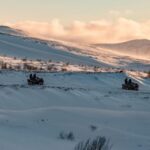
On this Ice Cave and Glacier Exploration tour from Jökulsárlón, you ride out in a custom super-jeep, then hike onto Breiðamerkurjökull (an outlet glacier of Vatnajökull). I love that the trip is built around the glacier itself: you’re not just looking at ice from a walkway.
The second thing I really like is the balance of awe and know-how. You get proper safety equipment (helmets, harnesses, crampons) and a guide who explains what you’re seeing while still making time for photos, including the big blue-cave moments people travel for.
One drawback to plan for: you’ll walk 4–6 km on glacier, in cold wind and rain, and the tour isn’t suitable for everyone (including kids under 13 and people with mobility limitations).
In This Review
- Key Things You’ll Want to Know Up Front
- Breiðamerkurjökull: Why This Glacier Walk Feels Like the Main Event
- Super-Jeep Pickup and the 10:30 AM Departure Rhythm
- Your Glacier Hike: 4–6 km, Medium Effort, Real Terrain
- Ice Caves and Crevasses: What You’re Actually Looking For
- Photography Strategy: Timing, Angles, and the Ice That Keeps Moving
- Glacier Safety That Feels Serious (and Actually Useful)
- What to Wear and Bring for Real-World Iceland Weather
- Included Value: Why $275 Can Make Sense for This Particular Experience
- Who Should Book, and Who Should Skip It
- Should You Book the Ice Cave and Glacier Exploration Tour?
- FAQ
- How long is the Ice Cave and Glacier Exploration Tour?
- Where do I meet, and when does the tour leave?
- How much walking is included on the glacier?
- What safety gear is provided?
- What should I bring if winter clothing isn’t included?
- Does the tour operate in bad weather?
- Who is this tour not suitable for?
Key Things You’ll Want to Know Up Front
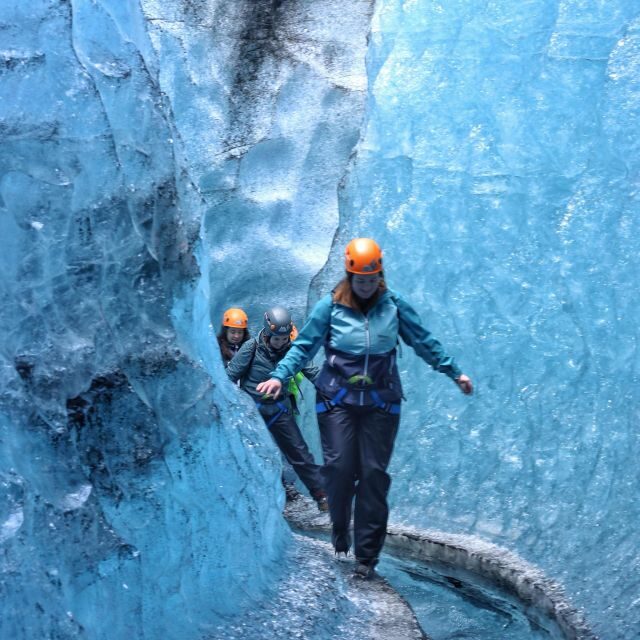
- Blue ice caves change constantly, so the cave you see won’t match gallery photos exactly
- You hike 4–6 km on glacier terrain (medium difficulty, but weather changes everything)
- Small group size (up to 8 participants per guide in winter) keeps the pace more human
- You get full glacier gear like helmets, harnesses, and crampons, plus instructions before you step onto ice
- Super-jeep transport helps you reach more remote glacier areas than standard minibus routes
- Bring a camera or phone, because ice formations can shift quickly and photo angles are time-dependent
Breiðamerkurjökull: Why This Glacier Walk Feels Like the Main Event
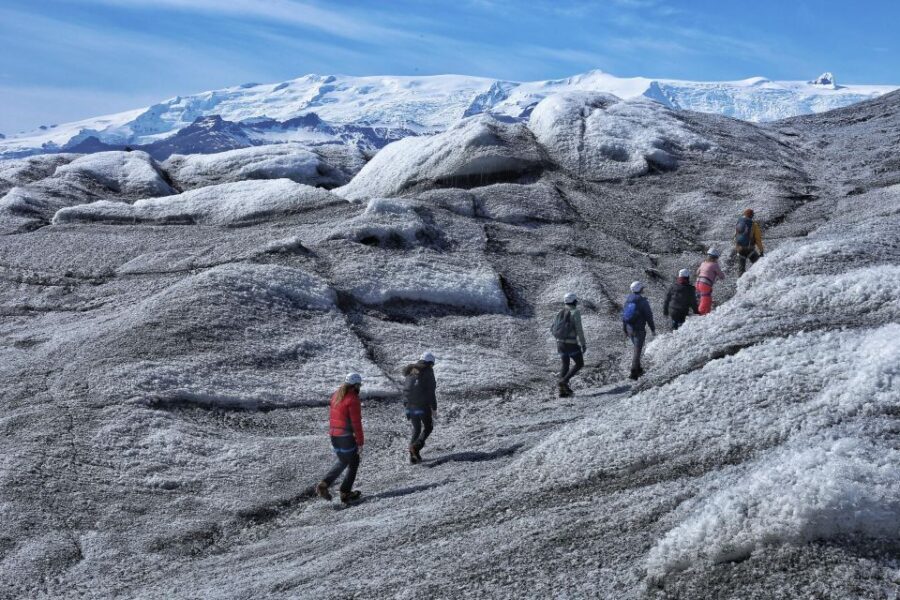
Vatnajökull is the largest glacier in Europe, and Breiðamerkurjökull is one of its working outlets. The cool part is that you’re not “touring” a museum glacier. You’re walking through a living system of crevasses, ice tunnels, and pressure-made shapes that keep evolving.
The tour is designed around that reality. You’ll spend real time on the ice, not just a quick photo stop. That’s why the experience lands for so many people: the glacier is doing the talking, and your guide gives you just enough context to make it click.
From the start, you also get a practical advantage: the glacier areas near Jökulsárlón are famous for views, but most of the magic is off the main route. The super-jeep takes you toward remote glacier ground so you can see formations that feel bigger and more natural.
You can also read our reviews of more tours and experiences in Iceland.
Super-Jeep Pickup and the 10:30 AM Departure Rhythm
Meet at 10:00 AM next to the Jökulsárlón Glacier Lagoon Boat Tours and Café, by the big white super-jeeps. Get geared up, check your straps and traction gear, then you depart at 10:30 AM.
That half-hour buffer matters. You’re not stumbling around cold trying to find the right jacket, gloves, or rental gear at the last second. If you show up early, you’ll be calmer when it’s time to put on helmets and crampons.
The other reason I like the super-jeep setup is comfort over distance. Iceland driving can be bumpy, and the vehicle is built for rough terrain. In short: it helps you arrive without wasting energy, so you can spend that energy where it counts—on the glacier itself.
Your Glacier Hike: 4–6 km, Medium Effort, Real Terrain
This is a glacier walk with a total distance of about 4–6 km depending on pace and conditions. That’s not a casual stroll on snow. Glacier terrain includes uneven ice, slippery surfaces, and sections where you’re moving across varying textures.
The tour rate calls it medium difficulty, and the right way to think about it is this: you’re prepared with traction and a harness system, but you still need stamina and sure-footedness. If you can comfortably walk 4–6 km on land, you’ll likely handle the effort better. If that walking distance is already a struggle on dry ground, the glacier portion will feel tougher.
Weather is part of the plan. The tour operates in any type of weather (rain, wind, cold). That means your clothing matters as much as your legs. When you pack for moisture and wind, the hike stops being scary and starts feeling like part of the adventure.
Ice Caves and Crevasses: What You’re Actually Looking For
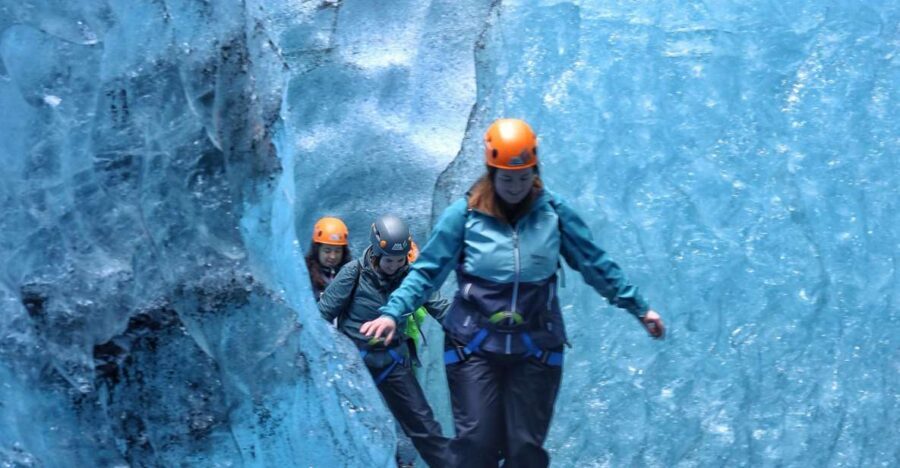
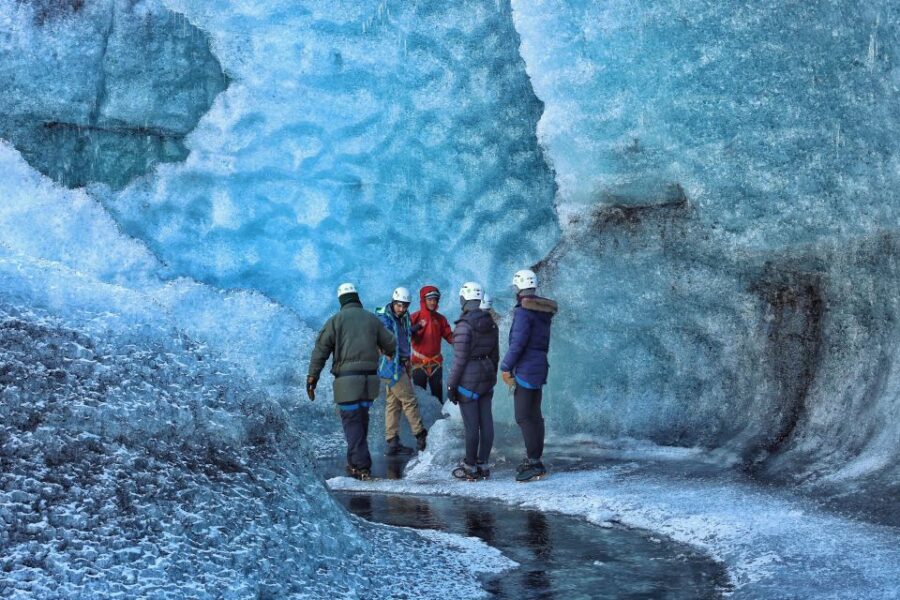
The headline is the ice cave exploration, and the tour is built to hit multiple formations during your time on Breiðamerkurjökull. You can expect to see features like crevasses and moulins (those vertical shafts in glacier ice), plus deep blue ice areas that form and reform through the season.
Here’s the key reality check: ice caves never look like photos forever. Even within a single season, caves melt, shrink, open, or move as conditions change. So the operator prioritizes the best available caves in your travel window. That’s also why the cave you visit can differ from one departure date to another.
In some cases, the big-cave experience can be the star. One example mentioned in the provided information is the Sapphire Cave, described as extremely large and mind-boggling in scale. If your priority is a giant, impressive ice cave, you’ll want this longer format rather than a quick drive-by.
The cave itself can include dramatic detail—like partially frozen water structures. If you like seeing the glacier from inside the ice, you’ll find this tour hits the right notes: you’re not just viewing blue walls, you’re moving through a natural structure where color, thickness, and texture change as you reposition.
Photography Strategy: Timing, Angles, and the Ice That Keeps Moving
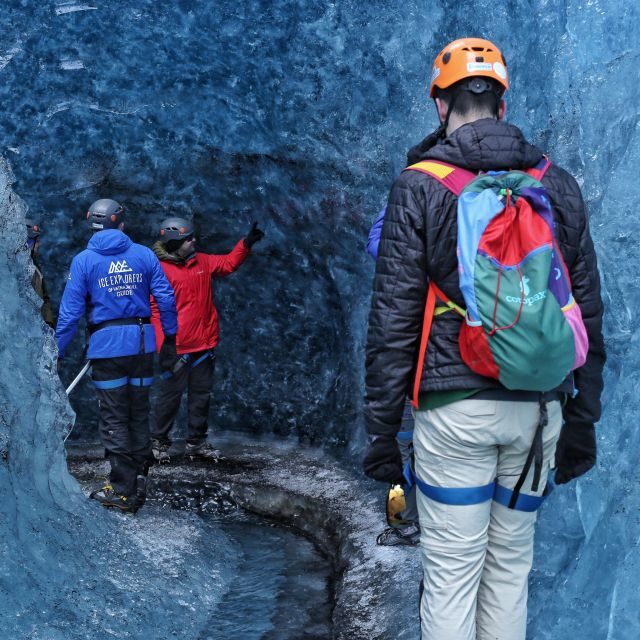
Yes, bring your camera or at least your phone. You’ll be in a place where the best look can change as you walk a few meters or wait a few minutes for clouds, light, or water movement. And because the ice caves can shift quickly, you don’t want to be stuck sorting gear while everyone else is inside.
What helps most is attitude: focus on shooting while you also listen. Your guide will point out what you’re seeing and where to stand for the clearest views. If you try to outsmart the moment—waiting for perfect light—you might miss the best angle that day.
Also, don’t treat “blue ice” as one color. Guides often steer people toward the strongest color zones and the most interesting textures. That makes photos look more 3D and less like a flat ice wall.
If you’re the type who wants both shots and sanity, you’ll appreciate guides who keep the group moving while still pausing for photos. Several named guides in the provided information are described as photo-friendly, with time for exploration rather than rushing.
Glacier Safety That Feels Serious (and Actually Useful)
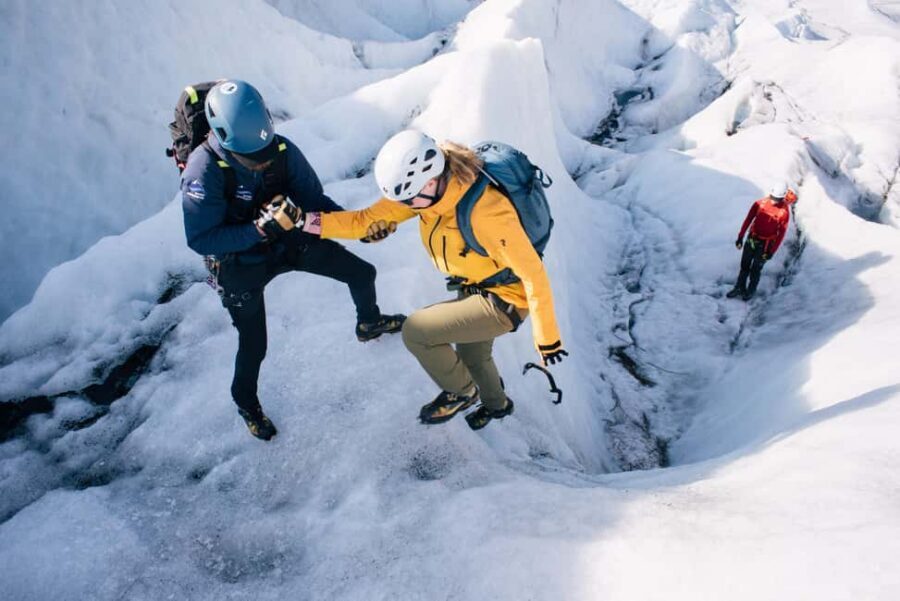
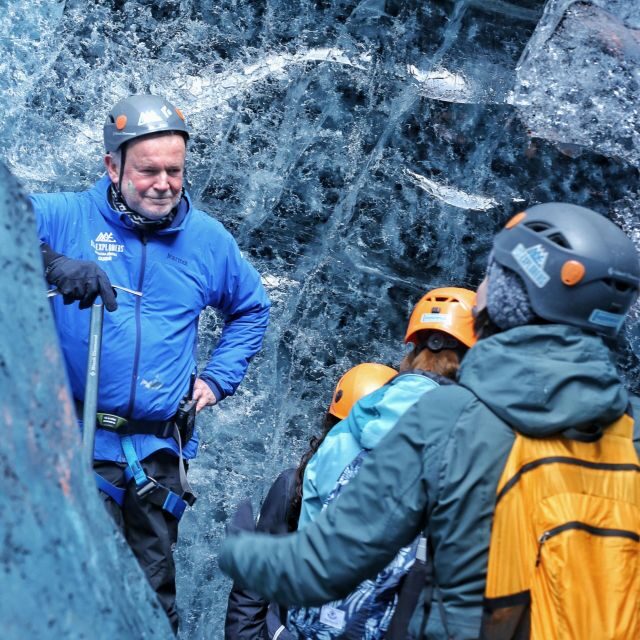
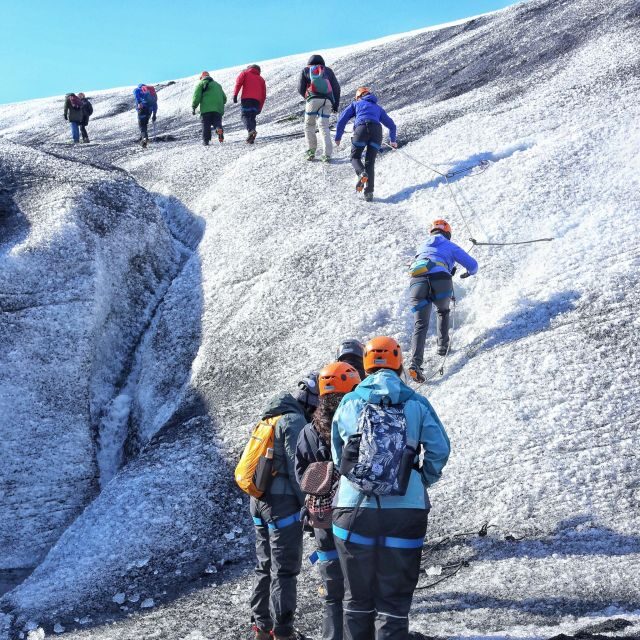
Glacier walking is safe when you do the basics right, and this tour emphasizes that. Before you step onto the ice, your guide equips you with helmets, harnesses, and crampons, then shows you how to move safely.
This matters for two reasons. First, traction reduces slip risk when the ice is slick. Second, harnesses and safety systems help manage situations where you need controlled footing or where you might pass near features like moulins, icy drops, or thicker-ice sections.
In the examples provided, people mention being secured when rope situations come up, and that the guides check that gear is fitted correctly. That’s a big deal. Ill-fitted crampons or a harness you’re not used to can turn a fun walk into constant correction.
One more thing: your guide’s job isn’t just safety. It’s pacing. The tour stays medium-difficulty, and that only works if stops are timed so you don’t burn out early or lose daylight in darker months.
What to Wear and Bring for Real-World Iceland Weather
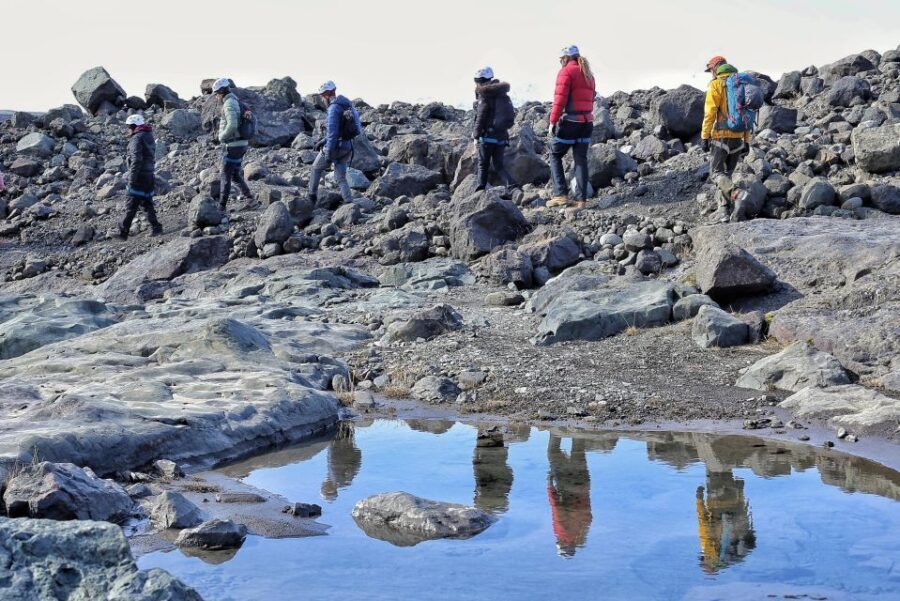
Cold on a glacier isn’t just “a bit chilly.” It’s wind-chill cold, wet-cold, and sometimes gusty cold. The tour notes that it operates in windy and rainy days, so plan for water resistance and warmth you can actually move in.
You’ll want:
- Warm, breathable waterproof layers
- A hat and gloves
- Waterproof rain gear
- Hiking shoes or boots that support your ankles
- Snacks (food isn’t included)
- Camera or phone
Winter clothing and shoes are not included, but the operator offers rentals at the meeting point. That includes rain pants, jackets, and hiking boots. If you’re underdressed, you may be required to rent gear, and in extreme cases you might not be allowed to join for safety.
A practical trick: wear something that dries or insulates when damp. If you rely on thin sweaters under a rain jacket, you’ll likely feel miserable once wind hits the ice.
Also, bring small snacks you can eat without slowing down too much. You’ll be outside and moving, so a light snack beats a heavy meal.
Included Value: Why $275 Can Make Sense for This Particular Experience
At $275 per person for about 5.5 hours, the price isn’t low—but it’s not random either. You’re paying for:
- Super-jeep transport from the Jökulsárlón area
- A guide for glacier walking and cave exploration
- Safety equipment (helmets, harnesses, crampons)
- Transfers from the meeting point in Jökulsárlón
That package matters. A glacier walk is gear-heavy, and the labor is specialized. You’re also getting a longer outing than a short ice-cave-only format, which helps when you want both ice-cave time and a proper glacier hike.
Group size also affects value. With small groups limited to 8 participants (and additional guide support if groups exceed that), you’re more likely to get attention and smoother pacing than on larger excursions.
If you’re comparing options in Iceland, use this rule: pay more when you’re buying time on ice plus real safety gear plus a guide who can adjust to conditions. For this tour, those pieces are central, not add-ons.
Who Should Book, and Who Should Skip It
This tour is not suitable for:
- Children under 13
- Pregnant women
- People with mobility impairments
- Wheelchair users
You also need to be in good health and able to walk 4–6 km in changing weather. Even if you love glaciers, this is still a hike on a cold, uneven surface.
Who it’s a great match for:
- Adults who want a true glacier walk experience, not just a photo stop
- People who enjoy guided explanations and seeing moulins and crevasses up close
- Anyone who wants the longer ice cave experience where the operator tries to pick the best caves of the season
If you hate the idea of walking in cold wind, don’t treat this as a “maybe.” The tour is built to run regardless of weather, and your clothing and stamina are your safety.
Should You Book the Ice Cave and Glacier Exploration Tour?
I’d book this when you want the full Breiðamerkurjökull experience: super-jeep reach, a real glacier walk, and time inside blue ice caves that may be among the biggest of the season.
Skip it if you’re looking for an easy, short stop, or if 4–6 km of glacier walking sounds like a stretch. The tour isn’t trying to be gentle; it’s trying to be safe, and that means you need to be ready to move.
If you do book, take the advice that will actually improve your day: dress for wind and rain, wear sturdy ankle-supporting boots, bring a camera, and go in expecting that the ice will look different from photos. That’s not a disappointment. It’s the point.
FAQ
How long is the Ice Cave and Glacier Exploration Tour?
The tour runs about 5.5 hours (it can run 5–6 hours depending on conditions and group pace).
Where do I meet, and when does the tour leave?
Meet at 10:00 AM next to the Jökulsárlón Glacier Lagoon Boat Tours and Café, by the big white super-jeeps. The group departs at 10:30 AM.
How much walking is included on the glacier?
You’ll walk approximately 4–6 km on the glacier, depending on pace and conditions.
What safety gear is provided?
The tour provides helmets, harnesses, and crampons. Your guide will fit and instruct you before stepping onto the glacier.
What should I bring if winter clothing isn’t included?
Bring warm clothing, a hat, gloves, rain gear, weather-appropriate layers, and hiking shoes or boots with good ankle support. Snacks and a camera (or phone) are also strongly recommended.
Does the tour operate in bad weather?
Yes. The tour operates in any type of weather, including wind and rain, and you should dress appropriately for the conditions that day.
Who is this tour not suitable for?
It’s not suitable for children under 13, pregnant women, and people with mobility impairments or wheelchair users.