Mt. Kirkjufell looks different from a kayak.
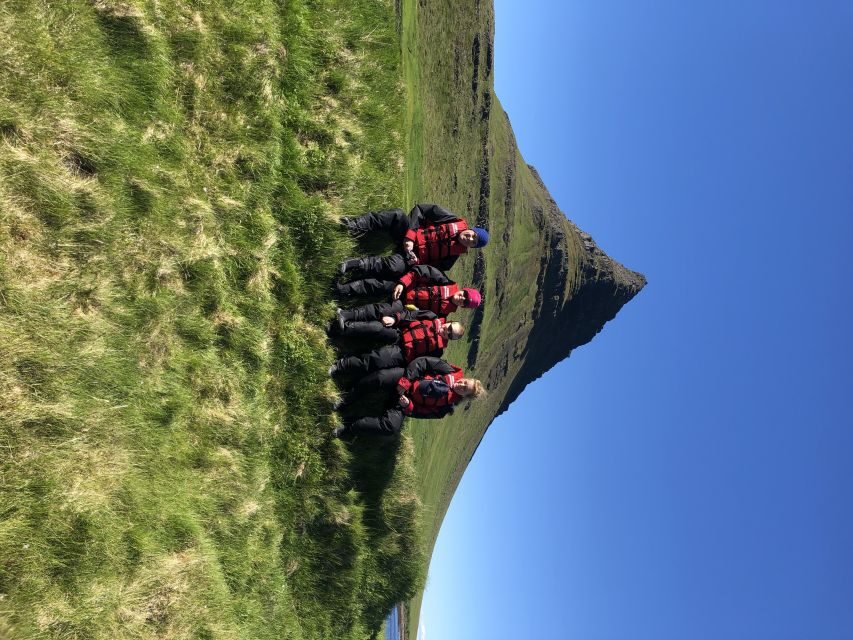
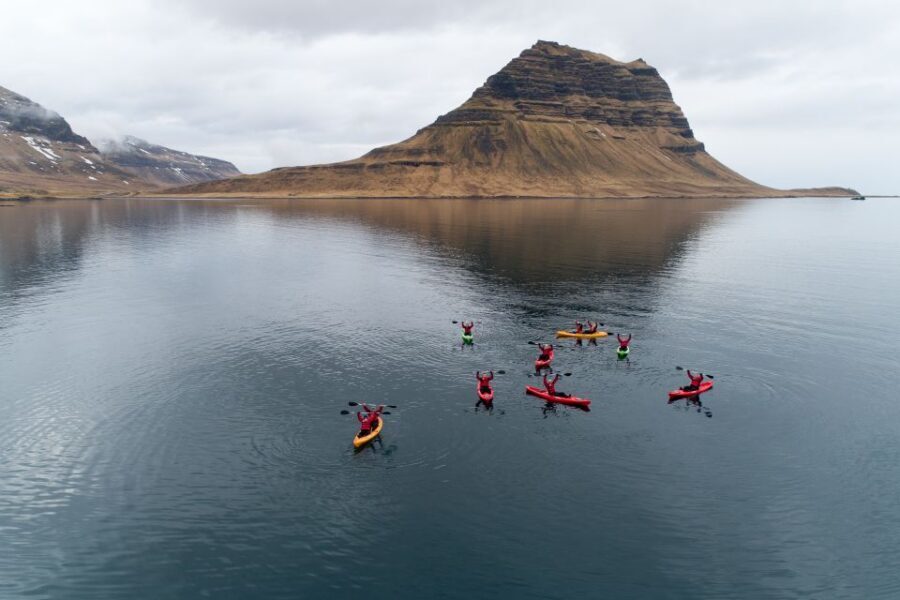
In Grundarfjörður, this 2-hour guided paddle takes you close to wildlife at Seal Skerry and lets you see Kirkjufell from multiple angles, not just from a roadside viewpoint. Your guide (often people like Reda, Greg, and Sony) shares local stories as you work your way along the coast—Game of Thrones fans will spot the famous arrowhead silhouette fast.
I especially like two parts of the experience. The dry suit kit (dry suit, life jacket, shoes, gloves, plus a thermal undersuit) makes the cold feel manageable, and you spend real time on the water instead of thinking about your comfort. And I really appreciate the hot beverage and warm refreshments after paddling—hot chocolate with cookies shows up right when your hands and cheeks want it most.
One possible drawback: if the wind is up, the return paddle can feel more work than you expected. It’s still doable for most people with good teamwork from the guides, but it’s not the kind of tour where you can totally ignore conditions.
In This Review
- Key things I’d circle before you book
- Why Kirkjufell Looks Better From the Water Than From Shore
- Getting Ready at Sæból 18: Gear That Makes Cold Water Real-Life Friendly
- Seal Skerry: Wildlife Watching Without Being Too Far Away
- Paddling Along Kirkjufell’s Roots: The Part Where You Feel the Coast
- The 70 Minutes on the Water: How Much Effort You’ll Actually Use
- Weather and What to Wear: Your Comfort Cheat Sheet
- Price and Value: Is $120 Worth It in Grundarfjörður?
- Who Should Book This Tour (and Who Might Want Another Option)
- Book It or Skip It: My Decision Guide for You
- FAQ
- Where do I meet for the kayaking tour?
- How long is the tour, and how much time will I spend on the water?
- What equipment is included?
- Is this tour suitable for beginners?
- What should I wear?
- Are there age limits?
Key things I’d circle before you book
- Seal Skerry wildlife: seals and lots of birds right from the kayak
- Dry suit comfort: you’re issued the full cold-water gear
- Kirkjufell from every side: not a single photo spot, but angles as you paddle
- Guides who keep it moving: safety talk, then calm coaching during the trip
- Warm-up after you land: hot drinks on the deck so you actually feel the payoff
- Beginner-friendly setup: sit-atop kayaks for stability, plus a guide-led route
Why Kirkjufell Looks Better From the Water Than From Shore
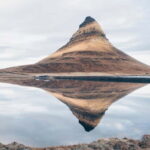
If Kirkjufell is on your Iceland list, you’ll already know it’s iconic. What you might not expect is how sculpted it looks when you’re low over the water. From shore, the mountain is a backdrop. From your kayak, it becomes a shape with sides—sometimes towering, sometimes angled, sometimes looming close enough to feel personal.
This tour is built around that idea: you paddle with Kirkjufell in view, then shift your position so you see it differently as you move along the waterline. The guide times the stops so you can take photos without constantly scrambling for the best moment. And if you’ve watched Game of Thrones, the mountain’s arrowhead look tends to click immediately.
What I like about this approach is that it doesn’t feel like a “one viewpoint” gimmick. You’re not just collecting one photo. You’re working with the coastline and the mountain’s changing perspective, which makes the whole thing more satisfying—especially if you’re the type who enjoys repeating a view from a new angle.
You can also read our reviews of more tours and experiences in Grundarfjordur
Getting Ready at Sæból 18: Gear That Makes Cold Water Real-Life Friendly
The experience starts at the kayaking base near Sæból 18 in Grundarfjörður. The meeting point is at the Saebol 350 office building—a white building by the sea with a large round Vestur Adventures logo on the front. I’d plan to arrive about 10 minutes early so you can get suited up without feeling rushed.
The big win here is the full gear package. You’re provided a dry suit, life jacket, thermal undersuit, and shoes and gloves. That matters because kayaking in Iceland isn’t just “cold”—it’s cold + wind + wet spray. With the dry suit setup, you’re not left trying to improvise warmth at the dock. A lot of the comfort comes down to the system being complete, not piecemeal.
You don’t need to wear special clothing beyond something comfortable underneath the dry suit. If it’s cold (and it often is outside peak summer), bring a hat and an extra pair of socks—simple moves that help you feel less windburn during the paddling and the changeover back onto land.
Also, the tour uses sit-atop kayaks, which are typically more stable than low-profile kayaks. That stability makes a difference if you’re new. Even if you’re confident, it reduces the mental load so you can focus on where you’re going and what you’re seeing.
Seal Skerry: Wildlife Watching Without Being Too Far Away
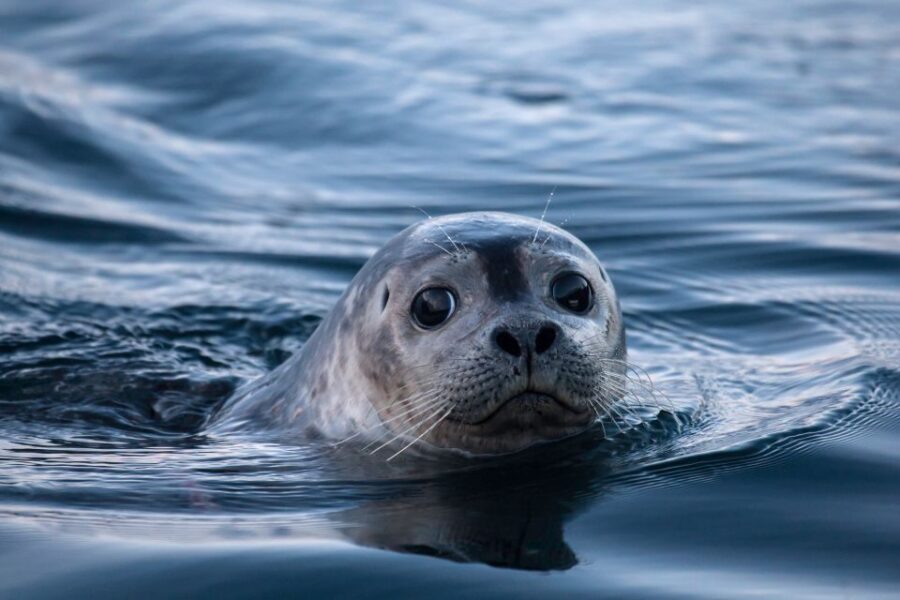
The first major on-water push heads toward Seal Skerry, a wildlife-rich area where you have a good chance to see seals and many bird species. The key point for your enjoyment: you’re watching from kayak height and speed, not from a crowded shore path. That changes everything. The animals feel less like “a sighting” and more like part of the water scene.
From Seal Skerry, you also get a fantastic view of Mt. Kirkjufell. That’s one reason this stop is so loved: it’s not just wildlife time. It’s wildlife plus mountain angles at the same time.
What you should expect in terms of reality:
- The guide brings you in close enough for viewing, while still keeping a respectful distance.
- You may get short breaks for photo moments and quick explanations.
- If wildlife is present and active, it feels playful and casual—not staged.
The guides also tend to explain what you’re looking at as you go. In practice, that means you can understand what you’re seeing instead of just guessing. If you’re there for nature, this stop is a solid “this is why we came” moment.
Paddling Along Kirkjufell’s Roots: The Part Where You Feel the Coast
After the Seal Skerry section, you continue along the shoreline around Kirkjufell’s roots. This is where the tour shifts from “destination stop” to “moving experience.” You’re no longer only thinking about the wildlife or the mountain view in one frame. You start reading the coastline: the way the water curves, where the wind seems to funnel, and how the mountain changes again as you move.
This is also the part that helps the whole trip feel more complete. You’re not just going out and returning the same way with the same view. You get a sense of the area as a whole—how the mountain sits relative to the water, and how the birds and seals use the spaces around it.
If you care about photos, this portion usually gives you more variety. Even if the conditions are similar, your position changes constantly. That’s how you end up with a set of images that look like you visited multiple sides of the same mountain, when you really just paddled the coast a little differently.
One practical note: shoreline paddling is where your form matters. The guide will help with basics early so you don’t waste energy. If your paddling stays steady, the whole route feels smoother and far less tiring than you’d expect.
The 70 Minutes on the Water: How Much Effort You’ll Actually Use
Total duration is 2 hours, with about 70 minutes on the water. That split is important. You’ll spend time getting suited up, hearing the safety demonstration, and then paddling long enough to feel like a real outing—without turning it into an all-day production.
In terms of pace, the trip is often described as relaxed, and that tracks with what I’d look for in this kind of guided fjord kayaking. You’re not racing. You’re learning, sightseeing, and stopping often enough to reset your brain. The guide also keeps an eye on different skill levels. Some people paddle easily right away; others need more help with control and comfort.
The main variable is wind. Some outings can be calm and sunny, while other days can be cold and windy. If wind picks up, the return section can feel harder because you’re working against conditions rather than just paddling for fun. It’s not a reason to avoid the tour—just a reason to be honest with your own comfort level.
If you have any kayaking experience, you’ll likely feel more at ease when conditions change. If you don’t, you can still go, but go with the mindset that the guide’s instructions matter and that you should rely on the group rhythm.
Weather and What to Wear: Your Comfort Cheat Sheet
Iceland kayaking is all about small comfort decisions. Here’s what you actually need to think about, based on what the tour provides and what people report after their trips.
You will be in a dry suit, so you’re not building your warmth from scratch. Still, you can improve comfort:
- Wear comfortable layers under the thermal undersuit.
- Bring a hat if it’s cold.
- Bring an extra pair of socks if you get damp at any point or if you run cold.
What I’d avoid: trying to pack too much into your clothing strategy. Too many bulky layers can make movement clumsy in the suit. The sweet spot is warm and flexible underneath.
Also, remember that water spray and wind can change how you feel even when the gear works well. Dry suits help a lot, but you’ll still want your head covered and your hands happy. The gloves and shoes you’re issued do a lot of heavy lifting here.
Finally, plan for the reality that Iceland weather can change fast. If the sky looks rough, the tour isn’t canceled by default—you’ll just notice it more during paddling, especially on the return leg.
Price and Value: Is $120 Worth It in Grundarfjörður?
At $120 per person for a 2-hour guided kayaking adventure, you’re paying for three things: professional guidance, full cold-water gear, and a route that actually gets you into the area around Kirkjufell and wildlife zones like Seal Skerry.
Here’s why that price tends to feel fair:
- You’re not just renting a kayak. You get a local guide, a safety demonstration, and active support during the paddling.
- The gear list is the kind of kit that matters in Iceland: dry suit, life jacket, gloves, shoes, thermal undersuit. That’s not a small add-on.
- The hot drink and warm refreshments at the end aren’t just a nice touch—they solve the “now what?” moment after you land.
When people feel the price was worth it, it’s usually because the tour checks the right boxes at the right time: you get out on the water long enough to feel satisfied, you see wildlife like seals and birds, and you come back warm instead of frozen at the dock.
So if you’re comparing this to doing something “more casual” on land, kayaking is a different experience. It’s more physical, more gear-driven, and more weather-sensitive. But that’s also why it feels special—especially when Kirkjufell fills your view from multiple angles instead of one.
Who Should Book This Tour (and Who Might Want Another Option)
This is a great pick if you want:
- A guided way to experience Iceland nature from the water
- Close wildlife viewing at places like Seal Skerry
- An Iceland highlight that feels different from waterfalls and viewpoints
- A trip that works for both first-timers and more confident paddlers, thanks to the stable sit-on-top kayaks and guide support
A few practical filters:
- Minimum age is 12. Kids 12–16 must ride with a responsible adult on a dual kayak for safety.
- Children under 12 aren’t suitable for this tour.
- If you know you get overwhelmed by physical effort or changing wind, you may prefer going when you’ll be most comfortable—because on breezy days, the return can feel more challenging.
From what I see in the overall feel of the outing, it’s not “adventure for the sake of suffering.” It’s adventure with strong safety structure and comfort gear. Still, it’s water activity, so it’s not a sit-back-and-watch option.
Book It or Skip It: My Decision Guide for You
If Kirkjufell and fjord scenery are on your must-do list, I’d strongly consider booking this kayaking tour. The big reason is simple: you get both the mountain experience and wildlife viewing, and you do it from the best possible viewpoint—the water.
Book it if:
- You want a guided experience that takes care of the cold-water details with dry suits.
- You’d enjoy seeing seals and birds up close from a kayak.
- You like the idea of getting multiple Kirkjufell angles in one outing.
Maybe skip it (or schedule it with extra caution) if:
- Wind makes paddling feel stressful for you.
- You’re traveling with younger kids (the minimum age is 12).
- You’re expecting an easy, flat-surface kind of workout with no environmental variation. This is Iceland; conditions can shift.
If you want one Iceland day that feels hands-on, personal, and genuinely connected to the place, this is the kind of tour that delivers.
FAQ
Where do I meet for the kayaking tour?
You meet at the Vestur Adventures office at Saebol 350 in Grundarfjörður. It’s a white building by the sea with a large round Vestur Adventures logo on the front. Aim to arrive about 10 minutes before the tour starts.
How long is the tour, and how much time will I spend on the water?
The tour is 2 hours total, including prep. You’ll spend about 70 minutes on the water paddling.
What equipment is included?
You’re provided everything you need: a dry suit, life jacket, thermal undersuit, shoes, and gloves. There’s also a safety demonstration before you go out.
Is this tour suitable for beginners?
It uses sit-atop kayaks for stability, and the tour includes a safety talk and guide support. If conditions are windy, you may find the return paddle more challenging, so it helps to be ready to follow instructions closely.
What should I wear?
Wear comfortable clothing underneath the dry suit. If it’s cold, bring a hat and an extra pair of socks to stay comfortable.
Are there age limits?
Yes. The minimum age is 12. Children ages 12–16 must ride with a responsible adult on a dual kayak. Children under 12 aren’t suitable.