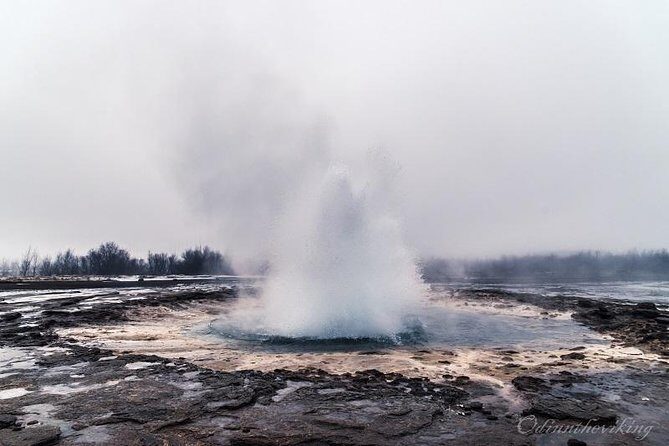
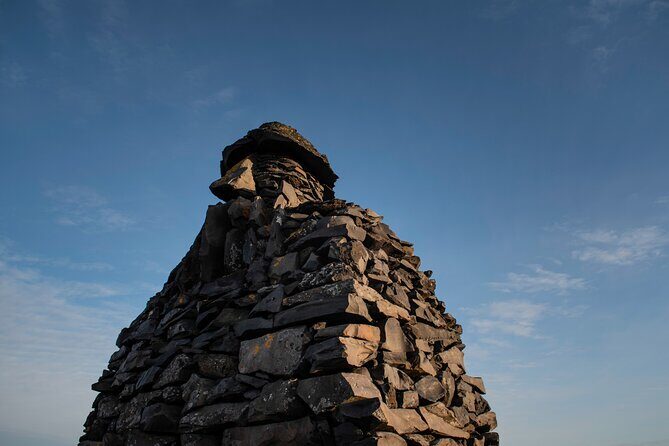
Geothermal power, up close and in plain language. At the Hellisheiði Geothermal Exhibition outside Reykjavík, you walk through a working energy site while learning how Iceland turns Earth heat into electricity in a way that’s meant to be sustainable. I especially like the interactive displays and the audio guide approach that helps you understand the process at your own pace.
The main trade-off is that this is a self-guided format. If you want a step-by-step walkthrough with a staff member leading you through every stop, you may find the lack of a full guided tour a little limiting, even though on-site staff can answer questions.
In This Review
- Key Things to Know Before You Go
- Why Hellisheiði Feels Like More Than a Science Museum
- Getting There From Reykjavík and Timing Your Visit
- The Audio Guide Setup That Makes It Work (English, iOS/Android)
- Inside the Exhibition: Interactive Stops and Great Views
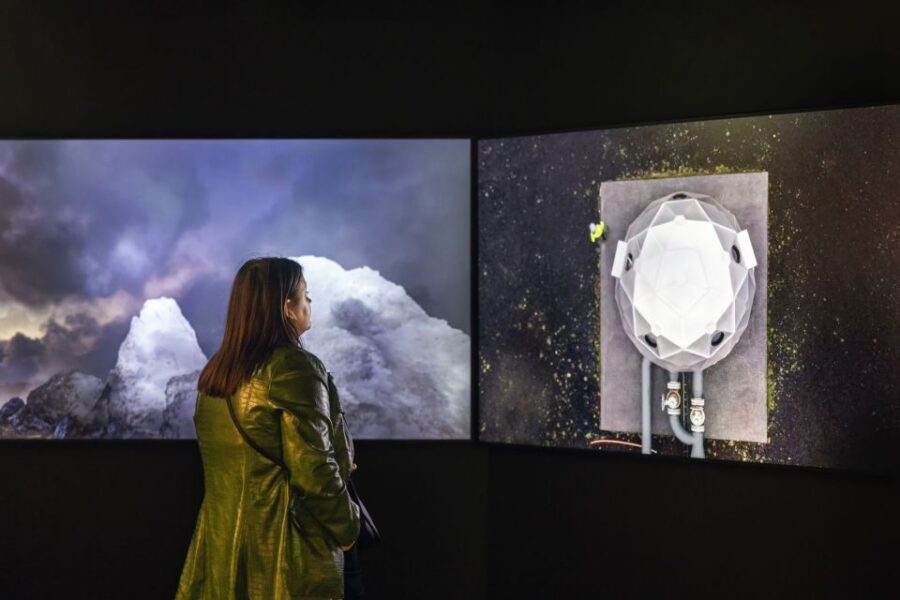
- Carbfix Room: Where Climate Tech Enters the Story
- Questions for Staff: When Self-Guided Still Feels Human
- Price and Value: What $21 Really Buys
- Who This Is Best For (and Who Might Skip It)
- Practical Tips Before You Arrive
- Should You Book Hellisheiði Geothermal Exhibition?
- FAQ
- Where is the Hellisheiði Geothermal Exhibition located?
- How long does the experience take?
- Is this a guided tour?
- Do I need headphones?
- What languages are available for the audio guide?
- Is food included?
- Is there free parking?
- What should I bring besides headphones?
- What are the opening hours?
- Is it wheelchair accessible?
- Can I cancel for a refund?
Key Things to Know Before You Go
- Largest single-site geothermal plant in the world: You’re learning at the real operation, not just about it.
- Carbfix room included: You get a specific stop devoted to Iceland’s partnership work on the climate challenge.
- Self-paced audio tour (iOS/Android): Bring headphones and a charged phone so you can listen comfortably.
- Viewing platforms inside: You can frame great angles of the plant-and-nature setting without craning your neck.
- Ask questions onsite: Staff are there in English and Icelandic, and it can be helpful to bring a couple of curiosity questions.
- All ages works well: The mix of interactive parts and multimedia makes this a science outing that doesn’t feel like homework.
Why Hellisheiði Feels Like More Than a Science Museum
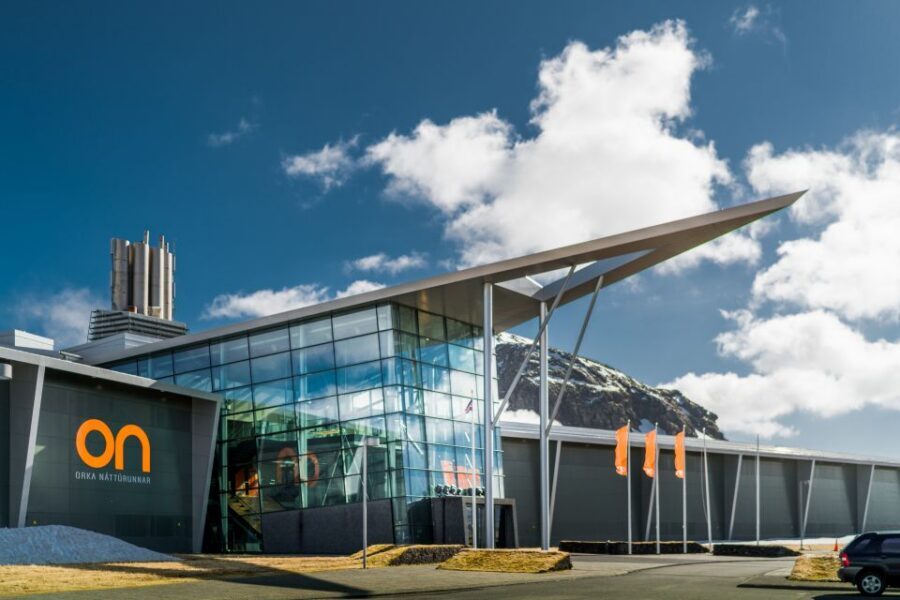
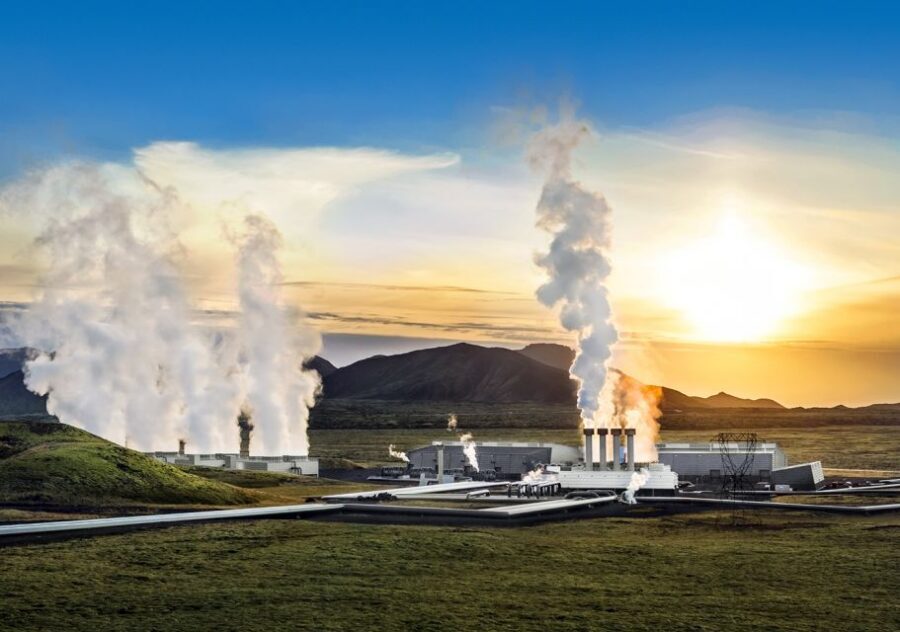
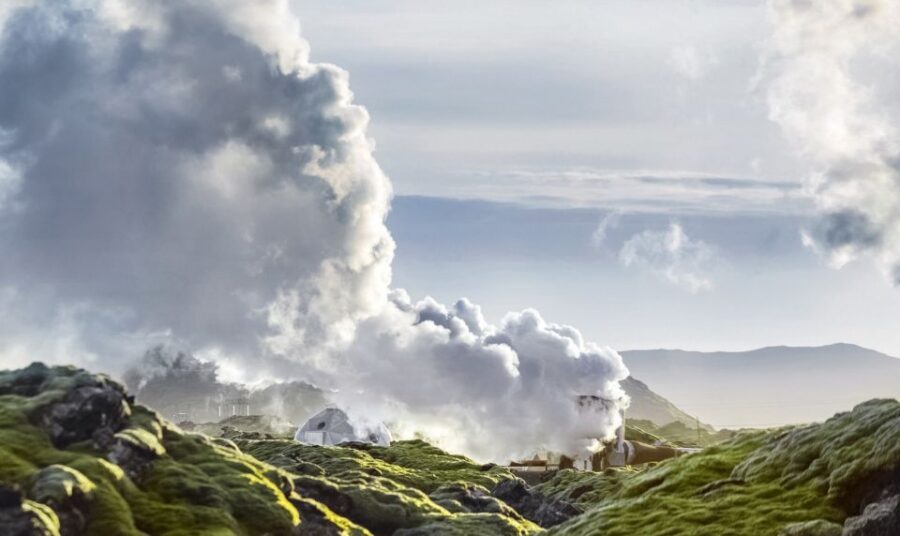
This place is built around the idea that geothermal energy isn’t abstract. The Hellisheiði Power Plant sits near Mount Hengill, surrounded by lava fields, moss, and big mountain scenery. That matters, because your brain remembers information better when it’s tied to what you’re actually standing near.
The exhibition is also designed for real-world understanding. You’re not just looking at diagrams; you’re moving through an industrial setting explained in human terms, with multimedia and hands-on elements that make the technical story easier to follow.
You can also read our reviews of more tours and experiences in Hveragerdi.


Getting There From Reykjavík and Timing Your Visit
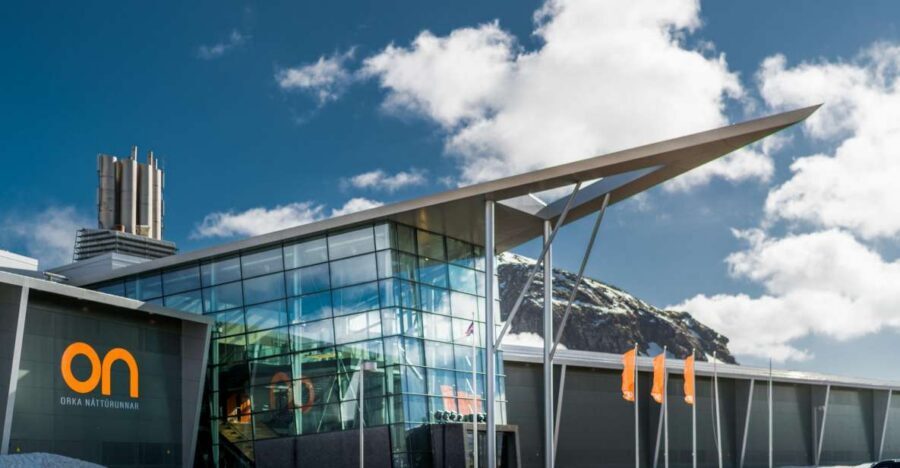
The Hellisheiði Geothermal Energy Exhibition is about 20 minutes outside Reykjavík, in the Selfoss area. That short drive is a big part of the value: it’s easy to fit into a day that might also include Golden Circle sights, a waterfall, or the town of Selfoss.
Plan around the opening hours, since they change by season. Winter (November 1 to March 31) runs 9:00 AM–4:00 PM, while summer (April 1 to October 31) runs 9:00 AM–5:00 PM.
Start times are flexible, and you can stay after entry as long as you want. In practice, you’ll likely spend the better part of an hour to get through the key areas calmly, longer if you like to rewatch videos or linger at viewing points.
You’ll also be glad parking is free. Bring your own headphones and a charged smartphone so you can use the audio guide without interruptions.
The Audio Guide Setup That Makes It Work (English, iOS/Android)
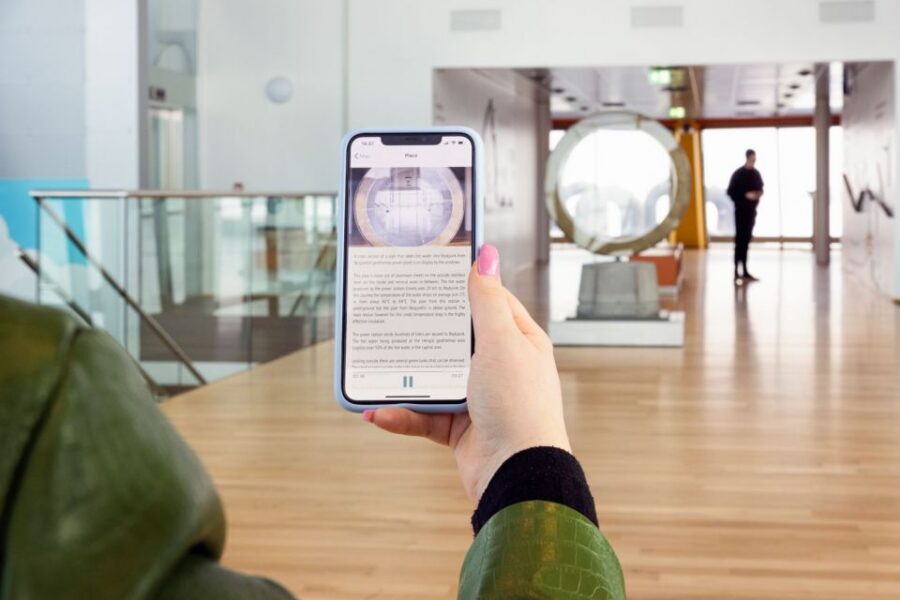
This is a self-guided audio tour. You get the audio commentary in English and Icelandic, delivered through your smartphone using the app on Android and iOS.
I’d treat the audio guide as your main steering wheel. Start early in the route, put on your headphones, and let the commentary tell you what you’re looking at before you start judging the equipment like a TV documentary critic.
One practical tip: if you’re going as a small group or solo, make time to pause and listen to the explanations fully. A couple of stops can feel more coherent if you take them in order rather than popping between exhibits.
You also don’t have to rely on audio only. On-site staff can answer questions, so if you hit a concept that’s still blurry, ask while you’re standing in front of the relevant display.
Inside the Exhibition: Interactive Stops and Great Views
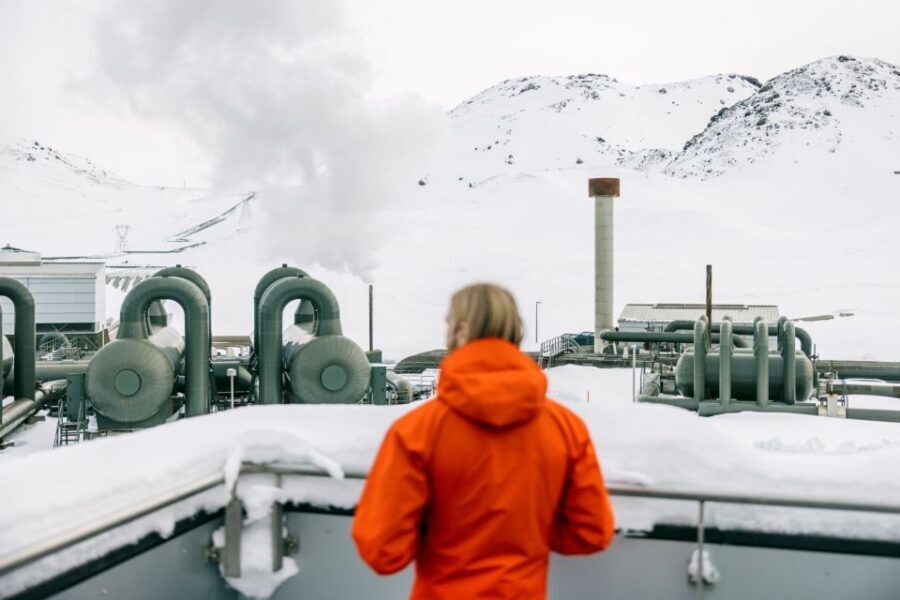
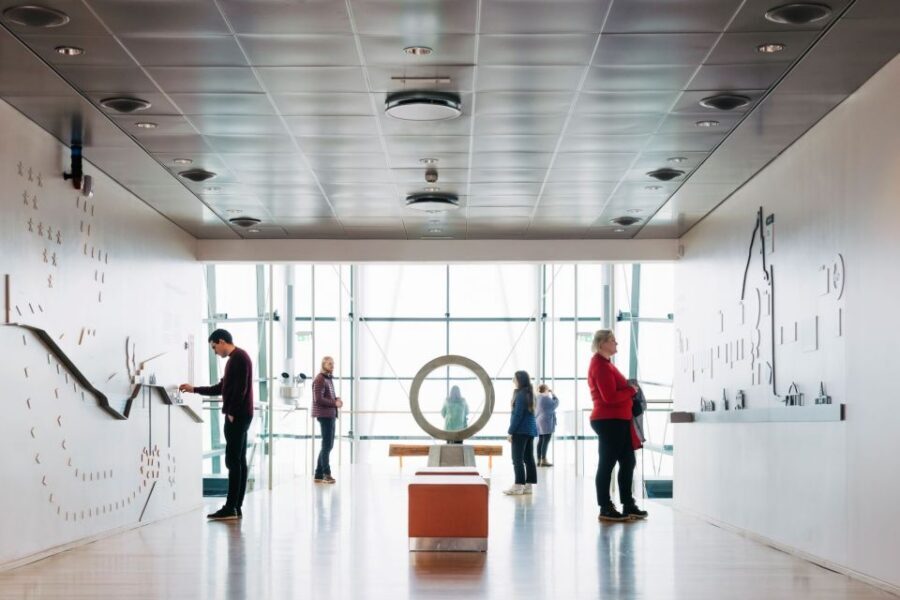
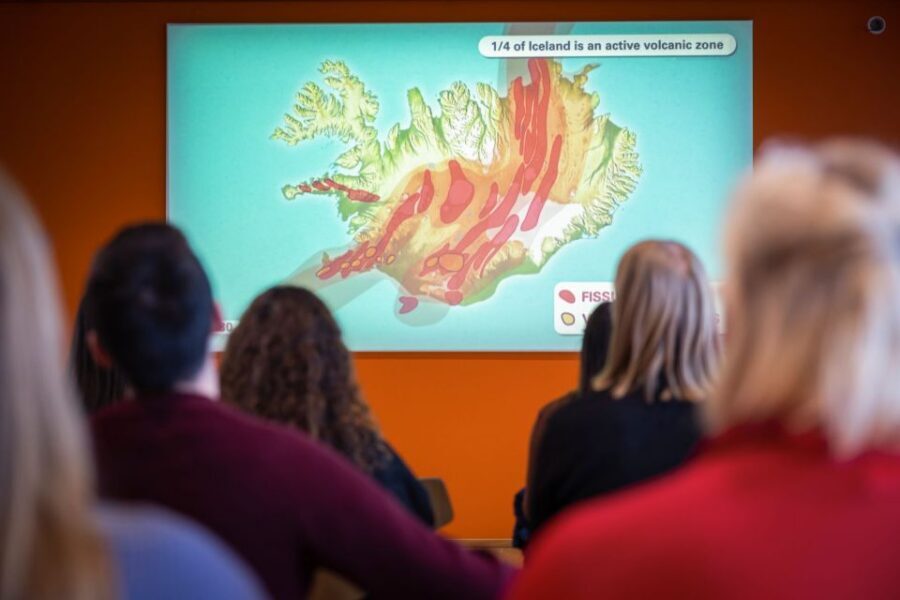
The exhibition is built around interactive learning. Expect plenty of readable panels, screens, and hands-on-style elements that explain how geothermal energy is produced. It’s designed to be understandable for adults and teens, not just science students.
The layout also helps you switch between learning and observing. There are viewing platforms inside the exhibition where you can look out and connect what the screens explain to what you see in the plant surroundings.
If you’re the type who likes order, here’s a smart way to approach the space: spend extra time at the explanation-heavy stops first. One exhibit area commonly called out is the Production Process section, which helps you make sense of what you’ll notice at other stations later on.
Clean facilities matter too. The site is run in a way that feels organized, with good signage and a comfortable indoor learning flow even though you’re visiting a serious industrial operation.
Carbfix Room: Where Climate Tech Enters the Story
One of the most interesting additions is the Carbfix room. This stop focuses on the plant’s partnership with Carbfix and frames it as part of broader solutions for the climate crisis and global warming.
You don’t have to be a climate scientist to appreciate why this section is included. It nudges the story beyond electricity generation and into the harder question: what happens after energy is produced, and how can industrial processes be improved?
When you reach this room, slow down. Let the audio guide and visuals do their job, and use the on-site staff if you want specifics. This is the part of the visit that tends to feel like it connects geothermal power to today’s environmental conversations rather than just the science basics.





Questions for Staff: When Self-Guided Still Feels Human
Even though the core experience is self-guided, you’re not completely on your own. There’s a host or greeter, and staff are available to answer questions during your visit.
One name that came up in conversations is Antonia. Even if you don’t happen to catch her, the point is the same: the staff are there to help you connect what you’re seeing to the bigger picture.
I recommend walking in with two or three questions in mind. Examples you can ask:
- What part of the process should I pay closest attention to?
- How does geothermal energy fit into Iceland’s wider sustainability goals?
- What does the Carbfix partnership add to the overall environmental story?
That simple prep can turn the audio tour from passive listening into active learning.
Price and Value: What $21 Really Buys
At about $21 per person, this is priced like a focused attraction rather than a half-day excursion with a guide included. The value comes from a few things working together: entry to the exhibition, a self-guided audio tour in English, and free parking.
You’re also paying for location. Being at Hellisheiði Geothermal Energy Exhibition means you’re learning at one of the world’s biggest single-site geothermal operations. That physical connection is hard to replicate elsewhere, and it’s what makes the experience feel practical instead of theoretical.
The other value win is time flexibility. Start whenever the day allows, then stay as long as you like after entry. If you’re the kind of person who reads all the signage and replays audio sections, you’re not punished for taking your time.
The possible drawback is also tied to price. Since it’s self-guided, you shouldn’t assume you’ll get a behind-the-scenes plant tour with staff leading you inside secured areas. If your dream is helmets, safety gear, and a guided walk through the equipment areas, you may feel this exhibition is more about learning and observation than full access.
Who This Is Best For (and Who Might Skip It)
This works especially well for people who enjoy science, technology, and hands-on explanations. It’s also a smart stop for families because the interactive elements keep kids engaged while adults get real content.
If you’re traveling with teens, the structure can help. The multimedia and audio guide keep things from turning into a wall-of-text museum experience.
I’d also recommend it to anyone who wants a break from long drives. You get a high-impact educational stop without needing a complicated itinerary.
That said, if you strongly prefer guided tours with a person explaining everything in real time, this may feel a bit too independent. You can still get answers from staff, but it won’t replace the pacing and specificity of a full guided plant walkthrough.
Practical Tips Before You Arrive

A few small things can make the visit smoother:
- Bring headphones and make sure they work with your phone.
- Charge your smartphone so the audio guide stays available.
- If you’re short on time, prioritize the production process explanation stops early, then enjoy the rest at a slower pace.
- Build in extra time for the Carbfix room if climate tech interests you.
- Ask staff questions while you’re still in the relevant sections so the answers land where you can see the context.
If you like taking photos, spend a little time at the indoor viewing platforms. They give you a safer, steadier way to frame the plant and the dramatic surrounding scenery.
Should You Book Hellisheiði Geothermal Exhibition?
Book it if you want an easy, high-value learning stop that turns geothermal energy from a headline into something you can actually picture. The audio guide, interactive exhibits, and the Carbfix room give you more than just electricity basics, and the on-site staff option helps fill any gaps.
Skip or reconsider if your main goal is a fully guided, close-up plant tour with structured access beyond what the exhibition areas provide. Otherwise, this is a strong choice for a day near Reykjavík, especially when you want something meaningful that doesn’t require advanced knowledge.
FAQ
Where is the Hellisheiði Geothermal Exhibition located?
It’s at Hellisheiðarvirkjun, 801 Selfoss, Iceland, about 20 minutes outside Reykjavík. You go directly to the entrance with your ticket.
How long does the experience take?
It’s listed as 1 day, and you can stay as long as you like after entering. Many people spend around an hour to get through the key areas, depending on how slowly you go.
Is this a guided tour?
No. It’s a self-guided audio tour with an audio guide included in English and Icelandic.
Do I need headphones?
Yes. Headphones are required for the audio guide experience.
What languages are available for the audio guide?
The audio guide is available in English and Icelandic.
Is food included?
No. Food and drinks are available to purchase on-site, but they’re not included.
Is there free parking?
Yes. Free parking is included.
What should I bring besides headphones?
Bring a charged smartphone for the audio guide.
What are the opening hours?
Winter hours (November 1 to March 31) are 9:00 AM–4:00 PM. Summer hours (April 1 to October 31) are 9:00 AM–5:00 PM.
Is it wheelchair accessible?
Yes, the exhibition is wheelchair accessible.
Can I cancel for a refund?
You can cancel up to 24 hours in advance for a full refund.