Reykjanes still feels dangerously alive. This day tour mixes an active-volcano hike near recent lava with classic Reykjanes Peninsula stops, from black sand beaches to steam vents and tectonic-plate views. It is built for people who want geology that you can actually walk through, not just read about on a sign—especially with the smoldering Litli-Hrutur area still worth seeing after the lava flow paused.
I really like two parts most. First, the volcanic hike in Geldingadalur Valley toward Meradalir and Fagradalsfjall gives you a real sense of how Iceland’s surface keeps changing. Second, the scenery variety is sharp: Lake Kleifarvatn’s black beach and Gunnuhver’s hissing steam and bubbling mud pots lead right into the Reykjanes Lighthouse and the Bridge Between Continents.
The only real catch is the hiking effort. The walk to the volcanic area is about 2 hours each way and is classed as moderate to hard, so cold wind or icy patches can turn it into a grippiness test. If you hate long, exposed walks in shifting weather, this might feel like too much.
In This Review
- Key things you’ll remember from this Reykjavík volcano-and-Reykjanes day
- Why Reykjanes eruptions still shape the walk you take
- Reykjavík pickup to Lake Kleifarvatn black-sand photo break
- Seltún Geothermal Area: steam vents as your warmup
- Geldingadalur Valley hike toward Litli-Hrutur: the main event
- Gunnuhver Hot Springs and Reykjanes Lighthouse: steam, then sea
- Bridge Between Continents: the 15-meter rift-walk moment
- Timing and pacing on a full 9-hour geology day
- What to pack for icy lava trails, wind, and cold
- Price and value: is $126 fair for this much geology access?
- Who should book this Reykjavík volcano-and-Reykjanes tour
- Should you book this volcano hike from Reykjavík?
- FAQ
- How long is the tour?
- How long is the hike to the volcanic area?
- What stops are included besides the eruption-site hike?
- Does the tour include food and drinks?
- Is pickup available in Reykjavík?
- Can I cancel for free?
Key things you’ll remember from this Reykjavík volcano-and-Reykjanes day
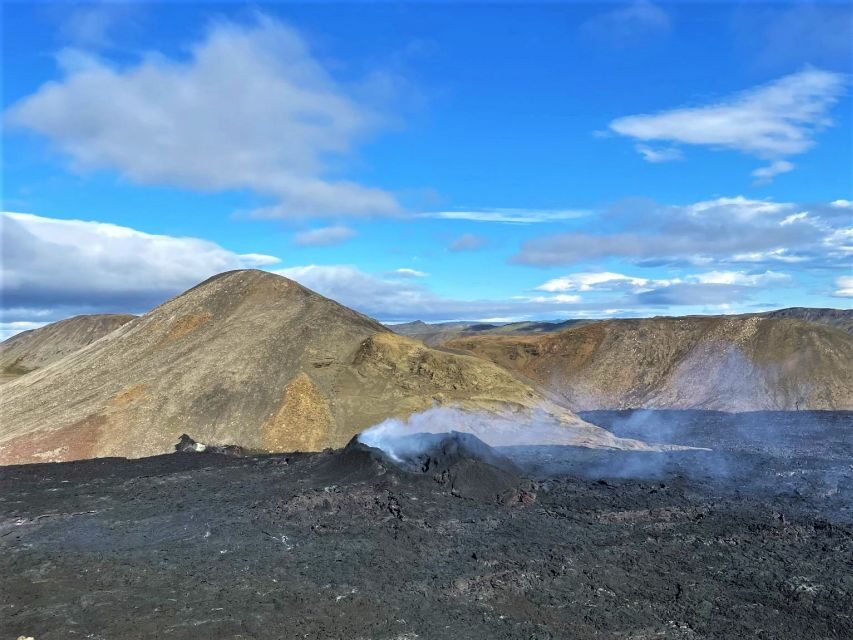
- Hike to the recent eruption area near Litli-Hrutur, with the route adjusted to the safest viewing point
- Lake Kleifarvatn black beach and viewpoint—plus the idea of underwater hot springs right under the coast
- Gunnuhver Hot Springs for the real Reykjanes soundscape: hissing steam vents and bubbling mud pots
- Reykjanes Lighthouse for Atlantic cliffs and sea stacks, with sea air that clears your head fast
- Bridge Between Continents: a 15-meter footbridge crossing the rift between the Eurasian and North American plates
- A guide who keeps the group moving and informed, with names like Roman, Ottar, Omar, Elias, and Alain showing up with strong guest feedback
Why Reykjanes eruptions still shape the walk you take
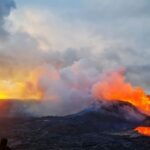
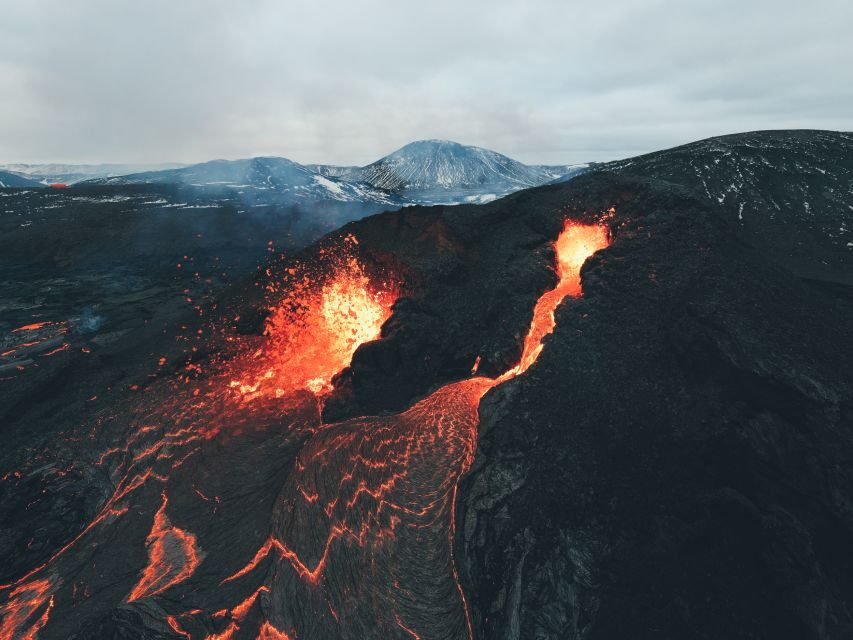
The Reykjanes Peninsula is not a one-time geology museum. It has periods of quiet, then it wakes up again—and the tour is timed to that reality. After a calmer stretch around eruptions in 2012 and 2022, a new volcano at Litli-Hrutur erupted in mid-July, sending lava and smoke across a wide area.
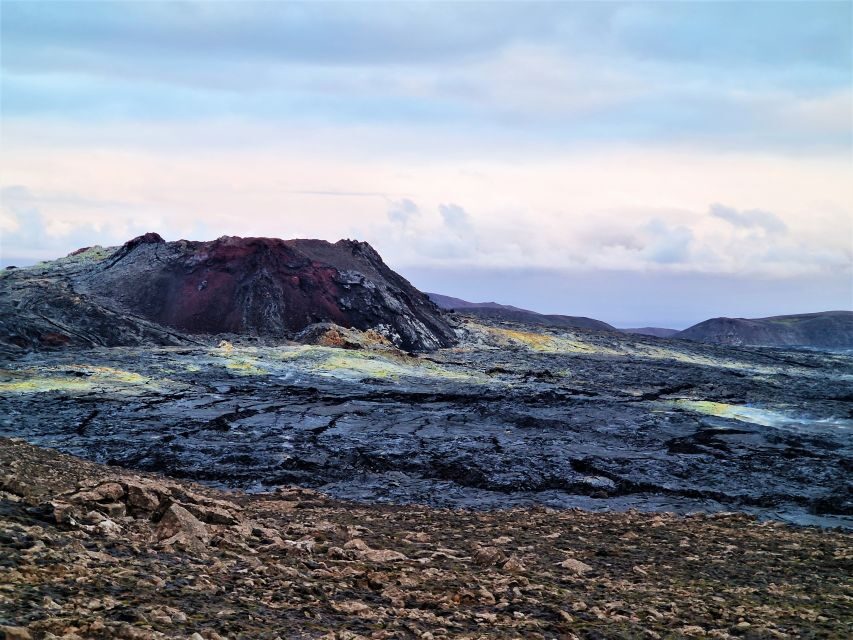
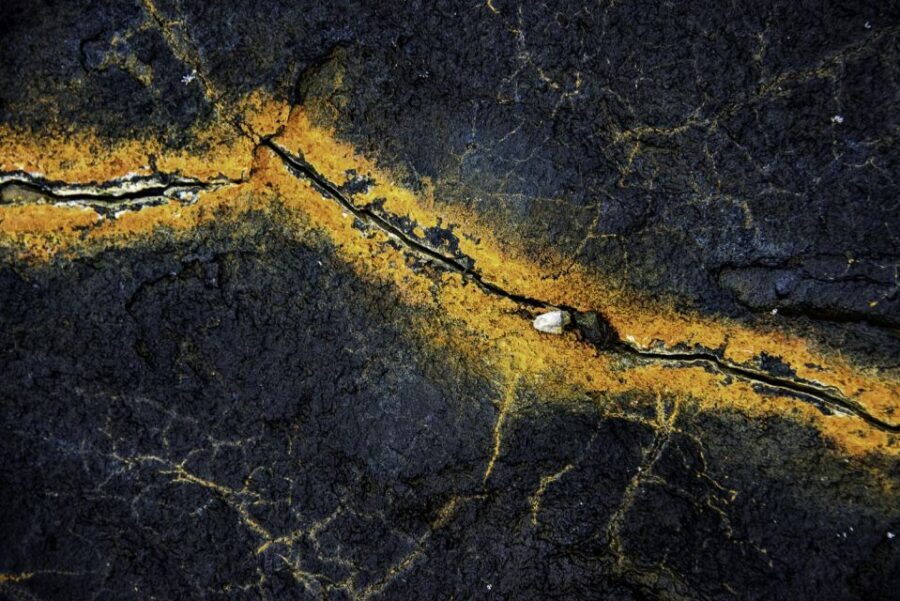
Then comes an important update: as of August 9, the flow of new lava at Litli-Hrutur has stopped, at least for now. That does not mean the place is boring. Smoldering ground can still look and feel active, and even when you are not seeing fresh lava, solidified lava fields and geothermal signs give you the same big takeaway: Iceland’s surface is still being built.
What this means for you on the day is simple: expect a site that can change. The hike route can vary based on conditions, and your guide will take you to the safest viewing area. That flexibility is part of the value here, because active-volcano sites are not predictable like a statue or a church.
You can also read our reviews of more hiking tours in Reykjavik
Reykjavík pickup to Lake Kleifarvatn black-sand photo break
You start with pickup in Reykjavík—commonly from bus stop #12—with a coach drive that is built for a long geology day. The ride itself is part of the day’s setup: you are headed through volcanic terrain, so the scenery slowly trains your eyes to see lava textures, mossy edges on old flows, and coastal rock formations.
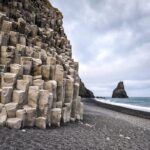
The first meaningful stop is Lake Kleifarvatn, with a short photo stop (about 10 minutes). This is your quick hit of the peninsula’s special look: a black-sand beach and a viewpoint over the lake and surrounding mountains. The highlight here is the idea of underwater hot springs, which turns a quick shoreline moment into something way more interesting than a random beach.
The catch? Time is short. If you want long wandering, you will need to keep moving with the group. Still, as a warm-up, Kleifarvatn works well because it shows you the “why” behind later stops—geothermal energy is everywhere, even when the ground looks calm.
Seltún Geothermal Area: steam vents as your warmup
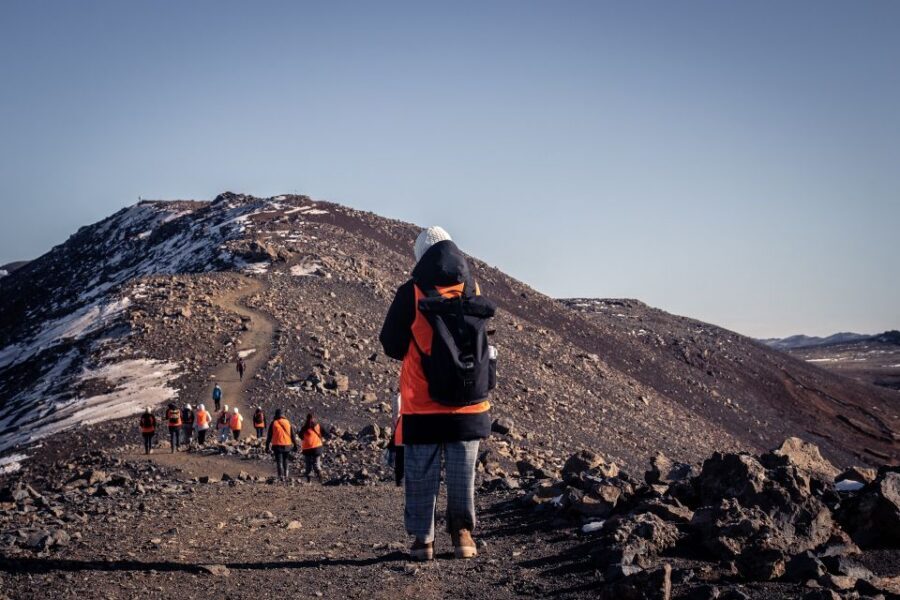
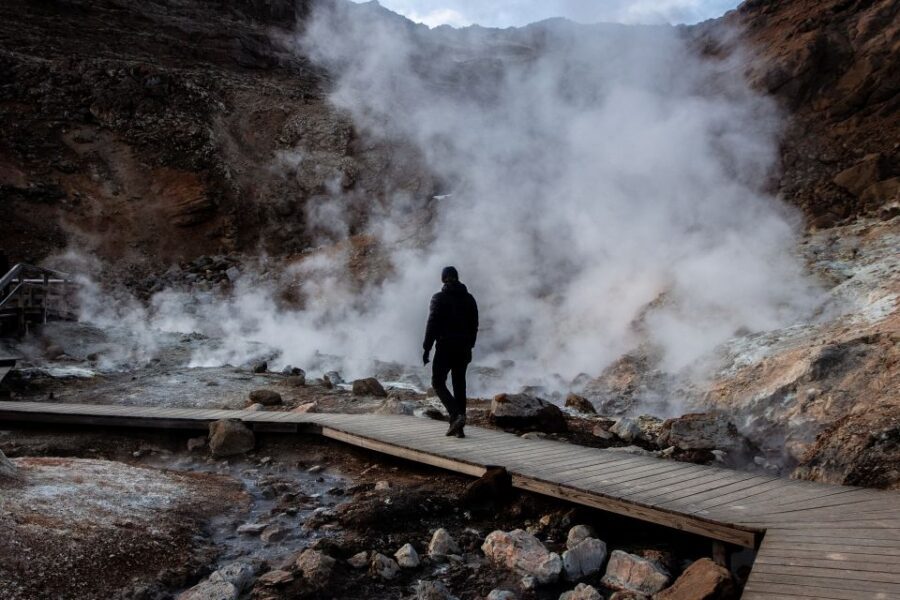
After Kleifarvatn, you head to a geothermal area stop (about 15 minutes) often associated with Seltún. This is a quick walk and photo break where you can see how steam and heat shape the ground.
Think of this stop as calibration. The peninsula can look alien in a good way, but once you see steam vents up close, you understand what you are later hearing at hot springs. It also helps you judge the day’s weather—steam sites feel intense in wind, and that matters when you later hike toward the eruption zone.
If you are the type who always wants more time at every stop, you may feel the pace is tight here. But for a full day tour that also includes a moderate-to-hard hike, these short geothermal blocks make the schedule workable.
Geldingadalur Valley hike toward Litli-Hrutur: the main event
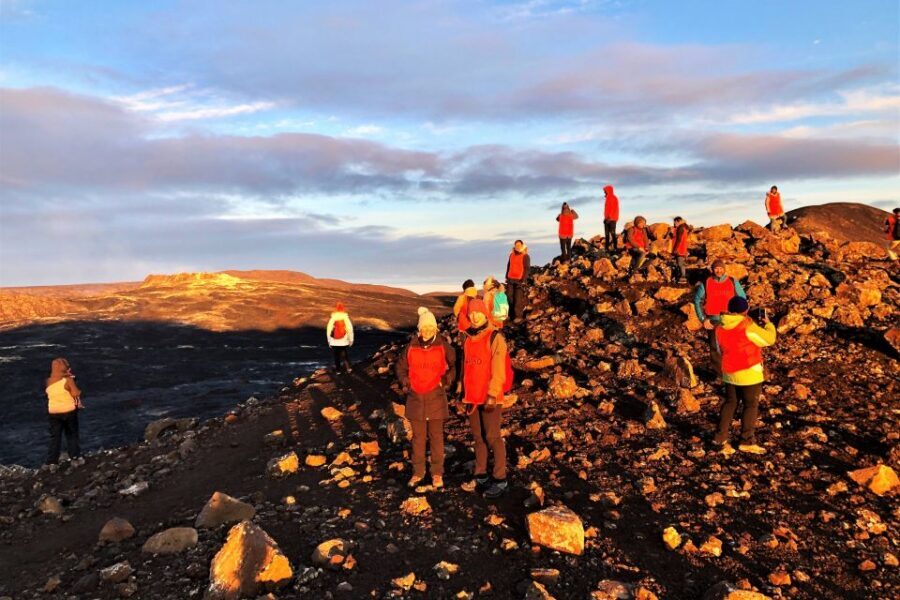
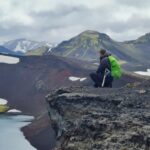
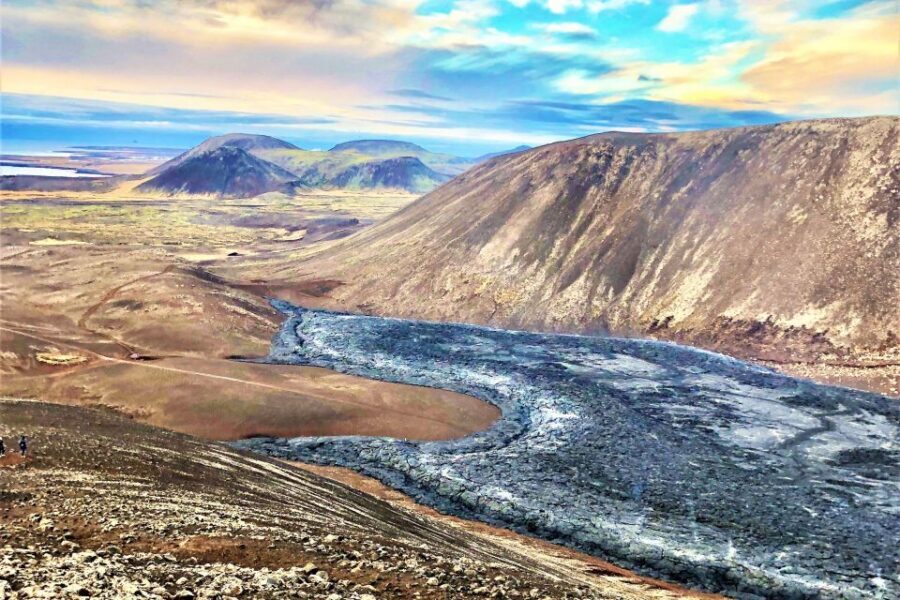
The heart of the tour is the hike to the eruption sites in the Geldingadalur Valley region, near Meradalir and Fagradalsfjall, with the walk aiming toward Litli-Hrutur. This is the part most people remember later—because you are not just standing near a volcano. You are walking through the edges of recent volcanic change.
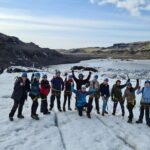
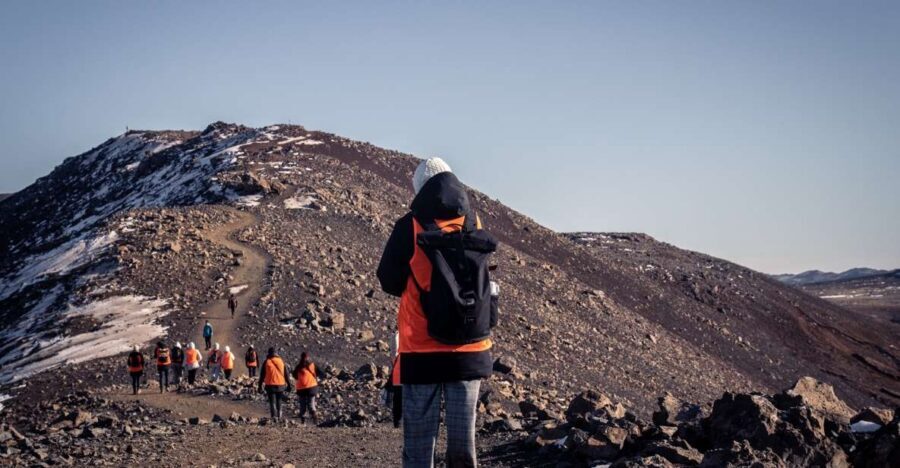
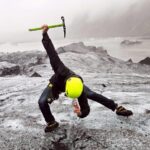
Plan on a moderate to hard hike with about 2 hours each way. Total hiking time is roughly 3.5 hours in the day flow, and the route can shift depending on conditions. You should treat this as a hike that rewards steady effort, not a sprint. Reviews on guides repeatedly praise the way they manage pace and safety, and that matters here when you are working on uneven ground.
There is a practical detail that helps: you will likely have a moment to eat your packed lunch during the hike. That keeps the day from feeling rushed, especially if you are climbing in cold or wind.
What you might see is the wild part. Some departures have had people spotting eruption activity and even crossing lava fields where fresh-looking rock still seemed recently warm. Other days are more about seeing the smoldering aftermath—lava textures, steam in the distance, and the way new ground meets older flows.
Either way, this is where the tour earns its name. You get a guided explanation of how Iceland’s tectonic activity creates eruptions, and you see it in real scale: the ground under your boots looks like it was designed by a giant kiln.
One more note: routes are chosen for safety. If the hike portion cannot be done exactly as planned due to conditions, the guide will adjust to get you to a safe viewing area. That is not a consolation prize; it is how volcano days work.
Gunnuhver Hot Springs and Reykjanes Lighthouse: steam, then sea
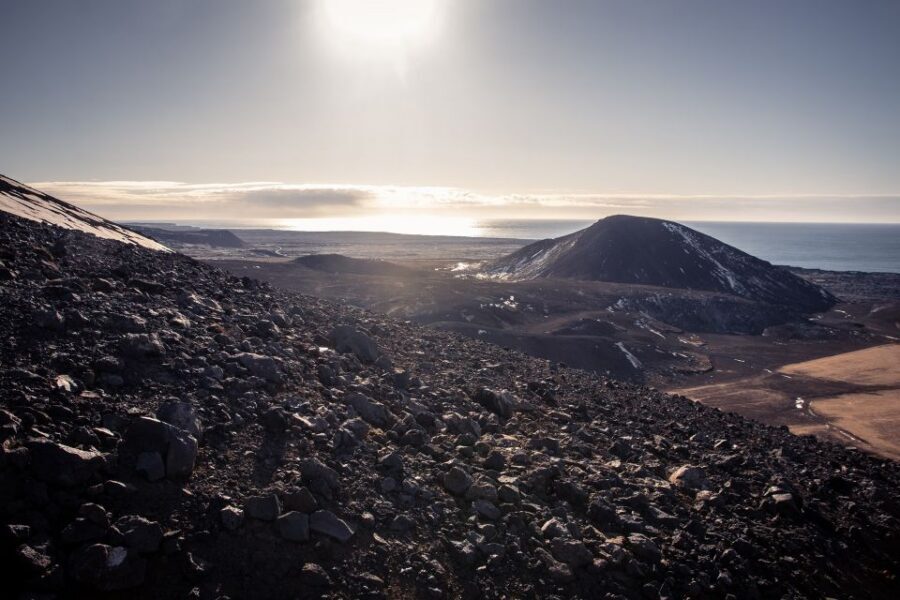
After the hike, you drive around Reykjanes Peninsula, where old lava fields often sit under a soft layer of green moss. That quiet, mossy look can be a relief after exposed volcanic ground.
Next stop is Gunnuhver Hot Springs, another photo-friendly break (about 10 minutes). This is where the tour leans into the sound and motion of geothermal activity. You are there for bubbling mud pots and hissing steam vents—the kind of sights that feel alive even when you are standing still.
Don’t overthink the time here. Gunnuhver is intense, and the short stop helps you see it without turning it into a marathon in the cold. If you are sensitive to strong steam environments, you might prefer to keep your time brief and focus on photos and quick viewing.
Then it’s on to the Reykjanes Lighthouse (about 20 minutes). This is described as the oldest lighthouse in Iceland, and the area around it gives you a completely different mood: cliffs, sea stacks, and Atlantic surf hitting hard rock at the Valhnúkamöl Boulder Ridge. You also get that clean, salt-air feeling that makes Iceland in winter (and shoulder season) feel sharper and clearer.
This lighthouse stop is a nice contrast: you go from the heat-and-ground show of the hike into open ocean drama. The transition is part of the enjoyment.
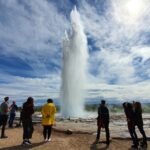
Bridge Between Continents: the 15-meter rift-walk moment
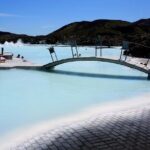
The last big “wow” stop is the Bridge Between Continents. You walk a 15-meter footbridge crossing a rift between the Eurasian and North American tectonic plates, and then you take your photo before heading back toward Reykjavík.
This is one of those stops that can feel silly in the best way, because you are literally stepping into a place with a huge scientific story. Even if you have zero geology background, the sheer physicality of the rift makes it click. You are standing over a boundary where plates pull apart, and the guide’s explanation helps you picture what you cannot see under the ground.
Timing here is usually about 20 minutes including the walk. That is enough for a quick stroll, a couple photos, and that fun moment of walking while thinking about slow-moving tectonic reality.
If the weather is rough, you will feel it on the bridge. It is exposed, so layer up and keep your footing.
Timing and pacing on a full 9-hour geology day
This tour is built for a long day: about 9 hours total, with coach time, photo stops, and one serious hike. That structure matters. If you try to treat it like a casual sightseeing loop, you may feel rushed. But if you treat it like a geology day with one main hike and a handful of targeted stops, it lands well.
The day’s flow tends to go like this: pickup and coach drive, Kleifarvatn for a black-sand viewpoint, Seltún for quick geothermal signs, the Geldingadalur hike, then hot springs and lighthouse, and finally the bridge walk. You also get rest breaks during transfers, which helps when you are wearing hiking boots for hours.
One small bonus: some guests highlight that the experience feels like a small group, which usually means fewer bottlenecks at viewpoints and more room to keep together on uneven ground.
You should also know food is not included. You will want a packed lunch and snacks if you are the type who gets hungry during hikes. Even if you eat on the route, the day is long enough that hunger is not fun in cold wind.
What to pack for icy lava trails, wind, and cold
This is Iceland, so “weather” is not a side note—it is part of the plan. The hike is described as not easy, and conditions on the day can be challenging. Jeans are not recommended, and you will do better with clothing that handles wind and wet.
Here’s the practical packing list from the tour guidance, plus the reality check you learn from cold-weather hikes:
- Water: bring enough for the hike and the drive stops
- Rain gear: you need it for wind-driven weather
- Comfortable shoes / proper hiking shoes: the hike is on rough ground
- Packed lunch: there is a chance to eat during the hiking portion
- Headlamp if required (you are told it can be provided)
In winter or icy conditions, guides have been known to help with extra footing traction during snowy terrain. Even if you do not expect snow, bring footwear with grip and be ready for slippery patches.
Also: you will be out in the open for views at the lighthouse and the bridge, so layers matter. If you run warm, you can remove a layer. If you run cold, you cannot magic your way out of it.
Price and value: is $126 fair for this much geology access?
At $126 per person for a 9-hour guided day, the value is mostly in what you avoid. A self-drive approach can be doable, but active-volcano access is where DIY gets tricky: routes can change, and safety decisions can change with conditions.
This tour bundles several things that cost time and energy on your own:
- Pickup and drop-off around Reykjavík (with lots of potential drop points)
- A live English-speaking guide who talks through the geology and keeps you safer on the hike
- Transport around the Reykjanes Peninsula between multiple major sites
- Onboard WiFi, which sounds small until you want to check map timing or message at lunch
So you are not just paying for views. You are paying for access and guidance at a site where conditions can shift. That’s the difference between seeing the Reykjanes Peninsula as a list and understanding it as one connected system.
Who should book this Reykjavík volcano-and-Reykjanes tour
Book this if you:
- Want a real hike tied to recent volcanic activity near Litli-Hrutur
- Like geology explanations and want the day’s stops to connect into one story
- Can walk for about 2 hours each way at moderate-to-hard difficulty
- Prefer a guided pace over trying to guess which viewpoints are best on your own
Skip it if you:
- Need an easy stroll. This hike is described as not easy, and weather can make it tougher
- Travel with kids under 12 (this tour is not suitable for them)
- Have mobility impairments (not suitable)
And if you are hoping for a perfect eruption show every time: you might get luck, but you also might not. The update that lava flow stopped (at least for now) is a reminder that volcanic areas can change fast. The tour still works on aftermath views, because the terrain and geothermal activity remain the main attraction.
Should you book this volcano hike from Reykjavík?
If you want one day that feels like Iceland is explaining itself in motion—heat, steam, black sand, and the tectonic-plate bridge—this is a strong pick. The hiking portion is the ticket, and it gets you closer to the story than simple viewpoint tours.
I’d book if you are comfortable with a moderate-to-hard hike and you pack for wind and wet. I would think twice if you hate cold-exposed walking or you need a light, flexible day with minimal effort.
If you can handle the hike and you want the Reykjanes Peninsula at full power, this is exactly the kind of guided day trip that turns a vacation into a memory.
FAQ
How long is the tour?
The tour lasts about 9 hours.
How long is the hike to the volcanic area?
The hike to the volcanic area takes around 2 hours each way (moderate to hard difficulty). The route can vary depending on conditions, and you’ll be taken to the safest viewing point.
What stops are included besides the eruption-site hike?
You’ll also visit Lake Kleifarvatn, a geothermal area stop (Seltún), Gunnuhver Hot Springs, Reykjanes Lighthouse, and the Bridge Between Continents.
Does the tour include food and drinks?
No. Food and drinks are not included, so you should bring a packed lunch.
Is pickup available in Reykjavík?
Yes. Pickup is available from selected hotels and official bus stops in central Reykjavík (meeting point is bus stop #12). You can also request pickup from the cruise port.
Can I cancel for free?
Yes. Free cancellation is available up to 24 hours in advance for a full refund.