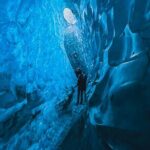
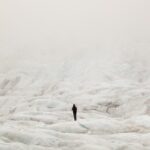
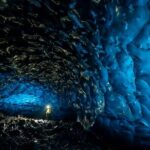
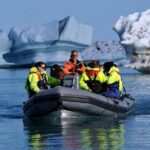
Glaciers feel unreal until you step on them. This Skaftafell 5-hour expedition takes you from the Skaftafell area onto the Falljökull outlet glacier and gives you real time on ice—about 3.5 hours—so it doesn’t feel like a quick photo stop. I also like that the tour keeps things small-group (max 10), which makes the safety talk more personal and the pace more human.
What really makes this stand out is the way your guide teaches while you walk. You’ll learn how glaciers form, what you’re looking at (crevasses, moulins, ice textures), and how to move safely when the ice is slick and unpredictable. The included coffee and chocolates afterward are a nice little reset once your legs are done thinking.
One drawback to plan around: weather and especially high winds can cancel the trip. Iceland doesn’t care about your schedule, so you’ll want backup plans and a flexible day.
In This Review
- Key highlights I’d circle before booking
- Skaftafell To Falljökull: why the 5-hour option is worth it
- Getting there: the Tröll Bus ride and your first reality check
- Gear up properly: crampons, safety talk, and why your feet matter
- Walking the ice: what the Falljökull outlet feels like
- Your guide’s glacier lessons: the science you’ll actually remember
- Skaftafell National Park views: getting higher than the crowd
- Weather reality: wind, rain, and what to pack so you stay comfortable
- Coffee, chocolates, and the small-group payoff
- Price and value: what $170.59 buys you in real terms
- Who should book this glacier hike (and who might rethink it)
- Should you book the Skaftafell 5-hour expedition?
- FAQ
- How long do you spend on the glacier during the 5-hour expedition?
- What is the tour duration?
- What time does the tour start?
- Where does the tour start?
- What’s included in the price?
- Do I need to rent boots or waterproof clothing?
- Is the tour offered in English?
- How big are the groups?
- What happens if the tour is canceled due to weather?
- What is the cancellation window for a full refund?
Key highlights I’d circle before booking
- More time on the glacier than shorter tours, roughly 3.5 hours walking on ice
- Hands-on safety coaching for crampons and glacial surface movement
- Real glacier features like crevasses, moulins, and ice formations you can actually study
- Small groups (up to 10) that feel safer and less crowded higher up
- Guides who teach, with standouts like Ana, Kate, Eli, Martin, Pascal, and Celine mentioned by guests
Skaftafell To Falljökull: why the 5-hour option is worth it
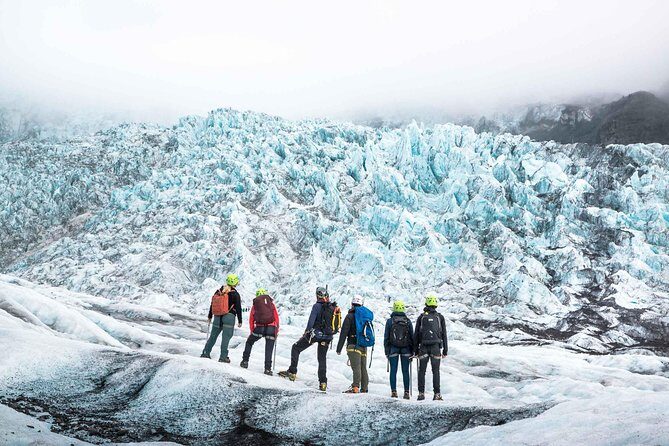
If you’re choosing between glacier hikes in the Skaftafell area, the biggest question is how long you’ll truly be on ice. This one leans into the best part of the day: walking the glacier itself. You spend about 3.5 hours on the glacier, not counting the short approach walk and the time spent gearing up and moving between stops.
That added time matters because glaciers aren’t static. As you move deeper into the glacier outlet area, the ice textures change and the views open up. You’ll go from first impressions—surface snow, crampons, that first cautious step—to seeing the structure of the glacier like a living system. It’s also the difference between seeing a wall in passing versus really understanding what you’re looking at.
And yes, you’ll still get the classic ice-wow moments: pale formations, deep cracks, and the kind of shapes that make you double-check your footing just to make sure you’re not dreaming.
You can also read our reviews of more tours and experiences in Skaftafell.
Getting there: the Tröll Bus ride and your first reality check
The day starts with a short ride (about 10 minutes) on the famous Tröll Bus. It’s quick, but it sets the mood fast: you’re already heading into the Skaftafell area, not stuck waiting around for hours.
Your actual start point is at Tröll Expeditions Skaftafell, west of Hofgardur. The start time is 10:30 am, and the tour ends back at the same meeting point. This matters if you’re planning a packed day—build in time for the full experience, including the approach and return walks.
One practical note: when you arrive at the operator, it can be a little unclear what happens next unless you’re paying attention. Plan to arrive early so you can get fitted with gear, sort out anything you need (including using the bathroom), and start the day calm instead of rushed.
Gear up properly: crampons, safety talk, and why your feet matter
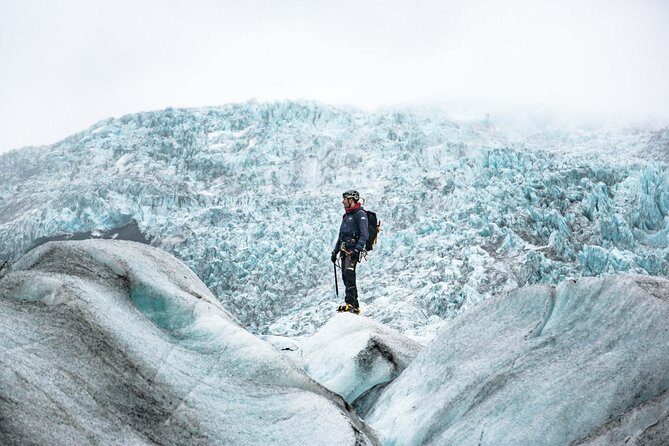
Once you’re at the drop site, the key step is getting geared up. Your guide will show you how to put on your equipment and how to move safely on a glacier surface. This isn’t a lecture you can ignore. It directly affects how confident you feel when the ice gets steeper or when footing changes.
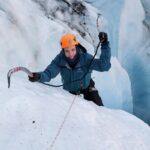
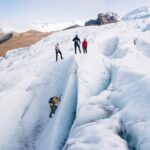
You’ll hike to the ice cap area wearing crampons, and the group typically stays together as you learn the basics: how to step, how to manage balance, and how to react when the ground looks different underfoot.
Boots and rentals: your hiking boots rental is available, but the tour setup is easiest if you have the right footwear. Guests repeatedly stress that you need ankle-covering hiking boots. If your boots don’t cover the ankle well, you’ll likely be forced into rentals—and those can be the difference between an enjoyable hike and an uncomfortable one.
Also, remember Iceland weather is fast-changing. Dress in layers, and be ready for wet conditions. Even if it’s not freezing, the wind off the ice can make you feel colder than you expect.
Walking the ice: what the Falljökull outlet feels like
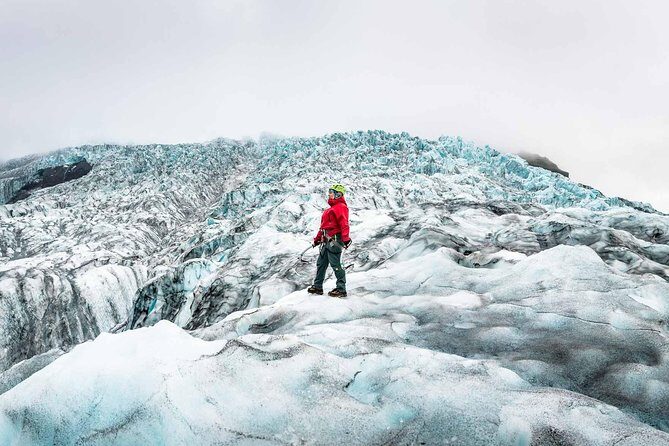
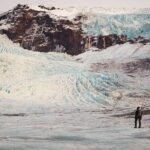
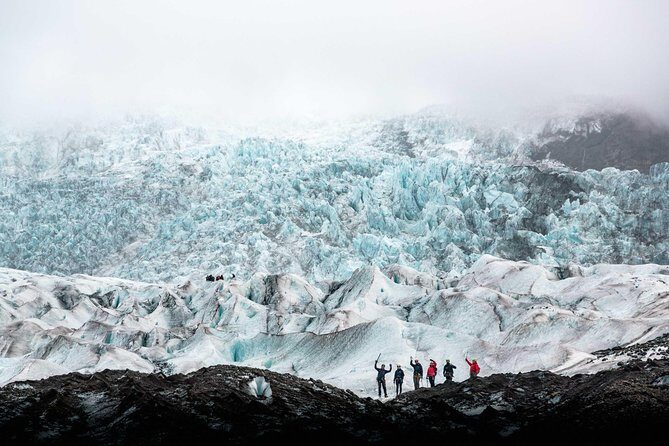
The adventure moves into the glacier outlet, where the views shift from open scenery to the close-up world of ice structure. Falljökull is a glacial tongue linked to the much larger Vatnajökull, and that connection helps your guide explain why the glacier looks the way it does.
As you walk, you’ll see features that sound abstract until you’re staring at them:
- Crevasses: deep cracks where the ice world suddenly looks terrifyingly real
- Moulins: pale vertical openings that help show how meltwater moves through the glacier
- Ice formations and textures: from smooth-looking sections to rough, sculpted shapes
You should expect the ice under your feet to look and behave differently as you change elevation and route. This is why crampons and guide technique matter. You’re not just hiking—you’re learning the glacier’s rules.
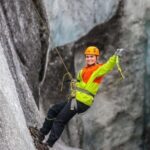
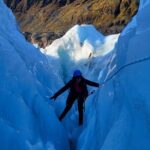
Some guests also describe moments that feel more adventurous, like down-climb or technical glacier moves in crevasse areas, depending on route and conditions. The safe takeaway is this: you’ll be doing real glacier terrain, not a gentle stroll.
Your guide’s glacier lessons: the science you’ll actually remember
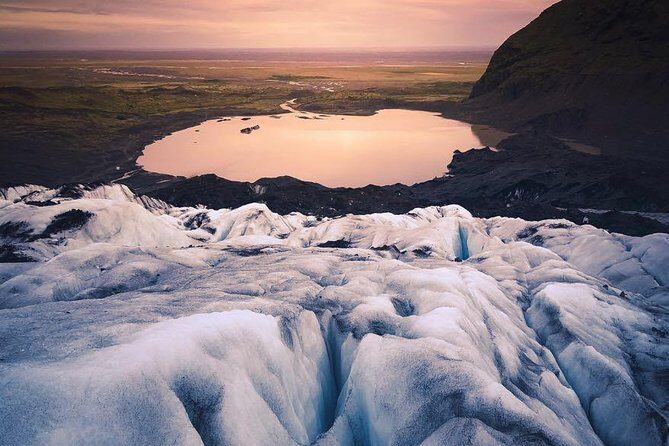
One of the most praised parts of this tour is the way guides explain what’s happening. Guides such as Ana, Kate, Eli, Martin, Pascal, Boris, and Celine are all mentioned for being informative and safety-focused, and the common thread is teaching that connects the ice features to glacier formation.
Here’s what that means for you on the walk:
- You’ll understand glacier surfaces as more than scenery. Ice flows, cracks, and reshapes over time.
- You’ll learn what to look for visually, so the ice features make sense instead of just looking dramatic.
- You’ll get guidance on safe walking practices, which helps you relax because you know what the rules are.
If you love nature facts, this is a great blend: practical safety first, then real explanations second—while you’re standing where the story happened.
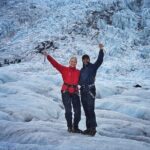
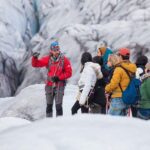
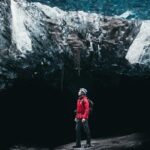
Skaftafell National Park views: getting higher than the crowd
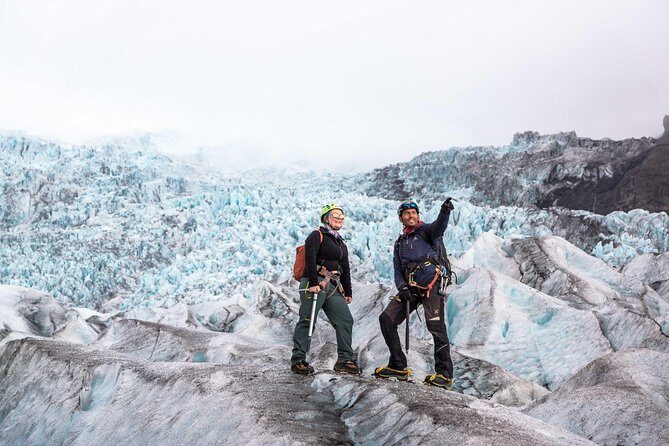
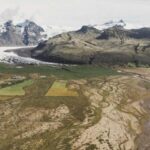
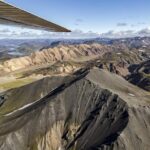
The tour includes time high enough to open up panoramas over Skaftafell National Park. That matters because you don’t just want to see ice up close—you also want to see where the glacier sits in the bigger setting.
Skaftafell has been used as a filming location in recent years, and you’ll recognize the “movie Iceland” feeling when the weather clears and the ice wall or ridges open up. Even when it’s cloudy or rainy, you’ll still get those layers of view once you gain elevation.
One theme from the experience: in bad weather, the day doesn’t automatically become a washout. People report that the time on the ice keeps things warm and interesting even with rain and cloud cover. Wind still matters most, but fog and rain are often manageable if you’re dressed for it and focused on the walk.
Weather reality: wind, rain, and what to pack so you stay comfortable
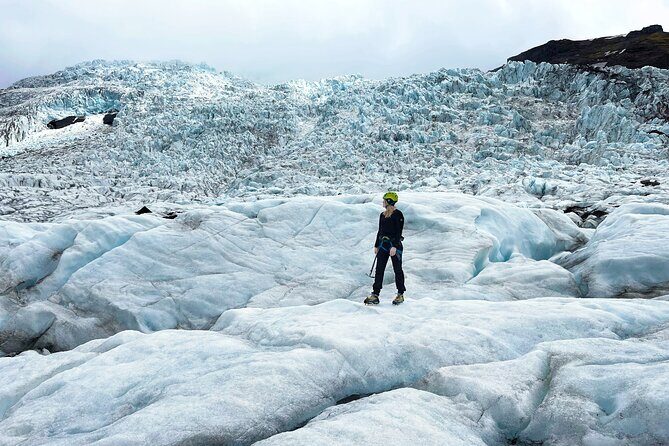
This is Iceland. Your best planning tool is clothing that handles wet and wind, plus a mindset for shifting conditions.
High winds are the major cancellation factor. If the day gets called off, it’s usually because conditions aren’t safe for glacier travel. That’s not a “maybe we’ll try” situation. Build the day flexibly, and try not to lock yourself into a tight schedule right after your start time.
For packing, aim for layers and real weather gear. The tour recommends dressing according to conditions, and it’s smart to bring energy snacks because you’ll work for the time on ice.
If you don’t have proper clothing, rentals are available, including waterproof jacket and pants. But I’d treat rentals as a plan B, because you’ll be more comfortable in gear that fits you well.
A couple of practical tips that show up again and again:
- Eat a solid breakfast before you go
- Bring water and snacks if you can (food isn’t included beyond coffee and chocolates)
- Expect the hiking back after the glacier to feel longer than the hike in
Also, bring a sense of humor. When it’s raining hard, even the best waterproof stuff can lose the battle. Your guide’s job is to keep you safe; your job is to stay layered and move.
Coffee, chocolates, and the small-group payoff
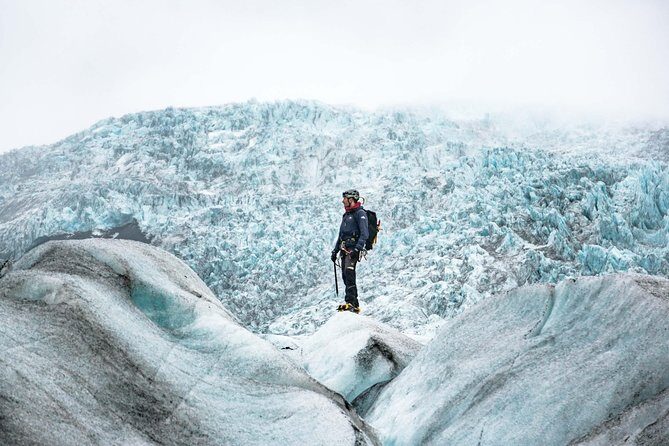
Included in the tour are coffee and chocolates, plus all safety gear needed for the glacier hike and a professional guide. This isn’t the main reason to book, but it’s a genuinely nice touch after a cold stretch.
The small-group size is one of the biggest value multipliers. With a maximum of 10 travelers, you’re less likely to feel like you’re stuck in a moving crowd. Several guests describe groups of around eight feeling more private, with different routes sometimes taken within the same general tour structure. Even when weather crowds the area, getting higher on the glacier usually thins out the vibe.
This also changes how the guide can respond. If someone needs help adjusting gear or managing a tricky section, you’re not waiting forever for attention.
Price and value: what $170.59 buys you in real terms
At about $170.59 per person for a 5-hour guided glacier expedition, you’re paying for three things that are hard to replicate on your own:
- Time on ice (roughly 3.5 hours on the glacier)
- Safety equipment and instruction (crampons and safety gear for the hike)
- A guide who teaches glacier formation and safe technique
The cost also reflects that glacier hikes require real oversight. You’re not just renting boots. You’re buying expertise, risk management, and route planning in an environment where weather can change quickly.
What isn’t included is also important for budgeting. Boots rental and waterproof clothing rentals are extra, as are hat and gloves, neck warmers, and summer caps. Food and drinks beyond the included coffee/chocolates are also on you. If you show up underprepared, your final spend can climb fast.
So here’s the “value math” I’d do before booking:
- If you already own ankle-covering hiking boots and solid waterproof layers, this price is strong.
- If you’ll need multiple rentals, budget for the add-ons.
- If you’re deciding between shorter and longer hikes, this one usually feels better because you’re actually out there longer.
Who should book this glacier hike (and who might rethink it)
This tour suits people with moderate physical fitness. You’re walking on glacier terrain with crampons, which means uneven footing and some uphill work at times.
It also helps if you like learning while you hike. The guide explanations are repeatedly praised, and it’s a better experience when you pay attention to what you’re seeing.
You might reconsider if:
- You have major mobility limitations that make balance and uneven terrain difficult
- You can’t handle a cold, wet day even with layers
- You’re traveling on a schedule with zero flexibility for wind-related cancellations
On the flip side, it’s a great pick for adventurous couples, active families with older teens, and solo travelers who want a personal group size. People even mention father-son trips as highlights, as long as the group can manage the hike.
Should you book the Skaftafell 5-hour expedition?
Yes—if your priority is real glacier time and real glacier learning. The longer duration on ice is the big win, and it’s the reason this tour often feels more satisfying than shorter options. With a max group size of 10, you’ll get better attention during gear fitting and safety coaching, which pays off fast once you’re on crampons.
Book it if you’re prepared for Iceland weather and can flex your day if winds shut things down. If you’re arriving with the right boots and waterproof layers, the price feels fair for what you get.
If you want an easy checkbox activity, choose something else. This one is for hikers who want to be part of the glacier—not just visit it.
FAQ
How long do you spend on the glacier during the 5-hour expedition?
You spend about 3.5 hours on the glacier, with extra time for the approach, gear fitting, and walking.
What is the tour duration?
The tour runs for about 5 hours total (approx.).
What time does the tour start?
The start time is 10:30 am.
Where does the tour start?
The meeting point is Tröll Expeditions Skaftafell, west of Hofgardur, 785 Hof, Iceland.
What’s included in the price?
The tour includes all activities, a professional guide, all safety gear for the glacier hike, and coffee and chocolates.
Do I need to rent boots or waterproof clothing?
Hiking boots rental is available (1,750 ISK), as are waterproof jacket (1,750 ISK) and waterproof pants (1,750 ISK). The tour recommends dressing for the weather, and it’s important to have ankle-covering hiking boots.
Is the tour offered in English?
Yes, it’s offered in English.
How big are the groups?
This activity has a maximum of 10 travelers.
What happens if the tour is canceled due to weather?
If it’s canceled due to poor weather, you’ll be offered a different date or a full refund.
What is the cancellation window for a full refund?
You can cancel up to 24 hours in advance for a full refund.