Sky tours make Iceland make sense fast. I like this one because it strings together volcanoes and glaciers into a single, easy outing, so you don’t spend your trip threading the country by car. The best part is the up-close perspective: from the air you can actually read the terrain, not just guess at it from the ground. I also really value the pilot briefing and in-flight commentary, which helps you spot what you’re seeing.
You’ll meet at Skaftafell Terminal, right next to a private airstrip, and the staff and pilot go over the flight route before takeoff. It’s a small group experience (up to 5 travelers), which usually means you get more personal attention and less chaos. And since you get a mobile ticket, you’re not fussing with printouts or last-minute documents.
One thing to keep in mind: this flight depends on good weather. If conditions aren’t right, your route can get shortened or you may be offered a different date or a full refund, so I’d plan it earlier rather than as a last-day “must do.”
In This Review
- Key things to know before you fly
- Why This Skaftafell Flight Works for First-Time Icelanders
- Arriving at Skaftafell Terminal and Meeting Atlantsflug
- Flight Plan at a Glance: What You’ll See from Above
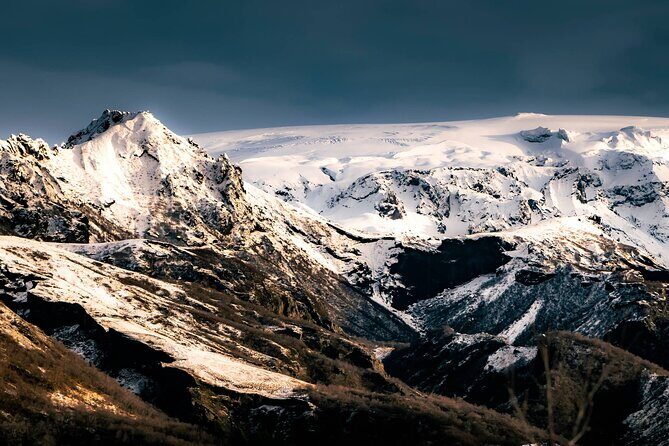
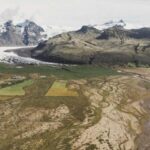
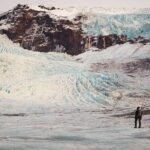
- Over Europe’s Largest Glacier and Skaftafell National Park
- Grímsvötn: The Basaltic Volcano Covered in Ice
- Lakagígar’s Mossy Crater Chain and Red-Black Rock Contrasts
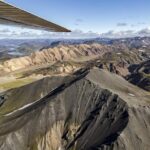
- Highlands Color: Mountains You Can Actually Read from the Window
- The 20 km Lake Area at 670 m Above Sea Level
- Riverbeds for Photography Lovers
- Price and Logistics: What $711.30 Buys You
- How the Small Group Experience Feels in Real Life
- Making the Most of 1.5 Hours in the Air
- Who Should Book This—and Who Might Skip It
- Should You Book Ultimate Airplane Sightseeing Flight from Skaftafell?
- FAQ
- How long is the Ultimate Airplane Sightseeing Flight from Skaftafell?
- Where do I meet for the flight?
- What is the price per person?
- What group size is this experience limited to?
- Is the flight conducted in English?
- What’s included in the price, and what’s not?
- What happens if weather prevents flying?
Key things to know before you fly
- Small group, calmer cabin: up to 5 travelers helps everyone see and hear what’s going on.
- A pilot who manages views: you’ll likely get alternating angles so all seats can enjoy the scenery.
- Packed highlights in 1.5 hours: glaciers, volcanic zones, crater chains, Highlands color, lakes, and riverbeds.
- Grímsvötn is the star volcano: an ice-covered basaltic volcano with the highest eruption frequency in Iceland.
- Moss-covered craters are surreal from above: Lakagígar’s red and black rocks under a blanket of green moss.
- No food, no hotel pickup: you’ll want to eat first and get yourself to Skaftafell Terminal.
Why This Skaftafell Flight Works for First-Time Icelanders
If you’re trying to cover a lot of Iceland fast, this flight is a smart way to buy time. In about 90 minutes, you’re getting aerial views of some of the country’s most distinctive natural features—ice, active-looking volcanic areas, and dramatic highland shapes—without a long day on the road.
I also like the tone of the experience. It’s built to feel stress-free: you show up, the team briefs you on the route, and then you spend the flight looking out the windows with explanations that make the scenery click. For many people, that’s the difference between seeing Iceland and understanding what you’re actually looking at.
And because the group is capped at 5, the cabin feels like a small viewing room in motion. That matters when you’re trying to follow the pilot’s commentary and keep your eyes on what’s outside.
You can also read our reviews of more tours and experiences in Skaftafell.
Arriving at Skaftafell Terminal and Meeting Atlantsflug
Your day starts at Skaftafell Terminal – Tour Center (Flugvallarvegur 5, 785 Öræfi, Iceland). The key detail here is location: it’s right by a private airstrip, so you’re not spending ages transferring between parking lots, buses, and more buses.
At the terminal, the front desk staff and the pilot meet you and walk you through the flight route and what to expect. That pre-flight explanation is more than a formality. It helps you know which features you’re looking for, so the visuals feel guided instead of random.
This is also an English-offered experience, and you’ll have a mobile ticket. That combination is practical: you can keep your day simple and focus on the scenery rather than paperwork.
Flight Plan at a Glance: What You’ll See from Above
Think of this as an aerial “greatest hits” loop around some of Iceland’s most striking geology. The tour timing is about 1 hour 30 minutes (approx.), and the route is designed to take in multiple zones rather than lingering on only one.
From the flight path, you’ll focus on several distinct viewing areas:
- the big glacier region (described as Europe’s largest glacier)
- Skaftafell National Park
- the ice-covered volcanic system around Grímsvötn
- the Lakagígar crater chain with its mossy look
- colorful Highlands mountains
- a highland lake area (20 km long, at 670 m above sea level)
- and riverbeds, especially good for photography
Because you’re flying, you get a “map view.” From the ground, these areas are hard to connect visually. From above, it all lines up, and you can start understanding how ice, lava, water, and erosion carve the shapes you see.
Over Europe’s Largest Glacier and Skaftafell National Park
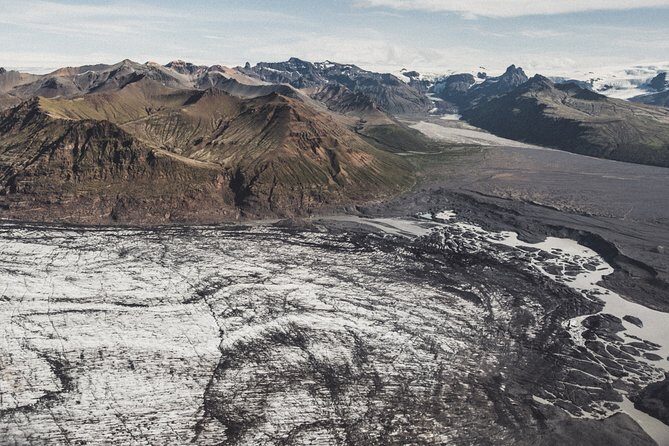
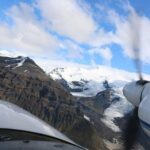
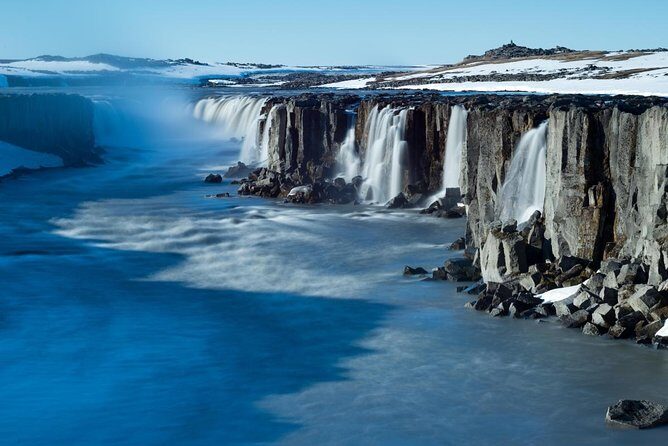
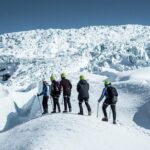
The glacier segment is the emotional kickoff. When you’re in the air above Europe’s largest glacier, the scale is the point. Snow and ice don’t read as flat white from the air—they show structure: folds, texture, and how the ice spreads into valleys.
Then you move into views tied to Skaftafell National Park. This is where the aerial perspective really helps. On foot or by car, you can appreciate one section at a time. From above, you see how the park sits in the larger region and how the glacier edges relate to the surrounding terrain.
A practical note: plane windows can throw back glare depending on light and your seat. The best approach is simple—adjust your angle and keep your camera/lens steady. If you’re photographing, a short burst of shots beats one long attempt as the aircraft angle changes.
Grímsvötn: The Basaltic Volcano Covered in Ice
One of the most educational parts of this route is Grímsvötn. The flight notes describe it as a basaltic volcano that is mostly covered by ice, and it’s also listed as having the highest eruption frequency of all volcanoes in Iceland.
From the air, you’re not looking at a fiery eruption. You’re looking at the relationship between heat-producing geology and an ice cover. That’s why this segment feels so different from a typical glacier-only flight. Iceland’s volcano-and-ice story is the whole point.
If you like learning while you look, pay attention during the pilot’s commentary here. The explanation makes the scenery more than just pretty shapes, because you start connecting the names on the route to what you can actually see from your seat.
Lakagígar’s Mossy Crater Chain and Red-Black Rock Contrasts
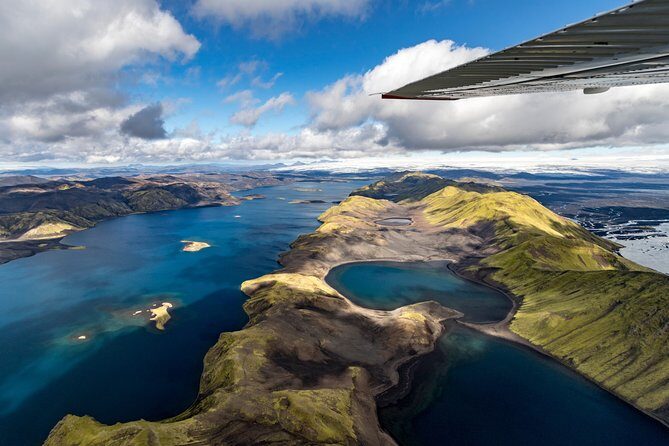
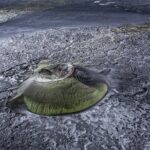
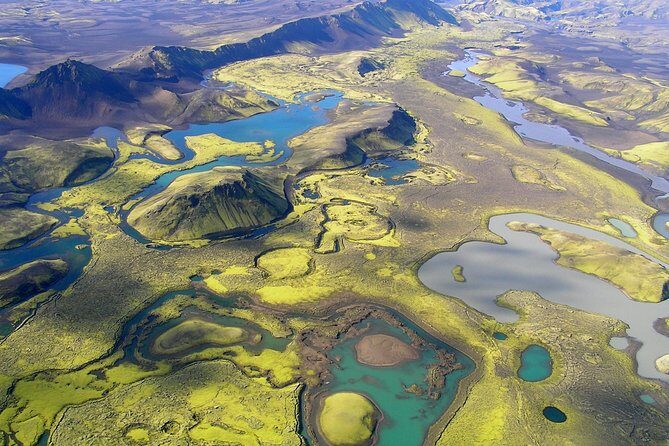
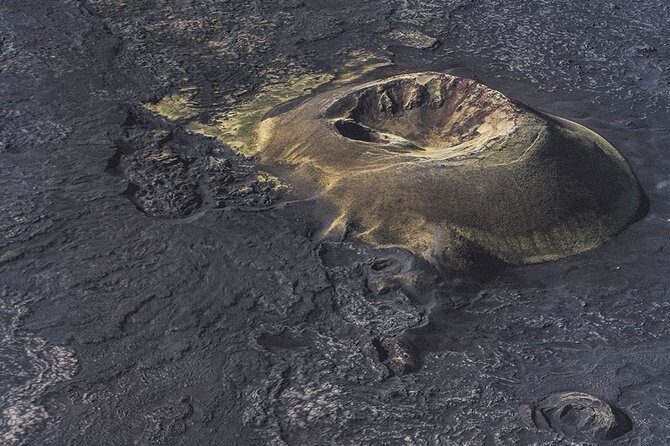
The Lakagígar section is the “wait, that can’t be real” moment for a lot of people. The route describes the crater chain as covered in moss, giving it a strange, otherworldly look. Pair that green moss with red and black rocks, and the color contrast becomes the main visual theme.
This is also the kind of feature that’s hard to understand from the ground because you can’t see the full pattern at once. From above, the crater chain reads like a dotted line across a landscape—each crater acting like a small marker in a bigger geological story.
If you enjoy nature photography, this is a strong bet. The contrast in colors and textures gives your photos something to hold onto, even if clouds soften the edges.
Highlands Color: Mountains You Can Actually Read from the Window
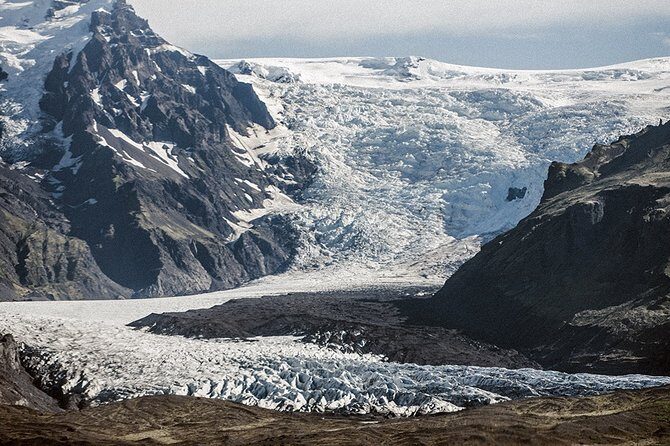
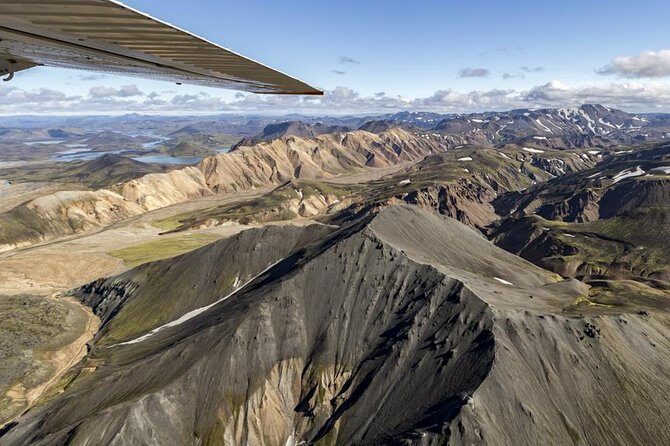
After the crater and moss textures, you’ll head toward colorful mountains in the Iceland Highlands. From the air, those colors stand out more clearly because lighting and scale emphasize how the terrain changes.
Highlands views are also where you start seeing Iceland as layered. You get a sense of where the land shifts between ice-influenced zones and more exposed mountain areas, and you can watch the route move through different textures and shapes.
This part of the flight is good for people who get bored on long drives. In the plane, the scenery is constantly changing, but the pace stays easy.
The 20 km Lake Area at 670 m Above Sea Level
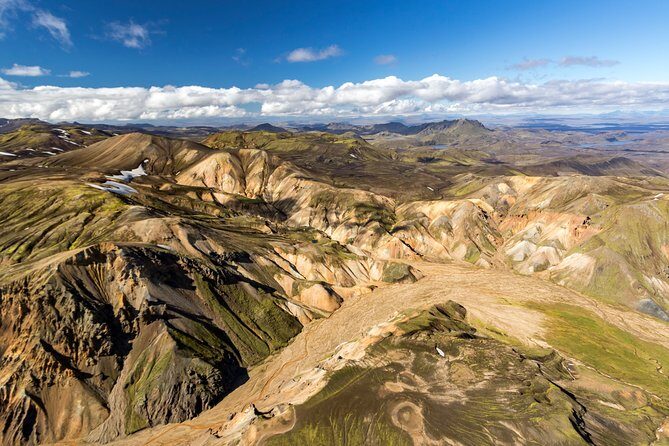
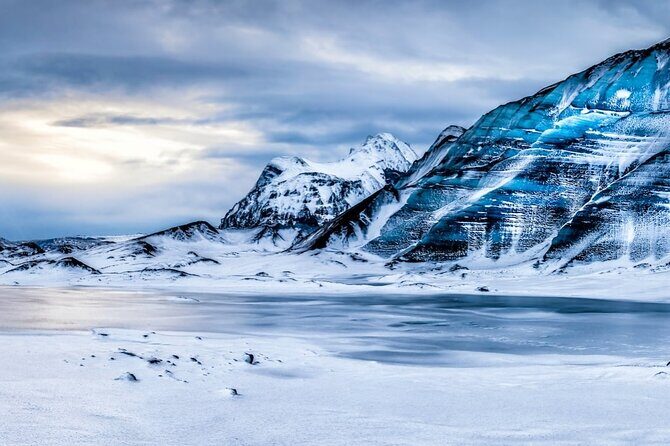
Next comes a stretch described as a beautiful lakes area—specifically a 20 km long lake area in the Highlands, at 670 m above sea level.
Why this matters: lakes are visual anchors. They slow your brain down. When you spot open water from above, it gives you contrast against surrounding ground—ice, rock, and moss look different when there’s a calm patch of light-colored water nearby.
It’s also a nice break between the more “textured” volcanic and crater views. If you’re coming from glacier excitement, the lake segment can feel like a breather, while still being visually rewarding.
Riverbeds for Photography Lovers
The final viewing focus includes riverbeds, described as great for photography lovers. Riverbeds can look abstract from the ground, especially if you can’t see the full branching patterns. From the air, you often get the “network” view—how water has carved routes over time.
Even if you’re not a serious photographer, this segment can be satisfying because it gives you a clear sense of movement in a landscape. It shows erosion lines, branching paths, and how the land guides water through the region.
If you want photos, time your camera use for moments when the aircraft angle lines up with the riverbed pattern. Short, quick shots work best when the view changes.
Price and Logistics: What $711.30 Buys You
The price is $711.30 per person, and it’s not cheap. But value in Iceland air travel comes from compression. In a short time, you’re seeing a route that would take many hours (and likely more cost) to cover on the ground with stops, drives, and weather-dependent visibility.
What you do get for the money is also clearer than with many tours: all taxes, fees, and handling charges are included, and parking fees are included too. That helps reduce the “surprise add-ons” feeling that can spoil expensive experiences.
On the flip side, you’re responsible for your own logistics to the meeting point. Hotel pickup and drop-off are not included, and food and drinks are not included. That means the real cost picture depends on your ability to get to Skaftafell Terminal without hassle and whether you need to plan a meal before you fly.
One more practical point: this experience is often booked about 49 days in advance on average. That doesn’t guarantee availability for your exact dates, but it’s a hint that early planning is wise—especially in shoulder seasons when weather can force changes.
How the Small Group Experience Feels in Real Life
This flight caps at a maximum of 5 travelers. That small group size changes the vibe. Instead of feeling like a cattle-call for photos, you’re more like a compact class—everyone can hear, look, and ask questions.
The pilot and staff approach also seems designed to keep the flight enjoyable even when plans change. For example, when weather causes a shorter flight, the experience notes that you’ll be offered a different date or refund if the whole activity is canceled due to poor weather. And in at least one experience, the flight ran shorter and there was a price discount associated with that reduced time in the air.
You should also expect active guidance during the flight. From the feedback, the pilot may pass from one side to the other so all passengers can enjoy views, not just the people sitting in one window. That’s exactly what you want for a flight where everyone paid for the experience of seeing.
Making the Most of 1.5 Hours in the Air
This is a short flight. That sounds obvious, but it affects your prep. You should go in with a clear mental checklist: your goal is to look and learn quickly, not to linger in one spot.
Since food and drinks are not included, I’d treat this like a morning or midday appointment. Eat beforehand, drink water, and keep your day flexible if weather decides to be dramatic.
Also, because it’s weather-dependent, I recommend building a small buffer into your schedule. If you book near a fixed travel day, you risk losing a chunk of your plan if the flight needs to reschedule. The experience can be canceled due to poor weather, but the practical impact is on your itinerary, not just your wallet.
If you’re bringing a camera, bring it with the understanding that you might be shooting through windows and changing angles. Keep settings ready, and focus on capturing the big shapes and color contrasts first.
Who Should Book This—and Who Might Skip It
This works best if you want a fast, low-effort way to see Iceland’s ice-and-volcano drama without stacking multiple full-day drives. It’s especially good for first-time visitors who want the “big picture” fast.
You’ll likely enjoy it if you value:
- small group comfort
- guided, plain-English explanations
- aerial views that connect glacier, volcanic systems, crater patterns, and river routes
I’d consider skipping it if you’re trying to maximize value by doing everything on foot and by car only. Also, if your schedule is rigid and you can’t handle weather shuffling plans, you might feel the stress even though the tour itself is designed to be straightforward.
For most travelers, participation is fine. This isn’t a hike. It’s a flight, so the challenge is really weather and timing, not physical effort.
Should You Book Ultimate Airplane Sightseeing Flight from Skaftafell?
I’d book this if you want one of the most efficient ways to see Iceland’s geology from above. The route hits multiple named-feeling features—Europe’s largest glacier zone, Skaftafell National Park, Grímsvötn’s ice-covered basaltic volcanic system, the mossy Lakagígar craters, Highlands mountains, a 20 km lake area at 670 m, and riverbeds that photograph well. That’s a lot of variety for about 90 minutes.
I’d also book early enough to give yourself options, since the experience averages bookings about 49 days in advance. And I’d schedule it with a little breathing room so weather doesn’t mess with your day.
If you’re okay handling the weather reality of Iceland and you want the clearest view of glacier-and-volcano patterns without a long driving day, this is a strong choice. Pay the price when the goal is coverage plus guided seeing.
FAQ
How long is the Ultimate Airplane Sightseeing Flight from Skaftafell?
The flight duration is approximately 1 hour 30 minutes.
Where do I meet for the flight?
You meet at Skaftafell Terminal – Tour Center, Flugvallarvegur 5, 785 Öræfi, Iceland. The activity ends back at the meeting point.
What is the price per person?
The price is $711.30 per person.
What group size is this experience limited to?
This experience has a maximum of 5 travelers.
Is the flight conducted in English?
Yes, the experience is offered in English.
What’s included in the price, and what’s not?
Included: all taxes, fees, and handling charges, plus parking fees. Not included: hotel pickup and drop-off, and food and drinks.
What happens if weather prevents flying?
This experience requires good weather. If it’s canceled due to poor weather, you’ll be offered a different date or a full refund.