That blue ice feeling starts fast. This tour takes you into winter-only glacier wonders inside Vatnajökull, Europe’s largest glacier area, where ice turns startling shades of blue and you get a guided route you can actually enjoy without guessing. You’ll also make time at Jökulsárlón Glacier Lagoon, so the day connects two different kinds of ice drama.
I love the way the cave visit is handled like a real decision, not a fixed promise. You get up-to-date cave choice based on conditions, and you’ll be offered an alternative if the best cave is too risky. I also like the guide approach: the experience is explained clearly in English, with groups sometimes supported in additional languages, plus plenty of real climate and glacier context.
One possible drawback: the ice cave you enter can change depending on safety and conditions, and the backup option may involve some glacier hiking. If you hate cold, slick walking, or you’re not comfortable with changing plans, this is worth weighing carefully.
In This Review
- Key Things I’d Watch For
- A Blue Ice Cave Built for Winter Conditions
- Safety First: What’s Included and What It Means for You
- The Sparkle/Crystal Ice Cave: What You’ll Experience
- Stop Planning: Why Flexibility Matters on Vatnajökull
- Jökulsárlón Glacier Lagoon Timing and How It Fits
- Lagoon Viewing: What to Do With Your Time
- Price and Value: Is $169 Actually Fair?
- What to Wear and Bring for Comfort (So You Enjoy It)
- Who This Tour Is Best For
- Quick Practical Wrap-Up: Booking Logic That Makes Sense
- Should You Book Ice Walkers Tour for a Blue Ice Cave?
- FAQ
- How long is the Ice Cave and Jökulsárlón tour?
- What time does the tour start?
- Where do I meet the guide?
- What’s included in the price?
- Do I need to bring lunch?
- Will I enter Sparkle Ice Cave or Crystal Ice Cave?
- Is weather important for this activity?
Key Things I’d Watch For
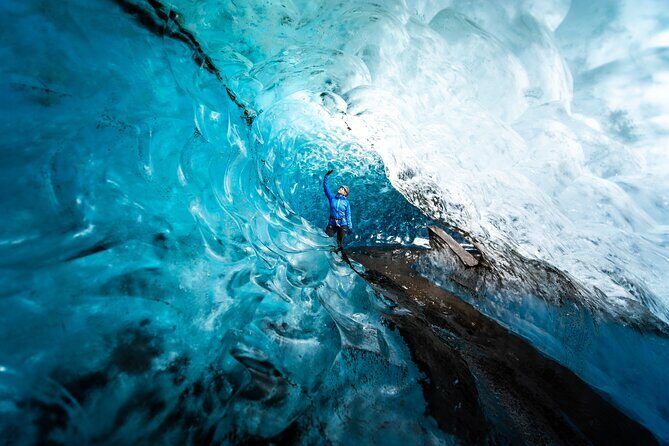
- Cave choice changes with conditions for safety, including possible alternatives
- Blue ice cave experience plus Jökulsárlón in about a half-day
- Certified glacier guide and included ice gear reduce guesswork
- 4×4 transport to keep you moving in real glacier-region terrain
- Small group size (max 12) for a more personal pace
A Blue Ice Cave Built for Winter Conditions
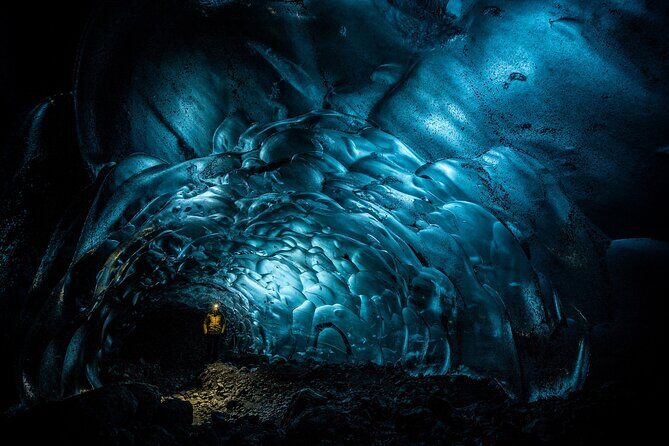
If you only do one Iceland glacier activity, a blue ice cave is the one that can feel most special. The reason is simple: blue ice is a winter effect. Your eyes catch the color right away, but what really makes it click is how the guide frames it. You do not just walk through pretty ice. You learn what you are looking at and why it’s happening in that season.
This tour is built around that reality. It’s not sold as a generic attraction. It’s sold as a winter experience inside Vatnajökull’s changing environment, with a plan that adapts when conditions shift. That matters because ice caves aren’t like buildings you visit anytime. Safety depends on what the glacier is doing that day.
Also, the timing helps. You start at 11:00 am. That’s late enough that you’re not rushed out the door at dawn, but early enough to still make a full day out of Skaftafell and the glacier area without feeling like you’re trapped in a long transport marathon.
You can also read our reviews of more tours and experiences in Skaftafell.
Safety First: What’s Included and What It Means for You
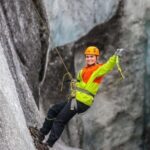
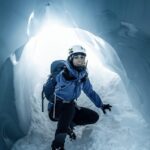
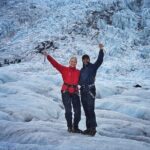
This is not a self-guided cave walk. The tour includes all necessary ice caving gear and uses a fully certified glacier guide. Even if you’ve done other hikes in Iceland, this setup changes your whole experience. You’re not trying to manage unfamiliar footing gear while also learning where to put your feet.
The gear piece is especially important. Ice caves demand correct footwear and protection, and the provider is covering it. That takes one of the biggest stress points off your plate: you can pack normally and still show up prepared for slippery, cold conditions.
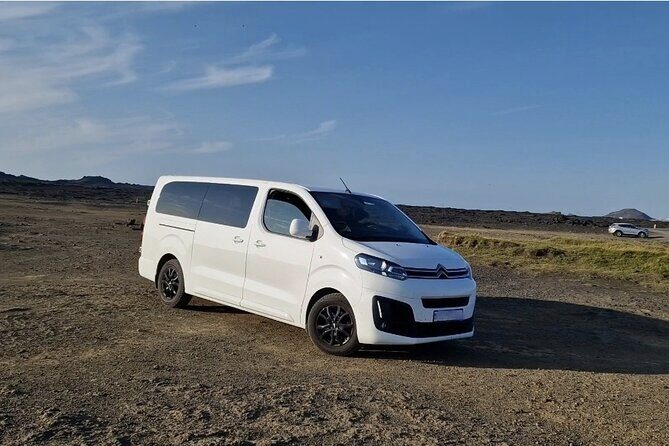
You’re also traveling by vehicle for the most rugged parts. Transportation in a 4×4 is included, which helps you spend your energy on the glacier stops instead of fighting for the right route or timing.
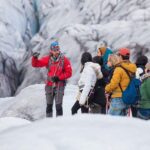
One more practical note from how this runs: you’ll be in a small group, capped at 12 travelers. Smaller groups usually mean you get more attention when everyone is moving carefully, and you’re less likely to feel like a number while the guide explains what to look for.
The Sparkle/Crystal Ice Cave: What You’ll Experience
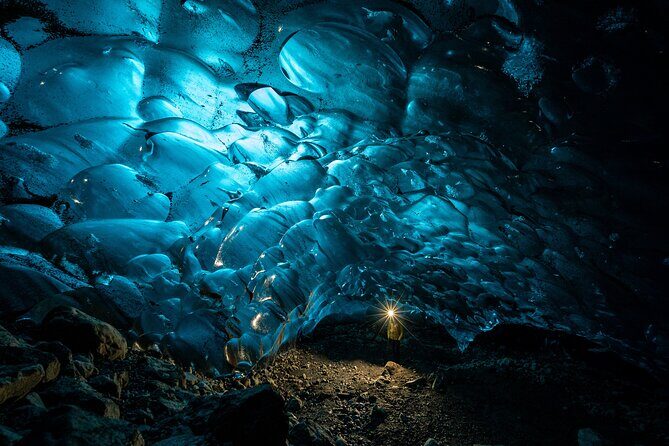
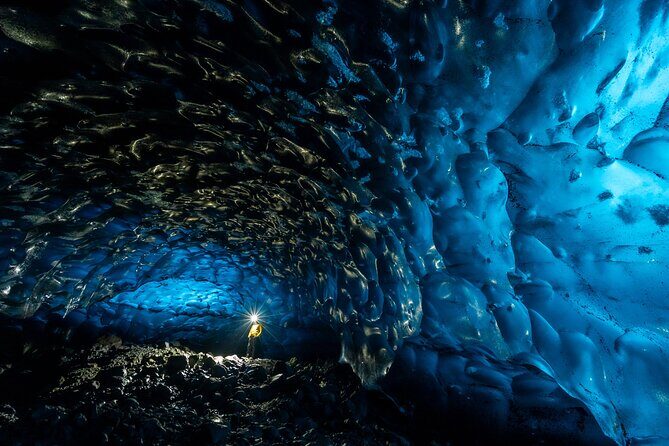
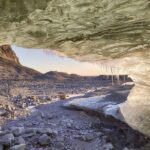
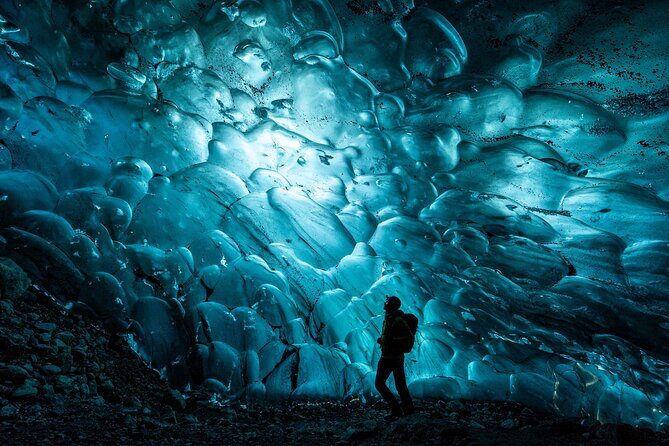
The main stop is the blue ice cave. The tour operates with a preference for the best available cave at the time. As of November 2024, the provider notes that the cave sometimes called Sparkle Ice Cave is also referred to as Crystal Ice Cave. The takeaway for you is that names might shift by season or conditions, but the goal stays the same: a safe route into the most photogenic blue ice available.
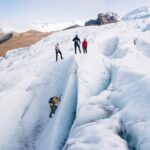
Here’s the part I think is most valuable: you’re told that the cave selection can change. They always aim to pick the best option, but if conditions make that specific cave too hazardous to enter, you won’t be left hanging. You’ll be offered an alternative plan, and sometimes that means extra glacier hiking.
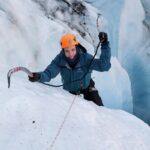
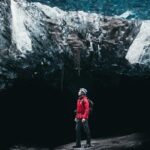
So what do you actually do inside the cave? You move through the ice with your guide and you get explanations along the way—plus time to capture photos. The tour is explicitly built around that underworld feeling of crystal-clear formations tinted blue, and the guide’s job is to help you notice details instead of just following a line.
If you’re the type who likes a little story with your photos, this is where it shows. One of the strongest bits from the best feedback is how experienced the guide felt and how much they shared in clear English (and even Polish for part of the group). That kind of communication turns the cave from a one-time visual moment into something that sticks.
Stop Planning: Why Flexibility Matters on Vatnajökull
Ice cave tours live and die by conditions. The provider makes that clear upfront. The cave choice depends on what’s safe that day, and the environment can change quickly.
For you, that means two things:
- Expect variability. The cave might be the one you hoped for, or it might shift if the best option is unsafe.
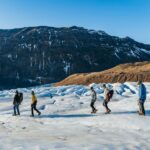
- Be ready for a backup route. The alternative could require some hiking on the glacier.
That flexibility is not a bait-and-switch. It’s the actual way you stay safe around glaciers and still get the experience you paid for. You’re essentially buying a guided “blue ice day,” not a guaranteed single named entrance regardless of weather and ice stability.
If you’re traveling with limited time and this day is non-negotiable, you should still book with confidence—but choose your attitude. Go in understanding that nature decides the exact cave details. When the guide handles it well, the end result is still memorable, and you get a better story out of it than a rigid plan would deliver.
Jökulsárlón Glacier Lagoon Timing and How It Fits
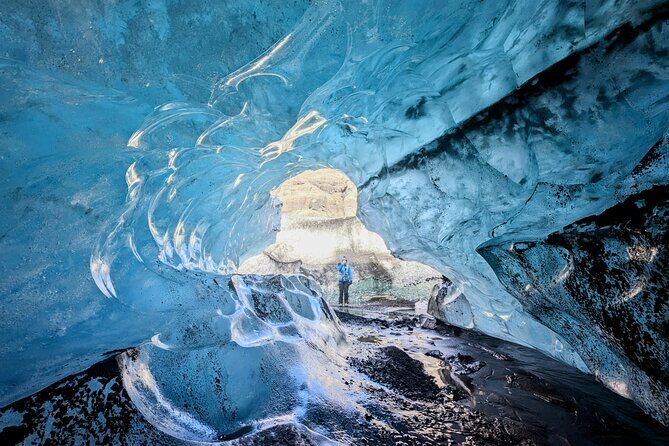
After the ice cave, the tour shifts to the glacier lagoon: Jökulsárlón Glacier Lagoon. You meet the guide at the main area described as the alternative carpark to Jökulsárlón at 781, Iceland, and your day runs from there.
The tour uses a drive to get you to the lagoon: you’ll set off for a ride of about 45 minutes toward the glacier. Then you return the same roughly 45 minutes to the car park after your lagoon time.
This timing is one reason the tour stays at about three hours total. You’re not just wandering around one site for half a day. You’re doing both stops and getting transport handled for you. That matters if you’re basing yourself around Skaftafell and don’t want to spend your vacation doing navigation and parking stress.
One small caution: your comfort on cold, windy exterior time matters. The lagoon stop isn’t described as a warm, indoor activity. Plan for winter conditions and keep your layers ready.
Lagoon Viewing: What to Do With Your Time
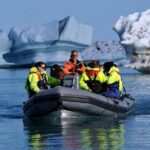
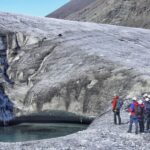
At Jökulsárlón Glacier Lagoon, the focus is simple: you get time to see the glacier lagoon and take photos. The tour is set up to give you a guided day flow, not a long free-for-all.
Because the itinerary breaks the day into cave time plus lagoon time, you’ll likely feel like you can focus. You’re not constantly changing layers and equipment every ten minutes. The gear is already managed for the ice cave portion, and by the time you’re at the lagoon you can settle into viewing mode.
I also like that your guide is still part of the day. Even though the lagoon stop is more open-air, the guiding style usually helps you understand what you’re looking at and how the glacier environment connects to the ice you saw earlier.
If you care most about photos, show up with a quick plan: wide shots for the lagoon, then tighter shots once you spot ice formations that catch light. If you care most about understanding, lean into the guide’s explanations and ask questions while you’re moving between viewing areas. That’s the time to get answers, because you don’t want to save all your curiosity for the drive when it’s harder to track what you’re seeing.
Price and Value: Is $169 Actually Fair?
At $169, this isn’t a cheap add-on. But it also isn’t only a walking ticket. You’re paying for three big value pieces:
- Certified glacier guidance for the cave portion
- Included ice caving gear so you don’t have to rent or improvise
- 4×4 transportation between the stops and across glacier-region terrain
When those pieces are included, the price starts to look more like a “guided glacier day” cost than a standard activity fee. The biggest sign it’s working is how people describe it as worth its price, mainly because the guide brought real expertise and clear explanations, not just a march to a viewpoint.
There’s also the small-group cap of 12 travelers. That can affect how much attention you get, especially when conditions matter. In glacier environments, attention is a form of value.
The other value factor is flexibility. You’re not just buying one named cave. You’re buying a safety-minded plan that may change based on conditions, plus an alternative if needed. That’s worth something, even if you had your heart set on one specific cave name.
What to Wear and Bring for Comfort (So You Enjoy It)
The tour strongly recommends warm and waterproof clothing and winter hiking shoes. Take that seriously. This is not the kind of cold where you can rely on a light jacket.
Here’s how to think about your packing:
- Warm layers you can move in (you’ll be outside and also inside the cave)
- Waterproof outerwear (snow and spray can happen)
- Winter hiking shoes with good grip
- Gloves you can actually use for photo taking and walking carefully
If you don’t already own proper winter gear, buy or borrow what you need before you come. Your best experience comes from feeling stable on your feet.
Also, remember that you’ll spend time on glacier-related terrain. Even when you’re guided, you still need your body to cooperate. Comfortable, dry gear keeps you from spending the tour fighting cold instead of noticing ice color and formations.
Who This Tour Is Best For
This is a good fit if you want a guided glacier experience and you like learning while you photograph. It’s especially strong for people who:
- Want a real guide-led explanation and not just a sightseeing stop
- Care about safety and gear being handled for you
- Enjoy small-group pacing (max 12)
- Are in Iceland during winter when blue ice caves can exist
It can be less ideal if you’re very sensitive to cold or you hate the idea that the cave choice could change. Since the backup could involve hiking on the glacier, this is also not the right pick if you need a fully flat, low-effort day.
Quick Practical Wrap-Up: Booking Logic That Makes Sense
This tour is at its best when you accept winter reality. Weather and conditions drive cave choice. When the provider updates you with a safer option, it’s still the same goal: blue ice cave time plus a glacier lagoon stop, guided and organized.
If you have flexibility in your schedule, try to book a date when you can handle a condition-based change without stress. If you have only one day and you’re worried about disappointment, you still have a good chance of ending up with an excellent experience—but mentally plan for the cave name to shift.
Should You Book Ice Walkers Tour for a Blue Ice Cave?
Yes, if you want a guided winter ice cave with included gear and 4×4 transport, and you’re okay with the cave plan adapting to safety. The best reason to book is the guide-focused experience: clear explanations, confident glacier handling, and the sense that you’re in safe hands while you explore blue ice.
I’d skip it only if you strongly prefer a guaranteed single fixed entrance, or if you’re unwilling to handle waterproof winter clothing and possibly more effort if an alternative glacier route is needed.
FAQ
How long is the Ice Cave and Jökulsárlón tour?
The tour is approximately 3 hours.
What time does the tour start?
The start time is 11:00 am.
Where do I meet the guide?
The start is at the alternative carpark to Jökulsárlón 781, Iceland. The tour ends back at the meeting point.
What’s included in the price?
Included are all necessary ice caving gear, transportation to and from the glacier in a 4×4 vehicle, and a fully certified glacier guide.
Do I need to bring lunch?
Lunch is not included.
Will I enter Sparkle Ice Cave or Crystal Ice Cave?
The tour targets the best available blue ice cave at the time. Sparkle Ice Cave is also referred to as Crystal Ice Cave, but the exact cave can change depending on conditions.
Is weather important for this activity?
Yes. The experience requires good weather, and if it’s canceled due to poor weather, you’ll be offered a different date or a full refund.