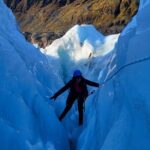
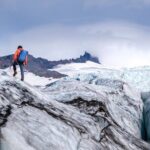
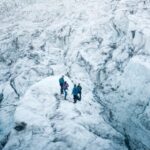
This is glacier walking with real coaching. A full-day trek on Vatnajökull, Europe’s largest ice cap by volume, turns big scenery into a hands-on adventure—ropes, crampons, step-cutting, and guided geology talk along the way. You start with gear and safety instruction on the glacier’s front, then you move into steeper terrain beyond the crowds, with a guide who adjusts the route to your comfort level.
I love the small group size (max 4), because you get time to learn the kit and use it correctly without feeling rushed. I also love the way the guides work in the field—fixing anchors, setting ropes, and cutting steps to keep the hike safe and smooth as the terrain gets more serious. One thing to consider: this is not a casual stroll. You need strong physical fitness and you should expect cold, slippery conditions and a long day on ice.
In This Review
- Key things that make this hike worth it
- Vatnajökull Glacier Hike: what a full-day adventure really feels like
- Small-group cap of 4: safety, teaching, and a calmer pace
- Start at Freysnes: the practical morning before you hit ice
- Gear up and learn the basics on the glacier front
- What that instruction does for you
- Beyond the crowds: anchors, ropes, and step-cutting
- Vatnajökull stops: glacier, park, and what those labels mean on your day
- Stop 1: Vatnajökull Glacier
- Stop 2: Vatnajökull National Park
- Stop 3: More time on Vatnajökull
- Stop 4: Skaftafell National Park
- The geology and climate talk you’ll remember long after the hike
- Photo time and awe moments: what to expect (and what might vary)
- What’s included: safety gear, coffee/tea, and a weather heads-up
- Boots, water, and lunch: the stuff that can make or break your day
- Price and value: why $408.48 makes sense for this specific kind of guide work
- Who this hike is best for (and who should rethink it)
- Weather reality: why your day depends on conditions
- Should you book this Vatnajökull glacier hike?
- FAQ
- What’s the meeting point and start time?
- What group size should I expect?
- What safety gear is included?
- Is boot rental available if I don’t have my own?
- Are coffee or drinks included?
- Do I need to arrange transportation?
- What happens if weather is poor?
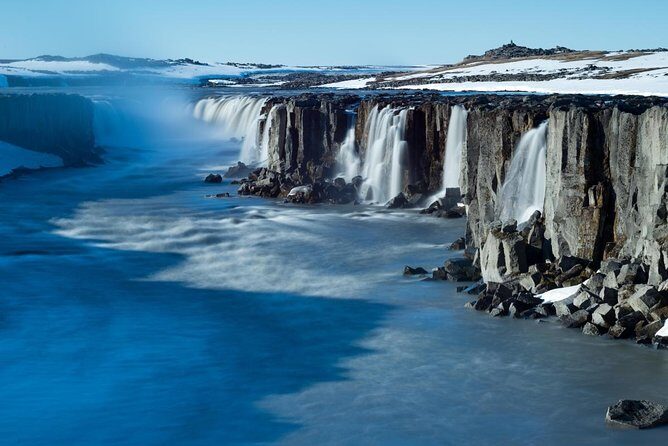
Key things that make this hike worth it
- Max 4 per guide for real instruction and less crowd pressure
- Full safety kit included: helmet, harness, ice axe(s), and crampons
- Route-building on the glacier with anchors, ropes, and cut steps
- Geology + glaciology lessons focused on what’s changing now
- Flexible adventure pacing guided by your skills, not the group’s vibe
Vatnajökull Glacier Hike: what a full-day adventure really feels like
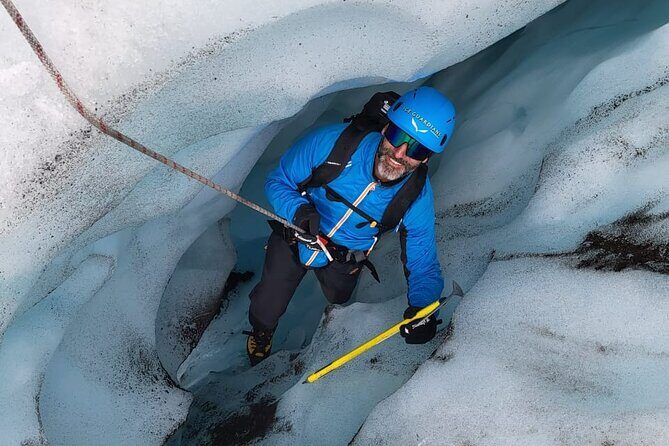
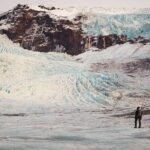
Vatnajökull is huge. Your brain understands that from photos, but your body understands it when you’re standing on it with crampons underfoot and an ice axe in your hand. This hike is designed to make that moment practical: you learn how to move safely, then you apply those skills as the terrain gets steeper.
The best part is that the day isn’t only about “getting to the glacier.” It’s about how you travel across it. You’ll walk easy ground first to get your balance and technique down, then you’ll gradually take on more adventurous sections. If you’re traveling with a mix of abilities in your group, the guide can often manage that by adjusting the route and pace.
You can also read our reviews of more hiking tours in Skaftafell
Small-group cap of 4: safety, teaching, and a calmer pace
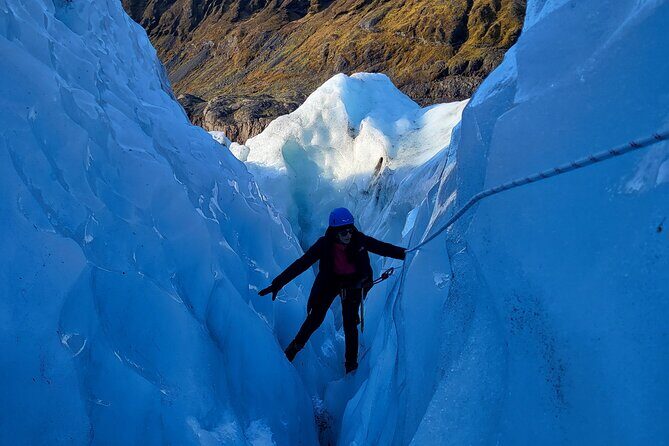
With a maximum of 4 travelers per guide, you don’t get lost in a line of people. You get clearer instruction, more chances to ask questions, and more time to practice before things get steeper. That matters a lot on glaciers, where small mistakes can turn annoying fast.
It also changes the vibe of the day. In reviews, the biggest praise is how guides keep the group away from big crowds and how they take time to know your comfort level. Guides such as Richard (also known as Rich) and Kish are described as professional and safety-focused, and they’re not just herding people along the same track as everyone else.
Start at Freysnes: the practical morning before you hit ice
The meeting point is Freysnes Gas Station, where you can use the bathroom and grab snacks before the glacier part starts. It’s a small detail, but it helps. You’ll be dealing with cold hands and gear prep later, so starting organized is smart.
After that short intro, you’ll follow the group for a drive to the glacier parking area. This matters because glacier hikes are weather-dependent and logistics-heavy. Having the tour handle the key timing and gear setup reduces stress on a day when you’re focused on safety.
Gear up and learn the basics on the glacier front
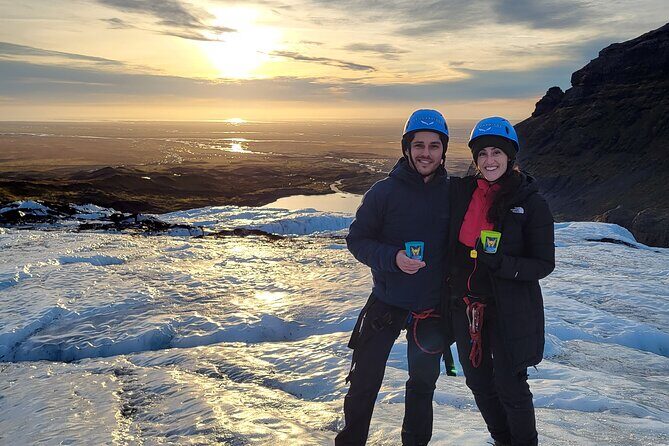
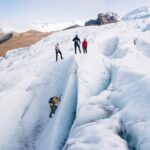
Once you reach the glacier car park, you take a short walk to the front of the glacier. This is where you’ll get equipped and go through safety instructions. The tour includes the core kit: helmet, harness, ice axe(s), and crampons.
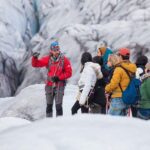
Then comes the part that many tours skip or rush: practice. You’ll walk through easy terrain to get familiar with how the tools work and how you move. You’re not just being told what to do—you’re trying it while your guide is right there, adjusting as needed.
What that instruction does for you
You’ll feel more confident sooner, and you’ll spend less of the day fighting your own balance. On a glacier, confidence is safety. When you know how to place your feet and how to hold your ice axe, the steeper sections feel more like a challenge and less like a scramble.
Beyond the crowds: anchors, ropes, and step-cutting
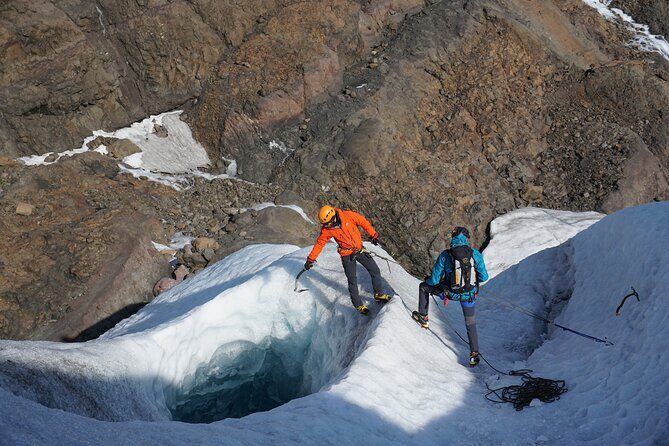
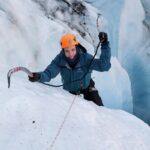
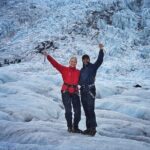
After you’re comfortable with the equipment, the hike shifts into steeper, more adventurous terrain. This is where the guide’s hands-on skills show up. You may see your guide at work fixing anchors, setting ropes, and cutting steps to make travel safer.
That isn’t just gear theater. On real glacier routes, step-cutting helps you move with better control, especially when the ice angle changes or when footing needs precision. Anchors and ropes add stability and reduce risk when the terrain demands it.
The best way to think about this part is: the day builds. You earn the more advanced sections by learning the basics first. If you keep that mindset, you’ll get far more out of the experience than if you arrive hoping it’s only scenic walking.
Vatnajökull stops: glacier, park, and what those labels mean on your day
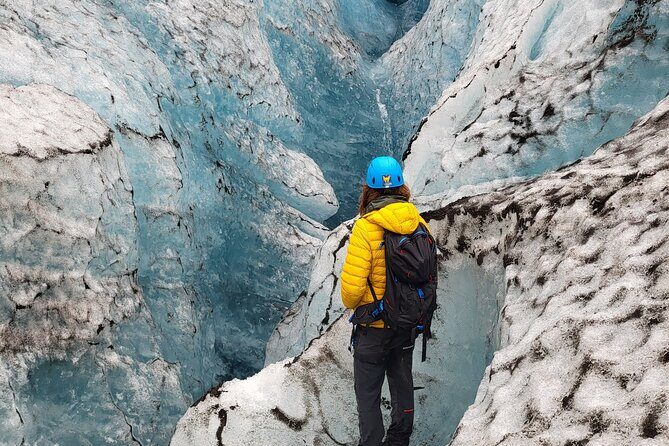
The tour breaks the day into meaningful areas: Vatnajökull Glacier, Vatnajökull National Park, and later Skaftafell National Park. Even if the names sound similar, you’ll feel differences in setting and focus.
Stop 1: Vatnajökull Glacier
This is where the main “ice time” begins. You’ll meet the glacier physically—gear up, safety talk, then you transition from standing near ice to actively moving across it. Expect the emphasis to be on technique and confidence.
Stop 2: Vatnajökull National Park
National Park time usually means you’ll have more chances to step back and connect what you’re seeing to the bigger system. This is where the guide’s teaching helps. You’re not just collecting photos; you’re learning how ice behaves and why the glacier looks the way it does.
Stop 3: More time on Vatnajökull
This is your longer stretch of glacier travel, including the moments where terrain gets more serious. If you like learning while doing, this part hits the sweet spot: you’re moving and the guide is translating the ice into concepts you can actually picture.
Stop 4: Skaftafell National Park
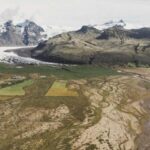
By the time you’re in Skaftafell territory, the experience often feels wider and more grounded in Iceland’s scenery and context. You’ll likely connect the glacier’s story to the surrounding terrain and how people experience this area today.
The geology and climate talk you’ll remember long after the hike
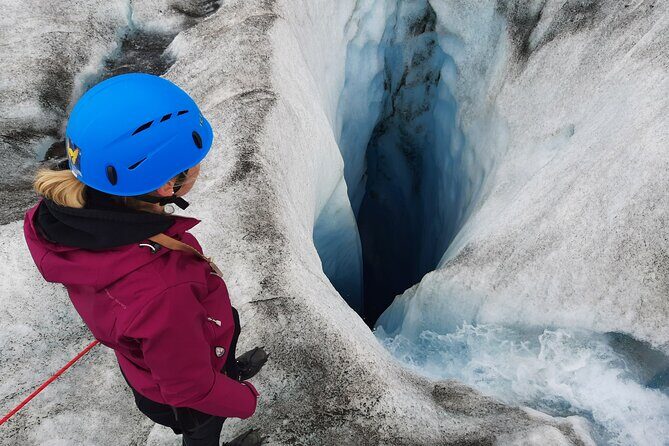
One of the most praised aspects is the guide instruction. The focus isn’t just “fun facts.” You’ll learn about glaciology, geology, recent glacier changes, and what the future looks like in a world shaped by climate change.
On glaciers, change is visible even when you don’t have a science degree. Ice conditions shift, routes evolve, and what’s safe today might look different later in the season. When a guide explains that clearly while you’re standing in it, the learning sticks.
You’ll also get plenty of photo moments. But the photos aren’t the whole story. The best guides help you notice how ice fractures, how crevasses and icefall impacts can sound and feel, and how the glacier’s form relates to the ice flow below.
Photo time and awe moments: what to expect (and what might vary)
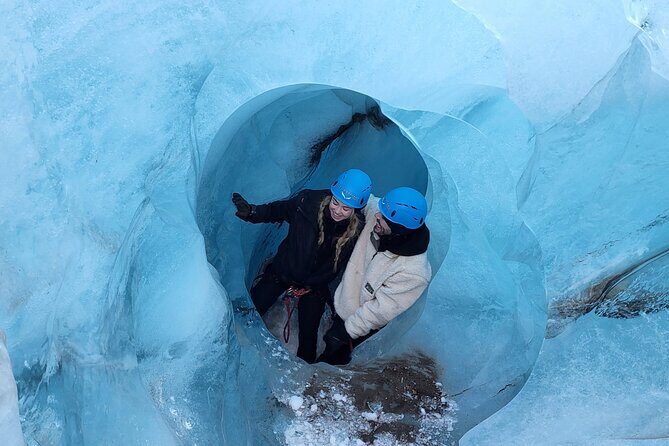
This hike is built for many photo opportunities. You’ll stop for viewpoints, and you’ll likely get chances to watch the glacier in motion—like pieces of ice falling and the sound traveling through the ice.
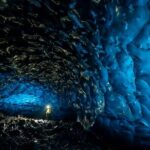
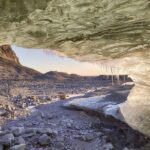
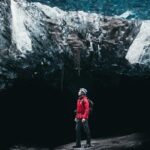
One extra note from past guests: guides sometimes show ice formations that are changing quickly, including ice cave areas that can form during the season. In at least one account, the group even crawled through a forming ice cave. Still, treat cave access as condition-dependent. The glacier controls what’s safe that day.
A good rule: bring a camera setup that works with cold hands, and don’t plan to stay frozen holding your gear. Your guide will keep safety first, so if you see something cool, ask quickly and move as instructed.
What’s included: safety gear, coffee/tea, and a weather heads-up
Included in the price:
- Coffee and/or tea
- Safety equipment: helmet, harness, ice axe(s), and crampons
- A weather & expected conditions report sent 1 to 2 days before your trip
- Pre-trip communication with your guide via WhatsApp/Email
- Mobile ticket and English-speaking guide
Not included:
- Bottled water
- Mountain boot rental (if you need it): €15 per person
- Lunch
- Transportation to the area (you’ll need your own car)
That inclusion list is actually a big value point. Glacier safety gear isn’t cheap, and it’s not just about having it. It’s about having the right size, the right setup, and instruction that helps you use it without guesswork.
Boots, water, and lunch: the stuff that can make or break your day
If you don’t already own proper mountain boots, plan on the €15 boot rental. You’ll want footwear that stays stable when crampons are on and when the ground tilts.
Bring water, since bottled water isn’t included. Also, plan for lunch on your own. A full-day glacier hike takes energy fast, and you’ll feel it more when you’re out in wind and cold.
One small planning tip: snack before you leave Freysnes, and then have a simple plan for energy during the day. Even with coffee/tea included, your body still needs steady fuel.
Price and value: why $408.48 makes sense for this specific kind of guide work
At $408.48 per person, this isn’t the cheapest thing you can do in Iceland. The value isn’t just that it’s glacier walking. It’s what you’re getting for the group size and the safety complexity.
You’re paying for:
- A max 4 traveler group setup
- Included glacier safety gear (helmet, harness, crampons, ice axe(s))
- On-ice coaching that starts easy and ramps up
- Guide skill that includes anchors, ropes, and cut steps
- A guide who teaches geology/glaciology, not just logistics
If you’re comparing to larger-group glacier tours, the trade-off is clear: you’ll likely spend less time waiting, you’ll get more feedback, and you’ll have a better shot at feeling steady on the ice. For many people, that’s worth the cost.
Who this hike is best for (and who should rethink it)
This tour says you should have strong physical fitness. That usually means you can handle long cold walks, uneven ice, and the fact that you’ll be using different muscles than you expect.
It also fits best if you like structured learning. If you’re the type who wants to understand the why behind what you’re doing—how glaciers move, how they’re changing, what that means for the future—you’ll get extra satisfaction from the geology talk.
If you only want a short scenic look with minimal gear work, you might feel this is more effort than you expected. But if you want to actually travel across Vatnajökull with confidence, this setup is exactly the point.
Weather reality: why your day depends on conditions
This experience requires good weather. The operator sends a weather and expected conditions report 1 to 2 days before, so you’ll have a heads-up rather than a last-minute surprise.
If conditions don’t work, you’ll be offered a different date or a full refund. That’s important on glaciers, where safety isn’t optional and where conditions can change quickly.
Should you book this Vatnajökull glacier hike?
Book it if you want:
- A small-group glacier experience (max 4)
- Included real safety gear and step-by-step technique practice
- A guide who can explain geology and glaciology while you’re on the ice
- The chance to go beyond easy areas and experience steeper terrain with support
Skip it (or pick another option) if:
- You don’t meet strong fitness expectations
- You’re not prepared for cold, long outdoor time
- You’re hoping for a mostly casual hike with minimal gear work
If you’re ready for a true glacier day and you like learning by doing, this is one of the better ways to experience Vatnajökull from Skaftafell—because the focus stays on safety, skill, and the big ideas you can actually see in the ice.
FAQ
What’s the meeting point and start time?
You meet at Freysnes (Freysnes Gas Station) at 9:00am. The activity ends back at the same meeting point.
What group size should I expect?
The tour runs with a maximum of 4 travelers per guide, for a more personalized experience.
What safety gear is included?
Your safety equipment includes a helmet, harness, ice axe(s), and crampons.
Is boot rental available if I don’t have my own?
Yes. Mountain boot rental is available for €15 per person if you don’t have your own boots.
Are coffee or drinks included?
Yes. The tour includes coffee and/or tea. Bottled water is not included.
Do I need to arrange transportation?
Yes. You need your own car to get to the area. The tour does not include transportation.
What happens if weather is poor?
This experience requires good weather. If it’s canceled due to poor weather, you’ll be offered a different date or a full refund. You can also cancel for a full refund if you cancel at least 24 hours in advance.