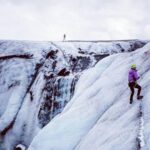
That blue ice can mess with your brain.
The Katla Ice Cave tour from Vík is built around one goal: getting you safely inside an ice cave that forms where Kötlujökull glacier ice has been slowly moving over volcanic Katla. You’ll ride out by superjeep, use the safety gear provided, and walk the snowy approach with a guide who knows how these caves change year to year.
I especially like how the experience stays small-group (up to 14), so it doesn’t feel like cattle herded into a hole in the ice. I also like the human touch: guides such as Helgi, Alex, Siggi, and Benny are repeatedly praised for being friendly, informative, and focused on keeping everyone moving and safe. One consideration: the “3 hours” can be tighter on the inside than you might hope, and weather can stretch the day—sometimes a lot—so build in flexibility.
In This Review
- Key Points Before You Go
- First Steps at the Vík Meeting Point (Ice Cave Bistro)
- The Superjeep Ride to Katla: Why the Drive Is Part of It
- Where Katla Ice Caves Come From (And Why They Look Different Each Time)
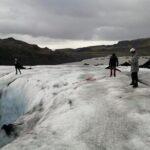
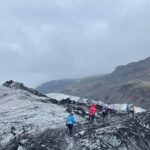
- The Walk-In: Helmets, Crampons, and a Real Winter Approach
- A small but smart prep tip
- Inside the Ice Cave: Limited Time, Big Visual Impact
- You’ll likely see safety work in action
- Guides Who Make (or Break) the Tour
- Price and Time: Is $266.16 Worth It?
- Weather Delays and the Risk Factor (Plan for the Real Iceland)
- Should You Book This If You’re a Thrill Seeker?
- Skip it if you want a relaxed, easy walk
- The Bottom Line: Book It or Not?
Key Points Before You Go
- Small group (max 14): easier to hear your guide and follow instructions on snow and ice.
- Guides with glacier context: you learn how Katla and Kötlujökull relate, not just how to take photos.
- Safety gear is part of the deal: helmets and crampons get you onto the slippery surfaces.
- Ice cave access is weather-dependent: if conditions are poor, you may be moved to another date or get a refund.
- Timing varies: delays happen, and you may be outside longer than planned in winter light.
First Steps at the Vík Meeting Point (Ice Cave Bistro)
You start at Ice Cave Bistro, Austurvegur 20, in Vík. It’s a handy launchpad because you’re already thinking glacier thoughts, and the mood is very much “gear up and go.” From there, you ride out to the glacier area and the ice-cave approach.
This tour is offered in English, and you get a mobile ticket. That’s practical in Iceland—less paper, fewer things to lose while you’re juggling hats, gloves, and camera straps.
You can also read our reviews of more tours and experiences in Vik
The Superjeep Ride to Katla: Why the Drive Is Part of It
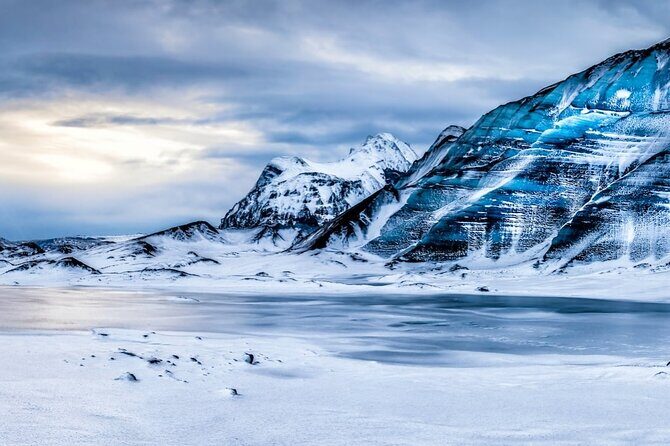
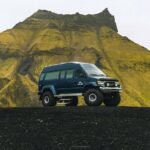
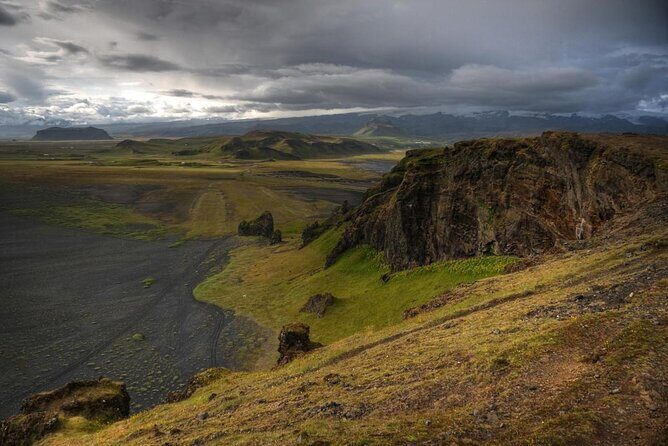
The trip includes a superjeep ride from Vík out toward Mýrdalsjökull glacier, where Kötlujökull comes from. This matters because the cave isn’t random ice. It’s glacier ice shaped and cut over time above the volcano Katla—so the “why” behind the ice formations is the core story.
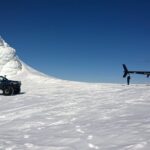
You’re not just transported; you’re rolling through a winter-world of snow and textured terrain, and you’ll be glad you’re not trying to do this in a regular car. One theme from the best experiences is how the superjeep feels like it’s built for the conditions—steady, purposeful, and designed for rough travel.
Where Katla Ice Caves Come From (And Why They Look Different Each Time)
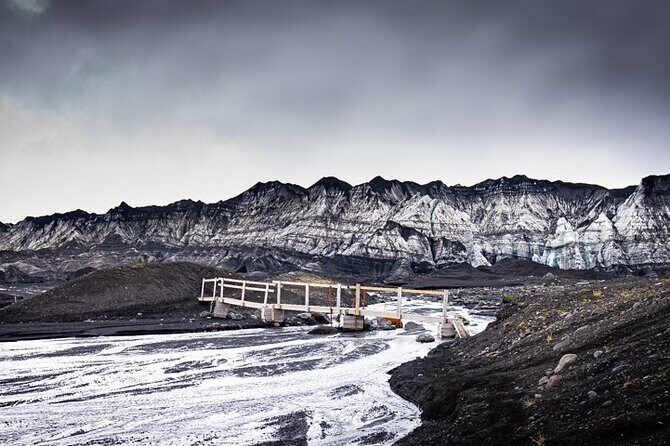
Here’s the useful science in plain language. Kötlujökull glacier ice is named after Katla, and that ice has been slowly creeping down from the glacier-covered volcano. As the massive ice moves, it forms natural spaces—ice caves with structure, corridors, and light patterns that shift over time.
A guide like Alex is specifically mentioned for explaining that the ice caves are different each year, which is exactly what you want to hear before you step inside. You’re not seeing some static “set piece.” You’re seeing a living, changing system of ice that’s being reshaped by weather and time.
The Walk-In: Helmets, Crampons, and a Real Winter Approach
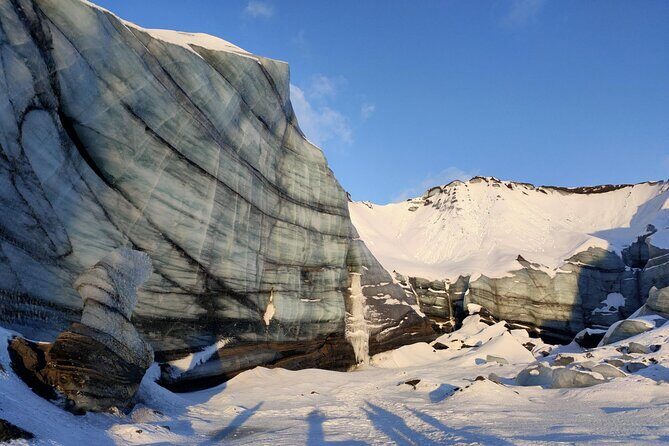
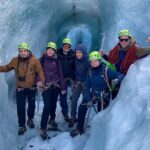
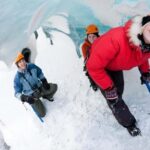
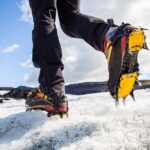
Expect a walk that’s more than a casual stroll. You’ll be outfitted with safety gear—reviews mention helmets and crampons—because you’re moving on snow and ice where footing can change fast.
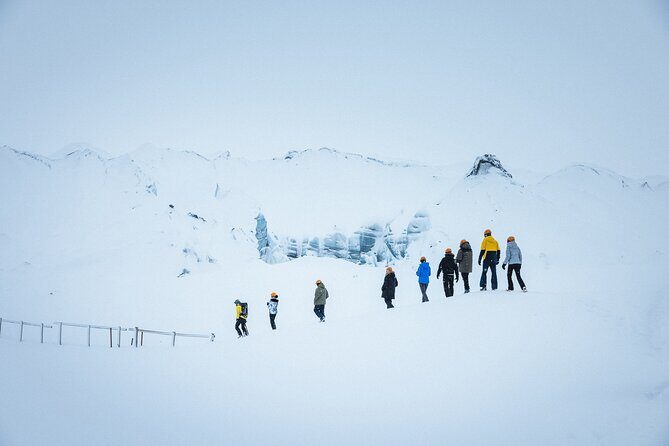
A key thing: the path can be narrow and uneven, especially when snow has drifted or visibility is reduced. In a couple of experiences, people were navigating snowy trails where stepping off the edge wasn’t a good idea. That’s not meant to scare you. It’s meant to help you pack and pace like it’s winter travel, because it is.
A small but smart prep tip
If there’s any chance your tour runs later than expected (weather delays do happen), bring a small headlamp or flashlight. Some paths may be dim even if the cave itself has lighting. A headlamp also gives you more confidence when you’re walking down in low light.


Inside the Ice Cave: Limited Time, Big Visual Impact
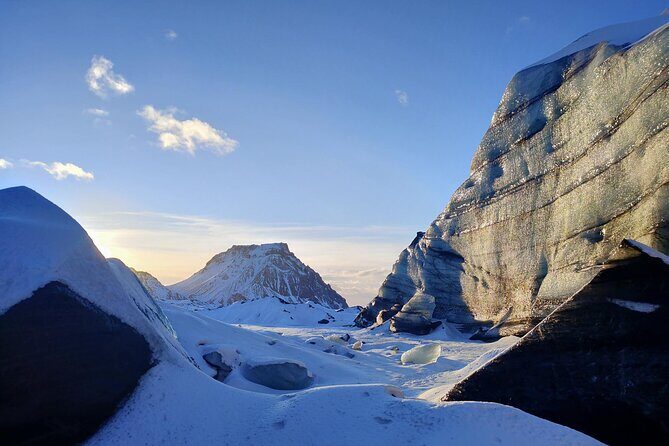
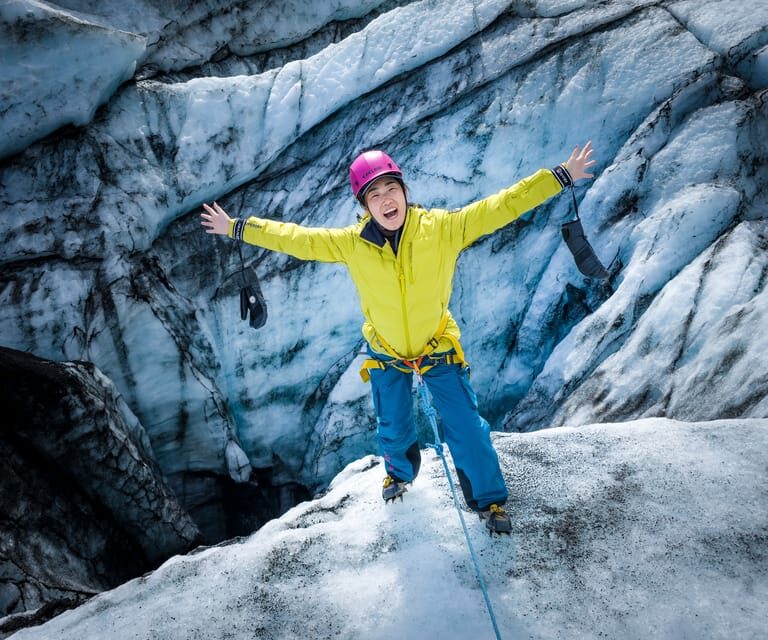
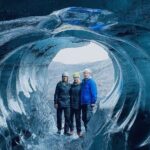
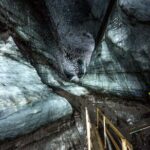
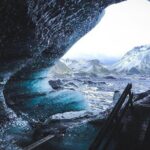
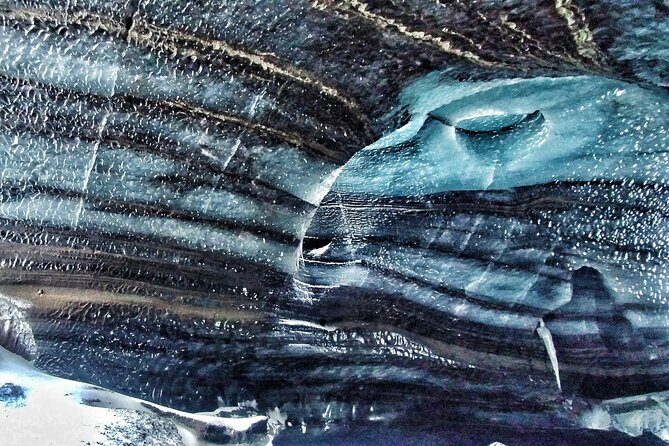
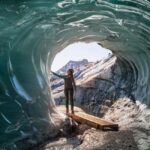
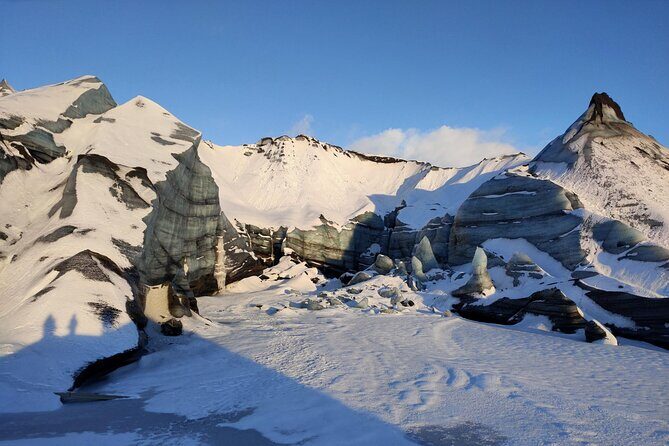
The ice cave itself is the headline. This is where the tour earns the money and the hype: the ice structure is striking, the colors can look unreal, and the ceiling and walls can make you feel like you’re in a cathedral built by glaciers.
A common theme from positive experiences is that the cave is truly worth it in person, not just on your phone screen. Guides also talk about formations and the fragile nature of the environment, which helps you understand why the experience is controlled and why you won’t be lingering like it’s a museum wing.
One balancing point: you might want more time inside. There’s at least one complaint that the cave visit felt short—more like a quick photo stop than a long wander. Still, with a fragile, changing environment, “short and safe” is often the compromise that keeps access possible.
You’ll likely see safety work in action
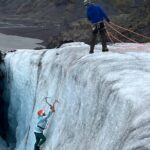
One particularly nice detail: you may see other team members carving and chiseling new stairs into the ice to make the space safer and more accessible. That’s a meaningful cue that this is managed, not just adventurous.
Guides Who Make (or Break) the Tour
This is where the tour either becomes a story you’ll remember—or a stressful scramble.
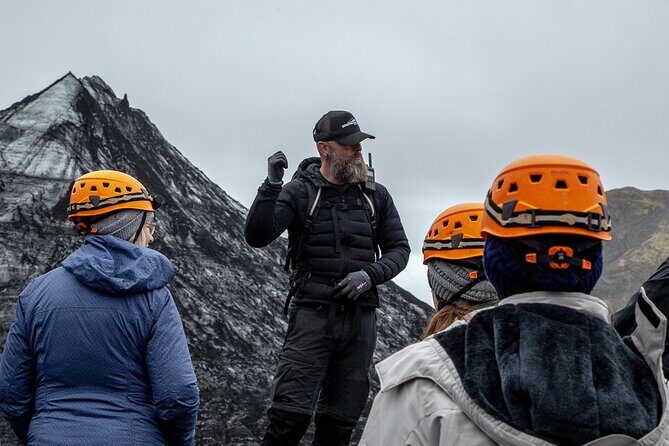
The best experiences consistently mention guides such as Helgi, Alex, Siggi, and Benny as friendly, personable, and knowledgeable. Helgi is even credited with making the tour more memorable with ravens. Alex is praised for explaining ice-cave formation and for keeping people entertained. Siggi gets love for sharing information plus jokes that loosen the tension.
What you’re aiming for with a guide is simple:
- clear instructions on how to move safely
- a calm tone during the snowy approach
- real explanations of what you’re seeing
On the good days, that combo makes the whole experience feel smooth, even if the terrain is challenging.
Price and Time: Is $266.16 Worth It?
This tour costs $266.16 per person, and that’s not cheap. So the real question is: what are you paying for?
You’re paying for:
- access to a premium natural attraction (the cave itself)
- a guided descent/approach with safety gear (helmets and crampons)
- superjeep transport built for glacier terrain
- small-group attention (max 14)
You’re also paying for logistics that are weather-driven. When conditions cooperate, it’s a high-value experience. When conditions get rough, the “3 hours approx.” can stretch, and part of the day may be spent waiting or rerouting.
If you hate uncertainty and you’re the type who wants a guaranteed schedule down to the minute, this is where you’ll feel the strain. If you’re okay with a flexible timetable in exchange for a once-in-a-lifetime ice cave, you’re more likely to feel the value.
Weather Delays and the Risk Factor (Plan for the Real Iceland)
This tour needs good weather. If conditions are poor, you’ll be offered a different date or a full refund.
And even with decent weather, winter can still slow things down:
- superjeeps and vehicles may deal with terrain challenges
- groups sometimes need extra time to coordinate on the glacier approach
- if the day runs late, light fades faster than you expect
A couple of experiences describe feeling that communication wasn’t great during delays, and that some guides gave limited instructions. I can’t promise that won’t happen, so here’s how I’d protect your day:
- arrive with layers you can breathe in, not just layers you can wear
- bring snacks and water (at least something small) so you’re not waiting hungry
- use a calm, patient mindset when weather shifts the plan
This isn’t a low-effort activity. It’s an ice cave tour. Ice cave tours live in the same reality as glacier weather: it can change without asking permission.
Should You Book This If You’re a Thrill Seeker?
If you’re the type who likes winter adventure, you’ll probably love this. The “thrill” here isn’t bungee jumping. It’s the combo of crampons-on footing, a descent into bright blue ice, and a guide who turns it into a real story about Katla and moving glacier ice.
You’ll also like it if you care about small-group size. With max 14, your guide can actually manage pace, spacing, and safety.
Skip it if you want a relaxed, easy walk
If your idea of fun is a gentle nature stroll with plenty of time to linger, plan carefully. Some people describe the walk as more demanding than an easy hike. If you’re worried about narrow snowy trails, fatigue in winter conditions, or you dislike the possibility of delays, you may want a different glacier activity with a more predictable schedule.
The Bottom Line: Book It or Not?
Here’s my practical take. Book this Katla Ice Cave tour if:
- you really want to see the ice cave in person (not just pictures)
- you’re happy with a guided winter walk and using safety gear
- you can handle some schedule uncertainty from glacier weather
Think twice if:
- you expect the full 3 hours to be inside the cave
- you need strict timing with no delays
- you’re not comfortable walking on snow and ice for a period of time
If you do book, go in with the right mindset: you’re buying access to a fragile, changing ice world, and the best guides turn that into something memorable—whether you meet Helgi, Alex, Siggi, or Benny.