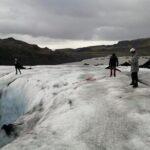
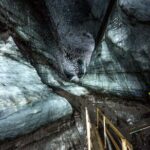
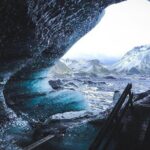
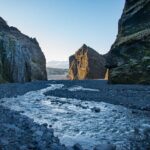
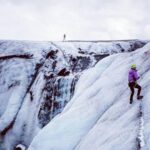
Glacier riding around Vik turns a normal day into full-on motion, from the moment you meet at Brúbasecamp to the views stretching toward the Westman Islands. You’re on Eyjafjallajökull itself, and you can pick the 10am or 2pm departure to match your drive and sightseeing rhythm.
Two things I really like about this tour are the guided approach and the included cold-weather gear. You get a local guide plus insulated cover-alls, a helmet, and a snowmobile balaclava face mask, so you’re not piecing together protection at the last minute.
One consideration: your exact experience depends on snow and weather. If conditions won’t support snowmobiling, the plan may switch to a buggy ride on the tundra near the glacier, and you’ll want to be ready for cold, wet changeable Iceland days. Also, bring footwear plans early because appropriate hiking boots/shoes are required but not included.
In This Review
- Quick hits before you go
- Brúbasecamp near Seljalandsfoss: the practical start point
- Timing it right: 10am or 2pm departures from Vik
- Gear check: cover-alls, helmet, and the boots question
- The glacier ride: what the 3 hours feels like
- Eyjafjallajökull highlights: glacier time, Goðasteinn, and eruption effects
- Eyjafjallajökull Glacier stops
- Goðasteinn at 1,666m
- The effect of the 2010 eruption
- Westman Islands views: why the coastline is part of the point
- When snow doesn’t cooperate: the buggy plan B on tundra
- Guides and safety: what you should expect on the day
- Price and value: is $318 per person fair for this glacier day?
- Logistics you can control: boots, gloves, and arriving on time
- Who should book this Eyjafjallajökull snowmobile tour from Vik
- Should you book this snowmobiling experience?
- FAQ
- How long is the snowmobiling on Eyjafjallajökull tour?
- Where do I meet for the tour?
- What is included in the price?
- Do I need to bring boots?
- Is the tour offered in English?
- What happens if conditions mean no snowmobiling?
- How many people are on the tour?
Quick hits before you go
- Small group feel (max 15) keeps the day from turning into a cattle-herd ride
- Goðasteinn (1,666m) gives you that big, above-the-ice viewpoint
- 2010 eruption effects add real context to what you’re seeing up close
- Included cover-alls + helmet + face mask means less guesswork on clothing
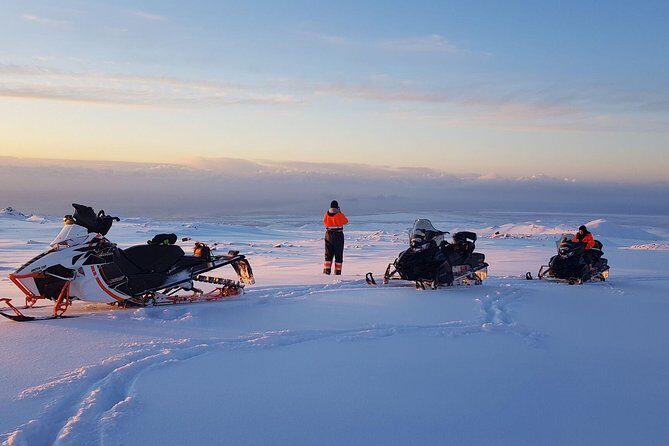
- Snowmobile can shift to buggy mode when Iceland doesn’t cooperate
- Photo stops and time on the machines help make the experience feel like your own day, not just a drive-by
Brúbasecamp near Seljalandsfoss: the practical start point
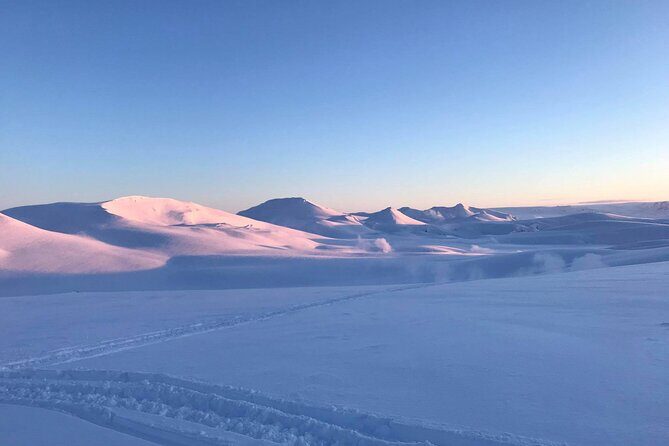
The tour starts from Southcoast Adventure / Brú Base Camp on Road 249, about 3km from Seljalandsfoss Waterfall. That matters because Vik sits in the middle of a road-trip loop. If you’re already planning to see waterfalls and black-sand coast nearby, this meeting point keeps your logistics simple.
The day is built around a single, clear out-and-back route: you depart, you ride and stop for viewpoints and glacier walking moments, then you return to the same meeting point. That helps if you’re juggling other must-dos in the area, like evening driving time or an extra meal stop before you head back to your lodging.
You can also read our reviews of more tours and experiences in Vik.
Timing it right: 10am or 2pm departures from Vik
You choose either a morning or afternoon departure, which is great in Iceland because the weather has its own agenda. If you’re the type who likes to see how the day develops before committing, the 2pm slot can feel like a smart hedge. If you want the most daylight flexibility for the rest of your itinerary, 10am gives you that.
In reviews, conditions sometimes looked gray in Vik but improved for the glacier activity itself. The takeaway is not to assume. Instead, pick your departure based on the rest of your travel plan, then dress like you’re stepping into wet wind even if the sky looks friendly at check-in.
Gear check: cover-alls, helmet, and the boots question
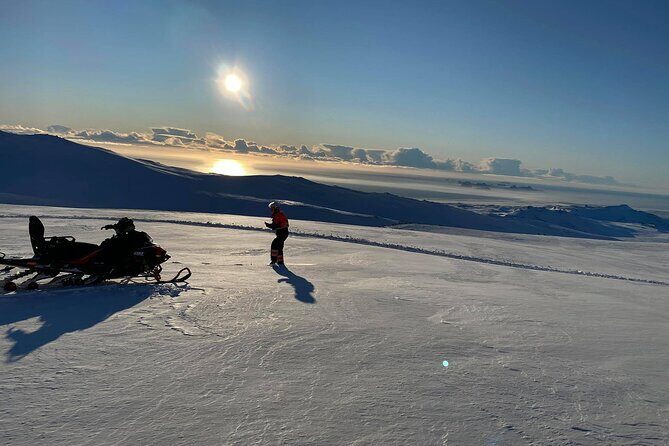
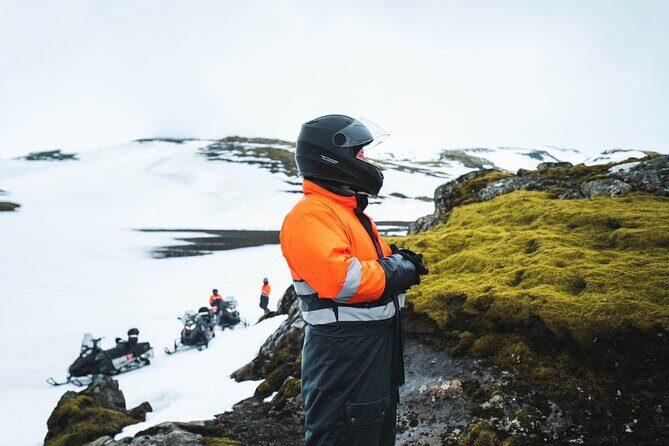
This tour is one of the better value setups because it provides real protective gear. Included in your cost are an insulated cover-all, a helmet, and a snowmobile balaclava face mask. That helps a lot because Eyjafjallajökull weather can feel sharply different from the parking area.
What you still need to handle yourself:
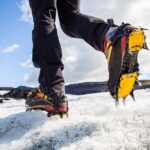
- Hiking boots/shoes are required (not included)
- Gloves are recommended, and you may be able to get them if needed, but don’t count on it as your main plan
- Bring warm headwear (a wool hat or balaclava-type solution). Balaclavas are provided if needed.
A small note from experience-style feedback: some people were surprised about footwear and hand protection. Your best move is to show up with proper waterproof/warm boots and gloves you trust. It’s not the moment to realize your shoes are more fashion than function.
The glacier ride: what the 3 hours feels like
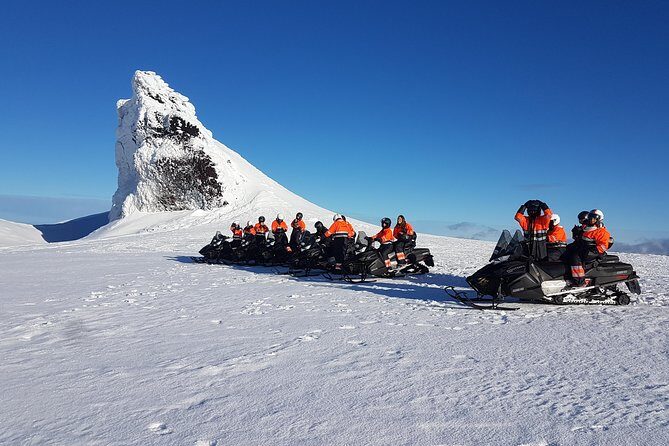
The total experience runs about 3 hours. Expect a drive into the glacier area first, then your snowmobile time on the ice. One review described a drive of about 30 minutes from the area into the mountains and onto the glacier, and that kind of pacing is typical for this region.
On the snowmobile portion, the tour is designed so beginners can participate, but it still requires attention. You’ll be riding on an active-feeling surface with wind and visibility changes. The guide controls the pace and route, and the group size stays small enough that you’ll actually be able to hear instructions when conditions are loud.
A big part of why this tour works is that it includes more than just a straight line. You’ll have stops for views and photos, plus time where you can ride and explore the snow area within the guided structure.
Eyjafjallajökull highlights: glacier time, Goðasteinn, and eruption effects
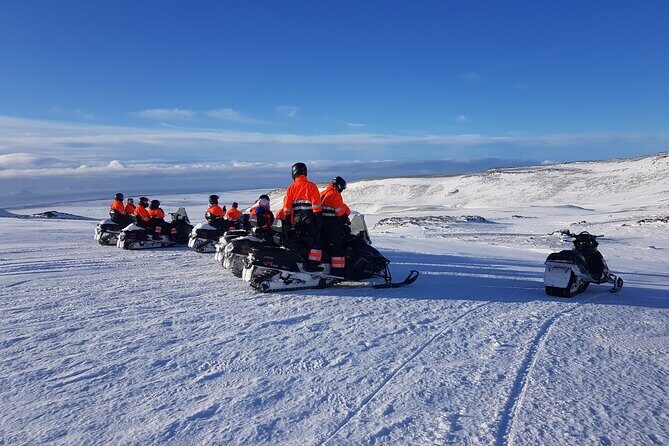
This is the tour’s core storytelling arc: you move across Eyjafjallajökull and stop at meaningful places, not random spots.
Eyjafjallajökull Glacier stops
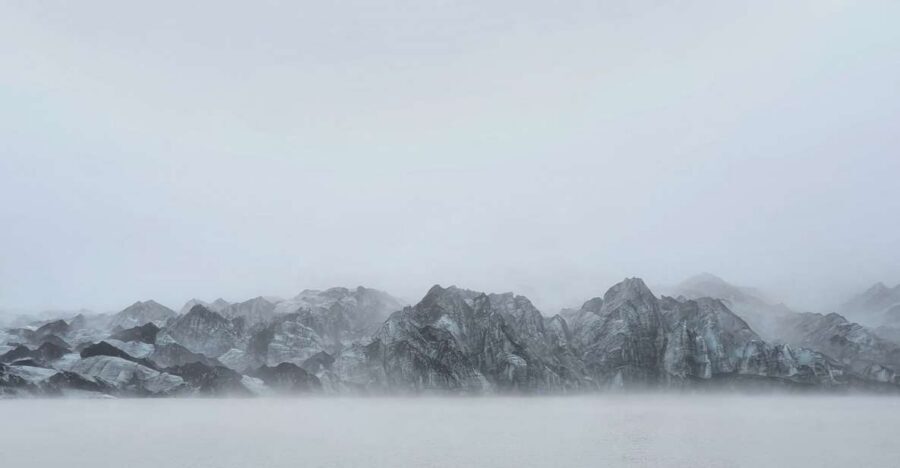
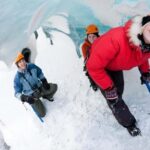
You’re riding on the glacier, and the stops help you slow down and absorb what’s happening underfoot. Glacier terrain can look similar until you notice the subtle changes in texture, ridges, and how the ice meets rock.
Goðasteinn at 1,666m
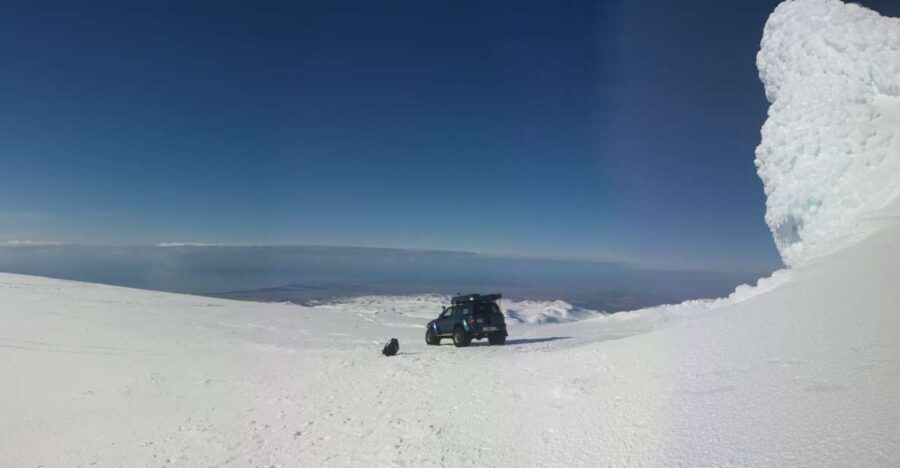
You’ll reach Goðasteinn, described as the highest point of Eyjafjallajökull at 1,666 meters. Even without getting lost in numbers, higher points tend to deliver wider views. That’s where you get a sense of scale: the ice isn’t a flat stage; it’s a huge system.
The effect of the 2010 eruption
You also get an explanation of what the 2010 Eyjafjallajökull volcanic eruption changed. This is valuable because it turns your ride into something you can mentally map. Instead of only saying, Wow, glacier, you start noticing how the terrain carries fingerprints of past activity.
Westman Islands views: why the coastline is part of the point
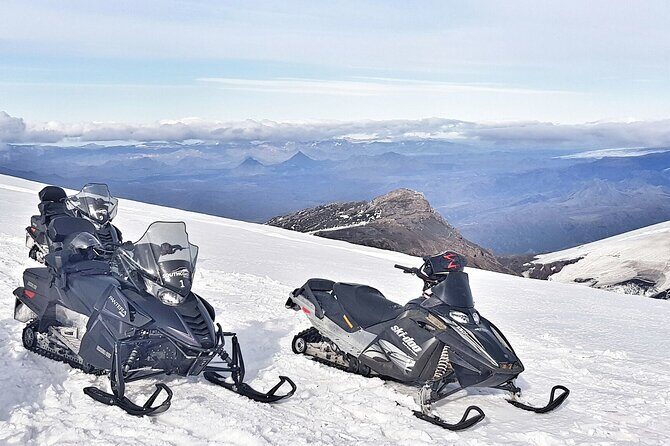
The itinerary includes a view over the Westman Islands. That’s not just scenic garnish. When you can see islands and ocean from a glacier, you understand the geography: you’re far from the highway, but you’re not isolated. The ocean horizon anchors the scale, so the glacier doesn’t feel abstract.
This also helps with photography. You’re not stuck shooting only snow and sky. You can include a horizon line, islands, and the way the light cuts across ice.
When snow doesn’t cooperate: the buggy plan B on tundra
Iceland’s big trick is making you flexible. If there isn’t enough snow for snowmobiling, or weather reduces safety, the tour may switch to buggies and ride along the tundra by the glacier.
This is not a downgrade in every sense. In one review, the weather forced an itinerary change, and the buggy ride turned into an amazing, picture-heavy adventure with long sunset light. Another person ended up on a buggy tour because there was a snow shortage in Iceland at the time.
So here’s the practical mindset: book the experience, not just the word snowmobile. The guide still aims to deliver the glacier views, the key stops, and the thrill of moving across the ice zone.
Guides and safety: what you should expect on the day
A consistent theme in feedback is that the guides make people feel safe. One review called out a guide named Robert and praised him specifically. Another described a guide with a ranger and search-and-rescue background, which is the sort of detail that makes you relax a little.
You still need to do your part:
- Listen at the start when they explain how to handle the machine
- Keep your eyes up for signals when visibility drops
- Dress for wind and wet, not only for comfort
The good news: the tour structure supports first-timers. It’s not a solo dare project. It’s guided, paced, and built around a clear route with stops.
Price and value: is $318 per person fair for this glacier day?
At $318.37 per person for about 3 hours, you’re paying for a full guided experience that includes meaningful cold-weather gear. You’re not just renting a machine; you’re also buying access to the glacier zone with a local guide, plus insulated cover-alls, a helmet, and a face mask.
Value improves if:
- You’re traveling as a couple or small group and want a smooth, structured outing without equipment hunts
- You want photo stops and time to move around rather than a quick drive-by
- You care about safety and history context (like the 2010 eruption explanation)
There are, however, two value questions to clarify before you arrive:
- If you’re expecting your own snowmobile, confirm how machine assignments work for couples. One negative review said multiple couples ended up sharing designated snowmobiles. That may not be your experience, but it’s worth asking.
- Location confusion can waste time. One bad review complained about missing the reservation due to finding the wrong spot. The meeting point is on Road 249 near Seljalandsfoss, so do a quick map check ahead of time and aim to arrive early.
Logistics you can control: boots, gloves, and arriving on time
Here’s how to make this tour feel smooth even if Iceland gets moody.
First, footwear. Because boots/shoes aren’t included, bring something waterproof and grippy. If your shoes feel fine in town but become slick on wet terrain, switch them out before you leave.
Second, gloves and head warmth. Warm gloves and a wool hat or balaclava-type headwear are recommended because you’ll be exposed to wind chill. If you’re unsure about what you’ll have on hand, plan to wear what keeps you warm for at least an hour outside.
Third, arrival time. The meeting point is specific. Don’t treat it like a vague region. Get there early, because you’ll likely spend a few minutes suiting up.
Who should book this Eyjafjallajökull snowmobile tour from Vik
This fits best if you want:
- A guided glacier experience near Vik with big viewpoints
- A beginner-friendly setup where you’re not forced into technical riding
- A day that mixes action with interpretation (Goðasteinn and the 2010 eruption context)
It may not be ideal if:
- You hate uncertainty about whether snow conditions will allow snowmobiling
- You want zero chance of switching to buggies
- You’re very budget-sensitive and would rather chase DIY options (though you’d still need gear and safety choices)
If you’re coming from Reykjavik after a busy night, the ability to choose 10am or 2pm can help you manage fatigue and keep the day enjoyable.
Should you book this snowmobiling experience?
Yes, if you want a well-supported glacier outing that prioritizes safety, includes real cold-weather gear, and offers more than just a straight ride. The highlights are strong: Goðasteinn at 1,666m, Westman Islands views, and the story of the 2010 eruption.
Book it with one clear expectation: Iceland conditions decide the exact ride format. If you show up ready with proper boots and warm layers, you’ll still get that glacier access and big-sky photo moments, whether it’s snowmobiles or the buggy alternative.
If you want, tell me your travel dates and whether you’re coming in winter or summer. I can help you plan what to expect for weather risk and how to fit the 10am vs 2pm slot into a realistic South Coast day.
FAQ
How long is the snowmobiling on Eyjafjallajökull tour?
It lasts about 3 hours (approx.), starting either at 10am or 2pm.
Where do I meet for the tour?
You meet at Southcoast Adventure / Brú Base Camp, Road 249, near Seljalandsfoss, and the activity ends back at the meeting point.
What is included in the price?
The tour includes a local guide, an insulated cover-all, a helmet, and a snowmobile balaclava face mask.
Do I need to bring boots?
Yes. Appropriate hiking boots/shoes are required but not included.
Is the tour offered in English?
Yes, the tour is offered in English.
What happens if conditions mean no snowmobiling?
The experience requires good weather, and if it’s canceled due to poor weather you’ll be offered a different date or a full refund. In some cases, the plan may switch to another glacier-area activity.
How many people are on the tour?
The group size has a maximum of 15 travelers.