Four days in winter Iceland feels like a race.
This trip is built for winter-specific highlights, especially glacier hiking and blue ice cave access that you usually only get on cold-season departures. I also like the way the itinerary blends big-name sights with dramatic coastal stops, all while keeping you moving in a small group with pickup and included stays.
Two things I really like: first, the tour bundles the hardest parts together—safety equipment + guided ice cave time—so you’re not stitching together multiple separate tours. Second, you get accommodation and breakfast included, which makes the whole trip feel less like logistics and more like enjoying the day.
The one consideration is that winter is weather-driven. Stops and timing can shift, and the Northern Lights are never promised—this route just gives you more nights and better chances than a quick day tour.
In This Review
- Key highlights at a glance
- Why This 4-Day Winter Route Actually Makes Sense
- Price and What You’re Really Paying For
- Day 1 on Snæfellsnes: Kirkjufell, Seals at Ytri Tunga, and Black-Sand Drama
- Kirkjufell and Kirkjufellsfoss: the quick photo that never gets old
- Ytri Tunga Beach: sea stacks, troll stories, and a seal check
- Djúpalónssandur: lifting stones and the 1948 shipwreck mood
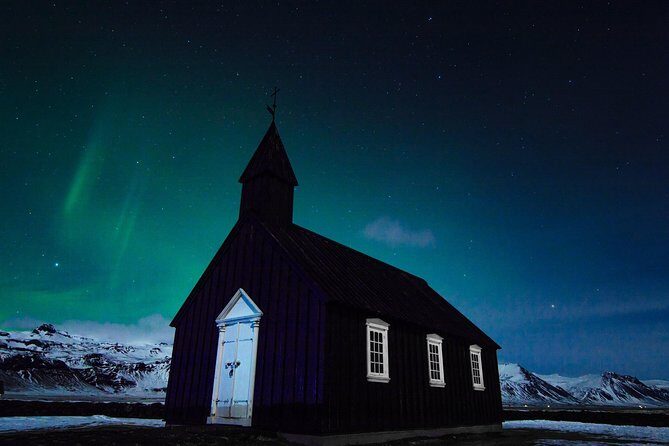
- Búðakirkja: the quiet power of a black-painted church
- Saxholl Crater: a staircase to a 360° view
- Day 2 Golden Circle: Strokkur Every Few Minutes, Gullfoss Mist, and Þingvellir Plate Views
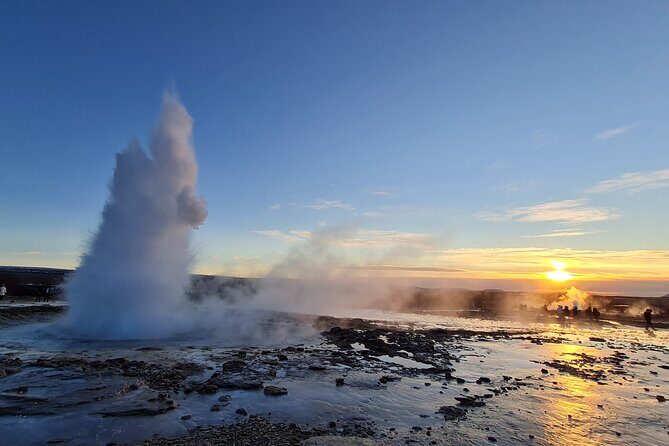
- Geysir and Strokkur: expect action, not rare drama
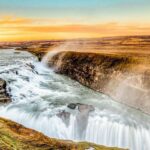
- Gullfoss: deep canyon water and rainbow mist on the right day
- Þingvellir National Park: tectonic plates where you can see the rift
- Day 3 South Coast Power: Seljalandsfoss Behind the Water, Skógafoss Stairs, and a Real Glacier Hike
- Seljalandsfoss: the behind-the-falls walk (raincoat needed)
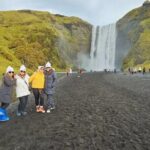
- Skógafoss: a 60-meter drop with stairs for a view
- Skaftafell and the glacier hike: where the trip turns from sightseeing to skill-building
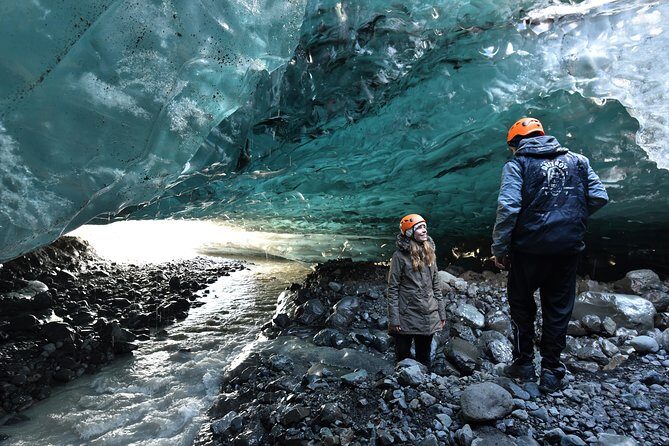
- Blue ice cave exploration: the color is real, but safety is the priority
- Day 4 Glacier Lagoon and Black Sand: Jökulsárlón, Super Jeep to Blue Ice, and Reynisfjara Basalt Columns
- Jökulsárlón Glacier Lagoon: the 200-meter deep feeling
- Super jeep transfer and blue ice cave again
- Fellsfjara: icebergs meeting the black sand
- Reynisfjara: basalt columns, huge waves, and the coast’s attitude
- Northern Lights Odds: Why Multi-Night Beats One Big Night
- Small-Group Energy, Rest Break Reality, and Guide Styles That Matter
- What to Pack for Glacier Caves and Black Sand Wind
- Who This Tour Suits Best (and Who Might Prefer Another Plan)
- Should You Book Troll Expeditions for the Blue Ice Cave Plan?
- FAQ
- What’s included in the tour price?
- Does the tour include Northern Lights searching?
- How big is the group?
- Is pickup included, and where does it happen?
- What if I don’t have waterproof gear or hiking boots?
- What happens if weather is bad?
- Can I cancel for a full refund?
Key highlights at a glance
- Winter-only access to glacier hiking and blue ice caves with safety gear
- Snæfellsnes variety on Day 1: Kirkjufell viewpoints, black-sand beaches, and a Game of Thrones style landmark
- Golden Circle classics on a tight schedule: Strokkur, Gullfoss, and Þingvellir plate-tectonics views
- Two different South Coast ice experiences on Day 3 and Day 4
- Smaller group size up to 18 helps with pacing and photo-friendly timing
- Multi-night setup for aurora odds plus guide tips based on the forecast
Why This 4-Day Winter Route Actually Makes Sense
Iceland in winter is not about ticking boxes. It’s about doing the right things at the right time, with the right gear, and accepting that weather will call the shots.
This tour works because it mixes three regions—Snæfellsnes, the Golden Circle, and the South Coast—without turning each day into a blur of drive-only time. You still get that wow factor from the coast and waterfalls, but the “main event” is the ice: glacier hiking and blue ice cave visits that depend on winter conditions.
Also, with a small max group size of 18, you tend to move more smoothly than on big-bus days. That often means you get set up for viewpoints early, and you spend less time waiting around just to start looking.
You can also read our reviews of more tours and experiences in Reykjavik
Price and What You’re Really Paying For
At $1,523.81 per person for roughly 4 days, this isn’t a bargain in the normal sense. But it is a value deal when you add up what’s included—and what would cost you separately if you planned it yourself.
Here’s what the price typically covers on this trip:
- Pickup and drop-off from designated stops
- 3 nights of accommodation
- 3 breakfasts
- Professional English-speaking guide
- Ice cave tour via super jeep with safety equipment
- Glacier hike with safety equipment
- A set of paid-structure experiences across multiple regions
For winter Iceland, guided ice time is the big cost driver. You’re paying for certified guidance, risk-managed access, and all the gear needed to walk on ice safely. If you were to book those separately (plus hotels), the total can climb quickly.
So think of this as paying for reduced hassle and bundled safety. If you want the freedom to go at your own pace, you may prefer solo travel. If you want the big winter experiences handled for you, this price is easier to justify.
Day 1 on Snæfellsnes: Kirkjufell, Seals at Ytri Tunga, and Black-Sand Drama
Day 1 is all about getting your Iceland “visual vocabulary” right: sharp mountains, volcanic coasts, and eerie-feeling history.
Kirkjufell and Kirkjufellsfoss: the quick photo that never gets old
Kirkjufell is one of those Iceland icons you recognize instantly. You get time to stand near it, and the nearby waterfall Kirkjufellsfoss helps you frame the classic shot—especially when the light is kind and the wind isn’t trying to steal your gloves.
This stop is short (about 30 minutes), so you’ll want to be ready to walk straight to your best viewpoint.
Ytri Tunga Beach: sea stacks, troll stories, and a seal check
At Ytri Tunga, you’re in a small fishing-village pocket where cliffs and coastal formations come from volcanic activity and erosion over time. The practical payoff here is the seal spotting: there’s a seal colony nearby, and you can often see them from a distance if you’re patient and keep your space.
Your guide’s storytelling also brings the area alive, including local folklore tied to the coast. It’s not just standing and staring—this stop gives you a sense of place.
Djúpalónssandur: lifting stones and the 1948 shipwreck mood
This is black-sand Iceland at its most memorable. Dritvik and Djúpalónssandur give you volcanic textures, plus the chance to try the so-called “lifting stones” that fishermen used to test strength.
Then the mood shifts: the beach holds remains related to a 1948 British fishing trawler that stranded on sand reefs, with loss of life and rescues by locals. It’s a reminder that this coast is beautiful and dangerous at the same time.
Búðakirkja: the quiet power of a black-painted church
Búðakirkja is built in 1703 and reconstructed in 1987 after a claim it was restored closer to its original state. What hits hardest is the pure black exterior and the isolation—this isn’t a stop you rush through for details. It’s for feeling the starkness.
If the sky clears, it can be one of the more atmospheric moments of Day 1.
Saxholl Crater: a staircase to a 360° view
You can climb up Saxholl Crater via an iron staircase. The hike isn’t presented as intense, but it does give you a true “look around” payoff—fields and the Snæfellsjökull glacier in the distance from a higher vantage.
This is one of those stops where 30 minutes is enough if you move at a steady pace and watch your footing on cold, possibly icy steps.
Day 2 Golden Circle: Strokkur Every Few Minutes, Gullfoss Mist, and Þingvellir Plate Views
Day 2 leans into three Golden Circle hits, and it does so with the kind of timing that helps winter photographers.
Geysir and Strokkur: expect action, not rare drama
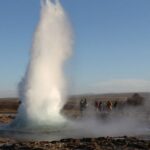
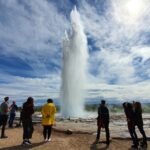
At the geothermal area, Strokkur erupts frequently—up to about every 5 minutes and as high as 40 meters. That’s the easy win for most people: you’re not crossing your fingers for one lucky blast.
Meanwhile, Geysir itself is a slower, less frequent performer today. The stop still works because you’re seeing the variety of hot springs around it, not only one eruption event.
Gullfoss: deep canyon water and rainbow mist on the right day
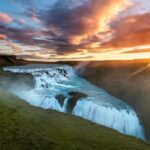
Gullfoss is the waterfall that can look cinematic even in bad weather. The water drops from a deep canyon, fed by melting from a major glacier source (Langjökull is referenced here), and on sunny days you can catch rainbows in the mist.
This stop is also short, so if you want the best angle, you’ll need to know where you’re going fast. The good news: the view points are obvious once you’re there.
Þingvellir National Park: tectonic plates where you can see the rift
Þingvellir is not just scenery. It’s the place where the North American and Eurasian plates separate, and it’s one of the few spots where you can look at the earth’s motion with your own eyes.
You also get a history layer: Þingvellir is tied to Iceland’s parliament founding in 930 AD and the annual gatherings of chieftains. The practical value here is that you’re not stuck in a museum. You’re walking in a dramatic, living geology zone.
Day 3 South Coast Power: Seljalandsfoss Behind the Water, Skógafoss Stairs, and a Real Glacier Hike
Day 3 is where the trip leans into motion and physical effort. You’ll feel it in your legs after the glacier portion.
Seljalandsfoss: the behind-the-falls walk (raincoat needed)
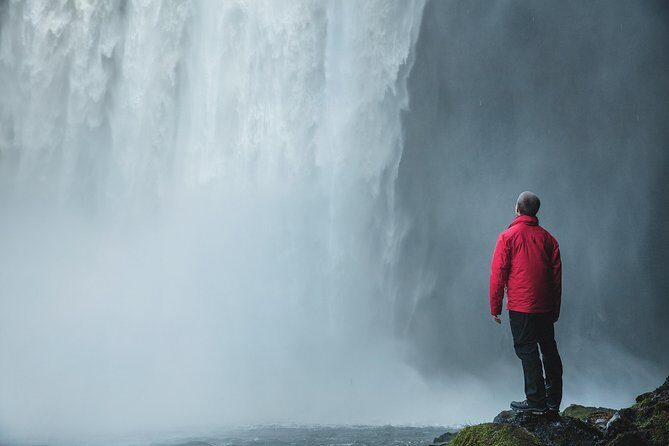
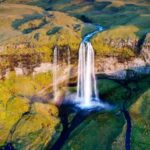
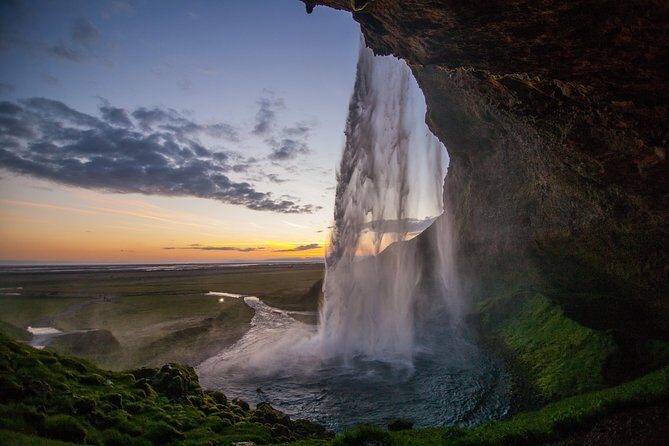
Seljalandsfoss is famous because you can walk behind the waterfall. In winter that’s not just a fun fact—it’s also why your raincoat matters. The ground can be slippery, and the spray can soak you quickly if you’re unprepared.
The upside is a very different perspective than most Iceland waterfalls. It’s also a naturally dramatic photo angle.
Skógafoss: a 60-meter drop with stairs for a view
Skógafoss brings gorge scenery and a steady water roar. There’s a staircase that leads you above the falls for a better look down into the canyon and toward the Atlantic.
A short stop here is enough to get your primary viewpoint and your steps in—just don’t underestimate how cold stone steps can feel.
Skaftafell and the glacier hike: where the trip turns from sightseeing to skill-building
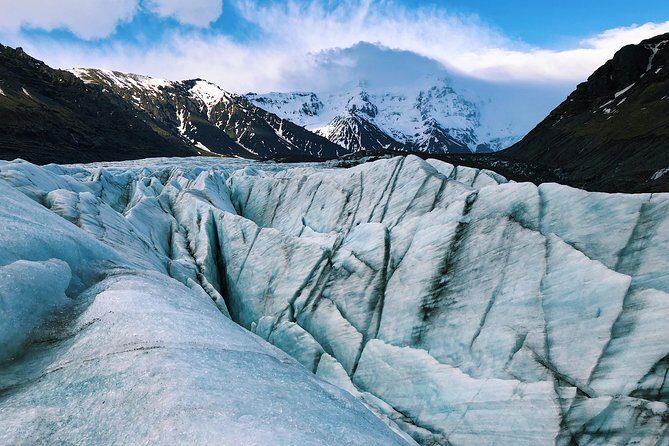
At Skaftafell, you meet trained glacier guides and switch from boots-on-ground to safety-managed ice time. You’ll be strapped into equipment including helmets, harnesses, crampons, and ice axes.
Then comes the glacier hike on an outlet glacier spawning from Vatnajökull. The plan calls for about an hour and a half on the ice. This is the part that changes the entire tone of the trip. You’re learning how to move on ice safely, and you’re rewarded with views you can’t get from a roadside stop.
I love that this section isn’t just a photo walk. The structure is built so you understand what you’re looking at and how to handle the surface.
Blue ice cave exploration: the color is real, but safety is the priority
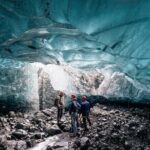
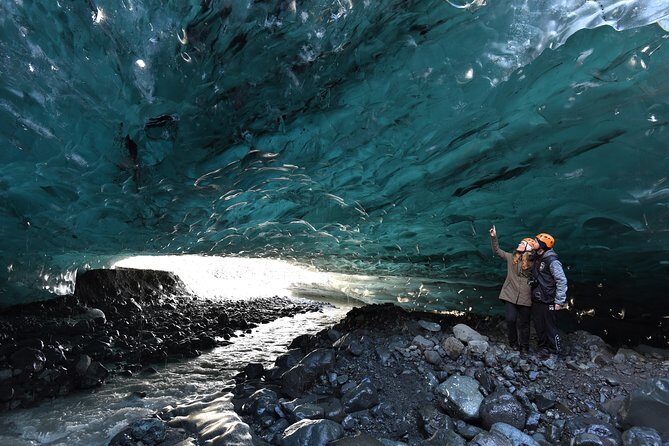
After the hike, you move into blue ice cave exploration. The time shown is about 3 hours for the cave portion, with a short hike to reach it and a big emphasis on guided access.
You should plan on waterproof boots with a solid sole. If you don’t have the right footwear, you may need rentals (more on that below). This is also the type of experience where your guide’s pace and safety checks matter more than speed.
Day 4 Glacier Lagoon and Black Sand: Jökulsárlón, Super Jeep to Blue Ice, and Reynisfjara Basalt Columns
Day 4 has an emotional rhythm: start big and icy, then swing to the ocean. You’ll go from ice quiet to wave noise.
Jökulsárlón Glacier Lagoon: the 200-meter deep feeling
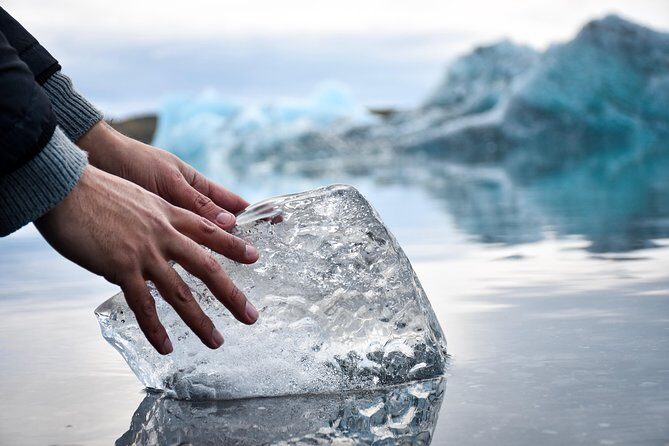
Jökulsárlón is described as around 200 meters deep, fed by Breiðamerkurjökull. The key experience here is seeing icebergs floating in a calm, almost silent setting—time slows down.
You also get a walk alongside the lagoon, which helps you feel the scale without needing special climbing or complicated gear.
Super jeep transfer and blue ice cave again
From Jökulsárlón you travel by super jeep to a blue ice cave, then head back. This is a standout value piece: the ride gets you access that would be hard to reach on your own, and you’re still doing it with the safety framework that ice travel requires.
This is also why the tour is named the Blue Ice Cave experience. You’re not getting one quick cave stop. You’re getting structured ice time that fits the season and the terrain.
Fellsfjara: icebergs meeting the black sand
Across the road is Fellsfjara, where icebergs and ice chunks show up on black sand. The visual contrast is the payoff: small ice rocks can sparkle like diamonds as they settle along the shore.
It’s short, but it’s the kind of stop that makes you stop talking and just look.
Reynisfjara: basalt columns, huge waves, and the coast’s attitude
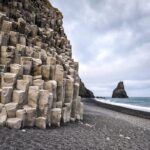
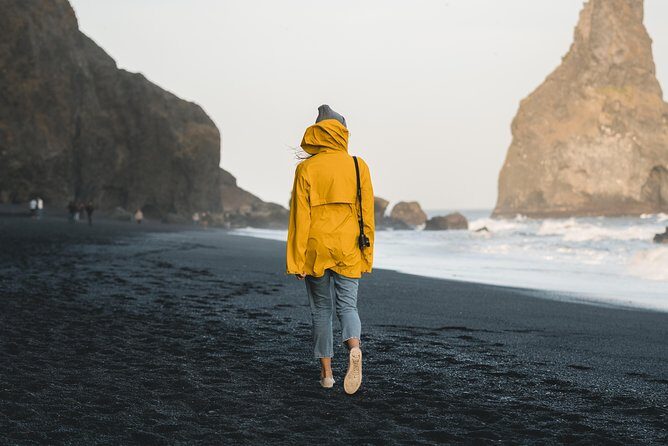
Finally, you hit Reynisfjara, another black-sand beach but with a different feel. Massive Atlantic waves crash in, and you get views of basalt columns above the sand.
You can also see rock pillars out in the water, and the cliffs of Dýrhólaey are referenced in the distance. This is Iceland that doesn’t care if you came for photos.
Northern Lights Odds: Why Multi-Night Beats One Big Night
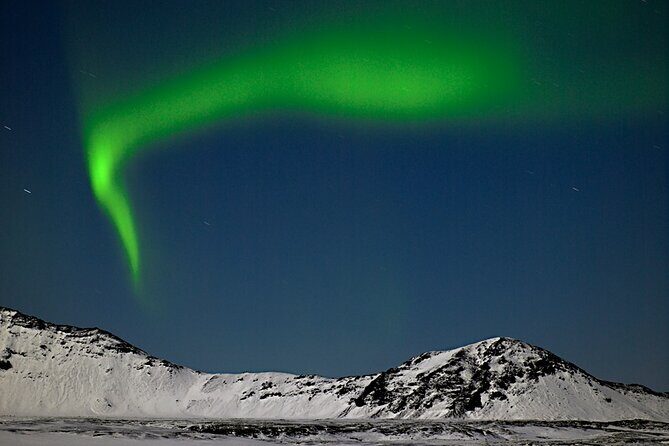
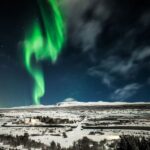
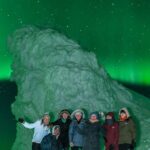
Aurora hunting in Iceland is a mood, not a guarantee. The good news is that this tour is designed as a multi-night plan, which naturally improves your odds compared with doing lights as a single evening add-on.
The guide also provides tips for where to go and uses forecast info. That matters because lights sightings are partly about timing and partly about location, and you don’t want to guess in the dark.
One practical note: if weather is clouded, you may still enjoy the days. The itinerary stays full, and you’re not trapped waiting around with nothing to do.
Small-Group Energy, Rest Break Reality, and Guide Styles That Matter
This tour is limited to 18 travelers, and the pacing tends to reflect that. In winter, being able to move efficiently between stops helps a lot, especially when daylight is limited.
There’s also structure around breaks. One key detail from people who’ve done the trip is that you get restroom stops about every hour and a half to two hours, which is honestly a lifesaver in cold weather.
Guide style can also change your day. People highlight guides such as Siggy for keeping the group on schedule and showing up early at many sights, which can mean fewer crowd interruptions for photos. Thales is also called out for adding extra moments like a waterfall hike behind a main stop. And João gets praise for energetic, organized guiding from the first pickup.
You might not get the same guide names as others, but you can expect guides who care about pacing, safety, and helping you see more than just the front of a waterfall.
What to Pack for Glacier Caves and Black Sand Wind
Cold weather trips get easier when you plan for the worst-case day. This one includes ice time and cave time, plus coastal walking where wind can cut fast.
From the extras listed, you can rent items if you need them:
- Hiking boots rental: 3,000 ISK
- Waterproof jacket rental: 1,750 ISK
- Waterproof pants rental: 1,750 ISK
- Warm hat and gloves combo and other cold gear are also available for rent at set ISK prices
Even if you rent, bring gloves you can use in handheld tasks like taking photos and using your jacket zipper. If your boots are too flexible, crampons and ice movement become harder than they need to be.
Also, if you’re sensitive to cold, consider layering with a plan: base layer, insulation, then waterproof outer. The tour can be active—especially with the glacier hike and cave access—so you want warmth without overheating.
Who This Tour Suits Best (and Who Might Prefer Another Plan)
This trip fits best if you want:
- Guided winter glacier experiences with the right safety gear
- A multi-region itinerary that includes Snæfellsnes, Golden Circle, and South Coast in one go
- Included lodging and breakfasts so you don’t spend evenings researching where to eat
It may feel less ideal if you prefer unstructured days or long stays at fewer sites. Several stops are around 30 minutes, which is great for variety, but not always enough if you like spending hours in one place.
And if you hate driving in winter conditions, be aware the schedule is built around covering a lot of ground across Iceland’s south and west.
Should You Book Troll Expeditions for the Blue Ice Cave Plan?
If you’re coming to Iceland in winter and you want the blue ice caves and glacier hike without the stress of piecing it together, I think this is a strong book.
The value is clearest in the bundle: accommodation + breakfast + pickup + guided ice time with safety equipment. Add the small-group feel and the multi-night aurora strategy, and the trip becomes more than a sightseeing tour—it becomes an organized winter experience.
If you’re on a super tight budget or you’re only after one or two casual photo stops, look at shorter or cheaper options. But if you want a real winter Iceland course with real ice access, this one earns its cost.
FAQ
What’s included in the tour price?
The tour includes 3 nights accommodation, 3 breakfasts, pickup and drop-off from designated bus stops, a professional English-speaking guide, and the ice cave tour via super jeep plus the glacier hike, both with safety equipment.
Does the tour include Northern Lights searching?
The itinerary is designed to give you more chances because it lasts multiple days. The guide can also share tips and forecast info for where to look, but sightings are still weather-dependent.
How big is the group?
The maximum group size is 18 travelers, and it’s described as a small-group experience.
Is pickup included, and where does it happen?
Pickup and drop-off from designated bus stops is included. Due to traffic rules, it may not work at every hotel entrance in downtown Reykjavik, and pickup can start at 8:00 with time needed to collect everyone.
What if I don’t have waterproof gear or hiking boots?
You can rent items on-site, including hiking boots (and also waterproof jacket and waterproof pants). Rentals are listed with separate ISK prices.
What happens if weather is bad?
The experience requires good weather. If it’s canceled due to poor weather, you’ll be offered a different date or a full refund.
Can I cancel for a full refund?
Yes. Free cancellation is available if you cancel at least 24 hours before the experience start time, based on local time.