Iceland’s tectonic clash, with warm lagoon payoff. This private Reykjanes Peninsula tour mixes hands-on geology stops with a no-stress pickup plan, so the day feels built for you, not a schedule. I especially like the guided stops that turn steam vents and lava colors into clear stories, and I like that it’s limited to just your group for a more personal feel. One thing to plan around: Blue Lagoon entry isn’t included, so you’ll need to pre-book and budget for it.
You’ll cover the Reykjanes Peninsula in about 5 hours, with short, focused stops (around 30 minutes each) and a longer 2-hour block at Blue Lagoon. The guide handles the timing and the driving, while you get the fun part: standing near where plates meet, walking boardwalks above hot ground, and then soaking in a man-made geothermal lagoon 45 minutes from Reykjavik.
A final note from what you can expect in practice: the guides can be highly responsive and flexible. One example from this company’s team is guides like Thorir and Siggi, who have helped adjust plans around weather and even provided extra help after the tour when phones failed. Still, if you’re hoping for a very lecture-style guide, be aware that some guiding styles lean more toward chauffeur service than deep explanations.
In This Review
- Key things that make this tour worth your time
- Reykjanes Peninsula in one tight, well-paced day
- Getting picked up at Harpa and heading out without stress
- Bridge Between Continents: walking where North America meets Europe
- Krýsuvík and Seltún: steam, mud pots, and a boardwalk above hot ground
- Reykjanes Lighthouse: built 1878, shaken in 1905, rebuilt 1929
- Kleifarvatn Lake: mythology and a geothermal lake that invites brave visitors
- Gunnuhver Hot Springs: hot mud pools, steam vents, and mineral color
- Blue Lagoon: what’s included, what’s extra, and what makes it worth the detour
- Private guide attention: when Thorir and Siggi-style flexibility matters
- Price and value: $929 per group plus Blue Lagoon entry
- Who should book this Reykjanes Peninsula private day?
- Should you book the Reykjanes Peninsula tour with Blue Lagoon transfers?
- FAQ
- How long is the Reykjanes Peninsula tour?
- Is this tour private?
- Where does the tour start and end?
- Do I need to pay for Blue Lagoon separately?
- What language is the tour offered in?
- Are admission tickets included for the other stops?
- Is pickup available?
- What should I do about weather?
- Can I cancel and get a full refund?
Key things that make this tour worth your time
- Private format for up to 3 people means less waiting and more control over the pace
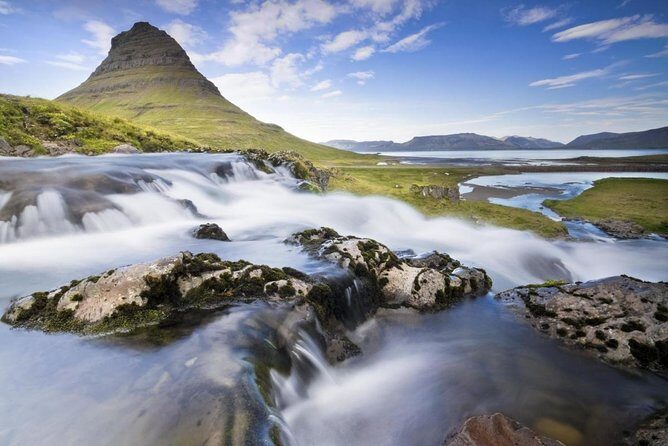
- Bridge Between Continents lets you physically stand where two tectonic plates meet
- Krýsuvík/Seltún geothermal area uses safe boardwalks over steaming ground (including fumaroles and mud pots)
- Gunnuhver Hot Springs delivers big “volcanic steam world” visuals with mineral-painted ground and hot mud pools
- Blue Lagoon transport included (entry extra), so you’re not scrambling for transfers
- Guide flexibility has shown up in real-world trip changes when conditions shift
Reykjanes Peninsula in one tight, well-paced day
If your Iceland trip is short, Reykjanes Peninsula is one of the best places to spend it. It’s close to Reykjavik, yet it feels like another planet: steam vents, sulfur smells, lava rock, and the kind of geology you can’t get from photos.
This is a private tour (not a big bus). Your group is capped at up to 3, and the tour runs about 5 hours. That timing matters because Reykjanes is mostly “see it, stand in it, move on” territory. You’ll get enough time at each stop to actually feel the place—without spending half your day in the van.
The stop pattern also makes sense. You start with geology, move through steam and earthquake history, and then finish with the comfort option: Blue Lagoon. It’s a smart way to balance your senses—burning-hot nature first, then warm, milky water after.
You can also read our reviews of more tours and experiences in Reykjavik.

Getting picked up at Harpa and heading out without stress
The tour meets at Harpa, 101 Reykjavík and returns you back to the same spot. Pickup is offered from most Reykjavik hotels, which is a big quality-of-life upgrade if you don’t want to navigate buses or taxis on windy roads.
You’ll have a mobile ticket, and the experience is in English. Service animals are allowed, and the tour is marked as doable for most travelers—though like most Iceland tours, it’s still weather and terrain dependent once you’re outside.
Practically, private pickup helps you start fresh. You arrive, settle in, and by the time you hit the first viewpoints you’re already in sightseeing mode.
Bridge Between Continents: walking where North America meets Europe
The first stop is the Bridge Between Continents. This is the kind of place where you don’t just look—you can actually walk near the area where North American and Eurasian tectonic plates meet.
You’ll spend about 30 minutes here, and the stop is listed as free of admission fees. Why it’s worth your time: it’s one of those rare experiences where the science is visible in plain sight. Even if you’re not a geology person, you’ll understand the vibe immediately—earth shifting beneath your feet, not in theory but in the setting.
Tip for enjoying it: keep your photos simple. Get a few wide shots first (so you capture the bridge and surroundings), then step closer for the “plates” angle. It’s easy to over-focus on gadgets and lose the bigger moment.
Krýsuvík and Seltún: steam, mud pots, and a boardwalk above hot ground
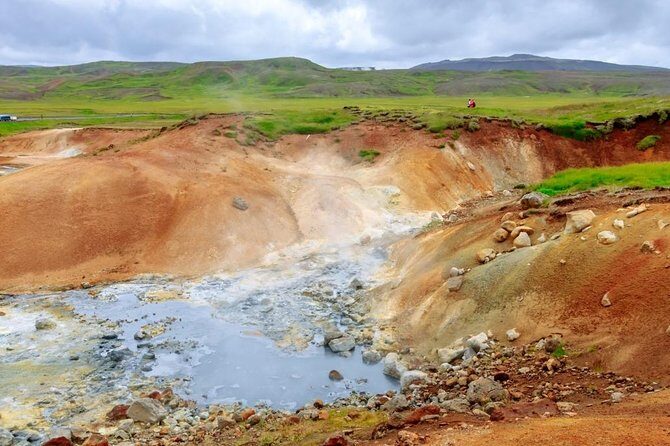
Next up is Krýsuvík and Seltún, one of Iceland’s most famous geothermal areas. Expect multicolored, iconic scenery plus the main event: seething mud pots, fumaroles, and steam rising fast enough to change how you feel on the spot.
This stop is also about 30 minutes, and the admission ticket is free. The key detail here is safety and proximity: there’s a boardwalk that lets you view the steaming activity while staying above fragile hot ground. The description notes that you’re effectively walking above a magma chamber area, which is both thrilling and exactly why the boardwalk matters.
What to watch for:
- The intensity of steam (it can fluctuate quickly)
- The vivid red hills and mineral colors that make the whole area look painted
- Where you place your feet so you stay on the walkways
If you’re the kind of traveler who likes to understand what you’re seeing, this is a stop where a guide can really add value—because the physical cues (steam, color, smell, bubbling) come with a lot of “what’s happening” underneath.
Reykjanes Lighthouse: built 1878, shaken in 1905, rebuilt 1929
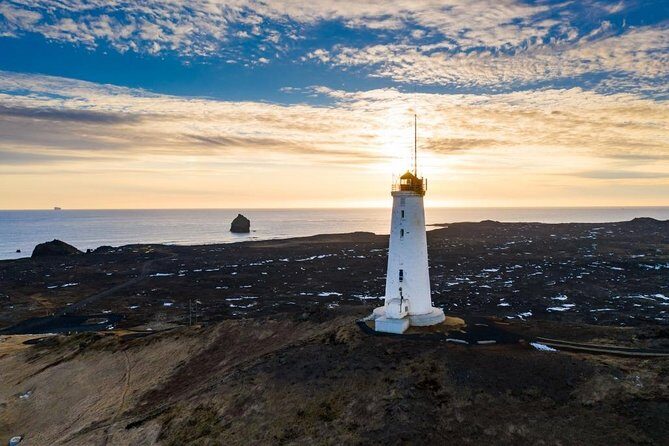
Then the tour shifts from geothermal chaos to human history with the Reykjanes Lighthouse. It’s described as one of Iceland’s oldest lighthouses, built in 1878 and standing 31 meters (102 feet) tall.
Here’s the story that gives this stop weight: it was severely damaged in a major earthquake in 1905, then rebuilt in 1929 at a safer new location. There was also a survey among Icelanders, and Reykjanesvíti Lighthouse was chosen as Iceland’s favorite lighthouse.
This is about 30 minutes and free of admission fees. Even if lighthouses aren’t your thing, I like this kind of stop because it reminds you that Iceland’s forces shape daily life—not just scenery.
Quick consideration: this is a coastal area, and wind can be strong. Bring a layer that blocks wind and keep an eye on how you handle hats and camera straps.
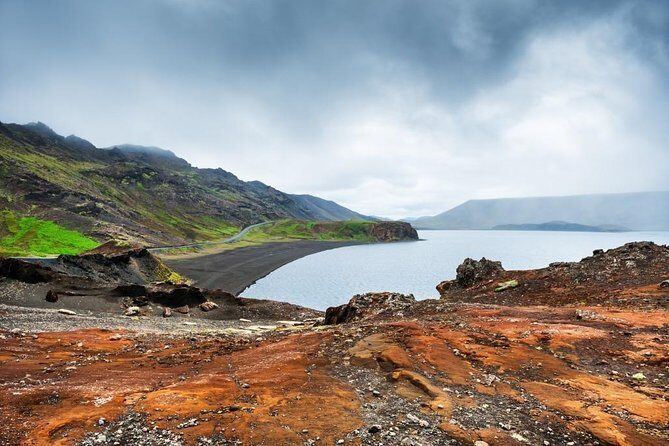
Kleifarvatn Lake: mythology and a geothermal lake that invites brave visitors
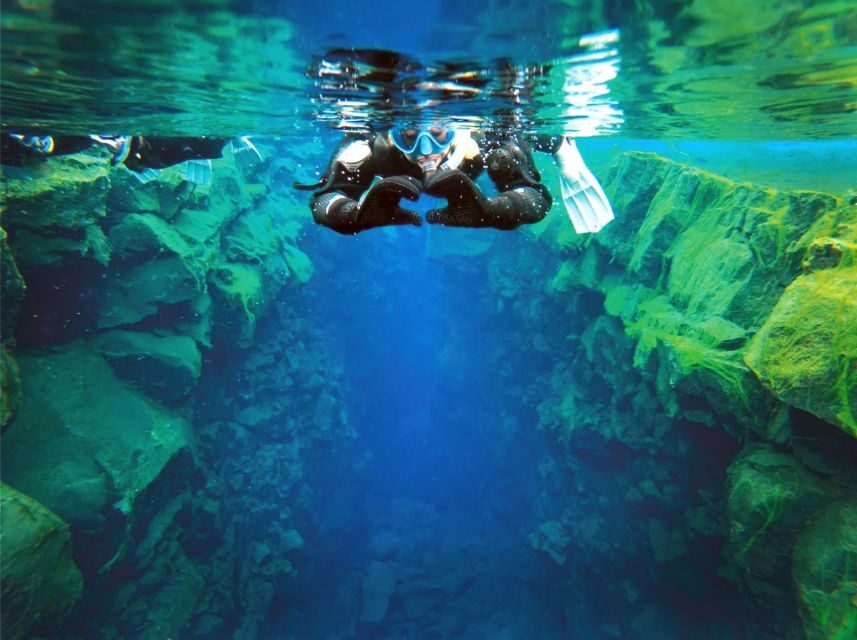
After the lighthouse, you’ll head to Kleifarvatn Lake. The description frames it for people who like the more active side of travel—especially snorkelers and divers—because the lake has geothermal springs beneath the surface.
You’ll get about 30 minutes, and the admission fee is listed as free. There’s also mythology connected to this area, and the wording points to the possibility of catching a glimpse of a legendary creature if you’re lucky. I’d treat that last part like the local folklore seasoning, not a guaranteed sighting.
Why this stop can be meaningful even if you don’t swim: Kleifarvatn is a reminder that geothermal activity isn’t only in the “obvious steam fields.” It can show up in water too. If you’re photographing, look for the contrast between flat lake surfaces and any visible steam or unusual thermal cues.
Gunnuhver Hot Springs: hot mud pools, steam vents, and mineral color
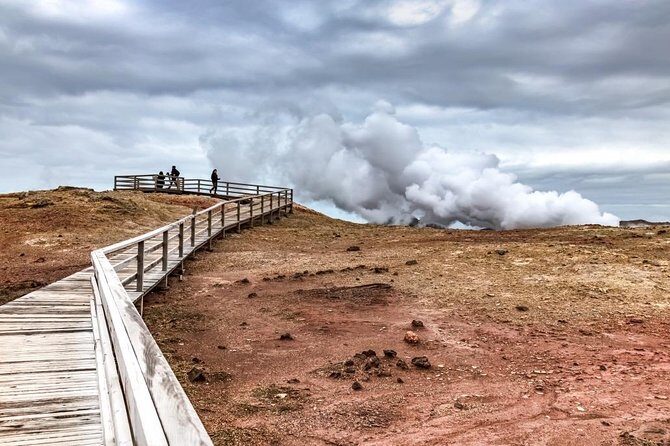
Gunnuhver Hot Springs is one of the Reykjanes Peninsula’s most dramatic geothermal fields. This stop is also around 30 minutes, with free admission listed.
You’ll see hot mud pools, colorful rocks, mineral-painted ground, and furious fumaroles. The description even notes the steam can be visible from many kilometers away, which is helpful because it means you can feel like you’re “getting closer” before you even arrive.
Gunnuhver is where many people understand why Iceland smells the way it does. That sulfur-scent reality hits here. It’s not unpleasant in a harmful way—just intense enough that you’ll want to be ready for it.
Practical advice:
- Plan your photos when steam shifts. The look changes as vents surge.
- Don’t rush the boardwalk-style viewing areas. Weather and steam can make footing and visibility tricky.
If you want the most “wow-per-minute” moment on this tour, this stop often delivers it.
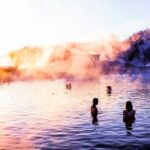
Blue Lagoon: what’s included, what’s extra, and what makes it worth the detour
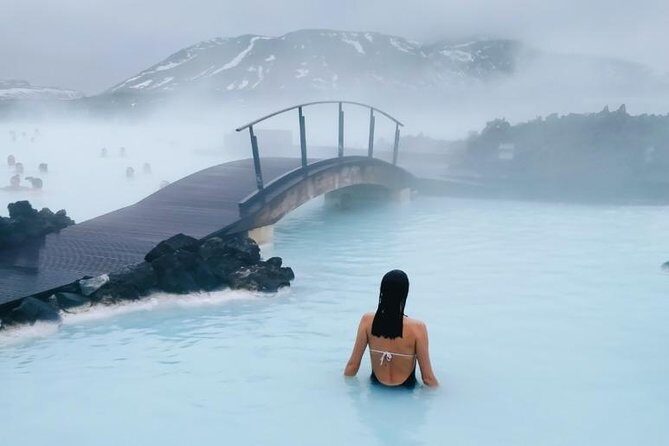
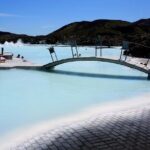
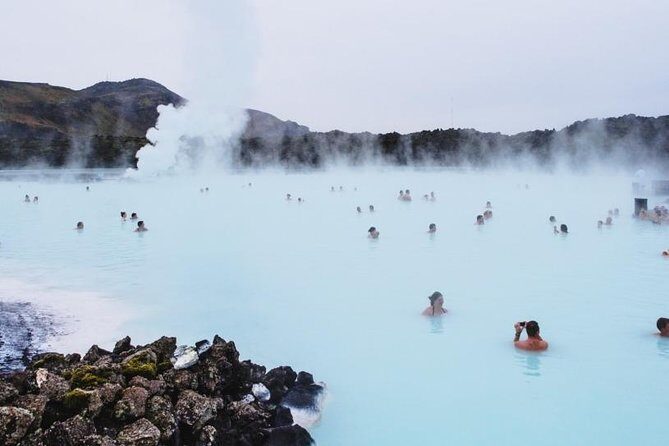
The day closes at Blue Lagoon, and this is the part where you should slow down. You’ll get about 2 hours here.
Important: the tour includes transfers to/from Blue Lagoon, but Blue Lagoon entry is not included. The listed Blue Lagoon admission is about $150 per person, and you’ll need to pre-book. That extra cost is the one budget item you can’t ignore, so decide early if your trip is a soak-and-savor kind of trip or a sights-first kind.
Now, why Blue Lagoon is still a major Iceland choice:
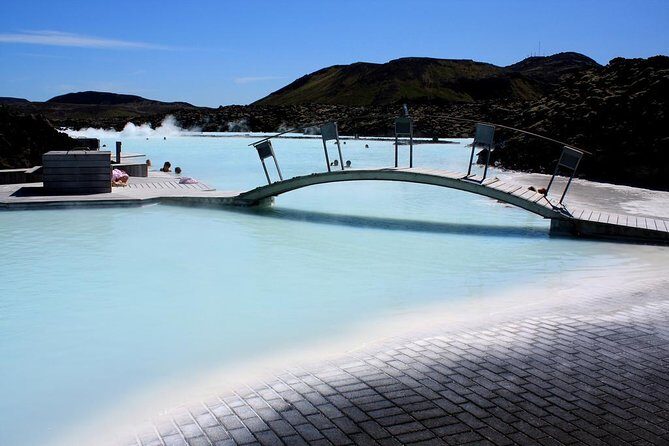
- It’s man-made, fed by geothermal processes
- Water first goes through a geothermal power plant, then into the lagoon
- The lagoon water temperature is 37–40°C (98–104°F)
- Water comes from about 2000 meters (6561 ft) underground
- The lava field it sits on is said to be 800-year-old
- You can find an in-water cave, a warm waterfall, and even an in-water bar
- The lagoon contains about 9 million liters (2.3 million gallons) of water
- The water supply is renewed every 40 hours
- The signature blue color comes from silica; it’s a mix of freshwater and seawater, rich in minerals
- In summer, the color can shift toward green due to algae
- The water is often associated with helping skin conditions like psoriasis
There are packages too: Basic, Comfort, and Luxury. The tour data also notes that it’s not recommended to bring children under 2.
My take on value: yes, it’s expensive compared with more natural geothermal pools. But you’re paying for a controlled spa experience in a protected setting with lots of amenities. If you’ve been chasing cold-windy geothermal sites all day, Blue Lagoon is a rare place where you can actually reset.
Private guide attention: when Thorir and Siggi-style flexibility matters
The tour includes an experienced guide, and that can be the difference between seeing sights and understanding them.
The strongest praise tied to this company’s guides is practical and human:
- They’ve been described as highly responsive before the tour, helping plan around weather and interests
- They can change plans up to the last minute when conditions shift
- During the drive, they share history and information that makes the route feel more meaningful
- There’s also at least one story where a guide helped arrange a cab after the tour when phones weren’t working
That kind of problem-solving is exactly what you want in Iceland, where weather can turn fast and roads can be slow. If your day depends on keeping momentum, a capable guide is worth serious consideration.
One balanced caution: at least one experience described a guide who acted more like a chauffeur than a guide, with less explanation than expected. If you’re the type who reads every sign and wants real geology detail, it’s smart to state that clearly at the start and ask for more talking points.
Price and value: $929 per group plus Blue Lagoon entry
The price is $929 per group for up to 3 people, and the duration is about 5 hours. That pricing structure matters. For couples and small groups, the value equation improves because the guide and pickup plan aren’t spread thin across strangers.
What you get inside the tour price:
- Experienced guide
- Pickup option from most Reykjavik hotels
- Transport between stops, including transfers to/from Blue Lagoon
- Admission tickets listed as free for stops like the bridge, geothermal fields, and lighthouse
- A private group format
What costs extra:
- Blue Lagoon entry (listed at about $150 per person)
- Food and personal spending inside Blue Lagoon (not listed as included)
So your real total depends on your group size and whether everyone does Blue Lagoon. If you’re traveling as a group of three, you’re basically dividing the base cost while still paying the lagoon fee per person. If you’re traveling just as two, it’s still manageable, but the lagoon ticket becomes a bigger share of the final number.
My advice: treat Blue Lagoon as a planned add-on, not an impulse. Pre-book it, decide which package sounds right, and give yourself enough time to actually enjoy the two hours.
Who should book this Reykjanes Peninsula private day?
This tour fits best if you:
- Want geology and nature close to Reykjavik without day-long travel stress
- Prefer private guiding over big-group pacing
- Like short stops that keep momentum (around 30 minutes each, then 2 hours at Blue Lagoon)
- Are traveling with a small group and want fewer moving parts
It also makes sense if you’re using Reykjavik as a base and you want a focused “Iceland’s forces on display” day. Reykjanes is remote-feeling but still practical, and this tour is set up to make it easy.
If your priority is nonstop education at every stop, you might want to communicate your expectations about explanation upfront. If your priority is simply to see the key sites and arrive relaxed at Blue Lagoon, you’ll likely feel right at home.
Should you book the Reykjanes Peninsula tour with Blue Lagoon transfers?
I’d book this tour if you want a well-paced, private way to hit the Peninsula’s signature geothermal and coastal sights, then cap the day with a warm soak. The mix of Bridge Between Continents, Krýsuvík/Seltún, Reykjanes Lighthouse, Kleifarvatn, Gunnuhver, and then Blue Lagoon is a smart arc: science first, then comfort.
I wouldn’t book it if Blue Lagoon is optional for you or if you dislike extra paid attractions. The structure is built around getting you there, but the lagoon entry is a separate expense and must be planned.
Finally, because the experience notes it needs good weather, you should be ready for Iceland reality. If conditions are rough, you may be offered an alternative date or refund instead. If you’re flexible and you like the idea of learning while you watch steam and lava up close, this is a strong choice.
FAQ
How long is the Reykjanes Peninsula tour?
It runs for about 5 hours.
Is this tour private?
Yes. It’s a private tour/activity limited to your group, up to 3 people.
Where does the tour start and end?
It starts at Harpa, 101 Reykjavík, Iceland and ends back at the same meeting point.
Do I need to pay for Blue Lagoon separately?
Yes. Blue Lagoon entry is not included in the tour price and must be pre-booked. The listed admission fee is $150 per person.
What language is the tour offered in?
The tour is offered in English.
Are admission tickets included for the other stops?
The tour information lists admission as free for the stops including the Bridge Between Continents, Krýsuvík/Seltún, Reykjanes Lighthouse, Kleifarvatn Lake, and Gunnuhver Hot Springs.
Is pickup available?
Yes. Pickup is offered from most Reykjavik hotels, and transfers are included as part of the experience.
What should I do about weather?
The experience requires good weather. If it’s canceled due to poor weather, you’ll be offered a different date or a full refund.
Can I cancel and get a full refund?
You can cancel for a full refund if you cancel at least 24 hours before the experience’s start time.