That blue ice in Iceland never gets old.
This 5-day West Iceland plus South Iceland small-group tour is built around real variety: hot springs, waterfalls, volcanic coasts, and then the big-ticket glacier days. You get pickup from select Reykjavik points, four nights with breakfast, and a route that moves at a slower pace than the usual cram-everything-in tours. One small detail I appreciate: the plan is designed to keep you out long enough to see what you came for, not just pass it in a rush.
Two things I like a lot: first, you spend real time on Vatnajökull Glacier with both an ice cave walk and a glacier hiking day (equipment included on the hike day). Second, you get a strong mix of famous sites and geologic nerd stops, like Deildartunguhver (the most powerful hot spring in Europe) and Hraunfossar/ Barnafoss where lava formations shape the falls.
One possible drawback: Iceland weather can change the day’s order or even which ice cave you visit, because ice caves are ever-changing and chosen for safety. Also, the drive time between regions is part of the deal—so bring warm gear and a flexible mindset.
In This Review
- Key things to know before you go
- Why this route feels better than the usual Iceland rush
- Small-group setup, guide style, and how the day actually runs
- Start time and pickup reality check
- Day 1 in West Iceland: Deildartunguhver to lava waterfalls and basalt columns
- Day 1 value tip
- Day 2 on the Snæfellsnes coast: Hellnar, Vatnshellir, and Kirkjufell’s photo spot
- What to watch for on Day 2
- Day 3 Golden Circle + South Coast icons near Vík
- Day 3 pacing note
- Day 4: Vatnajökull ice cave, Jökulsárlón icebergs, and Diamond Beach
- A practical mindset for Day 4
- Day 5: Guided glacier hiking on Vatnajökull and a return to Reykjavik
- Who this day suits best
- Price: is $1,658.18 worth it for a 5-day Iceland combo?
- What to bring (so Day 4 and Day 5 don’t feel miserable)
- Should you book this small-group Iceland tour?
- FAQ
- What is the start time for this tour?
- Do I get pickup from Reykjavik hotels?
- How big is the group?
- How many nights of accommodation are included?
- Is breakfast included?
- Is Wi‑Fi included?
- What glacier experiences are included?
- Is the Vatnshellir lava cave included?
- Will I definitely see the Northern Lights?
- What is the minimum age?
- Can I request my own room as a solo traveler?
Key things to know before you go
- Max 18 people means more time to ask questions and less time stuck in a crowd
- Pickup only from a listed set of Reykjavik points (not city center hotels or private Airbnbs)
- Ice cave choice is safety-first, since caves change constantly
- Vatnshellir lava cave is guided but not included, so expect an extra ticket cost
- Northern lights are a hunt, not a promise, and success depends on weather
- Two glacier days on Vatnajökull (ice cave + guided glacier hike) are the heart of the value
Why this route feels better than the usual Iceland rush
I like tours that respect Iceland’s distances. This one isn’t trying to hit every waterfall in the country in five days. It strings together Western Iceland’s geothermal and basalt scenery (Day 1 and Day 2) and then shifts you to the South Coast’s greatest hits—ending with glacier time on Vatnajökull (Day 4 and Day 5).
That pacing matters. If your only goal is to get photos, you’ll still get them. But if you want to actually understand what you’re seeing—why lava water flows the way it does, why the black sand is there, how glaciers sculpt the coast—this kind of schedule gives you enough time to look twice.
You can also read our reviews of more tours and experiences in Reykjavik
Small-group setup, guide style, and how the day actually runs
This is a small-group tour up to 18 travelers, which changes the feel. You’ll generally get easier access to your guide for questions, and you won’t feel like you’re inside a moving herd. The tour also offers free Wi‑Fi on board, handy for booking dinner plans back in Reykjavik or saving offline maps for later.
I also took note of the human side from the feedback I saw: one guide name that came up in the experience is Oliver, praised for going the extra mile with the group. That kind of support is not just nice—it helps when you’re dealing with icy paths, changing conditions, and the kind of weather that can make a “walk” feel like a real outing.
Start time and pickup reality check
The day starts at 9:00 am, and pickup is offered—but only from specific places. If your hotel isn’t on the list, you’ll need to use the closest listed pickup point. Due to traffic restrictions, they can’t pick up from city-center hotels or private Airbnbs. Plan to be ready a bit earlier than you think you’ll need.
Day 1 in West Iceland: Deildartunguhver to lava waterfalls and basalt columns
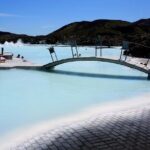
Day 1 is a strong opening because it mixes power, history, and geology without feeling random. You start with Iceland’s geothermal muscle: Deildartunguhver Thermal Spring, described as the most powerful hot spring in Europe. You also get the option to relax at Krauma Geothermal Baths (optional extra), which is a simple way to turn a long cold day into something gentler.
There’s also time for a more playful stop at a nearby farm, where you may get the chance to pet Icelandic horses. Just stick to the pathways—geothermal areas and farms both demand respect for where people are allowed to walk.
Next comes Snorralaug, a historical hot spring pool tied to Snorri Sturluson, Iceland’s famous poet and politician. It’s not a huge site, but it adds a “people story” to the steam-and-stones vibe.
Then you hit the lava water show: Hraunfossar, often called the Lava Waterfalls. Instead of one single waterfall, you see multiple smaller falls spilling through cracks in a lava field. Nearby is Barnafoss, where the water meets the river Hvítá near the area of Borgarfjörður. Together, these stops teach you how Iceland’s landforms are not separate from its water—they’re made of the same story.
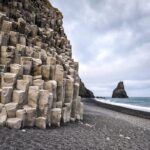
Finally, you end at Gerðuberg—basalt columns that formed when lava cooled against seawater. That “texture” is the point here. If you like geologic details, this is a memorable closer.
Day 1 value tip
This is a good day to wear layers and bring a waterproof jacket. You’re outside for multiple shorter stops, and Iceland can switch from drizzle to full wind fast.
Day 2 on the Snæfellsnes coast: Hellnar, Vatnshellir, and Kirkjufell’s photo spot
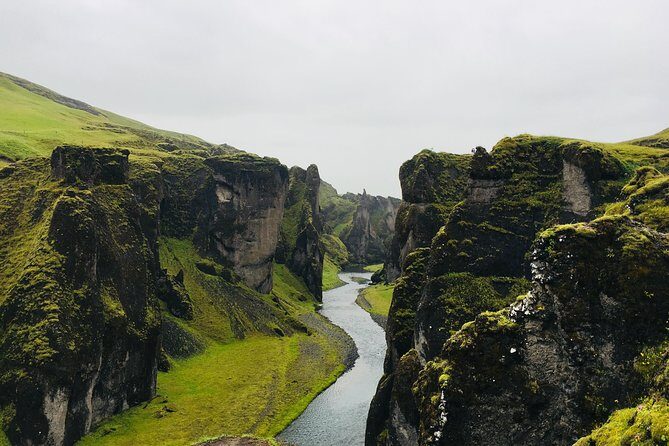
Day 2 shifts you into the Snæfellsnes rhythm: coastal towns, dramatic cliffs, and rock formations that look engineered by science fiction. You start near Hellnar Church, then head toward Arnarstapi, a quaint fishing village at the foot of Mt. Stapafell. Even if you only have a short time here, the setting makes it easy to slow down and walk a bit.
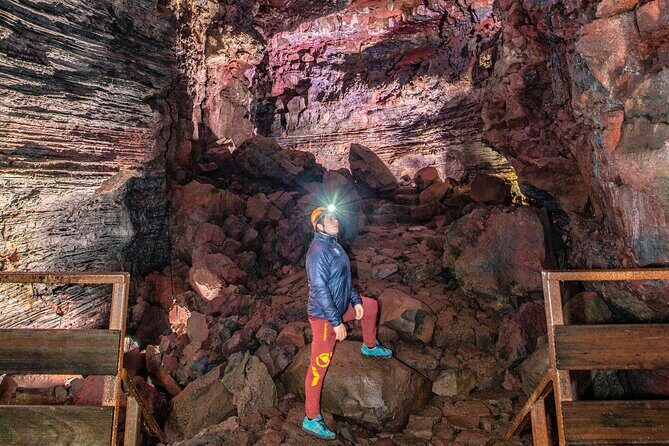
The big “activity” stop is Vatnshellir Lava Cave inside Snæfellsnes National Park. It’s an 8,000-year-old lava cave with a guided visit by an expert explaining how it formed. The one caution: the admission ticket is not included, so budget extra if you want to do this stop.
From there, you go to Djúpálónssandur Beach—black pebbles, rugged cliffs, and a sense of isolation because the beach is surrounded by steep coastal walls. The tour includes lunch time here, and it’s one of the best places in the itinerary to just stare at the Atlantic for a while.
You finish Day 2 at Kirkjufell Mountain, one of the most photographed shapes in Iceland. Views can be incredible, but you should know this stop tends to attract crowds. The good news: you only need a short amount of time to get your photos, and the mountain makes a strong finish to the day.
What to watch for on Day 2
Vatnshellir is inside and involves walking in a cave environment. Wear the best shoes you have, and don’t plan on bringing anything you don’t want to get dusty or damp.
Day 3 Golden Circle + South Coast icons near Vík
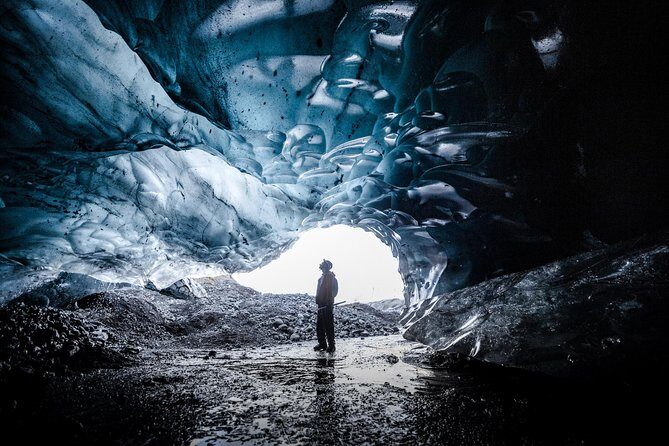
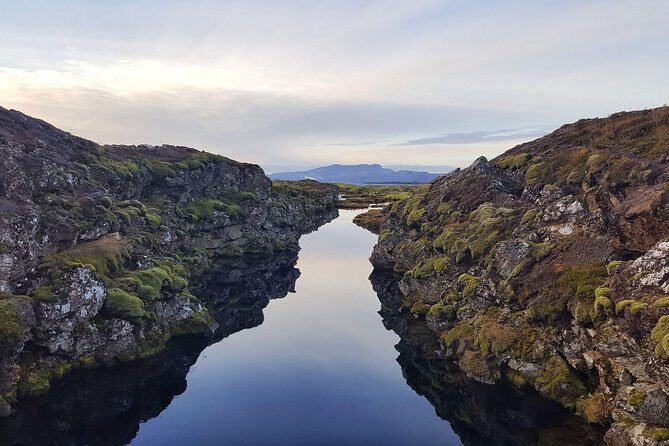
Day 3 is where Iceland goes from “wow” to “wow, loudly.” You start with Þingvellir National Park, a UNESCO World Heritage Site tied to geology and Iceland’s political history. It’s where the North American and Eurasian tectonic plates meet. If you like standing on a place where the Earth is actively splitting apart, this is a must.
You’ll also pass the trail to Þingvallavatn, the largest natural lake in Iceland mentioned in the tour outline. That mix—rift valley plus water plus history—makes it feel more than just a photo stop.
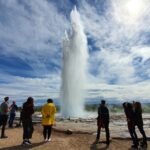
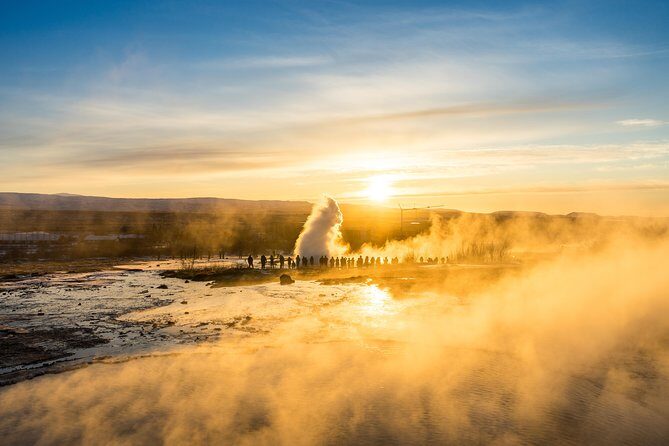
Next comes geothermal drama: Strokkur Geyser at Haukadalur. The plan is built around timing because Strokkur erupts roughly every 5 minutes, while the other geyser nearby erupts less often. It’s one of those sites where your best strategy is simple: be ready to look up and don’t wander off right when you hear it starting.
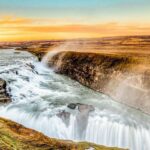
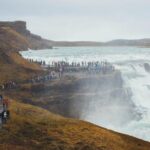
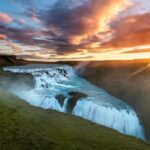
Then you get Gullfoss, a two-tiered waterfall in the canyon of the Hvítá river. The close-up comes from a narrow path built for getting near enough to feel it. If you want that sense of scale, this is the stop that delivers.
After that, you drive toward Hekla for a view on the way (mentioned as an opening to the infamous volcano). The day continues with South Coast highlights:
- Seljalandsfoss: the waterfall you can walk behind via a footpath at the base. It’s uniquely fun because it changes your perspective completely.
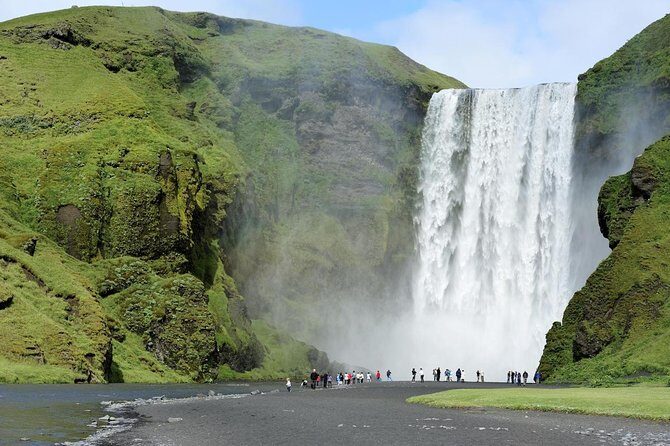
- Skógafoss: wide and tall, with spray strong enough that rainbows can appear when sunlight breaks through clouds.
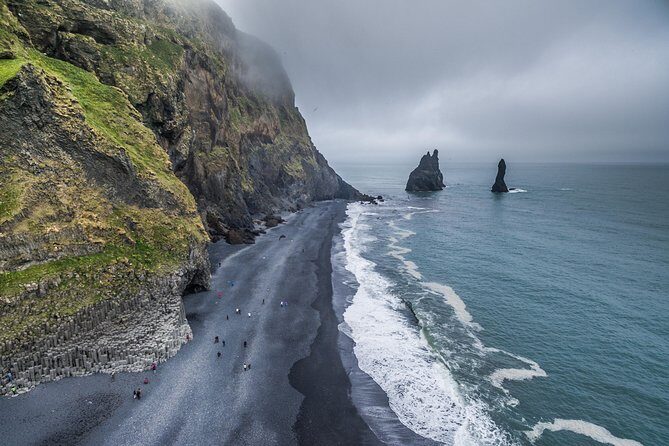
- Reynisfjara Beach near Vík: black sand, plus the basalt stacks called Reynisdrangur. Waves roar in a way that makes you instantly respect the ocean’s power.
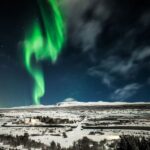
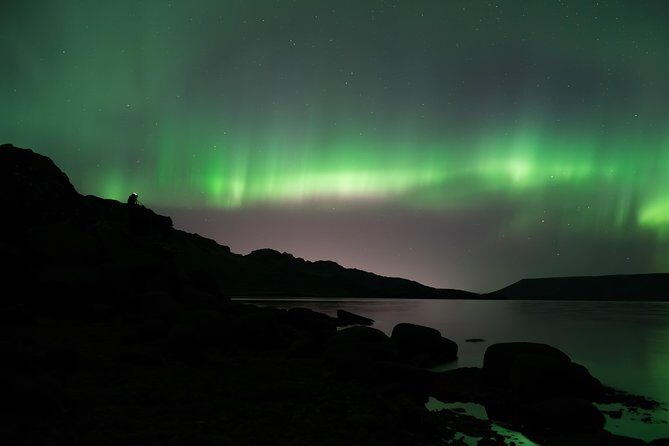
The day ends with accommodation close to Vík, plus a Northern Lights hunt. The hunt is weather-dependent, so don’t plan your expectations around it. Still, it’s a great way to add something extra to an already packed day.
Day 3 pacing note
This is a long day with several stops close together. If you’re sensitive to long drives, bring snacks and keep your layers ready without overthinking it.
Day 4: Vatnajökull ice cave, Jökulsárlón icebergs, and Diamond Beach
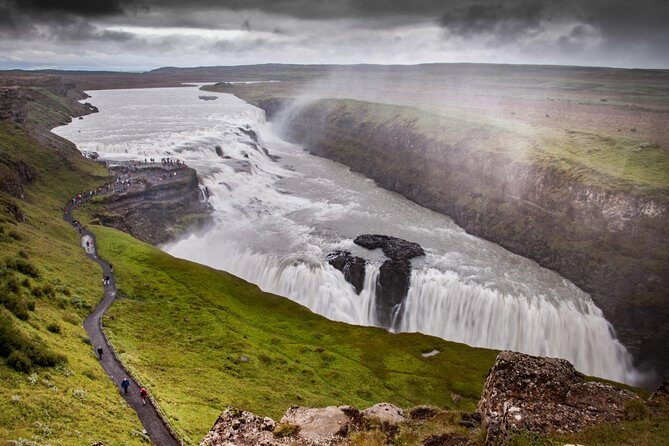
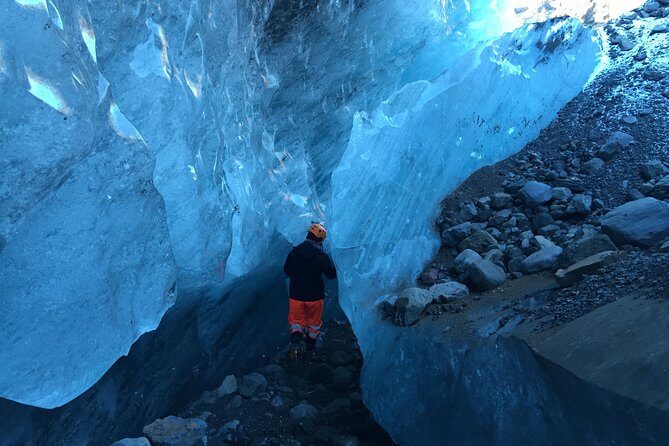
Day 4 is the day glacier lovers start grinning early. You begin with Vatnajökull Glacier and a natural ice cave walk. Your time inside is listed as a magical, guided stroll of about 45 minutes, with the guide pointing out features and explaining where the cave’s blue color comes from. That “blue” isn’t just pretty—it’s part of how light interacts with ice and how the cave forms.
Then you move to Jökulsárlón Glacier Lagoon, described as still blue water dotted with icebergs from Breiðamerkurjökull Glacier. You’ll also see icebergs drifting toward the ocean and leaving chunks on a black sand beach. This is one of the most scenic transitions in the entire itinerary: ice moving slowly like it’s on its own timetable.
Next comes Fellsfjara, often called Diamond Beach, where icebergs wash up onto black sand near Jökulsárlón. The tour also notes that many seals call the area home and that it’s one of the best places in Iceland to see orcas from the shore if conditions allow. You might also have an aurora opportunity if the forecast is favorable, before heading to accommodation in Skaftafell.
A practical mindset for Day 4
Ice caves are ever-changing, and the operator chooses which ice cave to visit based on safety. That means you’re not just booking a view—you’re booking a guided plan that tries to keep you protected. Still, bring the right gear: warmth, gloves, headgear, and a waterproof layer matter.
Day 5: Guided glacier hiking on Vatnajökull and a return to Reykjavik
Day 5 is your second glacier day, and it’s the one that turns Iceland from scenery into an actual physical experience. After breakfast, your specialist guide selects the best route for your hike on the glacier. You’ll be given all the necessary glacier equipment, including some items you used during the ice cave visit.
The hiking portion is listed at 5 hours 30 minutes, with your guide providing expert insights about what you’re seeing under your feet. The important part here is that glacier terrain can vary day to day depending on conditions, and your guide’s job is to adapt. That’s exactly why route selection exists.
You’ll also get chances for more South Coast highlights if time and daylight allow, and then the tour returns you to Reykjavik.
Who this day suits best
This is best if you enjoy active travel and don’t mind cold wind. It’s designed so most people can participate, but you’ll still want good hiking shoes and the stamina to keep moving.
Price: is $1,658.18 worth it for a 5-day Iceland combo?
At $1,658.18 per person for roughly five days, it’s not cheap. The value comes from packing in multiple high-cost, high-logistics elements that would be hard to stitch together on your own: Reykjavik pickup and drop-off, four nights of accommodation with breakfast, and—most importantly—a guided glacier hike plus an ice cave adventure on Vatnajökull.
On top of that, the tour includes the Golden Circle stops, guided options at key geothermal and cave points, and free onboard Wi‑Fi. You’re paying for fewer planning headaches and for experts to handle the weather-and-safety realities.
Still, you should be honest about what you’re paying for: drives between regions, cold outdoor time, and the fact that some experiences depend on conditions. If you’re aiming for a lazy vacation, look for something calmer. If you want Iceland’s best “set pieces” with guidance, this one can feel like a smart use of your days.
What to bring (so Day 4 and Day 5 don’t feel miserable)
The tour gives you a clear direction on gear. I’d follow it closely:
- Warm outdoor clothing plus a waterproof jacket and pants
- Headgear and gloves
- Good hiking shoes
- Bring your camera, especially for the ice cave and glacier lagoon stops
- Keep layers practical. You’ll go from wind to sheltered car time fast
If you’re tempted to wear your cutest coat, don’t. Iceland cold has a way of winning.
Should you book this small-group Iceland tour?
I think this is a good booking if you want a focused “best of West and South Iceland” trip without doing the driving math yourself. The strongest reasons to say yes are the glacier pair—ice cave + guided glacier hike—and the fact that you’re not only hitting famous stops; you’re seeing how geothermal systems and lava landscapes shape the places you walk.
I’d hesitate if you know you’ll be unhappy with changing conditions. Even when everything goes right, Northern Lights are weather dependent, and the ice cave is chosen for safety because caves change constantly. That flexibility is part of the deal.
If you’re booking soon, note that the tour is commonly reserved about 145 days in advance—so if these dates matter to you, don’t wait for the “perfect” moment.
FAQ
What is the start time for this tour?
The meeting time is 9:00 am.
Do I get pickup from Reykjavik hotels?
Pickup is offered, but only from the listed Reykjavik pickup points. The operator notes they cannot pick up from city-center hotels or private Airbnbs. If your lodging isn’t on the list, you’ll need the closest listed pickup point.
How big is the group?
The maximum group size is 18 travelers.
How many nights of accommodation are included?
The tour includes four nights of accommodation.
Is breakfast included?
Yes. Breakfast is included for 3 mornings. Food and drinks other than breakfast are not included.
Is Wi‑Fi included?
Yes. There is free Wi‑Fi on board.
What glacier experiences are included?
You get a guided ice cave adventure on Vatnajökull and a guided glacier hiking experience on Vatnajökull. Glacier equipment is provided for the hike day.
Is the Vatnshellir lava cave included?
The Vatnshellir lava cave is listed with admission not included (even though it’s part of the guided plan).
Will I definitely see the Northern Lights?
No. The tour states that Northern Lights success is very weather dependent. The itinerary includes hunts near Vík and a possible opportunity around the glacier lagoon area based on forecasts.
What is the minimum age?
The minimum age is 10 years.
Can I request my own room as a solo traveler?
If you book solo, you may be assigned a shared twin room with another solo traveler of the same gender unless you contact the operator after booking and request your own room.