Iceland feels bigger on a loop. This 8-day guided circle tour takes you off Reykjavik and around the Ring Road, stacking waterfalls, volcano craters, geysers, glacier country, and fjords into one well-paced ride. I like that it mixes the headline stops, like Godafoss and Þingvellir, with less famous places such as Grábrók crater and the turf-house world of Glaumbær.
The best part, though, is the guiding. I’ve seen names like Thor and Simone de Graff praised for making geology and Icelandic stories make sense, and for helping with practical winter moments like getting clamp-ons on safely. One consideration: the tour includes a lot, but meals beyond breakfast are on you, so plan on budgeting and finding food options during long driving days.
In This Review
- Key points to know before you go
- Why this Iceland circle tour works: Ring Road in 8 days
- Reykjavík start and finish: use your feet, not just your seat
- Day 2 in North Iceland: Grábrók crater and the turf-house world of Glaumbær
- Akureyri, Godafoss, and Mývatn: the north’s strange beauty in one day
- Dimmuborgir and Námaskarð: lava labyrinths and bubbling earth
- East Fjords and Vatnajökull views: a long day that’s worth planning for
- Jökulsárlón and Diamond Beach: icebergs meet black sand
- Golden Circle day: Geysir, Gullfoss, and Þingvellir’s living history
- Where your money goes: price and what’s actually included
- Comfort, group size, and winter gear: how the ride feels day to day
- Practical packing tips you’ll thank yourself for
- Should you book the 8-Day Iceland Circle Tour?
- FAQ
- Is pickup included for this tour?
- Where do I meet the group in Reykjavík?
- How many nights and days is the tour?
- What’s included with breakfast?
- Are the geothermal baths at Mývatn included?
- What’s the group size limit?
- Is winter gear provided?
- Are meals other than breakfast included?
- Can I get a refund if I cancel?
Key points to know before you go
- Small-group feel (max 25): more personal attention and usually smoother stopovers.
- Myvatn Nature Baths included: entry and even a rental towel, which saves you a chunk of hassle and money.
- Soft-adventure moments built in: a climb up Grábrók crater rim, a hike at Dimmuborgir, and the chance to walk behind Seljalandsfoss.
- Guide-led clarity on day-to-day driving: you’re not just seeing places, you’re learning why they look the way they do.
- WiFi, air-con, and parking handled: comfort and logistics feel taken care of in the background.
- Winter add-ons (for winter departures): snow/ice gripper spikes and a flashlight are part of the package.
Why this Iceland circle tour works: Ring Road in 8 days
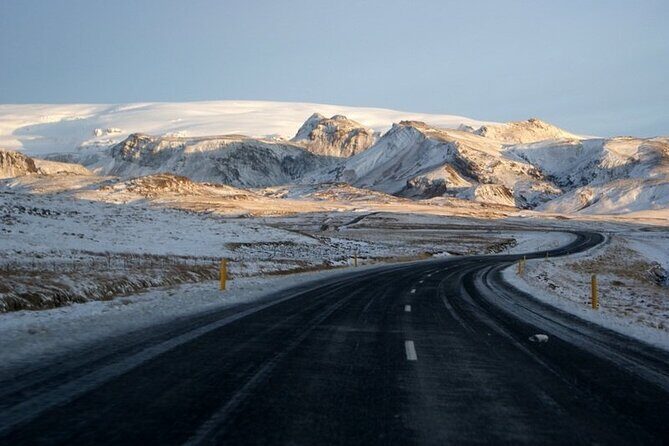
If you’ve only got about a week, the Ring Road is the fastest path to Iceland’s greatest hits. The trick is doing it without feeling like you’re trapped in a bus all day. This tour’s rhythm does a decent job of balancing drive time with real time on foot, plus a few structured stops that add variety so the scenery doesn’t blur together.
You’ll also get the classic Iceland mix: power from waterfalls, heat from geothermal areas, and scale from glaciers and ice-lined coasts. That balance matters because one kind of scenery alone can get repetitive. Here, you’re constantly switching gears—lava fields, bird life, steaming ground, and then suddenly black sand and icebergs.
You can also read our reviews of more guided tours in Reykjavik
Reykjavík start and finish: use your feet, not just your seat
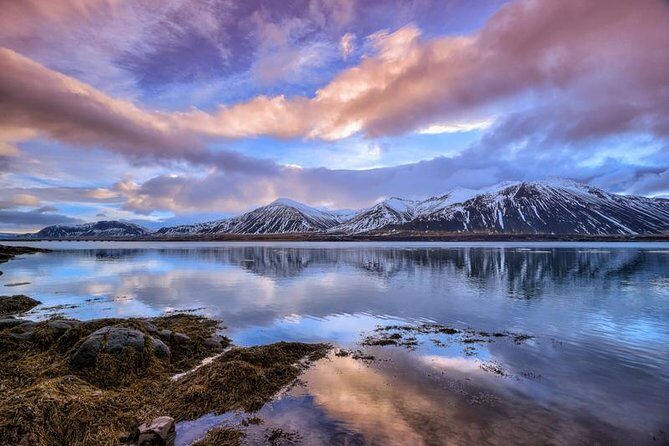
You begin at a hotel meeting point in Reykjavík (Reykjavik Natura – Berjaya Iceland Hotels). Day 1 is basically your buffer day. If you arrive with energy, you can walk the city right away. Day 2 morning is when the guided day properly begins.
What I like about these Reykjavík bookends is simple: they give you time to get your bearings without over-scheduling. Reykjavík is compact, and it’s an easy place to find a coffee, wander past shops, and see street life between Iceland adventures.
Also note the airport transfer style: arrival and departure transfers are by FLYBUS Plus shuttle and are described as no-guide service. That’s not bad. It just means you should plan on sorting your own luggage timing rather than expecting a guide to meet you right at the terminal.
Day 2 in North Iceland: Grábrók crater and the turf-house world of Glaumbær
The first proper “wow” stop is Grábrók. This is a 3,000-year-old volcanic crater with a mossy lava field around it. The included walk isn’t a technical climb, but it does involve heading up toward the rim for a view over the surrounding terrain. It’s a great early warm-up for Iceland’s geology—up close enough to feel real, not just a distant photo spot.
Then you go north to Glaumbær Museum, known for turf houses and folk museum displays. This is where the tour adds culture to all the natural spectacle. Instead of just moving past farms, you get a chance to understand how turf building helped people live with Iceland’s climate.
If you like learning, those museum hours can make the rest of the trip feel more grounded. If you’re the type who prefers maximum time outdoors, you’ll still get value here, but you might want to keep an eye on your timing so you don’t feel museum-ed out before the bigger natural stops kick in.
Akureyri, Godafoss, and Mývatn: the north’s strange beauty in one day
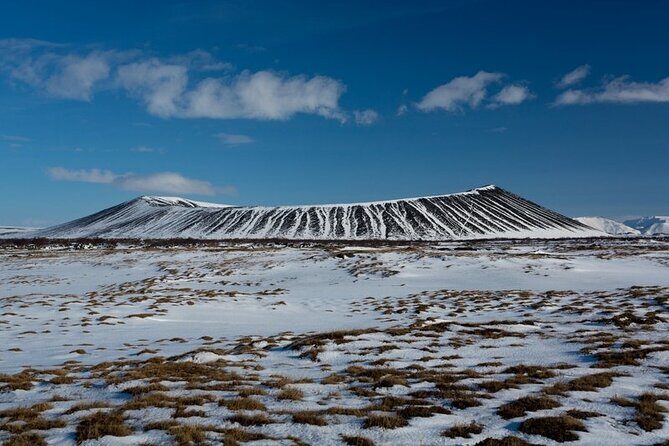
On Day 3, you hit Akureyri—often called the capital of the north—then quickly move into waterfall and geothermal country.
Akureyri is a good breather town: walkable feel, a real local vibe, and large enough to have services you’ll appreciate later. The tour then heads to Akureyri Botanical Garden, open since 1912 with about 7,000 plant species. Even if you don’t treat gardens as a must, it’s a nice “cool down” before you go into the steamier, weirder parts of North Iceland.
Next up: Godafoss, the Waterfall of the Gods. It’s one of those places that earns its reputation without needing hype. You get dramatic power, and the Iceland-story connection—when Christianity became official—adds context to the name.
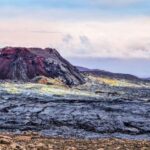
Then the day turns into Mývatn country. You stop at Kálfaströnd lava formations and walk around pseudo craters—terrain that looks like it shouldn’t exist. Mývatn is known for active geology and bird life in summer, so your experience can feel different depending on when you’re there. Even if birds are quieter, the ground itself does the talking.
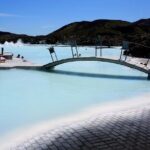
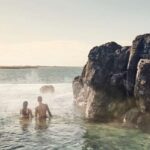
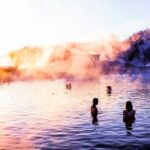
The big payoff arrives with Myvatn Nature Baths (Jardbodin vid Myvatn). This is a rare “included and actually useful” benefit: entry is covered, and a rental towel is included too. In a week where you’ll be doing a lot of standing, the chance to soak with a view over the area is one of the most relaxing moments the route offers.
Dimmuborgir and Námaskarð: lava labyrinths and bubbling earth
Day 4 starts with a short hike through Dimmuborgir, nicknamed the dark castles. The setting is lava formations that form a labyrinth of walkways, and the tour leans into the folklore angle—troll stories are part of the experience. Even if you don’t care about legends, the geometry of the lava feels otherworldly.
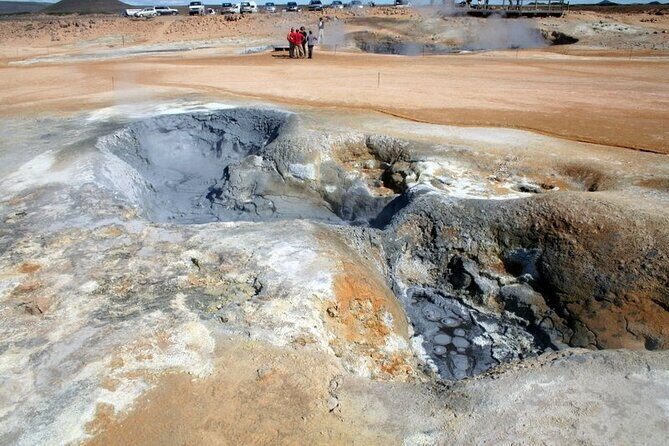
From there you head to Námaskarð, a hot spring area with bubbling mud pools and steaming solfataras. This is one of those stops where you quickly understand the “geyser world” Iceland is famous for. It’s not just pretty. It’s active. The ground is doing the work of explaining Iceland.
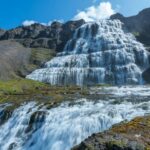
In season (noted as June to August), the tour may include a detour to Dettifoss, described as Europe’s most powerful waterfall in the northern Vatnajökull area. This is a heavy-hitter. Expect big spray, big sound, and the kind of scale that makes you feel small in the best way. If your timing doesn’t include the detour, you’re still getting a strong day of geological variety.
East Fjords and Vatnajökull views: a long day that’s worth planning for
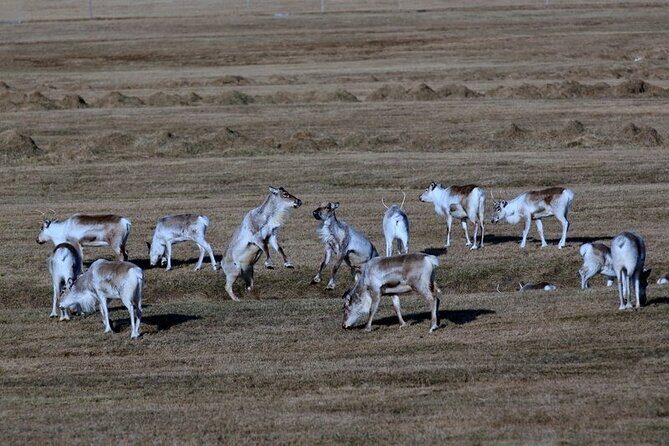
Day 5 leans into the East Fjords—twisty roads, small fishing villages, and long stretches where the scenery changes slowly but meaningfully. This is a day for patience. If you go into it expecting a new “headline stop” every hour, you might feel restless.
But that’s exactly why it’s valuable. The East Fjords show Iceland as lived-in, not just staged for tourists. On the way, there’s a stop for a stone and mineral collection, which helps connect what you’ve seen (lava, minerals, geothermal activity) to why Iceland’s rock looks the way it does.
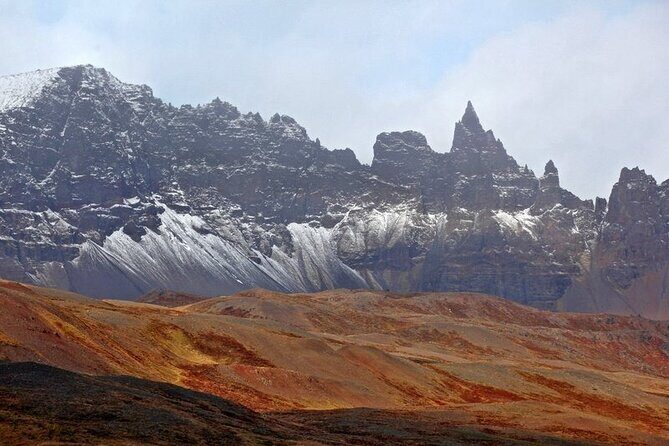
You also get Vatnajökull big-glacier views in Southeast Iceland. Even when you’re not close to ice, the glacier presence shapes the feeling of the region—cold scale, huge weather influence, and that constant sense of Iceland being “built on ice.”
Jökulsárlón and Diamond Beach: icebergs meet black sand
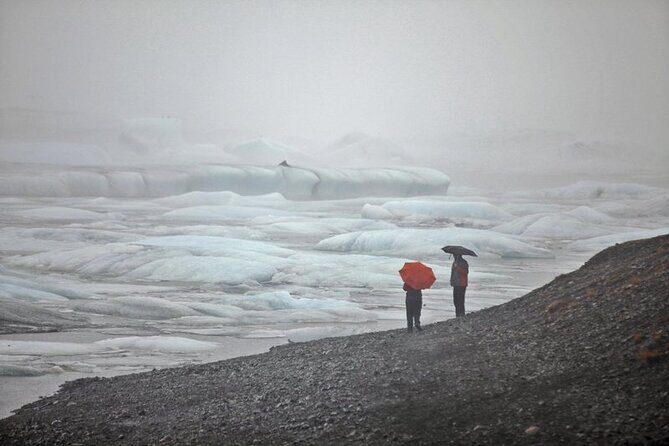
Day 6 is about the glacier edge and the coast. First is Jökulsárlón, a glacial lagoon filled with floating icebergs. The stop is short enough to keep it realistic, but it’s enough time to walk the site and spot how icebergs drift and gather. If you’re lucky, you may see seals in the area, since the tour notes arctic waters where seals swim.
Then you cross the road to Fellsfjara, known as Diamond Beach. This is black sand dotted with stranded icebergs from the lagoon. It’s one of Iceland’s more surreal visuals: the contrast of white ice against dark shore makes it a strong photo stop without requiring any special skill.
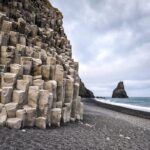
After the glacier day, you move into Vík and the Reynisfjara / Reynisfjara Black Sand Beach area. The tour includes photo stops and walking time on the black sand with bird cliffs and caves, plus rock formations described as columnar basalt. The point here isn’t just photos; it’s that dramatic coastal geology that makes Iceland feel like a place being constantly rebuilt.
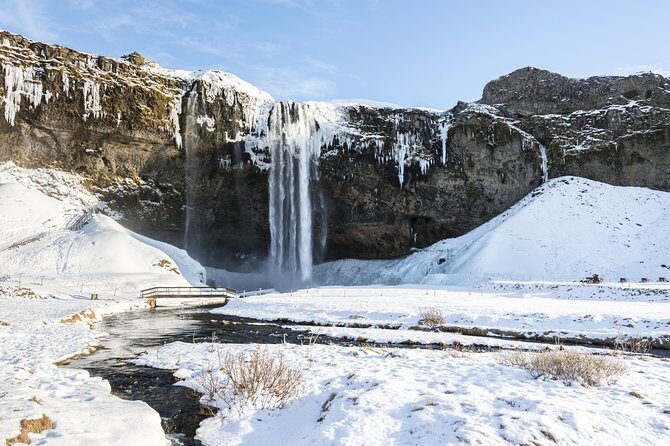
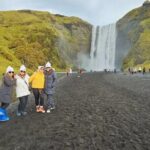
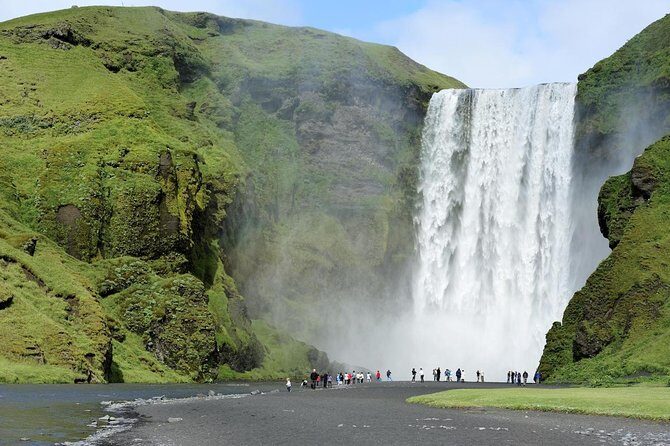
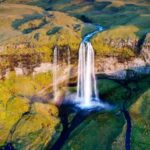
Then come the classics: Skógafoss (about 60 meters high) and Seljalandsfoss, where you can walk behind the waterfall—just don’t expect to stay dry. If you want one day that gives you both thunderous falls and a more playful option, this is it.
Finally, Skógar Museum brings back the human scale with turf houses and folk museum displays. It’s a nice way to end a day that otherwise focuses almost entirely on nature’s intensity.
Golden Circle day: Geysir, Gullfoss, and Þingvellir’s living history
Day 7 is your “my feet are tired but my brain is happy” day. You start with Fridheimar—an Icelandic horse stables visit plus a geothermal greenhouse. This combination is a good reminder that Iceland’s geothermal energy isn’t only for hot springs. It also shapes farming and how people manage food in tough conditions.
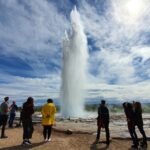
Then Geysir: the original geyser is described as dormant, but Strokkur erupts at intervals of roughly every 5–10 minutes. You don’t need to be a geothermal expert to enjoy this. You just wait, then watch the routine begin again and again.
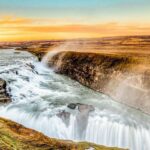
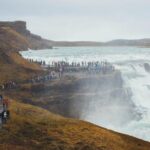
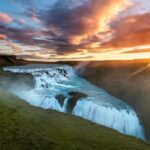
Next is Gullfoss, the Golden Falls. The tour highlights a double cascade and spray strong enough that on sunny days, a rainbow is likely. Even if the weather doesn’t cooperate, the sound and power make it a top-tier stop.
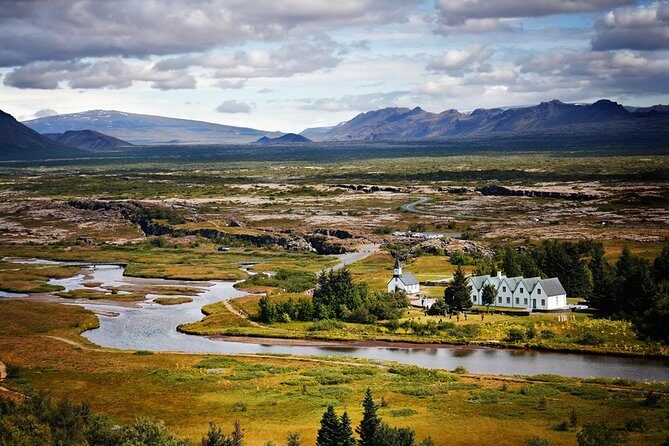
Then you finish the day at Þingvellir National Park, a UNESCO World Heritage site since 2004. You get a stroll around Iceland’s most sacred site, tied to the oldest existing national parliament (Alþingi). This isn’t only history—it’s also a geological setting with fissures flanking the plain near Þingvallavatn, Iceland’s largest lake. That pairing—politics and tectonics—makes Þingvellir one of the few places where you learn two kinds of Iceland at once.
You end back in Reykjavík with time on your own to wrap up the trip.
Where your money goes: price and what’s actually included
At $3,386.15 per person, you’re paying for more than just a seat on a bus. This price covers:
- Seven nights of accommodation (with breakfast noted as included or optional depending on your package details, so confirm in your booking)
- A 6-day fully escorted bus component with an English-speaking guide or driver-guide
- Several entry fees and guided stops, including Myvatn Nature Baths
- Air-conditioned vehicle, WiFi on board, and parking fees
- Use of snow and ice gripper spikes and a flashlight for winter departures
- Airport transfers by shuttle service (no guide)
So the value question is less about whether you see famous sights (you do) and more about whether you get enough included structure to justify the price. For me, the standout “value boosters” are the baths, the museum time, and the winter safety extras. Those are things you’d otherwise pay for or scramble to arrange on your own, especially if you’re traveling in colder months.
Still, meals aren’t included beyond breakfast. That’s common on Iceland tours, but it’s worth planning for. If you eat mostly out of convenience, your food budget can quietly become one of the biggest extra costs.
Comfort, group size, and winter gear: how the ride feels day to day
The tour is capped at 25 travelers, which is big enough for comfort but small enough to avoid the feeling of being part of a moving crowd. That size matters at stops, too. When a site has limited parking or tight paths, smaller groups tend to move more smoothly.
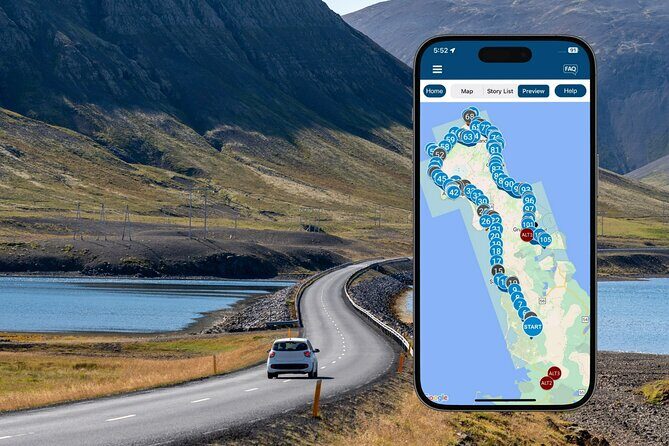
The vehicle includes WiFi and air conditioning, which might sound like an extra perk, but it helps on long drive days—especially if you need to check weather, map your next stop, or just keep kids (or your own sanity) steady.
For winter departures, you’re given snow and ice gripper spikes plus a flashlight. That’s a serious practical safety detail. One reason guides get praised so often on these trips is that they’re ready for the real-world problem: getting people to and from viewpoints safely on slick ground. If you’ve ever watched someone try to improvise crampons at the last second, you’ll appreciate having the right gear and the right help.
Practical packing tips you’ll thank yourself for
Iceland in a week means layers and footwear that can handle wet rock and cold air. For this specific route, focus on three categories:
- Shoes with solid grip for lava paths, slippery edges near waterfalls, and any winter ice.
- A rain layer you can close fast when the wind flips the weather.
- A small day bag for a dry layer, water, and snacks since meals beyond breakfast are not part of the package.
Also, think about power and warmth for the coast. Jökulsárlón and the black sand beaches can be windy even when you’re otherwise having a calm day. If your phone battery drops in cold weather, you’ll feel it more than you expect.
Should you book the 8-Day Iceland Circle Tour?
Book it if you want one guide-led plan that hits Reykjavík, North Iceland (Akureyri and Mývatn), geothermal zones, East Fjords, glacier lagoons, the South Coast waterfalls, and the Golden Circle without needing to drive yourself. It’s a great fit for first-time Iceland trips because you get variety every day, plus structure when weather starts calling the shots.
Skip or rethink it if you know you want maximum flexibility with meal plans and independent timing, or if you strongly dislike the idea of long road days where the scenery is the main show and not every hour includes a major stop.
If you do book, I’d treat it like this: you’re buying access to good pacing, included geothermal downtime at Mývatn Nature Baths, and an experienced guide who can explain Iceland’s why, not just your what.
FAQ
Is pickup included for this tour?
The experience notes pickup is offered, and there are arrival and departure airport transfers by FLYBUS Plus shuttle (no guide).
Where do I meet the group in Reykjavík?
You start at Reykjavik Natura – Berjaya Iceland Hotels, Nautholsvegur 52, Reykjavík 102.
How many nights and days is the tour?
It runs for 8 days approximately, with seven nights of accommodation included.
What’s included with breakfast?
Breakfast is listed as included as optional. Check your booking details to confirm whether breakfast is included each morning for your departure.
Are the geothermal baths at Mývatn included?
Yes. Myvatn Nature Baths are included, with admission and a rental towel noted as included.
What’s the group size limit?
The tour has a maximum of 25 travelers.
Is winter gear provided?
For winter departures, snow and ice gripper spikes and a flashlight are included.
Are meals other than breakfast included?
No. Additional meals and drinks and services are not included, beyond the breakfast arrangement noted above.
Can I get a refund if I cancel?
This experience is non-refundable and cannot be changed for any reason.