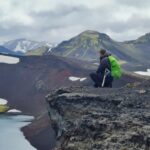
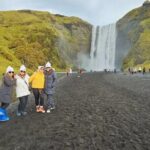
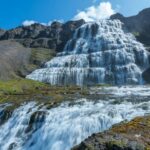
Icebergs start the day off right. This long south-coast outing is built around Jökulsárlón Glacier Lagoon and the ice-strewn Diamond Beach, with extra stops that make the drive feel like part of the adventure, not just transportation. I like the combo of big-name sights plus quieter photo moments, and I especially like that you’re riding in a small group (max 19) with live guidance. The only real drawback is the sheer length and the weather roulette: if it’s cloudy or stormy, ice visibility and any Northern Lights chances can be reduced.
You’ll leave Reykjavik early (pickup generally 7:30–8:00AM) and spend about 15 hours on the road, but the itinerary is paced with breaks at key points. In the feedback I read, guides such as Gummi and Ian were praised for strong storytelling and for adjusting when conditions change, which matters a lot on a day like this.
In This Review
- Key Highlights and Why They Matter
- A Long South Coast Day That Doesn’t Feel Like Just Driving
- From Reykjavik Pickups to the 19-Seat Minibus Ride
- Vík and the Black-Sand Backdrop: Víkurkirkja and Reynisdrangar
- Fjárrárgljúfur Canyon and Foss á Síðu: Season Sets the Rules
- Jökulsárlón Glacier Lagoon: The Main Character of the Day
- Diamond Beach (Crystal Beach): Ice on Black Sand
- Hof Turf Church and the Quiet Detour Back to Vík
- Vík Dinner Break and the Best Time to Photograph Seljalandsfoss
- Northern Lights: The Winter-Only Bonus You Shouldn’t Count On
- What This Tour Costs, and Whether It’s Good Value
- Practical Tips That Make the Day Way Better
- Should You Book the Glacier Lagoon and Canyon Day Trip?
Key Highlights and Why They Matter
- Jökulsárlón Glacier Lagoon: Icebergs in water, ocean views, and a good shot at seeing seals from shore
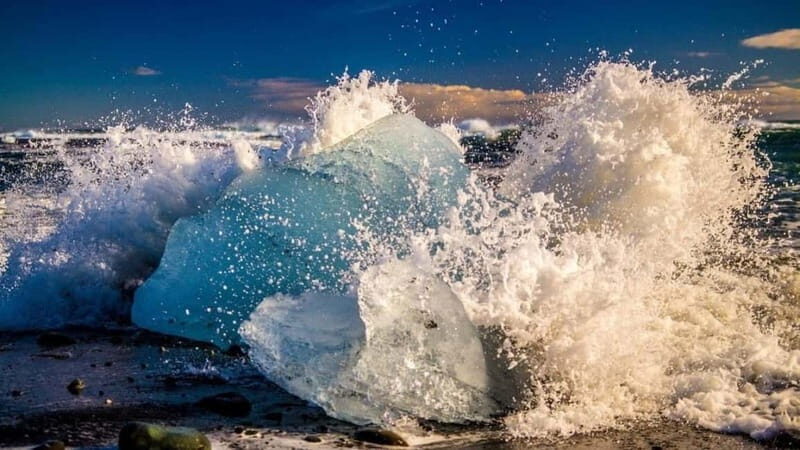
- Diamond (Crystal) Beach: Walk among ice pieces laid on black sand
- Seasonal Fjárrárgljúfur Canyon: A limited-time canyon stop, famous for its feather-like shape
- Seljalandsfoss Waterfall: A classic 60-meter waterfall with the option to walk behind it
- Vík stop for food and views: A practical reset point during a long day
- Winter option for Northern Lights: Auroras are only on the plan in the colder season and depend on sky conditions
A Long South Coast Day That Doesn’t Feel Like Just Driving
This is the kind of Iceland day trip you choose when you want the highlights without renting a car. You’re hitting the farthest south-coast “wow stops,” then working your way back with one more major waterfall before the day ends. It’s not short. It is, however, deliberately structured so you’re not stuck staring out a window the whole time.
What I like most about the pacing is that it’s built around actual viewing time. You get a full hour at Jökulsárlón, then a focused 30 minutes on Diamond Beach. Other stops are shorter, but they’re there for a reason: quick access to viewpoints and photo angles before you move on.
You can also read our reviews of more tours and experiences in Reykjavik.

From Reykjavik Pickups to the 19-Seat Minibus Ride
Pickup is broad. You can be picked up from designated hotels and bus stops all over Reykjavik (there are many options). The key practical detail is timing: you should be outside your pickup location by 7:30AM, and pickup can happen between 7:30AM and 8:00AM depending on the route and traffic.
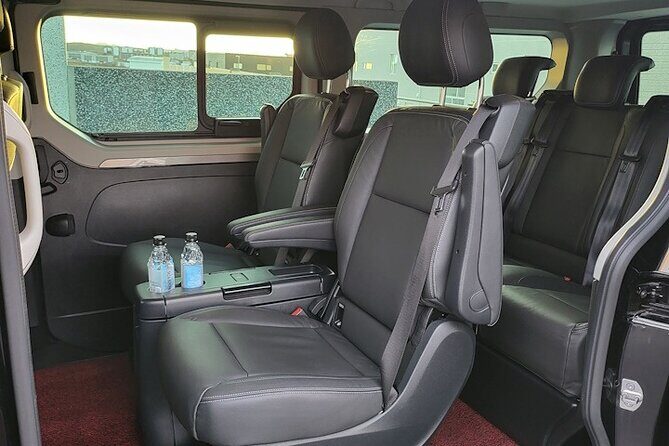
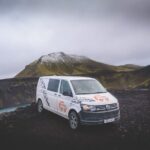
The tour runs on minibuses with a maximum of 19 passengers, and the group stays small enough that the day doesn’t turn into a slow choreography of waiting. You also get live commentary as you drive, which is a big deal on a 15-hour day because it turns the long stretches into “what am I looking at and why is it here?”
Pack for sitting in cold wind. Even if the stops are active, you’ll spend plenty of time in the vehicle between them. Warm layers and waterproof outerwear stop the day from feeling miserable.
Vík and the Black-Sand Backdrop: Víkurkirkja and Reynisdrangar
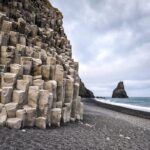
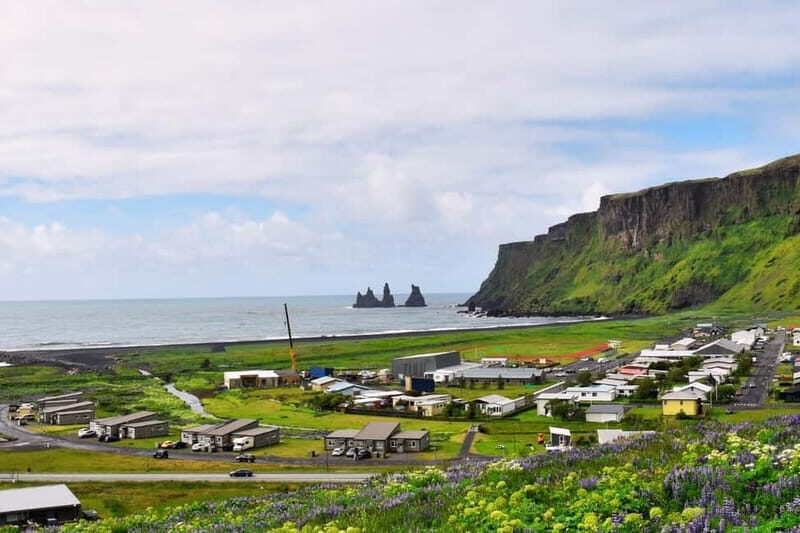
Right after the long drive south, the itinerary brings you to Vík for a break with sightseeing and shopping time. There’s then a further push to the cliff views tied to Víkurkirkja and the nearby Reynisdrangar sea stacks.
This is the kind of stop where Iceland does what it always does: it gives you drama without trying too hard. The viewpoint is elevated, the ocean is right there, and the rock formations create a natural stage for wind and weather. It’s also a good place to reset mentally before you head deeper into glacier country.
One consideration: the wind along the south coast can be sharp. You might be tempted to rush photos, but take a few minutes to find a spot with the best sightline and then let your camera do the work.
Fjárrárgljúfur Canyon and Foss á Síðu: Season Sets the Rules
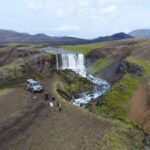
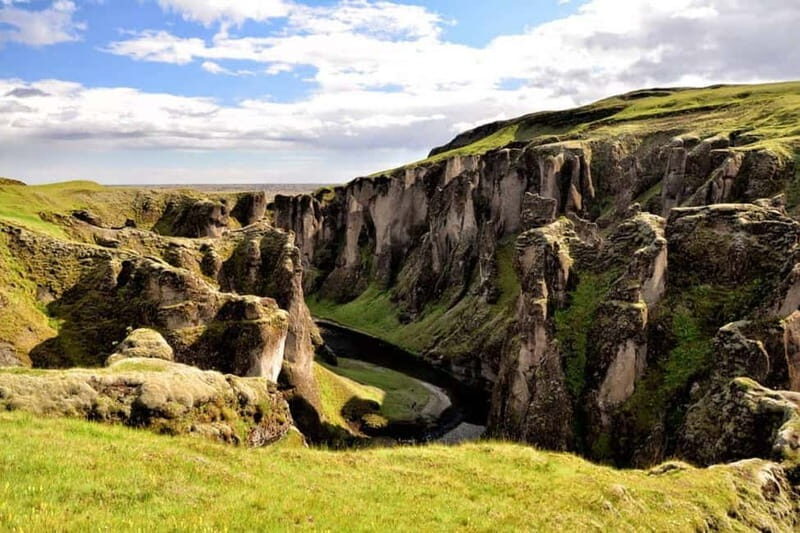
If you’re doing this trip in summer, you may get the stop at Fjárrárgljúfur (also spelled Fjaðrárgljúfur in many guides). This canyon visit is described as summer-season only, and it’s known for its feather-like shape—famous enough that it has popped into pop-culture conversations.
You get about 45 minutes at the canyon area. That’s usually enough to walk to key viewpoints and get photos, without turning it into an exhausting hike. The practical message: don’t plan to do more than short walks here unless you’re already used to Icelandic terrain.
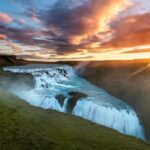
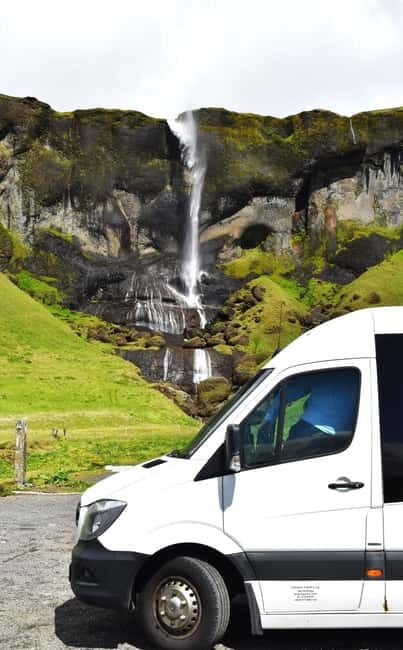
Then comes Foss á Síðu, where you stop mainly for photos (about 10 minutes). The interesting detail here is how wind can affect the waterfall’s spray, sometimes making the water flow look like it’s moving uphill. It’s one of those Iceland moments where you’re not just photographing water—you’re photographing the weather shaping the water.
Jökulsárlón Glacier Lagoon: The Main Character of the Day
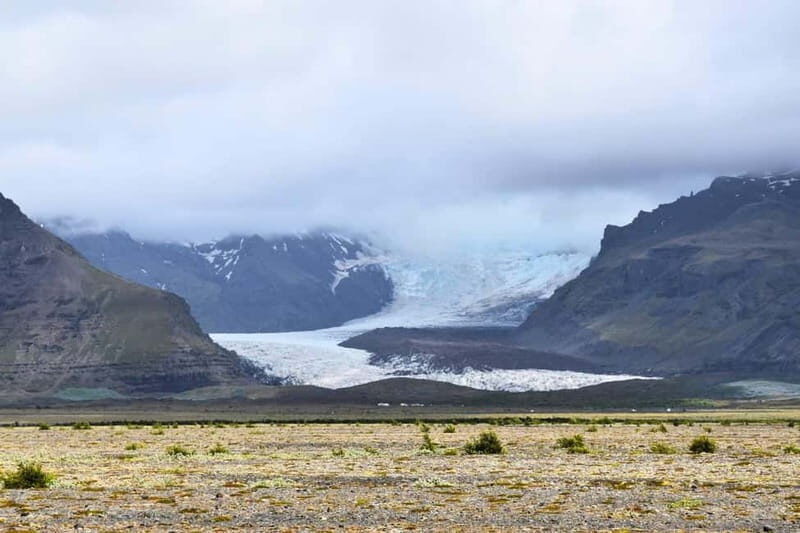
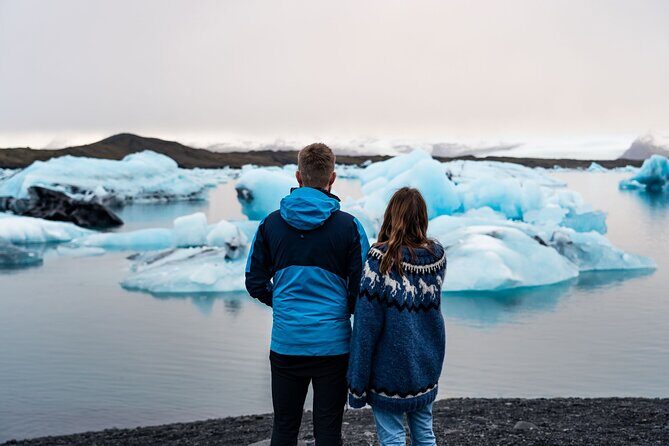
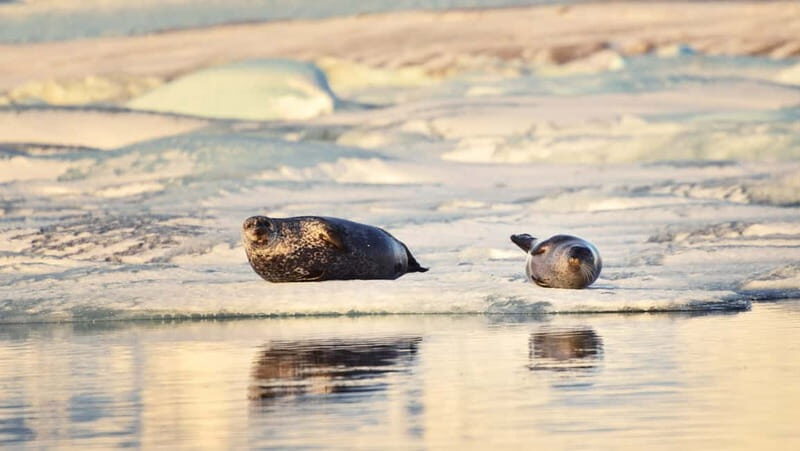
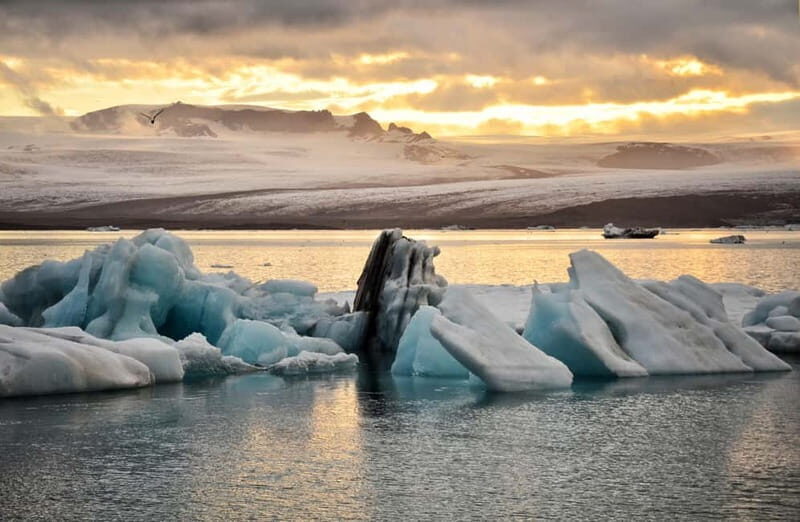
This is the crown-jewel stop. Jökulsárlón Glacier Lagoon is where you get the big scale: floating icebergs, dramatic glacier backdrops, and a mix of lagoon and ocean views. You’ll also have wildlife opportunities, including seals and Arctic Skuas mentioned in the tour description.
You’re allotted about 1 hour for the lagoon, plus that timing matters. It gives you enough time to walk the shore for different angles and not just do a rushed loop. The tour also offers an amphibian boat ride for a closer look (this is listed as additional cost), but even without it, the lagoon can feel otherworldly.
One more practical point: visibility changes everything. If it’s clear, you’ll get sharper lines and brighter ice. If it’s foggy or raining, the lagoon still works—ice is still ice—but your photos might look more atmospheric than crisp.
Diamond Beach (Crystal Beach): Ice on Black Sand
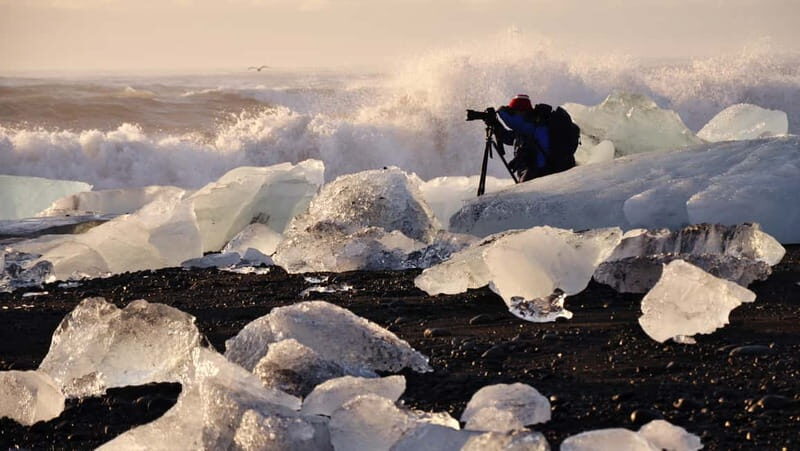
After the lagoon, you head to Diamond Beach, also called the Crystal Beach in Iceland’s tourism storytelling. Here, the icebergs wash up onto a black sand beach, creating a striking contrast that feels almost unreal.
The stop is short—around 30 minutes—but it’s the right length for moving carefully between viewing points and getting photos in different directions. Plan on slow steps. The ground can be uneven and slick, and you’ll be juggling wind, cold hands, and the temptation to run straight toward the biggest ice piece.
This stop can be weather-dependent and conditions-dependent. In particular, guides such as Ian have been noted for adapting the plan when there aren’t many icebergs to see at Diamond Beach. That tells you something important about how to travel here: be flexible and let your guide manage the real-time situation.
Hof Turf Church and the Quiet Detour Back to Vík
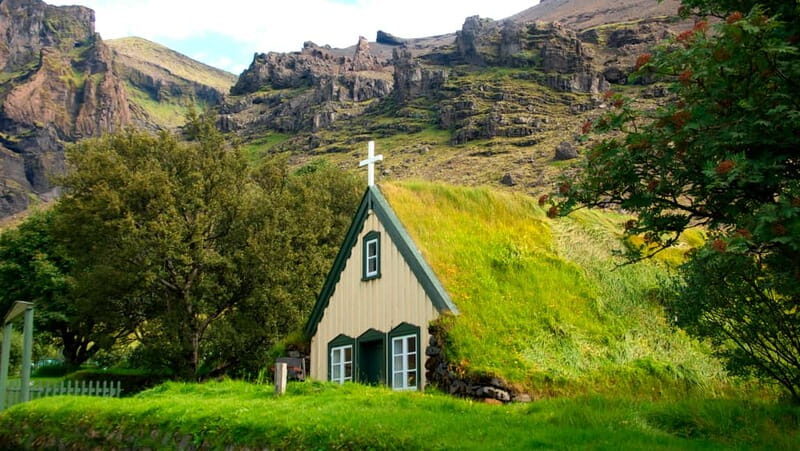
On the return, you’ll stop at Hofskirkja (often called the Hof turf church). You get a photo stop of about 10 minutes, and the description compares it to hobbit holes because of the turf-covered look.
This isn’t a long educational stop, but it adds texture to the day. It’s a reminder that Iceland isn’t only glaciers and waterfalls. People have lived here for centuries using local materials and building methods suited to the climate.
A short note about timing: these quick photo stops can be the easiest places to feel rushed if you’re determined to see everything. Instead, treat them as “one good angle and move on.” The rest of the day is where the time really pays off.
Vík Dinner Break and the Best Time to Photograph Seljalandsfoss
Before the final waterfall, there’s another pass through Vík. You’ll have a dinner break of about 45 minutes. This is smart planning. When the day is that long, you want food and warmth before the last stretch.
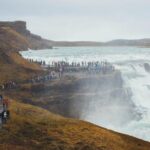
Finally, you reach Seljalandsfoss. You get about 30 minutes for sightseeing, including the chance to walk behind the waterfall if conditions allow and you’re comfortable with wet footing and spray. Seljalandsfoss is listed as a 60-meter waterfall, so the sound alone can pull your attention even if you’re tired.
In the feedback I read, one highlight was seeing waterfalls lit up on the return journey when timing shifted toward the evening. That’s not guaranteed, but it’s a good reason to keep your eyes open for how daylight changes as you travel.
Northern Lights: The Winter-Only Bonus You Shouldn’t Count On
This tour includes Northern Lights only in winter, with the guide described as looking between September 1 and April 1. The catch is also clearly stated: the sky needs to be clear, and aurora activity has to be strong.
So treat it as a potential bonus, not a promise. Even if the aurora doesn’t show, the day still includes the major south-coast sights—Jökulsárlón and Diamond Beach don’t vanish just because the lights don’t cooperate.
If you’re traveling in winter, you’ll want to be extra ready for cold at night and for standing around with patience. Bring warm layers you’d actually wear for outdoor waiting, not just “nice” winter clothes.
What This Tour Costs, and Whether It’s Good Value
The price is listed at $216 per person, and value comes from what’s included:
- Pickup and drop-off from many Reykjavik hotels and bus stops
- Small-group size (max 19) on minibuses
- A professional local driver/guide with live English commentary
- Time on multiple major south-coast sights in one day
What’s not included: food and drinks. Stops are long enough for you to eat, but you’ll pay on your own (one itinerary note even points to options in Vík, like lamb soup or black dough pizza).
Here’s the practical math I’d use: you’re paying for convenience (no car rental), expertise (route context and stories), and access to distant stops with less stress than self-driving. If you’re the type who doesn’t want to spend hours planning routes, parking, and weather contingencies, this price can feel fair quickly.
If you’re traveling with multiple people and you already prefer driving yourself, you might find cheaper options. But you’re paying for someone else to handle logistics and to keep the day moving safely.
Practical Tips That Make the Day Way Better
This is Iceland. The weather isn’t a detail; it’s part of the itinerary.
Bring:
- Rain gear
- Warm, windproof, waterproof clothes
- Outdoor shoes
One more important detail: Icelandic law requires child seats/boosters. If you’re traveling with a child, the tour asks you to notify them so they can provide what’s needed.
On days when the sky or road conditions shift, guides may adjust. One person noted a vehicle tire issue getting handled quickly, which is exactly why you want a real local driver on a day like this. Your best move is to keep your plans flexible and trust that the guide is managing safety first.
Also: don’t overpack your schedule. Your “job” on this tour is to show up early, stay warm, and take your time at the stops where you actually have breathing room—especially Jökulsárlón.
Should You Book the Glacier Lagoon and Canyon Day Trip?
Book it if you want the big south-coast highlights in one shot and you don’t want the stress of self-driving. The mix of Jökulsárlón, Diamond Beach, seasonal Fjárrárgljúfur, and Seljalandsfoss makes the day feel full without being random.
Think twice if you hate long travel days, if your trip dates are tight, or if you’re hoping for guaranteed Northern Lights. The weather can always change how everything looks, but the structure still works because the glacier-and-ice stops remain the core.
If you can handle 15 hours outdoors and you bring proper gear, this is one of those days that makes Iceland stick in your memory for the right reasons.