Lava caves feel like another planet. Leidarendi Cave was carved as lava cooled after major eruptions, leaving strange tubes and textures that look way too old to be real. On the Reykjanes Peninsula, you’ll go in with a guide, follow the safe route through tight bits, and come out with photos that don’t look like Iceland at all.
I love the small-group size (max 8), because it means you get time to ask questions and pause for details without being rushed. I also like that the tour includes helmet and head torch, so you’re not scrambling to rent gear or guess what you need. It’s a practical setup for something that’s cold, wet, and dark.
One possible drawback: you’ll be doing some hunching and crawling, and it’s not a good match if you’re claustrophobic or easily bothered by low ceilings.
In This Review
- Key things to know before you go
- Leidarendi Lava Cave: why this tunnel is worth your time
- Timing and transfers from Reykjavik without the stress
- What happens once you’re underground (the real “3 hours” story)
- Gear and first steps
- The cave route: easy, but physical
- Seeing the cave the way light changes it
- The small-group advantage: more guide time, less waiting
- What you should bring (so you stay warm and enjoy it)
- Who this tour fits best (and who should skip it)
- Price and value: why $91 can be a good deal
- The day-of experience: what your guide is really doing
- Weather matters more than most Iceland activities
- Should you book the Leidarendi lava tunnel caving tour?
- FAQ
- How long is the Leidarendi lava tunnel caving tour?
- Is pickup and drop-off from Reykjavik included?
- What equipment is provided for caving?
- How physically challenging is the cave?
- What should I bring with me?
- Is the tour suitable for claustrophobia?
- What is the minimum recommended age?
Key things to know before you go
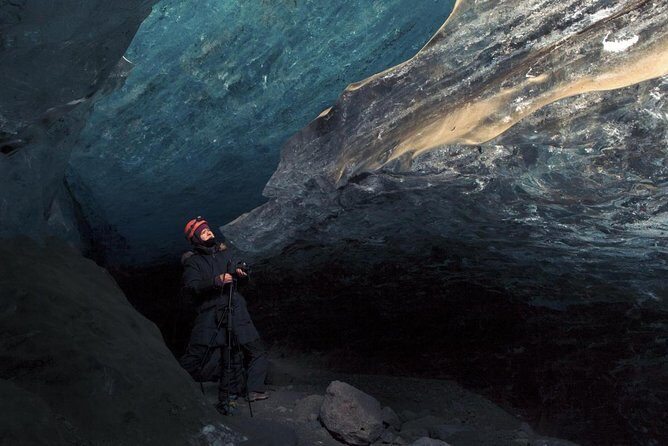
- Leidarendi Cave’s lava formations: cooled rock colors and shapes you can only see once you’re underground.
- Helmet + head torch included: you can focus on the cave instead of managing equipment.
- Cold, wet conditions inside: plan for a temperature dip and damp surfaces.
- About a 150-meter walk to the entrance: there’s a real uphill approach before you even start caving.
- Easy rating, but still tight: most people find it manageable, yet some crawling sections are part of the route.
- Pickup from central Reykjavik: round-trip transfer takes the pressure off on a weather-dependent activity.
Leidarendi Lava Cave: why this tunnel is worth your time
Reykjanes Peninsula caving is one of Iceland’s most hands-on ways to understand volcanic land. You’re not looking at a lava field from a viewpoint. You’re stepping into the leftovers—rock that formed when flowing lava cooled and hardened, trapping heat and movement into tubes and cavities.
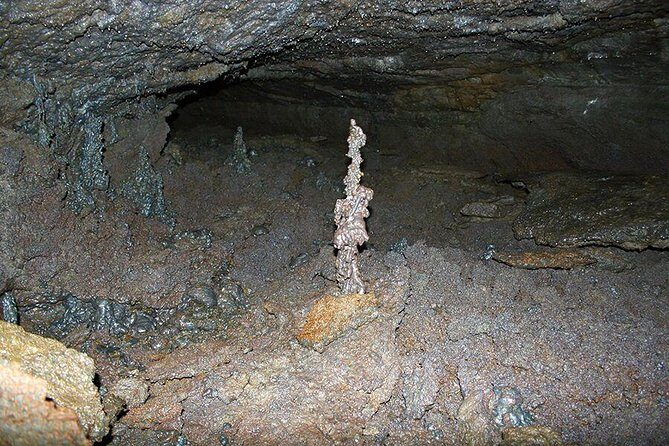
Leidarendi Cave, in particular, is known for its colorful rock faces and older-looking stalagmites you can see once you’re down there with light. The guide helps connect what you’re seeing to how lava landscapes work, so it doesn’t feel like you’re just moving through darkness for an hour. Even if you’re not a geology person, you’ll still enjoy the visual “wow” factor—dark walls, pale mineral textures, and forms that seem sculpted.
This tour also pays attention to the human side of caving: it’s rated easy, but the route still includes low ceilings and some crawl spaces. That combination—clear guidance plus a cave layout that’s more “reachable” than some other underground options—is why this activity works for a lot of ages.
You can also read our reviews of more tours and experiences in Reykjavik



Timing and transfers from Reykjavik without the stress
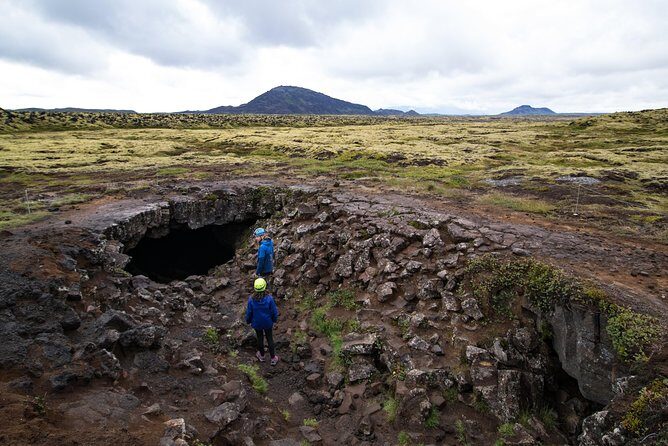
This is a transfer-style tour with pickup and drop-off in central Reykjavik included. That matters more than it sounds. Caving happens in weather, and the easiest way to keep your day smooth is to let the tour handle the timing and route to the Reykjanes area.
You’ll be driving about 30 minutes from Reykjavik toward the Blue Mountains area on the southwest side, near where the cave access starts. There’s also a 150-meter walk up to the cave entrance, so you should expect a short hike component before the underground part begins.
One detail to double-check in your booking confirmation: the provided start time info lists a 1:00 pm start time, while the seasonal departure notes describe morning pickup windows (summer earlier, winter later). The key takeaway is simple: your confirmation will specify the actual pickup timing for your date, and you should go by that for the day’s plan.
What happens once you’re underground (the real “3 hours” story)
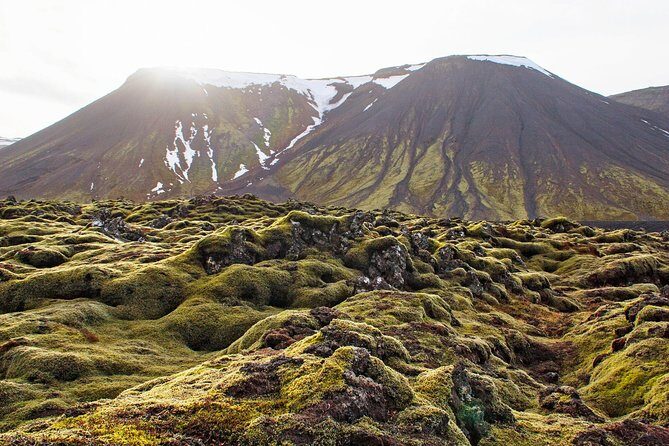
The total duration is about 3 hours, but most of the important experience is how that time is divided between walking in, getting kitted up, and moving through the cave.
Gear and first steps
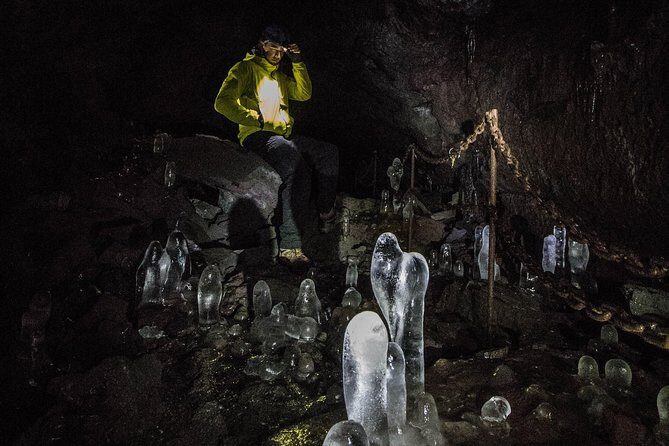
You’ll receive a caving helmet and head torch. That’s not just a convenience; it changes how you explore. With your hands free, you can actually look closely at the rock texture and formations instead of juggling a flashlight or smartphone. You’ll also get guidance on how to move safely in the cave’s dim, uneven spaces.
Expect cold air inside. The cave can feel noticeably cooler than the outside, and damp surfaces can make it feel even colder once you’re stationary or moving slowly. Dress as if you’ll be chilly for an extended stretch, not just for a quick photo stop.
The cave route: easy, but physical
The tour is rated Easy, and for many people it truly is manageable. Still, the cave is a cave. You’ll run into tight sections and low ceiling areas. The route typically includes hunching and crawling, but it’s described as mostly accessible for most participants.
A practical way to think about it: you’re not doing technical caving with ropes and belays. You’re moving through a natural lava tube system that forces some crouching and crawling. If you’ve ever worn out your knees on uneven ground, plan for the same fatigue—just in a different setting.
There’s also a bit of “route flexibility” in practice. One example from the experience feedback: people with less mobility were able to skip a crawling section while still enjoying the majority of the cave. That’s a good sign that the guide is watching out for comfort and safety, not just pushing everyone forward on the exact same movement pattern.



Seeing the cave the way light changes it
About an hour traveling through the cave is what you should expect for the underground time. During that stretch, the head torch does more than make the floor visible. It brings out color in the rock faces—tones that can look muted outside—and makes textures pop.
When you pause, you’ll notice how the stalagmite-like formations catch the light. Even if you only get a few seconds at a time, those are the moments that turn a “cool walk” into an actual memory. The cave is also a place where the guide’s pacing matters: too fast and you miss the shapes.
The small-group advantage: more guide time, less waiting
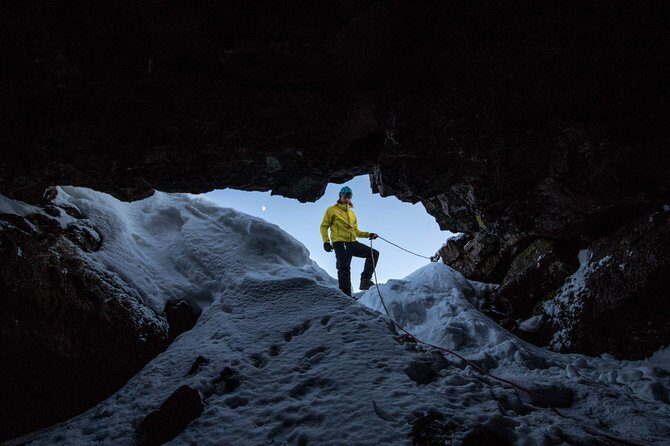
This is a small-group tour limited to eight people. That cap changes the experience. In a larger group, you might end up following a line, hoping there’s time to ask questions. Here, there’s more room for the guide to explain what you’re seeing and adjust the pace for the group.
The guides also seem to be a major part of the value. In one set of feedback, a guide named Louis was singled out for being great—informative and making the experience feel both fun and controlled. Another feedback mentions Luis as friendly, funny, and professional while still teaching you about the cave.
Even if you get a different guide on your date, the format is the same: smaller group, more attention, and fewer awkward bottlenecks in low-ceiling areas.
What you should bring (so you stay warm and enjoy it)
The tour provides caving helmet and head torch, but you’re still responsible for your comfort and safety. Here’s what you should plan for.
Bring:
- Warm clothes suited for cold cave air
- Good hiking boots
- An outer layer that protects from water (it can be wet inside)
- Lunch or snack
- Camera
Consider bringing extra support:
- Boots with ankle support are not included, and that’s worth thinking about because cave floors can be uneven and slippery when damp.
The simple rule: if you’d feel uncomfortable in a cool, wet winter basement, you’ll probably feel it more underground. Better layers beat bulky clothes. And waterproof outerwear helps a lot when you’re walking and moving through damp surfaces.
Who this tour fits best (and who should skip it)
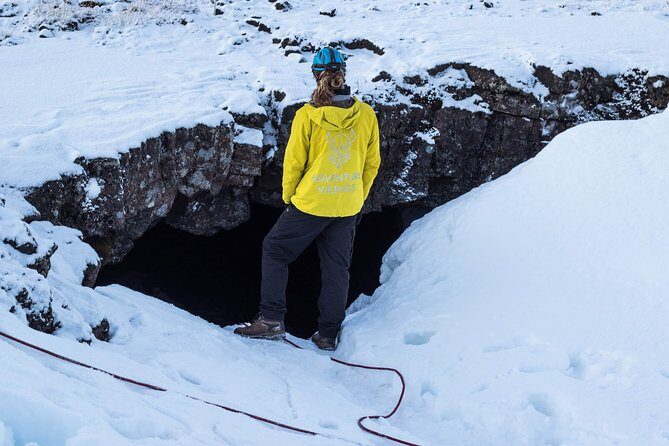
This activity is a strong fit if you want an authentic, hands-on way to see Iceland’s volcanic side and you don’t mind a bit of physical effort.
It’s also suitable for many adults, and the minimum recommended age is 10 years old. One feedback note describes taking older parents (around 70) and working around the crawling section, which suggests the guide can help you manage the route as long as you can handle low spaces safely.
You should skip it if:
- You’re claustrophobic
- You strongly dislike crawling, low ceilings, or hunching through tight areas
- You don’t feel comfortable in cool, damp conditions
If you’re on the fence, think honestly about the crawl and low-ceiling parts. The cave being rated easy doesn’t mean it’s a casual stroll.
Price and value: why $91 can be a good deal
At $91 per person, this isn’t a “throwaway” add-on. But it can still be good value because you’re paying for the whole system: guide-led cave access, safety equipment (helmet and head torch), and round-trip pickup and drop-off from central Reykjavik.
Here’s the value math that matters:
- Transport included: that’s part of the convenience.
- Gear included: you don’t need to rent helmets or search for headlamps.
- Small group: you’re buying attention, not just entry.
If you’re comparing this to doing a DIY route, the cave still needs guidance, and you’d still need proper clothing and lighting. For many people, that makes the price feel more reasonable once you factor in what’s covered.
The day-of experience: what your guide is really doing
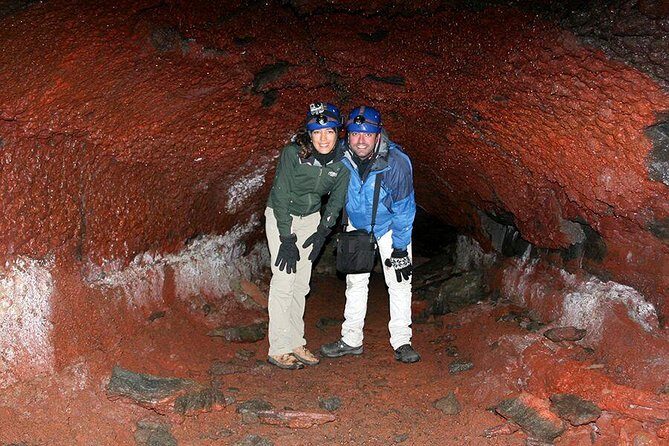
A good cave guide does three things well: keeps the group safe, sets pacing, and teaches just enough without turning it into a lecture. Based on the tone of the feedback, guides here aim for exactly that mix—friendly, even funny at times, but still professional and informative.
In a cave, safety is partly physical and partly mental. Your guide is helping you understand where you need to move slowly, when to pause for photos, and how to handle low areas without panicking.
The best part of the setup is that you’re not just told rules once. You follow the guide’s movement through the cave, and you learn what to do by doing it.
Weather matters more than most Iceland activities
This tour requires good weather. That’s not a small footnote—it’s part of planning in Iceland. If conditions aren’t right, the activity can be canceled and you’ll be offered a different date or a full refund. So build flexibility into your schedule.
Also, you should remember that the cave itself can be wet at times. Even on good days, damp surfaces inside are part of the experience. Your waterproof outer layer and boots help you keep moving comfortably.
Should you book the Leidarendi lava tunnel caving tour?
Book it if you want:
- A guided look at lava-formed underground rock with real visual payoff
- A small-group experience with lots of guide attention
- Helmet-and-light setup so you can focus on the cave, not gear logistics
- A cave route that’s mostly accessible but still memorable
Skip it if:
- You can’t handle crawling or low-ceiling spaces
- You’re claustrophobic
- You want a completely hands-off, zero-physical-effort activity
If you’re deciding last-minute, I’d make the call based on one question: how do you feel about moving through tight, low areas? If that part is acceptable, this tour is a strong, practical way to see Iceland’s volcanic world in a way no viewpoint can match.
FAQ
How long is the Leidarendi lava tunnel caving tour?
The tour lasts about 3 hours.
Is pickup and drop-off from Reykjavik included?
Yes. Pickup and drop-off from central Reykjavik are included in the price.
What equipment is provided for caving?
You’ll be provided with a caving helmet and a head torch.
How physically challenging is the cave?
The tour is rated Easy, but you should expect hunching and some crawling through low areas.
What should I bring with me?
Bring warm clothes, good hiking boots, a waterproof outer layer, a lunch or snack, and a camera.
Is the tour suitable for claustrophobia?
It is not recommended for people with claustrophobia.
What is the minimum recommended age?
The minimum recommended age is 10 years old.