Skip the aurora guessing game. At Aurora Reykjavík, Iceland’s first museum dedicated to the northern lights, you trade sky-watching stress for hands-on learning about the Aurora Borealis. I like how the visit moves from Arctic folklore and mythology to the real science behind what’s happening in the sky. I also like the fact that the experience gives you practice, not just watching: the 360° VR and the northern lights photo simulator make it feel like you’re preparing for the hunt, even on cloudy nights.
The main thing to watch for: parts of the experience can feel self-run. If you want help using the VR or getting the most out of the photo simulator, don’t hesitate to ask staff early, because the visit flows quickly and you’ll want to be paying attention.
In This Review
- Key things that make this stop worth your time
- Aurora Reykjavík in Grandi Harbour: a northern lights stop that works any month
- Northern lights folklore and the science you can actually use
- The 30-minute 4K film: what it does (and what it can’t)
- 360° Aurora VR: great training, but don’t assume it runs itself
- The photo simulator: practice before you freeze your fingers
- QR audioguides and guidebooks: good for going deeper without dragging your group down
- Cafe stop, local art, and souvenirs: a light finish after the lights lesson
- Price and value: what $33 buys you (and what it doesn’t)
- Practical tips before you go: the small things that make a big difference
- Who this works best for
- Should you book Aurora Reykjavík?
- FAQ
- Where is Aurora Reykjavík located?
- How long is Aurora Reykjavík The Northern Lights Center Entry?
- What’s included in the ticket price?
- Do I need headphones?
- What languages are available for guidebooks and audioguides?
- Is Aurora Reykjavík suitable for all ages?
Key things that make this stop worth your time
- Folklore to science in one circuit so you understand what you’re seeing and why it happens
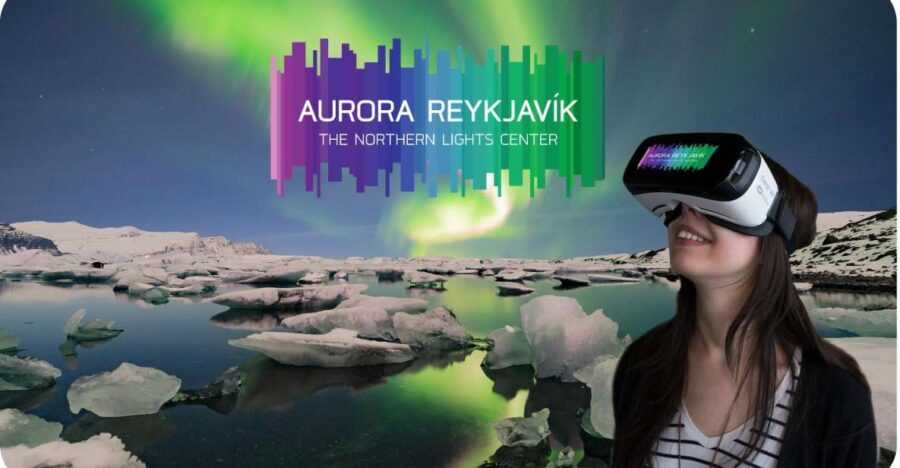
- 360° Aurora VR gives you a sky-view experience while you’re still indoors
- 30-minute 4K timelapse film in a relaxed cinema room
- Aurora photo simulator helps you translate lessons into camera settings and practice
- QR audioguides and guidebooks in multiple languages, so you can go at your own pace
- Expert tips throughout the visit so you’re not going in blind for nighttime chasing
Aurora Reykjavík in Grandi Harbour: a northern lights stop that works any month
Aurora Reykjavík is easy to fit into a Reykjavík day because it sits right in the Grandi Harbour district, close to the city center. That matters when Iceland weather is doing its own thing. You’re not committing to hours in the dark and cold hoping for a miracle; you’re committing to a focused indoor experience about auroras, all year around.
The meeting point is at Fiskislóð 53, 101 Reykjavík, and the museum is set up so you can arrive without a whole production. Public transportation is available (line 14), and there’s also free parking, which is helpful if you’re mixing this stop with other parts of your trip outside the center.
Another practical win: the ticket includes skip the ticket line, so you’re not wasting the best part of your time standing around while the light fades.
You can also read our reviews of more tours and experiences in Reykjavik.


Northern lights folklore and the science you can actually use
The exhibition starts with stories from the Arctic world, including northern lights folklore and mythology. This isn’t just for atmosphere. It gives you context for why people have watched these lights for centuries and built explanations around them. When you later learn the science, the mythology suddenly feels like part of the same question—what are these moving lights, and why do they appear?
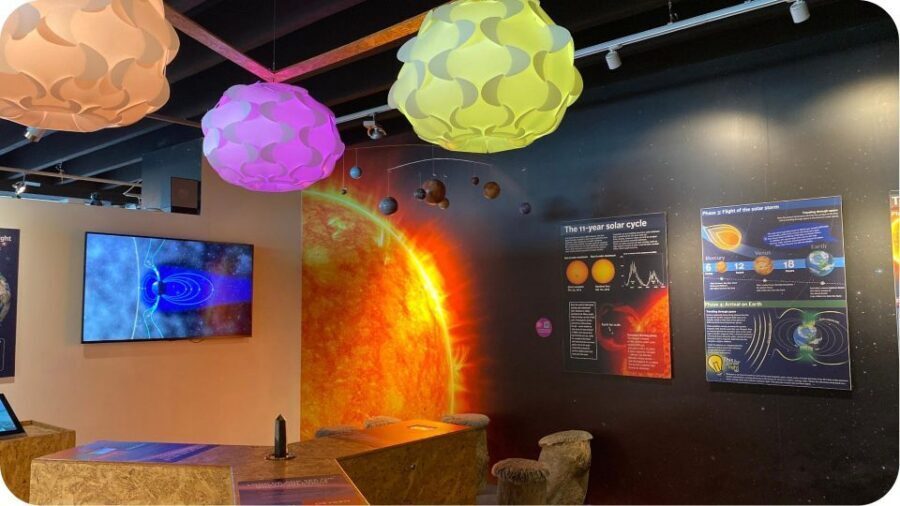
Then the museum turns to the nuts and bolts of Aurora Borealis physics: the journey from the Sun to Earth’s atmosphere. You learn how auroras form, and how the lights can look different in shape and color to the naked eye. That’s a big deal because the northern lights aren’t always one simple “green curtain” display. Understanding what can shift—colors, motion patterns, and visible appearance—helps you notice more once you’re outside.
If you’re the type who likes meaning and structure, this part of the visit lands well. It’s not just facts; it’s “here’s what you’re looking at, now you’ll recognize it.”
The 30-minute 4K film: what it does (and what it can’t)
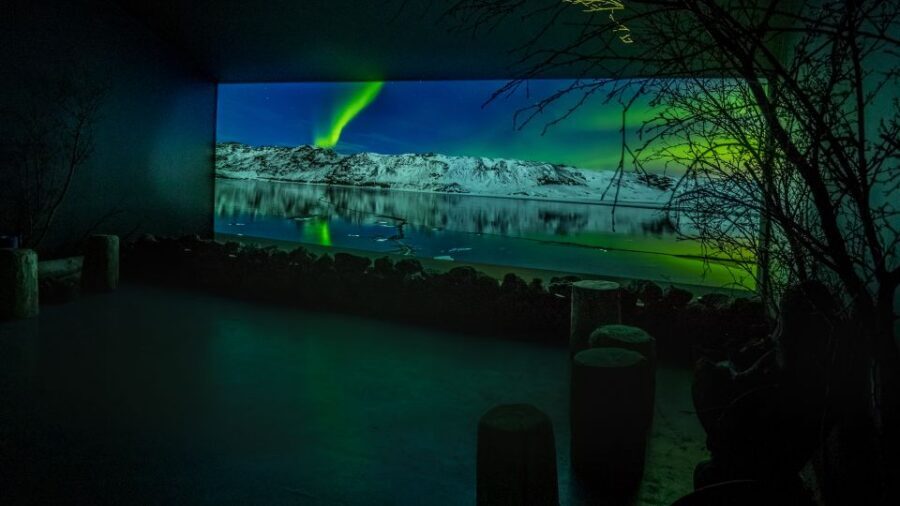
Next you’ll move into the movie theater for a 30-minute 4K timelapse film of aurora displays. The point here is repetition and clarity. Timelapse helps show motion and intensity changes that the naked eye might miss during a quick glance outside.
I like this setup because it gives you a calmer rhythm. Instead of rushing between forecast apps and outdoor spots, you sit down and watch how auroras can behave over time. A few key ideas from the science section tend to click during the film: how the lights can shift, how colors can vary, and how different aurora forms relate to what you’re seeing.
The honest limitation: no film can replace the real sky experience. What it can do is reduce disappointment. If you end up missing the real aurora, you still leave understanding what you were hoping for.
360° Aurora VR: great training, but don’t assume it runs itself
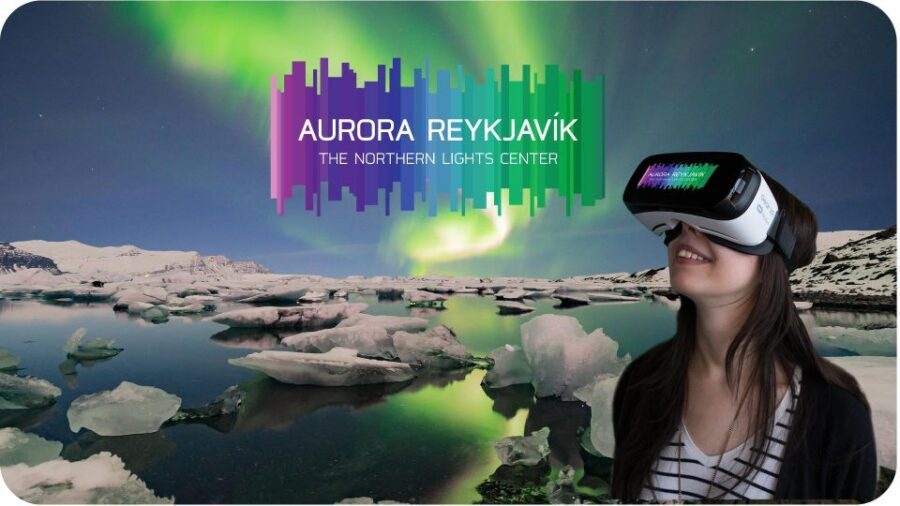
The museum’s signature indoor tech is its world’s first 360° Aurora VR experience. You put on the VR goggles and watch a 360° northern lights movie that simulates looking up at the Icelandic night sky.
This is where the value shows up for most people. VR helps you “read” the aurora visually—how it moves around you, how it spreads through the sky, and what it feels like to be under it. It also helps when you don’t know where to look outside. If you’ve ever stood in the dark, turned in all directions, and still felt lost—this gives you a way to practice your eye.
One caution from real-world experience: the VR part works best when you get proper guidance. If the staff don’t walk you through it, you might miss the chance to use it the way they intend. So I’d treat VR like a tool, not a passive show. Ask questions right away if you’re unsure what to do or how it’s supposed to feel.
The photo simulator: practice before you freeze your fingers
Aurora photography is its own mini-sport in Iceland: you need the right settings, and you need steady hands while you’re cold. Aurora Reykjavík’s photo simulator is designed for that reality. It’s specifically made so you can practice taking aurora photos using a northern lights photo setup indoors.
Even if you never plan to print your photos, this simulator is useful because it turns vague advice into something you can try. You’ll learn about the process of aurora imaging and practice the workflow without the stress of hauling gear into the cold and realizing you’ve got your settings wrong.
There’s also a broader advantage: once you learn what kind of results you can aim for, you can make better decisions outside. You’ll spend less time guessing and more time adjusting with intention.

QR audioguides and guidebooks: good for going deeper without dragging your group down
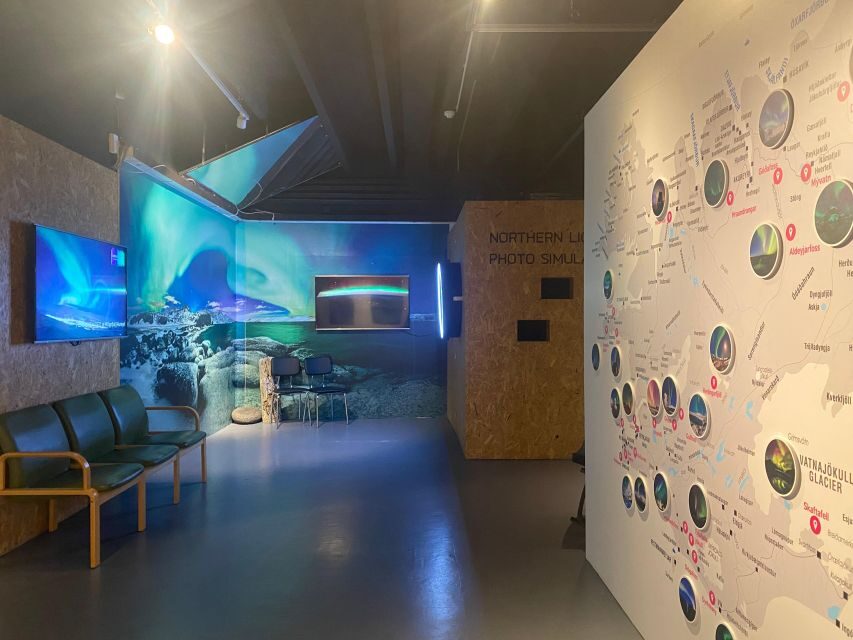
The museum gives you QR-based audioguides and guidebooks in many languages. That’s great for couples, families, and mixed-language groups because it lets people move at their own pace.
A couple of practical notes:
- You’ll want headphones for the QR audio. The listing says earphones can be purchased as an add-on (7 EUR/person).
- Guidebooks are available in translation, and audioguides cover several languages as well. The audioguides you can access include English, Cantonese, French, German, Italian, Mandarin, and Spanish. Guidebooks are offered across 13 languages overall, with options listed for translated guidebooks.
I like this system because it prevents the “everyone stops while one person translates” problem. You can focus on the experience now, then use the extra language tools for context.
Cafe stop, local art, and souvenirs: a light finish after the lights lesson
At the end, you’ll be able to grab a cup of coffee in the café and browse a boutique with local art and souvenirs. The experience also includes time to meet the team, including award-winning photographer and northern lights experts who are happy to answer questions.
This last part matters because it’s your chance to ask the practical stuff: what to watch for, what gear questions you should care about, and what you can reasonably expect. It’s also a nice way to transition from indoor learning to whatever you’re doing next in Reykjavík.
Just note: hot drinks are listed as an add-on, so treat the café as a place to top up, not as a guaranteed included perk.
Price and value: what $33 buys you (and what it doesn’t)
At about $33 per person, Aurora Reykjavík sits in the “worth it if you want certainty” category. You’re paying for an experience that doesn’t rely on weather luck.
Here’s what your admission covers:
- Entrance to the Aurora Reykjavík, The Northern Lights Center
- 360° virtual reality video
- A 30-minute northern lights film
- A northern lights photo simulator
- Guidebooks in 13 languages
- QR-based audioguides in 7 languages
That’s a lot of structured content for one ticket, and it’s not just entertainment. The museum is teaching you the why and then letting you practice the how (especially with the photo simulator).
What costs extra (based on the info provided) includes:
- Earphones for the QR audioguide (add-on)
- A souvenir guidebook in select languages (add-on)
- Hot drink in the café (add-on)
So the real value question is simple: do you want a northern lights experience that you can count on even if the sky stays stubborn? If yes, this price makes sense. If you’re planning a long outdoor aurora hunt and only want a quick museum stop, you might consider whether you need every included tech element.
Practical tips before you go: the small things that make a big difference
A few simple things will help your visit feel smooth:
- Bring headphones if you can. QR audioguides are part of the experience, and the museum notes earphones as an add-on.
- Pay attention early, especially for VR. You’ll get more out of it if you understand how to use it from the start.
- Wear shoes with good grip. One review mentioned the entrance being iced-up and slippery, so it’s smart to plan for Iceland conditions even inside the city.
Also, because this is an indoor museum with multiple components, you’ll enjoy it more if you don’t treat it like a quick walk-through. Take the science section seriously, then use the VR and simulator as “training.” You’ll leave with better instincts for what to look for outside.
Who this works best for
This is a great fit if:
- You want to learn about auroras and not just hope for a lucky night
- You’re traveling with kids (the museum is described as suitable for all ages)
- You’re hoping to improve your aurora photos with hands-on practice
- You’re visiting during months when conditions are unpredictable, or you want a plan B that still feels meaningful
It’s also a good match if you don’t want to spend your whole time chasing forecasts. You’ll still get the science and the visuals, and you’ll be better prepared for the real night sky when you do go out.
If you only care about one thing—like spotting the lights as a photo or an escape from crowds—this may feel more educational than expected. But if you like understanding what you’re seeing, it’s a solid use of a day.
Should you book Aurora Reykjavík?
I’d book this if you want a northern lights plan that doesn’t depend entirely on luck. The mix of folklore plus science, the 4K film, the 360° VR, and the photo simulator means you’re not paying just for a lecture or a quick exhibit.
Skip it only if you’re sure you’ll be doing lots of outdoor aurora chasing and you’re not interested in learning or practicing. In that case, you might feel like the museum is “extra.”
For most people, though, Aurora Reykjavík hits a smart balance: you get value today, learning you can use later, even if the sky gives you a hard time.
FAQ
Where is Aurora Reykjavík located?
Aurora Reykjavík is at Fiskislóð 53, 101 Reykjavík, Iceland, in the Grandi Harbour district, just steps from the city center.
How long is Aurora Reykjavík The Northern Lights Center Entry?
The experience is listed as 1 day and is designed as a complete indoor visit.
What’s included in the ticket price?
Included are the entrance to Aurora Reykjavík, the 360° virtual reality video, a 30-minute northern lights film in the cinema room, the northern lights photo simulator, guidebooks in 13 languages, and QR-based audioguides in 7 languages.
Do I need headphones?
You’ll want headphones for the QR-based audioguides. Earphones can be purchased as an add-on (7 EUR/person).
What languages are available for guidebooks and audioguides?
Guidebooks are available in translation (multiple languages are listed, including Chinese, Czech, Dutch, French, German, Italian, Japanese, Polish, Portuguese, Russian, Spanish, and more). Audioguides are available in English, Cantonese, French, German, Italian, Mandarin, and Spanish.
Is Aurora Reykjavík suitable for all ages?
Yes. The experience is described as suitable for all ages and it is wheelchair accessible.