Cold water, big geology magic. This snorkeling trip turns Iceland’s tectonic drama into something you can experience up close, floating through the Silfra Hall, Silfra Cathedral, and Silfra Lagoon. I love the small-group setup (max 6), because it makes the safety talk real and personal. I also love the focus on staying warm—you get a drysuit plus a guide who makes sure you’re comfortable before you even step into the water.
One thing to consider: the drysuit can feel tight when you first put it on, and the water is genuinely cold. If you’re sensitive to that sensation or you don’t feel confident swimming, this might not be the right fit.
In This Review
- Key things I’d bookmark before you go
- Silfra snorkeling: what it feels like to swim between tectonic plates
- How the 2.5-hour experience actually runs (and why the pacing matters)
- Checking in at 806 Thingvellir and getting kitted up in a heated van
- The safety briefing: what guides cover before you step into the fissure
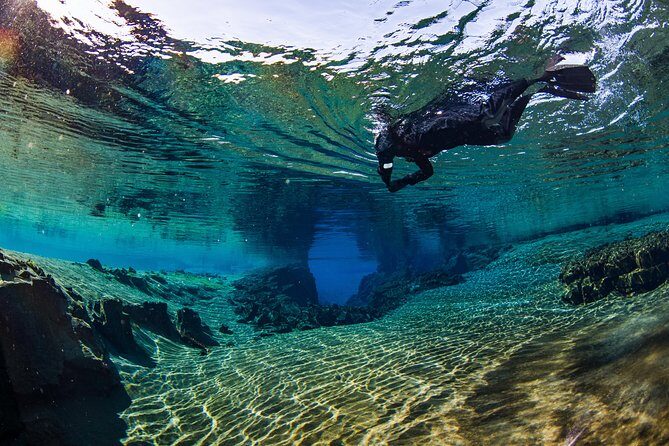
- Silfra Hall, Cathedral, and Lagoon: what you’ll see without expecting fish
- Cold-water reality check: how the drysuit warmth plan works
- Thingvellir National Park: why the briefing is worth your attention
- Value for $154: what’s included, what costs extra, and what you’re really paying for
- Who this is best for (and the clear red flags)
- Practical tips so your snorkel goes smoothly
- Should you book Silfra snorkeling with a small-group guide?
- FAQ
- What is the duration of the Silfra snorkeling tour?
- Where do I meet the guides?
- How many people are in a group?
- What’s included in the price?
- What is not included?
- Do I need a medical form?
- Are there age or physical requirements?
- Is the tour suitable for pregnant travelers?
- What should I wear under the drysuit?
- What if weather is poor or the tour is canceled?
Key things I’d bookmark before you go
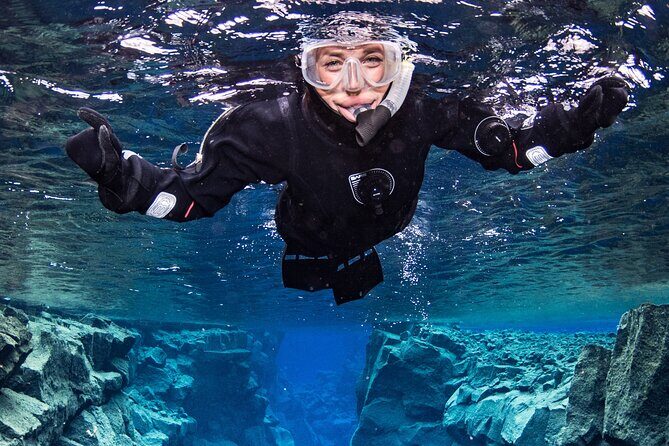
- Float first, worry later: the guide helps you settle in so cold doesn’t turn into panic
- Drysuit warmth plan: warm undersuit and gear help protect everything except face and hands
- Clarity over coral: you’re there for rocks, fissures, and impossible blue visibility, not fish
- Briefing with real context: tectonic plates and Thingvellir history get woven into the experience
- Tiny group energy: max 6 people means more attention and less waiting around
- Warm finish included: hot chocolate and cookies after you’re out of the water
Silfra snorkeling: what it feels like to swim between tectonic plates
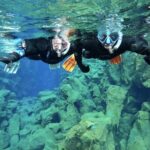
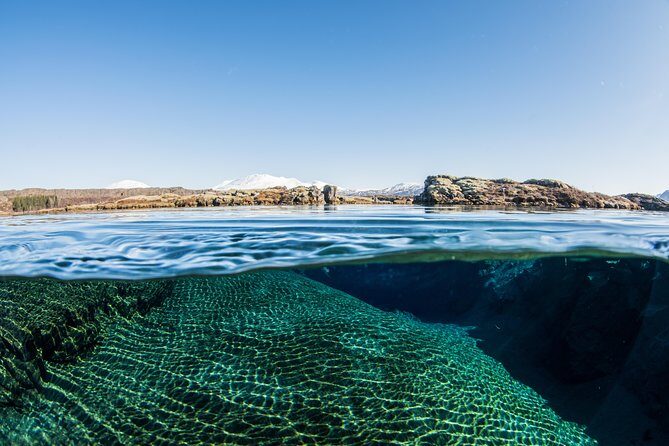
Silfra is the kind of Iceland stop that sounds wild in theory and then somehow gets even better in real life. You’re snorkeling in glacier meltwater inside a rift at Thingvellir National Park—an area created by the North American and Eurasian plates pulling apart. The water is so clear that the rock shapes below look unreal, like you’re floating inside a blue cathedral made of stone.
What makes Silfra special for most people is that it’s not about seeing sea life. You’re not hunting for fish. You’re reading the geology with your eyes. The views are about the fissures, the walls, and the way light travels through the water. Expect deep blues, sharp rock edges, and that strange feeling of being both outside and somehow underground.
Also, there’s a practical bonus: because you’re snorkeling in a controlled tour format, you’re not left alone to figure out how to stay warm or how to handle the gear. Guides make a big difference here, and the reviews back that up with names like Hugo, Boris, Diogo, and Wilfred showing up again and again.
You can also read our reviews of more snorkeling tours in Reykjavik
How the 2.5-hour experience actually runs (and why the pacing matters)
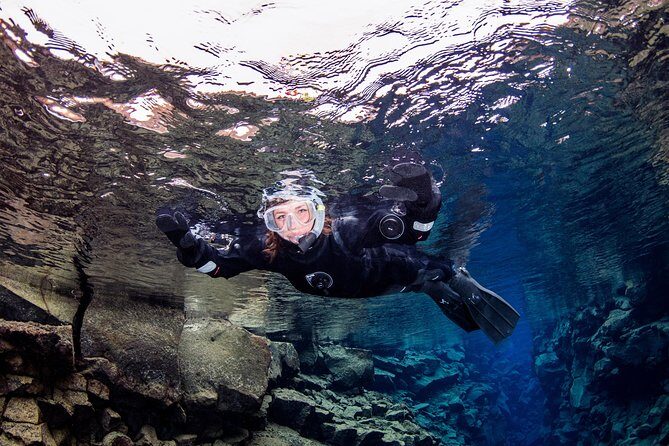
This tour runs about 2 hours 30 minutes total, including gearing up and the walk to the water. You’ll arrive about 15 minutes early to check in, then the process moves quickly once your small group is formed.
The key pacing piece is that roughly an hour goes into briefing and getting you fully equipped. That time matters. The water is cold, and Silfra is not the place to start learning how your drysuit works five minutes before your first step in. Once everyone is geared up, you’ll do a short walk (around 5 minutes) to the snorkeling sites and then spend about 30–45 minutes in the water across Silfra Hall, Silfra Cathedral, and Silfra Lagoon.
After you’re out, the tour doesn’t just end with a goodbye. You warm up with hot cocoa and cookies, and you’ll have time to chat with your guide and look at photos taken during the tour.
Checking in at 806 Thingvellir and getting kitted up in a heated van
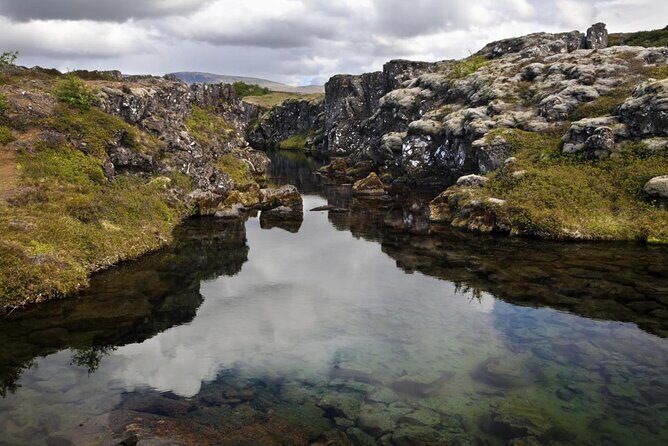
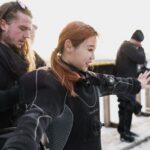
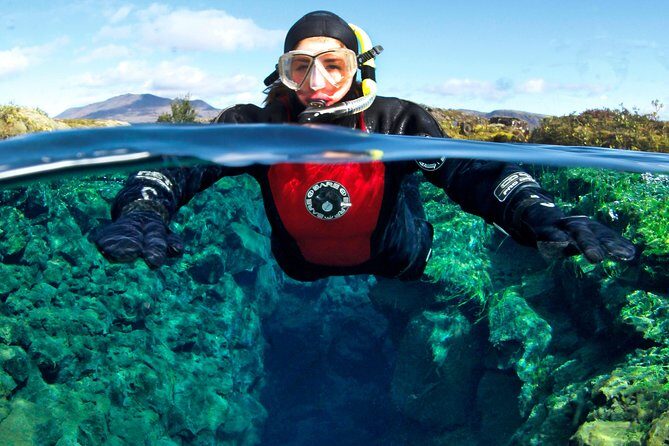
Your first stop is the meeting point at 806 Thingvellir. You’ll check in with the guides there, and then your group forms—again, max 6 travelers. Once you’re in your group, you’ll get your drysuit, a warm undersuit, and your snorkeling equipment. If you’re new to snorkeling, this is the part you’ll appreciate most, because the guide will walk you through how to use everything.
You can change in the operator’s heated changing van, which is a big deal in Iceland. Warm-up time isn’t just comfort—it helps you get ready without that instant-shiver stress that makes everything feel harder.
Base-layer advice matters here. You’ll get the best results if you wear long thermal underwear and thick socks (wool socks are a common go-to). Drysuits go over your own clothing, so your warmth setup starts before the suit even goes on.
The safety briefing: what guides cover before you step into the fissure
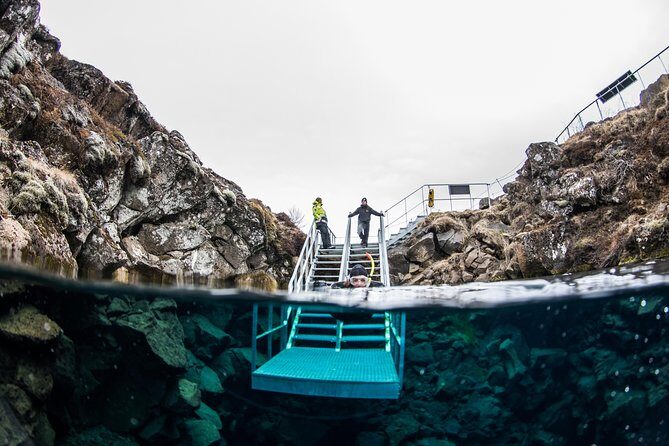
Before you enter the water, you’ll get a briefing on Silfra and on safety. Your guide also shares context about Thingvellir National Park and the tectonic story behind what you’re doing. Guides may mention how the rift shaped the area and the broader importance of the park, with some guides going as far as connecting it to local landmarks or historical themes.
You’ll also fill out a medical form online before the tour. If you’re 60 or older, your doctor must sign the approval form. You’ll need to provide your height, weight, and age to ensure the drysuit fits well—this is not an optional detail, because fit affects both comfort and warmth.
Finally, you’ll need to be comfortable in water and able to swim, and you must be able to communicate in English. If you can swim but feel unsure about cold-water control, that’s still workable with the right mindset and the right guide. The reviews repeatedly mention guides staying close, giving encouragement, and keeping people calm (especially when first getting used to the sensation).
Silfra Hall, Cathedral, and Lagoon: what you’ll see without expecting fish
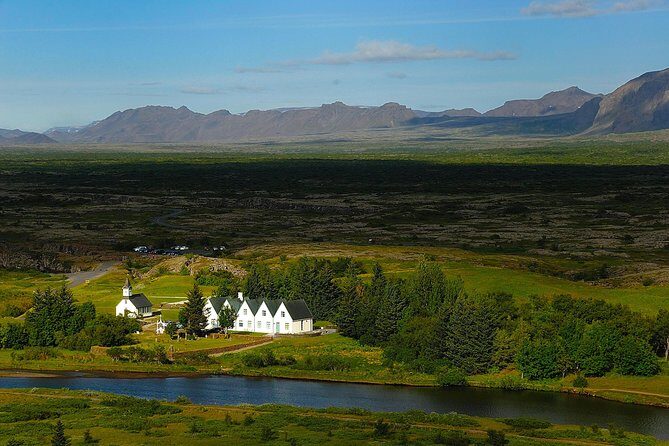
Once you reach the water, the snorkeling portion is where the whole tour earns its reputation. You’ll float through a sequence of spots: Silfra Hall, Silfra Cathedral, and Silfra Lagoon. The sites change the rock shapes and the way the light hits the water, so your eyes don’t get bored.
Here’s the key expectation to set right: you’re not going for coral reef vibes. People go because the water clarity is extraordinary and the rock formations look otherworldly. Think rock walls, cracks, and the rift geometry showing itself through the water.
Also, there’s a common misconception you should know about ahead of time. You can’t actually reach out and touch the two tectonic plates with your hands just because you’re in the rift. The reef and walls you swim near are part of a wider zone. Still, you’re technically snorkeling in the rift between the plates, and the feeling of being in that geologic boundary zone is the point.
In real life, your viewing experience depends on how steady you stay. Most guides keep you supported with positioning and guidance, so you’re watching rocks and fissures instead of fighting your breathing or your balance. Reviews also highlight a common pattern: the suit keeps people afloat, and the guide tends to swim in front or alongside so you can focus on the views.



Cold-water reality check: how the drysuit warmth plan works
Let’s talk about cold, because this tour is sold on Iceland cold and you’ll feel it. People often report that it can be cold while you’re getting ready, even in the heated van. But once you’re suited up, the experience tends to feel more manageable.
The drysuit is worn over your clothing, and the tour setup aims to protect most of you. In practice, what gets wet is mainly your face and hands. That’s why face and hand comfort is such a big deal. If you’re anxious about cold sensations, this is the reason you shouldn’t show up underdressed.
Another comfort factor: guides help you get the suit on correctly and check in as you settle into the water. Many reviews mention moments like the guide spotting issues early—like a mask that lets water in—so the experience doesn’t spiral into constant adjustment. If you have a tendency to get nervous, look for a calm, attentive guide. Names that come up a lot include Hugo, Boris, and Nickos, with multiple mentions of guides making sure people feel safe and secure.
When you’re done, the warm finish really hits. Hot chocolate and cookies turn the water time into an experience you can fully enjoy, rather than just survive.
Thingvellir National Park: why the briefing is worth your attention
Silfra isn’t isolated from its surroundings. Thingvellir National Park is the real stage here, and the guide’s briefing helps you connect what you’re doing in the water with the landscape and history around it.
In the briefing, you’ll learn about tectonic plates and the continents, and you’ll get context that makes the snorkeling route feel purposeful. People often expect just a photo moment. Instead, the best part is realizing you’re participating in a real-world process: plates are separating here, and the rift creates the underwater environment you’re swimming through.
If you want a tour where someone explains what you’re seeing in plain terms, this is a strong fit. Some guides go beyond basics and add personal enthusiasm. Reviews name-drop guides like Gabe, Filip, and Armand, and the common thread is that they don’t just hand you gear—they help you understand what makes Silfra special.
Value for $154: what’s included, what costs extra, and what you’re really paying for
At about $154 per person, you’re paying for far more than a rental mask. The price includes:
- a guided snorkeling tour with an instructor-type guide (PADI instructor listed)
- all snorkeling equipment, plus drysuit and warm undersuit
- a heated changing van
- hot chocolate and cookies
- the Silfra entrance fee (ISK 1,500)
That matters in Iceland, because cold-weather comfort is expensive if you try to do it yourself—especially if you’re not already set up with proper gear. Here, warmth, safety, and timing are bundled together.
What’s not included is souvenir photo purchasing. You may see photo options after the tour. Some people end up buying the set because it’s hard to keep a camera functioning in extreme cold and because underwater shots are part of the experience value.
Net-net: you’re paying for a guide-led safety system plus the correct gear. If you hate dealing with rentals and troubleshooting, this package price starts looking fair fast.
Who this is best for (and the clear red flags)
This tour is suitable for most people who can swim and feel physically fit, but it’s not for everyone.
You should strongly consider it if:
- you’re curious about geology
- you want clear, guide-led instructions instead of figuring things out alone
- you want a cold-weather adventure with strong safety pacing
- you like small groups and personal attention
You should think twice if you:
- don’t handle tight clothing well (the drysuit can feel constricting)
- can’t swim comfortably
- get overwhelmed by the idea of cold, even if the gear helps
- are pregnant (not suitable per tour info)
There are also hard limits: minimum height is 150 cm (4 ft 11 in) and minimum weight is 45 kg (100 lbs). Maximum height and weight are 200 cm (6 ft 7 in) and 120 kg (264 lbs). Age minimum is 12 years old, and the tour maxes at 6 travelers.
If you’re 60+ and considering it, plan for the doctor-signed approval form.
Practical tips so your snorkel goes smoothly
A few things can make this tour feel much easier from the first moment.
First, dress for warmth before the drysuit. Long thermal underwear and thick socks are your foundation. That helps you handle the cold ramp-up while you’re getting geared.
Second, if you wear glasses, don’t assume it’s the same as other snorkeling setups. One review specifically notes that prescription glasses can be tricky and suggests prescription goggles with the nose covering or using contacts.
Third, think about cameras and phones. People mention that extreme cold can cause camera problems quickly. If you really want photos, let the guides handle it and focus on your own experience.
Fourth, if you get the chance, take photos after the water. You’ll be warmer, steadier, and more able to enjoy looking at the images you paid for later (if you decide to).
Finally, listen when the guide positions you. Silfra snorkeling is easier when you stop fighting your body and let your floating setup work.
Should you book Silfra snorkeling with a small-group guide?
I’d book this if you want a truly unusual Iceland experience—one where your main reward isn’t scenery from a viewpoint, but the sensation of floating in a real rift between continents. The small group size, the heated changing van, and the guided equipment setup are the ingredients that make this work for everyday travelers.
Skip it (or at least reconsider) if the drysuit feel makes you anxious, if you can’t swim comfortably, or if you need a vacation that avoids cold sensations entirely. This is cold-water snorkeling, even with the gear.
If you’re on the fence, here’s the decision rule I’d use: if you can handle cold and you like learning what you’re seeing, you’ll likely love it. If you hate getting uncomfortable no matter how good the gear is, there are plenty of easier Iceland adventures.
FAQ
What is the duration of the Silfra snorkeling tour?
The tour runs about 2 hours 30 minutes on average, including time for check-in, briefing, gearing up, and snorkeling.
Where do I meet the guides?
You meet at the DIVE.IS meeting point for Silfra snorkeling and diving tours at 806 Thingvellir, Iceland. The tour ends back at the same meeting point.
How many people are in a group?
This activity has a maximum group size of 6 travelers.
What’s included in the price?
Included items are the guided snorkeling tour, hot chocolate and cookies, all necessary snorkeling equipment plus a drysuit and warm undersuit, a live guide who is a PADI instructor, a heated changing van, and the Silfra entrance fee.
What is not included?
Souvenir photos from your snorkeling tour are available to purchase, but they are not included.
Do I need a medical form?
Yes. All participants must fill out a medical form online before participating.
Are there age or physical requirements?
Participants must be at least 12 years old. You also need to be comfortable in the water and able to swim, and you must be physically fit and healthy. There are minimum height and weight limits and maximum height and weight limits as well.
Is the tour suitable for pregnant travelers?
No, the tour is not suitable for pregnant women.
What should I wear under the drysuit?
Drysuits are worn over your own clothing. You’re advised to wear long thermal underwear and thick wool socks as a base layer.
What if weather is poor or the tour is canceled?
This experience requires good weather. If it’s canceled due to poor weather, you’ll be offered a different date or a full refund. There’s also a minimum number of travelers requirement, and the operator may offer another date or a full refund if that minimum isn’t met.