Snæfellsnes runs on drama. This full-day tour strings together Ytri-Tunga seals and the Kirkjufell spotlight moment, plus lava fields, towering rock formations, and black-sand coasts with a guide who keeps the story thread going. It’s the kind of day where geology, folklore, and wildlife all take turns at the microphone.
I like the way each stop is timed for both photos and a short walk, not just a quick stare-and-go. I also like the bus setup: English guide, Wi‑Fi, and Icelandic music to make the long road feel less like transit and more like part of the experience. The main drawback is simple: it’s a long day with lots of time in the coach, and weather can turn slick fast—so your rain gear and walking shoes actually matter.
In This Review
- Key takeaways before you go
- A west-Iceland day built like a playlist of scenery
- From central Reykjavik to Borgarnes: the fjord drive that wakes you up
- Ytri-Tunga seals: how to turn a beach stop into an animal encounter
- Búðir and the Black Church of Búðir: where lava becomes a village story
- Arnarstapi cliffs, stone arches, and Bárður the half-troll
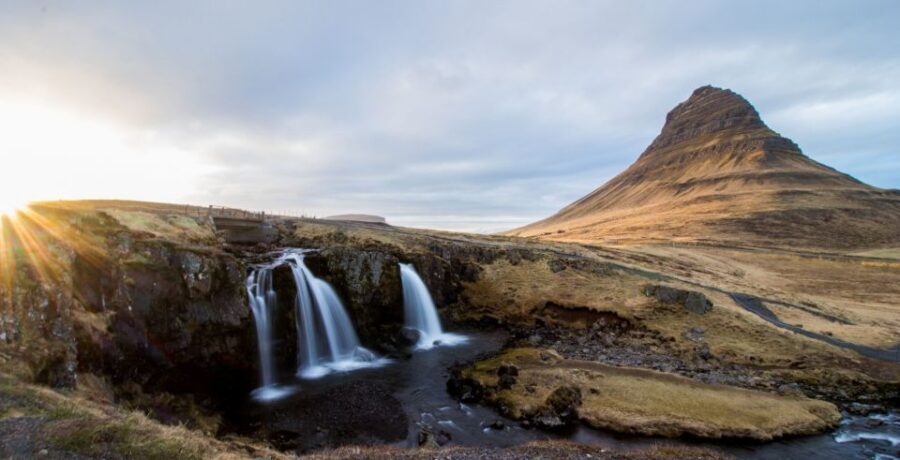
- Kirkjufell: the most famous mountain in Iceland, plus a waterfall moment
- Djúpalónssandur black sands: shipwreck history on volcanic pebbles
- Lóndrangar basalt pinnacles: 75-meter towers you can’t ignore
- Seawind, weather, and the real pacing of a 12-hour day
- Guide energy, bus comforts, and why the stories matter
- Price and value: what $159 gets you in one long day
- Who this tour suits best (and who might want to DIY)
- Should you book this Snæfellsnes day trip?
Key takeaways before you go
- Ytri-Tunga seal beach puts you close to a real seal colony on a sandy shoreline.
- Kirkjufell is the photo-and-waterfall payoff, with a reflective lake below it.
- Lóndrangar delivers huge basalt pinnacles (up to 75 meters) that dominate the coastline.
- Djúpalónssandur mixes black pebbles, shipwreck remains, and ancient lifting stones.
- Arnarstapi and Hellnar Arch add cliffs, stone arches, and the local Bárður troll stories.
A west-Iceland day built like a playlist of scenery
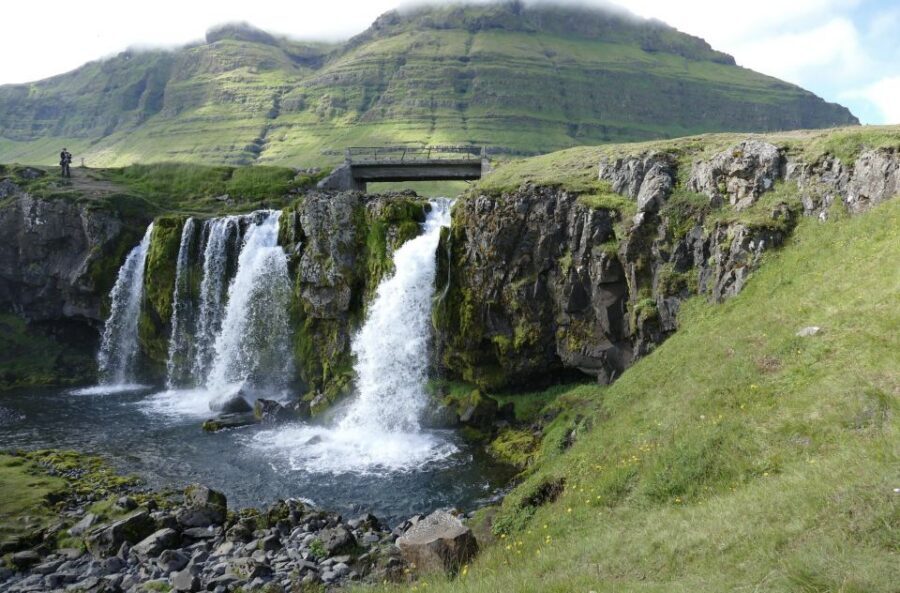
Snæfellsnes is compact on a map, but it feels like a whole country in one day. You’ll see the rugged variety the peninsula is famous for: volcanic coastlines, black sand and pebbled shores, dramatic basalt stacks, and the iconic cone-shaped silhouette of Kirkjufell with its waterfall.
What makes this tour work is the rhythm. You’re not only hitting famous names. The route also threads through places that connect to Iceland’s volcanic past and its seaside culture. And the guide’s job is bigger than reciting facts. You’ll get stories that help you look at what you’re standing in front of instead of just snapping pictures and moving on.
You can also read our reviews of more tours and experiences in Reykjavik.
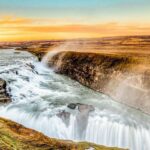

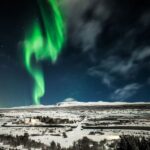
From central Reykjavik to Borgarnes: the fjord drive that wakes you up
Pickup starts in central Reykjavik, with a planned arrival point at Miðborg and a prompt start at 8:00 AM. The pickup process itself can take around 30 minutes, so build in some buffer so you’re not stressed before the drive even begins.
Before you even reach the peninsula, you travel through Borgarnes, crossing a fjord and scenic mountain roads. This is one of those segments that’s easy to overlook—until you realize how the scenery sets expectations for the day. Borgarnes also carries early settlement history tied to the Norwegian Vikings who arrived in Iceland. If you like understanding why places feel the way they do, this first “chapter” gives context before the coastline goes full sci‑fi.
There’s a short break in Borgarnes for shopping and a reset (about 15 minutes). It’s useful if you want to buy snacks or a quick drink before the day starts moving faster.
Ytri-Tunga seals: how to turn a beach stop into an animal encounter
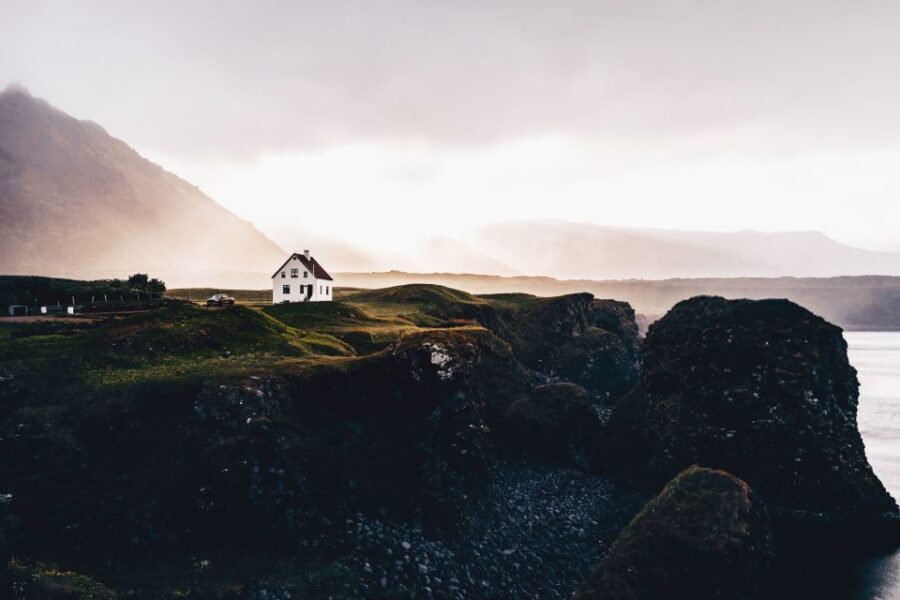
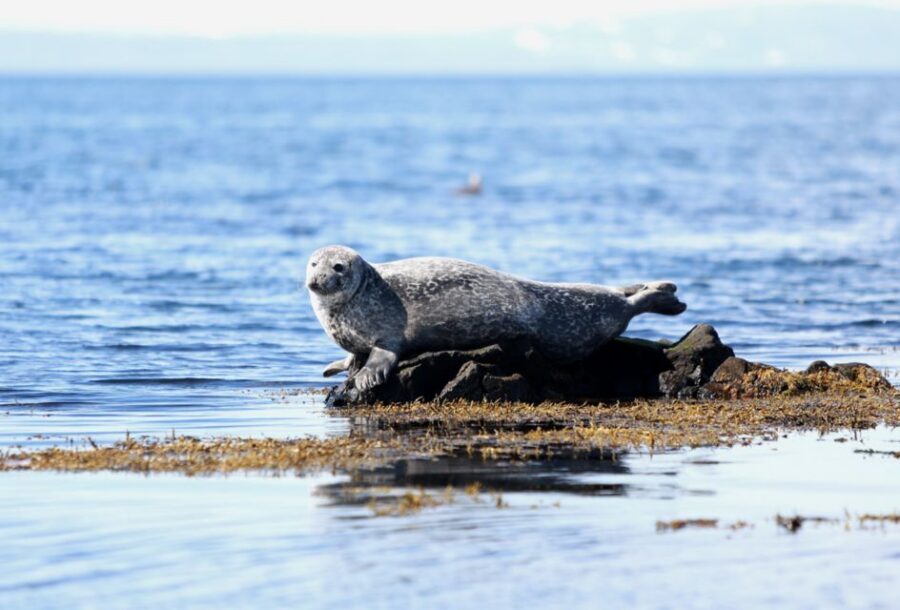
Your first big “wow” stop is Ytri-Tunga, a sandy beach where seals hang out on the rocks. The tour description makes it clear this is a secret you only notice once you’re down by the waterline and watching the shoreline activity—seals like to spend their time on the rocks right near where visitors can spot them from a distance.
Why I think this stop is great for your day:
- Seals are part of the scenery, not a distant viewing platform.
- The seals are described as friendly and curious, and you may see them climb up for a better look at you.
- You’re learning how attitudes changed over time: in the past, seals were killed for food or fashion, but now Icelanders encourage visitors to view them as part of the culture.
Practical note: this is still outdoors in Iceland weather. Bring warm layers even if it looks bright, and give yourself a minute to find a comfortable viewing spot before you start shooting video.
Búðir and the Black Church of Búðir: where lava becomes a village story
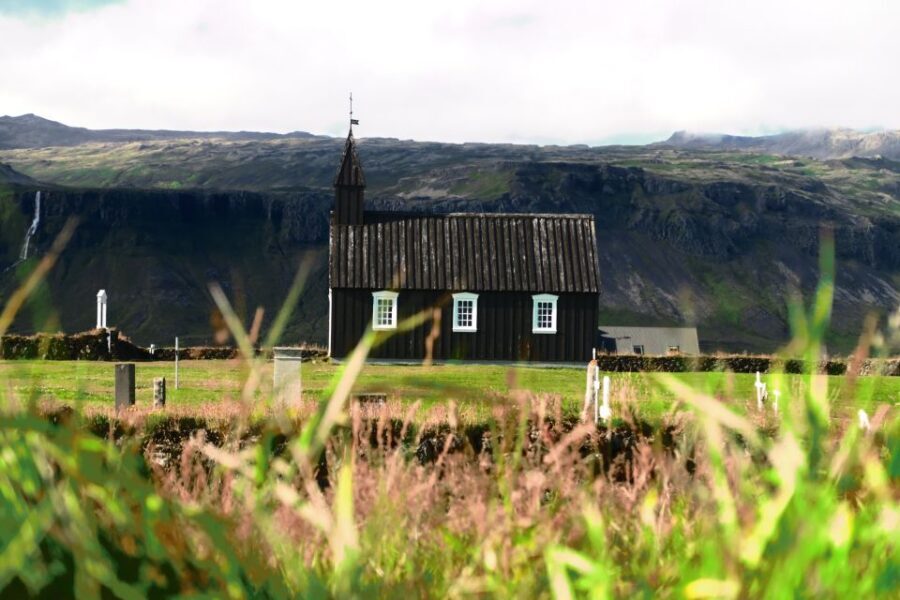
Next comes Búðir, an old village once known as Hraunhofn, meaning harbor of lava. That name alone tells you what the landscape is doing here: lava and sea have been shaping life for a very long time.
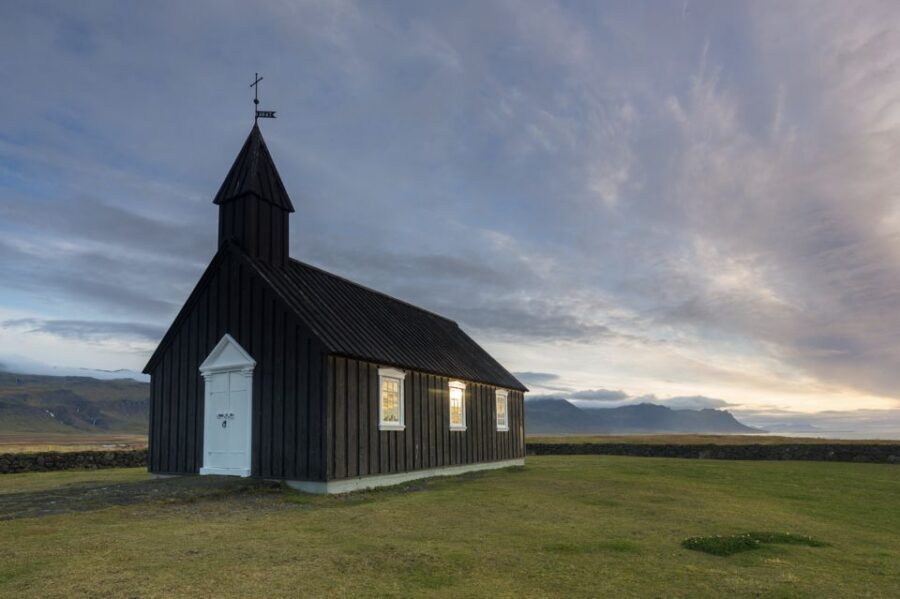
Today, the standout is the small wooden church: Búðakirkja, often called the Black Church of Búðir. The stop is brief, but it’s the kind of place you can appreciate quickly—because it’s not just a building. It’s a marker of how people built community in harsh volcanic country.
A modern element also exists: a Hotel Búðir has been recently built. That mix—old church, new lodging—helps you picture how a remote region balances preservation with living in the present.
If you only like “big-ticket” stops, this might feel small on the timeline. But it’s a good palate cleanser between shoreline drama and the wilder cliffs coming up next.
Arnarstapi cliffs, stone arches, and Bárður the half-troll
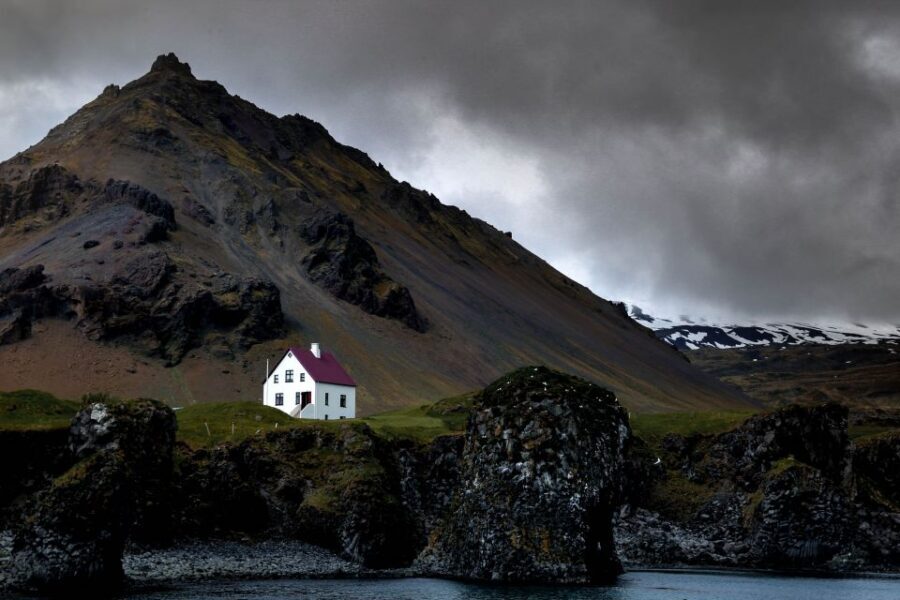
As the day pushes deeper into Snæfellsnes, you reach a small fishing village area at the bottom of a mountain: Arnarstapi. This is where coastal geology turns theatrical.
Here’s what stands out:
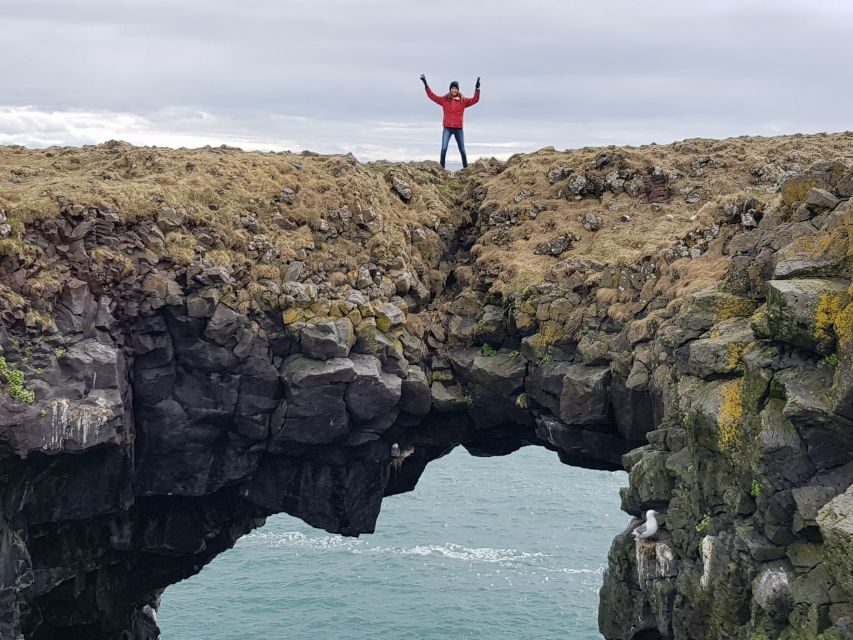
- Coastal cliffs formed from once-glowing magma and pounded by Atlantic waves.
- Erosion over thousands of years shaping stone arches and even a marine geyser effect in the right conditions.
- A guide-led layer of local folklore, including stories about Bárður, a half-man half-troll tied to the area.
That last part matters. When folklore is explained alongside what you’re seeing, you naturally start noticing details—the way rock shapes look like faces, the way erosion creates patterns you can compare across viewpoints. You don’t just walk to the next scenic spot; you start building a mental map of the coastline.
There’s also Gatklettur, known as Hellnar Arch. It’s a naturally formed stone arch that’s especially popular for photography and videography. The best photos often come from taking a few steps back and watching the arch against the sea, not just from the closest angle.
Kirkjufell: the most famous mountain in Iceland, plus a waterfall moment
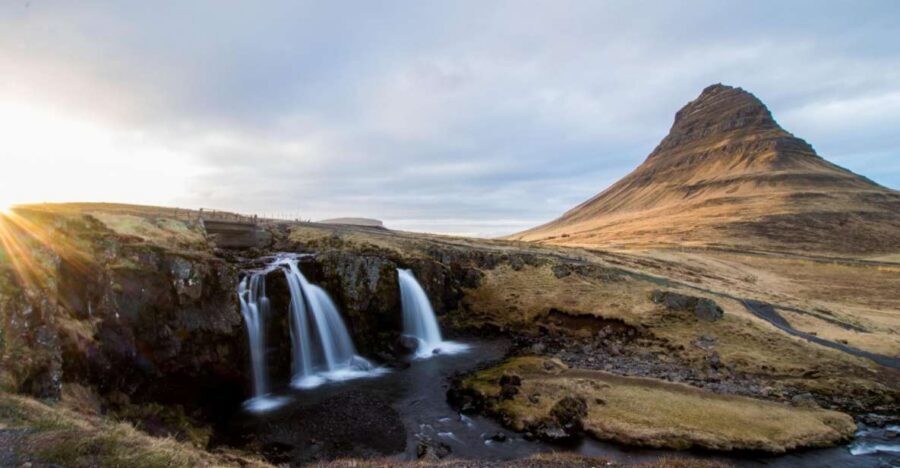
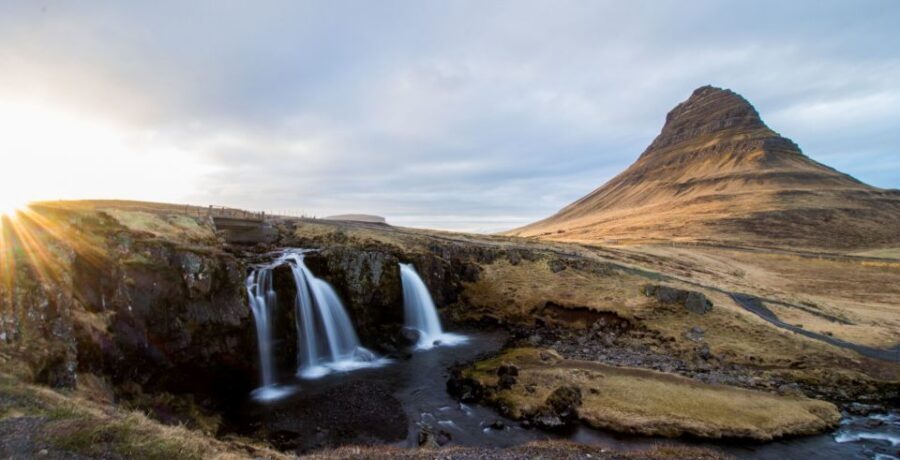
Eventually the route lands at Kirkjufell, often called Iceland’s most famous mountain. It’s been featured multiple times on Game of Thrones, but the reason it’s famous is physical: that cone-shaped profile and the way it sits beside the water make it feel instantly iconic.
This stop is built for your camera and your feet:
- A break with time for sightseeing and photos
- A walk (not just a viewpoint)
- A self-guided feel so you can choose where to stand
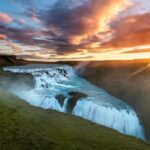
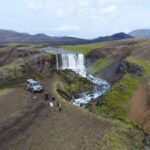
At the base, you’ll find a lake that reflects Kirkjufell like a mirror—if the conditions cooperate. You’re also in the zone for the waterfall associated with the mountain, which is part of why Kirkjufell doesn’t read as “just a mountain.” It’s mountain plus motion.
Practical advice: bring extra patience here. Kirkjufell is popular, and everyone wants their angle. Give yourself time to wait for lighter moments in the clouds and to reposition rather than forcing one perfect shot immediately.
Djúpalónssandur black sands: shipwreck history on volcanic pebbles
Next up is Djúpalónssandur, a striking black-sand beach on Snæfellsnes. It’s not a smooth, relaxing shoreline—think volcanic pebbles, rough textures, and a history layer that makes the place feel older than the day you’re visiting.
This stop includes:
- A photo pause and a chance to walk
- Time to explore the volcanic pebble shoreline
- Sight of shipwreck remains
- Ancient lifting stones, which add a surprising “human history” texture to the geology
Nearby, there’s also Dritvík Cove, mentioned as a haven for birdwatchers with breathtaking views. So even if you’re not a bird person, it’s worth slowing down and checking the air and cliff edges for movement.
If weather shifts during your time here, the key is to focus on what you can control: your footing, your clothing warmth, and your readiness for wind-driven spray. This is one of those coastal stops where you feel Iceland in your face.
Lóndrangar basalt pinnacles: 75-meter towers you can’t ignore
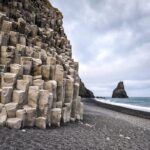
One of the most dramatic stops is Lóndrangar, a pair of giant basalt pinnacles rising from the coastline. They’re described as 75 meters high, remnants from a volcanic crater from tens of thousands of years ago.
Why this stop earns its place in the route:
- They’re visible over the southern coastline, so you get that creeping sense of arrival.
- Basalt formations like these help you connect volcanic origin to current shape. You’re literally looking at ancient rock structures that outlasted the active volcano phase.
- Wildlife can show up. The tour notes a variety of seabirds, including puffins and northern fulmars, depending on conditions.
You’ll have a short walk and photo time here. Even if you’re not into geology, the sheer vertical scale makes it hard to look away. It’s one of the clearest “stand and stare” moments in the whole itinerary.
Seawind, weather, and the real pacing of a 12-hour day
This is a 12-hour outing. That includes drive time between stops, short breaks, and self-guided portions. You’ll likely spend most of your energy in three ways:
- Watching for wildlife (seals at Ytri-Tunga)
- Chasing reflections and angles (Kirkjufell lake)
- Walking uneven ground on volcanic coasts (black sand and basalt areas)
Your best strategy is to dress for the worst weather you can imagine, then layer down if it’s milder. The tour explicitly suggests:
- Warm clothing
- Hiking shoes
- Rain gear
And I’d add one simple mindset: treat every walk stop as short by design. It’s not an all-day hike. It’s more like “enough time to see it properly,” then back to the coach to move to the next chapter.
Guide energy, bus comforts, and why the stories matter
This tour includes an English-speaking guide, plus Wi‑Fi and Icelandic music on board. That combination sounds small, but it helps a lot on a day that’s heavy on driving.
I also paid attention to recurring praise patterns in the guide role. Guides like Tania, Elias, David, Korinna, Gill, Carlos, Jacob, Ronan, and Þorsteinn get mentioned for being engaging, helpful, and story-focused—especially when it comes to explaining geology and folklore in plain language.
A practical benefit of a strong guide: when weather turns rough, you want someone who keeps the group moving safely while still prioritizing the best viewpoints. Some guides are also described as adding little extra touches—like Icelandic pancakes for lunch or a hot drink stop at the end—though that part isn’t guaranteed as a formal feature. Still, it’s a good sign: the day isn’t treated like a factory line.
Price and value: what $159 gets you in one long day
At $159 per person for a full day, this isn’t the cheapest way to see Snæfellsnes—but it’s also not priced like a luxury private driver situation.
Here’s the value argument that makes sense for most people:
- You cover many major sites in one day without dealing with navigation, parking, and route timing yourself.
- You get an English guide for the stops where understanding what you’re looking at makes the scenery click.
- You get included comfort on the coach: Wi‑Fi and music, which matters when the day is long.
If you’re the kind of traveler who wants to see a lot efficiently and you’re not trying to turn Snæfellsnes into a multi-day road trip, this price reads as fair. If you’re the kind of traveler who wants slow wandering and lots of time at each site, you might feel rushed by the schedule.
Who this tour suits best (and who might want to DIY)
This tour fits you if:
- You want a full-day Snæfellsnes overview with major highlights hit in a logical order.
- You like wildlife moments paired with geology and folklore.
- You prefer a guide to handle timing and explanations, so you can focus on walking, photos, and views.
It might not fit as well if:
- You hate coach travel and want fewer transit hours even if it means fewer stops.
- You need long, slow time at one location to feel satisfied.
- You’re not comfortable with uneven coastal ground and short walks.
Should you book this Snæfellsnes day trip?
If you have only one day in Reykjavik and you want Snæfellsnes’ best mix—seals at Ytri-Tunga, black-sand mystery at Djúpalónssandur, the bold rock towers of Lóndrangar, and the iconic photo hit of Kirkjufell—I’d book it. The pacing is built to keep the variety high, and the guide component is clearly the difference between seeing places and understanding them.
Just go prepared for a long day outdoors. Pack warm layers and rain gear, wear shoes you trust on slick ground, and you’ll be set for a coast that feels like it was designed for stories.